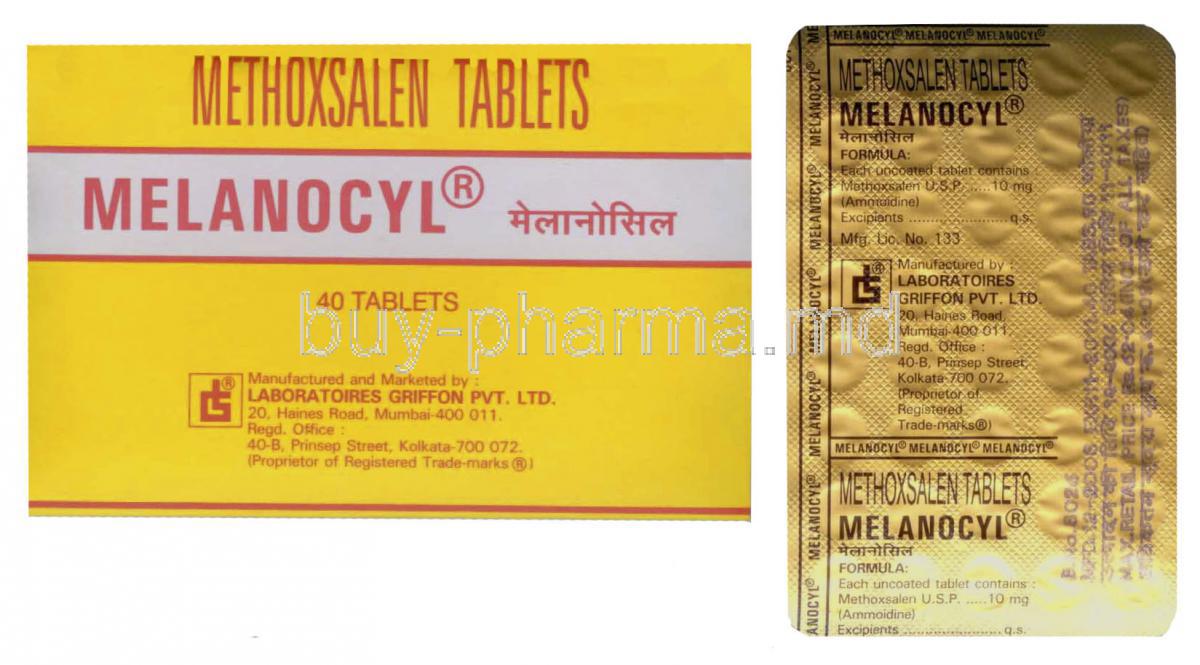
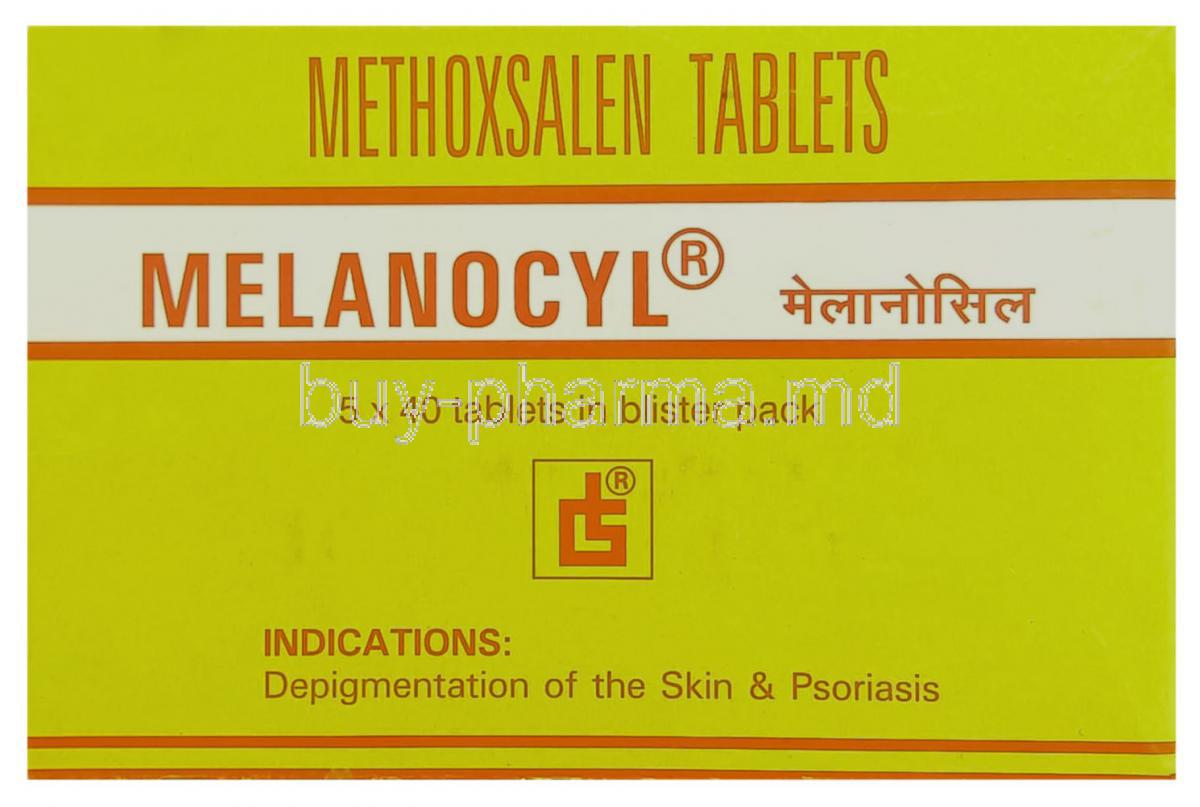


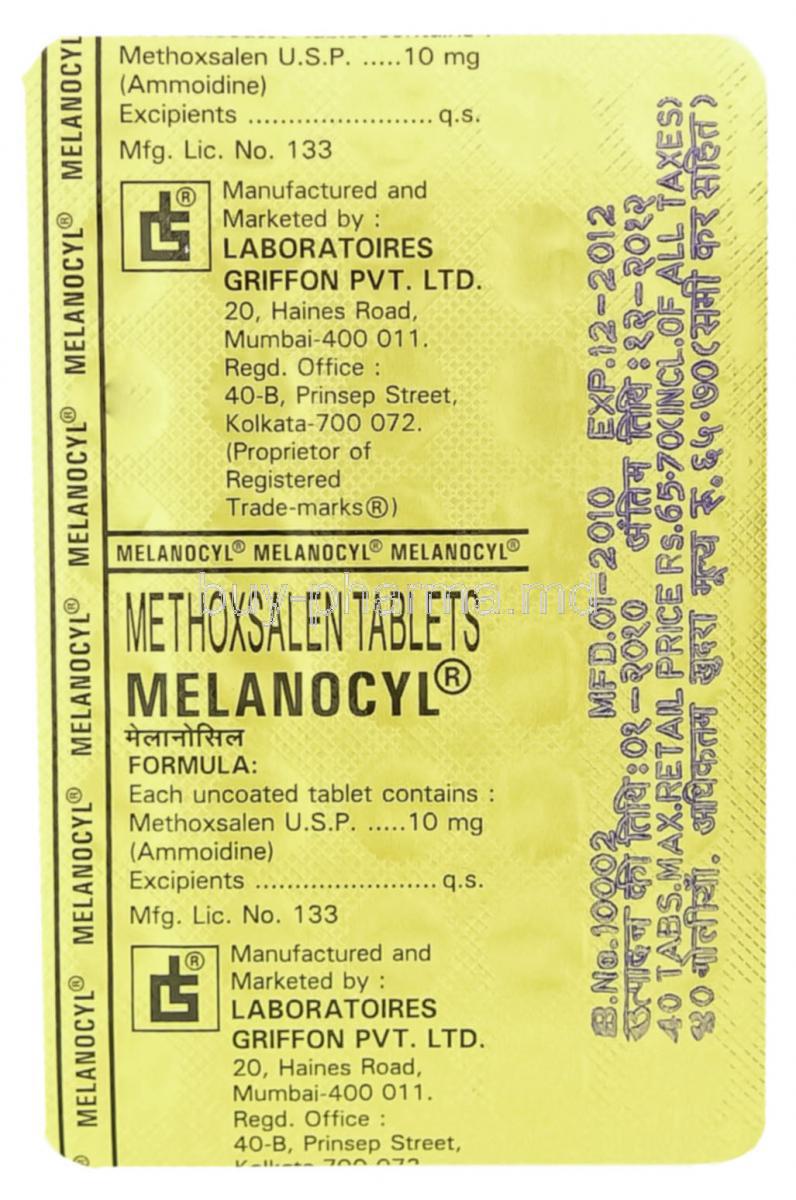
Introduction to Melanocyl (Methoxsalen)
Overview and Clinical Classification of Methoxsalen
Melanocyl, containing the active compound Methoxsalen, is a photosensitizing agent used in combination with ultraviolet A (UVA) light to treat a variety of dermatological conditions. It belongs to the class of psoralens—naturally derived furocoumarins known for their capacity to interact with DNA upon exposure to UVA radiation. This dual-action mechanism underlies its effectiveness in disorders involving defective pigmentation or abnormal keratinocyte proliferation.
Therapeutic Category and Historical Development of Melanocyl
First introduced in the mid-20th century, Methoxsalen revolutionized photochemotherapy as part of the PUVA therapy (Psoralen + UVA). Its initial use was confined to severe psoriasis, but its utility expanded with clinical studies showing benefits in vitiligo and cutaneous T-cell lymphoma. Over the years, refinements in dosage protocols and phototherapy technology have enhanced both safety and therapeutic outcomes.
Key Clinical Objectives of Photochemotherapy Using Methoxsalen
- To stimulate melanogenesis and restore pigment in depigmented areas.
- To control hyperproliferative epidermal conditions like psoriasis.
- To modulate immune response in certain lymphoproliferative skin diseases.
The principal goal remains the restoration of normal skin architecture through controlled UVA activation of Methoxsalen.
Composition and Formulations of Melanocyl
Active Ingredient Profile: Methoxsalen Pharmacological Attributes
Methoxsalen, chemically known as 9-methoxypsoralen, is a linear furocoumarin derived from plants such as Ammi majus. Its photosensitizing properties are central to its dermatologic applications, promoting DNA photo-adduct formation upon UVA exposure, leading to cell differentiation and melanin synthesis.
Available Dosage Forms: Topical Solution, Lotion, Tablets, PUVA Formulations
Melanocyl is available in several dosage forms designed to match clinical settings:
- Oral tablets – for systemic photochemotherapy in widespread conditions.
- Topical lotion or solution – applied directly to affected areas in localized vitiligo or psoriasis.
- PUVA bath solutions – for uniform exposure in large surface treatments.
Strength Variations and Excipient Considerations for Dermatologic Delivery
Formulations typically contain Methoxsalen in concentrations ranging from 0.1% for topical solutions to 10 mg tablets. Excipient selection ensures optimal penetration, stability, and minimal photodegradation during storage or application.
Mechanism of Action and How Methoxsalen Works
Photochemical Interaction with UVA Radiation (PUVA Therapy Concept)
Upon oral or topical administration, Methoxsalen intercalates into the DNA helix. When exposed to UVA light (320–400 nm), it forms covalent bonds with pyrimidine bases, producing crosslinks that inhibit abnormal cell division. This targeted photochemical effect forms the foundation of PUVA therapy.
DNA Crosslinking Induction and Keratinocyte Modification
The crosslinking of DNA not only halts hyperproliferation but also promotes apoptosis of pathogenic keratinocytes, restoring epidermal homeostasis. In immune-mediated conditions, this mechanism exerts local immunosuppressive effects, reducing inflammation.
Melanin Synthesis Modulation Pathways and Pigmentation Stimulation
Methoxsalen enhances melanogenesis by activating tyrosinase and stimulating melanocyte proliferation. This process gradually restores pigmentation in vitiliginous patches through controlled UVA exposure cycles.
Primary Therapeutic Uses of Melanocyl (Methoxsalen)
Treatment of Vitiligo with PUVA Therapy
The primary indication of Melanocyl is vitiligo, where it stimulates repigmentation by promoting melanin production in depigmented areas. Regular PUVA sessions often yield progressive pigment restoration with visible cosmetic improvement.
Psoriasis Resistant to Standard Topical Therapies
In patients with chronic plaque psoriasis unresponsive to corticosteroids or vitamin D analogs, PUVA therapy with Methoxsalen offers substantial remission through suppression of hyperactive keratinocytes.
Cutaneous T-Cell Lymphoma (CTCL) Management
For early-stage mycosis fungoides, PUVA therapy acts as a non-invasive immunomodulatory treatment that reduces malignant T-cell infiltration and alleviates pruritus.
Eczema and Photodermatosis Intervention
In select cases of chronic eczema or photosensitive dermatoses, Methoxsalen serves as an adjunct to regulate skin barrier dysfunction and reduce hypersensitivity.
Off-Label Uses and Experimental Clinical Applications
Alopecia Areata Refractory Cases
In resistant alopecia areata, topical Methoxsalen combined with UVA has been explored to stimulate follicular activity and restore hair growth in affected areas.
Lichen Planus Pigmentosus and Melasma Adjunctive Therapy
Low-dose PUVA therapy has demonstrated efficacy in hyperpigmentary disorders like lichen planus pigmentosus and melasma by modulating melanocyte behavior and reducing pigment unevenness.
Chronic Graft-Versus-Host Disease Skin Manifestations
Methoxsalen-based photochemotherapy is being studied for chronic GVHD-related dermatoses due to its local immunoregulatory and anti-inflammatory properties.
Hyperkeratotic Dermatoses Responsive to Photochemotherapy
Certain refractory hyperkeratotic and lichenoid conditions may benefit from the cell-proliferation control effects of Methoxsalen, expanding its dermatologic scope.
Dosage and Administration Guidelines
Standard UVA Exposure Protocols with Methoxsalen
PUVA therapy typically involves oral Methoxsalen followed by UVA exposure two to three times per week. Initial exposure durations are brief and progressively increased based on skin response.
Initial Test Dose Determination and Phototoxicity Threshold Evaluation
Patients undergo a minimal phototoxic dose (MPD) test to determine the threshold for safe exposure, preventing over-sensitization or burns.
Frequency, Titration Strategy, Dose Escalation and Maintenance Programming
Dose adjustments depend on patient tolerance, skin type, and treatment response. Maintenance therapy may be scheduled weekly after initial improvement.
Missed Dose Guidance and UVA Exposure Timing Recommendations
If a dose is missed, it should not be doubled. Optimal UVA exposure is recommended 1.5–2 hours post-oral administration for maximum photosensitization.
Handling Precautions During Administration
UVA Protective Eyewear Requirements Pre- and Post-Dose
Patients must wear UVA-blocking goggles from the time of ingestion until sunset on treatment days to prevent ocular phototoxicity and cataract formation.
Skin Protection Procedures Post Therapy
Sunblock application and avoidance of direct sunlight are essential for 24 hours post-treatment to prevent burns and hyperpigmentation.
Clinic-Based PUVA Booth Calibration and Irradiance Consistency
Therapy booths must be regularly calibrated to ensure uniform UVA delivery and avoid inconsistent skin exposure patterns.
Important Precautions and Special Risk Considerations
Prolonged Sun Exposure Risk
Extended sunlight exposure post-therapy increases the risk of burns, photodermatitis, and chronic photoaging. Protective clothing and sunscreen are mandatory.
Carcinogenicity Considerations in Long-Term PUVA Exposure
Chronic PUVA therapy may slightly elevate the risk of squamous cell carcinoma; periodic dermatological evaluations are advised.
Risk of Cataract Development Without Ocular Protection
Failure to use protective eyewear after dosing significantly increases the risk of UV-induced lens opacity and cataract formation.
Contraindications to Methoxsalen Use
- History of melanoma or active skin malignancy.
- Severe hepatic or renal impairment.
- Systemic lupus erythematosus and porphyria cutanea tarda.
- Known hypersensitivity to psoralens or formulation excipients.
Careful Administration and Risk-Segment Cautions
- Patients with a history of photosensitivity or xeroderma pigmentosum.
- Those receiving immunosuppressive or cytotoxic medications.
- Individuals with numerous or atypical moles requiring regular monitoring.
Side Effects Profile of Methoxsalen
Overview of Adverse Reaction Frequency Distribution
Most adverse reactions are dose- and light-dependent, occurring predominantly within the first few therapy sessions. These reactions are typically reversible with dosage adjustment.
Phototoxicity Patterns Post UVA Exposure
Phototoxic erythema, edema, and vesiculation may occur if the UVA dose exceeds individual thresholds. Proper scheduling minimizes such risks.
Ocular Symptoms Related to Inadequate Eye Protection
Symptoms such as blurred vision, lacrimation, or photophobia may arise when ocular protection is neglected during treatment.
Common Side Effects
- Transient skin redness, burning, or pruritus.
- Blistering or peeling in overexposed regions.
- Dryness or premature photoaging with prolonged therapy.
Most effects are mild and manageable through reduced UVA intensity, proper hydration, and topical emollient use.
Drug Interactions and UVA Sensitivity Modifiers
Interaction with Tetracyclines and Fluoroquinolones
Methoxsalen, as a potent photosensitizer, may amplify the phototoxic potential of certain antibiotics. Concomitant administration with tetracyclines or fluoroquinolones can markedly heighten cutaneous sensitivity to UVA radiation. This interaction often manifests as exaggerated erythema, blister formation, or pigmentary alterations following standard PUVA exposure.
- Tetracyclines such as doxycycline or minocycline enhance UVA absorption, producing oxidative stress in epidermal tissues.
- Fluoroquinolones, including ciprofloxacin, further destabilize keratinocyte DNA when combined with Methoxsalen-induced photosensitization.
Clinical management demands temporal separation of therapy or discontinuation of the interfering antibiotic before PUVA initiation to mitigate risk.
Interaction with Diuretics, Retinoids, and Antifungals
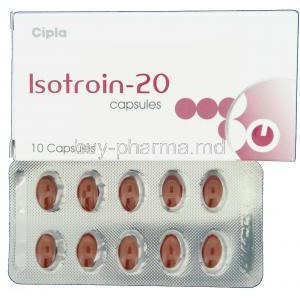
Certain thiazide diuretics and loop diuretics are known to elevate UVA-induced skin reactivity, particularly in fair-skinned or photosensitive individuals. Likewise, retinoids such as isotretinoin thin the epidermal layer, predisposing patients to excessive phototoxic reactions.
- Concomitant topical or systemic retinoid use should be avoided during Methoxsalen therapy.
- Azole antifungals may alter hepatic metabolism of Methoxsalen, leading to elevated plasma concentrations and increased systemic photosensitivity.
Prudent medication review is vital before initiating PUVA treatment to identify and suspend agents capable of amplifying UVA toxicity.
Co-administration with Systemic Photosensitizers
Combination with other systemic photosensitizers—such as sulfonamides, phenothiazines, or amiodarone—can provoke intense erythema, pruritus, and dermal inflammation even under controlled UVA exposure. The additive photosensitizing effect results from overlapping chromophore activation spectra within skin tissues.
It is advisable to maintain an interval of several days between the administration of Methoxsalen and other known photosensitizers to prevent cumulative damage and ensure controlled photobiological response.
Administration in Special Populations
Administration to Elderly
Skin Fragility Considerations
In geriatric patients, epidermal turnover and barrier function are diminished, rendering the skin more vulnerable to UVA-induced injury. The reduced elasticity and moisture content of aging skin heighten the susceptibility to microtrauma and post-inflammatory pigmentation changes following PUVA therapy.
Increased Risk of Cumulative Phototoxic Injury
Repeated Methoxsalen exposure in elderly individuals carries a higher cumulative burden of oxidative stress. This may manifest as chronic actinic damage, lentigines, or accelerated dermal aging. To minimize harm:
- UVA doses should be gradually escalated.
- Treatment intervals must be extended to allow adequate epidermal recovery.
Administration to Pregnant Women and Nursing Mothers
Teratogenic Risk Potential
Animal studies and limited human data indicate potential teratogenic effects due to Methoxsalen’s DNA-interactive mechanism. Exposure during organogenesis may induce mutagenic changes or interfere with fetal pigmentation processes. Consequently, Methoxsalen therapy is contraindicated during pregnancy unless the therapeutic benefit outweighs the risk.
Avoidance Recommendation During Lactation
Methoxsalen may be excreted in breast milk in trace amounts. Because the infant’s skin and ocular structures are particularly photosensitive, breastfeeding should be temporarily suspended during and shortly after treatment. Photoprotection measures are essential for nursing mothers undergoing PUVA therapy.
Administration to Children
Restricted Clinical Use Parameters
Use in pediatric populations is limited to exceptional cases under strict medical supervision. The child’s thinner epidermis and immature melanogenic system increase the risk of severe burns and dyschromia.
Pediatric Dose Adjustment Caution
When treatment is deemed necessary, dosing must be precisely weight-adjusted. Minimal phototoxic dose testing and reduced UVA intensity are mandatory to ensure safety. Close monitoring for erythema, blistering, and ocular effects is essential throughout therapy.
Overdosage and Toxicity Response
Recognition of Overdose Phototoxic Manifestations
Overdose symptoms include excessive erythema, burning pain, edema, and vesiculation within 24 hours of exposure. Systemic signs such as nausea, vomiting, or dizziness may indicate heightened Methoxsalen plasma levels. Prompt recognition is critical to prevent extensive skin necrosis or long-term scarring.
Immediate Clinical Management Protocol
- Discontinue further UVA exposure immediately.
- Apply cool compresses and topical corticosteroids to mitigate inflammation.
- Administer oral antihistamines to alleviate pruritus.
- Hydration and analgesics support systemic recovery.
Severe phototoxic burns may necessitate hospitalization and wound care under sterile conditions.
Long-Term Surveillance After Overdose Injury
Patients recovering from Methoxsalen overdose require dermatologic follow-up to monitor pigmentary alterations, chronic photosensitivity, and potential neoplastic transformation. Routine eye examinations are recommended to rule out UVA-related lens changes.
Storage and Handling of Melanocyl Products
Optimal Temperature and Container Protection
Melanocyl formulations should be stored at controlled room temperature, ideally between 15°C and 25°C. Containers must remain tightly closed to prevent volatilization or contamination. Humidity and temperature fluctuations compromise chemical stability and potency.
Light Exposure Sensitivity and Packaging Considerations
Methoxsalen is highly photosensitive. Prolonged exposure to light causes degradation, resulting in reduced efficacy. Packaging in amber or opaque containers is therefore essential. During dispensing, minimal exposure to fluorescent or natural light is advised.
Expiry Timeline and Disposal Recommendations
Each product bears a manufacturer-assigned expiry date indicating potency retention. Expired or unused Methoxsalen should not be discarded into wastewater. Instead, it must be disposed of through pharmaceutical waste programs or returned to authorized collection centers to prevent environmental contamination.
Proper handling ensures both therapeutic effectiveness and environmental safety throughout the product’s lifecycle.
 Verified Purchase
Methoxsalen works great and my liver enzymes have never been off
Great product at an awesome price
Customers also bought
Popular Products
Similar Product