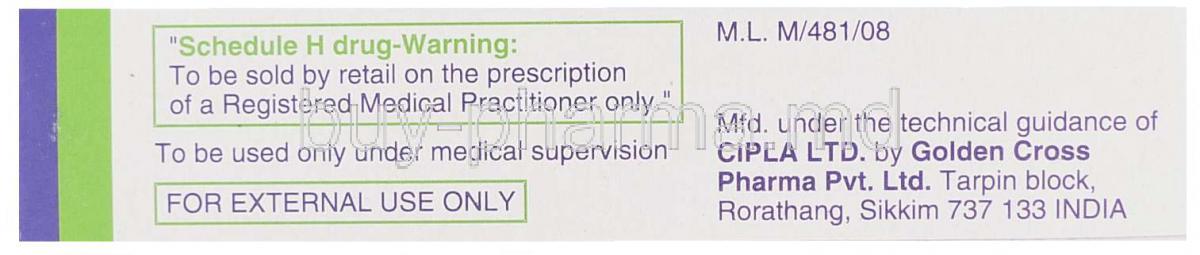
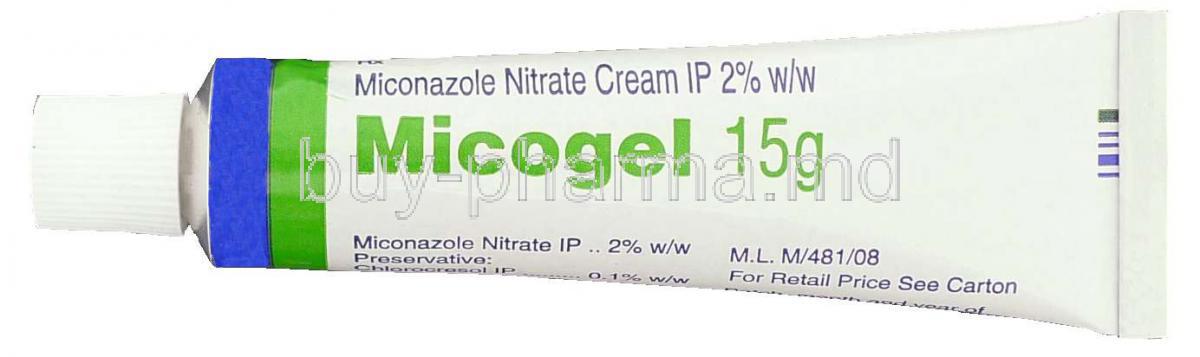
1. Introduction to Micogel (Miconazole Cream)
1.1 Overview of Micogel and Its Dermatological Uses
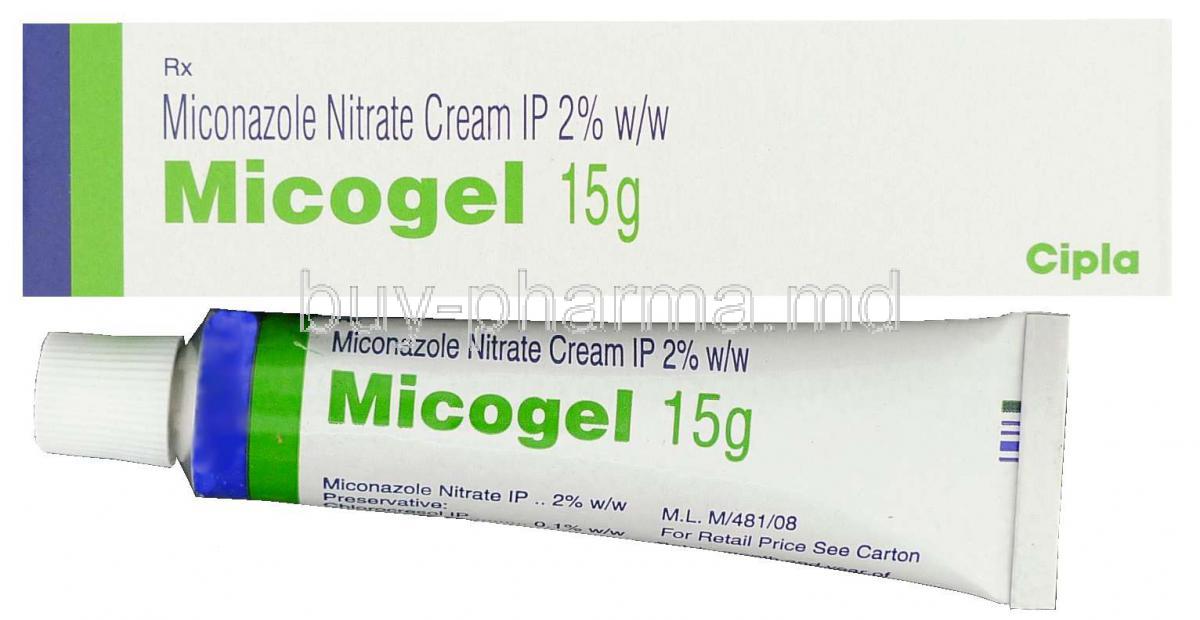
Micogel, formulated with miconazole nitrate, is a topical antifungal preparation widely used to address superficial fungal infections. It provides targeted relief from itching, erythema, scaling, and discomfort caused by pathogenic fungi and yeasts. Its versatility allows it to be applied across various skin regions where fungal proliferation commonly occurs.
1.2 History and Development of Topical Miconazole
Miconazole was first introduced in the 1970s as part of a new generation of imidazole antifungal agents. Over time, it earned a prominent role in dermatology due to its broad-spectrum efficacy and favorable safety profile. Through continuous refinement and formulation advancements, modern miconazole creams such as Micogel offer improved skin penetration and sustained activity.
1.3 Therapeutic Classification and Pharmacological Features
Classified as an imidazole antifungal, Micogel exhibits fungistatic and fungicidal properties depending on concentration and organism susceptibility. It acts locally on the skin with minimal systemic absorption, making it suitable for prolonged topical therapy.
1.4 Importance of Miconazole in Antifungal Therapy
Miconazole remains a cornerstone in antifungal dermatology. Its ability to effectively target dermatophytes, yeasts, and some gram-positive bacteria elevates it to a preferred option in polymicrobial infections. Long-term clinical experience and predictable outcomes reinforce its continued importance in cutaneous therapy.
1.5 Global Availability, Brand Names, and Generic Equivalents
Micogel is available across numerous international markets under various brand names and generic formulations. Its widespread availability ensures accessible and affordable antifungal care for diverse patient populations.
2. Composition and Formulation
2.1 Active Ingredient: Miconazole Nitrate
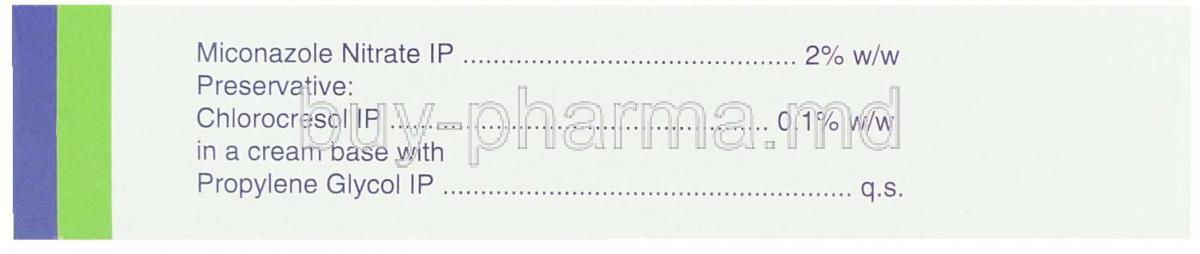
The primary active component is miconazole nitrate, known for its potent antifungal capabilities and stable chemical profile. It ensures consistent therapeutic performance across varying degrees of infection severity.
2.2 Concentration Strengths Available (1%, 2%)
Micogel is commonly available in 1% and 2% concentrations. Higher concentrations may be used in more resistant infections, while mild cases often respond well to lower strengths.
2.3 Inactive Ingredients and Their Functional Roles
- Emollients for enhanced skin hydration
- Stabilizers to preserve product integrity
- Penetration enhancers to improve dermal absorption
- pH balancing agents for optimal skin compatibility
2.4 Formulation Characteristics: Cream, Gel, Lotion, Powder
Micogel is primarily marketed as a cream or gel, although miconazole is also available in lotion and powder forms for different dermatological needs. The gel variant offers a cooling sensation suitable for inflamed or macerated areas.
2.5 Quality Standards and Pharmaceutical Grade Requirements
Manufacturing adheres to Good Manufacturing Practices (GMP), ensuring pharmaceutical-grade purity, stability, and therapeutic consistency for every batch.
3. Mechanism of Action: How Miconazole Works
3.1 Antifungal Mechanism: Ergosterol Inhibition
Miconazole inhibits ergosterol synthesis, a vital component of fungal cell membranes. This disruption impairs membrane integrity and ultimately inhibits fungal growth.
3.2 Disruption of Fungal Cell Membrane Integrity
By altering permeability, miconazole leads to leakage of essential intracellular components, resulting in cellular dysfunction and death.
3.3 Antibacterial and Antiinflammatory Properties
The compound exhibits ancillary antibacterial activity against certain gram-positive bacteria. Mild antiinflammatory effects further assist in alleviating redness and irritation.
3.4 Pharmacokinetics: Absorption, Distribution, and Local Activity
Miconazole displays minimal systemic absorption but robust localized distribution. It concentrates in the stratum corneum, maintaining prolonged antifungal activity.
3.5 Spectrum of Activity Against Dermatophytes, Yeasts, and Other Fungi
The medication is effective against dermatophytes, Candida species, and Malassezia variants, making it suitable for diverse fungal conditions.
4. Approved Uses of Micogel
4.1 Treatment of Tinea Corporis (Ringworm)
Micogel provides rapid relief from ringworm’s characteristic circular lesions, decreasing scaling and pruritus.
4.2 Tinea Pedis (Athlete’s Foot)
It targets interdigital maceration, fissuring, and persistent odor associated with athlete’s foot.
4.3 Tinea Cruris (Jock Itch)
The formulation alleviates groin-area irritation and erythema caused by fungal overgrowth.
4.4 Cutaneous Candidiasis
Effective against Candida-induced rashes, Micogel reduces moisture-associated maceration and discomfort.
4.5 Pityriasis Versicolor (Tinea Versicolor)
The cream helps normalize pigmentation changes and scaling associated with Malassezia proliferation.
4.6 Seborrheic Dermatitis-Associated Fungal Overgrowth
Miconazole mitigates yeast-driven inflammation associated with seborrheic dermatitis.
5. Off-Label Uses
5.1 Management of Intertrigo With Fungal Superinfection
Micogel is often used in intertrigo cases where friction and moisture promote fungal colonization.
5.2 Use in Diaper Dermatitis With Suspected Candida
It is utilized in pediatric care to alleviate Candida-associated diaper rashes under supervision.
5.3 Secondary Use for Bacterial-Fungal Mixed Infections
Its mild antibacterial component may support treatment of mixed infections commonly found in moist skin folds.
5.4 Adjunctive Therapy for Recurrent Vaginal Candidiasis (Topical External Application)
Micogel may be applied externally around affected regions to reduce recurrent irritation.
6. Dosage and Administration
6.1 General Application Guidelines
Apply a thin layer to clean, dry skin. Massage gently to enhance penetration and therapeutic effect.
6.2 Duration of Treatment for Different Infections
- 2–4 weeks for dermatophyte infections
- 1–2 weeks for candidiasis
- Up to 4 weeks for tinea versicolor
6.3 Step-by-Step Instructions for Application
- Wash and dry the area thoroughly
- Apply a small amount to the affected region
- Spread evenly and massage gently
- Wash hands after use
6.4 Frequency of Use in Mild vs. Severe Cases
Typically administered twice daily. Severe fungal overgrowth may require additional medical guidance.
6.5 Missed Application Guidance
If a dose is missed, apply as soon as remembered. Avoid doubling doses.
6.6 When to Stop or Continue Treatment
Continue using Micogel for the full treatment duration even if symptoms improve early to prevent recurrence.
7. Side Effects of Micogel
7.1 Overview of Dermatological Adverse Reactions
Most side effects are local and transient. They tend to lessen with continued application.
7.2 Mild to Moderate Local Reactions
These include transient itching, tingling, or slight erythema.
7.3 Severe or Rare Hypersensitivity Reactions
Severe allergic dermatitis, blistering, or swelling requires immediate medical cessation.
8. Common Side Effects
8.1 Skin Itching and Irritation
Often mild and self-limiting, typically resolving without intervention.
8.2 Redness and Burning Sensation
Temporary warmth or burning may occur, especially on sensitive skin.
8.3 Dryness or Peeling of Skin
Surface dryness may develop during prolonged therapy.
8.4 Stinging Sensation After Application
Common in inflamed or broken skin regions.
8.5 Localized Swelling or Warmth
Localized swelling may indicate sensitivity, requiring monitoring.
9. Drug Interactions
9.1 Interaction With Other Topical Antifungals
Using multiple antifungals simultaneously may alter therapeutic response.
9.2 Concurrent Use With Corticosteroid Creams
Steroids may mask fungal persistence, necessitating cautious combined use.
9.3 Effect on Coumarin-Type Anticoagulants (Warfarin)
Miconazole may enhance anticoagulant effects; monitoring is advised.
9.4 Interaction With Topical Antibiotics
Some combinations may potentiate irritation or reduce therapeutic efficacy.
9.5 Avoidance of Occlusive Dressings
Occlusion increases absorption and may heighten irritation.
10. Warnings and Important Precautions
10.1 Avoiding Contact With Eyes and Mucous Membranes
Ocular and mucosal exposure can cause irritation and must be avoided.
10.2 Use on Broken or Eroded Skin
Increased absorption and burning may occur on compromised skin.
10.3 Signs of Allergic Reactions Requiring Discontinuation
Severe itching, swelling, or rash indicates hypersensitivity.
10.4 Risk of Overuse or Prolonged Application
Excessive use may lead to skin maceration or worsening irritation.
10.5 Precautions During Concurrent Skin Conditions (eczema, psoriasis)
Inflamed or highly sensitive skin requires careful assessment before use.
11. Contraindications
11.1 Known Hypersensitivity to Miconazole or Formulation Excipients
Patients with past allergic reactions must avoid use.
11.2 Severe Allergic Dermatitis Reactions
History of blistering or significant swelling precludes therapy.
11.3 Contraindications Related to Systemic Absorption Risk
Rare systemic absorption risks require caution in extensive application.
12. Careful Administration
12.1 Patients With Chronic Skin Conditions
Chronic inflammation or barrier dysfunction may increase irritation.
12.2 Patients Using Multiple Dermatologic Medications
Polypharmacy increases the risk of local interactions.
12.3 Individuals With Known Sensitivity to Topical Agents
Patch testing may be advisable prior to extensive use.
12.4 Those With Circulatory Disorders or Peripheral Neuropathy
Reduced skin sensation may delay identification of adverse reactions.
12.5 Situations Where Medical Monitoring Is Recommended
Long-term therapy or widespread infection warrants clinical oversight.
13. Use in Special Populations
13.1 Administration to Elderly Patients
13.1.1 Skin Fragility Considerations
Elderly skin is thinner and more prone to irritation, necessitating gentle application.
13.1.2 Increased Monitoring for Irritation
Older adults may require more frequent skin evaluations.
13.1.3 Modified Application Frequency if Required
Reduced frequency may be appropriate for sensitive or delicate skin.
13.2 Administration to Pregnant Women and Nursing Mothers
13.2.1 Safety Profile During Pregnancy
Miconazole is generally considered low risk when used externally under guidance.
13.2.2 Use in Breastfeeding Areas (avoid the nipple)
Application to the breast area should be avoided due to potential infant exposure.
13.2.3 When Medical Supervision Is Necessary
Persistent infections during pregnancy warrant medical evaluation.
13.3 Administration to Children
13.3.1 Safety Data in Pediatric Use
Pediatric skin is more permeable; mild concentrations are preferred.
13.3.2 Use in Diaper Area and Risk of Occlusion
Diapers increase occlusion and absorption, requiring caution.
13.3.3 Adjusted Application Guidelines
Application should be minimal and only under supervision.
14. Overdosage
14.1 Symptoms of Excessive Topical Use
Overuse can cause burning, redness, or worsening irritation.
14.2 Management of Accidental Ingestion
If ingested, mild gastrointestinal upset may occur; medical advice is recommended.
14.3 Medical Treatment and Monitoring Requirements
Severe cases require supportive care and professional evaluation.
15. Handling and Storage
15.1 Recommended Storage Conditions
Store at room temperature away from heat sources.
15.2 Protection From Heat, Light, and Moisture
Excessive heat or sunlight may degrade active ingredients.
15.3 Shelf Life and Expiry Guidelines
Do not use beyond printed expiration dates to ensure potency.
15.4 Safe Handling Practices for Topical Medications
Keep the tube capped when not in use and avoid contamination.
15.5 Disposal Instructions for Unused or Expired Product
Dispose of expired medications following local regulations; avoid flushing.
16. Handling Precautions
16.1 Hygiene Measures Before and After Application
Wash hands thoroughly to prevent cross-contamination.
16.2 Avoiding Cross-Contamination of Infected Areas
Use separate towels for infected regions to limit fungal spread.
16.3 Use of Gloves or Applicators When Needed
Gloves or cotton applicators may be used for hygiene or in clinical settings.
16.4 Preventing Spread of Fungal Infection Through Personal Items
Do not share clothing, towels, or personal grooming items to minimize reinfection risk.
Micogel, Miconazole Cream FAQ
Popular Products
Similar Product