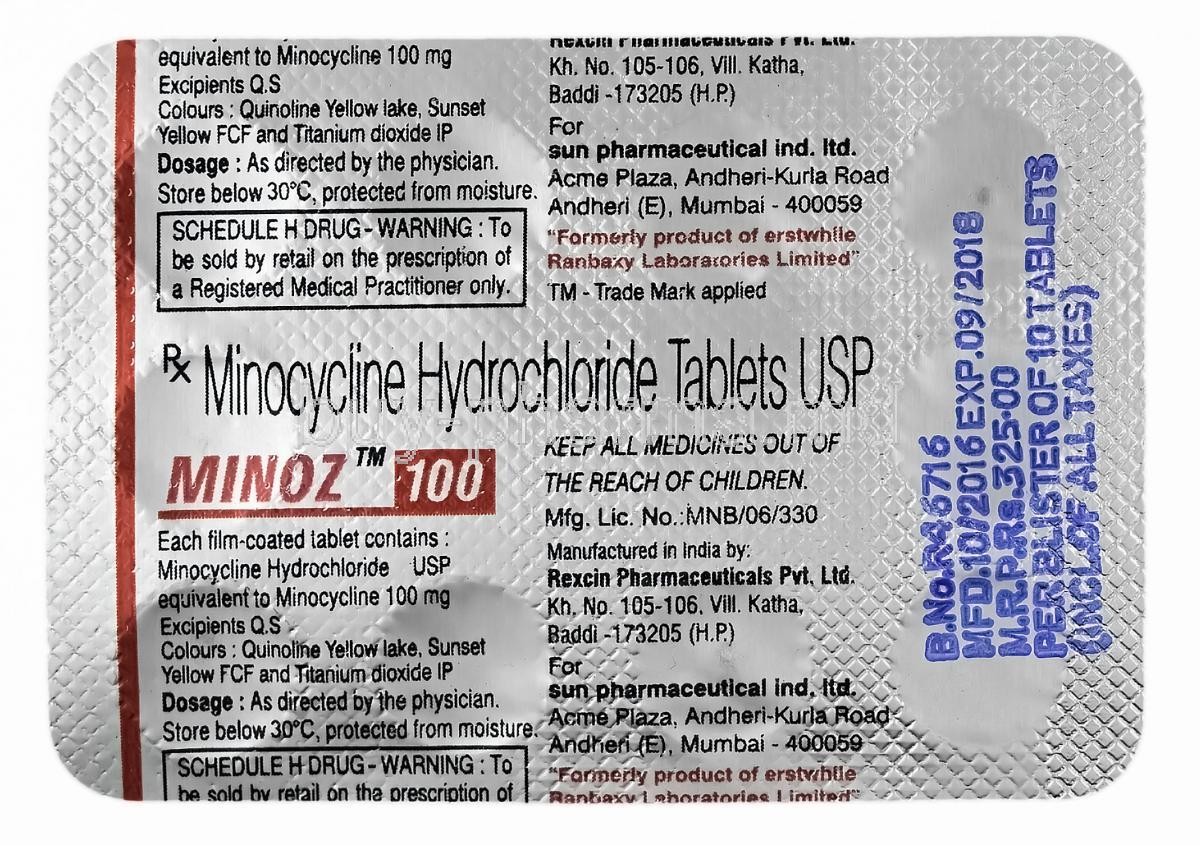
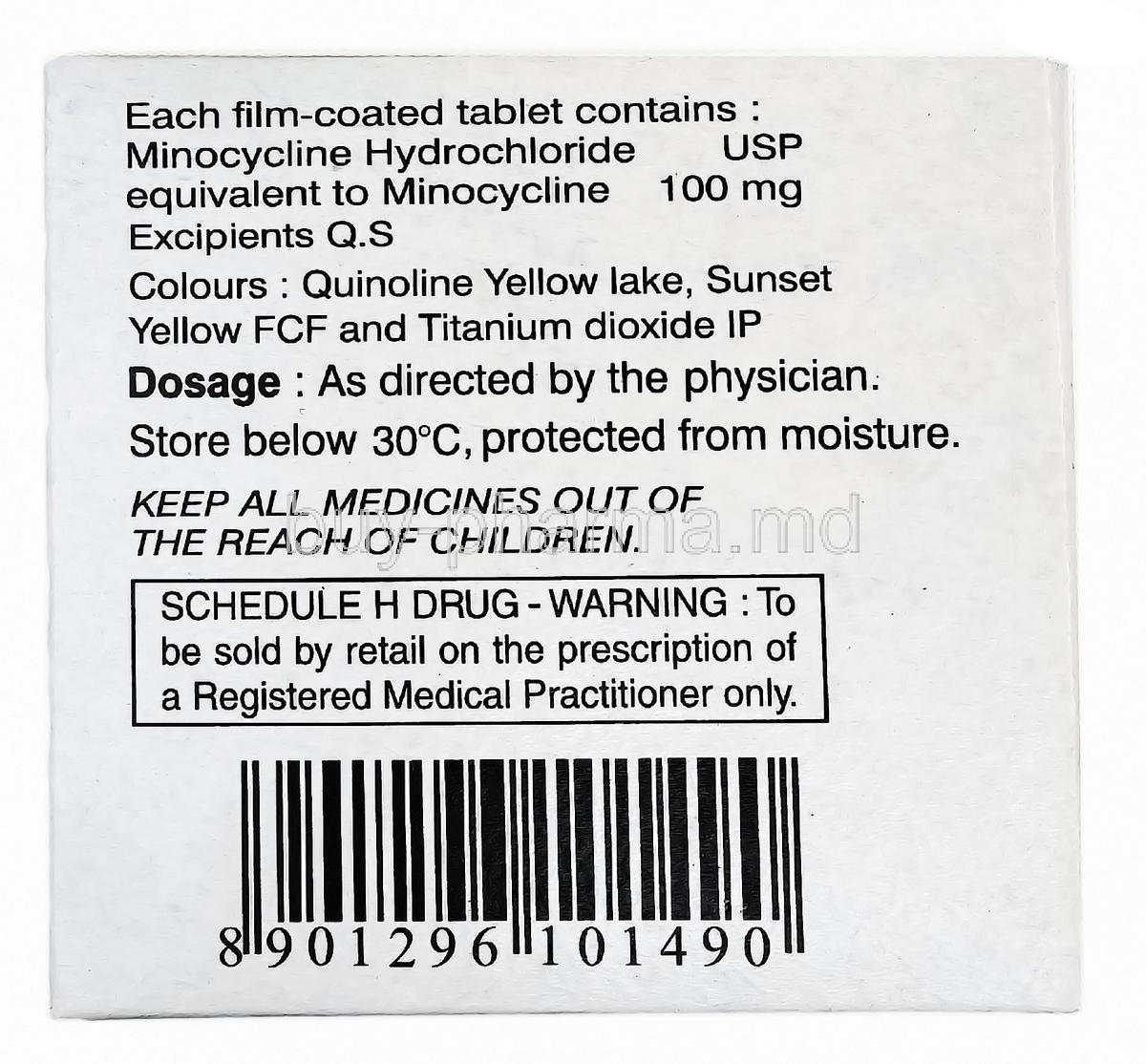
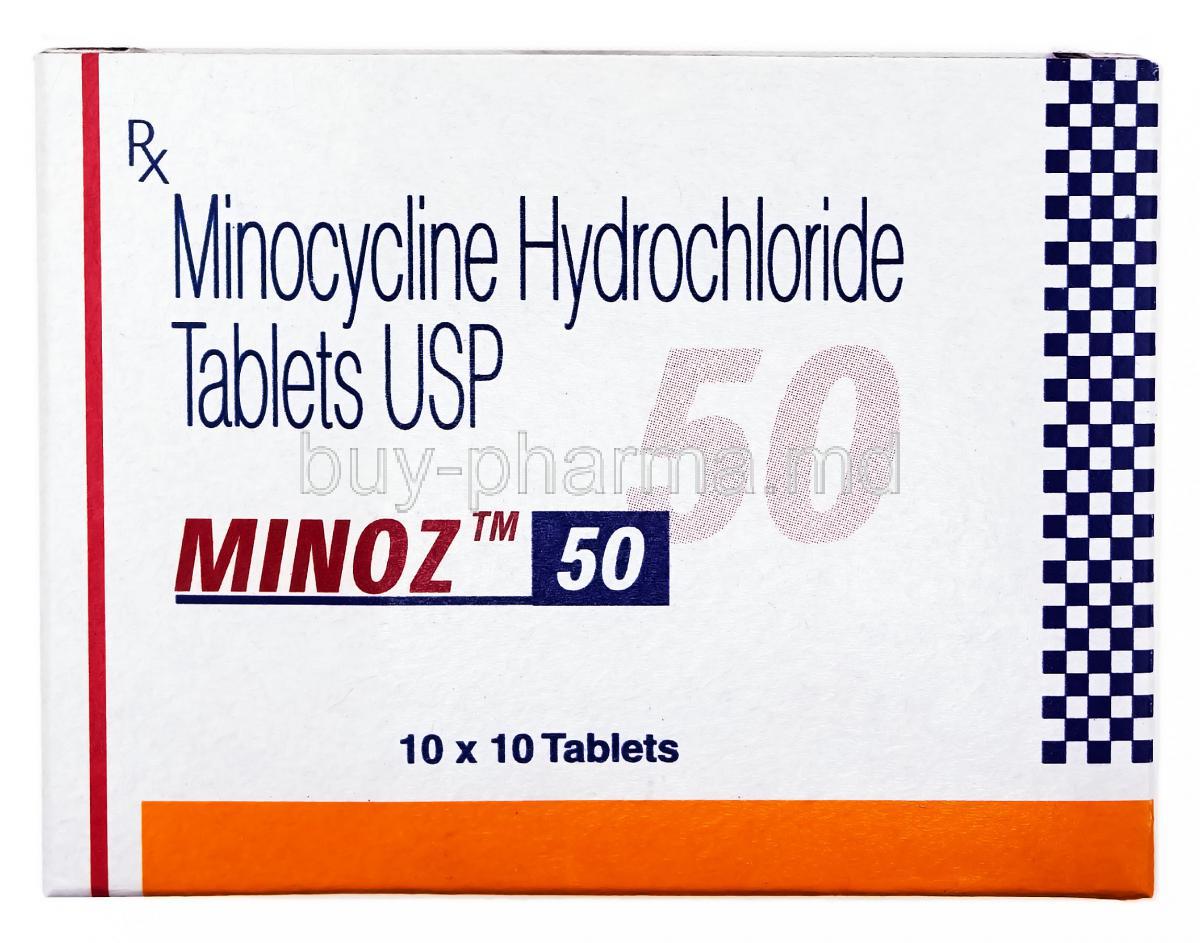
1. Introduction to Minoz (Minocycline)
What is Minoz?
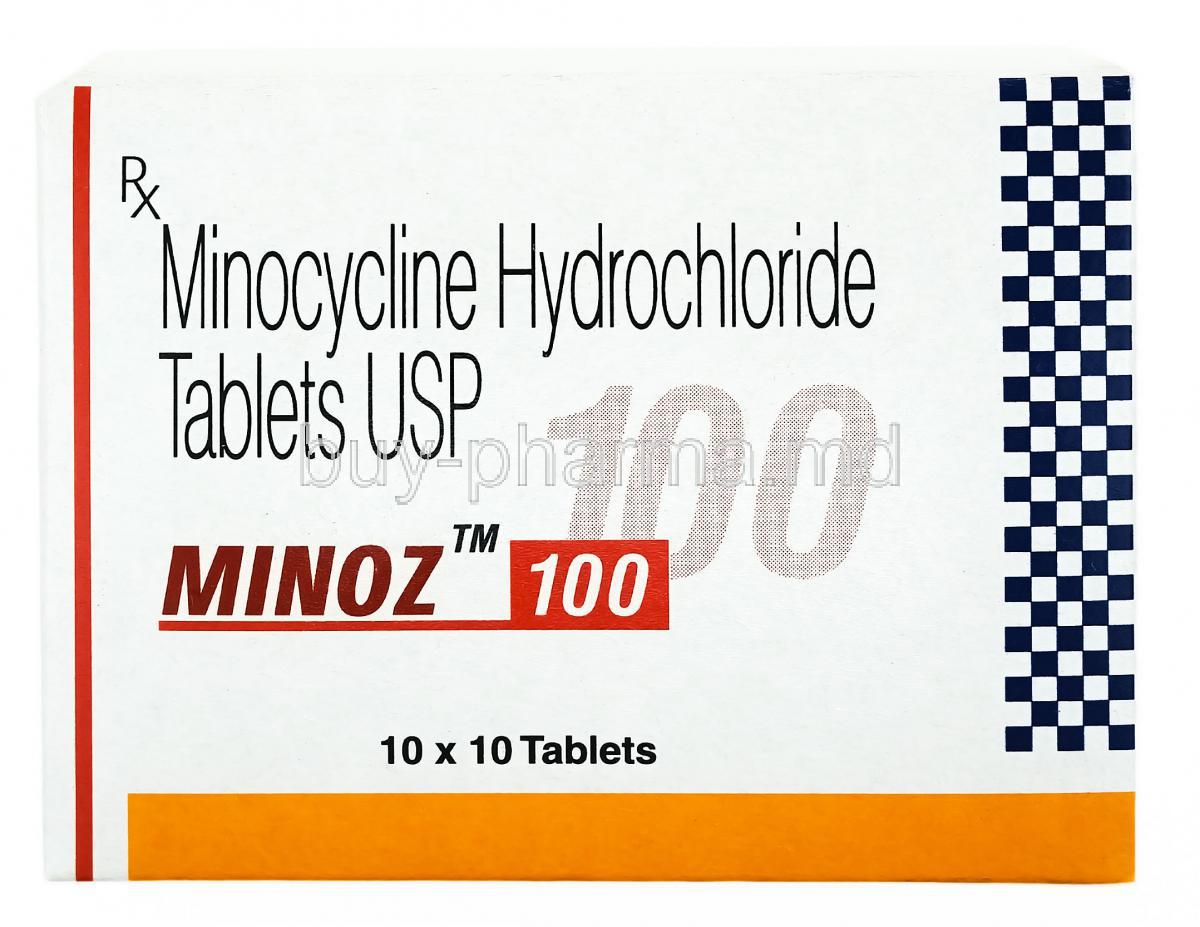
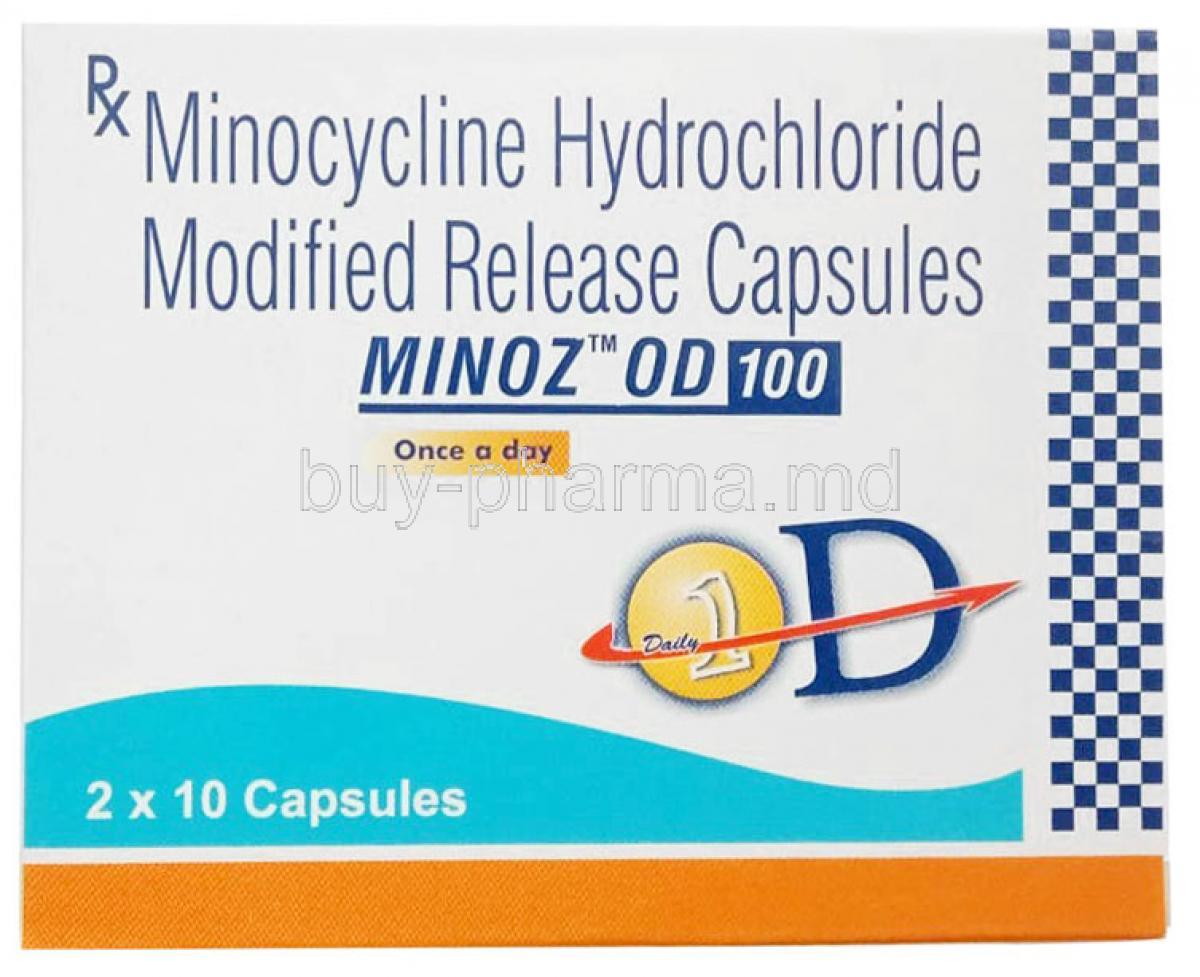
Minoz is an oral antibiotic formulation containing minocycline, a semi-synthetic derivative of the tetracycline class. It is widely prescribed for the treatment of bacterial infections and inflammatory dermatological conditions. The medication is valued for its broad antimicrobial spectrum and additional anti-inflammatory properties.
Overview of Minocycline as a Tetracycline-Class Antibiotic
Minocycline belongs to the tetracycline family, a group of bacteriostatic agents that inhibit microbial proliferation rather than directly destroying bacteria. Compared with earlier tetracyclines, minocycline demonstrates enhanced lipid solubility and superior tissue penetration. This pharmacokinetic advantage allows it to reach deeper skin structures, respiratory tissues, and intracellular environments.
Therapeutic Classification and Prescription Status
- Pharmacological class: Tetracycline antibiotic
- Therapeutic category: Broad-spectrum antimicrobial and anti-inflammatory agent
- Regulatory status: Prescription-only medication
Its use should always be guided by clinical evaluation to prevent unnecessary antibiotic exposure and resistance.
Key Features and Clinical Advantages of Minocycline
- Excellent oral bioavailability
- High lipid solubility and tissue distribution
- Activity against atypical and intracellular pathogens
- Dual antimicrobial and anti-inflammatory effects
- Useful in chronic dermatologic conditions requiring long-term control
Available Strengths and Dosage Forms
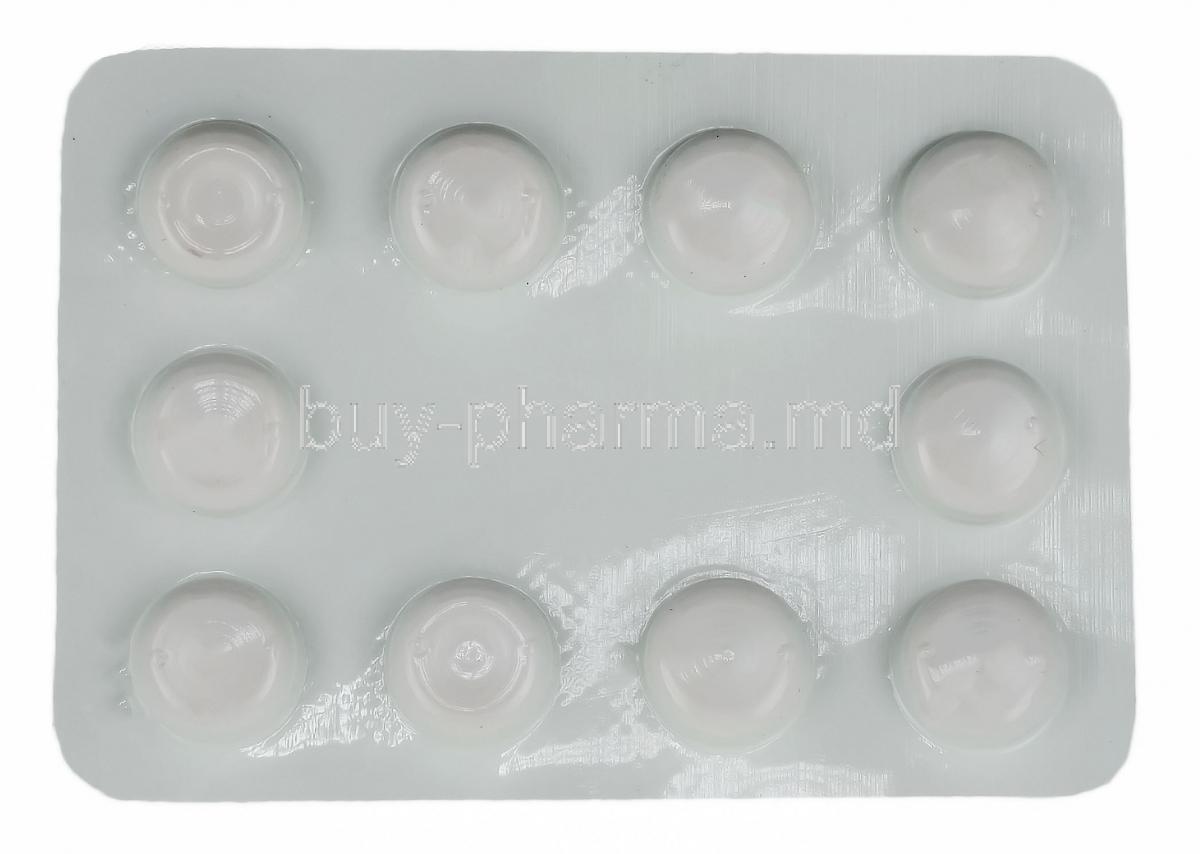
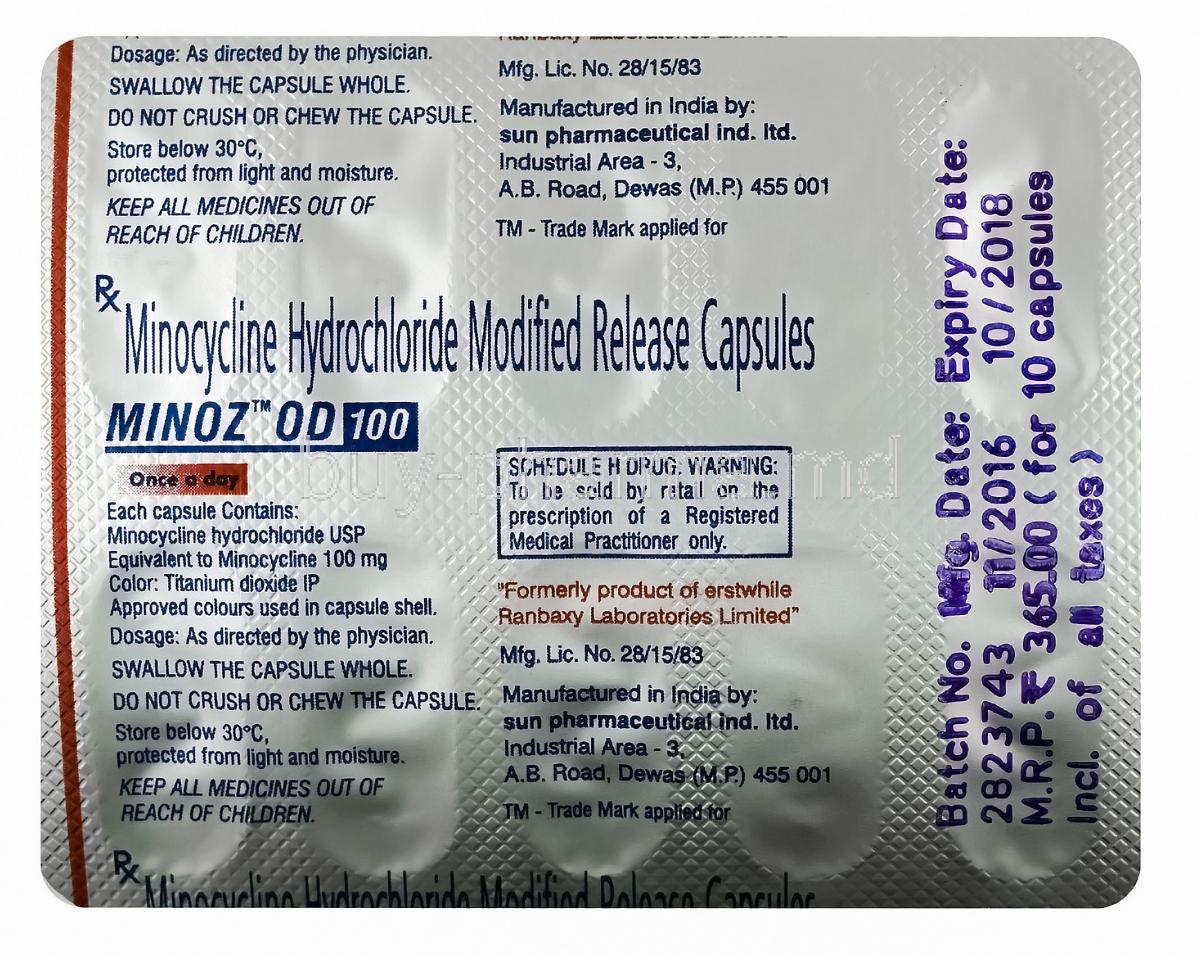
Minoz is available in multiple strengths to support individualized therapy. Formulations may include immediate-release capsules, tablets, and extended-release preparations designed for sustained plasma concentrations.
2. Composition and Pharmaceutical Information
Active Ingredient: Minocycline Hydrochloride
The primary active component is minocycline hydrochloride, a chemically modified tetracycline derivative engineered for enhanced stability and absorption.
Strength Variations and Formulations
- Immediate-release capsules or tablets
- Extended-release formulations for once-daily dosing
- Multiple strength options to accommodate different indications and patient needs
Inactive Ingredients and Excipients
Formulations may contain standard pharmaceutical excipients such as binders, stabilizers, coloring agents, and capsule shell materials. These components ensure uniform drug delivery, structural integrity, and acceptable shelf life.
Mechanism of Stability and Formulation Characteristics
Minocycline formulations are designed to maintain chemical stability under recommended storage conditions. Controlled-release technologies in extended-release products help minimize peak-related adverse effects while maintaining therapeutic exposure.
Minocycline vs doxycycline
Minocycline and doxycycline are both tetracycline-class antibiotics effective for acne and infections, but they have key differences. Minocycline is more lipophilic, offering better tissue penetration for severe acne, while doxycycline has a longer half-life, allowing for less frequent dosing, and causes less dizziness than minocycline.
3. Minocycline Mechanism of Action
Inhibition of Bacterial Protein Synthesis
Minocycline binds reversibly to the 30S ribosomal subunit of susceptible bacteria. This action prevents aminoacyl-tRNA attachment and halts protein synthesis, thereby inhibiting bacterial growth.
Bacteriostatic Activity
The drug exerts a bacteriostatic effect against a wide spectrum of Gram-positive and Gram-negative organisms. Host immune defenses subsequently eliminate the inhibited pathogens.
Anti-Inflammatory and Immunomodulatory Properties
- Reduction of pro-inflammatory cytokine production
- Inhibition of matrix metalloproteinases
- Suppression of neutrophil chemotaxis
These properties contribute significantly to its efficacy in acne and other inflammatory dermatoses.
Tissue Penetration and Lipid Solubility Advantages
High lipophilicity allows minocycline to penetrate sebaceous glands, respiratory mucosa, and central tissues more effectively than many other tetracyclines.
Activity Against Intracellular Pathogens
Minocycline demonstrates activity against intracellular organisms such as Chlamydia, Mycoplasma, and certain rickettsial species.
4. Minocycline Uses
4.1 Minocycline for Acne
- Moderate to severe inflammatory acne vulgaris
- minocycline for rosacea
- Folliculitis and secondary bacterial skin infections
Long-term dermatologic use is common due to its anti-inflammatory benefits.
4.2 Respiratory Tract Infections
- Community-acquired pneumonia caused by susceptible organisms
- Acute exacerbations of chronic bronchitis
- Sinusitis and upper respiratory tract infections
4.3 Genitourinary and Sexually Transmitted Infections
- Non-gonococcal urethritis
- Chlamydial infections
- Adjunct therapy for pelvic inflammatory disease
4.4 Other Bacterial Infections
- Rickettsial diseases
- Mycoplasma infections
- Selected Gram-positive and Gram-negative bacterial infections
5. Off-Label Uses of Minocycline
Beyond approved indications, minocycline is frequently utilized in clinical practice for its anti-inflammatory and immunomodulatory effects.
- Rheumatoid arthritis as a disease-modifying adjunct
- Hidradenitis suppurativa
- Perioral dermatitis
- Bullous and autoimmune skin disorders
- Chronic inflammatory dermatoses
- Maintenance therapy for treatment-resistant acne
- Alternative therapy in Lyme disease
- Investigational neuroprotective roles in multiple sclerosis and Parkinson’s disease
- Adjunctive psychiatric research use in schizophrenia and depression
6. Dosage and Administration Guidelines
6.1 Minocycline Dosage
Typical dosing varies according to indication and severity. Acne treatment often involves lower maintenance doses, whereas acute infections may require higher initial dosing. A loading dose may be prescribed in certain infections to rapidly achieve therapeutic levels.
Treatment duration ranges from short courses for infections to extended therapy for dermatological conditions.
6.2 Administration Instructions
- Take orally with a full glass of water
- May be taken with food to reduce gastrointestinal irritation
- Avoid lying down immediately after administration to prevent esophageal irritation
6.3 Dose Adjustments
Clinical monitoring is recommended in patients with renal or hepatic impairment. Long-term therapy requires periodic assessment of organ function and overall tolerance.
7. Administration in Special Populations
7.1 Administration to Elderly Patients
Older adults may experience increased vestibular symptoms such as dizziness or imbalance. Regular monitoring of hepatic and renal function is advisable, and dosage modification may be necessary.
7.2 Administration to Children
Use is generally contraindicated in children under 8 years due to the risk of permanent tooth discoloration and enamel hypoplasia. In rare circumstances involving serious infections, the therapeutic benefit may outweigh the potential risk.
7.3 Administration During Pregnancy
Tetracyclines can affect fetal bone growth and tooth development. Use during pregnancy should be avoided unless no safer alternative is available.
7.4 Administration to Nursing Mothers
Minocycline is excreted into breast milk. Potential effects on infant skeletal and dental development should be considered before prescribing.
8. Minocycline Interactions
- Antacids and supplements containing calcium, magnesium, iron, or zinc may reduce absorption
- Possible reduction in oral contraceptive effectiveness
- Concurrent use with isotretinoin increases the risk of intracranial hypertension
- Enhanced anticoagulant effects when used with warfarin
- Antagonistic interaction with penicillin antibiotics
- Severe nephrotoxicity risk when combined with methoxyflurane
9. Minocycline Side Effects
- Nausea and gastrointestinal discomfort
- Dizziness or vertigo, particularly at treatment initiation
- Headache
- Photosensitivity reactions
- Mild skin or mucosal pigmentation changes
- minocycline allergic reaction
Most adverse effects are transient and dose-related.
10. Serious and Rare Side Effects
Although uncommon, serious reactions require immediate medical attention.
- Drug-induced lupus erythematosus
- Autoimmune hepatitis
- Hypersensitivity syndrome (DRESS)
- Intracranial hypertension (pseudotumor cerebri)
- Severe dermatologic reactions such as Stevens-Johnson syndrome or toxic epidermal necrolysis
- Permanent pigmentation of skin, nails, teeth, or mucous membranes
Careful monitoring is recommended during prolonged therapy to detect early signs of systemic complications.
11. Warnings and Important Safety Information
Risk of Photosensitivity and Sun Protection Measures
Minocycline may increase sensitivity to ultraviolet radiation, resulting in exaggerated sunburn reactions even after brief exposure. Patients should adopt rigorous photoprotection strategies throughout therapy.
- Use broad-spectrum sunscreen with high SPF
- Wear protective clothing, hats, and sunglasses
- Avoid prolonged sun exposure and tanning devices
Even mild erythema should prompt reassessment of sun exposure habits.
Vestibular Side Effects Affecting Driving or Machinery Use
Minocycline is associated with vestibular disturbances such as dizziness, vertigo, and imbalance. These effects may occur early in treatment and can impair spatial orientation and reaction time.
- Avoid driving or operating heavy machinery if symptoms occur
- Exercise caution during initial therapy or dose adjustments
Long-Term Therapy Risks and Monitoring Needs
Extended use, particularly in dermatologic conditions, requires periodic clinical evaluation. Long-term exposure may be associated with pigmentation changes, autoimmune phenomena, and hepatic dysfunction. Routine laboratory monitoring is recommended when therapy is prolonged.
Risk of Superinfection or Antibiotic Resistance
Prolonged or inappropriate antibiotic use may disrupt normal microbial flora. This imbalance can lead to opportunistic infections, including fungal overgrowth, and contribute to antimicrobial resistance.
Use with Caution in Hepatic Dysfunction
Minocycline undergoes hepatic metabolism. Patients with pre-existing liver disease should be monitored closely, and dosage adjustments or alternative therapy may be necessary in cases of hepatic impairment.
Minocycline black bones
Minocycline-induced "black bone disease" is a rare, benign side effect of long-term tetracycline antibiotic therapy, causing blue, green, or black pigmentation of bones, particularly in the feet and vertebrae. While alarming to surgeons, it generally does not disrupt bone healing or implant integration.
12. Contraindications
Hypersensitivity to Minocycline or Tetracyclines
The medication is contraindicated in individuals with a known allergy to minocycline, tetracycline-class antibiotics, or any formulation component. Hypersensitivity reactions may be severe and potentially life-threatening.
Pregnancy and Breastfeeding
Routine use during pregnancy and lactation is generally avoided unless the potential benefit outweighs the risk. Tetracyclines may affect fetal skeletal development and cause permanent tooth discoloration.
Children Under 8 Years of Age
Minocycline is not recommended for routine use in young children due to the risk of irreversible dental staining and enamel hypoplasia.
History of Severe Drug-Induced Autoimmune Reactions
Patients with prior drug-induced lupus, autoimmune hepatitis, or severe hypersensitivity syndromes associated with tetracyclines should avoid re-exposure.
13. Careful Administration (Use with Caution)
Patients with Liver Disease
Hepatic dysfunction may alter drug metabolism and increase the risk of toxicity. Clinical monitoring and cautious dosing are advised.
Patients with Renal Impairment
Although minocycline is less dependent on renal elimination than other tetracyclines, accumulation may occur in severe renal dysfunction. Periodic assessment of renal function is prudent.
Long-Term Dermatologic Therapy Cases
Chronic administration for acne or inflammatory skin disorders necessitates ongoing evaluation for adverse effects, including pigmentation changes and autoimmune complications.
Patients with Systemic Lupus Erythematosus Risk
Minocycline has been associated with drug-induced lupus. Patients with autoimmune predisposition should be observed for arthralgia, fatigue, or rash.
Individuals with Vestibular Disorders
Pre-existing balance disorders may be exacerbated by minocycline-related vestibular effects. Dose adjustment or alternative therapy may be appropriate.
14. Important Precautions During Treatment
Regular Liver and Kidney Function Monitoring
Periodic laboratory testing helps detect early signs of organ dysfunction, particularly during prolonged therapy or in high-risk patients.
Observation for Skin Discoloration or Pigmentation Changes
Long-term use may lead to hyperpigmentation of the skin, nails, teeth, or mucous membranes. Early identification allows timely reassessment of treatment.
Monitoring for Symptoms of Intracranial Pressure
Symptoms such as persistent headache, visual disturbances, or nausea may indicate intracranial hypertension. Immediate medical evaluation is required.
Avoidance of Excessive Sun Exposure
Patients should maintain strict photoprotection measures throughout therapy to reduce the risk of photosensitive reactions.
Adherence to Prescribed Duration
Completing the full course as directed helps prevent treatment failure, recurrence, and the emergence of resistant organisms.
Minocycline and alcohol
It is strongly recommended to avoid alcohol while taking minocycline and for at least 72 hours (3 days) after your last dose. Mixing them can cause severe stomach cramps, nausea, vomiting, dizziness, headaches, and flushing. Alcohol can also increase the risk of liver irritation and may hinder your body's ability to recover from the infection.
15. Overdose Management
Symptoms of Minocycline Overdose
Excessive ingestion may produce pronounced gastrointestinal symptoms, dizziness, hepatic dysfunction, or vestibular disturbances.
Immediate Medical Management and Supportive Care
There is no specific antidote. Management focuses on symptomatic treatment, hydration, and clinical observation.
Role of Gastric Decontamination
In early presentations, gastric lavage or activated charcoal may be considered under medical supervision to reduce systemic absorption.
Monitoring for Hepatic or Renal Complications
Laboratory evaluation should be performed to assess organ function and detect potential toxicity following overdose.
16. Storage and Stability Information
Recommended Storage Conditions
Store at controlled room temperature, protected from excessive heat and humidity. Keep the medication in its original packaging to maintain stability.
Protection from Moisture and Light
Exposure to moisture or direct sunlight may degrade the active compound and compromise therapeutic efficacy.
Shelf Life Considerations
Use the medication within the expiration date indicated by the manufacturer. Chemical stability cannot be guaranteed beyond this period.
Disposal of Expired or Unused Medication
Expired products should be discarded according to local pharmaceutical disposal guidelines. Avoid flushing into wastewater systems unless specifically instructed.
17. Handling Precautions
Safe Handling and Dispensing Practices
Pharmaceutical handling should follow standard hygiene and storage protocols to preserve product integrity and patient safety.
Avoid Use of Expired Tetracyclines
Outdated tetracycline-class medications may degrade into toxic byproducts. These should never be consumed.
Patient Counseling for Safe Use
- Take the medication exactly as prescribed
- Do not share antibiotics with others
- Report unusual symptoms promptly
Importance of Completing the Full Course
Premature discontinuation may lead to incomplete eradication of infection and contribute to antimicrobial resistance.
18. Key Patient Counseling Points for Minoz (Minocycline)
How to Take the Medication Correctly
Take with a full glass of water and remain upright for at least 30 minutes to minimize esophageal irritation. Dosing schedules should be followed consistently to maintain therapeutic levels.
Foods, Supplements, and Medications to Avoid
- Antacids containing calcium, magnesium, or aluminum
- Iron, zinc, or calcium supplements
- Dairy products taken simultaneously with the dose
- Concurrent isotretinoin unless medically supervised
When to Seek Medical Attention
Immediate evaluation is required if the following occur:
- Severe headache or vision changes
- Persistent dizziness or imbalance
- Signs of allergic reaction or rash
- Yellowing of the skin or dark urine
Importance of Adherence and Follow-Up Visits
Regular follow-up allows assessment of therapeutic response and early detection of adverse effects. Consistent adherence ensures optimal clinical outcomes and minimizes the risk of recurrence or resistance.

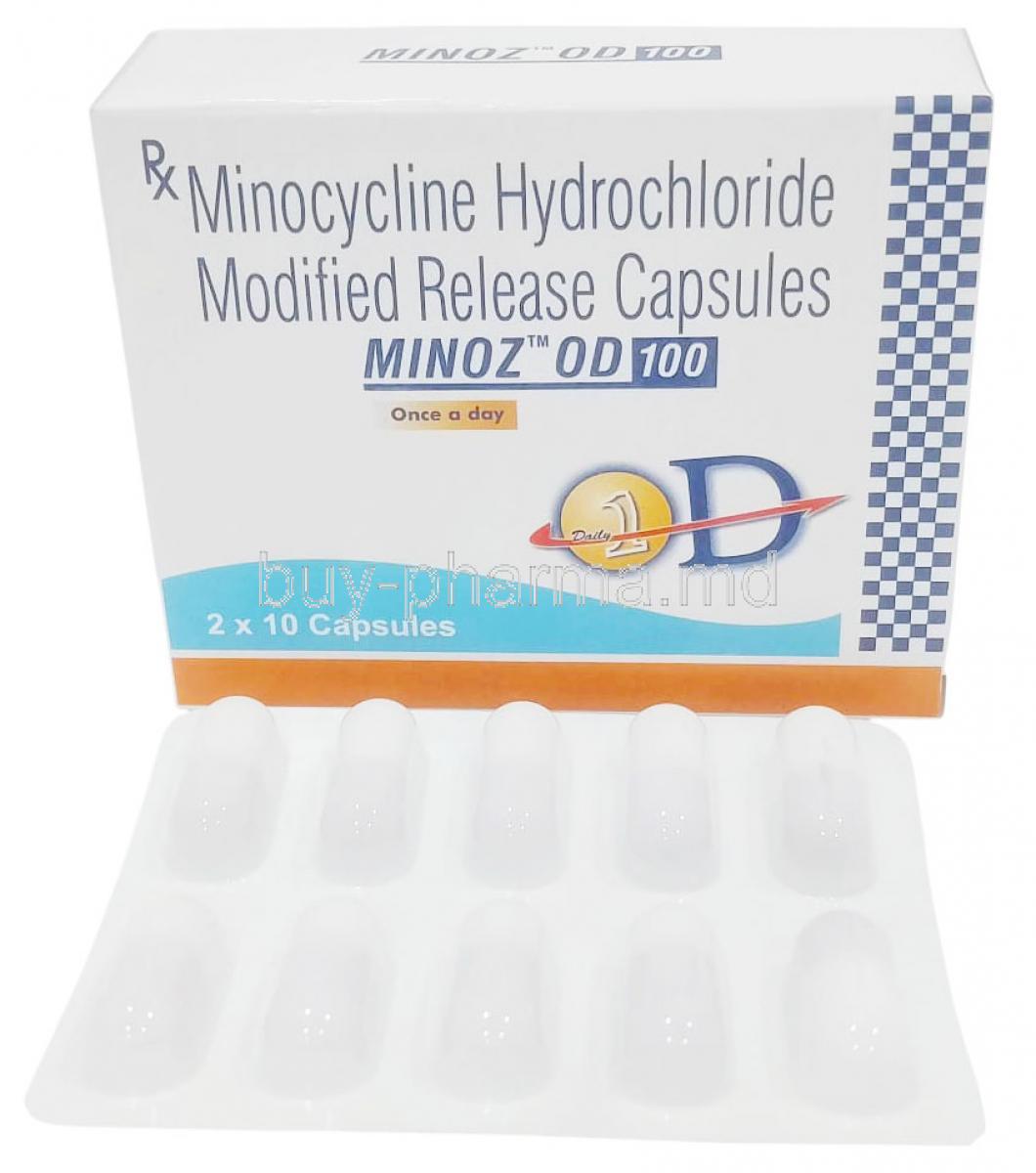
Minoz, Minocycline FAQ
- What is minoz used for?
- What are the side effects of minoz 50 mg?
- What are the minoz 100 side effects?
- How does Minoz 50 work?
- What is the use of minoz medicine?
- Is Minoz 50 a vitamin?
- Is Minoz 50 available over the counter?
- What are the side effects of minoz?
- What is minocycline commonly used for?
- What to avoid while taking minocycline?
- How many days should you take minocycline for a UTI?
- How long do you use minocycline for acne?
- Will minocycline clear my skin?
- What are the common minocycline side effects?
- How quickly does minocycline work?
- Is minocycline a high risk medication?
- Are there any side effects of minocycline?
- What bacteria is sensitive to minocycline?
- Why can't you lie down after minocycline?
- What bacteria does minocycline treat?
- What happens if you stop taking minocycline?
- Will my skin purge on minocycline?
- How successful is minocycline for acne?
- Does minocycline make skin darker?
- What is minoz used for?
- What are the side effects of minoz 50 mg?
- What are the minoz 100 side effects?
- How does Minoz 50 work?
- What is the use of minoz medicine?
- Is Minoz 50 a vitamin?
- Is Minoz 50 available over the counter?
- What are the side effects of minoz?
- What is minocycline commonly used for?
- How many days should you take minocycline for a UTI?
- How long do you use minocycline for acne?
- Will minocycline clear my skin?
- How quickly does minocycline work?
- Is minocycline a high risk medication?
- Will my skin purge on minocycline?
- Does minocycline make skin darker?
What is minoz used for?
Minoz 100 Tablet is used to treat bacterial infections such as urinary tract infections, intestinal infections, respiratory infections, sexually transmitted infections, and skin infections
What are the side effects of minoz 50 mg?
- Nausea
- Dizziness
- Diarrhea
- Headache
What are the minoz 100 side effects?
- Nausea
- Dizziness
- Diarrhea
- Headache
How does Minoz 50 work?
This medicine helps get rid of the bad bacteria that's making you sick, which in turn makes your symptoms better and helps your body heal faster.
What is the use of minoz medicine?
Minoz 100 Tablet is an antibiotic that helps treat bacterial infections in the body. It's often used to treat infections in the lungs, urinary tract, eyes, and other parts of the body. This medicine works by killing the bacteria that are causing the infection, which helps to make your symptoms better and eventually cures the infection. Sometimes, it's also used to treat severe cases of acne.
Is Minoz 50 a vitamin?
Antibiotic
Is Minoz 50 available over the counter?
No
What are the side effects of minoz?
- Diarrhea
- Nausea
- Vomiting
- Appetite loss
- Headache
What is minocycline commonly used for?
Minocycline is an antibiotic that's used to treat a wide range of bacterial infections. These can include pneumonia and other respiratory tract infections, such as those affecting the lungs and airways. It's also used to treat skin infections, eye infections, and infections of the lymphatic system, which helps fight off germs. Additionally, minocycline can be used to treat intestinal infections, genital infections, and urinary tract infections.
What to avoid while taking minocycline?
- Iron supplements
- Multivitamins
- Calcium Supplements
- Antacids
- Laxatives
How many days should you take minocycline for a UTI?
7-14 days
How long do you use minocycline for acne?
12 weeks
Will minocycline clear my skin?
Yes
What are the common minocycline side effects?
- Dizziness
- Headache
- Rashes
- Nausea
- Vomiting
- Stomachache
How quickly does minocycline work?
6-8 weeks
Is minocycline a high risk medication?
No
Are there any side effects of minocycline?
- Dizziness
- Headache
- Rashes
- Nausea
- Vomiting
- Stomachache
What bacteria is sensitive to minocycline?
Mycobacterium species Bacillus anthracis
Why can't you lie down after minocycline?
It may increase your chances of ulcers
What bacteria does minocycline treat?
- Escherichia coli.
- Enterobacter aerogenes.
- Shigella species.
- Acinetobacter species.
What happens if you stop taking minocycline?
Clostridioides difficile, or “C. diff,”
Will my skin purge on minocycline?
No
How successful is minocycline for acne?
89%
Does minocycline make skin darker?
Yes
What is minoz used for?
Minoz 100 Tablet is used to treat bacterial infections such as urinary tract infections, intestinal infections, respiratory infections, sexually transmitted infections, and skin infections
What are the side effects of minoz 50 mg?
- Dizziness
- Vomiting
- Nausea
- Diarrhea
- Headache
What are the minoz 100 side effects?
- Dizziness
- Vomiting
- Nausea
- Diarrhea
- Headache
How does Minoz 50 work?
This medicine helps get rid of the bad bacteria that's making you sick, which in turn makes your symptoms better and helps your body heal faster.
What is the use of minoz medicine?
Minoz 100 Tablet is an antibiotic that helps treat bacterial infections in the body. It's really good at treating infections in the lungs, urinary tract, eyes, and some other parts too. The way it works is by killing the bad bacteria, which in turn helps you feel better and eventually cures the infection. Sometimes, doctors also prescribe it to help with really bad acne.
Is Minoz 50 a vitamin?
Antibiotic
Is Minoz 50 available over the counter?
No
What are the side effects of minoz?
- Dizziness
- Vomiting
- Nausea
- Diarrhea
- Headache
What is minocycline commonly used for?
Minocycline is an antibiotic that's used to treat a wide range of bacterial infections. These can include pneumonia and other respiratory tract infections. It's also used to treat skin infections, eye infections, and infections of the lymphatic, intestinal, genital, and urinary systems.
How many days should you take minocycline for a UTI?
7-14 days
How long do you use minocycline for acne?
12 weeks
Will minocycline clear my skin?
Yes
How quickly does minocycline work?
6-8 weeks
Is minocycline a high risk medication?
No
Will my skin purge on minocycline?
No
Does minocycline make skin darker?
Yes
Customers also bought
Popular Products
Similar Product