1. Introduction to Minoz S Face Wash (Salicylic Acid)
1.1 Overview of Minoz S Face Wash
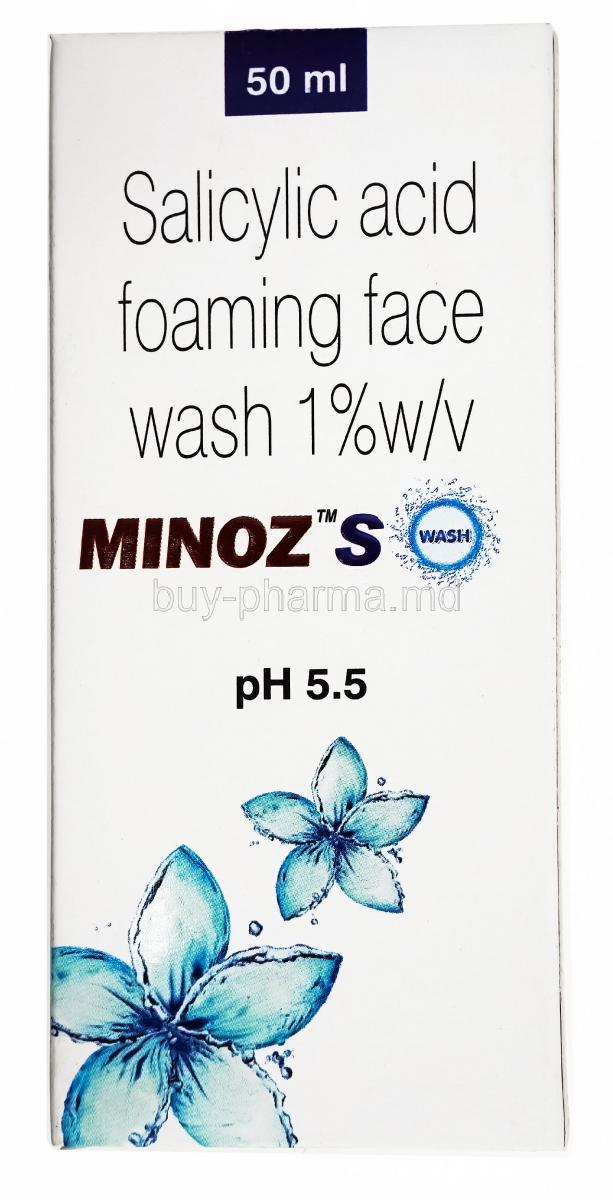
Minoz S Face Wash is a dermatologically formulated cleansing product designed to support the management of acne-prone and oily skin. It contains salicylic acid, a widely recognized keratolytic compound that assists in removing excess oil, debris, and dead skin cells from the skin surface.
Unlike ordinary cosmetic cleansers, medicated face washes are engineered to provide therapeutic benefits while maintaining gentle cleansing properties. Minoz S Face Wash helps promote clearer skin by targeting the fundamental contributors to acne formation.
- Deep pore cleansing
- Reduction of oil accumulation
- Prevention of clogged pores
- Improvement in overall skin texture
1.2 What Is Salicylic Acid and Why It Is Used in Dermatology
Salicylic acid belongs to a class of compounds known as beta hydroxy acids (BHAs). These substances possess lipid-soluble properties, enabling them to penetrate sebaceous follicles more efficiently than many other exfoliating agents. In dermatology, salicylic acid is extensively utilized to treat acne and other keratinization disorders.
The compound exerts keratolytic activity, meaning it softens and dissolves the intercellular bonds that hold dead skin cells together. This process facilitates the shedding of keratinized material from the skin surface and prevents obstruction of hair follicles.
1.3 Role of Medicated Face Washes in Modern Acne Care
Modern acne management frequently incorporates medicated cleansers as part of a comprehensive dermatological regimen. These products serve as the initial step in daily skincare routines, preparing the skin for subsequent treatments.
Therapeutic cleansers perform several functions simultaneously:
- Removal of environmental pollutants
- Reduction of excess sebum
- Exfoliation of dead epidermal cells
- Minimization of microbial proliferation
By maintaining clean, unobstructed pores, medicated face washes contribute to improved treatment outcomes when combined with topical or systemic acne medications.
1.4 Key Benefits of Salicylic Acid–Based Cleansers for Skin Health
Salicylic acid cleansers offer numerous dermatological advantages. Their lipid-soluble structure allows the compound to infiltrate sebaceous glands where acne formation typically begins.
Important benefits include:
- Deep follicular cleansing
- Reduction in comedone formation
- Improved skin clarity
- Smoother epidermal texture
- Support for long-term acne control
With consistent use, these cleansers help maintain balanced skin while reducing the recurrence of inflammatory lesions.
1.5 Who Should Consider Using Minoz S Face Wash
Minoz S Face Wash may be suitable for individuals experiencing mild to moderate acne or excessive oil production. It is particularly beneficial for people whose skin frequently develops clogged pores or comedones.
Suitable candidates often include:
- Adolescents experiencing hormonal acne
- Adults with persistent oily skin
- Individuals prone to blackheads and whiteheads
- Patients undergoing dermatological acne therapy
2. Composition and Active Ingredients
2.1 Primary Active Ingredient: Salicylic Acid
The principal therapeutic component of Minoz S Face Wash is salicylic acid. This compound exhibits keratolytic, comedolytic, and anti-inflammatory properties that make it valuable in acne management.
Salicylic acid works by dissolving intercellular cement within the stratum corneum. This facilitates the removal of accumulated keratin and prevents follicular obstruction.
2.2 Mechanism of Keratolytic Agents in Skin Cleansing
Keratolytic agents function by promoting the exfoliation of the outermost skin layer. They reduce the cohesion between corneocytes, enabling the controlled shedding of dead epidermal cells.
In acne-prone skin, excessive keratin accumulation may obstruct follicles. Keratolytic agents help alleviate this condition by:
- Breaking down keratinized debris
- Facilitating natural skin turnover
- Maintaining unobstructed follicles
2.3 Supporting Ingredients Commonly Found in Medicated Face Wash Formulations
Medicated cleansers frequently contain additional compounds that enhance cleansing efficacy and skin tolerance. These may include mild surfactants, humectants, and soothing agents.
Typical supportive ingredients may provide:
- Gentle cleansing activity
- Hydration retention
- Reduction of irritation
- Improved skin comfort after washing
2.4 pH Balance and Its Importance in Acne Treatment Cleansers
Skin maintains a slightly acidic environment known as the acid mantle. Maintaining this natural pH balance is essential for preserving the skin barrier and inhibiting microbial overgrowth.
Acne cleansers formulated with balanced pH levels help:
- Preserve barrier integrity
- Reduce irritation risk
- Support healthy microbiota
2.5 Dermatological Properties of Salicylic Acid in Skincare
Salicylic acid demonstrates several properties that enhance its effectiveness in skincare formulations. These include keratolytic activity, anti-inflammatory effects, and antimicrobial characteristics.
These attributes allow the ingredient to address multiple aspects of acne development simultaneously.
3. How Minoz S Face Wash Works (Mechanism of Action)
3.1 Salicylic Acid as a Beta Hydroxy Acid (BHA)
Salicylic acid is classified as a beta hydroxy acid, distinguishing it from alpha hydroxy acids that primarily act on the skin surface. Its lipid-soluble nature enables penetration into sebaceous follicles.
3.2 Exfoliation of Dead Skin Cells and Pore Unclogging
The exfoliative action of salicylic acid assists in removing dead epidermal cells that accumulate on the skin surface. These cells can combine with sebum to create follicular plugs.
Regular cleansing helps:
- Dislodge debris from pores
- Improve follicular drainage
- Promote smoother skin texture
3.3 Reduction of Sebum and Oil Accumulation in the Skin
Sebum overproduction is a major factor in acne development. Salicylic acid assists in dissolving oil deposits within pores while reducing the buildup of lipid material.
This process contributes to a cleaner skin surface and reduced pore blockage.
3.4 Anti-Inflammatory Effects in Acne-Prone Skin
Inflammation plays a central role in acne lesions. Salicylic acid exhibits mild anti-inflammatory properties that may help reduce redness and swelling associated with acne.
This effect can contribute to a calmer and more balanced complexion.
3.5 Prevention of Comedone Formation and Acne Lesions
By maintaining open pores and facilitating cellular turnover, salicylic acid helps prevent the formation of comedones. These blocked follicles are the precursors to many acne lesions.
4. Approved Uses of Minoz S Face Wash
4.1 Treatment of Mild to Moderate Acne Vulgaris
Minoz S Face Wash is commonly used as part of the daily management of mild to moderate acne vulgaris. It helps cleanse pores and reduce the factors that contribute to acne development.
4.2 Control of Excess Sebum and Oily Skin
Individuals with oily skin often experience excessive sebum accumulation. This cleanser assists in removing surplus oil without excessively stripping the skin.
4.3 Prevention of Blackheads (Open Comedones)
Blackheads develop when pores become obstructed with oxidized sebum and keratin debris. Salicylic acid helps dissolve these blockages and reduce recurrence.
4.4 Reduction of Whiteheads (Closed Comedones)
Whiteheads occur when clogged follicles remain sealed beneath the skin surface. Regular exfoliation helps maintain open pores and prevent their formation.
4.5 Maintenance Therapy for Acne-Prone Skin
Even after acne improves, ongoing skincare maintenance is often necessary. Medicated cleansers may help prevent relapse by keeping follicles clear.
4.6 Cleansing of Pores and Reduction of Skin Congestion
By removing impurities and keratinized debris, Minoz S Face Wash helps maintain clearer pores and reduces overall skin congestion.
5. Expanded Dermatological and Off-Label Uses
5.1 Adjunctive Care for Keratosis Pilaris
Salicylic acid may assist in reducing the rough follicular plugs characteristic of keratosis pilaris. Gentle exfoliation helps smooth the skin surface.
5.2 Supportive Treatment for Seborrheic Skin Conditions
Seborrheic skin conditions involve excess sebum production. Salicylic acid cleansers may help regulate oil accumulation and improve skin comfort.
5.3 Management of Mild Folliculitis on the Face
Folliculitis involves inflammation of hair follicles. Proper cleansing may reduce follicular obstruction and improve hygiene.
5.4 Reduction of Rough Skin Texture and Mild Hyperkeratosis
Exfoliation assists in removing accumulated keratin layers, helping restore smoother skin texture.
5.5 Supportive Skin Preparation Before Topical Acne Medications
Cleansing with medicated products prepares the skin for topical treatments by removing oil and debris that could interfere with medication absorption.
5.6 Use in Skin Care Regimens for Enlarged Pores
By removing debris and oil from follicles, salicylic acid may contribute to the appearance of smaller pores.
5.7 Dermatologist-Directed Use in Mild Acne Scars or Post-Acne Texture
Exfoliating cleansers may assist in improving uneven skin texture following acne resolution when used under dermatological guidance.
6. Dosage and Administration (How to Use Minoz S Face Wash)
6.1 Recommended Frequency of Use
Most individuals use the cleanser once or twice daily depending on skin tolerance and physician guidance.
6.2 Step-by-Step Instructions for Proper Facial Cleansing
- Moisten the face with lukewarm water
- Apply a small quantity of cleanser
- Gently massage in circular motions
- Rinse thoroughly
- Pat the skin dry with a clean towel
6.3 Duration of Contact Time on Skin Before Rinsing
Allowing the cleanser to remain on the skin for a short period may enhance its effectiveness before rinsing.
6.4 Use in Combination With Other Acne Treatments
The cleanser may be incorporated into broader acne management regimens that include topical retinoids, benzoyl peroxide, or systemic medications.
6.5 Adjusting Frequency Based on Skin Sensitivity
Individuals with sensitive skin may begin with less frequent use and gradually increase frequency as tolerated.
7. Administration in Special Populations
7.1 Administration to Elderly Patients
Older adults may experience increased skin fragility and dryness. Gentle use and monitoring are recommended.
- Assess skin tolerance regularly
- Use moisturizers when necessary
7.2 Administration to Pregnant Women and Nursing Mothers
Topical salicylic acid products are generally considered low risk when used in small quantities, although medical consultation is advisable during pregnancy or breastfeeding.
7.3 Administration to Children and Adolescents
Acne frequently occurs during adolescence. Appropriate usage should be guided by dermatological advice to ensure safe and effective treatment.
8. Common Side Effects of Minoz S Face Wash
8.1 Mild Skin Dryness or Tightness
Some users may experience dryness as the skin adapts to exfoliation.
8.2 Temporary Skin Peeling or Flaking
Exfoliation may result in mild peeling, particularly during initial use.
8.3 Mild Redness or Irritation After Application
Transient irritation may occur but typically resolves with continued use.
8.4 Increased Sensitivity to Sunlight
Exfoliated skin may become more sensitive to ultraviolet radiation. Sunscreen use is recommended.
9. Less Common and Serious Side Effects
9.1 Persistent Skin Irritation or Dermatitis
In rare cases, prolonged irritation may develop and require discontinuation of the product.
9.2 Allergic Reactions to Salicylic Acid
Individuals with hypersensitivity to salicylates may experience allergic reactions.
9.3 Excessive Skin Dryness or Burning Sensation
Excessive dryness or burning may indicate overuse or sensitivity.
9.4 Contact Hypersensitivity Reactions
Contact dermatitis may occur in susceptible individuals and requires medical evaluation.
10. Drug and Skincare Product Interactions
10.1 Interaction With Topical Retinoids (Tretinoin, Adapalene)
Concurrent use may increase exfoliation and irritation. Gradual introduction is recommended.
10.2 Combination With Benzoyl Peroxide Products
These treatments may be used together in acne regimens but require careful monitoring for irritation.
10.3 Interaction With Other Exfoliating Agents (AHAs, Glycolic Acid)
Combining multiple exfoliants can intensify skin irritation if not managed properly.
10.4 Interaction With Alcohol-Based Skin Products
Alcohol-containing formulations may increase dryness when used alongside salicylic acid cleansers.
10.5 Use With Prescription Acne Treatments
Dermatologists often incorporate salicylic acid cleansers into prescription acne treatment regimens to enhance therapeutic outcomes.
11. Warnings and Safety Considerations
11.1 Avoiding Excessive or Frequent Use
Although Minoz S Face Wash is formulated for regular use, excessive or overly frequent cleansing may compromise the integrity of the skin barrier. Salicylic acid possesses exfoliative activity that, when used too aggressively, can remove protective lipids and lead to irritation or dryness.
Balanced use is essential. Dermatological cleansers should support skin renewal without destabilizing the epidermal barrier.
- Limit cleansing to once or twice daily unless otherwise advised
- Avoid prolonged contact with the skin
- Discontinue temporarily if excessive dryness develops
11.2 Risk of Skin Irritation With Sensitive Skin Types
Individuals with sensitive or reactive skin may experience heightened susceptibility to irritation when using keratolytic cleansers. Salicylic acid can provoke transient erythema, dryness, or a tingling sensation, particularly during the early stages of use.
In such cases, gradual introduction into the skincare routine is recommended. Careful monitoring helps ensure the skin adapts without significant discomfort.
11.3 Avoiding Contact With Eyes and Mucous Membranes
Minoz S Face Wash is intended solely for external use on intact skin. Direct contact with delicate mucosal tissues—such as the eyes, nostrils, and lips—may result in irritation or burning.
During cleansing, the product should be applied carefully and thoroughly rinsed away with clean water. Accidental exposure should be addressed promptly by flushing the affected area with water.
11.4 Sun Sensitivity and Importance of Sunscreen Use
Exfoliating agents may increase the skin’s susceptibility to ultraviolet radiation. Newly exposed epidermal layers can be more vulnerable to sun damage.
To protect the skin while using salicylic acid cleansers:
- Apply a broad-spectrum sunscreen during daytime hours
- Limit prolonged sun exposure
- Wear protective clothing when outdoors
These protective measures help prevent hyperpigmentation and maintain healthy skin integrity.
11.5 Monitoring Skin Reaction During Initial Use
During the initial period of treatment, the skin may undergo a brief adjustment phase. Mild dryness or subtle peeling may occur as the exfoliating action promotes cellular turnover.
Observing the skin’s response during this phase is advisable. Persistent irritation, excessive redness, or discomfort should prompt reconsideration of the frequency of use or consultation with a healthcare professional.
12. Contraindications
12.1 Hypersensitivity to Salicylic Acid or Formulation Components
Minoz S Face Wash should not be used by individuals who have demonstrated hypersensitivity to salicylic acid or any other component within the formulation. Allergic reactions may manifest as redness, itching, swelling, or dermatitis.
12.2 Use on Severely Irritated or Damaged Skin
Application to compromised skin surfaces—such as severely inflamed, sunburned, or abraded areas—may intensify irritation. Keratolytic agents can exacerbate discomfort when applied to vulnerable tissue.
Treatment should be postponed until the skin barrier has recovered.
12.3 Known Allergy to Salicylates
Individuals with documented hypersensitivity to salicylates, including aspirin-related compounds, should avoid using products containing salicylic acid unless directed by a healthcare professional.
12.4 Use on Open Wounds or Active Skin Infections Without Medical Advice
Open wounds, ulcerations, or active infections require medical evaluation before applying medicated skincare products. Improper application may aggravate inflammation or delay healing.
13. Careful Administration and Important Precautions
13.1 Patch Testing Before First Use
Performing a patch test prior to the initial application can help identify potential sensitivity reactions. A small quantity of the cleanser may be applied to a limited area of skin and observed for 24 hours.
Absence of irritation typically indicates that the product is well tolerated.
13.2 Gradual Introduction Into a Skincare Routine
Introducing exfoliating cleansers gradually allows the skin to adapt. Beginning with alternate-day use may help minimize the risk of irritation, especially for individuals with delicate or dry skin.
13.3 Avoiding Over-Exfoliation
Excessive exfoliation may disrupt the skin barrier and provoke inflammation. When combined with other exfoliating agents, careful coordination is necessary.
- Avoid combining multiple exfoliating treatments simultaneously
- Observe signs of dryness or redness
- Adjust frequency as needed
13.4 Maintaining Skin Hydration During Treatment
Regular moisturizing supports skin barrier integrity and counteracts dryness that may occur with exfoliating cleansers. Hydrating formulations containing humectants or emollients may improve comfort during treatment.
13.5 Monitoring for Signs of Skin Sensitization
Skin sensitization may develop gradually. Warning signs can include persistent itching, redness, swelling, or scaling.
If these symptoms arise, discontinuation of the product and consultation with a healthcare professional may be necessary.
14. Overdose and Excessive Use
14.1 Effects of Excessive Topical Application
Applying large quantities of salicylic acid–containing cleansers or using them excessively may increase the likelihood of irritation. Overuse can lead to dryness, erythema, and disruption of the epidermal barrier.
14.2 Signs of Salicylic Acid Overexposure on Skin
Excessive exposure may manifest through several dermatological symptoms:
- Intense dryness
- Persistent peeling or scaling
- Burning or stinging sensations
- Localized inflammation
14.3 Immediate Steps if Severe Irritation Occurs
If severe irritation develops, the product should be discontinued immediately. The affected skin should be gently rinsed with water, and soothing skincare products may be applied to restore comfort.
14.4 When Medical Attention May Be Necessary
Medical consultation is recommended if irritation persists, if swelling occurs, or if symptoms suggest an allergic reaction. Prompt evaluation ensures appropriate management and prevents further complications.
15. Storage Instructions
15.1 Recommended Storage Temperature
Minoz S Face Wash should be stored at room temperature under normal environmental conditions. Avoid extreme temperatures that could compromise the stability of the formulation.
15.2 Protecting the Product From Heat and Direct Sunlight
Exposure to excessive heat or direct sunlight may degrade certain ingredients and alter product consistency. Storing the cleanser in a cool, shaded location helps preserve its effectiveness.
15.3 Keeping the Container Properly Closed
The container should remain tightly closed when not in use. Proper sealing prevents contamination, evaporation, and degradation of active components.
15.4 Storage Away From Children
As with all medicated skincare products, the cleanser should be kept out of reach of children to prevent accidental ingestion or misuse.
16. Handling Precautions
16.1 Hygienic Handling During Daily Use
Maintaining hygienic practices during daily skincare routines helps prevent contamination. Hands should be clean before dispensing the cleanser.
16.2 Avoiding Contamination of the Product
The dispensing opening should not come into contact with skin or other surfaces unnecessarily. Such contact may introduce microorganisms into the product.
16.3 Proper Disposal of Expired Face Wash
Expired skincare products may lose efficacy or stability. Products past their expiration date should be discarded responsibly according to local disposal guidelines.
16.4 Maintaining Product Stability and Shelf Life
Proper storage and hygienic handling help maintain the stability and shelf life of the formulation. Adhering to recommended storage instructions ensures consistent product performance.
17. Practical Tips for Best Results With Minoz S Face Wash
17.1 Building an Effective Acne Skincare Routine
An effective skincare routine typically involves multiple complementary steps. Cleansing with a medicated face wash forms the foundation of acne management.
- Cleanse the skin regularly
- Use targeted treatment products
- Maintain hydration with appropriate moisturizers
17.2 Combining Cleansing With Moisturizing and Sun Protection
Balanced skincare requires both cleansing and protection. While exfoliating cleansers remove impurities, moisturizers restore hydration and sunscreen shields the skin from ultraviolet radiation.
17.3 When to Consult a Dermatologist for Persistent Acne
If acne persists despite consistent skincare measures, professional dermatological evaluation may be necessary. Medical treatments can address underlying factors contributing to persistent breakouts.
17.4 Long-Term Skin Care Strategies for Acne-Prone Skin
Long-term management focuses on maintaining skin equilibrium. Consistent cleansing, balanced hydration, and protective skincare habits help prevent recurrence of acne lesions and promote healthy skin over time.
Minoz S Face Wash, Salicylic Acid FAQ
- What is Minoz S Face Wash used for?
- What does salicylic acid do?
- Can salicylic acid cause acne?
- Is salicylic acid good for acne?
- Does salicylic acid help with acne?
- Can you use salicylic acid with retinol?
- Can I use salicylic acid with retinol?
- How does salicylic acid work?
- Does salicylic acid help with acne scars?
- Is salicylic acid pregnancy safe?
- Does salicylic acid cause purging?
- Can you use salicylic acid while pregnant?
- How does salicylic acid work on warts?
- Is salicylic acid a bha?
- Does salicylic acid bleach clothes?
- Can I use salicylic acid with niacinamide?
- Can you use salicylic acid with vitamin C?
- How long does it take for salicylic acid to work?
What is Minoz S Face Wash used for?
Minoz S is a treatment for acne that affects the face, chest, and back. It contains 1% Salicylic Acid, which helps to reduce inflammation and get rid of bacteria that can cause acne. This formula also loosens thickened skin, making it easier to treat skin issues. By using Minoz S, you can help to prevent acne from forming and reduce the appearance of existing acne. It's a great way to keep your skin clear and healthy.
What does salicylic acid do?
Salicylic acid is really good at getting deep into your pores to break down oil, dead skin, and other debris that can clog them. This makes it super helpful for dealing with acne, blackheads, and whiteheads. It also has anti-inflammatory properties, which means it can help reduce swelling and redness, and it even helps your skin shed old cells and grow new ones.
Can salicylic acid cause acne?
No
Is salicylic acid good for acne?
Yes
Does salicylic acid help with acne?
Yes
Can you use salicylic acid with retinol?
Yes
Can I use salicylic acid with retinol?
Yes
How does salicylic acid work?
Salicylic acid works as a oil-soluble Beta Hydroxy Acid (BHA) that penetrates deep into hair follicles to dissolve sebum and dead skin cells, effectively unclogging pores and reducing acne. It acts as a keratolytic agent, breaking down intercellular "glue" to promote skin exfoliation and reducing inflammation.
Does salicylic acid help with acne scars?
Salicylic acid, also known as BHA, is not usually able to get rid of deep acne scars that are permanent, like atrophic or hypertrophic scars, on its own. However, it is really good at making shallow scars less noticeable and fading dark spots that appear after inflammation, which is called post-inflammatory hyperpigmentation.
Is salicylic acid pregnancy safe?
Generally safe
Does salicylic acid cause purging?
Yes
Can you use salicylic acid while pregnant?
Generally safe
How does salicylic acid work on warts?
Salicylic acid removes warts by acting as a keratolytic agent, which breaks down the thick, dead skin cells of the wart (keratin) and causes them to peel away layer by layer.
Is salicylic acid a bha?
Yes
Does salicylic acid bleach clothes?
Yes
Can I use salicylic acid with niacinamide?
Yes
Can you use salicylic acid with vitamin C?
No
How long does it take for salicylic acid to work?
2-4 weeks
Popular Products
Similar Product