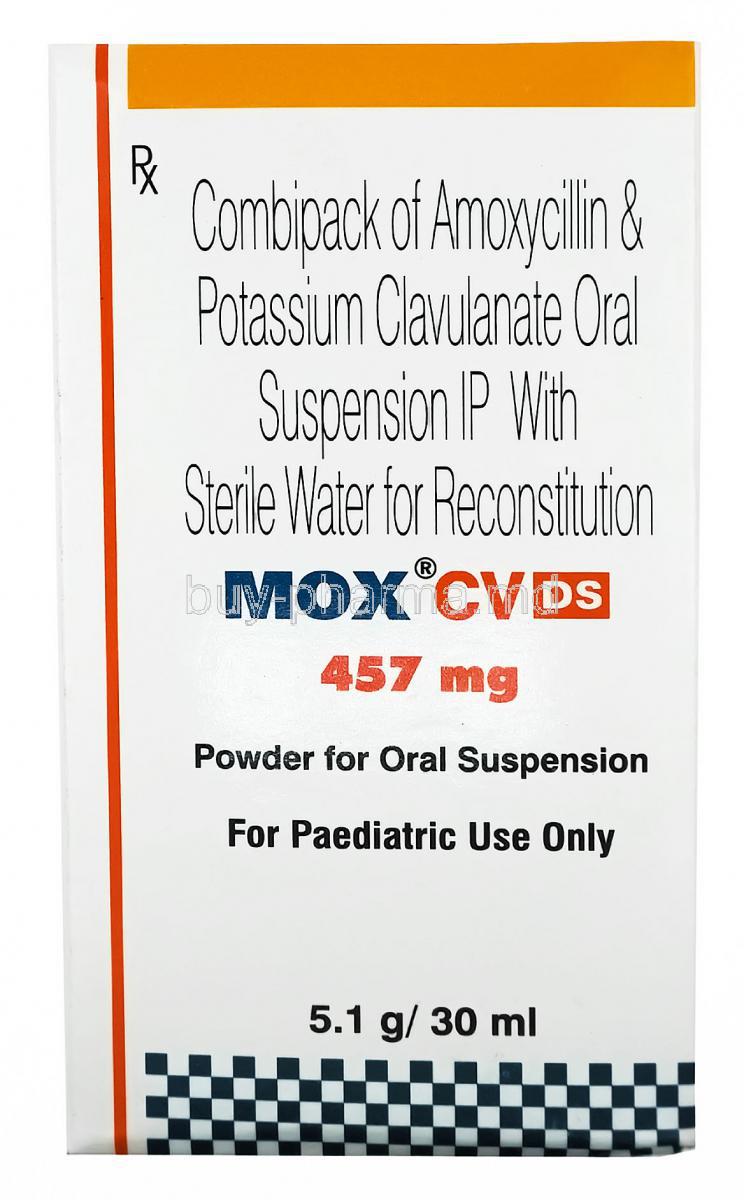
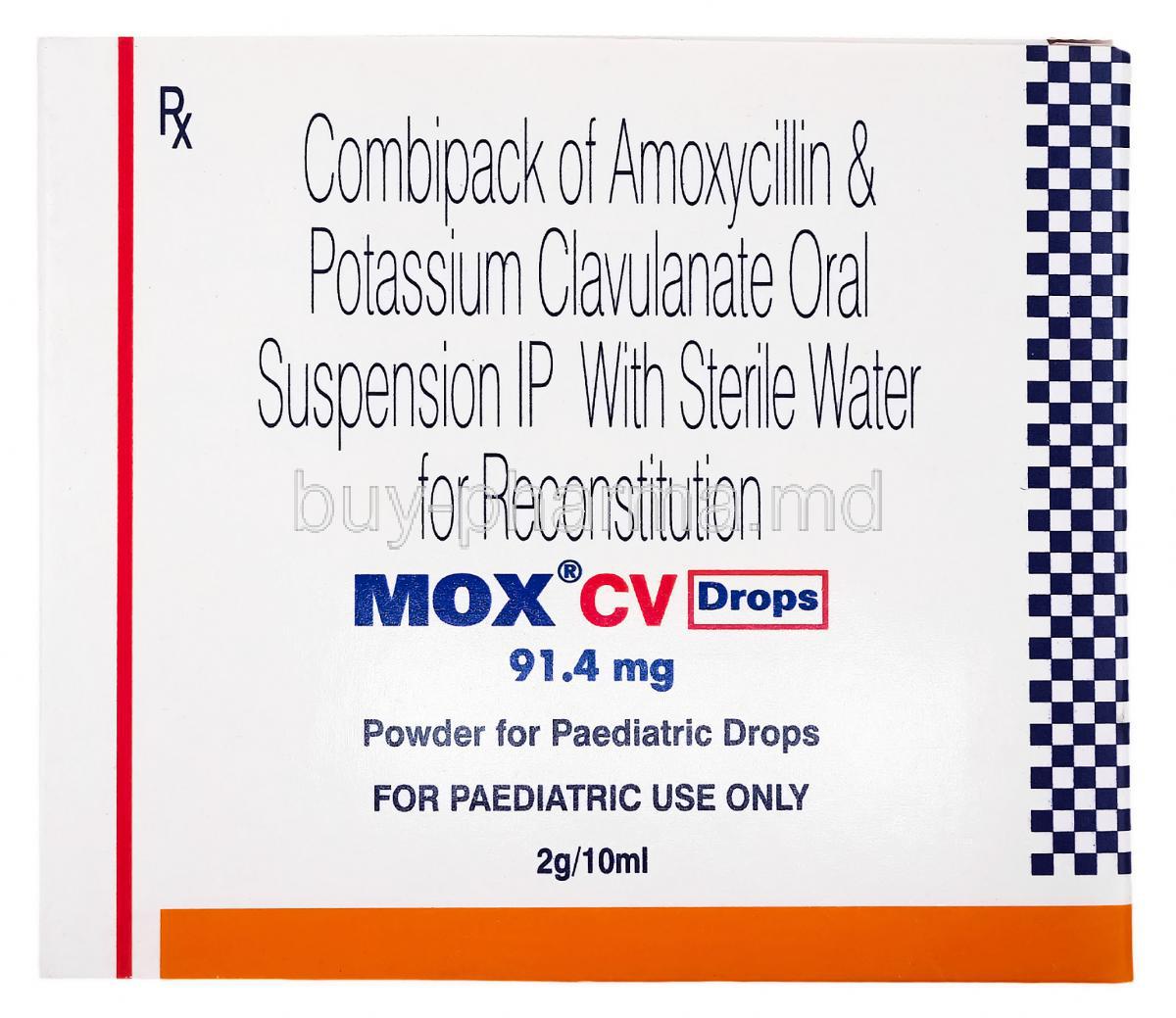
Mox Oral Suspension, Amoxicillin/ Clavulanic Acid
- 1. Introduction to Mox Oral Suspension (Amoxicillin/Clavulanic Acid)
- 2. Composition and Formulation Details
- 3. How Mox Oral Suspension Works (Mechanism of Action)
- 4. Approved Uses of Mox Oral Suspension
- 5. Off-Label Uses of Amoxicillin/Clavulanic Acid
- 6. Dosage and Administration Guidelines
- 7. Storage and Stability
- 8. Side Effects of Amoxicillin / Clavulanic acid
- 9. Serious and Rare Side Effects
- 10. Amoxicillin / Clavulanic acid Interactions
- 11. Warnings and Safety Information
- 12. Contraindications
- 13. Careful Administration and Important Precautions
- 14. Administration in Special Populations
- 15. Overdose Management
- 16. Handling and Safety Precautions
- 17. Patient Counseling and Practical Tips for Optimal Use
1. Introduction to Mox Oral Suspension (Amoxicillin/Clavulanic Acid)
1.1 Overview of the Medication
Mox Oral Suspension is a broad-spectrum antibacterial preparation belonging to the penicillin class of antibiotics. It combines amoxicillin, a semi-synthetic aminopenicillin, with clavulanic acid, a potent beta-lactamase inhibitor. This dual-component formulation is specifically engineered to overcome bacterial resistance mechanisms that limit the effectiveness of conventional penicillins.
This medication is widely prescribed for the treatment of bacterial infections affecting multiple organ systems. It is not effective against viral illnesses such as influenza or the common cold. Its therapeutic value lies in targeting susceptible pathogens and eradicating infection efficiently.
- Penicillin-class antibiotic with extended coverage
- Designed to combat resistant bacterial strains
- Used in both community-acquired and mixed infections
1.2 Key Benefits of Oral Suspension Formulation
The oral suspension format offers exceptional versatility. It is particularly beneficial for populations that experience difficulty swallowing solid dosage forms.
- Ideal for pediatric and geriatric patients
- Allows precise weight-based dosing
- Facilitates individualized treatment adjustments
- Improves compliance through palatable flavoring
The liquid formulation ensures accurate administration and enhances adherence, especially during prolonged treatment courses.
1.3 Spectrum of Antibacterial Activity
Mox Oral Suspension provides extensive antimicrobial coverage against both Gram-positive and Gram-negative organisms. The presence of clavulanic acid extends activity to beta-lactamase producing bacteria that would otherwise degrade amoxicillin.
- Effective against Streptococcus, Staphylococcus (non-MRSA), and Enterococcus species
- Active against Haemophilus influenzae, E. coli, Klebsiella, and Proteus
- Suitable for polymicrobial infections
2. Composition and Formulation Details
2.1 Active Ingredients
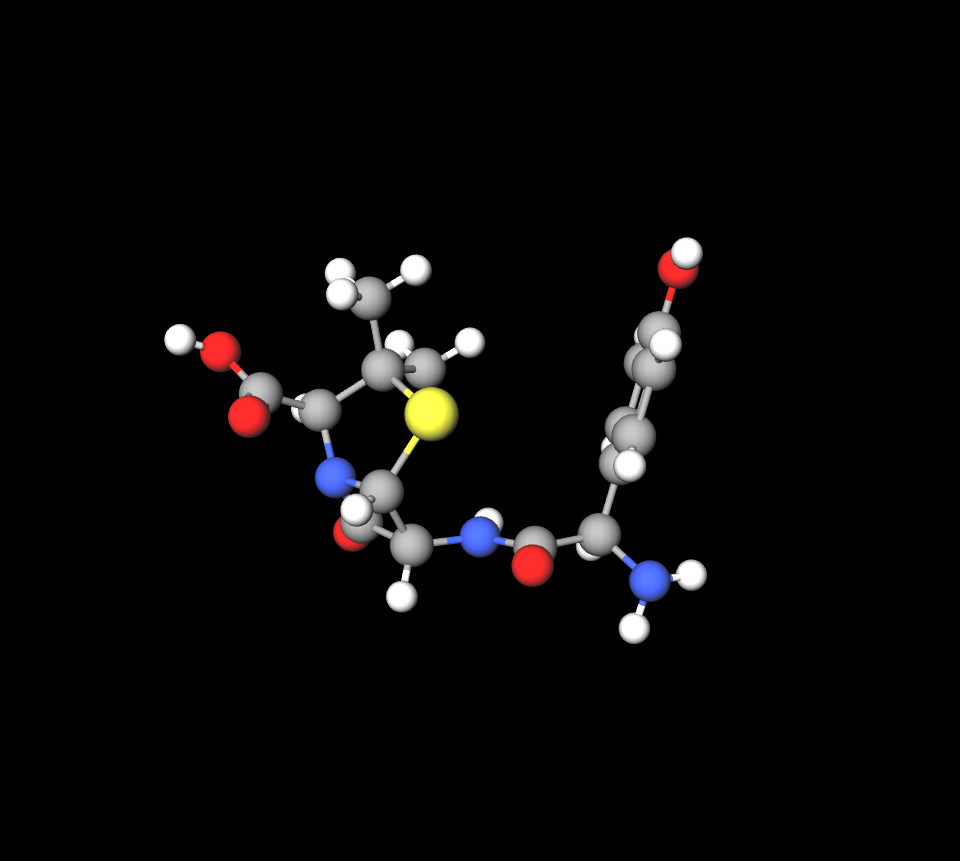
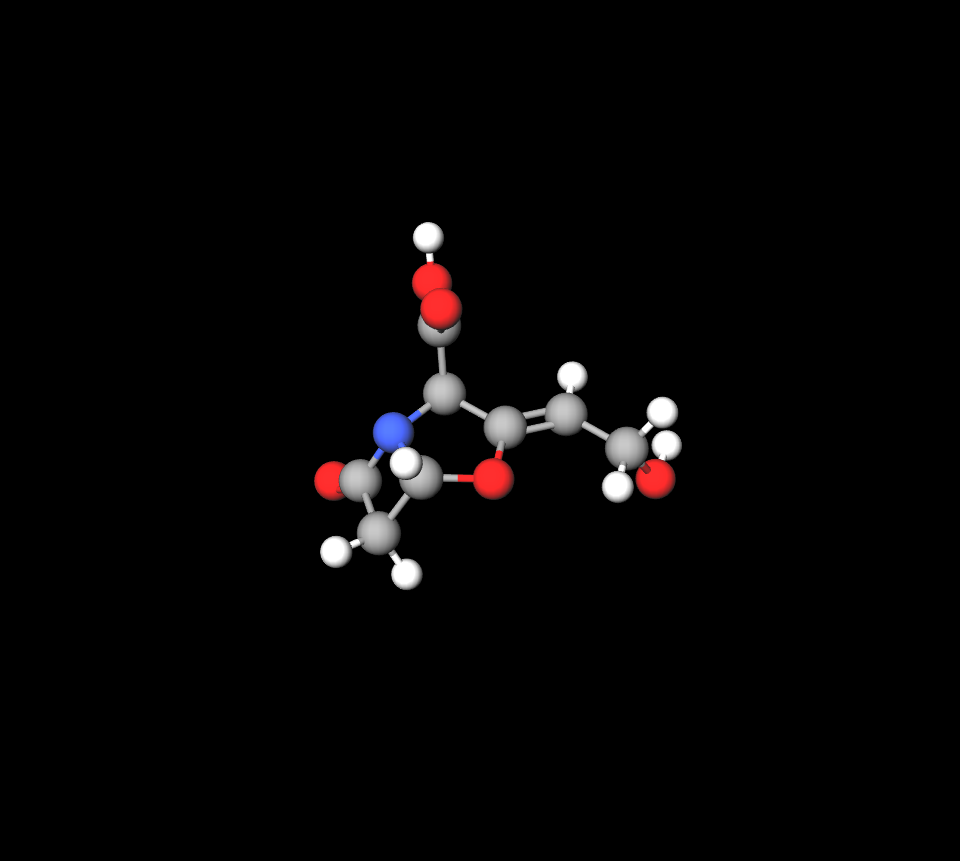
Mox Oral Suspension contains two pharmacologically complementary components:
- Amoxicillin- a bactericidal agent that disrupts bacterial cell wall synthesis
- Clavulanic acid- an irreversible inhibitor of beta-lactamase enzymes
2.2 Strength Variations and Concentrations
The suspension is available in multiple strengths, typically expressed as milligrams per 5 mL. These formulations maintain a fixed ratio between amoxicillin and clavulanate to optimize efficacy while minimizing gastrointestinal intolerance.
- Common pediatric concentrations (e.g., 125 mg/5 mL, 200 mg/5 mL, 400 mg/5 mL)
- Adjusted dosing based on body weight and infection severity
2.3 Excipients and Flavoring Agents
The formulation includes pharmaceutical excipients that enhance stability and usability:
- Suspending agents for uniform distribution
- Sweeteners and flavoring agents to improve palatability
- Buffers and stabilizers to maintain potency
3. How Mox Oral Suspension Works (Mechanism of Action)
3.1 Amoxicillin Mechanism

3.2 Role of Clavulanic Acid
Many bacteria produce beta-lactamase enzymes that inactivate penicillin antibiotics. Clavulanic acid neutralizes these enzymes, thereby preserving the antibacterial activity of amoxicillin.
3.3 Synergistic Effect
The combination produces a synergistic antimicrobial effect:
- Expanded spectrum of activity
- Improved efficacy against resistant organisms
- Enhanced treatment success in mixed infections
4. Approved Uses of Mox Oral Suspension
4.1 Respiratory Tract Infections
- Acute bacterial sinusitis
- Otitis media
- Tonsillitis and pharyngitis
- Acute bronchitis and community-acquired pneumonia

4.2 Urinary Tract Infections (UTIs)
- Uncomplicated cystitis
- Pyelonephritis

4.3 Skin and Soft Tissue Infections
- Cellulitis
- Impetigo
- Infected wounds, bites, and abscesses

4.4 Dental and Oral Infections
- Dental abscesses
- Periodontal infections
- Post-extraction infections

4.5 Bone and Joint Infections
- Osteomyelitis
- Septic arthritis

4.6 Intra-abdominal and Gynecological Infections
- Mixed anaerobic infections
- Pelvic inflammatory infections
5. Off-Label Uses of Amoxicillin/Clavulanic Acid
5.1 Bite Wound Prophylaxis and Treatment
Frequently used for animal and human bite injuries due to polymicrobial contamination.

5.2 Prevention of Post-Surgical Infections
Selected dental or minor surgical procedures where bacterial exposure is anticipated.
5.3 COPD Exacerbations
Used in acute bacterial exacerbations associated with chronic obstructive pulmonary disease.
5.4 H. pylori Infection (Combination Therapy)
Part of multidrug regimens for eradication of Helicobacter pylori.
5.5 Diabetic Foot Infections
Effective against mixed aerobic and anaerobic organisms.
5.6 Community-Acquired Mixed Infections
Utilized when standard monotherapy fails or resistance is suspected.
6. Dosage and Administration Guidelines
6.1 Amoxicillin / Clavulanic Acid Dosage
- Mild to moderate infections: lower mg/kg dosing
- Severe infections: higher weight-based dosing under medical supervision
6.2 Adult Dosage Using Suspension
Used when tablets cannot be swallowed or precise dose adjustment is required.
6.3 Reconstitution Instructions
- Add the recommended amount of water
- Shake vigorously to ensure uniform suspension
- Shake well before each dose
6.4 Administration Tips
- Best taken at the start of a meal to reduce gastric discomfort
- Maintain evenly spaced dosing intervals
- Complete the full prescribed course
6.5 Missed Dose and Treatment Adherence
Missed doses should be taken promptly unless close to the next scheduled dose. Incomplete therapy may promote bacterial resistance.
7. Storage and Stability
7.1 Storage Before Reconstitution
- Store at room temperature
- Protect from moisture and heat
7.2 Storage After Reconstitution
- Refrigeration is recommended
- Use within the specified period (usually 7-10 days)
7.3 Disposal
Discard any unused suspension after the recommended duration.
8. Side Effects of Amoxicillin / Clavulanic acid
8.1 Gastrointestinal Effects
- Diarrhea
- Nausea
- Vomiting
- Abdominal discomfort

8.2 Mild Allergic Reactions
- Skin rash
- Pruritus
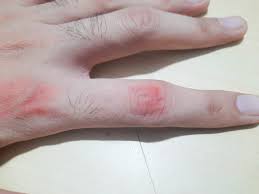
8.3 Fungal Overgrowth
Oral or vaginal candidiasis may occur with prolonged therapy.
9. Serious and Rare Side Effects
- Anaphylaxis and severe hypersensitivity
- Clostridioides difficile associated colitis
- Hepatic dysfunction or cholestatic jaundice
- Severe dermatologic reactions (SJS, TEN)
- Rare hematologic abnormalities

10. Amoxicillin / Clavulanic acid Interactions
10.1 Anticoagulants (Warfarin)
May enhance anticoagulant effects; monitoring is advised.
10.2 Allopurinol
Increased risk of skin rash.
10.3 Oral Contraceptives
Possible reduction in contraceptive efficacy.
10.4 Methotrexate
Reduced clearance may increase toxicity.
10.5 Probenecid
11. Warnings and Safety Information
11.1 Risk of Hypersensitivity in Penicillin-Allergic Patients
Mox Oral Suspension contains amoxicillin, a penicillin-class antibiotic. Hypersensitivity reactions may occur in individuals with a known allergy to penicillins or related beta-lactam antibiotics. These reactions range from mild cutaneous eruptions to life-threatening anaphylaxis.
- History of allergy to penicillins, cephalosporins, or carbapenems increases risk
- Symptoms may include rash, urticaria, angioedema, wheezing, or hypotension
- Treatment should be discontinued immediately if an allergic reaction is suspected
Careful patient history is essential before initiating therapy.

11.2 Risk of Superinfection with Prolonged Use
Extended antibiotic exposure may disrupt normal microbial flora. This ecological imbalance can lead to overgrowth of resistant organisms or opportunistic pathogens.
- Fungal infections such as oral or vaginal candidiasis
- Antibiotic-associated diarrhea
- Clostridioides difficile associated colitis
Persistent diarrhea or new symptoms during therapy require medical evaluation.
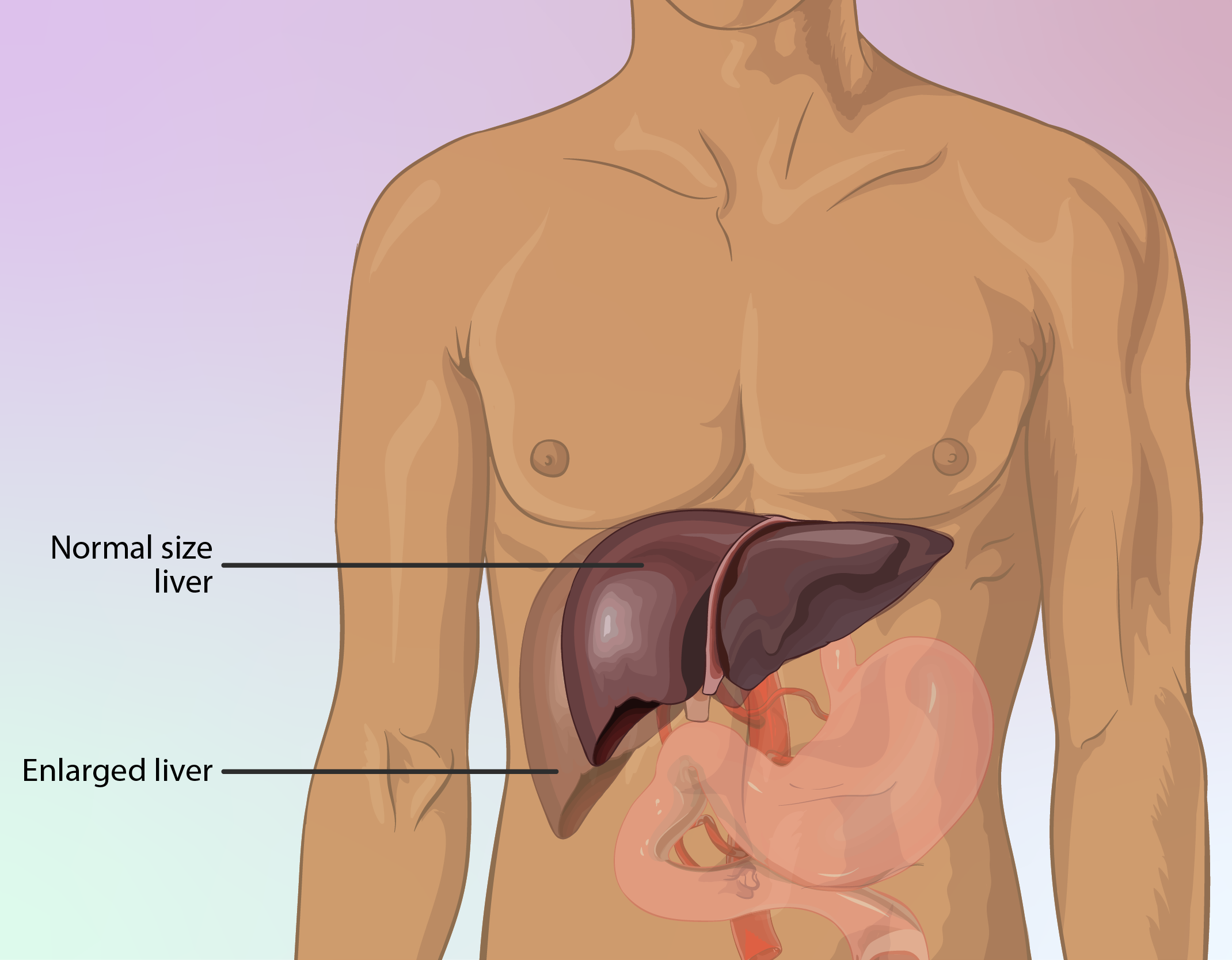
11.3 Hepatic Impairment Considerations
Amoxicillin/clavulanate has been associated with hepatic enzyme elevations and, rarely, cholestatic hepatitis. Patients with pre-existing liver disease require cautious use.
- Monitor liver function in prolonged therapy
- Use with caution in patients with hepatic insufficiency
- Discontinue if signs of liver dysfunction appear
11.4 Renal Impairment Dose Adjustment
Both components are primarily eliminated through the kidneys. Reduced renal function may lead to drug accumulation and increased adverse effects.
- Dose adjustment may be required in moderate to severe renal impairment
- Monitor renal parameters during treatment
- Ensure adequate hydration to prevent crystalluria
11.5 Antibiotic Stewardship and Resistance Concerns
Injudicious antibiotic use contributes to antimicrobial resistance. Therapy should be guided by clinical indication and, where possible, microbiological evidence.
- Avoid use for viral infections
- Complete the full prescribed course
- Reserve treatment for confirmed or strongly suspected bacterial infections
12. Contraindications
12.1 Known Hypersensitivity to Penicillins or Beta-Lactam Antibiotics
Mox Oral Suspension is contraindicated in patients with a known allergy to amoxicillin, clavulanic acid, penicillins, or other beta-lactam antibiotics due to the risk of severe hypersensitivity reactions.
12.2 History of Cholestatic Jaundice or Hepatic Dysfunction Related to Amoxicillin/Clavulanate
Patients who previously developed liver dysfunction associated with this combination should not receive the medication again, as recurrence may be more severe.
12.3 Severe Immediate Allergic Reactions to Similar Antibiotics
A history of anaphylaxis, severe skin reactions, or other immediate hypersensitivity responses to beta-lactam agents represents a strict contraindication.
13. Careful Administration and Important Precautions
13.1 Use the Lowest Effective Dose for the Shortest Duration
Appropriate dosing minimizes adverse effects and reduces the risk of resistance. Treatment duration should be limited to the period necessary to achieve clinical resolution.
13.2 Monitoring for Gastrointestinal Complications
Gastrointestinal disturbances are common. Severe or persistent symptoms warrant medical attention.
- Severe diarrhea
- Abdominal pain or cramping
- Signs of antibiotic-associated colitis
13.3 Hydration and Renal Function Monitoring
Adequate fluid intake is recommended to reduce the risk of crystalluria and maintain renal clearance.
13.4 Monitoring Liver Function in Long-Term Therapy
For extended treatment courses, periodic liver enzyme evaluation may be appropriate, particularly in high-risk individuals.
13.5 Avoiding Use in Viral Infections
This medication is ineffective against viral illnesses such as:
- Common cold
- Influenza
- Viral sore throat
Unnecessary use exposes patients to avoidable risks without clinical benefit.
14. Administration in Special Populations
14.1 Administration to Elderly Patients
Older adults may exhibit reduced renal function and increased sensitivity to adverse reactions.
- Assess renal function prior to dosing
- Monitor for gastrointestinal and hepatic side effects
- Adjust dosage when necessary
14.2 Administration to Pregnant Women
Amoxicillin/clavulanate is generally considered relatively safe during pregnancy when clinically indicated. However, therapy should be based on a careful risk-benefit evaluation.
14.3 Administration to Nursing Mothers
Both components are excreted in breast milk in small quantities.
- Potential infant effects include diarrhea, rash, or candidiasis
- Monitor breastfed infants for gastrointestinal disturbances

14.4 Administration to Children
The suspension formulation is designed for pediatric use and allows accurate weight-based dosing.
- Dose according to body weight and infection severity
- Ensure proper measurement using a calibrated device
- Palatable flavoring supports treatment adherence
15. Overdose Management
15.1 Symptoms of Overdose
Excessive intake may lead to gastrointestinal and metabolic disturbances.
- Nausea, vomiting, and diarrhea
- Electrolyte imbalance
- Crystalluria and possible renal complications
15.2 Immediate Management and Supportive Care
Treatment is primarily supportive. Measures may include:
- Discontinuation of the medication
- Maintenance of adequate hydration
- Monitoring renal function and electrolyte balance
In severe cases, medical intervention may be required.
15.3 When to Seek Emergency Medical Attention
Urgent evaluation is necessary if symptoms such as severe vomiting, decreased urine output, altered consciousness, or signs of an allergic reaction occur.
16. Handling and Safety Precautions
16.1 Accurate Measurement Using Dosing Devices
Always use a calibrated oral syringe or measuring spoon. Household utensils are unreliable and may lead to dosing errors.
16.2 Proper Reconstitution and Hygiene Practices
- Add the recommended volume of clean water
- Shake thoroughly to ensure uniform dispersion
- Maintain cleanliness during preparation
16.3 Avoiding Contamination During Use
Do not touch the bottle opening or dosing device with unclean hands. Close the container tightly after each use.
16.4 Safe Storage Away from Children
Store the medication out of reach and sight of children to prevent accidental ingestion.
16.5 Patient Counseling and Label Compliance
Follow all label instructions carefully, including dosing intervals, storage conditions, and expiration timelines after reconstitution.
17. Patient Counseling and Practical Tips for Optimal Use
17.1 Importance of Completing the Full Course
Even if symptoms improve early, therapy must be completed to ensure eradication of the infection and prevent resistance.
17.2 Recognizing Signs of Allergic Reaction
- Skin rash or hives
- Swelling of the face or throat
- Difficulty breathing
Immediate medical attention is required if these symptoms occur.
17.3 Managing Mild Side Effects at Home
- Take doses with food to reduce stomach upset
- Maintain hydration if mild diarrhea occurs
- Consult a healthcare provider if symptoms persist
17.4 When to Contact a Healthcare Provider
Medical advice should be sought if:
- Symptoms worsen or fail to improve
- Severe diarrhea or abdominal pain develops
- Signs of liver dysfunction appear (dark urine, jaundice)
- Any unusual or persistent adverse effect occurs
Mox Oral Suspension, Amoxicillin/ Clavulanic Acid FAQ
- What is amoxicillin and clavulanic acid oral suspension used for?
- What is amoxicillin oral suspension mox used for?
- What is amoxicillin clavulanic acid used for?
- Is amoxicillin clavulanate safe for kids?
- Is amoxicillin suspension safe for children?
- Is amoxicillin clavulanate good for cough?
- What is the main side effect of amoxicillin clavulanate?
- What are the side effects of amoxicillin oral suspension?
- What to avoid when taking amoxicillin clavulanic acid?
- How quickly does amoxicillin clavulanate work?
- Can you take amoxicillin and clavulanic acid for a tooth infection?
- What are the side effects of amoxicillin and clavulanate in children?
- Is amoxicillin clavulanate good for pneumonia?
- What to avoid while taking amoxicillin-clavulanate?
- Is amoxicillin clavulanic a strong antibiotic?
- Does amoxicillin clavulanic acid affect sleep?
- What are the side effects of amoxicillin clavulanate for kids?
- How long does it take for amoxicillin-clavulanate to work for pneumonia?
- When is the best time to take amoxicillin clavulanate?
What is amoxicillin and clavulanic acid oral suspension used for?
The combination of amoxicillin and clavulanate is a powerful tool for treating bacterial infections in various parts of the body, including the ears, lungs, sinuses, skin, and urinary tract. This antibiotic, which falls into the penicillin and beta-lactamase inhibitor class, combines the effects of two medicines to treat infections.
What is amoxicillin oral suspension mox used for?
Amoxicillin is used to treat bacterial infections in many different parts of the body (ear, lungs, nose, sinus, skin, urinary tract)
What is amoxicillin clavulanic acid used for?
This medicine is used to treat bacterial infections, like those in the ears, lungs, sinuses, skin, and urinary tract. It's a combination of two ingredients: amoxicillin and clavulanic acid.
Is amoxicillin clavulanate safe for kids?
Yes
Is amoxicillin suspension safe for children?
Yes
Is amoxicillin clavulanate good for cough?
Yes
What is the main side effect of amoxicillin clavulanate?
May cause skin reactions
What are the side effects of amoxicillin oral suspension?
- Anaphylaxis
- Vomiting
- Swelling
- Diarrhea
What to avoid when taking amoxicillin clavulanic acid?
- anticoagulants (warfarin)
- methotrexate
- allopurinol
- alcohol
How quickly does amoxicillin clavulanate work?
With hours of administration
Can you take amoxicillin and clavulanic acid for a tooth infection?
Yes
What are the side effects of amoxicillin and clavulanate in children?
- Appetite loss
- Stomach ache
- Jaundice
- Fatigue
Is amoxicillin clavulanate good for pneumonia?
Yes
What to avoid while taking amoxicillin-clavulanate?
Alcohol
Is amoxicillin clavulanic a strong antibiotic?
Yes
Does amoxicillin clavulanic acid affect sleep?
Yes
What are the side effects of amoxicillin clavulanate for kids?
- Diarrhea
- Nause
- Rashes
How long does it take for amoxicillin-clavulanate to work for pneumonia?
24-72 hours
When is the best time to take amoxicillin clavulanate?
Every 8 hours
Customers also bought


Popular Products
Similar Product