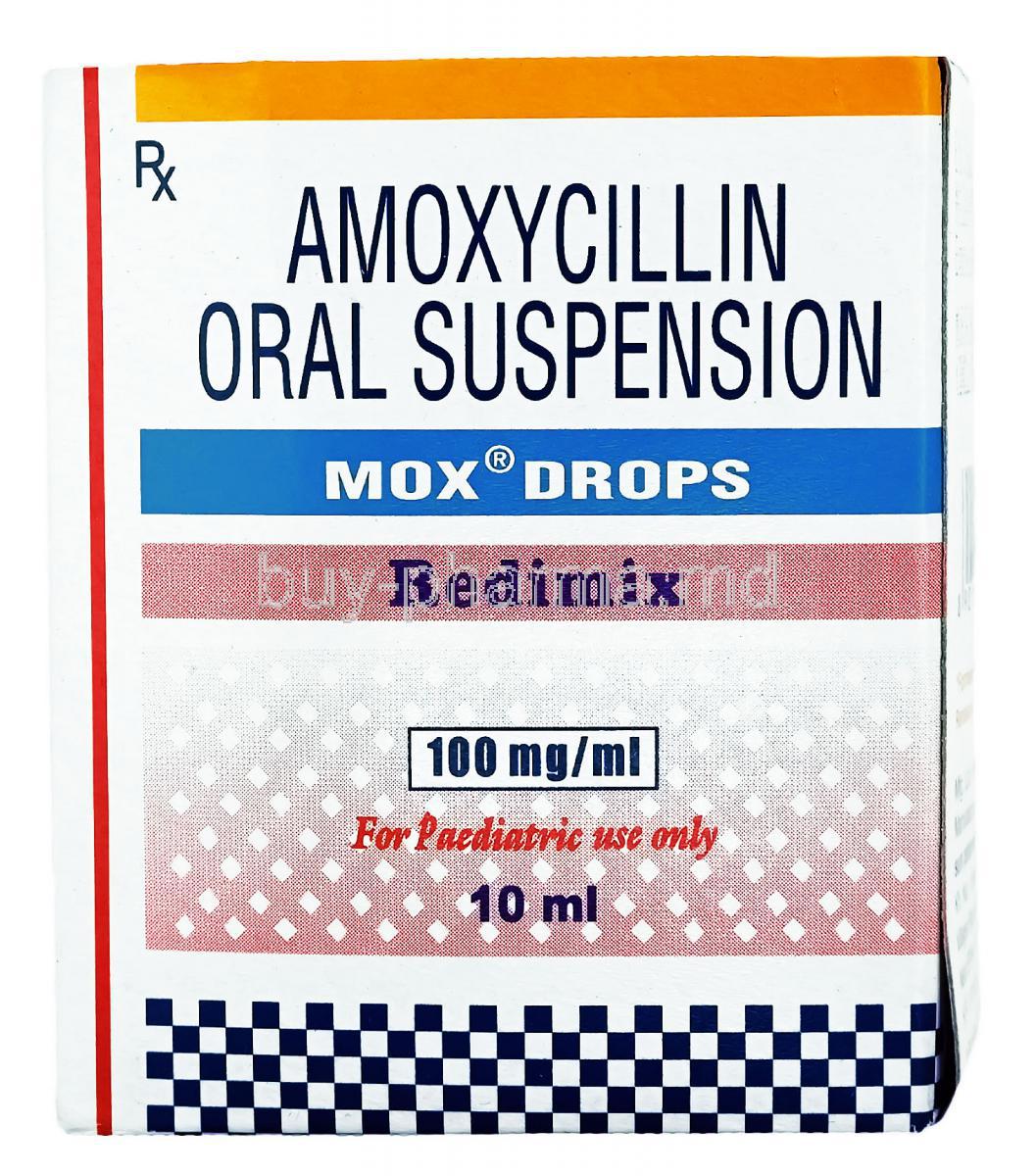
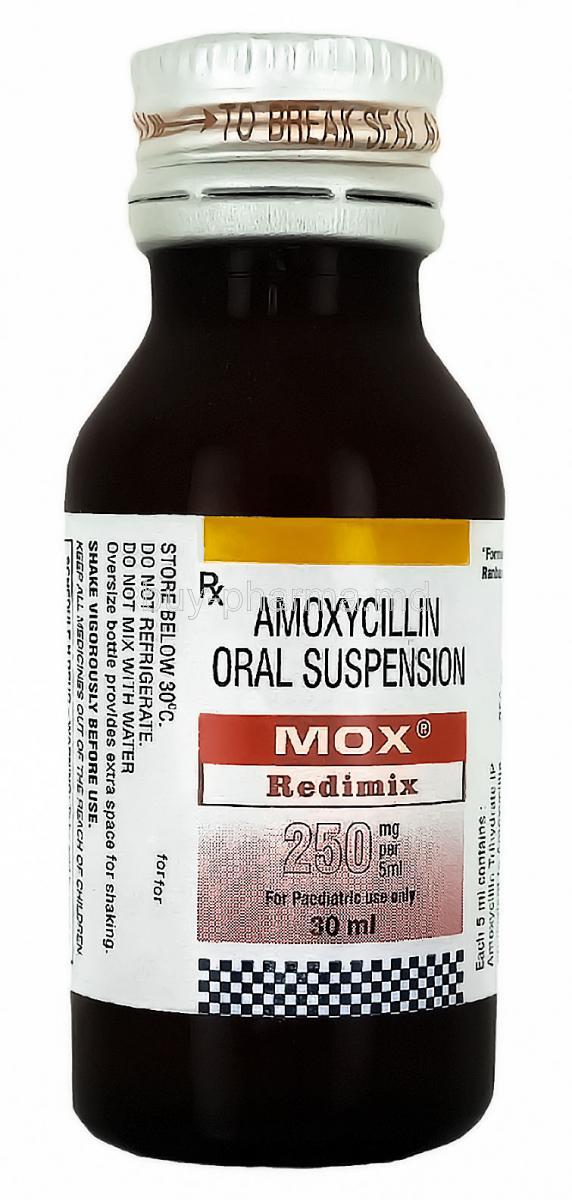
Mox Redimix Oral Suspension, Amoxicillin
- 1. Introduction to Mox Redimix Oral Suspension (Amoxicillin)
- 2. Composition and Formulation Details
- 3. How Mox Redimix Works (Mechanism of Action)
- 4. Approved Uses of Mox Redimix Oral Suspension
- 5. Expanded and Off-Label Uses of Amoxicillin Oral Suspension
- 6. Dosage and Administration Guidelines
- 7. Administration in Special Populations
- 8. Common Side Effects of Mox Redimix
- 9. Serious and Less Common Side Effects
- 10. Drug Interactions
- 11. Warnings and Important Precautions
- 11.1 Risk of Hypersensitivity in Patients with Penicillin Allergy
- 11.2 Cross-Reactivity with Cephalosporins
- 11.3 Risk of Antibiotic Resistance with Inappropriate Use
- 11.4 Monitoring for Superinfection or Fungal Overgrowth
- 11.5 Use in Patients with Infectious Mononucleosis (Rash Risk)
- 11.6 Renal Function Monitoring in Long-Term Therapy
- 12. Contraindications
- 13. Careful Administration and Clinical Monitoring
- 14. Overdose Management
- 15. Storage and Stability Information
- 16. Handling Precautions and Patient Counseling Points
1. Introduction to Mox Redimix Oral Suspension (Amoxicillin)
1.1 What is Mox Redimix Oral Suspension?
Mox Redimix Oral Suspension is a liquid antibiotic preparation containing amoxicillin, designed for the treatment of a wide range of bacterial infections. It is formulated to provide accurate dosing, improved palatability, and ease of administration, particularly in pediatric patients and individuals who have difficulty swallowing solid dosage forms. The suspension allows flexible weight-based dosing and consistent therapeutic exposure.
1.2 Therapeutic Classification and Drug Class (Penicillin Antibiotic)
Amoxicillin belongs to the aminopenicillin subclass of beta-lactam antibiotics. It is classified as a bactericidal agent that eradicates susceptible organisms by disrupting cell wall synthesis. Its broad antimicrobial spectrum and favorable safety profile have established it as a cornerstone therapy in outpatient infectious disease management.
1.3 Key Benefits of Oral Suspension Formulation
- Ease of swallowing for children and elderly patients
- Weight-based dosing precision
- Improved adherence due to flavored formulation
- Flexible dose adjustment based on clinical need
The liquid format enhances usability in real-world clinical settings where compliance is critical.
1.4 Indications for Pediatric and Adult Use
Mox Redimix is widely prescribed across age groups. It is particularly valuable in pediatric care, where accurate dosing and ease of administration are essential. Adults who experience dysphagia or require customized dosing may also benefit from the suspension.
1.5 When Oral Amoxicillin Suspension is Preferred Over Tablets or Capsules
- Infants and young children
- Patients with swallowing difficulty
- Need for precise dose titration
- Post-surgical or medically compromised patients
2. Composition and Formulation Details
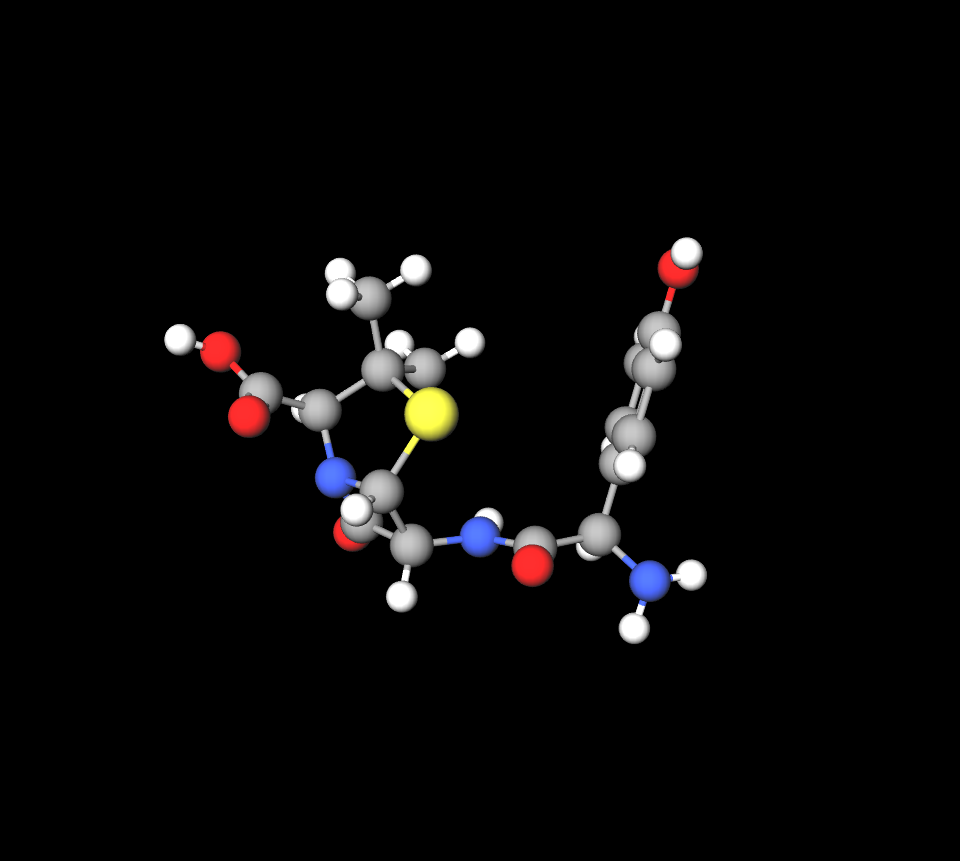
2.1 Active Ingredient: Amoxicillin (Strength and Concentration)
The active component is amoxicillin trihydrate, expressed as amoxicillin base. Common concentrations include 125 mg/5 mL and 250 mg/5 mL, enabling individualized therapeutic regimens.
2.2 Excipients and Inactive Ingredients
Inactive ingredients may include suspending agents, flavoring compounds, sweeteners, and stabilizers. These excipients enhance taste, maintain uniform dispersion, and improve product stability.
2.3 Reconstituted Suspension Characteristics (Flavor, Stability, Appearance)
After reconstitution with purified water, the suspension typically appears as a smooth, homogeneous liquid with a mild fruit flavor. It should be shaken well before each dose to ensure even distribution.
2.4 Dosage Strength Options
- 125 mg/5 mL
- 250 mg/5 mL
Selection depends on patient weight, infection severity, and prescribed dosing frequency.
2.5 Packaging and Volume Information
Mox Redimix is supplied in calibrated bottles designed for reconstitution. Packaging typically includes a measuring device to support accurate administration.
3. How Mox Redimix Works (Mechanism of Action)
3.1 Bactericidal Action of Amoxicillin
Amoxicillin exerts rapid bactericidal activity by destroying susceptible bacteria rather than merely inhibiting growth. This property contributes to prompt clinical improvement.
3.2 Inhibition of Bacterial Cell Wall Synthesis
The drug binds to penicillin-binding proteins, interfering with peptidoglycan cross-linking. This weakens the structural integrity of the bacterial cell wall, leading to osmotic lysis.

3.3 Spectrum of Activity
Amoxicillin is active against many Gram-positive and selected Gram-negative organisms, including:
- Streptococcus species
- Enterococcus species
- Haemophilus influenzae
- Escherichia coli (susceptible strains)

3.4 Time-Dependent Antibiotic Activity
Therapeutic success depends on maintaining plasma concentrations above the minimum inhibitory concentration for a sufficient duration. Regular dosing intervals are therefore essential.
3.5 Factors Affecting Treatment Effectiveness
- Patient adherence
- Appropriate dosing
- Bacterial resistance patterns
- Completion of the full treatment course
4. Approved Uses of Mox Redimix Oral Suspension
4.1 Respiratory Tract Infections
- Acute otitis media
- Acute bacterial sinusitis
- Pharyngitis and tonsillitis
- Acute bronchitis
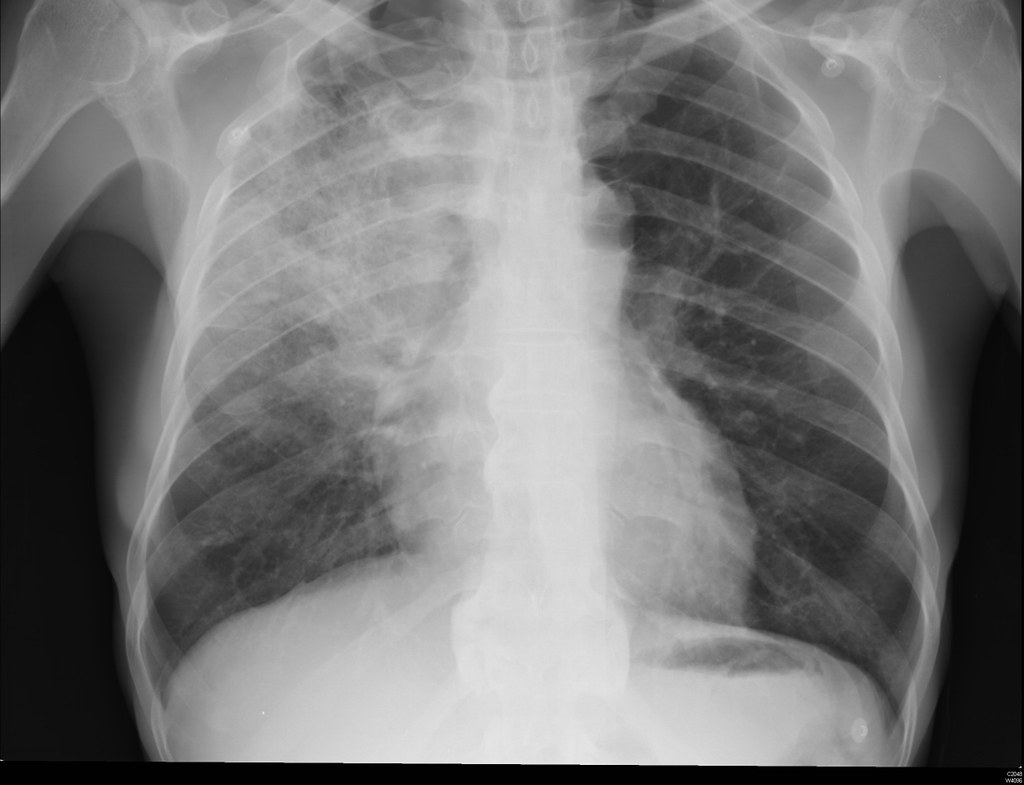
- Community-acquired pneumonia
4.2 Ear, Nose, and Throat (ENT) Infections
Effective against common pathogens responsible for upper respiratory and ENT infections.
4.3 Amoxicillin for UTI
Used for uncomplicated UTIs caused by susceptible organisms.

4.4 Skin and Soft Tissue Infections
Indicated for cellulitis, impetigo, and wound infections.

4.5 Dental and Oral Infections
Commonly prescribed for dental abscesses and periodontal infections.

4.6 Gastrointestinal Infections
May be used for certain bacterial gastrointestinal conditions when appropriate.
5. Expanded and Off-Label Uses of Amoxicillin Oral Suspension
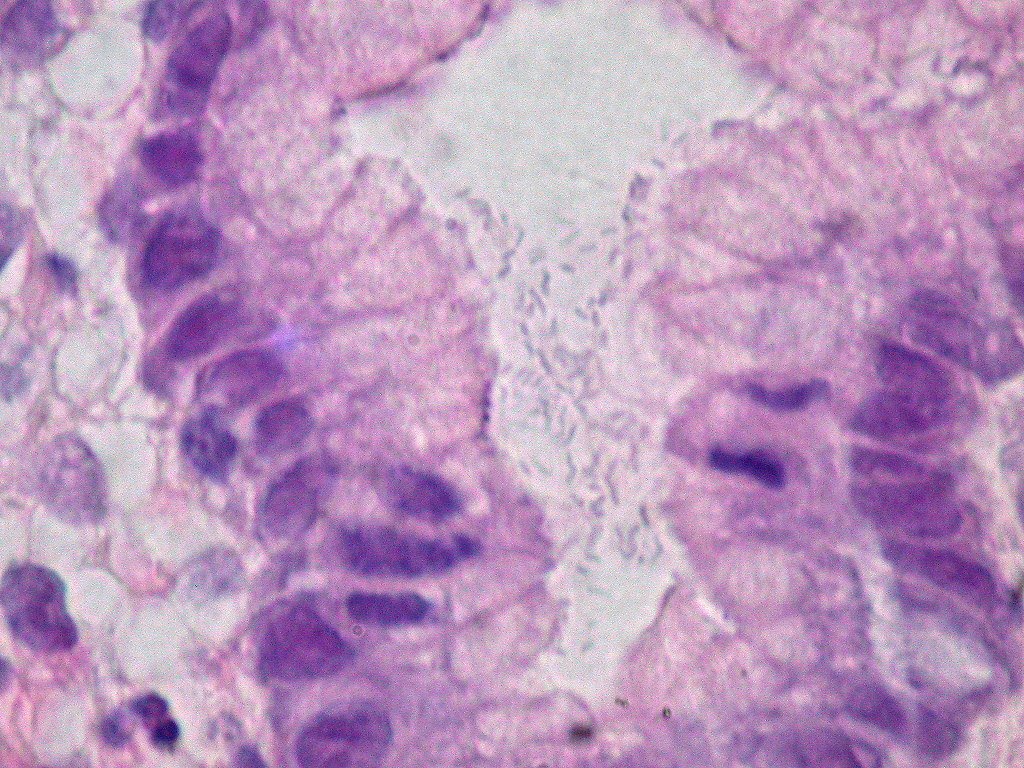
5.1 Helicobacter pylori Eradication
Used as part of combination therapy with proton pump inhibitors and other antibiotics.
5.2 Lyme Disease
Effective for early localized infection, especially in pediatric patients.
5.3 Endocarditis Prophylaxis
Administered before dental procedures in high-risk individuals.
5.4 Pediatric Community-Acquired Pneumonia
High-dose regimens are often recommended in specific clinical guidelines.
5.5 Surgical or Dental Prophylaxis
Used to prevent postoperative infections in selected cases.
5.6 Bite Wounds
Often combined with beta-lactamase inhibitors for broader coverage.

5.7 Gastrointestinal or Biliary Infections
Utilized in certain scenarios based on culture sensitivity.
6. Dosage and Administration Guidelines
6.1 General Dosing Principles
Doses are calculated based on body weight, infection severity, and renal function.
6.2 Pediatric Dosage Recommendations
Weight-based dosing ensures safe and effective therapy.

6.3 Adult Dosage Using Suspension
Adults unable to swallow tablets may receive equivalent liquid doses.
6.4 Frequency of Administration
- Every 8 hours (three times daily)
- Every 12 hours (twice daily)
6.5 Duration of Treatment
Typically ranges from 5 to 14 days depending on infection type.
6.6 Reconstitution Instructions
Add the specified amount of water, shake vigorously, and allow the suspension to settle before use.
6.7 Accurate Dose Measurement
Use an oral syringe or calibrated measuring cup. Household spoons are unreliable.
6.8 Missed Dose Management
Take the missed dose as soon as remembered unless the next dose is imminent.
7. Administration in Special Populations
7.1 Children and Infants
The suspension is particularly suited for pediatric use due to dosing flexibility.
7.2 Elderly Patients
Renal function assessment may be necessary to avoid accumulation.

7.3 Renal Impairment
Dose adjustment or extended dosing intervals may be required.
7.4 Pregnant Women
Generally considered safe when clinically indicated.
7.5 Breastfeeding Mothers
Small amounts pass into breast milk but are typically well tolerated.

7.6 Premature or Low-Weight Infants
Careful dosing and medical supervision are essential.
8. Common Side Effects of Mox Redimix
8.1 Gastrointestinal Effects
- Diarrhea
- Nausea
- Vomiting
8.2 Mild Skin Reactions

8.3 Taste Changes
Some patients report altered taste or mild oral discomfort.
8.4 Abdominal Symptoms
Transient bloating or mild cramping may occur.
9. Serious and Less Common Side Effects
9.1 Allergic Reactions
Symptoms may include hives, swelling, or anaphylaxis.
9.2 Antibiotic-Associated Colitis
Persistent diarrhea should be evaluated for Clostridioides difficile infection.
9.3 Amoxicillin rash
An amoxicillin rash often appears as flat, pinkish-red, non-itchy spots on the chest, back, or abdomen, typically appearing 5-7 days into treatment, particularly in children, and usually clears in 1-6 days
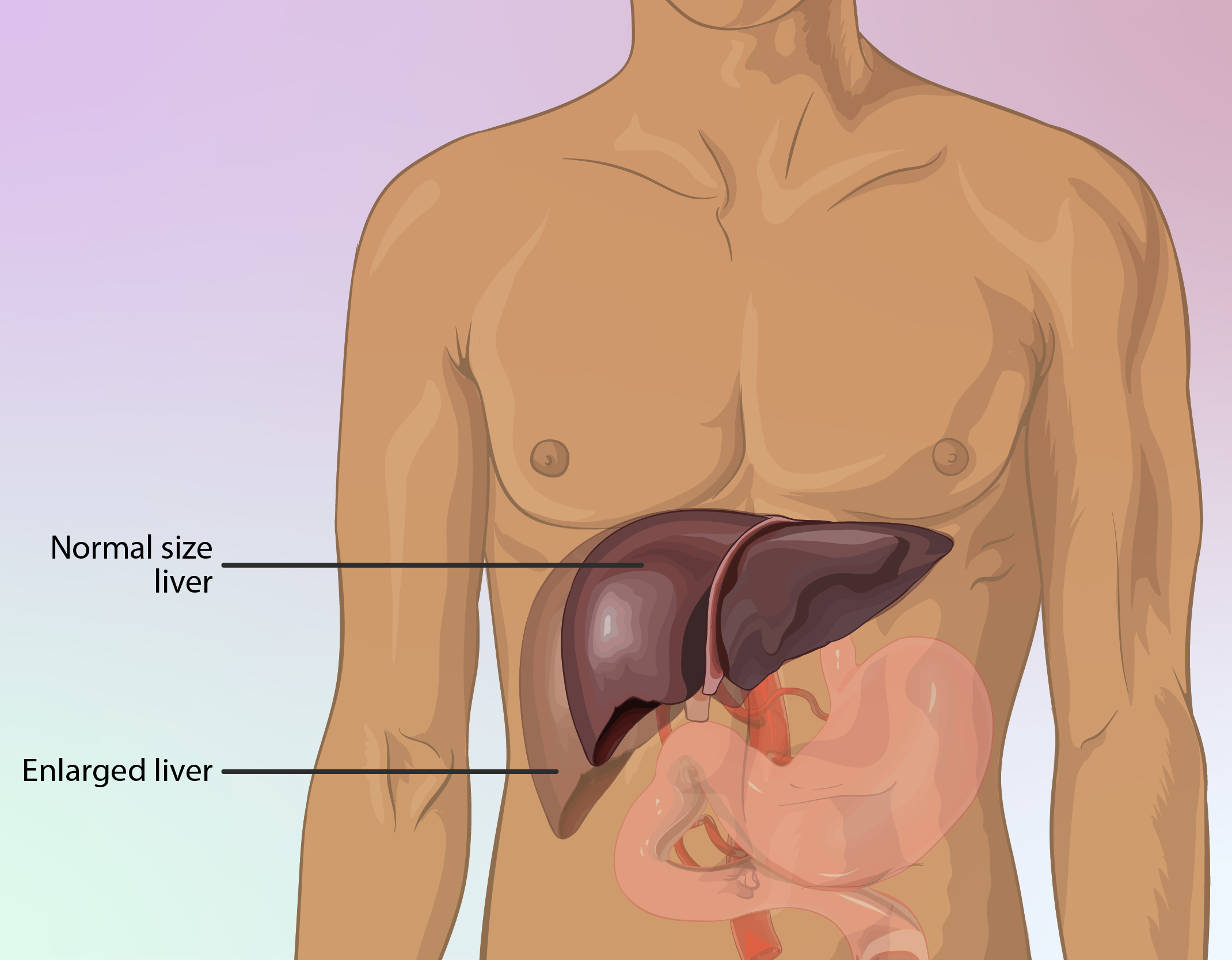
9.4 Liver Function Abnormalities
Elevated liver enzymes have been reported in rare cases.
9.5 Hematologic Changes
Uncommon alterations in blood counts may occur.
9.6 When to Seek Medical Attention
Immediate care is required for severe rash, breathing difficulty, or persistent diarrhea.
10. Drug Interactions
10.1 Oral Anticoagulants
May enhance anticoagulant effects, requiring monitoring.
10.2 Oral Contraceptives
Effectiveness may be reduced; additional contraceptive measures are advisable.
10.3 Allopurinol
Increases the risk of skin rash.
10.4 Probenecid
Reduces renal excretion, increasing amoxicillin levels.
10.5 Methotrexate
May increase toxicity due to reduced clearance.
10.6 Food and Alcohol Considerations
Amoxicillin may be taken with or without food. Moderate alcohol consumption does not directly reduce efficacy but should be minimized during infection recovery.
11. Warnings and Important Precautions
11.1 Risk of Hypersensitivity in Patients with Penicillin Allergy
Amoxicillin, as a penicillin-class antibiotic, carries a significant risk of hypersensitivity reactions in susceptible individuals. These reactions may range from mild dermatologic manifestations to life-threatening anaphylaxis. Prior to initiating therapy, a thorough allergy history should be obtained.
- History of rash, hives, or swelling after penicillin use
- Previous breathing difficulty or anaphylactic reaction
- Unexplained severe drug reactions
Immediate discontinuation is required if hypersensitivity symptoms develop. Emergency medical intervention may be necessary.

11.2 Cross-Reactivity with Cephalosporins
Cross-reactivity between penicillins and cephalosporins has been documented due to structural similarities in the beta-lactam ring. Although the incidence is relatively low, caution is warranted in patients with a history of severe cephalosporin allergy. Risk assessment should guide therapeutic decisions.
11.3 Risk of Antibiotic Resistance with Inappropriate Use
Improper use of antibiotics contributes to antimicrobial resistance, a growing global health concern. Indiscriminate prescribing, incorrect dosing, or premature discontinuation may allow resistant organisms to proliferate.
- Use only for confirmed or strongly suspected bacterial infections
- Avoid use for viral illnesses such as common cold or influenza
- Complete the full prescribed course
11.4 Monitoring for Superinfection or Fungal Overgrowth
Prolonged antibiotic exposure may disrupt normal microbial flora, creating conditions favorable for opportunistic pathogens. Secondary infections such as oral candidiasis or vaginal fungal overgrowth may occur. Persistent symptoms or new infections during therapy should prompt clinical reassessment.
11.5 Use in Patients with Infectious Mononucleosis (Rash Risk)
Administration of amoxicillin in patients with infectious mononucleosis is associated with a high incidence of maculopapular rash. Although not always allergic in nature, this reaction can be extensive and alarming. Alternative antimicrobial therapy should be considered when mononucleosis is suspected.
11.6 Renal Function Monitoring in Long-Term Therapy
Amoxicillin is primarily excreted through the kidneys. In patients receiving prolonged therapy, especially those with pre-existing renal impairment, periodic evaluation of renal function is advisable to prevent drug accumulation and toxicity.
Amoxicillin and alcohol
While drinking alcohol with amoxicillin is not inherently dangerous and won't directly lower the medication's effectiveness, it is generally advised to avoid or limit alcohol. Combining them can exacerbate common side effects like stomach irritation, dizziness, and nausea, while potentially delaying your recovery from the infection.
12. Contraindications
12.1 Known Hypersensitivity to Amoxicillin or Other Penicillins
Mox Redimix Oral Suspension is contraindicated in patients with a documented allergy to amoxicillin, penicillin, or any component of the formulation. Even mild historical reactions should be carefully evaluated before use.
12.2 History of Severe Allergic Reaction to Beta-Lactam Antibiotics
Patients with a history of severe immediate hypersensitivity reactionsâsuch as anaphylaxis, angioedema, or severe urticariaâto beta-lactam antibiotics should not receive amoxicillin due to the risk of recurrence.
12.3 Previous Amoxicillin-Associated Cholestatic Jaundice or Liver Dysfunction
Individuals who previously developed cholestatic jaundice or hepatic dysfunction related to amoxicillin therapy should avoid re-exposure, as recurrence may occur.

13. Careful Administration and Clinical Monitoring
13.1 Use the Lowest Effective Dose
Therapy should be guided by the principle of therapeutic parsimony. Using the minimum effective dose reduces the likelihood of adverse reactions while maintaining clinical efficacy.
13.2 Adjustments in Renal Impairment
In patients with reduced renal clearance, dosage intervals may need to be extended or total daily doses reduced. Individualization based on creatinine clearance is recommended.
13.3 Monitoring for Allergic or Gastrointestinal Reactions
Patients should be observed for early signs of intolerance, including:
- Skin rash or itching
- Persistent diarrhea
- Severe abdominal pain
Early identification allows timely intervention and prevents complications.
13.4 Consideration in Patients with Chronic Illness or Immunocompromised Status
Patients with chronic systemic disease, diabetes, malignancy, or immunosuppression may require closer monitoring. Infection severity, response to therapy, and risk of secondary infections should be evaluated regularly.
13.5 Importance of Completing the Full Course of Therapy
Premature discontinuation may lead to treatment failure or relapse. Even if symptoms improve rapidly, the full prescribed duration should be completed to ensure eradication of the pathogen.
14. Overdose Management
14.1 Symptoms of Amoxicillin Overdose
Overdose is generally associated with gastrointestinal disturbance rather than severe systemic toxicity. Symptoms may include nausea, vomiting, diarrhea, and abdominal discomfort.
14.2 Gastrointestinal and Renal Complications
Large doses may lead to crystalluria, which can impair renal function if adequate hydration is not maintained. Rarely, electrolyte imbalance or renal impairment may develop.
14.3 Immediate Management and Supportive Care
Management is primarily supportive. Measures may include:
- Discontinuation of the drug
- Symptomatic treatment of gastrointestinal effects
- Medical observation when large quantities are ingested
14.4 Role of Hydration and Renal Monitoring
Adequate fluid intake promotes urinary excretion and reduces the risk of crystal formation. Renal function should be monitored in significant overdose cases.
14.5 When Emergency Care is Required
Immediate medical attention is necessary if severe symptoms occur, including persistent vomiting, reduced urine output, allergic reactions, or altered consciousness.
15. Storage and Stability Information
15.1 Storage Conditions Before Reconstitution
The dry powder should be stored in a cool, dry place, protected from moisture and direct sunlight. Excess heat or humidity may compromise product integrity.
15.2 Refrigeration Requirements After Reconstitution
After mixing with water, the suspension should be refrigerated when recommended. Refrigeration helps preserve stability and maintain therapeutic potency.
15.3 Shelf Life of Prepared Suspension
Reconstituted amoxicillin suspension typically remains stable for a limited period, usually 7 to 14 days depending on the formulation. Any unused portion should be discarded after this timeframe.
15.4 Disposal of Unused or Expired Medication
Unused or expired medication should not be poured into drains or household waste without proper guidance. Local pharmaceutical disposal recommendations should be followed to minimize environmental impact.
15.5 Avoiding Freezing or Excessive Heat Exposure
Freezing may alter the physical properties of the suspension. Exposure to high temperatures can accelerate degradation. Stable storage conditions are essential for therapeutic reliability.
16. Handling Precautions and Patient Counseling Points
16.1 Shake Well Before Each Use
The suspension must be shaken thoroughly before administration to ensure uniform drug distribution. Failure to do so may result in inconsistent dosing.
16.2 Use Accurate Measuring Devices Only
Precision matters. Doses should be measured using an oral syringe, dosing cup, or calibrated spoon provided with the product. Household teaspoons are inaccurate and should be avoided.
Antibiotics are prescribed based on specific infections and patient factors. Sharing medication may lead to ineffective treatment, adverse reactions, or antimicrobial resistance.
16.4 Importance of Adherence to Prescribed Schedule
Maintaining consistent dosing intervals helps sustain therapeutic drug levels. Irregular administration reduces efficacy and may prolong infection.
16.5 Recognizing Signs of Allergic Reaction or Treatment Failure
- New rash or swelling
- Difficulty breathing
- Persistent fever or worsening symptoms
Prompt medical evaluation is recommended if these signs occur.
16.6 Safe Handling Around Children and Household Members
The medication should be stored out of reach of children. Secure storage prevents accidental ingestion and ensures the product is used only by the intended patient.
Mox Redimix Oral Suspension, Amoxicillin FAQ
- What is amoxicillin oral suspension mox Redimix used for?
- What is Redimix Syrup used for?
- What is the use of Redimix mox drops?
- Is mox redimix 250 mg Syrup for fever?
- What is amoxicillin 250MG for kids used for?
- What is amoxycillin oral suspension mox redimix used for?
- Is it safe to give amoxicillin to kids?
- Is amoxicillin suspension good for babies?
What is amoxicillin oral suspension mox Redimix used for?
Mox Redimix 125 Oral Suspension is an antibiotic that helps treat bacterial infections. It does this by going after the cell wall of the bacteria, which stops them from living and multiplying.
What is Redimix Syrup used for?
It is effective for bacterial infections of the throat, ears, urinary tract, skin, and soft tissues.
What is the use of Redimix mox drops?
Mox Drops Redimix treat a multitude of bacterial infections including those of the ears, eyes, nose, sinus, tonsils, tooth, throat, lungs, skin, gastrointestinal tract, and urinary tract.
Is mox redimix 250 mg Syrup for fever?
No
What is amoxicillin 250MG for kids used for?
This medication is mainly used to treat a variety of infections, including those affecting the respiratory system, middle ear, and urinary tract. It's also effective against infections in the biliary and intra-abdominal regions, as well as gynaecological issues and gonorrhoea.
What is amoxycillin oral suspension mox redimix used for?
Mox Redimix Oral Suspension is a medicine that helps treat bacterial infections. It's good for treating infections in the throat, ear, and nose, as well as infections in the lungs, like pneumonia.
Is it safe to give amoxicillin to kids?
Yes
Is amoxicillin suspension good for babies?
No
Customers also bought


Popular Products
Similar Product