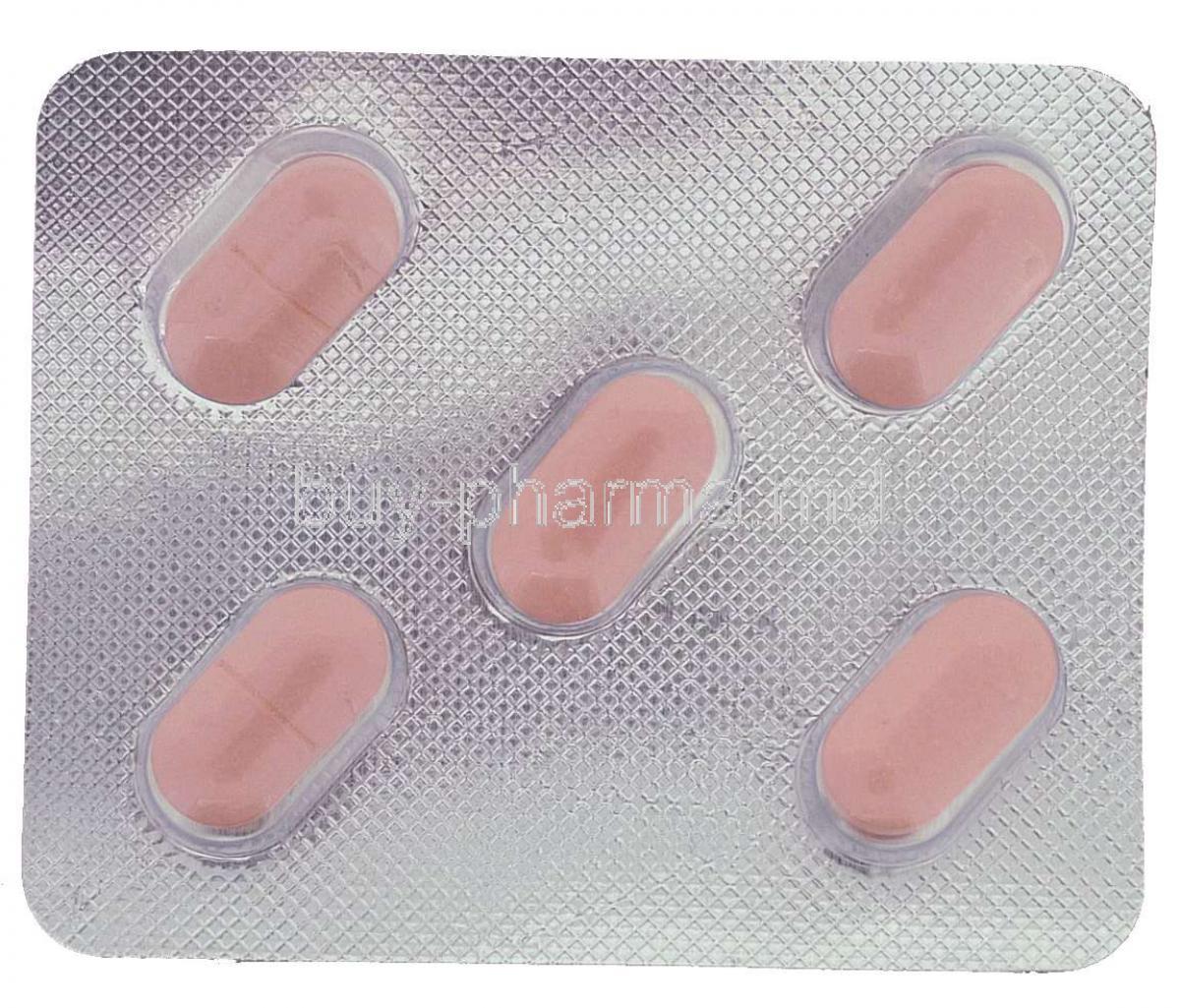
1. Introduction to Moxif (Moxifloxacin HCL)
1.1 Overview of moxifloxacin as a fluoroquinolone antibiotic
Moxif (Moxifloxacin HCL) is a broad-spectrum fluoroquinolone antibiotic designed to combat complex bacterial pathogens. It exerts a potent antimicrobial effect, making it suitable for both routine and refractory infections. Many clinicians regard it as a cornerstone option when first-line therapies fail or when atypical organisms dominate an infection.
1.2 Therapeutic relevance in bacterial infections
This agent is used extensively in respiratory, dermatologic, and gastrointestinal infections due to its rapid penetration into tissues. It addresses pathogens such as Streptococcus pneumoniae, Haemophilus influenzae, and Gram-negative organisms with notable efficiency.
- High bioavailability ensures dependable systemic levels.
- Useful when resistance patterns limit other antibiotics.
- Effective in mixed aerobic-anaerobic infections.
1.3 Comparison with other fluoroquinolones
Compared with ciprofloxacin or levofloxacin, moxifloxacin offers enhanced anaerobic coverage and superior action against atypical respiratory pathogens. Its pharmacokinetic stability results in more predictable outcomes, even in severe disease states.
1.4 Key benefits and clinical utility
Moxif’s advantages include:
- High tissue penetration in pulmonary and sinus regions
- Once-daily dosing convenience
- Reliable eradication of pathogens involved in chronic infections
- Reduced likelihood of cross-resistance compared to older agents
1.5 Regulatory status and global usage trends
Moxifloxacin is widely approved across North America, Europe, and Asia. Its ophthalmic and systemic forms are integrated into treatment algorithms in hospitals, urgent care centers, and outpatient settings worldwide. Although stewardship programs encourage judicious use, its clinical significance remains strong.
2. Composition and Formulation Details
2.1 Active ingredient: Moxifloxacin Hydrochloride
The principal component is Moxifloxacin Hydrochloride, a synthetic fluoroquinolone derivative engineered for potent antimicrobial action.
2.2 Available strengths and dosage forms (tablet, IV, ophthalmic)
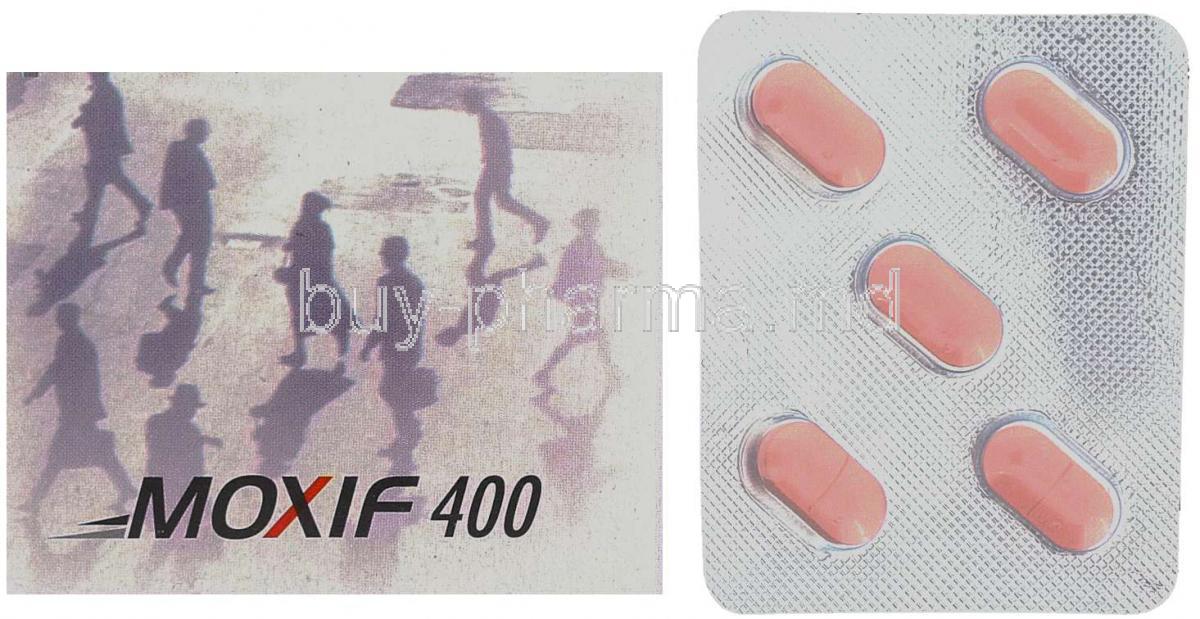
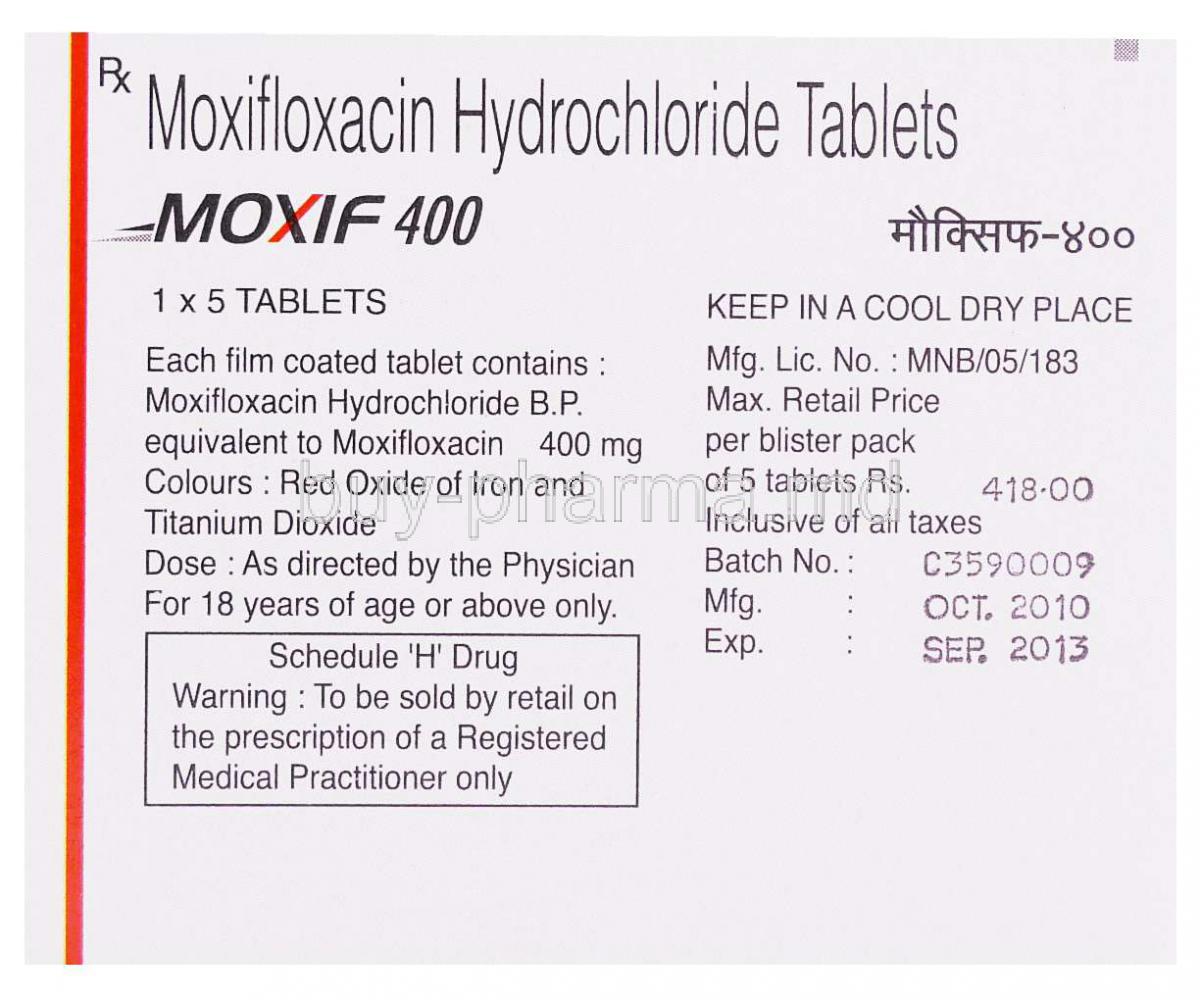
- Oral tablets (commonly 400 mg)
- Intravenous infusion formulations
- Ophthalmic solutions and gels
2.3 Inactive ingredients and excipients
Excipients may include microcrystalline cellulose, lactose monohydrate, magnesium stearate, and stabilizers that support stability, absorption, and shelf-life integrity.
2.4 Pharmacological class and chemical characteristics
Moxifloxacin belongs to the fourth generation of fluoroquinolones. Its molecular structure allows optimal binding to bacterial enzymes involved in genetic replication.
3. Mechanism of Action: How Moxif Works
3.1 Inhibition of DNA gyrase and topoisomerase IV
Moxifloxacin selectively inhibits DNA gyrase and topoisomerase IV—enzymes essential for bacterial DNA replication and repair.
3.2 Impact on bacterial DNA replication and cell death
Disruption of these enzymes halts DNA supercoiling and replication, triggering rapid bacterial apoptosis. This effect is lethal for susceptible organisms.
3.3 Bactericidal activity spectrum
- Gram-positive organisms
- Gram-negative bacilli
- Anaerobic bacteria
- Atypical pathogens (e.g., Mycoplasma, Chlamydophila)
3.4 Differences from other antibiotic mechanisms
Unlike β-lactams or macrolides, moxifloxacin directly interferes with core bacterial genetic machinery, providing swift and decisive bactericidal activity.
3.5 Resistance patterns and emerging concerns
Although resistance remains comparatively low, inappropriate use may foster enzyme mutations that weaken drug efficacy. Stewardship remains essential.
4. Therapeutic Uses of Moxif
4.1 Acute bacterial sinusitis
Moxifloxacin provides rapid relief by eliminating sinus pathogens and reducing mucosal inflammation.
4.2 Community-acquired pneumonia
It is widely used for pneumonia caused by atypical and typical organisms, offering excellent lung penetration.
4.3 Acute bacterial exacerbation of chronic bronchitis
It helps stabilize symptoms, diminish bacterial load, and prevent progression to severe respiratory complications.
4.4 Skin and soft tissue infections
Its broad coverage supports effective treatment of cellulitis, abscesses, and wound infections.
4.5 Intra-abdominal infections
Moxif is favored for its anaerobic coverage, proving useful in diverticulitis and abdominal abscesses.
4.6 Ophthalmic infections (for eye formulations)
Ophthalmic moxifloxacin is utilized for bacterial conjunctivitis and postsurgical prophylaxis.
4.7 Treatment of multidrug-resistant infections
It serves as an alternative in resistant respiratory or soft-tissue infections when conventional therapies fail.
5. Off-Label Uses
5.1 Tuberculosis (drug-resistant TB regimens)
Often integrated into multidrug regimens for resistant tuberculosis strains.
5.2 Pelvic inflammatory disease (PID)
Used in select protocols when first-line antimicrobials are not tolerated.
5.3 Prosthetic joint infections
Provides deep tissue penetration that supports eradication of biofilm-associated infections.
5.4 Diabetic foot infections
Useful in polymicrobial infections common in diabetic ulcers.
5.5 Mycoplasma and atypical bacterial infections
Effective in atypical organisms resistant to macrolides.
5.6 Pre-operative prophylaxis in select surgeries
Used in high-risk procedures where resistant bacteria may pose concern.
5.7 Off-label ophthalmic applications
Employed for severe or recurrent ocular surface infections when alternatives are insufficient.
6. Dosage and Administration
6.1 Standard oral dosage for approved indications
The typical oral dose is 400 mg once daily, with or without food.
6.2 Intravenous administration guidelines
Administered via slow infusion over 60 minutes to minimize infusion-related reactions.
6.3 Dosage for ophthalmic use
Eye drops are commonly instilled as one drop, two to three times daily, depending on severity.
6.4 Timing of administration and food considerations
Food does not significantly alter bioavailability, but avoiding mineral supplements around dosing is recommended.
6.5 Adjustments in renal/hepatic impairment
No renal adjustment is typically required, but caution is advised in hepatic dysfunction due to metabolic pathways.
6.6 Duration of therapy for different infections
- Respiratory infections: 5–10 days
- Skin infections: 7–14 days
- Ophthalmic infections: variable based on clinical response
6.7 Missed dose instructions
If a dose is missed, it should be taken promptly unless close to the next scheduled dose. Doubling is avoided.
7. Important Precautions
7.1 Risk of tendonitis and tendon rupture
Fluoroquinolones may provoke tendon inflammation or rupture, particularly in older adults or those on corticosteroids.
7.2 QT prolongation and cardiac arrhythmia risks
Moxifloxacin can prolong cardiac repolarization, requiring caution in patients predisposed to arrhythmias.
7.3 Central nervous system effects
Potential CNS effects include dizziness, confusion, or seizures in susceptible individuals.
7.4 Gastrointestinal precautions and C. difficile risk
Prolonged use may disturb gut flora, enabling pathogenic overgrowth such as C. difficile.
7.5 Photosensitivity precautions
Patients should avoid excessive sunlight due to increased risk of photosensitivity reactions.
7.6 Risk of peripheral neuropathy
Rare but serious neuropathic effects may occur, presenting as tingling, burning, or weakness.
8. Warnings and Critical Safety Information
8.1 Black box warnings for fluoroquinolones
These emphasize serious adverse events including tendon rupture, neuropathy, and disabling CNS effects.
8.2 Life-threatening hypersensitivity reactions
Anaphylactic responses, though uncommon, necessitate immediate medical intervention.
8.3 Severe hepatotoxicity risks
Liver injury ranging from mild enzyme elevation to fulminant hepatic failure has been reported.
8.4 Dysglycemia (hypo/hyperglycemia)
Abnormal glucose regulation may occur, especially in diabetic patients.
8.5 Aortic aneurysm and dissection warnings
Evidence suggests potential risk of aortic complications in susceptible individuals.
8.6 Mental health adverse effects
Possible effects include agitation, hallucinations, or mood disturbances.
9. Contraindications
9.1 Known hypersensitivity to fluoroquinolones
Patients with prior reactions should avoid use due to risk of recurrence.
9.2 Patients with history of QT prolongation
Risk of arrhythmia heightens significantly in such populations.
9.3 Myasthenia gravis exacerbation risk
Moxifloxacin may intensify muscle weakness in individuals with myasthenia gravis.
9.4 Contraindication in uncorrected electrolyte imbalance
Electrolyte disturbances may amplify QT prolongation risk.
9.5 Known tendon disorders related to fluoroquinolone use
Patients with past fluoroquinolone-induced tendon issues should avoid re-exposure.
10. Careful Administration (Use With Caution)
10.1 Patients with epilepsy or seizure disorders
Fluoroquinolones may lower seizure thresholds and require heightened vigilance.
10.2 Patients with cardiac conditions or arrhythmia risk
Continuous ECG monitoring may be recommended in high-risk populations.
10.3 Diabetic patients on glucose-altering medications
Frequent glucose monitoring may be necessary to detect dysglycemia early.
10.4 Patients with impaired liver function
Reduced metabolic clearance may elevate plasma concentrations.
10.5 Immunocompromised individuals
These patients may require extended treatment durations or adjunct therapies.
10.6 Those with a history of psychiatric disorders
Close observation is warranted due to potential CNS-related side effects.
11. Side Effects
11.1 Overview of possible adverse effects
Moxifloxacin may produce a wide array of adverse reactions due to its systemic and local pharmacologic activity. Some effects are mild and transient, while others may manifest abruptly and demand medical attention. Because the drug interacts with multiple physiologic pathways, the profile of reactions can vary distinctly from one individual to another.
- Most reactions occur early in therapy.
- Severe adverse effects, though uncommon, can be clinically significant.
- Duration and dosage may influence frequency of occurrence.
11.2 Gastrointestinal side effects
Gastrointestinal disturbances are among the most frequently reported effects. These symptoms arise from alterations in gut flora, mucosal irritation, or direct pharmacologic action.
- Nausea, emesis, and abdominal cramping
- Loose stools or diarrhea
- Occasional dyspepsia or bloating
11.3 Neurological side effects
Neurocognitive manifestations may include central nervous system stimulation or inhibition. These reactions may be more pronounced in individuals with pre-existing neurological sensitivities.
- Dizziness or vertiginous sensations
- Insomnia, irritability, or agitation
- Rare seizure activity in predisposed patients
11.4 Dermatological reactions
Cutaneous symptoms often arise as immune-mediated responses or heightened skin sensitivity. They may be mild or, in rare events, escalate toward more severe dermal pathology.
- Puritic eruptions or erythematous patches
- Photosensitivity reactions following sun exposure
- Rare exfoliative dermatoses
11.5 Musculoskeletal adverse reactions
Fluoroquinolones may influence connective tissue integrity, leading to musculoskeletal discomfort or inflammatory processes.
- Tendonitis or tendon discomfort
- Muscular stiffness or cramping
- In rare cases, tendon rupture
11.6 Ocular side effects (for eye drops)
Ophthalmic formulations may occasionally induce localized irritation as the eye membrane adjusts to the antimicrobial agent.
- Burning or stinging sensation
- Mild conjunctival redness
- Temporary blurring of vision
11.7 Long-term or cumulative exposure risks
Extended or repeated exposure increases the possibility of persistent adverse reactions that may impact nerves, tendons, or organ function.
- Possible hepatic enzyme elevation
- Peripheral neuropathic symptoms
- Prolonged QT effects in susceptible individuals
12. Common Side Effects
12.1 Nausea, diarrhea, abdominal pain
These gastrointestinal symptoms remain the most typical complaints. They are generally self-limiting and mild in character.
12.2 Dizziness, headache, fatigue
Moxifloxacin may transiently affect the central nervous system, leading to sensations of imbalance or mild cognitive fog.
12.3 Mild skin rash or itching
Localized skin reactions usually fade when therapy is completed or discontinued.
12.4 Insomnia or restlessness
Some individuals report heightened alertness or difficulty settling at night.
12.5 Transient liver enzyme elevation
Occasional mild increases in liver enzymes may appear on laboratory tests without producing noticeable symptoms.
12.6 Mild eye irritation (ophthalmic formulation)
Temporary discomfort or watering of the eyes may occur following instillation.
13. Drug Interactions
13.1 Interactions with antacids and mineral supplements
Magnesium, aluminum, and calcium-containing products may reduce absorption and should be spaced apart from the dose.
13.2 Effects of NSAIDs and seizure threshold lowering
NSAIDs may potentiate CNS effects, potentially heightening seizure risk in predisposed individuals.
13.3 Interaction with antiarrhythmic drugs
Concurrent use with QT-prolonging antiarrhythmics increases the likelihood of cardiac conduction abnormalities.
13.4 Warfarin and anticoagulant interaction considerations
Moxifloxacin may influence coagulation parameters, necessitating closer INR monitoring.
13.5 QT-prolonging agents
Drugs that extend cardiac repolarization may have additive effects when combined with moxifloxacin.
13.6 Oral hypoglycemic medications
Blood glucose fluctuations may become more pronounced when combined with antidiabetic therapies.
13.7 Alcohol considerations
Alcohol may exacerbate dizziness or fatigue, interfering with therapeutic stability.
14. Administration in Special Populations
14.1 Administration to Elderly Patients
Elderly individuals may require individualized therapeutic monitoring due to physiologic changes that affect drug disposition.
- Renal clearance may be reduced, leading to elevated plasma levels.
- Higher susceptibility to tendon injury and QT prolongation.
14.2 Administration to Pregnant Women
Limited human data exist regarding teratogenic risk. Because fetal cartilage development may be affected, use is generally restricted.
- Reserved for situations where benefits outweigh potential fetal risks.
- Caution is paramount in early gestation.
14.3 Administration to Nursing Mothers
Moxifloxacin may pass into breast milk, potentially affecting the nursing infant’s developing gut flora or joints.
- Monitoring for gastrointestinal disturbances in infants is recommended.
- Alternative therapies may be considered.
14.4 Administration to Children
Pediatric safety data remain limited, and concerns regarding cartilage toxicity restrict routine use.
- Potential effects on bone and joint development.
- Use only in severe infections where safer alternatives are unsuitable.
15. Overdosage Management
15.1 Symptoms of moxifloxacin overdose
Excessive doses may provoke nausea, dizziness, QT prolongation, or CNS agitation.
15.2 Gastrointestinal decontamination measures
Activated charcoal may be considered if ingestion is recent and clinically appropriate.
15.3 Supportive medical management
Management focuses on hydration, symptomatic relief, and vital sign stabilization.
15.4 Cardiac monitoring in overdose scenarios
ECG observation is crucial to detect arrhythmic irregularities early.
15.5 No known antidote—treatment principles
There is no specific antidote; treatment remains supportive and tailored to the patient’s symptoms.
16. Handling and Storage
16.1 Recommended storage temperature
Moxifloxacin should be stored at controlled room temperatures to maintain chemical stability.
16.2 Protecting tablets and solution from light/moisture
Exposure to humidity or direct light may degrade potency, requiring storage in original containers.
16.3 Safe handling instructions for healthcare providers
Gloves may be advisable when preparing IV solutions to minimize contamination risk.
16.4 Shelf-life and expiry considerations
Products should be discarded after the labeled expiration date to ensure optimal effectiveness.
16.5 Stability of opened ophthalmic formulations
Ophthalmic solutions may lose sterility after opening and should be used within recommended timeframes.
17. Handling Precautions
17.1 Proper disposal of unused medicine
Unused medication should be discarded according to local pharmaceutical disposal regulations.
17.2 Avoiding contamination of ophthalmic dropper
Contact between the dropper tip and surfaces should be avoided to preserve sterility.
17.3 Infection control measures when handling IV solutions
Aseptic technique is vital to prevent contamination during preparation and administration.
17.4 Safety protocols for caregivers
Caregivers should wash hands thoroughly after handling medication to reduce inadvertent exposure.
18. Summary and Key Takeaways
18.1 Overview of clinical value
Moxifloxacin remains a multifaceted antibiotic with wide-ranging clinical utility across numerous infection types.
18.2 Safety and monitoring priorities
Cautious monitoring is necessary to mitigate risks involving tendons, glucose balance, and cardiac electrical activity.
18.3 When to seek medical help
Patients should seek medical assistance for severe gastrointestinal upset, persistent dizziness, unusual skin changes, or cardiac symptoms.
18.4 Role of moxifloxacin in antimicrobial stewardship
Prudent use is essential to preserve efficacy and prevent resistance evolution. Proper prescribing ensures sustainable therapeutic value for future patients.
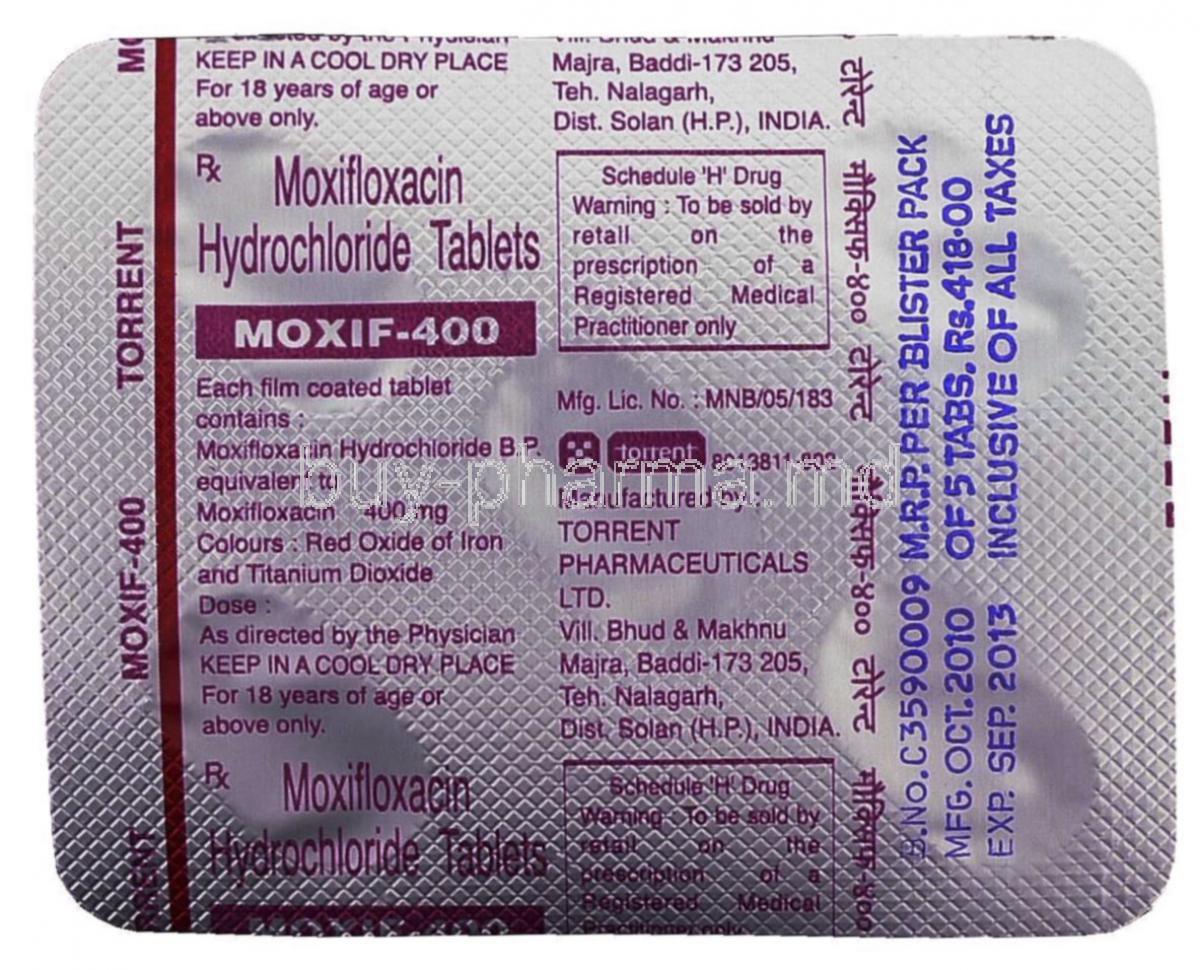
Moxif, Moxifloxacin HCL FAQ
- Is Moxicip a strong antibiotic?
- What should I avoid while using Moxicip?
- Why use moxicip eye drops?
- Can moxicip cause blurred vision?
- What is moxifloxacin used to treat?
- What not to do while taking moxifloxacin?
- Is moxifloxacin a good antibiotic?
- Is moxifloxacin stronger than amoxicillin?
- What bacteria is moxifloxacin effective against?
- Is moxifloxacin safe for kidneys?
- Can I take moxifloxacin at night?
- What bacteria does moxifloxacin treat?
- How long does moxifloxacin stay in your body?
Is Moxicip a strong antibiotic?
Yes
What should I avoid while using Moxicip?
aluminum or magnesium-containing antacids, iron supplements, multivitamins, didanosine (Videx®), sucralfate (Carafate®), or zinc
Why use moxicip eye drops?
It helps relieve symptoms such as pain, redness, itching or soreness caused due to eye infections
Can moxicip cause blurred vision?
Yes
What is moxifloxacin used to treat?
Moxifloxacin is used to treat certain infections caused by bacteria such as pneumonia, and skin, and abdominal (stomach area) infections. Moxifloxacin is also used to prevent and treat plague (a serious infection that may be spread on purpose as part of a bioterror attack.
What not to do while taking moxifloxacin?
Do not take dairy products, antacids or vitamins containing iron, magnesium, calcium or zinc, within 2 hours before or after taking this medicine.
Is moxifloxacin a good antibiotic?
Yes
Is moxifloxacin stronger than amoxicillin?
Clinical failure rates in patients with bacteria isolated at baseline were significantly lower in moxifloxacin versus amoxicillin/clavulanic acid-treated patients,
What bacteria is moxifloxacin effective against?
Gram-positive and Gram-negative bacteria
Is moxifloxacin safe for kidneys?
Yes
Can I take moxifloxacin at night?
Yes
What bacteria does moxifloxacin treat?
Acute Bacterial Exacerbation of Chronic Bronchitis caused by Streptococcus pneumoniae, Haemophilus influenzae, Haemophilus parainfluenzae, Klebsiella pneumoniae, methicillin-susceptible Staphylococcus aureus, or Moraxella catarrhalis
How long does moxifloxacin stay in your body?
11.5 to 15.6 hours
Popular Products
Similar Product