1. Introduction to NexGard Spectra
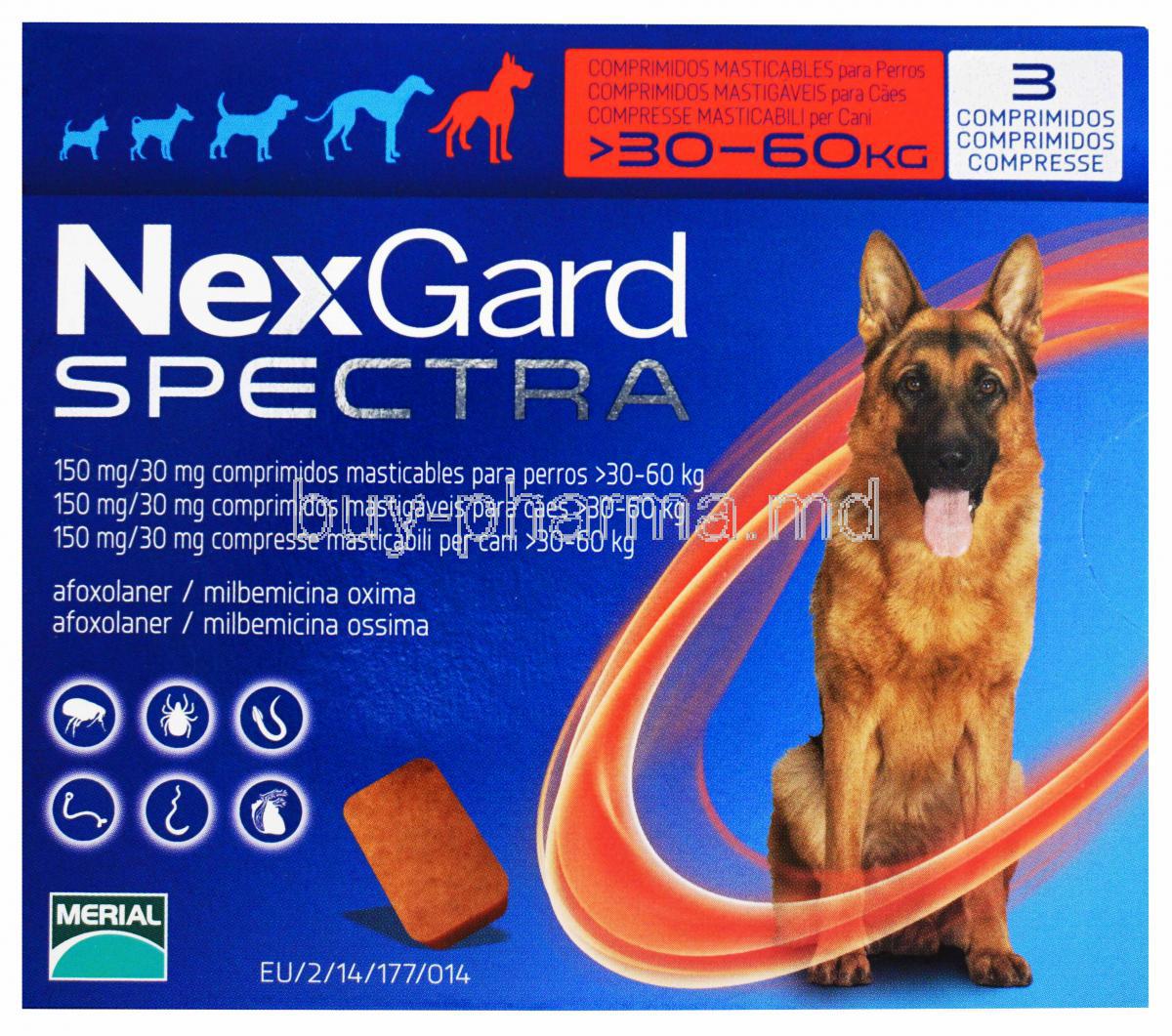
1.1 Overview of NexGard Spectra for Dogs
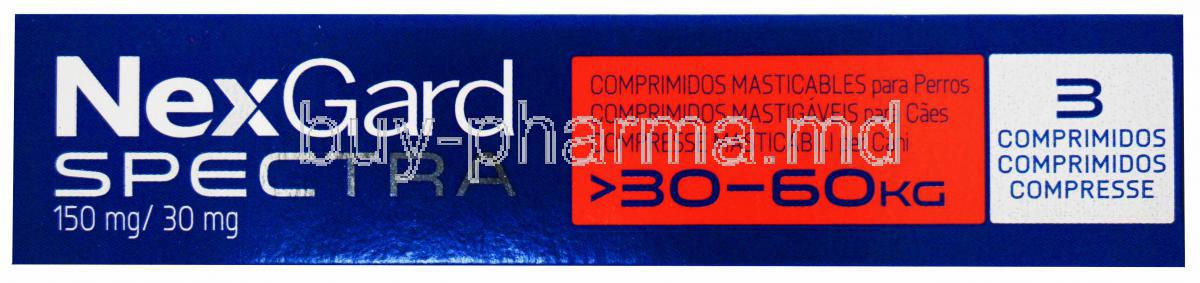
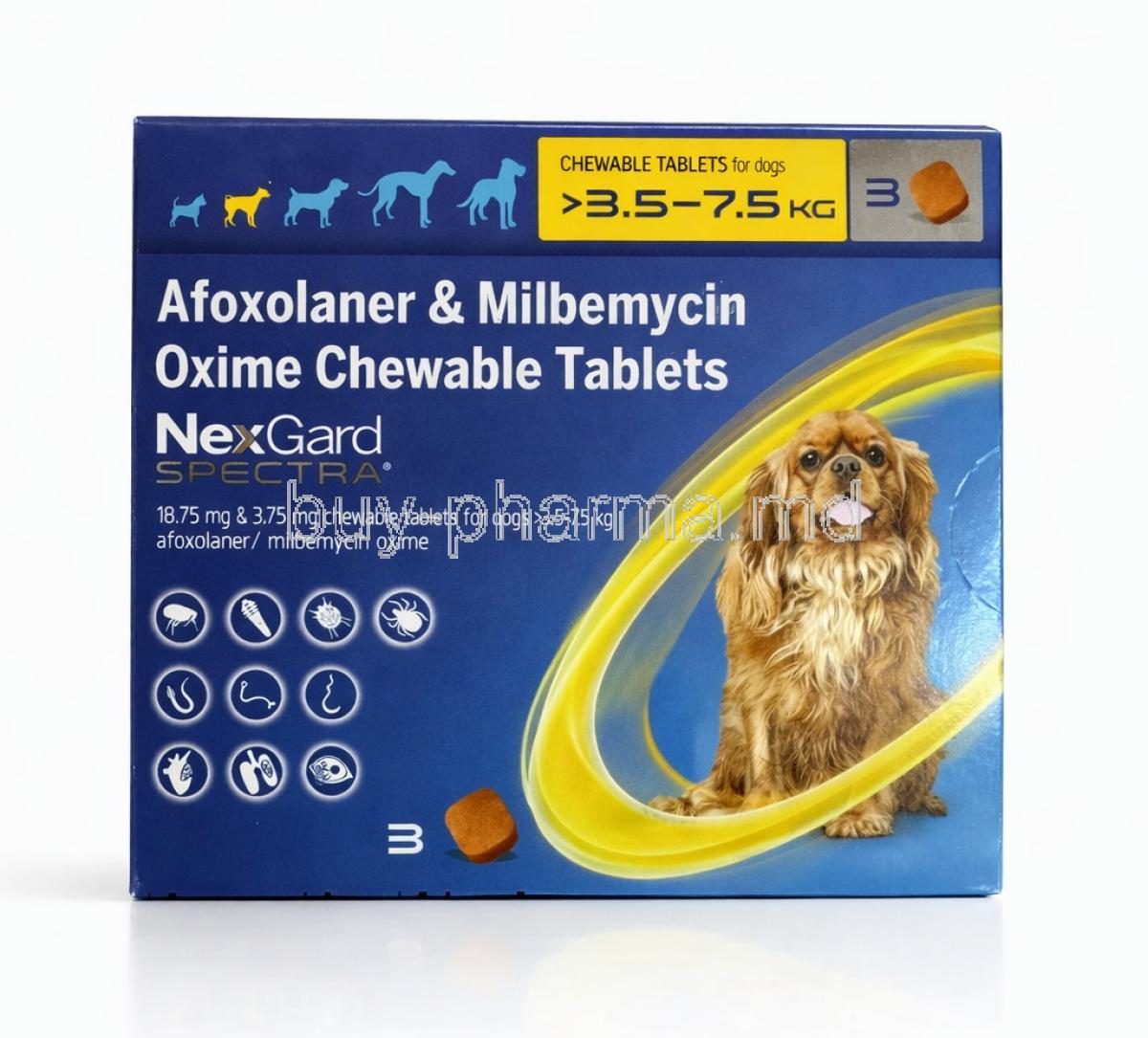
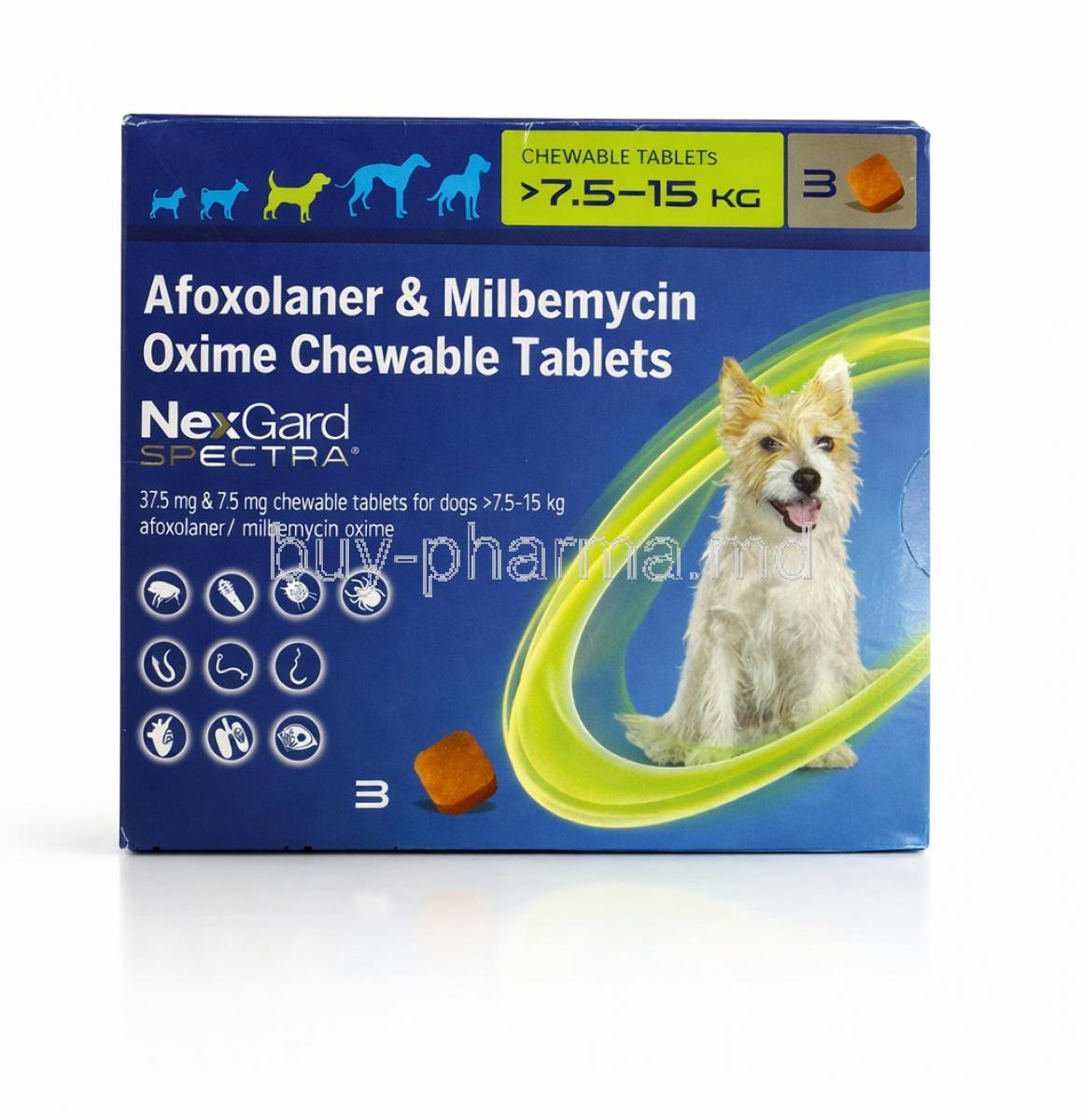
NexGard Spectra is an advanced, orally administered parasiticide designed for comprehensive protection in dogs. It combines potent ectoparasiticidal and endoparasiticidal agents into a single chewable formulation. This dual-action approach simplifies parasite management while enhancing compliance among pet owners.
1.2 Key Benefits of Broad-Spectrum Parasite Protection
The formulation offers expansive coverage. It is not limited to superficial parasites but extends to systemic infestations as well. Key advantages include:
- Monthly convenience with a single chewable dose
- Simultaneous control of external and internal parasites
- Rapid onset of action against fleas and ticks
- Prevention of life-threatening parasitic diseases
1.3 Target Parasites: Fleas, Ticks, Heartworms, and Intestinal Worms
NexGard Spectra is engineered to target a diverse spectrum of parasites. These include hematophagous ectoparasites and helminths that compromise canine health:
- Fleas and ticks responsible for dermal irritation and disease transmission
- Heartworms affecting the cardiopulmonary system
- Gastrointestinal nematodes causing malabsorption and weight loss
1.4 Veterinary Prescription Status and Availability
This product is typically dispensed under veterinary guidance. Availability may vary across regions, with some markets requiring a prescription due to its pharmacologically active constituents and systemic effects.
2. Composition and Active Ingredients
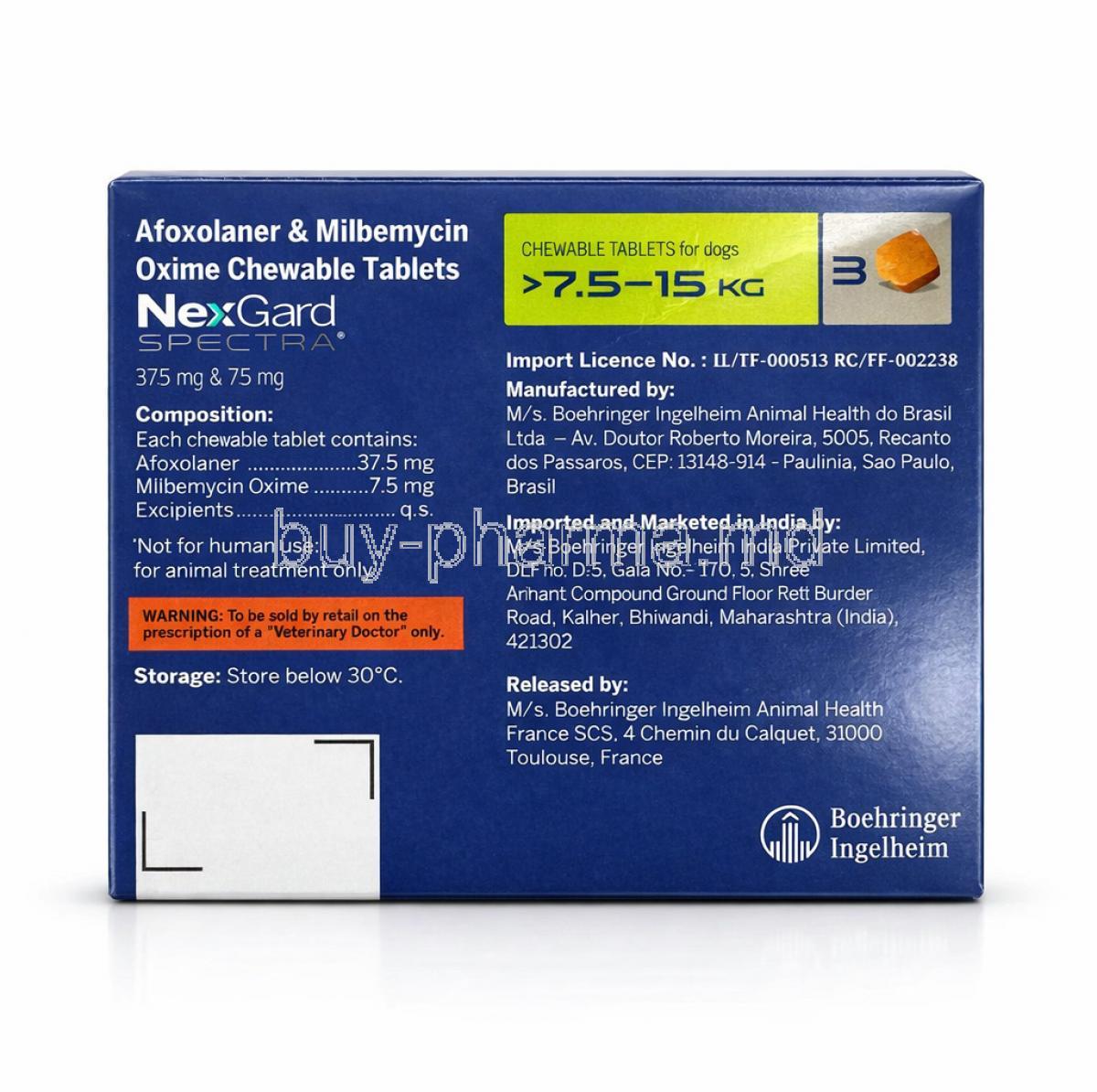
2.1 Afoxolaner: Mechanism and Role in Ectoparasite Control
Afoxolaner is an isoxazoline compound that exhibits potent activity against fleas and ticks. It functions by selectively targeting ligand-gated chloride channels in arthropods, leading to hyperexcitation and eventual death of the parasite.
2.2 Milbemycin Oxime: Mechanism and Role in Endoparasite Control
Milbemycin oxime is a macrocyclic lactone with efficacy against nematodes and heartworm larvae. It enhances inhibitory neurotransmission in parasites, resulting in paralysis and elimination.
2.3 Excipients and Palatable Chewable Formulation
The formulation incorporates palatability enhancers to facilitate voluntary ingestion. These excipients ensure ease of administration, particularly in dogs resistant to conventional tablets.
2.4 Strength Variants Based on Dog Weight Categories
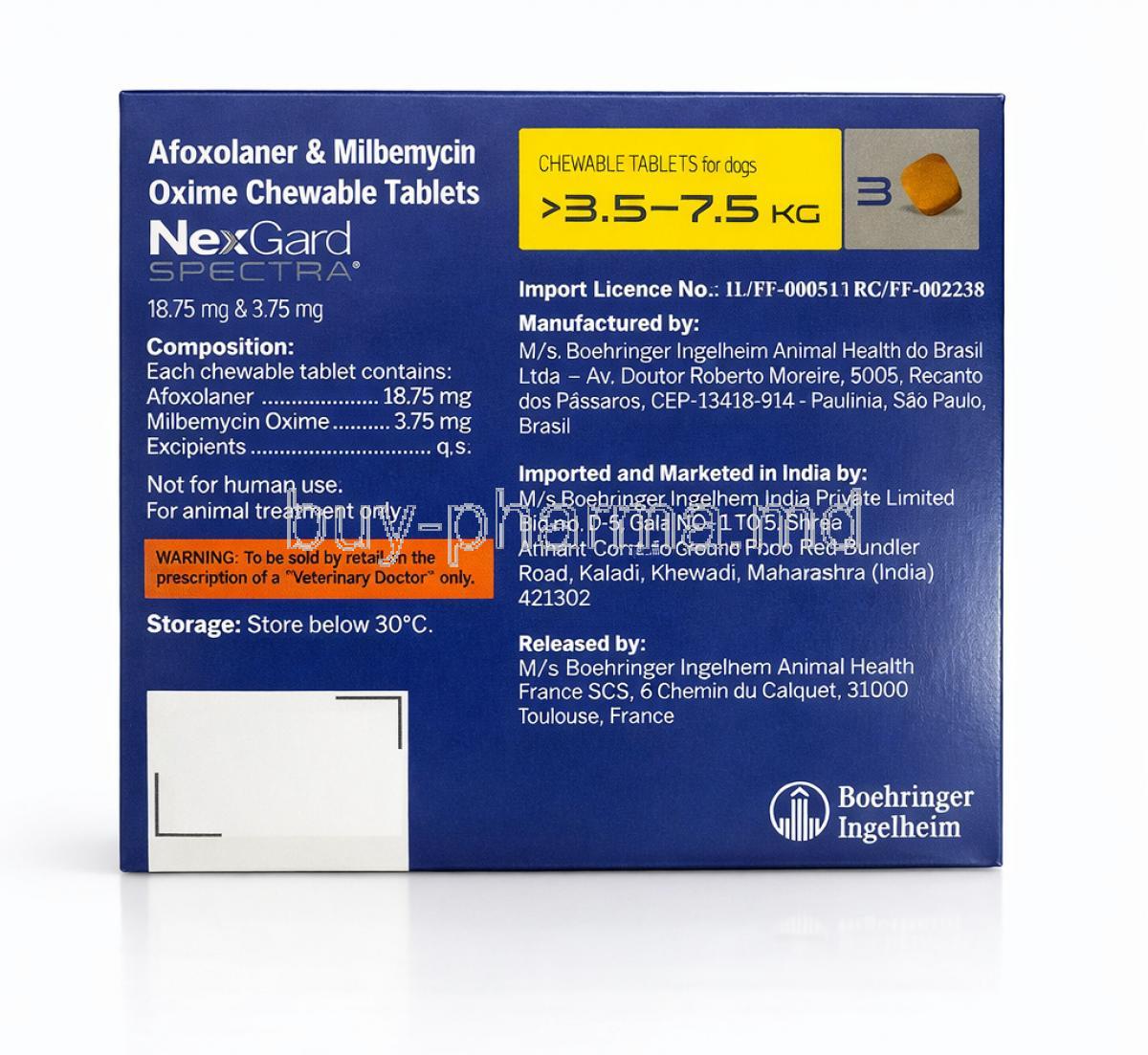
Dosing is stratified according to body weight. Multiple strength variants are available to ensure accurate and safe administration across different canine sizes.
3. How NexGard Spectra Works (Mechanism of Action)
3.1 Neurological Disruption in Fleas and Ticks
Afoxolaner induces uncontrolled neuronal activity in ectoparasites. This leads to rapid paralysis. Death follows shortly thereafter, interrupting the parasite lifecycle.
3.2 Interference with Parasite Neurotransmission
Both active ingredients disrupt critical neurotransmission pathways. The result is a collapse of neuromuscular coordination in parasites, rendering them incapable of survival.
3.3 Systemic Absorption and Distribution in Dogs
After oral administration, the active compounds are absorbed into the bloodstream. They are distributed systemically, ensuring that parasites ingest the active agents during feeding.
3.4 Duration of Action and Residual Protection
The product provides sustained efficacy for approximately one month. Residual activity ensures continuous protection against reinfestation within the dosing interval.
4. Uses of NexGard Spectra
4.1 Treatment and Prevention of Flea Infestations (Ctenocephalides felis)
NexGard Spectra eliminates existing flea infestations while preventing new ones. It disrupts the flea lifecycle, reducing environmental contamination.
4.2 Control of Tick Infestations (Rhipicephalus, Ixodes, Dermacentor Species)
Ticks are effectively controlled, minimizing the risk of vector-borne diseases. Rapid kill reduces attachment time and pathogen transmission.
4.3 Prevention of Heartworm Disease (Dirofilaria immitis)
The formulation prevents the development of heartworm larvae into adult worms. This is crucial for protecting cardiovascular integrity.
4.4 Treatment of Gastrointestinal Nematodes
Effective against common intestinal worms, NexGard Spectra improves gastrointestinal health and nutrient absorption.
- Roundworms (Toxocara canis, Toxascaris leonina)
- Hookworms (Ancylostoma caninum, Uncinaria stenocephala)
4.5 Integrated Parasite Management in Dogs
This product serves as a cornerstone in integrated parasite control strategies. It reduces the need for multiple medications and enhances overall treatment adherence.
5. Off-Label Uses of NexGard Spectra
5.1 Management of Mange (Demodicosis and Sarcoptic Mange)
Veterinarians may employ NexGard Spectra in the management of mite infestations. Its efficacy against certain ectoparasites extends beyond labeled indications.
5.2 Adjunctive Therapy for Flea Allergy Dermatitis (FAD)
By eliminating fleas, the product indirectly alleviates hypersensitivity reactions associated with flea saliva.
5.3 Control of Lice and Mites in Dogs
Additional parasitic infestations, such as lice and certain mites, may respond favorably to treatment under professional supervision.
5.4 Use in Multi-Parasite Infestations Beyond Label Indications
Complex infestations involving multiple parasite species may benefit from the broad-spectrum activity of the formulation.
5.5 Emerging Veterinary Uses Under Clinical Supervision
Ongoing clinical observations continue to explore expanded applications. These uses should always be guided by veterinary expertise.
6. Dosage and Administration Guidelines
6.1 Recommended Dosage by Body Weight
Dosage is calibrated according to the dog's weight. Accurate measurement is essential to ensure efficacy and safety.
6.2 Monthly Dosing Schedule and Compliance Importance
Consistent monthly administration is critical. Irregular dosing can compromise protection and allow parasite resurgence.
6.3 Administration with or without Food
The chewable can be administered with or without food. However, administering with meals may enhance absorption in some cases.
6.4 Missed Dose Management
If a dose is missed, it should be given as soon as possible. The regular schedule should then be resumed without doubling doses.
6.5 Seasonal vs Year-Round Use Recommendations
While seasonal use may suffice in certain climates, year-round administration is often recommended in regions with persistent parasite exposure.
7. Side Effects of NexGard Spectra
7.1 Overview of Potential Adverse Reactions
Most dogs tolerate NexGard Spectra well. Nonetheless, adverse reactions may occur, particularly in sensitive individuals.
7.2 Gastrointestinal Disturbances
Digestive upset is among the more frequently reported effects. Symptoms are typically mild and transient.
7.3 Neurological Signs (Rare but Notable)
Rare neurological events, including tremors or seizures, have been observed. These are more likely in predisposed animals.
7.4 Hypersensitivity Reactions
Allergic responses, though uncommon, may manifest as pruritus, swelling, or dermatological irritation.
8. Common Side Effects
8.1 Vomiting and Diarrhea
Short-lived gastrointestinal symptoms may occur shortly after administration. Monitoring is advised.
8.2 Lethargy and Reduced Appetite
Some dogs may exhibit transient lethargy or decreased appetite. These effects typically resolve without intervention.
8.3 Mild Skin Reactions or Itching
Cutaneous reactions are generally mild and self-limiting.
8.4 Temporary Behavioral Changes
Behavioral alterations, such as restlessness, may be observed in rare instances.
9. Drug Interactions and Compatibility
9.1 Interaction with Other Antiparasitic Medications
Caution is advised when combining multiple antiparasitic agents. Overlapping mechanisms may increase the risk of adverse effects.
9.2 Concurrent Use with Vaccines
No significant interference with routine vaccinations has been widely documented, although veterinary consultation remains prudent.
9.3 Interactions with Anti-inflammatory or Antibiotic Drugs
The product is generally compatible with commonly used medications. However, individual responses may vary.
9.4 Impact on Dogs with Pre-existing Conditions
Dogs with underlying health issues should be evaluated carefully. Tailored treatment decisions are essential to minimize risk.
10. Warnings and Safety Information
10.1 Use in Dogs with Seizure Disorders
Caution is strongly advised when administering NexGard Spectra to dogs with a history of seizure activity. Isoxazoline compounds, including afoxolaner, have been associated with neurological excitation in susceptible animals. Even in clinically stable patients, latent predispositions may surface under pharmacological stress.
- Consult a veterinarian before use in epileptic dogs
- Monitor closely for tremors, ataxia, or convulsions
- Discontinue use immediately if neurological symptoms appear
10.2 Risk of Neurological Adverse Events
Although infrequent, neurological adverse reactions represent a clinically significant concern. These may include tremors, incoordination, or seizures. The pathophysiology is linked to the modulation of ligand-gated ion channels within the central nervous system.
Such reactions are typically transient. However, vigilance remains imperative, particularly in high-risk populations.
10.3 Veterinary Supervision Requirements
Administration should ideally occur under veterinary guidance. Professional oversight ensures appropriate patient selection, accurate dosing, and timely management of adverse events.
- Pre-treatment health evaluation is recommended
- Periodic follow-up enhances treatment safety
- Tailored parasite control protocols may be required
10.4 Importance of Weight-Based Dosing
Precise dosing based on body weight is fundamental. Underdosing may lead to therapeutic failure, while overdosing increases the risk of toxicity. Accurate weighing, therefore, is not optional—it is essential.
11. Contraindications
11.1 Hypersensitivity to Afoxolaner or Milbemycin Oxime
Dogs with known hypersensitivity to either active ingredient should not receive NexGard Spectra. Allergic reactions may manifest rapidly and escalate without prompt intervention.
11.2 Use in Puppies Below Recommended Age or Weight
The product is contraindicated in puppies that do not meet minimum age and weight thresholds. Immature metabolic systems may not adequately process the active compounds, increasing the likelihood of adverse outcomes.
11.3 Severely Ill or Debilitated Animals
Dogs with systemic illness or significant debilitation may exhibit altered pharmacokinetics. In such cases, the risk-benefit ratio must be carefully evaluated before administration.
11.4 Dogs with Known Neurological Disorders
Pre-existing neurological conditions may be exacerbated by treatment. Alternative parasite control strategies should be considered in these patients.
12. Careful Administration (Use with Caution)
12.1 Dogs with Liver or Kidney Impairment
Hepatic and renal dysfunction can influence drug metabolism and excretion. Accumulation of active compounds may occur, necessitating cautious use and enhanced monitoring.
12.2 Underweight or Malnourished Dogs
Compromised nutritional status can affect drug distribution and tolerance. These animals may exhibit heightened sensitivity to standard doses.
12.3 Dogs Receiving Multiple Medications
Polypharmacy introduces complexity. Drug interactions, though uncommon, cannot be entirely excluded. A comprehensive medication review is advisable prior to initiation.
12.4 Breeds Predisposed to Drug Sensitivity
Certain breeds exhibit increased susceptibility to pharmacological agents due to genetic factors. Heightened vigilance is recommended when treating these populations.
13. Important Precautions for Use
13.1 Regular Monitoring for Adverse Effects
Continuous observation following administration allows for early detection of adverse reactions. Prompt intervention can mitigate complications.
13.2 Ensuring Accurate Weight Measurement
Weight fluctuations should be monitored regularly. Dose adjustments may be necessary to maintain therapeutic accuracy.
13.3 Preventing Reinfestation Through Environmental Control
Pharmacological treatment alone is insufficient in heavily infested environments. Integrated control measures should include:
- Frequent cleaning of bedding and living areas
- Use of environmental insecticides where appropriate
- Simultaneous treatment of all household pets
13.4 Adherence to Monthly Preventive Regimen
Consistency is paramount. Irregular dosing disrupts protective coverage and facilitates parasite resurgence.
13.5 Avoiding Use in Non-Target Species
This formulation is specifically designed for canine use. Administration to other species, particularly cats, may result in adverse reactions.
14. Administration to Elderly Dogs
14.1 Safety Profile in Geriatric Dogs
Geriatric dogs often tolerate NexGard Spectra well. Nonetheless, age-related physiological changes may influence drug handling.
14.2 Dose Adjustments and Monitoring Needs
While standard dosing is generally appropriate, closer monitoring is advisable. Subtle adverse effects may be more pronounced in older animals.
14.3 Considerations for Chronic Health Conditions
Concurrent chronic diseases, such as cardiac or endocrine disorders, necessitate individualized treatment planning.
15. Administration to Pregnant and Nursing Dogs
15.1 Safety Data in Pregnancy
Available data on use during pregnancy are limited. Administration should be based on a careful assessment of potential benefits versus risks.
15.2 Use During Lactation
Transfer of active ingredients into milk is possible. Nursing puppies may be exposed indirectly, warranting cautious use.
15.3 Veterinary Risk-Benefit Assessment
Professional evaluation is essential. Decisions should consider the health status of both the dam and offspring.
16. Administration to Puppies (Pediatric Use)
16.1 Minimum Age and Weight Requirements
Puppies must meet established minimum criteria before receiving treatment. These thresholds ensure safe pharmacological exposure.
16.2 Safety in Growing Dogs
Growing animals may exhibit different pharmacodynamic responses. Nonetheless, when used appropriately, the product is generally well tolerated.
16.3 Monitoring for Adverse Reactions in Young Animals
Younger dogs require close observation. Early identification of intolerance allows for prompt management.
17. Overdosage and Emergency Management
17.1 Signs of Overdose
Excessive dosing may precipitate a range of symptoms. These can include:
- Vomiting and diarrhea
- Lethargy or weakness
- Neurological signs such as tremors or seizures
17.2 Immediate Veterinary Intervention Steps
Prompt veterinary care is critical. Intervention may involve decontamination, symptomatic treatment, and supportive measures.
17.3 Supportive Care and Prognosis
Most cases respond well to supportive care. Prognosis is generally favorable when timely intervention is provided.
18. Storage Instructions
18.1 Recommended Storage Conditions (Temperature and Humidity)
Store the product in a controlled environment. Excessive heat or humidity may compromise stability.
18.2 Protection from Light and Moisture
Packaging should remain intact until use. Exposure to light and moisture can degrade active ingredients.
18.3 Keeping Out of Reach of Children and Pets
Accidental ingestion must be prevented. Secure storage is essential in households with children or multiple pets.
19. Handling Precautions
19.1 Safe Handling of Chewable Tablets
Handle tablets with clean, dry hands. Avoid unnecessary manipulation to preserve integrity.
19.2 Hygiene Practices After Administration
Basic hygiene measures should be observed. Washing hands after administration minimizes accidental exposure.
19.3 Disposal of Unused or Expired Product
Unused or expired tablets should be disposed of responsibly. Follow local regulations for pharmaceutical waste disposal to prevent environmental contamination.
Popular Products