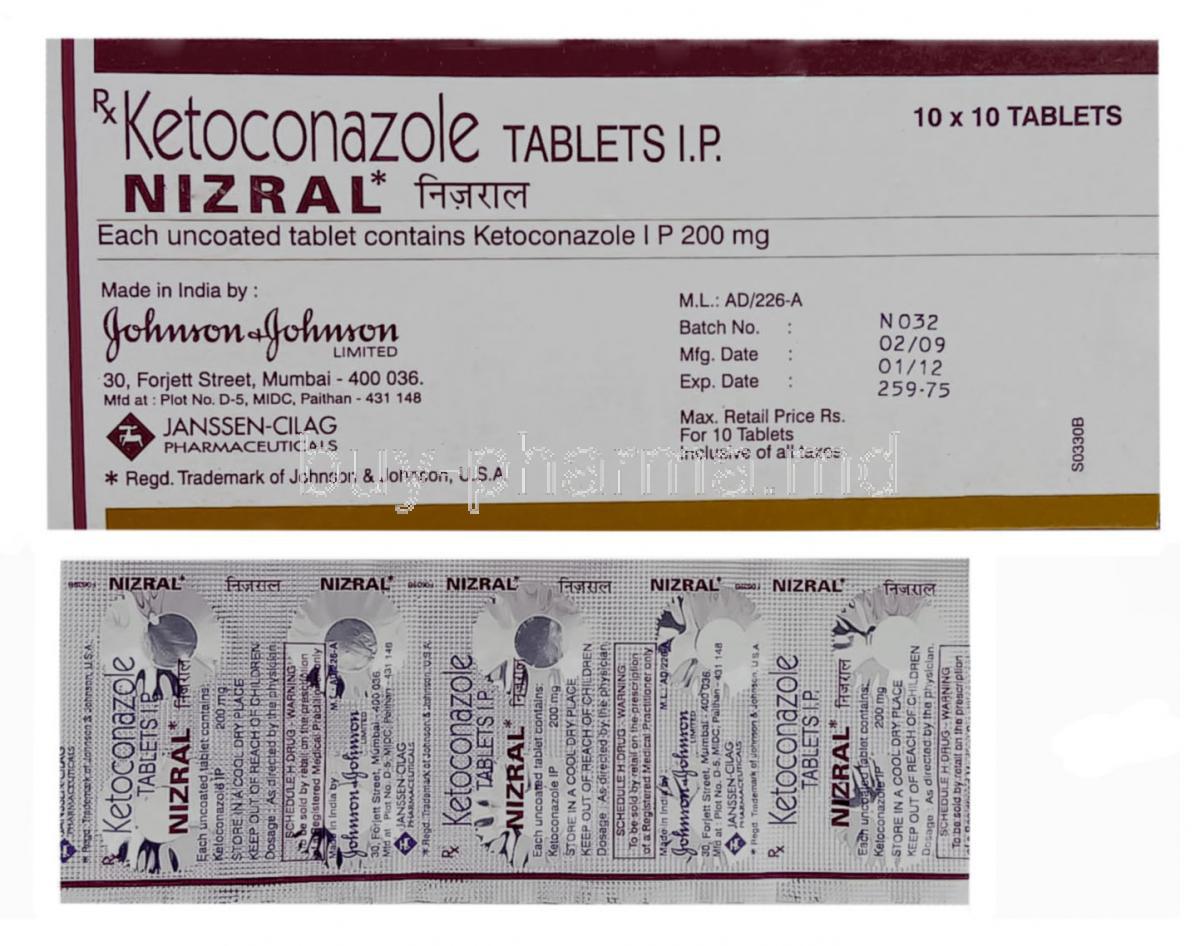

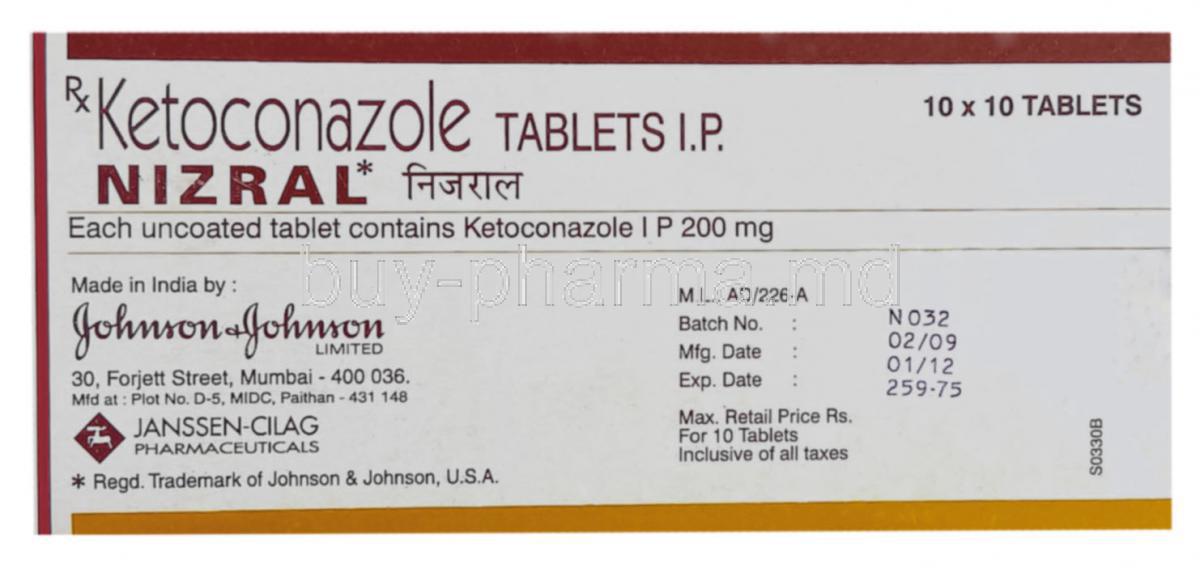
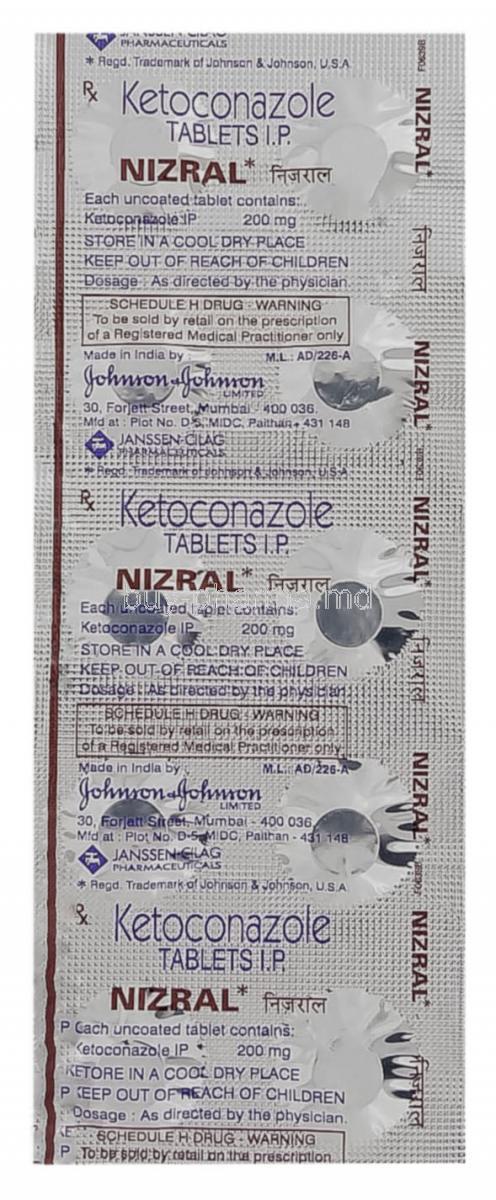
1. Introduction to Nizral (Ketoconazole Tablet)
1.1 Overview of Nizral Tablets and Their Therapeutic Role
Nizral tablets contain ketoconazole, a systemic antifungal agent designed to combat deep-seated fungal infections that topical medications cannot reach. These tablets exhibit potent activity against a wide spectrum of pathogenic fungi, offering targeted relief where standard therapies fail. They work by disrupting essential fungal processes, ultimately halting growth and restoring physiological balance.
1.2 History, Development, and Clinical Significance
Introduced in the early 1980s, ketoconazole was one of the first oral azole antifungals that provided clinicians with an alternative to intravenous therapies. Over the years, its evolution has shaped the management of severe mycoses, especially in regions with limited access to advanced antifungals. Although safer agents have emerged, ketoconazole tablets remain clinically relevant in select scenarios where their unique mechanism offers therapeutic advantages.
1.3 FDA/Global Regulatory Status and Prescription Considerations
Due to safety concerns, regulatory agencies such as the FDA restrict oral ketoconazole use to specific, serious fungal infections. Many countries follow similar guidelines, reinforcing its role as a second-line or last-resort therapy. Its prescription requires detailed patient assessment, hepatic monitoring, and a clear evaluation of risk versus benefit.
1.4 Distinction Between Oral Ketoconazole and Topical Formulations
Topical ketoconazole treats superficial infections like dandruff, tinea, and seborrheic dermatitis. Oral ketoconazole, by contrast, targets invasive or persistent infections. The systemic form carries higher efficacy but also higher risk, making medical supervision essential.
2. What Nizral (Ketoconazole Tablet) Is Used For
2.1 Primary Indications
2.1.1 Systemic Fungal Infections
Nizral is indicated for chronic, stubborn infections such as blastomycosis, histoplasmosis, and paracoccidioidomycosis when alternative therapies are ineffective or contraindicated.
2.1.2 Chronic Mucocutaneous Candidiasis
This formulation is useful in long-standing Candida infections that persist despite conventional topical or oral treatments.
2.1.3 Severe Dermatomycoses Unresponsive to Topicals
In cases where dermatophyte infections reach deeper tissue layers, ketoconazole tablets offer systemic eradication.
2.2 Secondary and Off-Label Uses
2.2.1 Hormonal Disorders (Cushing’s Syndrome)
Nizral’s endocrine-suppressing properties make it an adjunct therapy in reducing cortisol levels in Cushing’s syndrome.
2.2.2 Prostate Cancer Adjunct Therapy
By inhibiting androgen synthesis, ketoconazole may assist in lowering tumor-driven hormonal stimulation.
2.2.3 Off-Label Dermatological Uses (Tinea Infections When Severe)
Although not routinely recommended, ketoconazole tablets may be used when extensive dermatophytosis requires systemic intervention.
2.3 Conditions Not Recommended for Treatment
Oral ketoconazole is not appropriate for mild fungal infections, scalp conditions, or superficial dermatological issues that respond to topical therapy.
3. How Ketoconazole Tablet Works
3.1 Mechanism of Action on Fungal Cell Membrane
The medication destabilizes fungal cell membranes, causing leakage of vital intracellular components and halting fungal proliferation.
3.2 Inhibition of Ergosterol Synthesis
Ergosterol, a crucial membrane component, is disrupted through ketoconazole’s inhibition of cytochrome P450 enzymes.
3.3 Endocrine Effects: Suppression of Steroid Hormone Production
The drug reduces cortisol and androgen synthesis, contributing to its off-label hormonal applications.
3.4 Pharmacokinetics and Systemic Absorption
Ketoconazole displays excellent absorption in acidic environments, distributing widely into tissues while metabolizing extensively in the liver.
3.5 Onset of Action and Expected Treatment Duration
Symptomatic relief may begin within days, but complete eradication requires prolonged therapy depending on infection severity.
4. Composition of Nizral Tablets
4.1 Active Ingredient: Ketoconazole
Each tablet contains ketoconazole as the primary antifungal compound responsible for its therapeutic effect.
4.2 Formulation and Tablet Strengths
Nizral is traditionally available in 200 mg tablets, optimized for systemic absorption.
4.3 Inactive Ingredients and Their Functional Roles
Excipients include fillers, stabilizers, and binding agents that preserve tablet integrity and facilitate absorption.
4.4 Quality Standards and Manufacturing Details
Manufacturing adheres to stringent GMP standards, ensuring purity, potency, and consistent therapeutic performance.
5. Dosage and Administration Guidelines
5.1 Standard Dosage for Systemic Fungal Infections
The typical dosage ranges from 200 mg to 400 mg daily, adjusted based on patient response.
5.2 Adjusted Dosage for Hormonal Disorders (Off-Label)
Higher divided doses may be prescribed for endocrine modulation under strict supervision.
5.3 Dosing for Patients with Hepatic or Renal Impairment
Those with liver impairment require extreme caution; ketoconazole may be contraindicated altogether.
5.4 How and When to Take Ketoconazole Tablets
Tablets should be taken with food to enhance absorption and minimize gastrointestinal irritation.
- Swallow whole without crushing
- Maintain consistent administration times
- Avoid antacids within 2 hours
5.5 Duration of Therapy Based on Diagnosis
Treatment courses vary from several weeks to months depending on organism type and disease severity.
5.6 Missed Dose Instructions
Missed doses should be taken promptly unless close to the next dose. Doubling doses is discouraged.
5.7 Discontinuation Considerations
Therapy should not be stopped abruptly; medical evaluation is essential to ensure infection resolution.
6. Side Effects of Nizral (Ketoconazole Tablet)
6.1 Overview of Potential Side Effects
Nizral may cause gastrointestinal, hepatic, endocrine, and dermatological reactions of varying intensity.
6.2 Severe Side Effects Requiring Immediate Medical Care
6.2.1 Hepatotoxicity and Liver Failure
Symptoms such as jaundice, severe fatigue, and dark urine warrant urgent attention.
6.2.2 Adrenal Insufficiency
Ketoconazole’s endocrine suppression can lead to dangerous drops in cortisol levels.
6.2.3 Severe Allergic Reactions
Anaphylaxis, swelling, and respiratory distress are rare but critical events.
6.3 Endocrine-Related Adverse Effects
Hormonal fluctuations may manifest as reduced libido, menstrual irregularities, or gynecomastia.
7. Common Side Effects
7.1 Gastrointestinal Disturbances
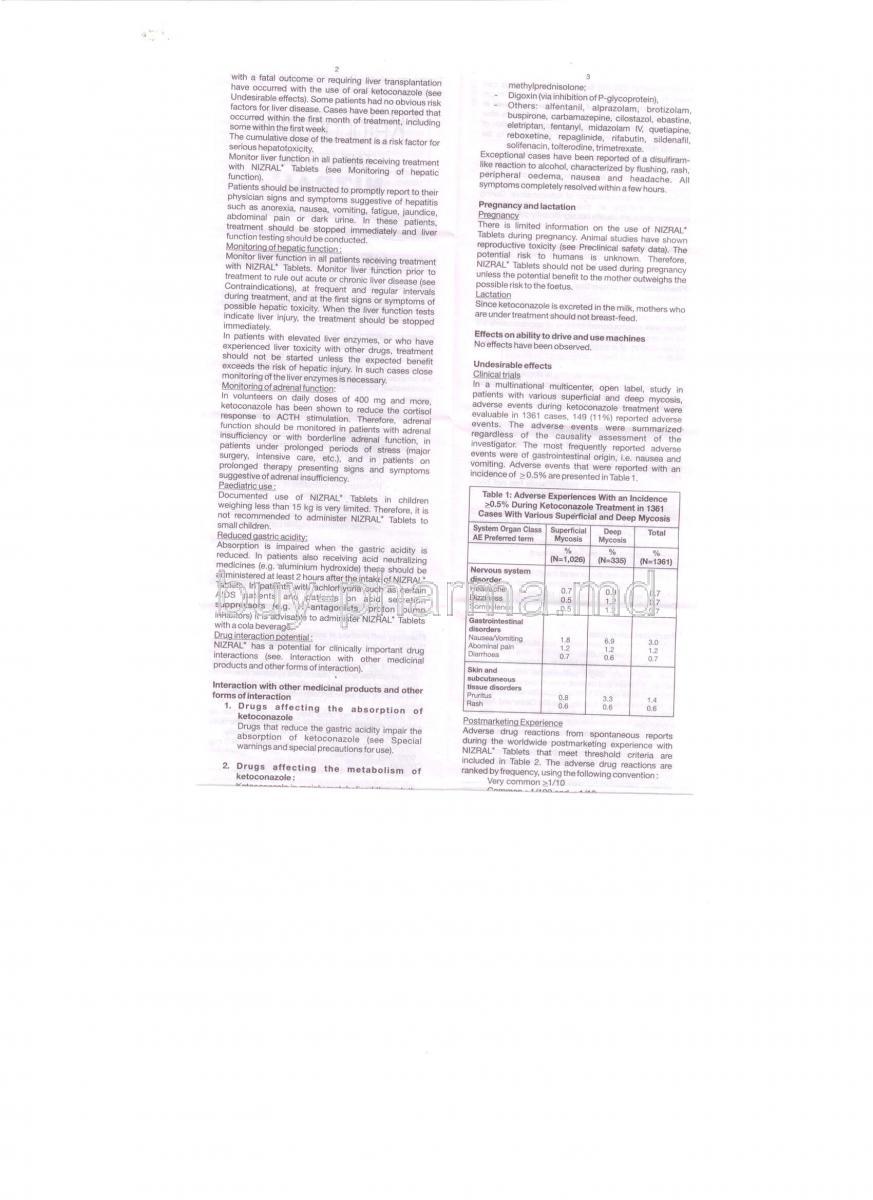
Nausea, abdominal discomfort, and diarrhea may occur, especially during early therapy.
7.2 Headache, Dizziness, and Fatigue
These effects typically subside as the body adapts to treatment.
7.3 Skin Rashes and Itching
Mild dermal reactions may suggest hypersensitivity or irritation.
7.4 Menstrual Irregularities
Hormonal effects may alter menstrual cycles temporarily.
7.5 Gynecomastia in Male Patients
Ketoconazole’s suppression of androgen pathways can cause breast tissue enlargement.
7.6 Mild Changes in Liver Enzymes
Elevated liver markers require monitoring to prevent progression to hepatotoxicity.
8. Drug Interactions
8.1 CYP3A4 Interactions and Their Clinical Impact
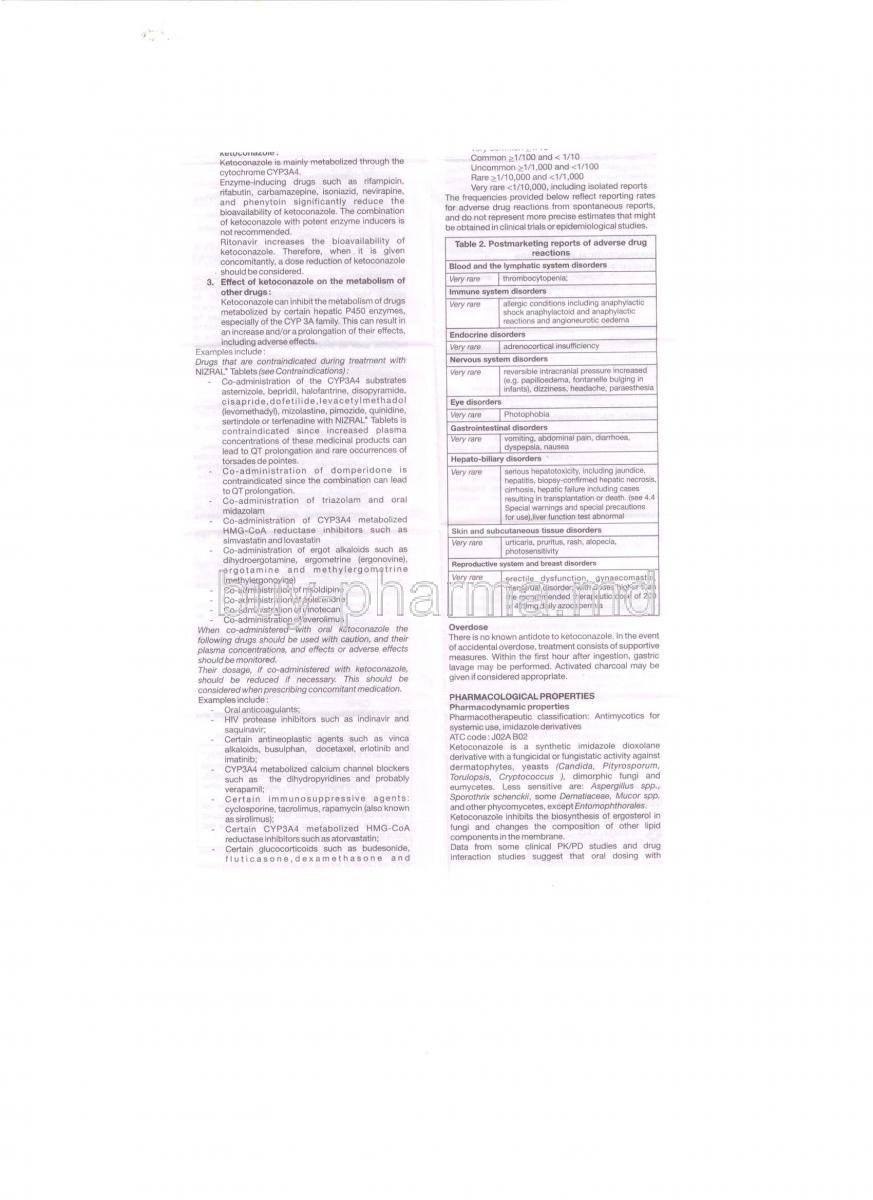
Ketoconazole strongly inhibits CYP3A4, altering plasma concentration of many co-administered drugs.
8.2 Interactions with Acid-Suppressing Agents
PPIs and antacids reduce gastric acidity, diminishing ketoconazole absorption.
8.3 Interactions with Anticoagulants
Enhanced anticoagulant effects may increase bleeding risk.
8.4 Interactions with Antiarrhythmics
Concomitant use increases risk of QT prolongation.
8.5 Dangerous Combinations to Avoid
- Certain sedatives
- Statins metabolized by CYP3A4
- Ergot derivatives
8.6 Alcohol Interactions and Hepatic Stress
Alcohol consumption amplifies liver strain and should be avoided.
9. Warnings and Important Precautions
9.1 High Risk of Hepatic Toxicity
Routine liver testing is mandatory due to ketoconazole’s hepatotoxic profile.
9.2 Monitoring of Liver Function Tests
Baseline, periodic, and post-therapy evaluations are essential to detect early injury.
9.3 Endocrine Effects and Hormonal Imbalance
Suppression of steroid synthesis may cause adrenal or reproductive disturbances.
9.4 QT Prolongation Risk
Patients with cardiac disorders require ECG monitoring.
9.5 Avoiding Use for Simple Fungal or Scalp Infections
Safer alternatives exist for superficial infections, making oral ketoconazole unnecessary.
9.6 Precautions During Long-Term Use
Extended therapy necessitates enhanced medical oversight to mitigate systemic risks.
10. Contraindications
10.1 Absolute Contraindications
10.1.1 Acute or Chronic Liver Disease
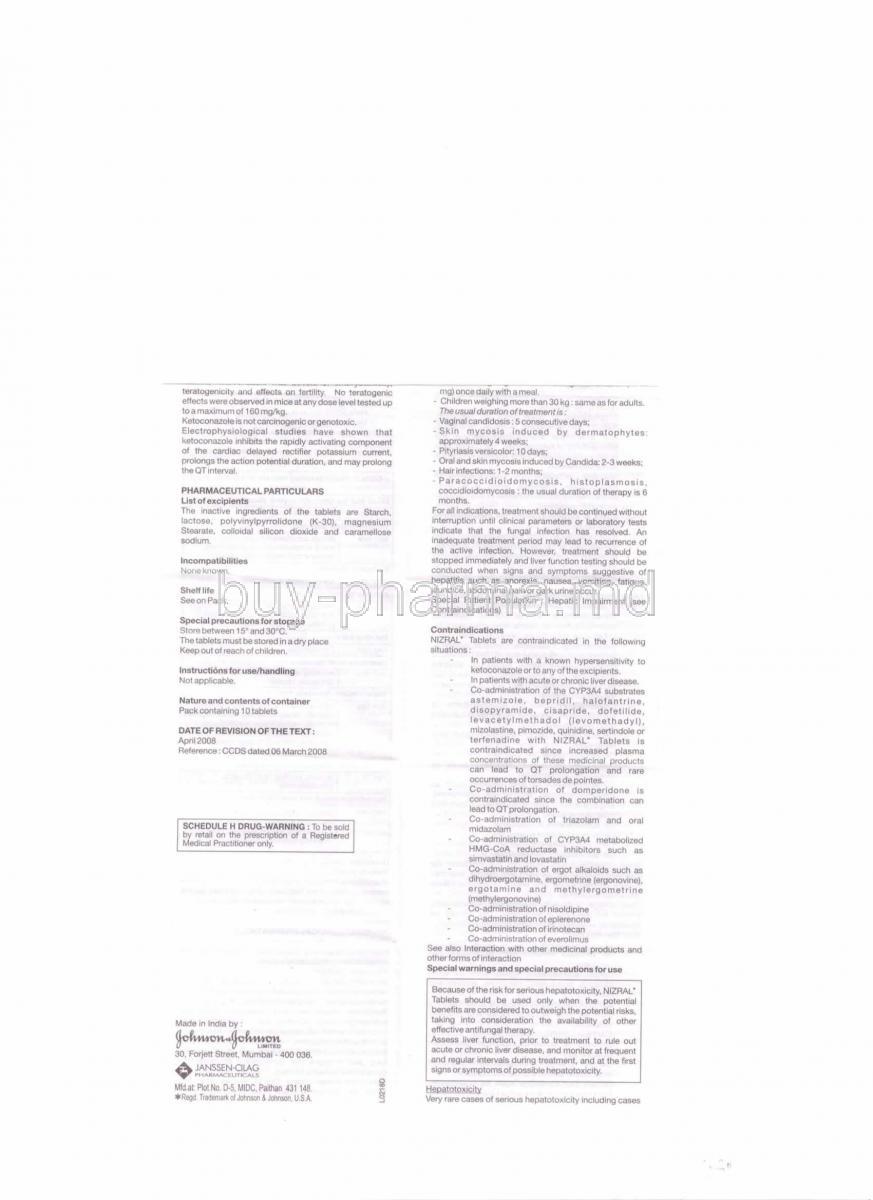
Ketoconazole is strictly contraindicated in individuals with active or long-standing liver disease. The medication’s metabolism occurs primarily within hepatic tissues, making impaired liver function extremely hazardous. Even minimal exposure may precipitate fulminant hepatic failure, severe jaundice, or irreversible tissue injury. Patients with any degree of liver pathology must avoid ketoconazole tablets entirely.
10.1.2 Known Hypersensitivity to Ketoconazole
Allergic reactions to ketoconazole or any excipient within the tablet formulation disqualify its use. Manifestations may include urticaria, swelling, or anaphylactic responses. Re-exposure significantly increases the likelihood of severe immunological reactions.
10.2 Relative Contraindications
10.2.1 Alcohol Dependence
Chronic alcohol intake heightens hepatotoxic risk due to cumulative liver stress. Combining alcohol with ketoconazole may amplify hepatic inflammation, enzyme elevation, and systemic toxicity. Patients with alcohol dependence require close monitoring and alternative treatments whenever possible.
10.2.2 Existing Hormonal Disorders
Because ketoconazole interferes with steroid synthesis, conditions such as adrenal insufficiency, hypogonadism, or endocrine imbalance may worsen. Careful evaluation and risk–benefit analysis are essential before initiating therapy.
11. Careful Administration
11.1 Patients with Liver Impairment
Even mild hepatic compromise necessitates extreme caution. Liver function tests should be evaluated before initiation, monitored periodically, and reassessed if symptoms such as nausea, jaundice, or dark urine arise.
11.2 Patients with Kidney Impairment
Although ketoconazole is primarily hepatically metabolized, renal dysfunction may alter drug elimination. Patients with impaired kidney function should follow individualized dosing plans and maintain hydration.
11.3 Patients with Heart Conditions (QT Prolongation)
Ketoconazole may prolong the QT interval, posing risks for arrhythmias. Patients with existing cardiac abnormalities require ECG monitoring and avoidance of interacting medications that compound QT effects.
11.4 Patients Taking Multiple Medications (Polypharmacy)
As a potent CYP3A4 inhibitor, ketoconazole interacts with numerous drugs. Polypharmacy increases the likelihood of severe interactions. Clinicians often adjust doses, discontinue interacting agents, or select a safer alternative.
11.5 Patients with Adrenal Disorders
Ketoconazole’s inhibition of cortisol and androgen synthesis may destabilize adrenal function. Patients with adrenal insufficiency, Addison’s disease, or chronic steroid dependence require vigilant monitoring.
12. Administration in Special Populations
12.1 Administration to Elderly Patients
12.1.1 Dose Adjustments
Elderly individuals may metabolize medications more slowly and exhibit increased sensitivity to adverse effects. Adjusted dosing or extended monitoring intervals may be required.
12.1.2 Increased Hepatic Risk Monitoring
Age-related hepatic reduction elevates hepatotoxicity risk. Frequent liver enzyme evaluations help detect early dysfunction before it progresses to severe injury.
12.2 Administration to Pregnant Women
12.2.1 Fetal Toxicity Risk
Ketoconazole may interfere with fetal hormonal development. Systemic administration during pregnancy is generally discouraged due to potential teratogenic effects.
12.2.2 Use Only if Benefit Outweighs Risk
In rare cases where serious fungal infections threaten the mother’s health, ketoconazole may be considered under strict medical supervision. Benefits must clearly surpass potential fetal risks.
12.3 Administration to Nursing Mothers
12.3.1 Excretion Into Breast Milk
Ketoconazole is known to pass into breast milk, potentially causing adverse effects in infants. Nursing mothers may need to discontinue breastfeeding or choose alternative therapies.
12.4 Administration to Children
12.4.1 Safety and Efficacy Considerations
Pediatric use demands heightened caution. Children may experience stronger endocrine suppression or hepatic stress. Use is typically reserved for severe infections unresponsive to safer antifungals.
12.4.2 Pediatric Dosing Guidelines
Dosing is weight-based and requires close supervision. Regular monitoring ensures therapeutic levels are achieved without toxicity.
13. Overdosage and Management
13.1 Symptoms of Ketoconazole Overdose
Signs may include profound nausea, vomiting, abdominal pain, dizziness, drowsiness, and hepatic distress. In severe cases, hypotension or adrenal suppression may occur.
13.2 Emergency Treatment Protocols
Immediate clinical evaluation is essential. Supportive care, hemodynamic stabilization, and airway management form the cornerstone of initial response.
13.3 Gastric Lavage and Supportive Measures
Early gastric lavage may reduce absorption. Activated charcoal can help bind residual drug. Continuous monitoring of vital signs is required.
13.4 Monitoring Liver and Adrenal Function After Overdose
Post-overdose surveillance includes liver enzyme tracking, cortisol measurement, and electrolyte evaluation to prevent long-term complications.
14. Handling and Storage
14.1 Recommended Storage Conditions
Store tablets at controlled room temperature, ideally between 20°C and 25°C. Maintain dry conditions to protect medication integrity.
14.2 Shelf Life and Stability
The product remains stable until the expiration date if stored correctly. Changes in color or odor may indicate degradation.
14.3 Safe Handling and Disposal Precautions
Avoid crushing or breaking tablets unless directed. Dispose of unused tablets through pharmaceutical take-back programs to prevent environmental contamination.
- Do not flush medication
- Seal in protective packaging before disposal
- Keep away from pets and children
14.4 Protecting Tablets from Heat, Light, and Moisture
Exposure to excessive heat or direct sunlight may reduce potency. Always store tablets in their original container with the lid tightly closed.
15. Handling Precautions for Patients and Caregivers
15.1 Safe Administration at Home
Use a consistent schedule, maintain proper hydration, and adhere strictly to prescribed doses.
15.2 Preventing Accidental Consumption
Store medication securely out of reach of children, elderly individuals with cognitive impairment, and pets.
15.3 Proper Disposal of Unused Medication
Return expired or unused tablets to authorized disposal centers. This prevents misuse and environmental harm.
15.4 Hygiene and Contamination Prevention
Wash hands before and after handling tablets. Avoid sharing medication containers, and ensure the bottle remains clean and tightly sealed.
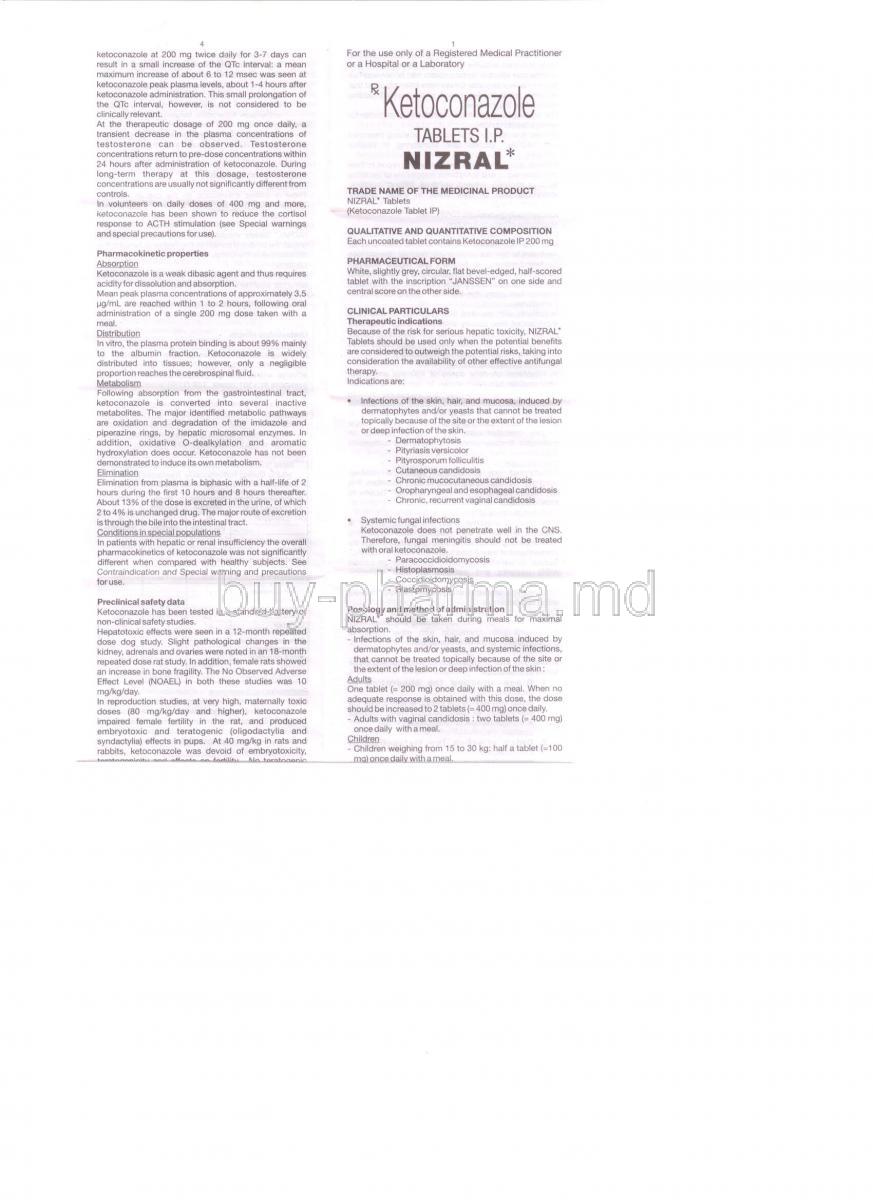
Nizral, Ketoconazole Tablet FAQ
Popular Products




Similar Product