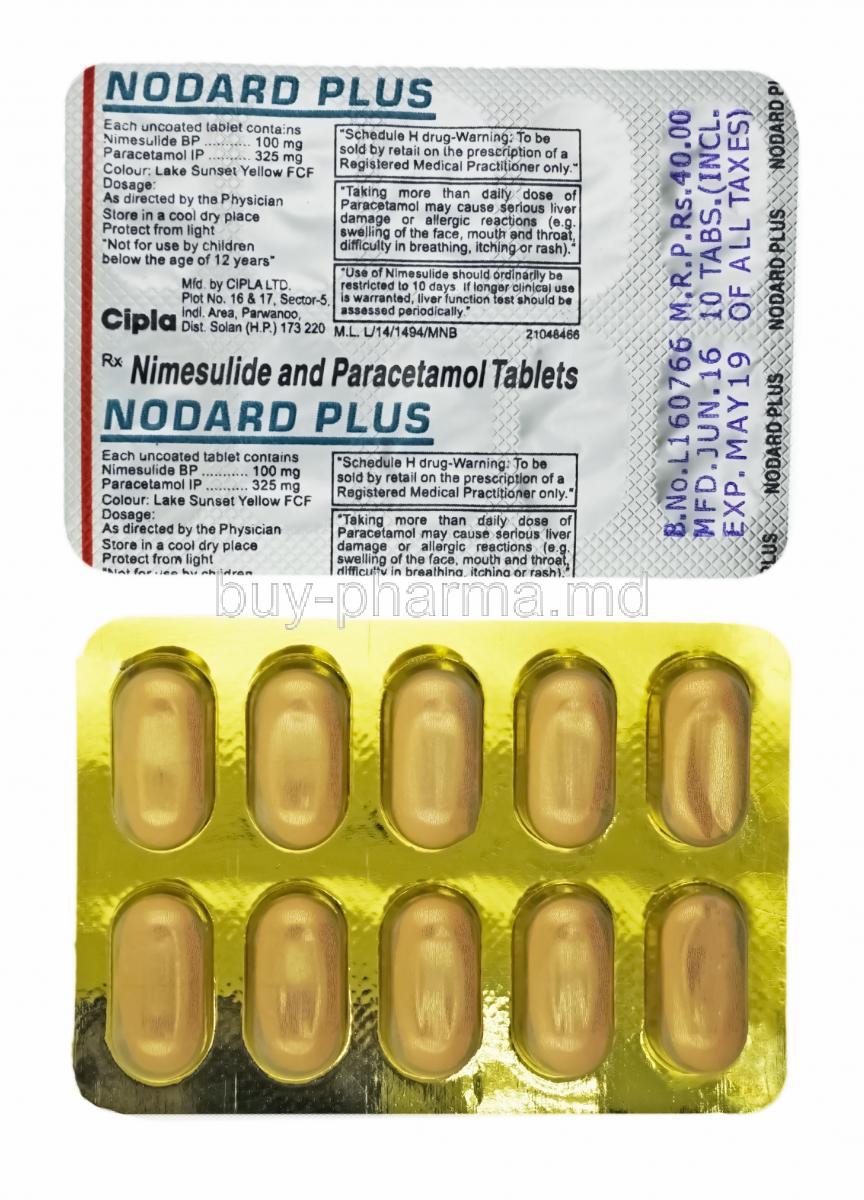
1. Introduction to Nodard Plus (Nimesulide/Paracetamol)
1.1 Overview of Combination Analgesics and Antipyretics
Combination analgesics such as Nodard Plus integrate two pharmacologically distinct agents to achieve enhanced therapeutic efficacy. This dual-component formulation leverages both peripheral and central mechanisms of pain modulation. It is particularly valuable in clinical scenarios where monotherapy proves insufficient. Short, targeted relief. Broader systemic action.
- Improved analgesic potency
- Enhanced antipyretic response
- Potential reduction in required dosage of individual agents
1.2 Therapeutic Classification and Drug Category
Nodard Plus is classified as a non-steroidal anti-inflammatory drug (NSAID) combined with a centrally acting analgesic-antipyretic. Nimesulide represents the NSAID component with preferential COX-2 inhibition, while paracetamol serves as a centrally acting agent. This categorization underscores its utility in inflammatory and non-inflammatory pain states alike.
1.3 Clinical Role in Pain and Fever Management
The formulation is widely employed for symptomatic relief of acute pain and febrile conditions. It occupies a strategic position in outpatient and short-term therapeutic regimens. Rapid onset. Sustained efficacy. Its dual-action profile ensures both reduction of inflammation and attenuation of nociceptive signaling.
1.4 Key Benefits of Combining Nimesulide with Paracetamol
The combination provides a synergistic therapeutic advantage. Nimesulide addresses inflammation at the peripheral level, while paracetamol modulates central pain perception. Together, they produce a more comprehensive analgesic effect.
- Faster onset of action
- Reduced inflammatory mediators
- Enhanced patient compliance
- Broader spectrum of pain control
2. Composition and Formulation Details
2.1 Active Ingredients: Nimesulide and Paracetamol
The formulation typically contains nimesulide and paracetamol in fixed-dose proportions. Nimesulide acts as a selective cyclooxygenase-2 inhibitor, while paracetamol functions primarily within the central nervous system. Each component contributes distinct pharmacodynamic properties.
2.2 Strength Variations and Available Dosage Forms
Nodard Plus is commonly available in tablet form, though suspensions may exist for specific patient populations. Strength variations are designed to accommodate differing severity levels of pain and fever. Flexibility in dosing enhances clinical adaptability.
2.3 Mechanism of Synergistic Action in Combination Therapy
Synergism arises from the complementary mechanisms of action. Peripheral inhibition of prostaglandins by nimesulide is augmented by central inhibition of pain signaling by paracetamol. The result is amplified analgesic efficacy without proportional increase in adverse effects when used appropriately.
2.4 Excipients and Pharmaceutical Additives
Inactive ingredients play a critical role in drug stability and bioavailability. These may include binders, disintegrants, and stabilizers. Though pharmacologically inert, they influence drug release kinetics and shelf stability.
3. Mechanism of Action (How Nodard Plus Works)
3.1 Nimesulide as a Selective COX-2 Inhibitor
Nimesulide selectively inhibits the cyclooxygenase-2 enzyme, reducing the synthesis of pro-inflammatory prostaglandins. This targeted inhibition minimizes gastrointestinal irritation compared to non-selective NSAIDs. Focused action. Reduced collateral effects.
3.2 Paracetamol’s Central Analgesic and Antipyretic Effects
Paracetamol exerts its effects primarily in the hypothalamus, regulating body temperature and diminishing pain perception. It modulates serotonergic pathways and may inhibit central prostaglandin synthesis. Subtle, yet potent.
3.3 Dual Pathway Pain Relief and Fever Reduction
The combination addresses pain through two distinct pathways—peripheral and central. This dual mechanism ensures comprehensive symptom control. Faster relief. Sustained comfort.
3.4 Anti-inflammatory Effects and Prostaglandin Inhibition
By suppressing prostaglandin production, Nodard Plus reduces inflammation, swelling, and associated discomfort. This effect is particularly beneficial in musculoskeletal and inflammatory conditions.
4. Uses of Nodard Plus (Approved Indications)
4.1 Acute Pain Management (Musculoskeletal, Post-Traumatic Pain)
Nodard Plus is frequently prescribed for acute musculoskeletal pain, including sprains, strains, and injury-related discomfort. It alleviates both inflammation and pain intensity efficiently.
4.2 Fever Reduction in Infectious and Inflammatory Conditions
The antipyretic properties make it effective in reducing fever associated with infections. It acts centrally to normalize elevated body temperature.
4.3 Dental Pain and Post-Dental Procedure Relief
Dental procedures often induce inflammatory pain. Nodard Plus provides rapid analgesia and reduces associated swelling, improving patient comfort post-intervention.
4.4 Dysmenorrhea and Menstrual Pain Relief
The drug is effective in managing menstrual cramps by reducing prostaglandin-mediated uterine contractions. Relief is often prompt and sustained.
4.5 Osteoarthritis and Joint Pain Management
Chronic joint conditions such as osteoarthritis benefit from its anti-inflammatory action. It improves mobility and reduces stiffness.
4.6 Headache and Migraine Symptom Relief
It is used for tension headaches and certain migraine episodes. Central analgesic action complements peripheral anti-inflammatory effects.
5. Off-Label Uses of Nimesulide/Paracetamol Combination
5.1 Chronic Pain Syndromes (Low Back Pain, Fibromyalgia Adjunct Use)
In select cases, it is used as adjunct therapy for chronic pain conditions. It helps modulate persistent nociceptive signals.
5.2 Post-Surgical Pain Management (Short-Term Use)
Short-term administration following minor surgical procedures can reduce postoperative discomfort and inflammation.
5.3 Upper Respiratory Tract Infections with Fever and Body Ache
It is occasionally used to relieve systemic symptoms such as fever and myalgia associated with respiratory infections.
5.4 Cancer-Related Pain (Adjunctive Therapy)
In oncology settings, it may be used as part of multimodal pain management strategies. Not primary therapy. Supportive role.
5.5 Sports Injuries and Soft Tissue Inflammation
Athletic injuries often involve inflammation and tissue damage. Nodard Plus aids in reducing swelling and discomfort.
5.6 Temporomandibular Joint (TMJ) Pain and Inflammation
It may be used to manage TMJ-related pain, particularly where inflammation contributes to symptom severity.
6. Dosage and Administration Guidelines
6.1 Standard Adult Dosage Recommendations
Dosage is typically determined based on severity of symptoms and patient-specific factors. Standard regimens involve short-term administration at prescribed intervals.
6.2 Dose Adjustment Based on Severity of Symptoms
Higher intensity pain may necessitate adjusted dosing within safe therapeutic limits. Clinical discretion is essential.
6.3 Maximum Daily Dose and Duration Limits
Exceeding recommended dosage increases the risk of hepatotoxicity and other adverse effects. Duration should be minimized to the shortest effective period.
6.4 Administration with Food to Minimize Gastric Irritation
Taking the medication with food can reduce gastrointestinal discomfort. This is particularly relevant for NSAID-containing formulations.
6.5 Missed Dose and Dosing Schedule Considerations
Missed doses should be taken as soon as remembered, unless it is near the time of the next dose. Double dosing is discouraged.
7. Side Effects of Nodard Plus
7.1 Common Side Effects (Gastrointestinal, CNS, Skin Reactions)
Common adverse effects include nausea, dizziness, and mild skin reactions. These are generally transient and self-limiting.
- Nausea or vomiting
- Headache or dizziness
- Rash or itching
7.2 Less Common but Notable Adverse Effects
Less frequent effects may involve gastrointestinal discomfort or mild hepatic enzyme elevation. Monitoring may be required in prolonged use.
7.3 Serious Side Effects (Hepatotoxicity, Allergic Reactions)
Severe adverse reactions include liver toxicity and hypersensitivity reactions. Immediate medical attention is warranted if symptoms arise.
7.4 Risk of Liver Damage with Prolonged Use
Chronic or excessive use increases hepatic burden. This is particularly relevant due to the presence of paracetamol and nimesulide.
7.5 When to Seek Medical Attention
Patients should seek medical care if experiencing persistent symptoms, jaundice, severe abdominal pain, or allergic manifestations.
8. Drug Interactions and Compatibility
8.1 Interaction with Other NSAIDs and Analgesics
Concurrent use with other NSAIDs increases the risk of gastrointestinal and renal complications. Caution is advised.
8.2 Concomitant Use with Hepatotoxic Drugs
Co-administration with hepatotoxic agents may potentiate liver injury. Avoidance or close monitoring is recommended.
8.3 Interaction with Anticoagulants and Antiplatelet Agents
Nodard Plus may enhance bleeding risk when used with anticoagulants. Clinical monitoring is essential.
8.4 Effects on Antihypertensive Medications
NSAIDs may reduce the efficacy of antihypertensive drugs, potentially leading to elevated blood pressure.
8.5 Alcohol Interaction and Increased Liver Risk
Alcohol consumption significantly increases the risk of liver toxicity. Concurrent use should be avoided.
8.6 Herbal Supplements and OTC Drug Interactions
Herbal products and over-the-counter medications may interact unpredictably. Disclosure of all substances used is crucial.
9. Warnings and Safety Considerations
9.1 Risk of Hepatic Injury with Nimesulide
Nimesulide has been associated with hepatotoxicity in certain cases. Monitoring liver function is advisable during therapy.
9.2 Gastrointestinal Risk and Ulcer Formation
NSAID components can cause gastric irritation and ulceration. Risk increases with prolonged use.
9.3 Cardiovascular Risk with NSAID Components
NSAIDs may contribute to cardiovascular events in susceptible individuals. Risk stratification is important.
9.4 Hypersensitivity Reactions and Skin Disorders
Allergic reactions, including severe dermatologic conditions, may occur. Early recognition is critical.
9.5 Use in Patients with Pre-existing Liver Conditions
Patients with hepatic impairment require cautious use or avoidance. Dose adjustments and monitoring are essential.
10. Contraindications of Nodard Plus
10.1 Known Hypersensitivity to Nimesulide or Paracetamol
Nodard Plus is strictly contraindicated in individuals with a documented hypersensitivity to either nimesulide or paracetamol. Even minimal exposure may provoke severe immunologic reactions. These responses can range from mild dermatologic manifestations to life-threatening anaphylaxis. Swift onset. Potentially severe consequences.
- Urticaria and pruritus
- Angioedema
- Respiratory distress
10.2 Severe Hepatic Impairment or Active Liver Disease
Patients with compromised hepatic function are at elevated risk of drug accumulation and toxicity. Nimesulide and paracetamol both undergo hepatic metabolism, increasing the burden on an already impaired organ. In such cases, use is contraindicated. The risk outweighs benefit.
10.3 History of NSAID-Induced Allergic Reactions
A prior history of hypersensitivity reactions to non-steroidal anti-inflammatory drugs necessitates avoidance. Cross-reactivity is a recognized phenomenon. Bronchospasm, urticaria, or anaphylactoid responses may recur unpredictably.
10.4 Active Peptic Ulcer or Gastrointestinal Bleeding
The presence of active gastrointestinal lesions significantly increases the risk of exacerbation. NSAID components can impair mucosal defense mechanisms. This may precipitate bleeding or ulcer perforation. A precarious clinical scenario.
10.5 Severe Renal Impairment
Renal insufficiency alters drug clearance and heightens systemic exposure. In severe cases, nephrotoxicity may be potentiated. Consequently, Nodard Plus should not be administered in patients with advanced renal dysfunction.
10.6 Use in Children Below Recommended Age
Use in pediatric populations below the recommended age threshold is contraindicated due to insufficient safety data and potential toxicity. Developing physiological systems may respond unpredictably. Prudence is essential.
11. Careful Administration (Use with Caution)
11.1 Patients with Mild to Moderate Liver Dysfunction
In patients with partial hepatic impairment, cautious use is warranted. Dose adjustments and periodic monitoring of liver enzymes are advisable. Subclinical toxicity may develop insidiously. Vigilance is required.
11.2 Individuals with Renal Impairment
Mild to moderate renal dysfunction necessitates careful titration of dosage. Renal perfusion may be affected by NSAID activity, potentially exacerbating existing impairment.
11.3 Elderly Patients with Reduced Drug Clearance
Aging is associated with diminished hepatic and renal function. Pharmacokinetics may be altered. Lower starting doses and close monitoring are recommended to mitigate adverse outcomes.
11.4 Patients with Cardiovascular Disorders
Individuals with cardiovascular disease may experience fluid retention or altered hemodynamics with NSAID use. Clinical discretion is imperative. Risk stratification should guide therapy.
11.5 Individuals on Long-Term Analgesic Therapy
Chronic use of analgesics increases the likelihood of cumulative toxicity. Rotational strategies or intermittent therapy may be considered to minimize risk. Long-term exposure requires ongoing evaluation.
12. Important Precautions for Safe Use
12.1 Limiting Duration of Therapy to Reduce Toxicity
Short-term use is strongly advocated. Prolonged administration increases the risk of hepatotoxicity and gastrointestinal complications. Minimal effective duration. Maximum safety.
12.2 Monitoring Liver Function Tests (LFTs)
Regular assessment of hepatic enzymes is advisable, particularly in patients requiring extended therapy. Early detection of abnormalities can prevent severe outcomes.
12.3 Avoidance of Concurrent Alcohol Consumption
Alcohol potentiates hepatic toxicity and should be strictly avoided during treatment. Even moderate consumption may amplify risk. A synergistic hazard.
12.4 Recognizing Early Signs of Adverse Effects
Patients should be educated to identify early warning signs of toxicity. These may include:
- Persistent nausea or vomiting
- Jaundice or dark urine
- Unusual fatigue or abdominal pain
12.5 Safe Use in Polypharmacy Settings
Concurrent administration with multiple medications increases the risk of interactions. A comprehensive review of all drugs, including over-the-counter products, is essential prior to initiation.
13. Administration in Special Populations
13.1 Administration to Elderly Patients (Dose Adjustments and Monitoring)
Elderly patients require individualized dosing strategies. Reduced metabolic clearance necessitates conservative dosing. Frequent monitoring ensures therapeutic efficacy without undue risk.
13.2 Administration to Pregnant Women (Risk-Benefit Assessment)
Use during pregnancy should be limited to situations where potential benefits justify potential risks. NSAIDs may affect fetal circulation, particularly in later trimesters. Careful clinical judgment is required.
13.3 Administration to Nursing Mothers (Breast Milk Excretion Risks)
Both components may be excreted in breast milk. Although concentrations are typically low, potential effects on the infant cannot be excluded. Consultation with a healthcare professional is advised.
13.4 Administration to Pediatric Patients (Age Restrictions and Safety)
Pediatric use is restricted based on age and safety data. Where permitted, dosing must be carefully calculated. Overexposure poses significant risks.
14. Overdosage and Toxicity Management
14.1 Symptoms of Paracetamol Overdose (Liver Toxicity)
Paracetamol overdose is a critical medical emergency. Initial symptoms may be deceptively mild, followed by progressive hepatic injury. Timely intervention is crucial.
- Nausea and vomiting
- Abdominal pain
- Elevated liver enzymes
14.2 Nimesulide Overdose Clinical Manifestations
Excessive intake of nimesulide may result in gastrointestinal distress, dizziness, and hepatic dysfunction. Severe cases can involve systemic complications. Clinical presentation varies.
14.3 Emergency Treatment and Antidote (N-Acetylcysteine for Paracetamol)
N-acetylcysteine serves as the primary antidote for paracetamol toxicity. It replenishes glutathione stores and mitigates hepatic damage. Early administration significantly improves outcomes.
14.4 Supportive Care and Hospital Management Protocols
Management includes hospitalization, monitoring of vital parameters, and supportive interventions. Activated charcoal may be used in early presentations. Multidisciplinary care is often required.
15. Storage and Stability Information
15.1 Recommended Storage Conditions (Temperature and Humidity)
Nodard Plus should be stored at controlled room temperature, away from excessive heat and humidity. Stable storage conditions preserve drug potency and integrity.
15.2 Shelf Life and Expiry Considerations
The product should not be used beyond its stated expiry date. Degradation may reduce efficacy or increase the risk of adverse effects.
15.3 Protection from Light and Moisture
Exposure to light and moisture can compromise stability. Packaging should remain intact until use. Proper storage safeguards therapeutic value.
15.4 Safe Storage Away from Children
Medications must be stored securely, out of reach of children. Accidental ingestion can lead to serious toxicity. Preventive measures are essential.
16. Handling Precautions and Patient Guidance
16.1 Proper Handling and Dispensing Instructions
Tablets should be handled with clean, dry hands. Dispensing should follow prescribed guidelines to ensure accurate dosing. Precision matters.
16.2 Avoiding Tablet Damage or Splitting Errors
Improper splitting may result in uneven dosing. Tablets should only be divided if specifically indicated. Otherwise, they should be taken intact.
16.3 Disposal of Unused or Expired Medication
Unused or expired medication should be disposed of in accordance with local regulations. Improper disposal may pose environmental and safety risks.
16.4 Patient Counseling Points for Safe Use
Effective patient education enhances therapeutic outcomes and minimizes risk. Key counseling points include:
- Adherence to prescribed dosage
- Avoidance of alcohol and contraindicated drugs
- Recognition of adverse effects
- Prompt reporting of unusual symptoms
Popular Products

Similar Product