1. Introduction to Olvan Trio
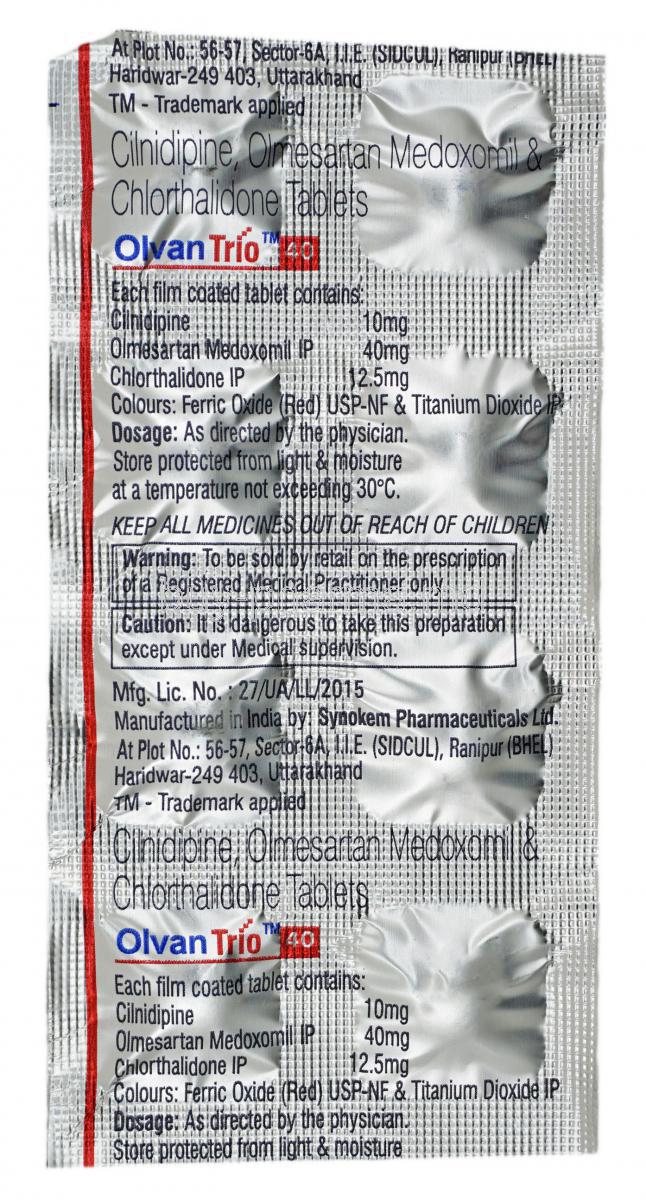
Olvan Trio is a fixed-dose combination medication designed for the comprehensive management of hypertension. It integrates three pharmacologically distinct agents into a single tablet, providing a multifaceted approach to blood pressure control. This formulation is classified as a triple-combination antihypertensive therapy and is typically prescribed when monotherapy or dual therapy fails to achieve adequate blood pressure targets.
Combination therapy is often indicated in patients with resistant or uncontrolled hypertension, particularly when cardiovascular risk is elevated. Fixed-dose regimens offer several clinical advantages:
- Improved treatment adherence through reduced pill burden
- Enhanced blood pressure control via complementary mechanisms
- Reduced variability in daily dosing
- Streamlined long-term management
The active ingredients—Olmesartan, Cilnidipine, and Chlorthalidone—act synergistically to regulate vascular tone, fluid balance, and neurohormonal activity. Triple therapy is generally recommended in clinical settings where blood pressure remains persistently elevated despite optimized dual-drug therapy or when rapid and sustained control is clinically necessary.
2. Composition and Formulation of Olvan Trio
Olvan Trio contains three antihypertensive agents with distinct yet complementary pharmacodynamic profiles:
- Olmesartan Medoxomil – an angiotensin II receptor blocker (ARB)
- Cilnidipine – a dual L-type and N-type calcium channel blocker
- Chlorthalidone – a long-acting thiazide-like diuretic
The formulation is available in fixed-dose tablet strengths, designed for once-daily administration. Each component plays a specific role:
- Olmesartan reduces vasoconstrictive and aldosterone-mediated effects
- Cilnidipine decreases peripheral vascular resistance and sympathetic overactivity
- Chlorthalidone promotes sodium and fluid excretion
The pharmacological synergy enhances antihypertensive efficacy while minimizing compensatory physiological responses. Excipients are selected to ensure stability, bioavailability, and uniform drug release, supporting consistent therapeutic performance.
Olmesartan vs losartan
Olmesartan (Benicar) is generally more potent and effective at lowering blood pressure than losartan (Cozaar), making it a strong choice for treating hypertension. Both are angiotensin II receptor blockers (ARBs) with similar safety profiles. Losartan is often lower in cost, while olmesartan may be better for patients needing more robust BP reduction.
Olmesartan vs lisinopril
Olmesartan (Benicar) and lisinopril (Zestril) are both daily, generic, high-efficiency blood pressure medications, but they operate differently. Lisinopril (an ACE inhibitor) is often used for heart failure and post-heart attack, whereas olmesartan (an ARB) rarely causes the dry cough common with lisinopril.
Olmesartan vs valsartan
Olmesartan generally provides stronger 24-hour blood pressure reduction and higher goal attainment rates compared to valsartan. While both are effective ARBs, olmesartan often shows superior efficacy in reducing systolic and diastolic blood pressure, particularly in the last few hours of a dosing interval.
Chlorthalidone vs hydrochlorothiazide
Chlorthalidone is generally considered more potent, longer-acting (- hours), and better at sustained 24-hour blood pressure control than hydrochlorothiazide (- hours). While chlorthalidone may offer superior cardiovascular risk reduction, it is associated with a higher risk of hypokalemia and electrolyte imbalances compared to hydrochlorothiazide.
Cilnidipine and telmisartan
Cilnidipine and telmisartan are combined as a potent, first-line antihypertensive therapy to treat high blood pressure and angina. Cilnidipine, a calcium channel blocker, relaxes blood vessels, while telmisartan, an angiotensin II receptor blocker, prevents blood vessel narrowing, jointly reducing heart workload and stroke/heart attack risk.
3. How Olvan Trio Works (Mechanism of Action)
Olvan Trio exerts its therapeutic effect through a triple-mechanism strategy targeting multiple pathways involved in blood pressure regulation.
Olmesartan selectively blocks angiotensin II type 1 receptors, resulting in:
- Reduced vasoconstriction
- Decreased aldosterone secretion
- Lower sodium retention
Cilnidipine provides dual calcium channel inhibition:
- L-type blockade promotes arterial vasodilation
- N-type blockade suppresses sympathetic nerve activity, reducing stress-induced blood pressure elevation
Chlorthalidone enhances renal sodium and water excretion, leading to decreased plasma volume and long-term reduction in peripheral resistance.
The integrated action results in sustained blood pressure control while offering additional cardiovascular and renal protective effects.
Best time to take olmesartan
Olmesartan is best taken once daily at the same time each day to maintain consistent blood pressure control, with or without food. While morning is common for consistency, taking it at bedtime may provide superior 24-hour blood pressure control, particularly for nocturnal hypertension.
4. Approved Uses of Olvan Trio
Olvan Trio is primarily indicated for the management of hypertension, particularly in patients requiring multidrug therapy.
- Treatment of essential (primary) hypertension
- Management of moderate to severe hypertension
- Blood pressure control in patients inadequately managed with dual therapy
- Reduction of cardiovascular complications associated with uncontrolled hypertension
- Use in individuals with elevated cardiovascular risk profiles
The medication supports long-term risk reduction by maintaining consistent blood pressure control.
5. Expanded and Off-Label Uses of Olvan Trio
Under physician supervision, Olvan Trio may be utilized in complex clinical scenarios where aggressive blood pressure control is required.
- Resistant hypertension unresponsive to standard regimens
- Hypertension associated with chronic kidney disease (CKD)
- Blood pressure management in patients with left ventricular hypertrophy
- Hypertension in individuals with diabetes mellitus
- Edema-prone hypertensive patients requiring diuretic support
- Hypertension linked to sympathetic overactivity
- Cardiovascular risk reduction in high-risk populations
Such applications require individualized assessment and close clinical monitoring.
6. Dosage and Administration Guidelines
Olvan Trio is typically administered once daily. The dosage should be individualized based on baseline blood pressure, prior therapy, and patient response.
- Initiate therapy as directed by a healthcare professional
- Titrate gradually to achieve optimal control
- Administer at the same time each day to maintain steady plasma levels
The medication may be taken with or without food. Special considerations include:
- Dose adjustment in patients with renal impairment
- Cautious use and possible modification in hepatic dysfunction
- If a dose is missed, take it as soon as remembered unless it is close to the next scheduled dose
Long-term therapy is often required, and abrupt discontinuation should be avoided unless medically indicated.
7. Common Side Effects of Olvan Trio
Most adverse effects are mild and transient, particularly during the initiation phase.
- Dizziness or lightheadedness
- General fatigue or weakness
- Increased frequency of urination
- Headache
- Mild peripheral edema
- Gastrointestinal discomfort such as nausea or abdominal upset
These symptoms often diminish as the body adapts to therapy.
8. Serious and Less Common Side Effects
Although uncommon, clinically significant adverse reactions may occur and require prompt evaluation.
- Electrolyte disturbances such as hypokalemia or hyponatremia
- Symptomatic hypotension or orthostatic hypotension
- Decline in renal function
- Elevated uric acid levels or gout exacerbation
- Photosensitivity reactions
- Rare hypersensitivity or severe allergic reactions
- Excessive blood pressure reduction or bradycardia
Routine laboratory monitoring may be necessary in long-term therapy.
9. Drug Interactions
Olvan Trio may interact with several medications, potentially altering efficacy or safety.
- Additive effects with other antihypertensive agents
- Potassium supplements or potassium-sparing diuretics increasing electrolyte imbalance risk
- Nonsteroidal anti-inflammatory drugs (NSAIDs) reducing antihypertensive efficacy and affecting renal function
- Increased risk of lithium toxicity
- Altered glucose control when used with antidiabetic medications
- Alcohol enhancing hypotensive effects
- CYP-mediated interactions influencing cilnidipine metabolism
Medication review is essential prior to initiation.
10. Warnings and Important Precautions
Careful clinical assessment is necessary to minimize potential risks associated with therapy.
- Risk of symptomatic hypotension, particularly in volume-depleted or elderly patients
- Regular monitoring of renal function
- Periodic evaluation of serum electrolytes
- Prevention of dehydration through adequate fluid intake
- Protection from excessive sun exposure due to chlorthalidone-associated photosensitivity
- Avoid sudden discontinuation without medical supervision
Appropriate patient selection, monitoring, and counseling are critical to ensuring safe and effective long-term treatment.
11. Contraindications
Olvan Trio should not be administered in patients with conditions that may increase the risk of serious adverse outcomes. Proper evaluation prior to initiation is essential to avoid preventable complications.
- Known hypersensitivity to Olmesartan, Cilnidipine, Chlorthalidone, or any excipient in the formulation
- Severe renal impairment or anuria, where diuretic-induced fluid shifts may exacerbate renal dysfunction
- Severe hepatic impairment due to altered drug metabolism and increased systemic exposure
- Pregnancy, particularly during the second and third trimesters, because angiotensin receptor blockers may cause fetal toxicity or death
- History of angioedema associated with ARB therapy
- Uncorrected electrolyte disturbances such as severe hypokalemia, hyponatremia, or hypovolemia
Initiation should be deferred until metabolic abnormalities are stabilized and patient suitability is confirmed.
12. Careful Administration (Use with Caution)
Certain patient populations require vigilant monitoring and individualized dosing strategies. Although therapy may be appropriate, the risk-benefit balance must be carefully assessed.
- Patients with mild to moderate renal impairment, due to the potential for cumulative electrolyte and fluid imbalance
- Individuals with hepatic dysfunction, where altered pharmacokinetics may enhance drug effects
- Elderly patients who may exhibit heightened sensitivity to blood pressure reduction
- Patients with diabetes mellitus or metabolic disorders requiring periodic monitoring of glucose and electrolyte levels
- History of gout or hyperuricemia, as chlorthalidone may increase serum uric acid concentrations
- Patients adhering to strict low-sodium diets, who may be predisposed to excessive hypotension
Regular clinical assessment and laboratory surveillance are recommended throughout treatment.
13. Administration in Special Populations
13.1 Use in Elderly Patients
Advanced age is often associated with altered pharmacodynamic responsiveness. Even standard doses may produce pronounced effects.
- Increased susceptibility to orthostatic hypotension and dizziness
- Greater risk of dehydration and electrolyte disturbances
- Potential decline in renal function requiring periodic monitoring
- Consideration of lower initial dosing with gradual titration
Close observation during the initiation phase is strongly recommended.
13.2 Use During Pregnancy
Olvan Trio is contraindicated during pregnancy due to the well-documented fetotoxic effects of angiotensin receptor blockade.
- Risk of fetal renal dysfunction, oligohydramnios, skeletal abnormalities, and neonatal complications
- Alternative antihypertensive therapy should be initiated prior to conception when possible
- Immediate discontinuation is required if pregnancy is detected
Prompt medical evaluation is necessary to minimize fetal risk.
13.3 Use During Breastfeeding
Clinical data regarding excretion into breast milk are limited. Caution is therefore warranted.
- Potential exposure to the nursing infant cannot be excluded
- Risk-benefit assessment should be conducted by a healthcare professional
- Alternative therapy may be considered when long-term treatment is required
13.4 Pediatric Use
The safety and efficacy of Olvan Trio in pediatric populations have not been conclusively established.
- Routine use in children is not recommended
- Administration should only occur under specialist supervision when clinically justified
14. Overdose Management
Excessive intake of Olvan Trio may produce significant hemodynamic and metabolic disturbances requiring urgent medical attention.
Potential symptoms include:
- Marked hypotension or circulatory collapse
- Electrolyte abnormalities such as hypokalemia or hyponatremia
- Severe dehydration
- Acute renal impairment
Management focuses on supportive care:
- Immediate medical evaluation and monitoring
- Intravenous fluid administration to restore circulatory volume
- Correction of electrolyte imbalances
- Continuous monitoring of blood pressure, renal function, and vital signs
Early intervention improves clinical outcomes and reduces complication risk.
15. Storage and Stability
Proper storage preserves the pharmacological integrity and therapeutic efficacy of the medication.
- Store at controlled room temperature as specified on the product label
- Protect from excessive heat, moisture, and direct sunlight
- Avoid storage in humid environments such as bathrooms
- Observe expiration dates and do not use beyond the indicated shelf life
- Keep tablets in the original packaging to maintain stability
16. Handling Precautions
Appropriate handling practices help ensure safe and effective use throughout the treatment period.
- Dispense and store the medication in its original container
- Avoid crushing, splitting, or altering tablets unless specifically instructed
- Keep out of reach of children and pets
- Do not share medication with others
- Dispose of unused or expired tablets through appropriate pharmaceutical waste channels
Patient education regarding safe long-term handling is an important component of therapy.
17. Patient Counseling and Lifestyle Considerations
Pharmacotherapy alone is rarely sufficient. Lifestyle modification enhances therapeutic success and reduces cardiovascular risk.
- Emphasize strict adherence to daily dosing
- Encourage regular home blood pressure monitoring
- Adopt dietary sodium restriction to improve treatment response
- Maintain adequate hydration, particularly during hot weather or illness
- Limit alcohol consumption to avoid additive hypotensive effects
- Report symptoms such as persistent dizziness, swelling, or unusual fatigue
Patients should seek medical attention immediately if severe hypotension, fainting, or signs of electrolyte imbalance occur.
18. Clinical Benefits of Triple Combination Therapy
Triple antihypertensive therapy represents an advanced strategy for patients requiring intensive blood pressure control. The combination addresses multiple physiological pathways simultaneously.
- Superior blood pressure reduction compared with monotherapy or dual therapy
- Reduced pill burden, enhancing adherence and persistence
- Improved long-term cardiovascular protection
- Potential renal protective effects through optimized hemodynamic control
- Stabilization of blood pressure variability, an emerging risk factor for vascular events
Long-term clinical management with fixed-dose triple therapy supports improved outcomes, reduced complication rates, and enhanced quality of life for patients with complex or resistant hypertension.
Olvan Trio, Olmesartan/ Cilnidipine/ Chlorthalidone FAQ
- What is the use of Olvan trio Tablet?
- What are the side effects of trio tablets?
- What is cilnidipine olmesartan medoxomil and chlorthalidone tablets used for?
- Can olmesartan cause skin rash?
- What is chlorthalidone cilnidipine used for?
- Can chlorthalidone cause kidney failure?
- Can chlorthalidone cause skin rash?
- What to avoid when taking chlorthalidone?
- What is a substitute for chlorthalidone?
- Can I take vitamin D with chlorthalidone?
- What are the bad side effects of chlorthalidone?
- What is olmesartan chlorthalidone used for?
- Can you take olmesartan and chlorthalidone together?
- Can olmesartan cause skin rash?
- What is olmesartan medoxomil 40mg and chlorthalidone 12.5 mg tablets?
- What are the bad side effects of chlorthalidone?
- Is olmesartan safe for kidneys?
- Who cannot take chlorthalidone?
- What are the benefits of chlorthalidone tablets?
- Does chlorthalidone cause hair loss?
- Is olmesartan a strong blood pressure medicine?
- Should I drink more water when taking chlorthalidone?
- Does olmesartan raise creatinine?
- Does olmesartan cause you to pee a lot?
What is the use of Olvan trio Tablet?
Olvan Trio 20 Tablet is used to treat high blood pressure (hypertension).
What are the side effects of trio tablets?
- Diarrhea
- Vomiting
- Nausea
What is cilnidipine olmesartan medoxomil and chlorthalidone tablets used for?
Olmesartan Medoxomil is an angiotensin receptor blocker (ARB), and Cilnidipine is a calcium channel blocker (CCB). They widen the blood vessels, thereby lowering blood pressure.
Can olmesartan cause skin rash?
Yes
What is chlorthalidone cilnidipine used for?
Chlorthalidone and cilnidipine are used for treating high blood pressure and reducing the risk of heart attack.
Can chlorthalidone cause kidney failure?
Yes
Can chlorthalidone cause skin rash?
Yes
What to avoid when taking chlorthalidone?
What is a substitute for chlorthalidone?
- Vostally
- Amlodipine
- Widaplik
- Losartan
- Hydrochlorothiazide
Can I take vitamin D with chlorthalidone?
The combination can cause your blood calcium levels to become too high.
What are the bad side effects of chlorthalidone?
- Dizziness
- Hypoglycemia
- Headache
What is olmesartan chlorthalidone used for?
Olmesartan+chlorthalidone is used to treat high blood pressure. Hypertension or high blood pressure is a chronic condition in which the force exerted by the blood against the artery wall is high
Can you take olmesartan and chlorthalidone together?
Yes
Can olmesartan cause skin rash?
Yes
What is olmesartan medoxomil 40mg and chlorthalidone 12.5 mg tablets?
Olmesartan Medoxomil and chlorthalidone are combined to treat high blood pressure. Olmesartan Medoxomil works by relaxing blood vessels, making it easier for blood to flow through them. On the other hand, chlorthalidone is a diuretic, so it helps the kidneys get rid of more urine, and that also helps lower blood pressure.
What are the bad side effects of chlorthalidone?
Dehydration
Is olmesartan safe for kidneys?
Yes
Who cannot take chlorthalidone?
Unable to urinate
What are the benefits of chlorthalidone tablets?
It reduces the amount of water in the body by increasing the flow of urine, which helps to lower blood pressure
Does chlorthalidone cause hair loss?
Yes
Is olmesartan a strong blood pressure medicine?
Yes
Should I drink more water when taking chlorthalidone?
Yes
Does olmesartan raise creatinine?
Yes
Does olmesartan cause you to pee a lot?
Yes
Popular Products

Similar Product