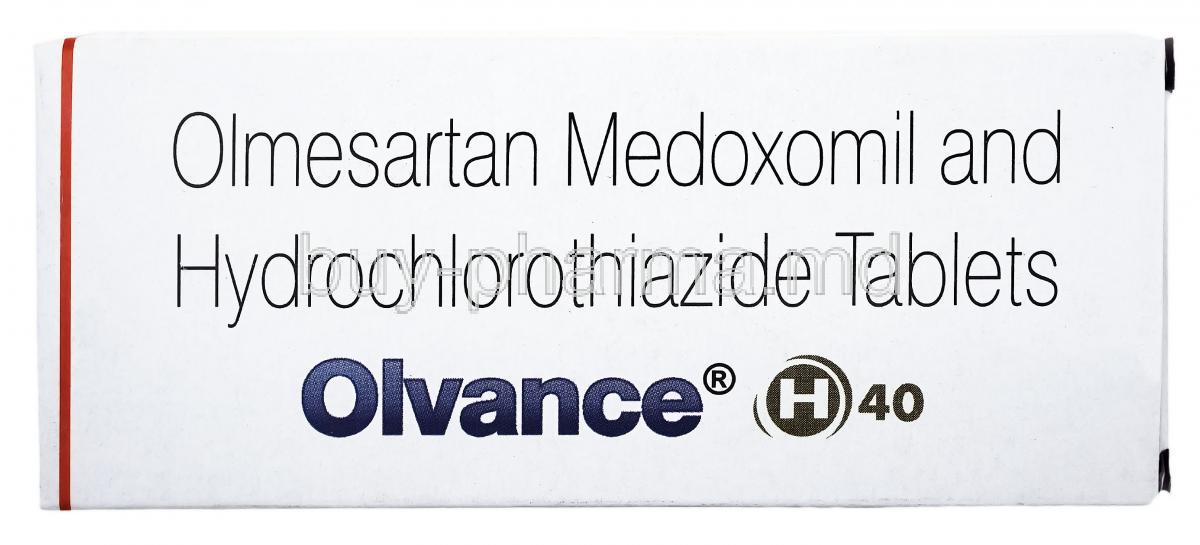
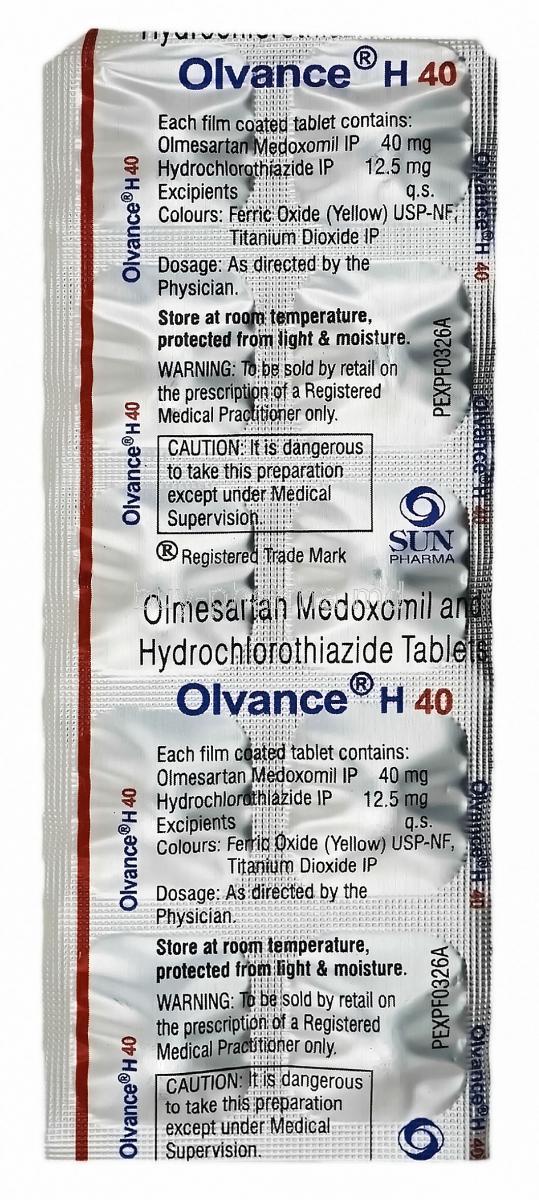

1. Introduction to Olvance H (Hydrochlorothiazide / Olmesartan)
Olvance H is a fixed-dose combination antihypertensive therapy designed to provide comprehensive blood pressure control through dual pharmacologic mechanisms. It integrates an angiotensin II receptor blocker (ARB) with a thiazide diuretic, offering enhanced efficacy compared with single-agent therapy. The formulation is particularly beneficial for patients whose hypertension remains suboptimally controlled despite monotherapy.
Therapeutically, Olvance H belongs to the class of renin–angiotensin–aldosterone system (RAAS) modulators combined with a natriuretic agent. This dual-action strategy targets both vascular tone and circulating fluid volume.
- Indicated for patients requiring combination therapy
- Supports long-term cardiovascular risk reduction
- Helps prevent complications such as stroke, myocardial infarction, and heart failure
Combination therapy is often preferred when rapid blood pressure control is necessary, when baseline readings are significantly elevated, or when monotherapy fails to achieve target levels.
2. Composition and Formulation
Olvance H contains two pharmacologically complementary active ingredients: olmesartan medoxomil and hydrochlorothiazide. Together, they provide both vasodilatory and diuretic effects, optimizing antihypertensive outcomes.
- Olmesartan medoxomil: Angiotensin II receptor blocker
- Hydrochlorothiazide: Thiazide diuretic
The combination is available in multiple strength configurations to allow individualized therapy. Inactive excipients are included to ensure tablet stability, bioavailability, and patient tolerability.
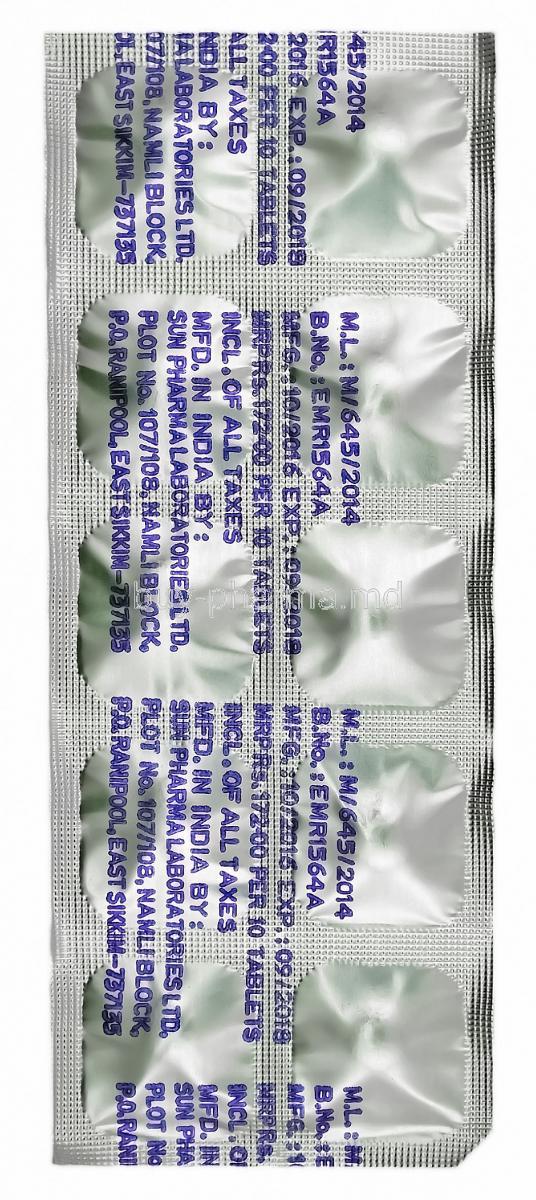
Tablets are typically film-coated, compact, and packaged in moisture-resistant blister packs or bottles. Proper packaging protects against environmental degradation and ensures dosing accuracy.
Olmesartan vs losartan
Olmesartan (Benicar) is generally more potent and effective at lowering blood pressure than losartan (Cozaar), making it a strong choice for treating hypertension. Both are angiotensin II receptor blockers (ARBs) with similar safety profiles. Losartan is often lower in cost, while olmesartan may be better for patients needing more robust BP reduction.
Olmesartan vs lisinopril
Olmesartan (Benicar) and lisinopril (Zestril) are both daily, generic, high-efficiency blood pressure medications, but they operate differently. Lisinopril (an ACE inhibitor) is often used for heart failure and post-heart attack, whereas olmesartan (an ARB) rarely causes the dry cough common with lisinopril.
Olmesartan vs valsartan
Olmesartan generally provides stronger 24-hour blood pressure reduction and higher goal attainment rates compared to valsartan. While both are effective ARBs, olmesartan often shows superior efficacy in reducing systolic and diastolic blood pressure, particularly in the last few hours of a dosing interval.
Chlorthalidone vs hydrochlorothiazide
Chlorthalidone is generally considered more potent, longer-acting (- hours), and better at sustained 24-hour blood pressure control than hydrochlorothiazide (- hours). While chlorthalidone may offer superior cardiovascular risk reduction, it is associated with a higher risk of hypokalemia and electrolyte imbalances compared to hydrochlorothiazide.
Triamterene hydrochlorothiazide
Triamterene and hydrochlorothiazide combination is used alone or with other medicines to treat water retention (edema) or high blood pressure (hypertension).
3. How Olvance H Works (Mechanism of Action)
3.1 Olmesartan Mechanism
Olmesartan selectively blocks angiotensin II type 1 (AT1) receptors. This action inhibits the potent vasoconstrictive effects of angiotensin II and suppresses aldosterone secretion.
- Promotes vasodilation
- Reduces sodium and water retention
- Decreases peripheral vascular resistance
The result is sustained blood pressure reduction without significant reflex tachycardia.
3.2 Hydrochlorothiazide Mechanism
Hydrochlorothiazide acts at the distal convoluted tubule of the nephron, inhibiting sodium and chloride reabsorption. This increases urinary excretion of water and electrolytes, leading to reduced plasma volume and decreased cardiac output.
3.3 Synergistic Blood Pressure Control
The combination produces complementary pharmacologic effects. Diuretic-induced activation of the RAAS is counteracted by olmesartan, enhancing therapeutic efficiency. This synergy is particularly valuable in resistant or difficult-to-control hypertension.
4. Approved Uses of Olvance H
Olvance H is primarily indicated for the management of essential hypertension. Its clinical utility extends to patients requiring more aggressive blood pressure control.
- Treatment of primary hypertension
- Management of moderate to severe blood pressure elevation
- Control of hypertension inadequately managed with monotherapy
- Reduction of long-term cardiovascular risk through sustained blood pressure control
Effective management of hypertension is critical for preventing vascular complications and preserving end-organ function.
5. Expanded and Off-Label Uses
In clinical practice, the combination may be utilized in selected patients where enhanced blood pressure control provides additional therapeutic benefit.
- Resistant hypertension
- Hypertension associated with metabolic syndrome
- Blood pressure management in chronic kidney disease (with careful monitoring)
- Hypertension in patients with left ventricular hypertrophy
- Cardiovascular risk reduction in high-risk populations
- Supportive management of volume-related hypertension
- Blood pressure control in diabetic patients without contraindications
6. Dosage and Administration
6.1 Recommended Adult Dosage
Treatment typically begins with a lower strength, followed by gradual titration based on clinical response and tolerability. Dose adjustments should be guided by periodic blood pressure monitoring.
6.2 Administration Guidelines
- Administer once daily
- May be taken with or without food
- Maintain consistent dosing time for optimal effect
Adherence is essential. Irregular intake may compromise therapeutic stability.
6.3 Dose Adjustment Considerations
Caution is required in specific patient populations:
- Renal impairment
- Hepatic dysfunction
- Elderly patients
- Patients with dehydration or volume depletion
Best time to take olmesartan
Olmesartan is best taken once daily at the same time each day to maintain consistent blood pressure control, with or without food. While morning is common for consistency, taking it at bedtime may provide superior 24-hour blood pressure control, particularly for nocturnal hypertension.
7. Common Side Effects
Most adverse effects are mild and transient. They often diminish as the body adapts to therapy.
- Dizziness or lightheadedness
- Orthostatic hypotension
- Fatigue or generalized weakness
- Increased urination
- Electrolyte disturbances such as hypokalemia or hyponatremia
- Mild gastrointestinal discomfort
8. Serious and Less Common Adverse Effects
Although uncommon, certain reactions require prompt medical evaluation.
- Marked hypotension
- Deterioration of renal function
- Hyperuricemia or gout exacerbation
- Photosensitivity reactions
- Severe electrolyte imbalance
- Hypersensitivity reactions, including angioedema
- Rare sprue-like enteropathy associated with chronic olmesartan use
9. Drug Interactions
Concomitant medications may influence the safety or efficacy of Olvance H.
- Other antihypertensives or diuretics may enhance hypotensive effects
- Potassium supplements or potassium-sparing agents may alter electrolyte balance
- Nonsteroidal anti-inflammatory drugs (NSAIDs) may reduce antihypertensive efficacy
- Lithium levels may increase, raising toxicity risk
- Antidiabetic agents may require dose adjustment
- Alcohol may potentiate orthostatic hypotension
10. Warnings and Important Safety Information
Careful monitoring is recommended to minimize potential risks during therapy.
- Symptomatic hypotension may occur in volume-depleted patients
- Periodic assessment of renal function is advised
- Electrolyte levels should be monitored regularly
- Patients should avoid excessive sun exposure due to photosensitivity risk
- Rare cases of acute angle-closure glaucoma have been reported with thiazides
- Persistent severe diarrhea and weight loss may indicate sprue-like enteropathy and require discontinuation
11. Contraindications
Olvance H must not be used in certain clinical situations where the risk of harm outweighs the therapeutic benefit. Careful evaluation of patient history is essential prior to initiation.
- Known hypersensitivity to olmesartan, hydrochlorothiazide, or other sulfonamide-derived medications
- Anuria or inability to produce urine
- Severe renal impairment in which thiazide diuretics are unlikely to be effective
- Concomitant use with aliskiren in patients with diabetes due to increased risk of renal dysfunction, hypotension, and hyperkalemia
- Pregnancy, particularly during the second and third trimesters, because of the risk of fetal toxicity and developmental injury
Use in these conditions may result in serious adverse outcomes, including renal failure, severe hypotension, or fetal harm.
12. Careful Administration and Important Precautions
Therapy with Olvance H requires ongoing clinical vigilance. Periodic laboratory monitoring and patient assessment help maintain safety and therapeutic precision.
- Regular evaluation of serum electrolytes, including sodium, potassium, and magnesium
- Cautious use in patients with renal artery stenosis due to risk of renal function deterioration
- Careful administration in hepatic impairment, where fluid and electrolyte imbalance may precipitate hepatic complications
- Monitoring for dehydration, particularly in patients with excessive diuresis, vomiting, or diarrhea
- Assessment of uric acid levels in patients with a history of gout, as hydrochlorothiazide may exacerbate hyperuricemia
- Periodic blood glucose monitoring in diabetic patients, as thiazide diuretics may affect glycemic control
Clinical prudence and individualized dose adjustments are critical to minimizing complications.
13. Administration in Special Populations
13.1 Use in Elderly Patients
Elderly individuals often exhibit heightened sensitivity to antihypertensive agents. Age-related physiological changes necessitate cautious management.
- Increased susceptibility to orthostatic hypotension and dizziness
- Regular monitoring of renal function and electrolyte balance
- Gradual and conservative dose titration to avoid excessive blood pressure reduction
13.2 Use During Pregnancy
Agents affecting the renin–angiotensin–aldosterone system can cause serious fetal injury. Exposure during pregnancy is contraindicated beyond the first trimester.
- Risk of fetal renal dysfunction, oligohydramnios, and skeletal abnormalities
- Immediate discontinuation upon confirmation of pregnancy
- Transition to safer alternative antihypertensive therapies
13.3 Use During Breastfeeding
Small amounts of the active components may be excreted into breast milk. Clinical judgment is required.
- Assessment of potential infant exposure and risk
- Consideration of alternative therapy if necessary
- Evaluation of maternal benefit versus neonatal safety
13.4 Pediatric Use
Clinical experience in pediatric populations remains limited.
- Safety and efficacy have not been fully established
- Use only when clearly indicated and under specialist supervision
- Careful monitoring if therapy is initiated
14. Overdose and Emergency Management
Excessive ingestion may lead to pronounced pharmacologic effects requiring urgent medical attention.
- Severe hypotension
- Profound dehydration
- Electrolyte imbalance, including hyponatremia or hypokalemia
- Possible renal function impairment
Management is primarily supportive and may include:
- Intravenous fluid replacement to restore circulatory volume
- Correction of electrolyte abnormalities
- Continuous monitoring of blood pressure, renal function, and serum electrolytes
- Medical observation and symptomatic treatment in a controlled clinical setting
15. Storage Conditions
Proper storage preserves the stability and therapeutic integrity of the medication.
- Store at controlled room temperature as recommended by the manufacturer
- Protect from excessive humidity and direct light
- Keep tablets in the original packaging until use
- Store in a secure location away from children and pets
16. Handling Precautions
Appropriate handling minimizes dosing errors and ensures safe administration.
- Handle tablets with dry hands and avoid unnecessary exposure to moisture
- Do not split or crush tablets unless specifically advised
- Dispose of unused or expired medication according to local pharmaceutical disposal guidelines
- Educate patients regarding proper administration techniques and adherence
17. Patient Counseling and Monitoring
Long-term success in hypertension management depends on patient engagement and consistent follow-up. Education and lifestyle optimization are integral components of therapy.
- Regular home or clinic blood pressure monitoring
- Adoption of heart-healthy lifestyle practices, including:
- Reduced sodium intake
- Balanced diet rich in fruits and vegetables
- Regular physical activity
- Weight management
- Recognition of warning symptoms such as severe dizziness, fainting, swelling, or persistent gastrointestinal disturbances
- Prompt medical consultation if unusual symptoms or signs of dehydration occur
Structured monitoring and patient education enhance therapeutic adherence, optimize outcomes, and reduce the risk of long-term cardiovascular complications.
Appropriate patient selection and ongoing clinical supervision enhance both safety and therapeutic outcomes.
Olvance H, Hydrochlorothiazide/ Olmesartan FAQ
- What is Olvance H 20 used for?
- What is the most common side effect of hydrochlorothiazide?
- What is the main side effect of olmesartan?
- How long does it take for olmesartan to reduce blood pressure?
- What is olmesartan hydrochlorothiazide used for?
- Is olmesartan safe to take during pregnancy?
- Is olmesartan safe for kidneys?
- What is the most common side effect of hydrochlorothiazide?
- How much weight can you lose with hydrochlorothiazide?
- What happens if I stop hydrochlorothiazide?
- Can I eat bananas on olmesartan?
- What are the dangers of taking hydrochlorothiazide?
- Does hydrochlorothiazide cause hair loss?
- What are the positive effects of hydrochlorothiazide?
- Can you skip a day of hydrochlorothiazide?
- Is olmesartan a strong blood pressure medicine?
- What should I avoid while taking olmesartan?
- What are the most common side effects of olmesartan?
- Does olmesartan raise creatinine?
- Does olmesartan cause you to pee a lot?
What is Olvance H 20 used for?
Olvance 20 Tablet is a medication that helps to treat high blood pressure, also known as hypertension. Lowering blood pressure can help prevent serious health problems like heart attacks and strokes. Additionally, this medicine is useful for people with diabetes as it helps to protect their kidney function.
What is the most common side effect of hydrochlorothiazide?
- Electrolyte imbalances
- Dizziness
- Weakness
What is the main side effect of olmesartan?
Dizziness
How long does it take for olmesartan to reduce blood pressure?
2 weeks
What is olmesartan hydrochlorothiazide used for?
Olmesartan and hydrochlorothiazide combination is used alone to treat high blood pressure (hypertension)
Is olmesartan safe to take during pregnancy?
No
Is olmesartan safe for kidneys?
No
What is the most common side effect of hydrochlorothiazide?
Electrolyte imbalances
How much weight can you lose with hydrochlorothiazide?
2-3 kgs
What happens if I stop hydrochlorothiazide?
If you quit taking hydrochlorothiazide all of a sudden, your blood pressure might go up, and that could lead to some serious problems.
Can I eat bananas on olmesartan?
No
What are the dangers of taking hydrochlorothiazide?
- Bloating
- Blood in urine
- Stomach ache
- Bleeding gums
Does hydrochlorothiazide cause hair loss?
Rarely
What are the positive effects of hydrochlorothiazide?
Hydrochlorothiazide is a medication that treats high blood pressure. It reduces swelling related to heart, kidney or liver disease.
Can you skip a day of hydrochlorothiazide?
No
Is olmesartan a strong blood pressure medicine?
Yes
What should I avoid while taking olmesartan?
- Potassium supplements
- High-potassium foods
What are the most common side effects of olmesartan?
- Dizziness
- Headache
- Tiredness
Does olmesartan raise creatinine?
Yes
Does olmesartan cause you to pee a lot?
Yes
Popular Products
Similar Product