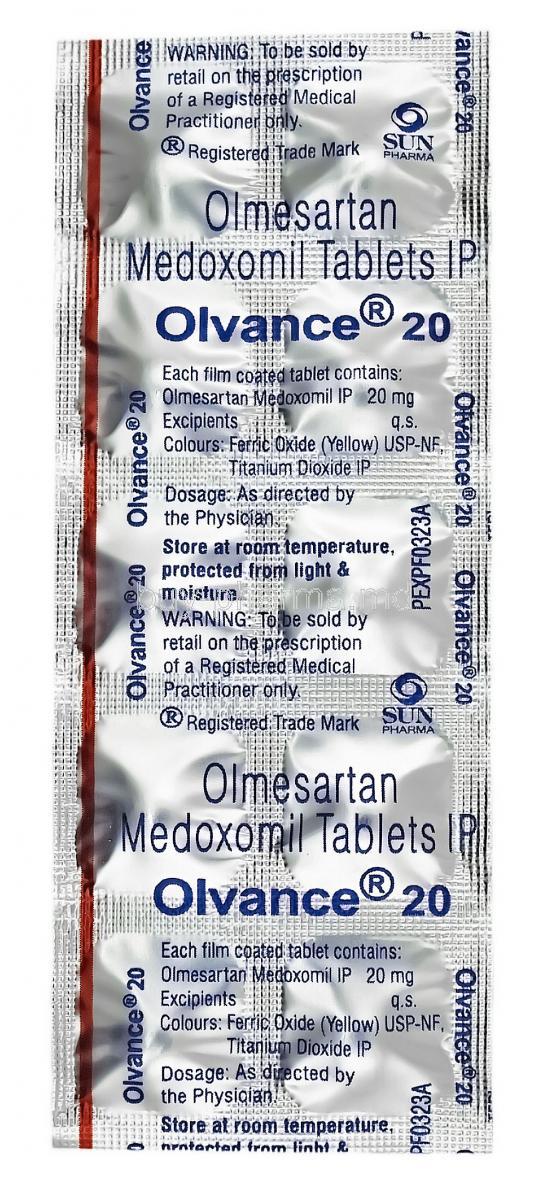
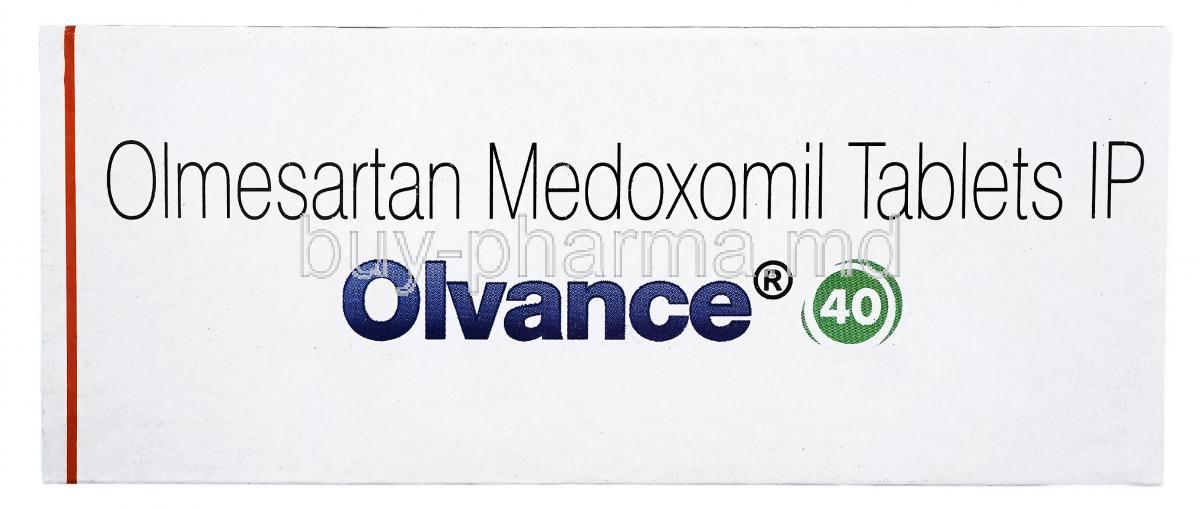
1. Introduction to Olvance (Olmesartan)
1.1 What is Olvance?
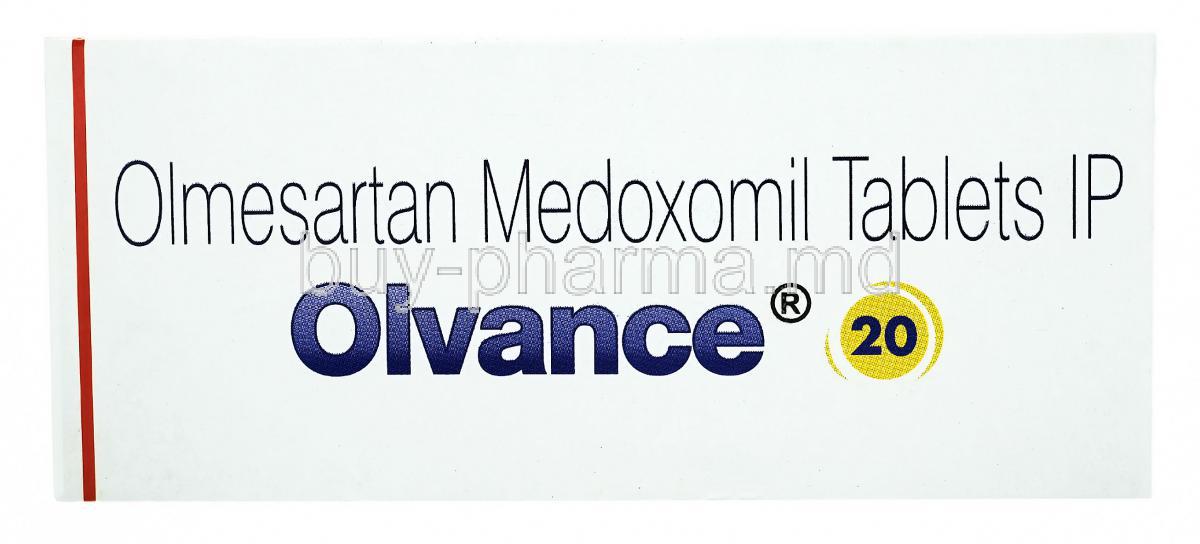
Olvance is a brand of olmesartan, a prescription medication primarily used to manage high blood pressure (hypertension). By lowering blood pressure, it helps reduce long-term strain on the heart, brain, kidneys, and blood vessels. Some people notice improved readings within days; for others, optimal control is more gradual.
- Prescription-only antihypertensive therapy
- Designed for sustained, day-to-day blood pressure control
- Often used as part of a broader cardiovascular risk-reduction plan
1.2 Generic Name, Brand Variations, and Drug Classification
The generic name is olmesartan (commonly provided as olmesartan medoxomil in tablet form). Olmesartan belongs to a well-established class of medications known for targeting hormonal pathways that influence vascular tone and fluid balance. Brand names can vary by country, manufacturer, and market authorization, while the active ingredient remains the key determinant of clinical effect.
- Generic: olmesartan (often as olmesartan medoxomil)
- Class: angiotensin II receptor blocker (ARB)
- Form: typically oral tablets
1.3 Therapeutic Category: Angiotensin II Receptor Blocker (ARB)
As an ARB, olmesartan works by inhibiting the action of angiotensin II at specific receptor sites. This supports vasodilation and reduces the pressor forces that elevate blood pressure. Compared with some other antihypertensive categories, ARBs are often selected when cough with ACE inhibitors is a concern.
1.4 Overview of Clinical Benefits in Cardiovascular Management
Hypertension is often asymptomatic, yet it can silently accelerate vascular injury over years. Olmesartan aims to normalize hemodynamics, decrease arterial wall stress, and support end-organ protection when blood pressure is controlled appropriately. That benefit is not instantaneous “damage reversal,” but rather a reduction in cumulative risk over time.
- Helps reduce the risk of stroke and heart-related complications by controlling blood pressure
- May support kidney protection in selected patients by optimizing blood pressure targets
- Can be used alone or with other antihypertensive agents to reach goal readings
1.5 Who May Benefit from Olmesartan Therapy?
Olmesartan may be appropriate for adults with essential hypertension, especially when consistent, once-daily blood pressure control is desired. It may also be considered when combination therapy is needed due to persistent elevations despite lifestyle changes or single-drug therapy. Individual suitability depends on factors such as kidney function, potassium levels, pregnancy status, and concurrent medications.
2. Composition and Formulations
2.1 Active Ingredient: Olmesartan Medoxomil
Most tablet formulations contain olmesartan medoxomil, a prodrug that is converted in the body to the active form, olmesartan. This design is intended to optimize absorption and ensure reliable systemic exposure.
2.2 Available Strengths and Dosage Forms
Olmesartan is commonly supplied as oral tablets in multiple strengths to allow titration. The goal is precision—enough antihypertensive effect to achieve targets without provoking excessive hypotension. Exact strengths available depend on the product and region.
- Oral tablets in multiple strengths
- Once-daily dosing is common
- Strength selection may be adjusted based on response and tolerability
2.3 Combination Products (Olmesartan with Amlodipine, Hydrochlorothiazide)
When single-agent therapy is insufficient, olmesartan may be used in fixed-dose combinations. These pair olmesartan with agents that lower blood pressure through complementary mechanisms—useful for resistant or difficult-to-control hypertension.
- Olmesartan + amlodipine: ARB + calcium channel blocker for additive vasodilation
- Olmesartan + hydrochlorothiazide: ARB + thiazide diuretic to reduce volume load
- Combination therapy can simplify regimens and improve adherence
2.4 Excipients and Formulation Characteristics
Tablets also include inactive components (excipients) that stabilize the product and support manufacturing consistency. Although these ingredients are not intended to be pharmacologically active, they can matter for people with allergies or sensitivities. When uncertainty exists, checking the product label or consulting a pharmacist is prudent.
2.5 Bioavailability and Pharmacokinetic Profile
After oral administration, olmesartan reaches systemic circulation and exerts a sustained antihypertensive effect. The pharmacokinetic profile supports once-daily dosing for many patients, though clinical response varies. Renal and hepatic status can influence exposure, which is why monitoring is not merely ceremonial—it is clinically consequential.
3. How Olvance (Olmesartan) Works: Mechanism of Action
3.1 Role of the Renin–Angiotensin–Aldosterone System (RAAS)
The RAAS is a hormonal cascade that helps regulate blood pressure, sodium balance, and vascular tone. When overactive, it can contribute to persistent vasoconstriction and fluid retention. Olmesartan modulates this pathway by interrupting angiotensin II signaling at receptor level.
3.2 Selective Blockade of Angiotensin II Type 1 (AT1) Receptors
Angiotensin II typically binds AT1 receptors to tighten blood vessels and promote aldosterone-driven sodium retention. Olmesartan selectively blocks AT1 receptors, reducing vasoconstrictive signaling and helping blood vessels relax. This receptor-level antagonism is central to its antihypertensive action.
3.3 Effects on Blood Pressure and Vascular Resistance
By decreasing systemic vascular resistance, olmesartan can lower blood pressure without directly slowing the heart rate. The result is often smoother hemodynamic control rather than abrupt, dramatic swings—especially when dosing is titrated thoughtfully. Some people experience lightheadedness early on, particularly if dehydrated or taking diuretics.
3.4 Impact on Cardiac and Renal Protection
Lowering blood pressure reduces afterload, lessens arterial shear stress, and may mitigate progressive end-organ burden. Kidney benefits are typically linked to improved blood pressure control and reduced intraglomerular pressure in susceptible patients. These protective effects depend on individualized targets and careful monitoring, especially in those with kidney disease.
3.5 Onset of Action and Duration of Effect
Olmesartan may begin lowering blood pressure within the first several hours after a dose, with fuller effects often seen over days to weeks. Duration generally supports once-daily dosing, though clinical decisions should be based on measured readings and patient response—not assumptions.
4. Approved Uses of Olvance (Olmesartan)
4.1 Treatment of Essential Hypertension in Adults
The primary approved use is the treatment of essential hypertension in adults. The objective is not simply “a lower number,” but stable, sustained control that reduces long-term cardiovascular risk. Lifestyle measures—dietary sodium reduction, activity, weight management—remain relevant and synergistic.
4.2 Blood Pressure Control to Reduce Cardiovascular Risk
Effective blood pressure control is associated with lower risk of stroke, myocardial infarction, and heart failure complications. Olmesartan contributes by attenuating vasoconstrictive RAAS signaling, which can support more favorable vascular dynamics over time.
4.3 Use as Monotherapy vs Combination Therapy
Some patients achieve target readings with olmesartan alone. Others require combination therapy due to baseline severity, comorbidities, or partial response. When intensifying therapy, clinicians often consider complementary drug classes rather than escalating a single agent indefinitely.
- Monotherapy: often appropriate for mild to moderate hypertension
- Combination therapy: may be preferred for higher baseline blood pressure or inadequate control
- Therapy selection is individualized based on tolerability and clinical profile
4.4 Hypertension Management in Special Populations
Special populations may need additional caution, dose tailoring, and lab surveillance. For example, those with reduced kidney function may require closer monitoring of creatinine and potassium. Pregnancy status is a critical determinant of appropriateness, given fetal risk concerns with RAAS-acting drugs.
5. Off-Label Uses of Olmesartan
5.1 Diabetic Nephropathy and Proteinuria Reduction
In selected patients, ARBs have been used to reduce proteinuria and support kidney outcomes, typically as part of a comprehensive diabetes and blood pressure strategy. Use should be individualized, with routine monitoring for kidney function and potassium levels. Off-label use decisions should be guided by a clinician familiar with the patient’s renal and metabolic profile.
5.2 Chronic Kidney Disease (CKD) with Hypertension
Hypertension frequently coexists with CKD and can accelerate renal decline. Olmesartan may be used to control blood pressure, sometimes with the aim of lowering proteinuria in appropriate contexts. Because kidney function can change over time, periodic lab assessment is essential.
5.3 Heart Failure Management (Adjunct Therapy)
Some clinicians may consider ARBs as part of heart failure regimens when indicated and tolerated. However, heart failure treatment is protocol-driven and multifaceted, often involving beta blockers, diuretics, mineralocorticoid antagonists, and other agents. Olmesartan’s role, if used, is typically adjunctive and carefully monitored.
5.4 Left Ventricular Hypertrophy Prevention
Chronic hypertension can lead to left ventricular hypertrophy, a remodeling process associated with higher cardiovascular risk. By improving blood pressure control, olmesartan may help reduce the hemodynamic stimulus that drives hypertrophy. Clinical outcomes depend on consistent control, not sporadic treatment.
5.5 Metabolic Syndrome and Cardiovascular Risk Reduction
Metabolic syndrome is a cluster of cardiometabolic risk factors that commonly includes hypertension. Olmesartan may be used to manage the blood pressure component while lifestyle and other therapies address dyslipidemia and glycemic parameters. This integrated approach is often more impactful than any single medication.
5.6 Migraine Prevention (Investigational Use)
Certain blood pressure medications have been explored for migraine prophylaxis in specific cases. Olmesartan has been discussed in investigational contexts, but evidence strength and clinical adoption vary widely. Any off-label use for migraine should be supervised by a clinician and weighed against blood pressure effects and tolerability.
5.7 Prevention of Atrial Fibrillation Recurrence (Emerging Evidence)
RAAS modulation has been studied for potential effects on atrial remodeling and arrhythmia recurrence. Olmesartan may appear in discussions of emerging strategies, but this is not a universal standard of care. Decisions should be grounded in cardiology guidance and individualized risk assessment.
6. Dosage and Administration Guidelines
6.1 Standard Adult Dosage for Hypertension
Typical adult dosing is once daily, with the specific dose selected based on baseline blood pressure, comorbidities, and response. A measured, stepwise approach is often preferred over abrupt escalation. For precise dosing instructions, the prescribing clinician’s directions and product labeling should be followed.
6.2 Dose Titration and Maximum Daily Dose
Dose titration is usually performed after assessing blood pressure response over time. Escalation may be appropriate if targets are not met, while down-titration may be warranted if hypotension or intolerance occurs. The maximum daily dose depends on local labeling and clinical context.
6.3 Administration with or without Food
Olmesartan is generally taken consistently at the same time each day, with or without food. Consistency is more important than meal timing, as it supports predictable adherence and steadier blood pressure control.
6.4 Missed Dose Instructions
If a dose is missed, taking it as soon as remembered may be reasonable—unless it is close to the next scheduled dose. Doubling up can increase the risk of hypotension and dizziness. When in doubt, follow clinician or pharmacist guidance.
6.5 Switching from Other Antihypertensive Medications
Switching should be done cautiously, especially in patients who are volume-depleted, on diuretics, or prone to orthostatic symptoms. A transition plan may include overlap, washout, or direct substitution depending on the previous medication class and clinical status. Blood pressure logs can be particularly useful during the switch.
6.6 Use in Combination Therapy
Combination therapy may be used when monotherapy does not achieve target blood pressure. Common partners include calcium channel blockers and thiazide diuretics, as these offer mechanistic complementarity. However, combining multiple RAAS blockers is generally approached cautiously due to renal and electrolyte risks.
6.7 Duration of Treatment and Long-Term Use Considerations
Hypertension management is typically long-term. Olmesartan is often used chronically, with periodic reassessment of goals, tolerability, labs, and concurrent medications. Stopping therapy without guidance can lead to loss of control and rebound risk—not dramatic in every case, but clinically relevant.
7. Administration in Special Populations
7.1 Administration to Elderly Patients
Older adults may be more susceptible to blood pressure drops, especially with dehydration or concomitant diuretic use. Start-low, go-slow strategies are often employed, with attention to orthostatic symptoms and renal indices.
- Dose adjustment considerations: may be needed based on tolerability and kidney function
- Monitoring: blood pressure (including standing readings), creatinine, and potassium
- Clinical vigilance: dizziness, falls risk, and volume status
7.2 Administration to Children and Adolescents
Pediatric use depends on local approvals, age, and weight. Dosing is often weight-based, and safety/efficacy data can be more limited than in adults. Any use in children should be directed by a pediatric clinician with appropriate monitoring.
- Approved pediatric indications: vary by region and product labeling
- Weight-based dosing: commonly used when indicated
- Safety data: requires careful interpretation and follow-up
7.3 Administration to Pregnant Women
Olmesartan is generally avoided in pregnancy due to risk of fetal harm associated with RAAS-acting drugs. It is particularly contraindicated during the second and third trimesters because of well-recognized fetal toxicity concerns. If pregnancy occurs while taking olmesartan, prompt medical consultation is important to discuss safer alternatives.
- Risk: fetal toxicity and adverse developmental outcomes
- Contraindicated: especially in the second and third trimesters
- Action: contact a healthcare professional immediately if pregnancy is suspected
7.4 Administration to Nursing Mothers
Whether olmesartan is excreted into human breast milk may be uncertain depending on available data and product labeling. A risk–benefit analysis is typically recommended, considering infant age, maternal need for therapy, and alternative medications with clearer lactation safety profiles. Clinical guidance should be individualized.
8. Common Side Effects of Olvance
8.1 Frequently Reported Mild Adverse Effects
Many people tolerate olmesartan well, yet mild side effects can occur—particularly early in therapy or after dose increases. Short symptoms may resolve as the body adapts; persistent symptoms warrant clinical review.
- Dizziness (especially on standing)
- Headache
- Fatigue or generalized asthenia
- Upper respiratory symptoms (e.g., congestion, sore throat)
8.2 Gastrointestinal Symptoms
Some patients report gastrointestinal discomfort such as nausea, abdominal pain, or diarrhea. These effects are usually mild, but persistent or severe symptoms should not be ignored—particularly because olmesartan has been associated, rarely, with more significant intestinal effects.
8.3 Orthostatic Hypotension and Related Symptoms
Orthostatic hypotension refers to a blood pressure drop on standing, which can cause lightheadedness, blurred vision, or near-fainting. Risk increases with dehydration, diuretics, low salt intake, or acute illness. Simple measures can help:
- Rise slowly from sitting or lying positions
- Maintain adequate hydration (as clinically appropriate)
- Report recurrent dizziness or fainting promptly
9. Serious and Rare Side Effects
9.1 Severe Hypotension and Syncope
Marked hypotension is uncommon but can occur, especially in volume-depleted individuals. Syncope (fainting) is a clinical red flag and should prompt immediate medical evaluation.
9.2 Hyperkalemia
Olmesartan can increase potassium levels in some patients, particularly those with kidney impairment or those taking potassium supplements or potassium-sparing diuretics. Hyperkalemia may be silent or present with nonspecific symptoms such as weakness or palpitations. Routine lab monitoring is often used to detect it early.
9.3 Acute Kidney Injury
Changes in kidney function can occur, especially in patients with pre-existing renal disease, dehydration, severe heart failure, or renal artery stenosis. Monitoring creatinine and estimated glomerular filtration rate (eGFR) helps detect clinically meaningful changes.
9.4 Sprue-like Enteropathy Associated with Olmesartan
A rare but notable adverse reaction is sprue-like enteropathy, characterized by chronic diarrhea, weight loss, and malabsorption-like features. Symptoms may emerge after months or even years of therapy. Persistent gastrointestinal symptoms should be evaluated promptly to rule out this and other causes.
9.5 Allergic Reactions and Angioedema
Hypersensitivity reactions can occur with many medications. Angioedema—swelling of the face, lips, tongue, or throat—can be dangerous and requires urgent medical attention due to airway risk.
10. Drug Interactions
10.1 Interaction with Other Antihypertensive Agents
Olmesartan may be combined with other blood pressure medications to achieve target control. However, additive effects can increase the risk of hypotension, particularly at initiation or during dose changes. Monitoring is especially important when multiple agents converge on vascular tone or volume status.
10.2 Potassium Supplements and Potassium-Sparing Diuretics
Because olmesartan can raise potassium levels, combining it with potassium supplements or potassium-sparing diuretics may increase hyperkalemia risk. This does not mean such combinations are never used; it means they require deliberate oversight and lab checks.
- Potassium supplements
- Potassium-based salt substitutes
- Potassium-sparing diuretics (as clinically relevant)
10.3 Nonsteroidal Anti-Inflammatory Drugs (NSAIDs)
NSAIDs may reduce the antihypertensive effect of ARBs and can increase renal risk in susceptible patients, particularly with dehydration or existing kidney impairment. Occasional NSAID use may still be permissible for some individuals, but prolonged use should be discussed with a clinician.
10.4 Lithium Toxicity Risk
ARB therapy can increase lithium levels in some cases, raising the risk of lithium toxicity. Patients taking lithium should inform their prescriber, and monitoring strategies may be needed.
10.5 Interaction with Diuretics and Volume-Depleting Agents
Diuretics can amplify blood pressure lowering, which may be beneficial but also increases hypotension risk. Volume depletion from vomiting, diarrhea, intense heat exposure, or aggressive diuretic therapy can create a setting where dizziness or syncope becomes more likely. In those circumstances, timely medical guidance is important.
10.6 Alcohol and Lifestyle Considerations
Alcohol can potentiate dizziness and orthostatic symptoms in some individuals, especially when starting therapy. Lifestyle measures remain foundational and can reduce the medication burden over time:
- Limit sodium intake and ultra-processed foods
- Maintain consistent physical activity
- Support healthy weight and sleep regularity
- Monitor blood pressure at home with validated devices
Medical note: This information is educational and does not replace individualized medical advice. For dosing, contraindications, and monitoring tailored to a specific situation, consult a licensed healthcare professional.
11. Contraindications
11.1 Hypersensitivity to Olmesartan or Formulation Components
Olmesartan should not be used in patients with known hypersensitivity to the active substance or any excipient contained in the formulation. Although uncommon, allergic reactions may present with dermatologic or systemic manifestations. Immediate discontinuation is required if hypersensitivity is suspected.
- Rash, urticaria, or severe skin reactions
- Facial, lip, or tongue swelling (angioedema)
- Respiratory difficulty requiring urgent care
11.2 Pregnancy (Especially Second and Third Trimester)
Agents that affect the renin–angiotensin system can cause serious fetal injury or death when used during pregnancy. Exposure during the second and third trimesters is particularly associated with renal dysfunction, oligohydramnios, and skeletal abnormalities. Olmesartan should be discontinued immediately once pregnancy is detected.
11.3 Concomitant Use with Aliskiren in Diabetic Patients
Combined use of olmesartan with aliskiren is contraindicated in patients with diabetes due to an increased risk of renal impairment, hyperkalemia, and hypotension. Dual blockade of the renin–angiotensin system may offer limited additional benefit while significantly increasing adverse outcome risk.
11.4 Severe Hepatic or Renal Impairment (Clinical Judgment Required)
In patients with significant hepatic or renal dysfunction, the use of olmesartan requires careful clinical evaluation. Reduced organ function may alter drug handling and increase susceptibility to adverse effects. Dose adjustment, enhanced monitoring, or alternative therapy may be appropriate depending on the clinical scenario.
12. Warnings and Important Precautions
12.1 Risk of Fetal Toxicity
Olmesartan carries a well-established risk of fetal harm due to interference with the renin–angiotensin system. Exposure during pregnancy may result in:
- Fetal renal failure
- Oligohydramnios
- Neonatal hypotension or death
Women of childbearing potential should be counseled regarding these risks and advised to inform their healthcare provider promptly if pregnancy occurs.
12.2 Monitoring Renal Function During Therapy
Changes in renal function may occur, particularly in patients with pre-existing kidney disease, heart failure, or volume depletion. Periodic assessment of serum creatinine and estimated glomerular filtration rate (eGFR) is recommended. Early detection of deterioration allows timely dose adjustment or discontinuation.
12.3 Risk of Symptomatic Hypotension in Volume-Depleted Patients
Patients who are volume depleted due to diuretics, dehydration, or dietary sodium restriction may experience marked blood pressure reduction after initiation. Symptoms may include dizziness, syncope, or visual disturbances. Correcting volume status prior to treatment initiation can reduce this risk.
12.4 Electrolyte Imbalance and Hyperkalemia Monitoring
Olmesartan may increase serum potassium levels, especially in patients with renal impairment or those taking potassium supplements or potassium-sparing agents. Regular electrolyte monitoring is advisable in higher-risk individuals.
- Avoid unnecessary potassium supplementation
- Use caution with salt substitutes containing potassium
- Evaluate laboratory values periodically
12.5 Sprue-like Enteropathy: Recognition and Management
A rare but clinically significant adverse effect is sprue-like enteropathy, characterized by chronic diarrhea, weight loss, and intestinal malabsorption. Symptoms may develop months or years after therapy initiation. If unexplained gastrointestinal symptoms persist, discontinuation and clinical evaluation should be considered.
12.6 Use in Patients with Renal Artery Stenosis
In patients with bilateral renal artery stenosis or stenosis of a solitary functioning kidney, drugs affecting the renin–angiotensin system may precipitate acute renal failure. Careful monitoring of renal parameters is essential when therapy is considered in such individuals.
13. Careful Administration Considerations
13.1 Patients with Dehydration or Diuretic Therapy
Volume depletion increases the likelihood of excessive hypotension at treatment initiation. Clinical prudence suggests:
- Assessing hydration status before starting therapy
- Considering lower initial doses
- Monitoring for early symptoms such as dizziness or weakness
13.2 Patients with Hepatic Impairment
Patients with hepatic dysfunction may exhibit altered drug metabolism and sensitivity. Although olmesartan is generally well tolerated, cautious dose selection and clinical monitoring are recommended.
13.3 Patients with Severe Heart Failure
Individuals with advanced heart failure often rely heavily on the renin–angiotensin system for circulatory stability. In such cases, excessive blockade may lead to renal dysfunction or hypotension. Therapy should be initiated and adjusted under close supervision.
13.4 Monitoring Blood Pressure and Laboratory Parameters
Effective therapy requires ongoing evaluation rather than passive continuation. Recommended monitoring includes:
- Regular blood pressure assessment
- Serum creatinine and renal function tests
- Electrolyte levels, particularly potassium
13.5 Gradual Dose Adjustment to Avoid Adverse Effects
Incremental titration helps achieve optimal blood pressure control while minimizing adverse reactions. Abrupt dose escalation may increase the risk of symptomatic hypotension or renal changes. A measured, patient-specific approach is preferred.
14. Overdose Management
14.1 Symptoms of Olmesartan Overdose
The most likely manifestation of overdose is excessive blood pressure reduction. Clinical features may include:
- Severe dizziness or fainting
- Hypotension and circulatory instability
- Tachycardia or, less commonly, bradycardia
14.2 Immediate Medical Management and Supportive Care
Management is primarily supportive. Patients should receive prompt medical evaluation, with attention to airway, breathing, and circulation. Continuous monitoring of vital signs and renal function is essential.
14.3 Role of Fluid Replacement and Blood Pressure Support
Intravenous fluid administration may be used to restore circulating volume and stabilize blood pressure. If hypotension persists, additional supportive measures may be required under medical supervision.
14.4 Dialysis Considerations
Olmesartan is highly protein-bound, and hemodialysis is unlikely to significantly enhance elimination. Treatment therefore focuses on symptomatic and supportive care rather than extracorporeal removal.
15. Storage and Stability
15.1 Recommended Storage Temperature and Conditions
Olmesartan tablets should be stored at controlled room temperature, protected from extreme heat or freezing conditions. Maintaining stable environmental conditions helps preserve potency and product integrity.
15.2 Protection from Moisture and Light
Exposure to excessive moisture or direct light may compromise tablet stability. Keeping the medication in its original packaging until use is recommended.
15.3 Shelf Life and Expiry Considerations
Use the medication before the expiration date printed on the packaging. Expired products may have reduced therapeutic effectiveness and should not be used.
15.4 Safe Storage Away from Children and Pets
Accidental ingestion can pose serious health risks. Medication should be stored:
- Out of reach and sight of children
- In a secure location
- Away from household pets
16. Handling Precautions
16.1 Safe Handling of Tablets
Tablets should be handled with clean, dry hands to prevent contamination or degradation. Avoid transferring medication to unlabelled containers, as this increases the risk of dosing errors.
16.2 Instructions for Splitting or Crushing Tablets (If Applicable)
If dose adjustment requires tablet splitting, a proper tablet cutter should be used to ensure accuracy. Crushing should only be performed if specifically advised by a healthcare professional, as formulation characteristics may affect drug release.
16.3 Disposal of Unused or Expired Medication
Unused medication should not be discarded in household drains or toilets unless instructed. Preferred disposal methods include:
- Pharmacy take-back programs
- Local medical waste disposal services
- Following regional pharmaceutical disposal guidelines
16.4 Patient Counseling Points for Safe Use
Patients should be informed about proper storage, dosing schedules, and the importance of not sharing medication. Clear labeling and adherence to prescribed instructions reduce the risk of medication errors.
17. Patient Counseling and Safety Information
17.1 Importance of Adherence to Therapy
Hypertension is often asymptomatic, yet its complications are cumulative and serious. Consistent daily use of olmesartan is essential to maintain therapeutic benefit. Irregular dosing may lead to loss of blood pressure control.
17.2 Lifestyle Modifications to Enhance Treatment Effect
Pharmacotherapy is most effective when combined with evidence-based lifestyle measures:
- Reduced dietary sodium intake
- Regular physical activity
- Weight management
- Limitation of alcohol consumption
17.3 When to Seek Medical Attention
Patients should seek prompt medical evaluation if they experience:
- Severe or persistent dizziness
- Fainting episodes
- Swelling of the face or throat
- Persistent diarrhea or unexplained weight loss
17.4 Monitoring Blood Pressure at Home
Home blood pressure monitoring provides valuable information about treatment effectiveness. Using a validated device and maintaining a log of readings allows clinicians to make informed therapeutic adjustments. Consistency in timing and technique improves accuracy.
17.5 Long-Term Cardiovascular Risk Reduction Strategies
Effective hypertension management is a long-term commitment. Beyond medication, comprehensive risk reduction includes:
- Cholesterol and glucose control
- Smoking cessation
- Regular medical follow-up
- Adherence to individualized treatment goals
Sustained control, rather than short-term intervention, is the cornerstone of cardiovascular protection.

Popular Products
Similar Product