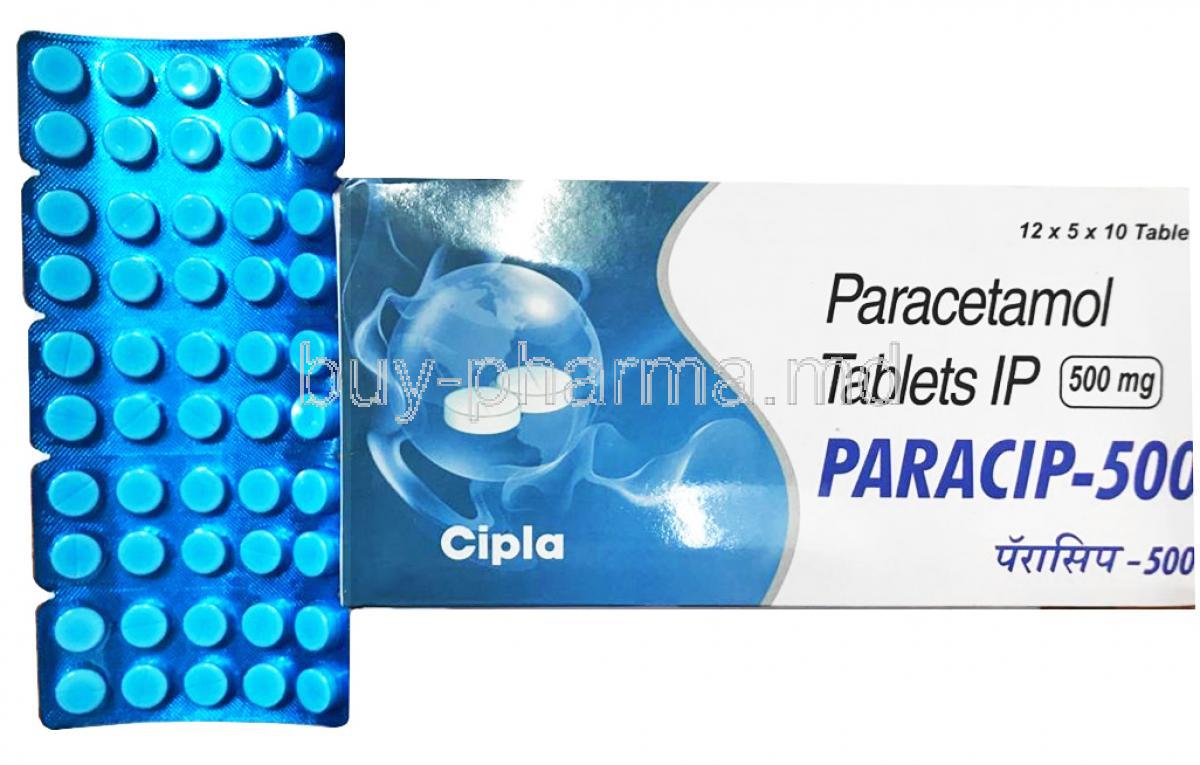
1. Introduction to Paracip (Paracetamol)
1.1 What is Paracip?
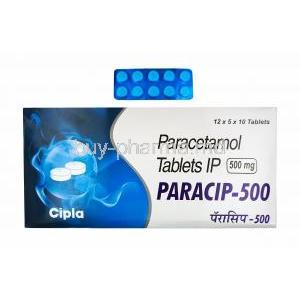
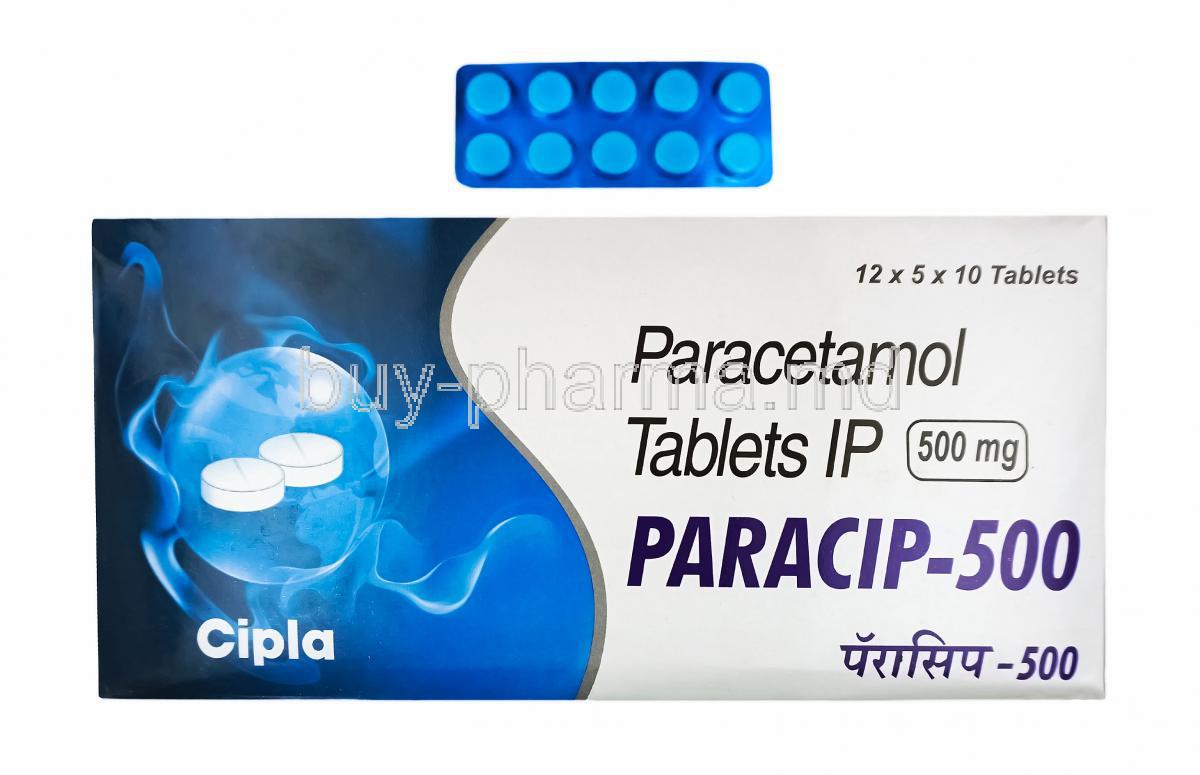
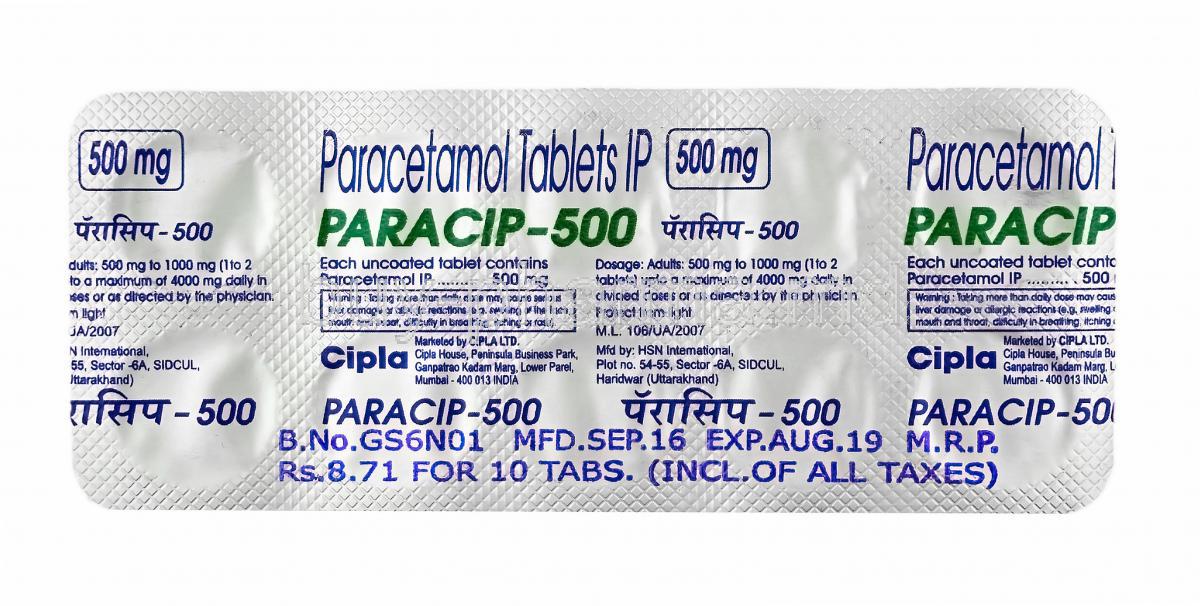
Paracip is a branded preparation of paracetamol, a widely used medicine for the relief of pain and reduction of fever. It is regarded as one of the most familiar non-opioid analgesics in modern therapeutics. Modest in profile yet clinically valuable, Paracip is frequently selected for short-term symptom control in both home and institutional settings.
Its appeal lies in versatility. It is commonly used for headaches, body aches, febrile illnesses, and minor painful conditions, especially where a gentler gastrointestinal profile is preferred over certain other pain relievers.
1.2 Overview of Paracetamol as an Analgesic and Antipyretic
Paracetamol is primarily categorized as an analgesic and antipyretic. In simple terms, it helps alleviate pain and lower elevated body temperature. Unlike many nonsteroidal anti-inflammatory drugs, it does not exert strong peripheral anti-inflammatory action. That distinction matters.
Because of this pharmacological character, paracetamol is often used when the therapeutic target is:
- Relief of mild to moderate pain
- Reduction of fever associated with infections or inflammatory states
- Symptomatic support in patients who may not tolerate NSAIDs well
Its clinical footprint is expansive, and its inclusion in numerous over-the-counter and prescription products underscores its longstanding relevance.
1.3 Brand Names, Availability, and Global Usage
Paracetamol is marketed across the world under many brand names, with Paracip being one such formulation. In some countries, the same active ingredient is also referred to as acetaminophen. Despite the difference in nomenclature, the therapeutic substance is the same.
It is available in a broad spectrum of formulations, making it accessible for diverse patient populations. Adults, children, postoperative patients, and individuals unable to swallow tablets may all receive suitable dosage forms. This ubiquity has made paracetamol a staple item in pharmacies, clinics, emergency departments, and household medicine cabinets.
1.4 Therapeutic Classification and Indications
Therapeutically, Paracip belongs to the class of non-opioid analgesics and antipyretics. It is not classified as an antibiotic, sedative, or anti-inflammatory cornerstone. Its principal indications are symptom-centered rather than disease-eradicating.
Common indications include:
- Fever reduction
- Headache relief
- Musculoskeletal discomfort
- Toothache and dental pain
- Pain after minor procedures or vaccinations
- Cold and flu-related aches
In clinical practice, it is frequently chosen either as a first-line option or as part of a multimodal pain management strategy.
2. Composition and Formulations
2.1 Active Ingredient: Paracetamol (Acetaminophen)
The active pharmaceutical ingredient in Paracip is paracetamol, also known internationally in some regions as acetaminophen. This compound is responsible for the medicine’s analgesic and antipyretic effects. It does not eradicate infection, nor does it cure the underlying cause of pain, but it often provides meaningful symptomatic respite.
Its therapeutic efficacy depends on proper dosing. Even though paracetamol is common, its pharmacological simplicity should not be mistaken for triviality. Dose excess can be hazardous.
2.2 Available Strengths and Dosage Forms (Tablets, Syrups, Injections, Suppositories)
Paracip and other paracetamol-containing products may be available in multiple strengths and dosage forms to suit different ages, clinical settings, and routes of administration. These may include:
- Tablets for routine adult use
- Oral syrups or suspensions for children and those with swallowing difficulty
- Intravenous injections for hospital use, especially in perioperative or acute care settings
- Suppositories for patients unable to take oral medicine
This formulation diversity improves treatment flexibility. It also demands vigilance, because using more than one product at the same time may unintentionally increase the total daily dose.
2.3 Excipients and Inactive Ingredients
In addition to paracetamol, Paracip contains excipients that help shape, preserve, stabilize, or flavor the product. These inactive ingredients vary depending on the dosage form and manufacturer. Tablets may contain binders, disintegrants, and coating materials, while syrups often include sweeteners, flavoring agents, and preservatives.
Though termed inactive, these substances can still matter clinically. Certain patients may have sensitivities to dyes, sweeteners, or preservatives, and those with dietary or metabolic restrictions may require careful label review.
2.4 Combination Products Containing Paracetamol
Paracetamol is frequently incorporated into combination medicines used for cough, cold, sinus symptoms, migraine, or stronger pain control. These products may pair paracetamol with:
- Decongestants
- Antihistamines
- Caffeine
- Opioids such as codeine or tramadol
- Other analgesics
This is clinically convenient, but it also creates a latent risk of duplication. Patients may take Paracip separately while also using a cold remedy containing paracetamol, thereby exceeding safe intake thresholds without realizing it.
3. Mechanism of Action (How It Works)
3.1 Central Inhibition of Prostaglandin Synthesis
Paracetamol is believed to act predominantly within the central nervous system by inhibiting prostaglandin synthesis. Prostaglandins are chemical mediators involved in pain signaling and the generation of fever. By attenuating their production centrally, paracetamol reduces the perception of pain and helps normalize body temperature.
The effect is subtle yet dependable. It does not produce the marked peripheral anti-inflammatory suppression seen with many NSAIDs, which partly explains its different clinical niche.
3.2 Role in Cyclooxygenase (COX) Pathway Modulation
Paracetamol modulates the cyclooxygenase pathway, though its exact mechanism remains more nuanced than that of classical NSAIDs. It appears to exert greater activity in central tissues than in inflamed peripheral tissues. This central selectivity contributes to analgesic and antipyretic efficacy while limiting certain peripheral effects.
The pharmacodynamic profile is therefore distinct. It is neither a robust anti-inflammatory agent nor a gastric irritant of the same order as many traditional NSAIDs.
3.3 Antipyretic Action on Hypothalamic Heat-Regulating Centers
Fever is regulated in part by the hypothalamus, the body’s thermoregulatory command center. During infection or inflammation, pyrogenic mediators may elevate the hypothalamic set point, causing body temperature to rise. Paracetamol helps counter this process by acting centrally to reduce that elevated set point.
As the set point normalizes, heat dissipation mechanisms such as sweating and vasodilation may occur. The result is a gradual reduction in fever, often accompanied by improved comfort.
3.4 Differences from NSAIDs in Anti-Inflammatory Activity
Although paracetamol relieves pain and fever effectively, it is not generally considered a strong anti-inflammatory medicine. This is one of the most important distinctions between paracetamol and NSAIDs such as ibuprofen or naproxen.
Key differences include:
- Paracetamol has minimal peripheral anti-inflammatory activity
- It is often gentler on the stomach at recommended doses
- It is not typically used as the primary agent for inflammatory arthritis control
- It may be preferred when NSAIDs are unsuitable or poorly tolerated
Thus, the choice between paracetamol and an NSAID depends on the symptom pattern, patient profile, and clinical objective.
3.5 Pharmacokinetics: Absorption, Distribution, Metabolism, and Excretion
Paracetamol is generally absorbed well after oral administration. It distributes throughout body fluids and reaches therapeutic levels relatively quickly. Most metabolism occurs in the liver, where the drug is processed mainly through glucuronidation and sulfation pathways.
A small fraction is converted into a reactive metabolite, often referred to as NAPQI. Under normal circumstances, this compound is detoxified by glutathione. In overdose states, however, glutathione reserves may become depleted, allowing toxic injury to hepatocytes. Excretion occurs chiefly through the kidneys in the form of metabolites.
4. Primary Uses of Paracip (Paracetamol)
4.1 Pain Relief (Mild to Moderate Pain Management)
Paracip is commonly used for mild to moderate pain, especially when a non-opioid option is appropriate. It is not usually the remedy of choice for severe trauma-related pain, but it serves well in a wide range of routine complaints.
Headache and Migraine Relief
It is often used for tension headaches and milder migraine episodes. In some individuals, it provides sufficient relief on its own; in others, it may be combined with additional therapies depending on the clinical context.
Musculoskeletal Pain (Back Pain, Arthritis, Myalgia)
Back pain, muscle aches, and generalized bodily discomfort are frequent reasons for paracetamol use. While its anti-inflammatory action is limited, it may still reduce pain intensity and improve daily functioning in patients with mild musculoskeletal symptoms.
Dental Pain and Post-Procedure Pain
Toothache, dental extraction discomfort, and pain after minor procedures are also common indications. It is often used alone for mild pain or alongside other analgesics in multimodal pain regimens.
4.2 Fever Reduction (Antipyretic Use)
Paracip is widely used for fever reduction. This applies across age groups, from pediatric febrile illnesses to adult viral syndromes and postoperative states.
Viral and Bacterial Infections
Fever accompanying respiratory infections, influenza-like illness, and other infectious conditions may be relieved with paracetamol. It improves comfort, though it does not treat the infection itself.
Pediatric Fever Management
Paracetamol is especially common in children when dosed appropriately by weight. Parents and caregivers often prefer liquid preparations, but careful measurement is essential to avoid underdosing or accidental excess.
4.3 Postoperative and Post-Vaccination Fever and Pain
After surgery or vaccination, patients may experience mild fever, soreness, or diffuse discomfort. Paracip is frequently used in these scenarios because it offers symptom relief without the sedative profile of opioids and without some of the gastrointestinal concerns associated with NSAIDs.
Its use in postoperative protocols is often strategic. It can reduce the need for stronger analgesics and contribute to more balanced pain control.
4.4 Cold and Flu Symptom Relief
Paracip is commonly used to manage the constitutional symptoms of colds and influenza, including:
- Fever
- Headache
- Body aches
- Malaise
It does not decongest the nose or suppress viral replication. Still, by easing aches and lowering fever, it often makes the illness more tolerable.
5. Expanded and Off-Label Uses
5.1 Chronic Pain Management as Adjunct Therapy
In chronic pain states, paracetamol may be used as an adjunct rather than a solitary solution. It is sometimes incorporated into broader treatment programs for patients requiring modest analgesic support without escalation to stronger medications.
Its role here is supplementary. The benefit may be incremental, yet clinically worthwhile in selected individuals.
5.2 Osteoarthritis and Rheumatic Conditions Support
Paracetamol has historically been used in osteoarthritis and related rheumatic complaints, particularly when inflammation is not the dominant feature or when NSAIDs are unsuitable. It may help diminish pain sufficiently to improve mobility, sleep, and daily activity.
Its value is generally symptom-based rather than disease-modifying. It does not halt joint degeneration.
5.3 Tension-Type Headaches and Mild Migraine Adjunct
For recurrent tension headaches and some mild migraine presentations, paracetamol may function either as a first option or as part of combination treatment. Timing matters. Early administration may improve results in certain patients.
5.4 Pain Management in Pregnancy (Under Medical Supervision)
Paracetamol is often considered when analgesia or fever control is needed during pregnancy, provided it is used under medical supervision and within recommended limits. Clinical discretion is important, particularly with prolonged use, repeated dosing, or concurrent health conditions.
The principle is conservative use. Necessary, measured, and medically guided.
5.5 Use in Palliative Care for Symptom Relief
In palliative settings, paracetamol may help ease low-grade pain, fever, and general discomfort. It is frequently used in conjunction with other analgesics, helping construct a layered and individualized symptom-control regimen.
5.6 Combination Therapy with Opioids for Enhanced Analgesia
Paracetamol is often paired with opioids in moderate pain management. This combination may enhance total analgesic efficacy while allowing lower opioid doses in some cases. Such synergy is useful, but it also necessitates close accounting of total paracetamol intake.
5.7 Management of Fever in Special Clinical Conditions
In medically fragile patients, postoperative individuals, or those with illness-related discomfort, paracetamol may be employed for fever control when other options are unsuitable. The appropriateness of use depends on liver function, concurrent medications, hydration status, and the overall clinical picture.
6. Dosage and Administration Guidelines
6.1 Standard Adult Dosage Recommendations
Adult dosing of paracetamol depends on the formulation, indication, and clinical setting. It is commonly administered in divided doses throughout the day rather than as a single large intake. The aim is stable symptom control without breaching the maximum safe daily amount.
Patients should follow the product labeling or the prescribing clinician’s instruction precisely. More is not better. Excess dosing is one of the principal dangers associated with paracetamol.
6.2 Pediatric Dosage Based on Weight and Age
In children, dosing is typically based on body weight and age. Liquid preparations are often used, but caregivers must measure doses with an appropriate dosing syringe, cup, or calibrated spoon rather than household cutlery, which can be inaccurate.
Important pediatric considerations include:
- Use age-appropriate formulations
- Check concentration carefully, as pediatric liquids may vary
- Avoid giving multiple paracetamol-containing medicines together
- Seek medical advice for persistent fever or repeated dosing needs
6.3 Maximum Daily Dose and Safety Limits
The maximum daily dose should never be exceeded. This threshold exists to reduce the risk of hepatotoxicity, which can occur even when symptoms are initially mild or delayed. Repeated supratherapeutic dosing can be especially insidious.
Safe use requires:
- Respecting the total daily limit
- Counting all sources of paracetamol, including combination products
- Adjusting use in patients with liver risk factors
6.4 Dosage Adjustments in Hepatic or Renal Impairment
Patients with liver disease, chronic alcohol exposure, malnutrition, or certain renal impairments may require more cautious dosing. In hepatic compromise, the capacity to metabolize paracetamol safely may be diminished. In renal impairment, dosing intervals may need review depending on severity and formulation.
These are not situations for casual self-adjustment. Medical guidance is advisable.
6.5 Frequency and Duration of Use
Paracip is generally used at spaced intervals to maintain efficacy while avoiding accumulation. It is often intended for short-term use unless a clinician directs otherwise. If pain or fever persists, the underlying cause should be reassessed rather than indefinitely masked.
6.6 Administration Routes and Instructions
Paracetamol may be administered orally, rectally, or intravenously depending on the formulation and clinical need. Oral administration is most common. Intravenous use is typically reserved for hospital environments, and suppositories may be used when oral intake is impractical.
Basic administration principles include:
- Use the correct measuring device for liquids
- Do not crush or alter dosage forms unless appropriate
- Follow timing instructions carefully
- Check labels for strength before each dose
7. Side Effects of Paracip (Paracetamol)
7.1 Overview of Potential Adverse Reactions
Paracetamol is generally well tolerated when used correctly, but side effects can still occur. Most are mild and infrequent, though rare serious reactions are clinically significant and should not be underestimated.
The overall tolerability profile is one reason for its extensive use. Nevertheless, safe familiarity must not become complacency.
7.2 Common Side Effects
Nausea and Vomiting
Some individuals may experience gastrointestinal unease, including nausea or occasional vomiting. These effects are usually mild and transient.
Mild Allergic Reactions
Minor hypersensitivity phenomena such as itching or mild swelling can occur in susceptible individuals. Though uncommon, these reactions merit caution, especially if symptoms progress.
Skin Rash
A rash may appear as a mild cutaneous reaction. Any new rash during treatment should be observed carefully, particularly if accompanied by fever, blistering, or mucosal involvement.
7.3 Rare but Serious Side Effects
Hepatotoxicity (Liver Damage)
The most important serious adverse effect is liver injury, particularly in overdose or in predisposed individuals. Hepatotoxicity may initially present with non-specific symptoms, which makes early recognition crucial.
Severe Skin Reactions (Stevens-Johnson Syndrome, Toxic Epidermal Necrolysis)
Rare but grave dermatologic reactions have been associated with paracetamol. These conditions may begin with rash, fever, or mucosal irritation and can progress rapidly. Immediate discontinuation and urgent medical evaluation are essential if such symptoms appear.
Blood Disorders (Thrombocytopenia)
In rare instances, paracetamol has been associated with hematologic abnormalities such as thrombocytopenia. This may manifest as unusual bruising, bleeding, or petechiae.
7.4 Long-Term Use Risks
Long-term or repeated use, especially at high doses, may increase the risk of liver injury and other complications. Chronic self-medication can also obscure an underlying diagnosis, allowing disease progression while symptoms are temporarily muted.
Protracted use should therefore be supervised when possible, particularly in older adults or patients with comorbid disease.
8. Drug Interactions
8.1 Interaction with Alcohol and Increased Liver Toxicity Risk
Alcohol can potentiate the risk of paracetamol-related liver injury, especially with chronic intake or excessive dosing. This interaction is clinically important because alcohol may alter liver enzyme activity and reduce the margin of safety.
Patients with frequent alcohol consumption should use paracetamol cautiously and ideally under medical advice.
8.2 Interaction with Anticoagulants (e.g., Warfarin)
Regular or prolonged paracetamol use may influence the effect of anticoagulants such as warfarin in some patients. This can increase the risk of altered clotting parameters and potentially bleeding complications.
Short intermittent use may be less problematic, but persistent combined use warrants monitoring.
8.3 Effects with Enzyme-Inducing Drugs (e.g., Rifampicin, Carbamazepine)
Certain medicines that induce hepatic enzymes may increase the formation of toxic metabolites from paracetamol. Drugs such as rifampicin and carbamazepine are notable examples. In patients taking these agents, even standard dosing may require additional caution depending on the broader clinical context.
8.4 Combination with Other Analgesics or NSAIDs
Paracetamol is often used with other pain relievers, including NSAIDs, in structured pain management plans. This can be therapeutically useful. However, combining analgesics should be deliberate, not improvised, especially in patients with renal disease, gastrointestinal vulnerability, or polypharmacy.
8.5 Herbal and Supplement Interactions
Some herbal products and supplements may affect liver function or alter drug metabolism. Although data are often less robust than for prescription medicines, caution remains prudent. Patients should disclose all supplements, especially when using paracetamol frequently or in higher-risk circumstances.
9. Warnings and Safety Considerations
9.1 Risk of Liver Damage and Overdose Toxicity
Paracetamol overdose is one of the most consequential medication toxicities worldwide. The danger is not always theatrically obvious at the start. Early symptoms may be minimal, while hepatic injury evolves silently.
This risk becomes greater with:
- Single large overdoses
- Repeated excess dosing over time
- Concurrent alcohol use
- Pre-existing liver disease
- Use of multiple paracetamol-containing products
9.2 Use in Chronic Alcohol Users
Chronic alcohol users may have a narrower safety margin with paracetamol. Liver metabolic pathways may already be stressed, and the detoxification of reactive metabolites may be less reliable. In such patients, cautious use and medical oversight are especially advisable.
9.3 Hidden Paracetamol in Combination Products
One of the most common sources of accidental overdose is the hidden presence of paracetamol in combination remedies. Cold and flu products, headache medicines, and prescription analgesic combinations may all contain it.
Label scrutiny is indispensable. Without it, total daily intake may rise unexpectedly.
9.4 Importance of Adhering to Recommended Dosages
Paracetamol should be taken strictly within the recommended dosage schedule. Escalating the dose because symptoms persist can be dangerous. Lack of response should prompt reassessment, not indiscriminate repetition.
9.5 Monitoring in Long-Term Use
When paracetamol is used regularly for prolonged periods, especially in medically complex patients, monitoring may be appropriate. This can include review of liver status, medication burden, dosing habits, and the continued need for therapy.
10. Contraindications
10.1 Hypersensitivity to Paracetamol or Components
Paracip should not be used in individuals with known hypersensitivity to paracetamol or any component of the formulation. Prior allergic reactions, even if they seemed modest, should be evaluated seriously before re-exposure.
10.2 Severe Hepatic Impairment or Active Liver Disease
Severe hepatic impairment and active liver disease are important contraindications or situations requiring strict avoidance depending on clinical severity. Because paracetamol metabolism occurs primarily in the liver, significant hepatic dysfunction can greatly elevate risk.
10.3 Chronic Alcoholism with Liver Dysfunction
Patients with chronic alcoholism accompanied by liver dysfunction face heightened vulnerability to toxicity. In these circumstances, use may be inappropriate or require stringent medical assessment before any administration is considered.
10.4 Known History of Severe Drug Reactions
A known history of severe drug-related skin reactions or other serious hypersensitivity syndromes in relation to paracetamol is a major contraindication. Rechallenge is generally avoided because the recurrence may be rapid and more severe.
11. Careful Administration (Use with Caution)
11.1 Patients with Mild to Moderate Liver Disease
Paracip should be used with circumspection in patients with mild to moderate liver disease. Because paracetamol is predominantly metabolized in the liver, any reduction in hepatic reserve may narrow the margin of safety. Even standard dosing may require closer consideration in susceptible individuals.
Clinical prudence is essential. Dose frequency, cumulative daily intake, and treatment duration should be reviewed carefully, particularly in patients with chronic hepatitis, fatty liver disease, alcohol-related hepatic stress, or fluctuating liver enzyme abnormalities.
- Lower total daily doses may be appropriate in selected patients
- Prolonged self-medication should be avoided
- Concurrent use of other hepatotoxic medicines should be assessed
- Medical supervision is advisable when repeated dosing is needed
Small decisions matter. A medicine commonly considered routine can become problematic when hepatic detoxification capacity is compromised.
11.2 Renal Impairment Considerations
Although paracetamol is chiefly metabolized in the liver, renal function still plays a role in the excretion of metabolites. In patients with renal impairment, particularly those with advanced dysfunction, dosing intervals may require adjustment depending on severity and formulation.
This does not automatically preclude use. However, it does invite greater pharmacotherapeutic discipline.
- Patients with chronic kidney disease may need individualized dosing schedules
- Repeated administration should be reviewed if symptoms persist
- Combination products should be scrutinized carefully to avoid unnecessary additive exposure
In medically complex patients, especially those receiving multiple renally relevant therapies, medication review is prudent rather than optional.
11.3 Malnourished or Dehydrated Patients
Malnourished or dehydrated individuals may be more vulnerable to adverse outcomes during paracetamol therapy. Nutritional depletion can reduce glutathione reserves, which are important for detoxifying reactive metabolites. Dehydration may further complicate the clinical picture, particularly when fever, vomiting, or systemic illness is present.
These patients can appear deceptively stable. Beneath that surface, physiologic resilience may already be attenuated.
- Use should be cautious in individuals with poor oral intake
- Repeated dosing during acute illness warrants attention
- Underlying frailty may amplify toxicity risk
When nutritional compromise or fluid depletion is evident, the safest course often involves careful reassessment rather than routine continuation.
11.4 Elderly Patients with Comorbidities
Older adults frequently present with multiple comorbidities, altered pharmacokinetics, and polypharmacy. In such patients, Paracip may still be useful, but it should be administered with measured caution. Age alone is not the only concern; physiologic reserve, liver status, kidney function, cognition, and medication burden all influence safety.
Frailty changes the equation. What is straightforward in a younger adult may require more meticulous stewardship in geriatric care.
- Assess total daily intake carefully
- Review concomitant drugs for hidden paracetamol content
- Consider hepatic and renal function before repeated use
- Monitor for non-specific signs of adverse effects, as presentations may be subtle
11.5 Patients Taking Multiple Medications
Patients taking multiple medications require extra vigilance when using Paracip. Polypharmacy increases the probability of drug interactions, duplicate ingredients, hepatic burden, and dosing confusion. This is particularly relevant in patients using cold remedies, pain combinations, anticoagulants, anticonvulsants, or prescription cough formulations.
The risk is often not dramatic. It is cumulative, layered, and easy to overlook.
- Check all prescription and over-the-counter products for paracetamol content
- Evaluate possible interactions with liver enzyme-inducing drugs
- Review anticoagulant therapy if paracetamol is used repeatedly
- Encourage patients to keep a clear medication list
12. Important Precautions for Safe Use
12.1 Avoiding Duplicate Therapy with Other Paracetamol Products
One of the most important precautions with Paracip is avoiding duplicate therapy. Many patients unknowingly take more than one paracetamol-containing product at the same time, especially when using cold and flu remedies, headache tablets, or opioid combination analgesics.
This is a common source of accidental overdose. Quiet, preventable, and potentially dangerous.
- Check labels of all concurrent medications
- Do not combine Paracip with other acetaminophen-containing products unless specifically advised
- Be especially cautious during self-treatment of viral illnesses
12.2 Reading Labels and Dosage Instructions Carefully
Labels should be read carefully before each use, even if the medicine has been used before. Strengths, formulations, and dosing intervals can differ. Pediatric syrups, adult tablets, and hospital formulations are not interchangeable without proper dose calculation.
Precision matters. A small misunderstanding of strength or timing can alter the total daily intake significantly.
- Confirm the amount of paracetamol per dose
- Follow the dosing interval exactly as instructed
- Use proper measuring devices for liquid preparations
- Do not rely on memory when multiple medications are involved
12.3 Limiting Alcohol Intake During Treatment
Alcohol intake should be limited during treatment with Paracip, particularly when repeated dosing is required. Alcohol may increase the risk of liver toxicity, especially in patients with chronic use, poor nutritional status, or underlying hepatic dysfunction.
Even when symptoms seem minor, the biochemical burden may not be. That is the hidden hazard.
- Avoid heavy alcohol consumption while taking paracetamol
- Use extra caution in habitual drinkers
- Seek medical advice if liver risk factors are present
12.4 Recognizing Early Signs of Toxicity
Early signs of paracetamol toxicity may be deceptively mild, which makes recognition difficult in the initial phase. Nausea, vomiting, malaise, pallor, abdominal discomfort, or loss of appetite can appear before more serious hepatic injury becomes apparent.
This early ambiguity is clinically important. Patients may feel only mildly unwell while liver injury is already evolving.
- Nausea or vomiting after excess intake should not be ignored
- Right upper abdominal pain may suggest hepatic involvement
- Confusion, lethargy, or worsening illness require urgent evaluation
- Any suspected overdose should be treated as a medical emergency
12.5 Consulting Healthcare Providers for Prolonged Symptoms
If pain or fever persists despite recommended use of Paracip, further medical evaluation is warranted. Prolonged symptoms may indicate an underlying condition that requires diagnosis and targeted treatment rather than continued symptomatic suppression.
Persistent self-treatment can obscure important clinical clues. Temporary relief is not the same as resolution.
- Seek medical advice if fever continues for several days
- Consult a clinician for recurrent or worsening pain
- Do not extend treatment duration indefinitely without review
13. Administration in Special Populations
13.1 Administration to Elderly Patients
Paracip may be used in elderly patients, but administration should be individualized. Older adults often have altered hepatic and renal function, greater susceptibility to dehydration, and higher rates of concomitant medication use. These features can modify both safety and tolerability.
Dose Adjustments and Monitoring
Dose adjustments may be appropriate in selected elderly patients, especially those with organ impairment, frailty, low body weight, or chronic disease. Monitoring is advisable when repeated dosing is necessary or when prolonged use is anticipated.
- Review liver and kidney function when clinically relevant
- Check for duplicate paracetamol-containing products
- Use the lowest effective dose for the shortest suitable duration
Increased Sensitivity to Adverse Effects
Older adults may experience adverse effects in less conspicuous ways. Fatigue, confusion, reduced appetite, or functional decline may be the first signals that something is amiss. Clinical observation should therefore extend beyond overt gastrointestinal or dermatologic complaints.
13.2 Administration to Pregnant Women
Paracetamol is often considered one of the more commonly used options for pain and fever relief during pregnancy when clinically indicated. Even so, it should be used judiciously, at the lowest effective dose, and for the shortest necessary duration.
Safety Profile During Pregnancy
Its use in pregnancy has been widespread, and it is often selected when symptom control is needed without the gastrointestinal and pharmacologic profile associated with certain alternatives. However, indiscriminate or prolonged use is not advisable.
- Use only when clearly needed
- Avoid excessive or repeated unsupervised dosing
- Consult a healthcare professional if symptoms persist
Trimester-Specific Considerations
Clinical judgment remains important in every trimester. The need for treatment, maternal condition, dosing frequency, and the presence of coexisting illness should all be considered. Persistent fever during pregnancy, in particular, warrants medical attention because the underlying cause may be more important than the symptom itself.
13.3 Administration to Nursing Mothers
Paracip may be used during breastfeeding in many circumstances, but prudent use remains important. The amount transferred into breast milk is generally low, yet safe practice still requires appropriate dosing and clinical awareness.
Transfer into Breast Milk
Paracetamol passes into breast milk in small quantities. This transfer is usually limited and not typically associated with major adverse effects when maternal dosing remains within recommended limits.
Safety for Breastfed Infants
When used appropriately, paracetamol is generally regarded as compatible with breastfeeding. Nevertheless, mothers should avoid excessive dosing and seek medical guidance if repeated use becomes necessary or if the infant shows unusual symptoms.
- Use recommended doses only
- Avoid taking multiple paracetamol-containing products
- Consult a healthcare provider for prolonged maternal treatment
13.4 Administration to Children
Paracetamol is widely used in children, but pediatric administration demands precision. Dosing errors are more likely when liquid concentrations differ, measuring devices are inaccurate, or multiple caregivers administer doses independently.
Age-Appropriate Formulations
Children should receive age-appropriate formulations such as pediatric syrups, suspensions, suppositories, or other suitable preparations depending on age and clinical need. Adult tablets should not be improvised as substitutes unless properly directed and measured.
Safe Pediatric Dosing Guidelines
Dosing should be based on body weight and age according to the product instructions or medical advice. Caregivers should record doses when repeated administration is needed, especially during nighttime fever management.
- Use only pediatric formulations designed for the child’s age group
- Measure carefully with a calibrated device
- Do not exceed the recommended daily dose
- Seek medical advice for persistent fever, lethargy, or reduced intake
14. Overdosage and Emergency Management
14.1 Symptoms of Paracetamol Overdose
Paracetamol overdose may begin with symptoms that seem unremarkable. Early manifestations can include nausea, vomiting, pallor, sweating, malaise, and abdominal discomfort. This initial period can be misleadingly quiet, giving a false impression of safety.
As toxicity progresses, more serious findings may emerge, including:
- Right upper quadrant pain
- Worsening nausea or persistent vomiting
- Jaundice
- Confusion or lethargy
- Signs of liver failure in severe cases
The absence of dramatic early symptoms does not exclude danger. That is one of the most treacherous features of paracetamol poisoning.
14.2 Toxic Dose Thresholds
Toxicity risk depends on the amount ingested, body weight, timing, coexisting liver risk factors, alcohol use, nutritional status, and whether the excess occurred as a single acute ingestion or repeated supratherapeutic dosing. There is no wise reason to estimate casually at home when overdose is suspected.
Any intake above recommended limits should be taken seriously, especially in children, frail adults, or patients with liver vulnerability. Emergency assessment is warranted when there is uncertainty.
14.3 Mechanism of Hepatotoxicity (NAPQI Formation)
Most paracetamol is metabolized safely through glucuronidation and sulfation. A smaller proportion is converted by hepatic enzymes into a reactive metabolite called N-acetyl-p-benzoquinone imine, commonly abbreviated as NAPQI. Under ordinary conditions, glutathione neutralizes this metabolite effectively.
In overdose, glutathione reserves become depleted. Once that protective buffer is exhausted, NAPQI binds to hepatocellular proteins and initiates toxic injury. The result can be severe liver damage, and in advanced cases, fulminant hepatic failure.
This is the biochemical fulcrum of toxicity. Small molecule, large consequence.
14.4 Immediate Treatment (N-Acetylcysteine Therapy)
N-acetylcysteine is the principal antidotal treatment for paracetamol overdose. It replenishes glutathione stores, helps detoxify NAPQI, and markedly improves outcomes when administered promptly. Timing is critical.
Treatment may also include:
- Urgent medical evaluation
- Assessment of time and amount of ingestion
- Blood testing for paracetamol levels and liver function
- Supportive care and monitoring
Patients should not wait for symptoms to worsen before seeking help. Early antidotal therapy is one of the most decisive factors in preventing serious hepatic injury.
14.5 Importance of Early Medical Intervention
Early medical intervention is essential in any suspected overdose. Delayed treatment can permit silent progression of hepatotoxicity, narrowing the opportunity for effective reversal. Even if the patient appears well, emergency assessment is still necessary.
Time matters. In paracetamol toxicity, it matters enormously.
15. Storage and Stability
15.1 Recommended Storage Conditions
Paracip should be stored according to the product instructions, generally in a cool, dry place at controlled room temperature unless otherwise specified. The medicine should remain in its original container or packaging to preserve labeling clarity and product stability.
Improper storage can compromise quality, especially in liquid or injectable formulations.
15.2 Protection from Heat, Light, and Moisture
Excessive heat, direct light, and humidity may degrade medicinal products or reduce formulation integrity over time. Bathrooms, kitchen windowsills, and vehicles are often poor storage locations because temperature and moisture levels fluctuate considerably.
- Keep away from direct sunlight
- Avoid storage near stoves, heaters, or damp areas
- Ensure bottle caps and containers are tightly closed after use
15.3 Shelf Life and Expiry Considerations
Paracip should not be used beyond its expiry date. Shelf life reflects the period during which the manufacturer can assure acceptable potency, quality, and stability when the product is stored properly. Once expired, reliability may diminish.
Liquid preparations deserve particular attention. Changes in color, odor, texture, or clarity should prompt disposal, even if the printed expiry date has not yet elapsed.
15.4 Safe Storage Away from Children
All medicines, including commonly used products such as paracetamol, should be stored out of the sight and reach of children. Familiarity is not safety. A medicine that is harmless in proper doses can be dangerous in accidental ingestion.
- Store in child-resistant containers when available
- Keep medicines in secure cabinets or elevated locations
- Do not leave dosing syringes or bottles unattended after use
16. Handling and Disposal Precautions
16.1 Proper Handling of Tablets, Syrups, and Injections
Paracip should be handled carefully and in accordance with its dosage form. Tablets should be kept dry and handled with clean hands. Syrups should be measured accurately using a calibrated device. Injections should be administered only in appropriate clinical settings and handled using correct aseptic technique where applicable.
Each formulation has its own practical demands. Accuracy and cleanliness are part of safe use, not ancillary details.
- Do not transfer medicine into unlabelled containers
- Shake suspensions if instructed on the label
- Use only intact packaging and unexpired products
- Do not share prescription formulations between patients
16.2 Disposal of Expired or Unused Medication
Expired or unused Paracip should be disposed of responsibly. Retaining old medicines for uncertain future use increases the likelihood of confusion, accidental administration, and potency-related concerns.
Preferred disposal methods include:
- Following local pharmacy take-back guidance where available
- Using authorized medicine disposal programs
- Avoiding casual reuse of leftover medication without medical review
Unwanted medication should not linger indefinitely in household drawers, where it may be forgotten, misidentified, or misused.
16.3 Environmental Considerations
Medicines should be disposed of in ways that minimize environmental contamination. Improper disposal may allow pharmaceutical residues to enter water systems or the surrounding environment. Although individual amounts may seem small, cumulative impact is a legitimate concern.
Where community disposal services exist, they should be used. That is the more responsible route.
16.4 Avoiding Accidental Exposure
Accidental exposure may occur through unsupervised access, dosing confusion, mislabeled containers, or improper storage. Households with children, elderly persons, visually impaired individuals, or multiple caregivers should be especially careful.
- Label medicines clearly
- Store separately from non-medicinal liquids and food items
- Record pediatric doses if more than one caregiver is involved
- Discard damaged or leaking containers promptly and safely
Safe handling is not merely administrative. It is a practical extension of clinical safety.
Customers also bought
Popular Products