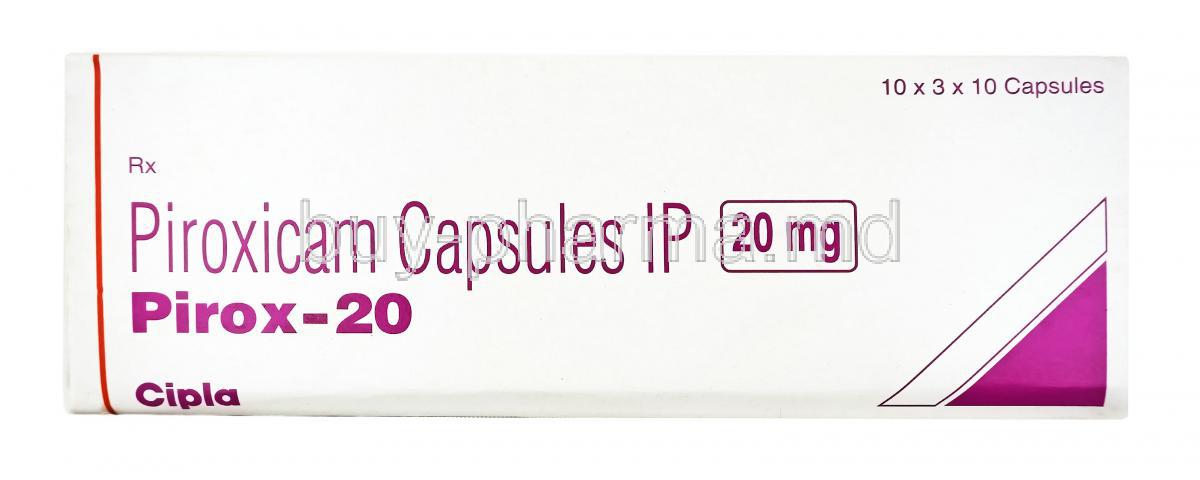
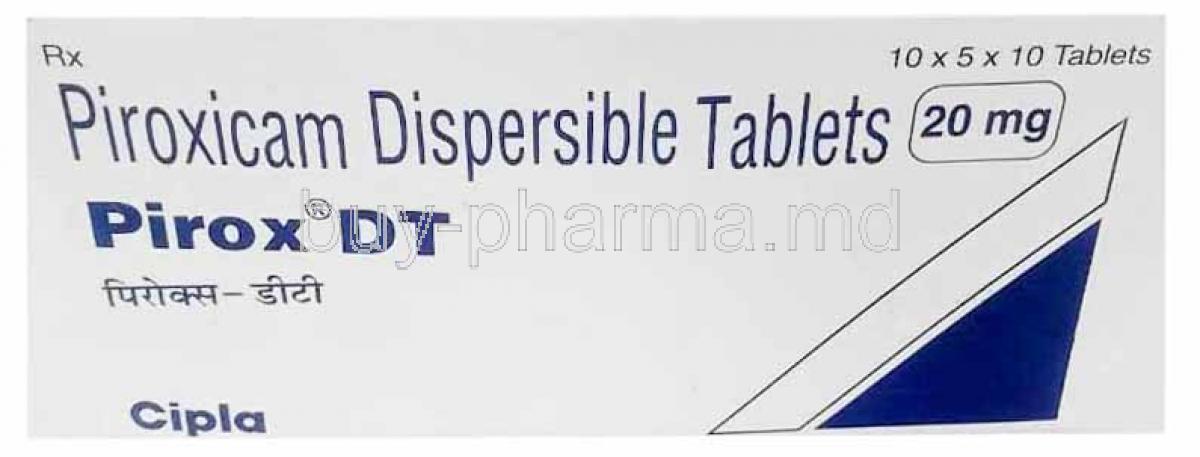
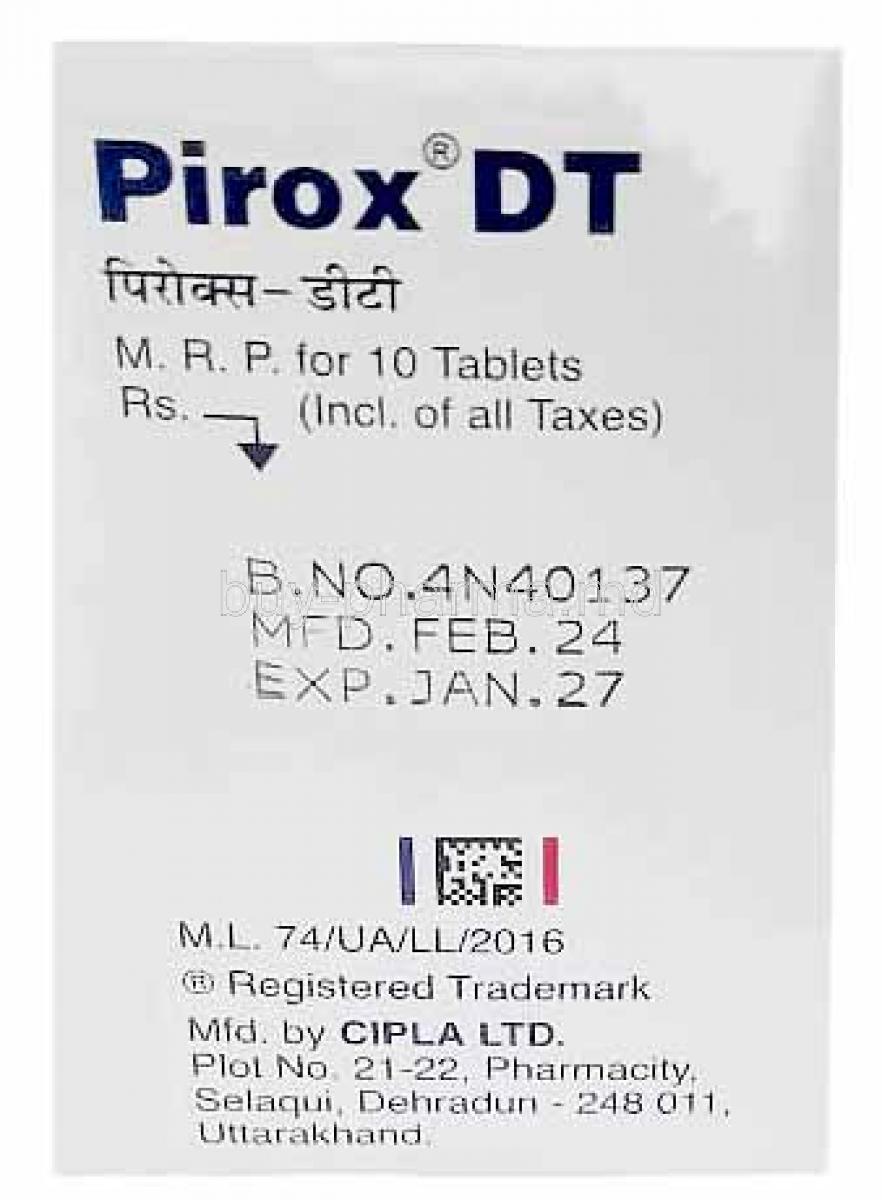

1. Introduction to Pirox (Piroxicam)
1.1 Overview of Piroxicam as a Nonsteroidal Anti-Inflammatory Drug (NSAID)
Piroxicam is a long-acting nonsteroidal anti-inflammatory drug (NSAID) widely utilized for the mitigation of pain, inflammation, and fever. It belongs to the oxicam class, distinguished by prolonged pharmacological activity. Its efficacy stems from the attenuation of inflammatory cascades. Clinically, it is favored for chronic inflammatory disorders due to its sustained duration of action.
- Provides analgesic relief
- Reduces inflammatory swelling
- Exhibits antipyretic properties
1.2 Brand Names, Generic Availability, and Global Market Presence
Piroxicam is marketed under various brand names globally, including Pirox, Feldene, and others. Generic formulations are widely accessible, enhancing affordability and therapeutic reach. Its ubiquity in both developed and emerging markets underscores its clinical relevance.
1.3 Therapeutic Classification and Clinical Role in Pain Management
Classified as a non-selective NSAID, piroxicam plays a pivotal role in managing chronic musculoskeletal pain. It is particularly advantageous in conditions requiring continuous symptom suppression. Its once-daily dosing regimen improves adherence.
1.4 Historical Development and Approval Status
Developed in the latter half of the 20th century, piroxicam gained regulatory approval following extensive clinical evaluation. Its enduring presence in therapeutic protocols reflects its established efficacy and tolerability profile.
2. Composition and Formulations
2.1 Active Ingredient: Piroxicam – Chemical Structure and Properties
The active moiety, piroxicam, is a lipophilic compound with high protein-binding affinity. Its chemical stability supports extended shelf life. The molecular structure facilitates systemic distribution and prolonged therapeutic action.
2.2 Available Dosage Forms (Tablets, Capsules, Gel, Injectable Forms)
Piroxicam is available in multiple formulations, catering to diverse clinical needs:
- Oral tablets and capsules for systemic use
- Topical gels for localized relief
- Injectable forms in select clinical settings
2.3 Strength Variations and Excipients
Common strengths include 10 mg and 20 mg. Excipients vary by manufacturer and may influence absorption kinetics. These inactive components ensure stability and bioavailability.
2.4 Pharmaceutical Characteristics and Bioavailability
Piroxicam exhibits high oral bioavailability. Its pharmacokinetic profile is marked by minimal first-pass metabolism, enabling efficient systemic exposure. The drug maintains consistent plasma levels over extended periods.
3. Mechanism of Action (How Piroxicam Works)
3.1 Inhibition of Cyclooxygenase (COX-1 and COX-2) Enzymes
Piroxicam exerts its therapeutic effects by inhibiting cyclooxygenase enzymes, specifically COX-1 and COX-2. This dual inhibition modulates prostanoid synthesis. Consequently, inflammatory signaling is diminished.
3.2 Reduction of Prostaglandin Synthesis and Inflammatory Mediators
By suppressing prostaglandin production, piroxicam reduces vasodilation, edema, and nociceptor sensitization. The inflammatory milieu becomes less pronounced. Pain perception is attenuated.
3.3 Analgesic, Anti-Inflammatory, and Antipyretic Effects
The pharmacological triad includes:
- Analgesia for pain relief
- Anti-inflammatory effects to reduce swelling
- Antipyretic action for fever control
3.4 Pharmacodynamic Profile and Duration of Action
Piroxicam demonstrates a prolonged half-life, allowing once-daily dosing. This extended activity enhances convenience but necessitates cautious use to avoid accumulation.
4. Approved Uses of Pirox (Piroxicam)
4.1 Management of Osteoarthritis Pain and Inflammation
Piroxicam alleviates joint pain, stiffness, and functional impairment associated with osteoarthritis. It improves mobility and quality of life.
4.2 Treatment of Rheumatoid Arthritis Symptoms
In rheumatoid arthritis, it reduces synovial inflammation and joint tenderness. Chronic administration may help control disease-related discomfort.
4.3 Relief of Musculoskeletal Pain and Joint Stiffness
It is effective in treating general musculoskeletal conditions, including back pain and soft tissue inflammation.
4.4 Ankylosing Spondylitis Symptom Control
Piroxicam provides symptomatic relief in ankylosing spondylitis, improving spinal flexibility and reducing discomfort.
5. Expanded and Off-Label Uses of Piroxicam
5.1 Acute Gout Attack Management
Piroxicam may be employed to alleviate acute gout flares by suppressing inflammatory responses triggered by urate crystals.
5.2 Postoperative Pain Relief
Its analgesic properties make it useful in managing postoperative discomfort, particularly in orthopedic procedures.
5.3 Dysmenorrhea (Menstrual Pain) Treatment
Piroxicam reduces uterine prostaglandin synthesis, thereby mitigating menstrual cramps.
5.4 Dental Pain and Inflammation Control
It is often used for short-term relief following dental procedures.
5.5 Soft Tissue Injuries and Sports-Related Inflammation
Topical and systemic formulations aid in managing sprains, strains, and sports injuries.
5.6 Migraine and Headache Symptom Relief
In certain cases, piroxicam may help reduce headache intensity and associated inflammation.
5.7 Fever Reduction in Select Cases
Although not first-line, it can be used as an antipyretic when necessary.
5.8 Adjunct Use in Certain Chronic Pain Syndromes
Piroxicam may serve as an adjunct in complex pain conditions requiring anti-inflammatory support.
6. Dosage and Administration Guidelines
6.1 Standard Adult Dosage for Chronic Conditions
Typical dosing involves 20 mg once daily or divided doses. The regimen depends on clinical indication.
6.2 Dose Adjustment Based on Severity and Clinical Response
Dosage may be modified according to therapeutic response and tolerability. Individualization is essential.
6.3 Administration with Food to Minimize Gastrointestinal Effects
Taking piroxicam with meals reduces gastric irritation. This simple measure enhances tolerability.
6.4 Duration of Therapy and Long-Term Use Considerations
Long-term use requires periodic evaluation due to potential adverse effects. The lowest effective dose is recommended.
6.5 Missed Dose Instructions and Compliance Tips
If a dose is missed, it should be taken as soon as remembered, unless it is near the next scheduled dose. Doubling doses should be avoided.
7. Pharmacokinetics and Metabolism
7.1 Absorption and Time to Peak Plasma Concentration
Piroxicam is well absorbed orally, with peak plasma levels typically achieved within several hours.
7.2 Distribution in Body Tissues and Protein Binding
It exhibits extensive plasma protein binding, ensuring widespread tissue distribution.
7.3 Hepatic Metabolism Pathways
The drug undergoes hepatic metabolism, primarily via hydroxylation and conjugation pathways.
7.4 Elimination Half-Life and Renal Excretion
Its long half-life supports once-daily dosing. Elimination occurs through renal and biliary routes.
7.5 Implications for Once-Daily Dosing
The sustained plasma concentration profile simplifies dosing schedules and enhances adherence.
8. Side Effects of Piroxicam
8.1 Overview of Adverse Reaction Profile
Piroxicam is associated with a spectrum of adverse effects. These range from mild to severe. Monitoring is advisable.
8.2 Common Gastrointestinal Disturbances
Gastrointestinal symptoms are among the most frequent. These include irritation and discomfort.
8.3 Central Nervous System Effects (Dizziness, Headache)
Some individuals may experience dizziness or mild headaches during therapy.
8.4 Dermatological Reactions (Rash, Photosensitivity)
Skin reactions, though less common, may occur and require attention.
8.5 Cardiovascular Risks (Hypertension, Edema)
Piroxicam may contribute to fluid retention and elevated blood pressure in susceptible individuals.
9. Common Side Effects (Frequently Reported)
9.1 Nausea, Indigestion, and Abdominal Pain
These are the most commonly reported symptoms, often mild and transient.
9.2 Heartburn and Mild Gastrointestinal Irritation
Gastric discomfort may occur, particularly with prolonged use.
9.3 Mild Headache or Drowsiness
Neurological symptoms are generally mild and self-limiting.
9.4 Fluid Retention and Peripheral Swelling
Edema may develop in certain patients, especially with extended therapy.
10. Serious Side Effects and Risks
10.1 Gastrointestinal Ulceration, Bleeding, and Perforation
Severe gastrointestinal complications can occur, particularly in high-risk populations.
10.2 Increased Risk of Cardiovascular Events (Heart Attack, Stroke)
Long-term use may elevate cardiovascular risk. Vigilance is necessary.
10.3 Severe Skin Reactions (Stevens-Johnson Syndrome, Toxic Epidermal Necrolysis)
Rare but life-threatening dermatological reactions require immediate discontinuation.
10.4 Hepatotoxicity and Liver Function Abnormalities
Liver enzyme elevations may occur and should be monitored periodically.
10.5 Renal Impairment and Electrolyte Imbalance
Renal function may be compromised, particularly in vulnerable patients. Regular assessment is recommended.
11. Drug Interactions
11.1 Interaction with Other NSAIDs and Increased Toxicity Risk
Concurrent use of piroxicam with other nonsteroidal anti-inflammatory drugs potentiates cumulative toxicity. This combination amplifies gastrointestinal and renal risks. Therapeutic duplication should be strictly avoided.
- Increased risk of gastric ulceration
- Heightened renal burden
- No additional analgesic benefit in most cases
11.2 Anticoagulants and Antiplatelet Drugs (Bleeding Risk)
Piroxicam may exacerbate bleeding tendencies when co-administered with anticoagulants or antiplatelet agents. This interaction is clinically significant. Vigilant monitoring of coagulation parameters is imperative.
11.3 Corticosteroids and Gastrointestinal Complications
Simultaneous administration with corticosteroids augments the risk of gastrointestinal mucosal injury. The synergistic erosive effect may precipitate ulceration or bleeding.
11.4 Antihypertensive Medications (Reduced Efficacy)
Piroxicam may attenuate the antihypertensive efficacy of certain medications. This includes ACE inhibitors and beta-blockers. Blood pressure monitoring becomes essential in such scenarios.
11.5 Diuretics and Risk of Kidney Dysfunction
Co-administration with diuretics may compromise renal perfusion. The risk of nephrotoxicity increases, particularly in dehydrated individuals or those with pre-existing renal impairment.
11.6 Lithium and Methotrexate Toxicity Enhancement
Piroxicam can elevate plasma concentrations of lithium and methotrexate. This pharmacokinetic interaction may lead to toxicity. Dose adjustments or alternative therapies may be required.
11.7 Alcohol Interaction and GI Irritation Risk
Alcohol consumption during piroxicam therapy exacerbates gastrointestinal irritation. It increases the likelihood of gastritis and bleeding. Abstinence or moderation is strongly advised.
12. Contraindications
12.1 Hypersensitivity to Piroxicam or Other NSAIDs
Piroxicam is contraindicated in individuals with known hypersensitivity to the drug or related NSAIDs. Allergic manifestations may be severe and unpredictable.
12.2 History of NSAID-Induced Asthma or Allergic Reactions
Patients with NSAID-induced bronchospasm or allergic reactions should avoid piroxicam. Cross-reactivity is well documented.
12.3 Active Gastrointestinal Ulcer or Bleeding Disorders
Active peptic ulcer disease or bleeding disorders preclude the use of piroxicam. The drug may exacerbate mucosal injury.
12.4 Severe Heart Failure or Cardiovascular Disease
Severe cardiovascular conditions represent a contraindication due to the potential for fluid retention and thrombotic events.
12.5 Advanced Renal or Hepatic Impairment
Patients with significant renal or hepatic dysfunction should not receive piroxicam. Impaired metabolism and excretion increase toxicity risk.
13. Warnings and Safety Information
13.1 Cardiovascular Thrombotic Risk Warning
NSAIDs, including piroxicam, are associated with an elevated risk of cardiovascular thrombotic events. This risk may manifest early in treatment. Long-term use further compounds the hazard.
13.2 Gastrointestinal Risk and Black Box Warnings
Serious gastrointestinal adverse events, including bleeding and perforation, may occur without warning. Elderly patients are particularly susceptible.
13.3 Risk of Serious Skin Reactions
Rare but severe dermatological reactions such as Stevens-Johnson syndrome may develop. Immediate discontinuation is warranted at the first sign of rash.
13.4 Monitoring Requirements During Long-Term Therapy
Chronic administration necessitates periodic monitoring. Key parameters include:
- Liver function tests
- Renal function markers
- Complete blood count
13.5 Avoidance in High-Risk Patient Populations
Patients with multiple comorbidities require cautious evaluation before initiation. Alternative therapies may be preferable in high-risk cohorts.
14. Careful Administration (Use with Caution)
14.1 Patients with Mild to Moderate Renal Impairment
Renal function should be closely monitored in these patients. Dose adjustments may be necessary to mitigate accumulation.
14.2 Individuals with Liver Dysfunction
Hepatic metabolism of piroxicam necessitates caution in liver impairment. Regular biochemical monitoring is advised.
14.3 Patients with Hypertension or Cardiovascular Risk Factors
Piroxicam may exacerbate hypertension and fluid retention. Careful assessment of cardiovascular status is essential.
14.4 History of Gastrointestinal Disorders
Patients with prior gastrointestinal pathology are at heightened risk of complications. Gastroprotective strategies may be considered.
14.5 Patients Receiving Polypharmacy
Polypharmacy increases the likelihood of drug interactions. A comprehensive medication review is indispensable.
15. Important Precautions for Safe Use
15.1 Minimizing Dose and Duration to Reduce Risk
The principle of using the lowest effective dose for the shortest duration remains paramount. This approach reduces adverse event probability.
15.2 Importance of Regular Medical Monitoring
Routine clinical evaluation ensures early detection of complications. Monitoring enhances therapeutic safety.
15.3 Avoiding Concurrent NSAID Use
Simultaneous use of multiple NSAIDs should be avoided. It offers negligible benefit and increases toxicity.
15.4 Hydration and Kidney Protection Measures
Adequate hydration supports renal perfusion. Patients should maintain sufficient fluid intake.
15.5 Recognizing Early Signs of Adverse Effects
Patients should be educated to identify early warning signs such as:
- Persistent abdominal pain
- Unusual fatigue
- Skin eruptions
16. Administration in Special Populations
16.1 Use in Elderly Patients – Dose Adjustment and Risk Factors
Elderly individuals exhibit increased susceptibility to adverse effects. Dose reduction and close monitoring are recommended.
16.2 Administration in Pregnant Women – Trimester-Specific Risks
Piroxicam use during pregnancy, particularly in the third trimester, is generally contraindicated. It may adversely affect fetal circulation.
16.3 Use During Breastfeeding – Safety Considerations
Piroxicam may be excreted in breast milk. Caution is advised, and risk-benefit assessment is necessary.
16.4 Pediatric Use – Safety and Limited Indications
Use in pediatric populations is limited. Safety and efficacy data are not well established for routine use.
17. Overdosage and Toxicity Management
17.1 Symptoms of Acute Piroxicam Overdose
Overdose manifestations may include gastrointestinal distress, dizziness, and central nervous system depression. Severe cases can involve organ dysfunction.
17.2 Emergency Management and Supportive Care
Management is primarily supportive. Stabilization of vital functions is the initial priority.
17.3 Role of Activated Charcoal and Gastric Decontamination
Activated charcoal may be administered in early stages to limit drug absorption. Gastric decontamination may be considered in select cases.
17.4 Monitoring for Complications
Continuous monitoring is essential to detect complications such as renal impairment or gastrointestinal bleeding.
18. Storage and Stability
18.1 Recommended Storage Conditions (Temperature, Humidity)
Piroxicam should be stored at controlled room temperature. Excessive heat and humidity should be avoided to preserve stability.
18.2 Shelf Life and Expiry Considerations
Adherence to expiration dates ensures therapeutic efficacy. Degraded products may lose potency.
18.3 Proper Packaging and Protection from Light
Original packaging protects the drug from environmental degradation. Light exposure should be minimized.
19. Handling Precautions
19.1 Safe Handling and Dispensing Guidelines
Proper handling minimizes contamination risks. Healthcare providers should adhere to dispensing protocols.
19.2 Avoiding Contamination and Improper Storage
Medications should be kept in clean, dry environments. Improper storage may compromise quality.
19.3 Disposal of Unused or Expired Medication
Unused or expired medication should be disposed of responsibly. Local pharmaceutical disposal guidelines should be followed.
20. Patient Counseling and Practical Tips
20.1 How to Take Piroxicam Safely
Piroxicam should be taken as prescribed, preferably with food. Consistency in dosing enhances therapeutic outcomes.
20.2 What to Avoid While Using This Medication
Patients should avoid alcohol and unnecessary NSAID combinations. Such practices reduce adverse risk.
20.3 When to Seek Medical Attention
Immediate medical attention is warranted if severe symptoms arise, including chest pain, gastrointestinal bleeding, or allergic reactions.
20.4 Lifestyle Adjustments to Enhance Treatment Outcomes
Adjunct lifestyle measures can optimize therapy:
- Maintain a balanced diet
- Engage in appropriate physical activity
- Avoid smoking and excessive alcohol consumption

Customers also bought



Popular Products


Similar Product