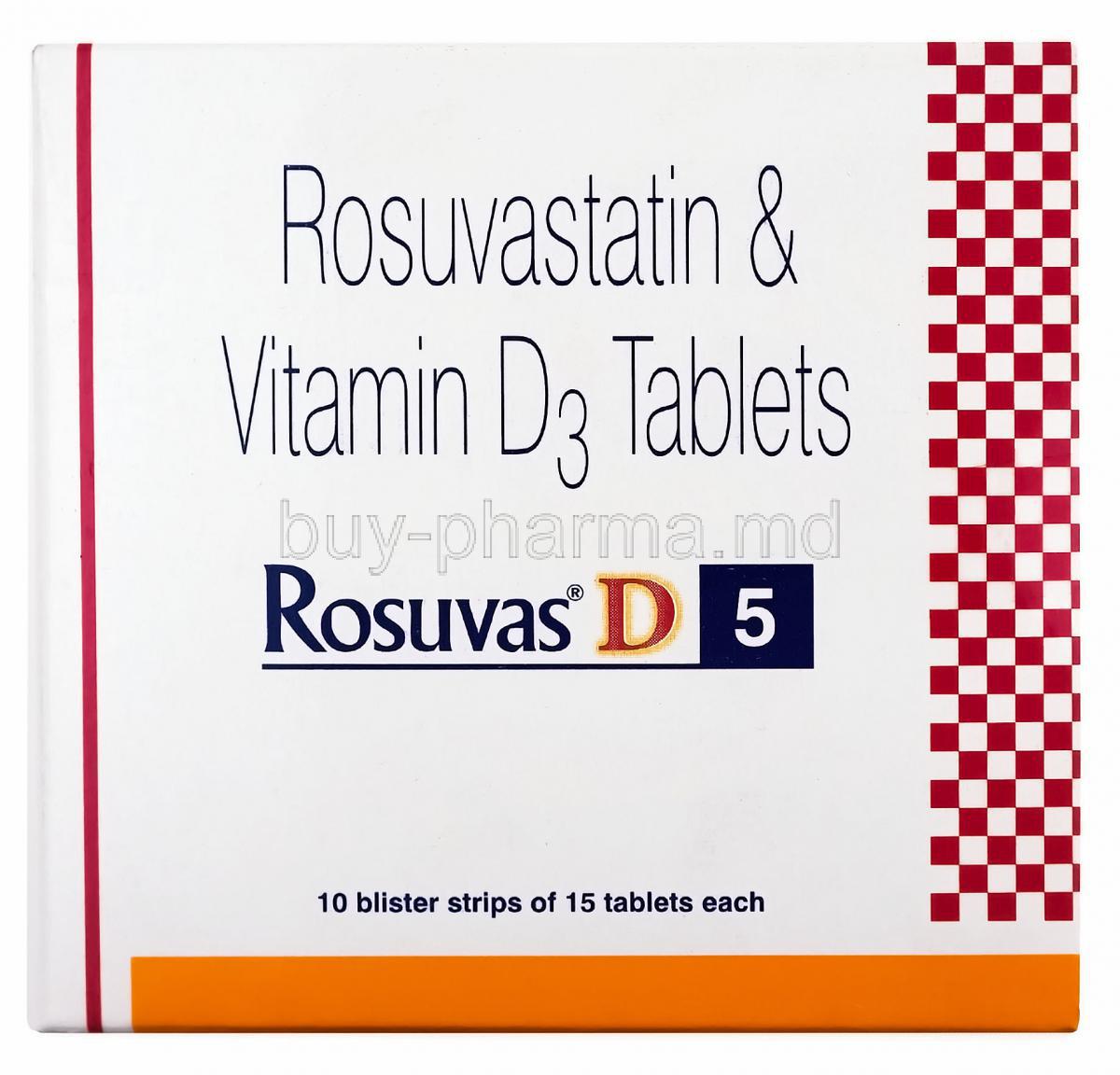

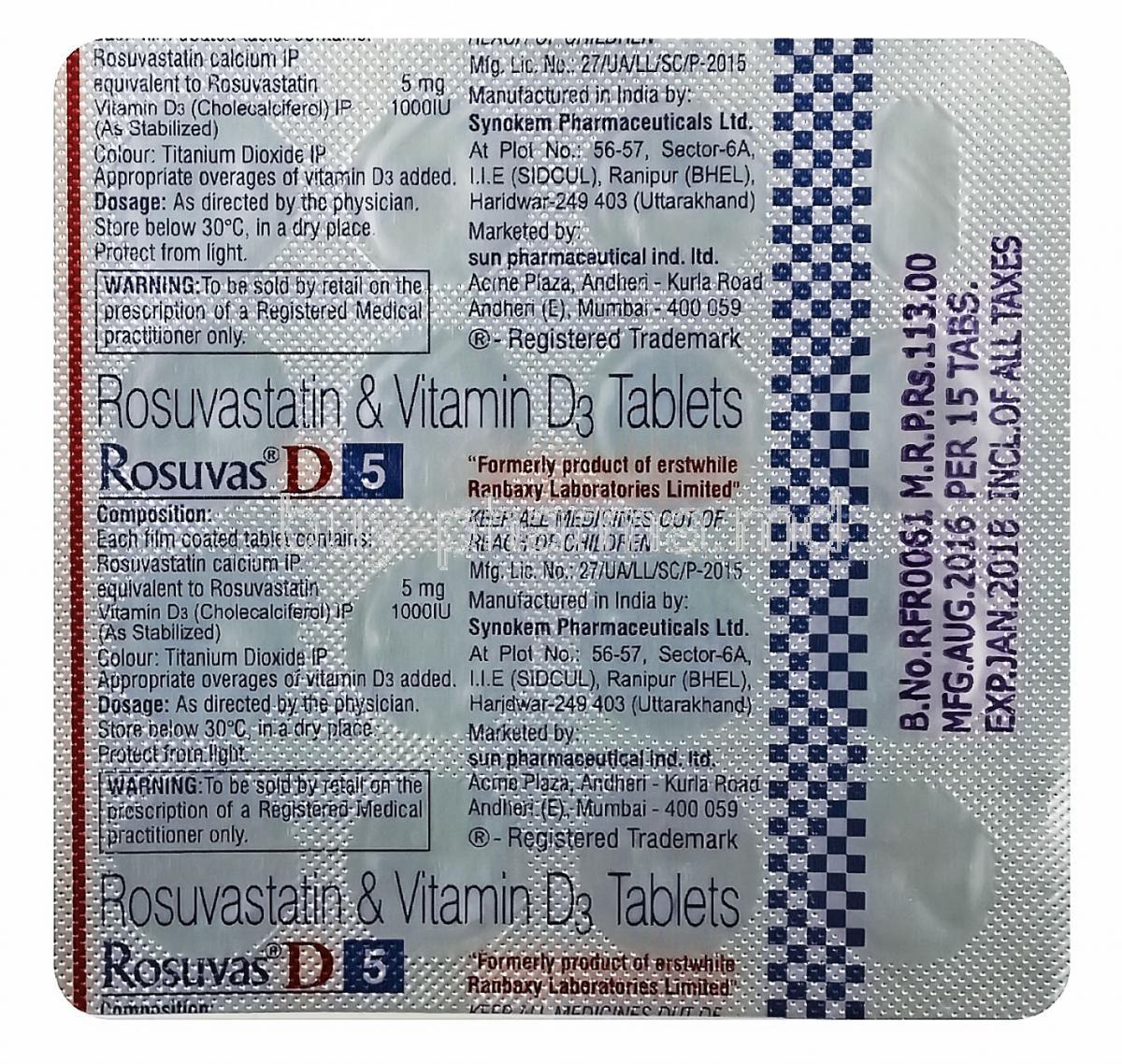
Introduction to Rosuvas D (Rosuvastatin / Vitamin D3 Combination)
Rosuvas D is a fixed-dose pharmaceutical combination that integrates a potent lipid-lowering agent with an essential fat-soluble vitamin. This formulation is designed for patients who require comprehensive cardiovascular risk management while simultaneously addressing vitamin D insufficiency, a frequently overlooked yet clinically relevant condition.
By uniting metabolic control and musculoskeletal support, Rosuvas D occupies a distinctive niche in modern preventive therapy. It is particularly relevant in populations where dyslipidemia and suboptimal vitamin D levels coexist, a scenario increasingly observed in routine clinical practice.
Overview of Rosuvas D as a Fixed-Dose Combination Therapy
Rosuvas D combines rosuvastatin, a high-intensity statin, with cholecalciferol (vitamin D3) in a single dosage form. This approach simplifies treatment regimens and enhances adherence.
- Targets both lipid abnormalities and vitamin D deficiency
- Reduces pill burden in long-term therapy
- Supports holistic cardiometabolic care
Rationale for Combining Rosuvastatin with Vitamin D3
Statin therapy remains foundational in dyslipidemia management, yet vitamin D deficiency is common among patients with cardiovascular risk factors. The combination addresses two interrelated physiological domains.
Vitamin D plays a role in muscle integrity, immune modulation, and calcium homeostasis, while rosuvastatin acts directly on hepatic cholesterol synthesis. Their coexistence in one formulation reflects a pragmatic, patient-centered strategy.
Therapeutic Positioning in Dyslipidemia and Cardiovascular Risk Management
Rosuvas D is positioned for patients requiring aggressive LDL-cholesterol reduction along with supportive nutritional correction. It is often considered in long-term risk modification strategies rather than short-term symptom control.
Composition and Formulation Details
Active Ingredients: Rosuvastatin Calcium and Cholecalciferol (Vitamin D3)
The formulation contains rosuvastatin calcium, a synthetic HMG-CoA reductase inhibitor, and cholecalciferol, the biologically relevant form of vitamin D used for supplementation.
- Rosuvastatin calcium: lipid-lowering agent
- Vitamin D3: regulator of calcium and bone metabolism
Strength Variations and Dosage Forms Available
Rosuvas D is available in multiple strength combinations to accommodate individualized lipid targets and vitamin D requirements. Oral solid dosage forms are most common, ensuring predictable bioavailability.
Role of Excipients and Formulation Considerations
Inactive components are selected to maintain chemical stability, ensure uniform drug distribution, and facilitate consistent absorption. These excipients do not contribute pharmacological activity but are essential for product integrity.
How Rosuvas D Works (Mechanism of Action)
Mechanism of Action of Rosuvastatin (HMG-CoA Reductase Inhibition)
Rosuvastatin inhibits HMG-CoA reductase, the rate-limiting enzyme in hepatic cholesterol biosynthesis. This suppression leads to upregulation of LDL receptors and enhanced clearance of circulating LDL particles.
Effects on LDL Cholesterol, HDL Cholesterol, and Triglycerides
The lipid-modifying effects are comprehensive:
- Marked reduction in LDL cholesterol
- Modest elevation of HDL cholesterol
- Reduction in triglyceride concentrations
Mechanism of Action of Vitamin D3 in Calcium Metabolism and Musculoskeletal Health
Vitamin D3 is converted in the liver and kidneys to its active metabolites, facilitating intestinal calcium absorption and maintaining serum calcium and phosphate balance. This supports bone mineralization and neuromuscular function.
Potential Synergistic Benefits of Lipid Control and Vitamin D Repletion
Adequate vitamin D status may help mitigate musculoskeletal discomfort sometimes associated with statin therapy. Together, these agents offer metabolic correction and structural support, addressing both biochemical and functional outcomes.
Approved Uses of Rosuvas D
Management of Primary Hypercholesterolemia
Rosuvas D is indicated for reducing elevated LDL cholesterol in patients with primary hypercholesterolemia, particularly when lifestyle modification alone is insufficient.
Mixed Dyslipidemia (Combined Hyperlipidemia)
The formulation is suitable for patients presenting with concurrent elevations in LDL cholesterol and triglycerides, offering broad lipid profile improvement.
Cardiovascular Risk Reduction in High-Risk Patients
By lowering atherogenic lipoproteins, Rosuvas D contributes to long-term reduction of cardiovascular events in individuals with multiple risk factors.
Treatment of Dyslipidemia with Concurrent Vitamin D Deficiency
This combination is particularly relevant when laboratory evaluation confirms low vitamin D levels alongside dyslipidemia, allowing simultaneous therapeutic correction.
Off-Label and Emerging Uses
Adjunctive Therapy in Statin-Associated Muscle Symptoms with Low Vitamin D Levels
Observational data suggest that correcting vitamin D deficiency may alleviate statin-associated myalgias in select patients, making this combination a pragmatic adjunct in carefully evaluated cases.
Use in Metabolic Syndrome with Documented Hypovitaminosis D
In patients with insulin resistance, central obesity, and dyslipidemia, vitamin D repletion may offer ancillary metabolic benefits alongside statin therapy.
Supportive Role in Osteoporosis Risk Reduction in Dyslipidemic Patients
While not a primary osteoporosis treatment, vitamin D inclusion supports bone health in patients undergoing long-term lipid-lowering therapy.
Investigational and Observational Off-Label Applications
Ongoing research continues to explore pleiotropic effects of statins and vitamin D, including anti-inflammatory and endothelial benefits, though such uses remain investigational.
Dosage and Administration Guidelines
Recommended Dosing Schedules
Dosing is individualized based on lipid targets and baseline vitamin D status. Fixed-dose combinations simplify adherence while maintaining therapeutic flexibility.
Timing of Administration (With or Without Food Considerations)
Rosuvas D may generally be administered once daily. Food intake has minimal impact on rosuvastatin absorption, allowing convenient dosing.
Dose Adjustments Based on Lipid Profile and Vitamin D Status
Periodic laboratory monitoring guides dose titration. Adjustments may be required in response to lipid response or normalization of vitamin D levels.
Duration of Therapy and Long-Term Use Considerations
Treatment is typically long-term. Sustained adherence is essential for maintaining lipid control and preventing recurrence of vitamin D deficiency.
Administration to Special Populations
Administration to Elderly Patients
Age-related changes in renal function and muscle mass necessitate cautious dose selection. Lower starting doses and closer monitoring are often appropriate.
- Increased sensitivity to statin effects
- Higher baseline risk of myopathy
Administration to Pregnant Women and Nursing Mothers
Rosuvastatin is contraindicated during pregnancy due to its interference with cholesterol synthesis, a critical process in fetal development.
Breastfeeding is generally discouraged during therapy, as the potential risk to the nursing infant cannot be excluded.
Administration to Children and Adolescents
Safety and efficacy data in pediatric populations are limited. Use is generally restricted to specific, clinically justified scenarios under specialist supervision and regulatory guidance.
Side Effects Overview
Rosuvas D, a combination of rosuvastatin and vitamin D3, is generally well tolerated when used within recommended therapeutic ranges. Most adverse effects are predictable, dose-related, and reversible with appropriate monitoring or dose adjustment.
The overall safety profile reflects the known characteristics of statin therapy combined with nutritional vitamin D supplementation, creating a balance between metabolic efficacy and physiological support.
General Tolerability Profile of Combination Therapy
The majority of patients experience no or only mild adverse effects during treatment. When side effects do occur, they are often transient and diminish as the body adapts.
- Low incidence of treatment discontinuation
- Predictable dose-dependent reactions
- Improved tolerability with gradual dose titration
Differentiation Between Rosuvastatin-Related and Vitamin D–Related Effects
Rosuvastatin-related effects primarily involve skeletal muscle and hepatic parameters, whereas vitamin D–related effects are associated with calcium metabolism.
Distinguishing the source of symptoms is clinically important, particularly when evaluating muscle discomfort or biochemical abnormalities.
Common Side Effects
Headache and Dizziness
Mild headache or transient dizziness may occur, particularly during initiation of therapy. These effects are usually self-limiting and rarely require intervention.
Gastrointestinal Symptoms (Abdominal Pain, Nausea, Constipation)
Digestive discomfort can present as:
- Abdominal fullness or pain
- Nausea
- Constipation or altered bowel habits
Such symptoms are typically mild and resolve with continued use or dietary adjustment.
Mild Muscle Pain or Weakness
Low-grade myalgia or a sense of muscular fatigue may occur, particularly in physically active individuals. Symptoms are usually symmetrical and involve large muscle groups.
Transient Elevations in Liver Enzymes
Asymptomatic increases in liver transaminases have been observed. These elevations are often temporary and normalize without discontinuation when appropriately monitored.
Less Common and Serious Adverse Effects
Myopathy and Rhabdomyolysis
Rarely, severe muscle injury may occur, characterized by:
- Marked muscle pain
- Muscle weakness
- Dark-colored urine
This condition requires immediate medical evaluation and cessation of therapy.
Hepatotoxicity and Significant Liver Enzyme Abnormalities
Clinically significant liver injury is uncommon but possible. Persistent elevations in liver enzymes or symptoms such as jaundice warrant prompt investigation.
Hypersensitivity Reactions
Allergic manifestations may include rash, pruritus, or, in rare cases, angioedema. These reactions necessitate immediate discontinuation and medical assessment.
Hypercalcemia Associated with Excessive Vitamin D
Excess vitamin D intake may lead to elevated serum calcium levels, presenting with nausea, weakness, confusion, or cardiac rhythm disturbances.
Drug and Nutrient Interactions
Interactions with Other Lipid-Lowering Agents (Fibrates, Ezetimibe)
Concomitant use with fibrates may increase the risk of muscle-related adverse effects. Combination therapy should be approached cautiously and monitored closely.
Effects of CYP-Independent Transporters on Rosuvastatin
Rosuvastatin is affected by hepatic transport proteins rather than CYP metabolism. Inhibitors of these transporters may increase systemic exposure.
Interaction with Calcium Supplements and Vitamin D–Containing Products
Additional vitamin D or calcium supplementation should be assessed to avoid excessive intake and prevent hypercalcemia.
Alcohol Interaction and Hepatic Risk
Excessive alcohol consumption may potentiate hepatic stress. Moderation is advised during therapy.
Warnings and Safety Information
Risk of Muscle Toxicity and Creatine Kinase Monitoring
Patients should be monitored for unexplained muscle pain or weakness. Creatine kinase testing may be indicated in symptomatic individuals.
Liver Function Monitoring Recommendations
Baseline and periodic liver enzyme assessments are recommended, particularly during dose escalation or long-term therapy.
Renal Impairment Considerations
Reduced renal function may increase drug exposure. Dose adjustments and enhanced monitoring may be necessary.
Risk of Vitamin D Over-Supplementation
Unmonitored vitamin D intake may result in toxicity. Laboratory assessment helps ensure safe and effective supplementation.
Contraindications
Active Liver Disease
Use is contraindicated in patients with active hepatic disorders or unexplained persistent elevations in liver enzymes.
Pregnancy and Lactation
Statin therapy is contraindicated during pregnancy and breastfeeding due to potential risks to fetal and infant development.
Known Hypersensitivity to Rosuvastatin or Vitamin D3
Patients with documented allergic reactions to either component should not receive this combination.
Severe Renal Impairment (Where Applicable)
In advanced renal dysfunction, use may be contraindicated or require strict dose limitations.
Careful Administration and Important Precautions
Baseline Lipid and Vitamin D Assessment
Initial laboratory evaluation establishes therapeutic targets and identifies pre-existing abnormalities.
Ongoing Laboratory Monitoring
Periodic testing supports safe long-term use and early detection of adverse biochemical changes.
Lifestyle Modification and Dietary Considerations
Optimal outcomes depend on adjunctive lifestyle measures:
- Heart-healthy diet
- Regular physical activity
- Weight management
Patient Education on Symptom Recognition
Patients should be informed about early warning signs of muscle toxicity, liver dysfunction, and vitamin D excess.
Overdosage and Emergency Management
Clinical Features of Rosuvastatin Overdose
Overdose may present with exaggerated adverse effects, including muscle symptoms and hepatic enzyme elevations.
Symptoms of Vitamin D Toxicity (Hypercalcemia)
Signs include nausea, vomiting, polyuria, confusion, and cardiac disturbances.
Recommended Supportive and Symptomatic Management
There is no specific antidote. Management focuses on supportive care, laboratory monitoring, and discontinuation of the offending agent.
Storage and Stability
Recommended Storage Conditions
Store at controlled room temperature in a dry environment.
Protection from Heat, Moisture, and Light
Exposure to excessive heat or humidity may compromise product stability.
Shelf-Life Considerations
Use within the indicated expiration period to ensure potency and safety.
Handling Precautions
Proper Handling and Dispensing Guidance
Dispense in original packaging to maintain integrity and labeling accuracy.
Patient Instructions for Safe Use and Storage
Patients should store medication out of reach of children and adhere strictly to prescribed dosing.
Disposal Recommendations for Unused Medication
Unused or expired medication should be disposed of in accordance with local pharmaceutical waste guidelines.
Rosuvas D , Rosuvastatin/ Vitamin D3 FAQ
Popular Products
Similar Product