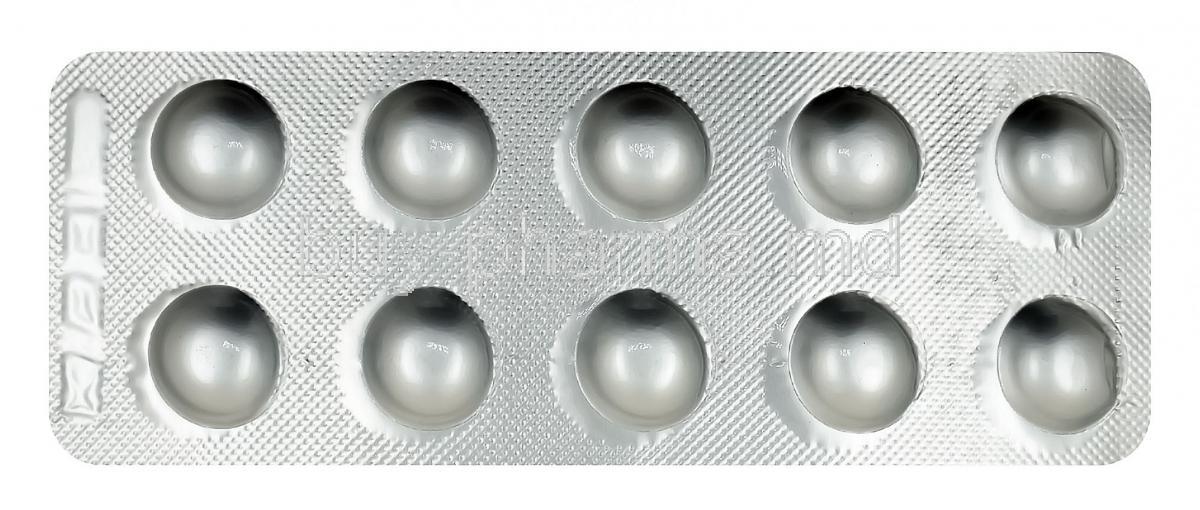
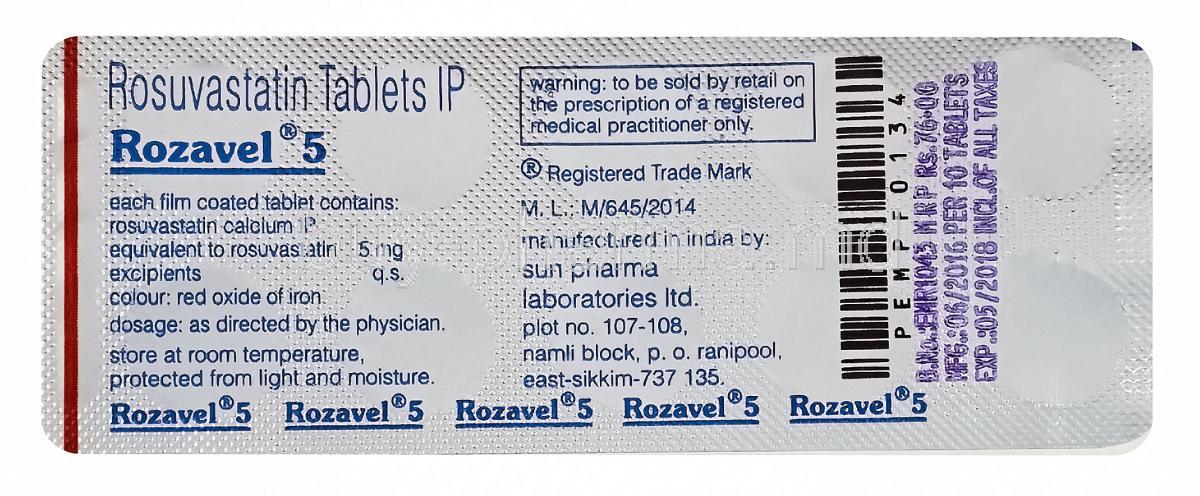
1. Introduction to Rozavel (Rosuvastatin)
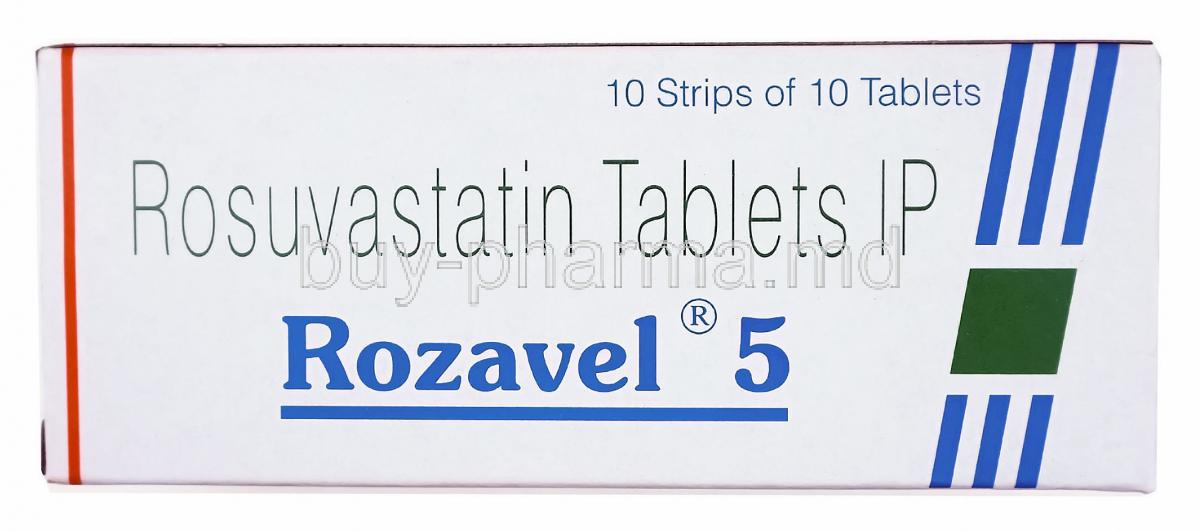
Rozavel is a lipid-lowering medication containing rosuvastatin, a potent member of the statin class known as HMG-CoA reductase inhibitors. These agents are foundational in modern cardiovascular risk management. Rozavel is widely prescribed to correct dyslipidemia and to mitigate long-term vascular complications associated with elevated cholesterol levels.
Within the therapeutic hierarchy of lipid-modifying drugs, rosuvastatin is regarded as a high-intensity statin, capable of producing substantial reductions in low-density lipoprotein cholesterol (LDL-C) even at relatively modest doses. Since its global introduction, rosuvastatin has gained extensive clinical acceptance due to its efficacy, predictable pharmacokinetics, and broad evidence base supporting cardiovascular protection.
2. Composition and Formulation
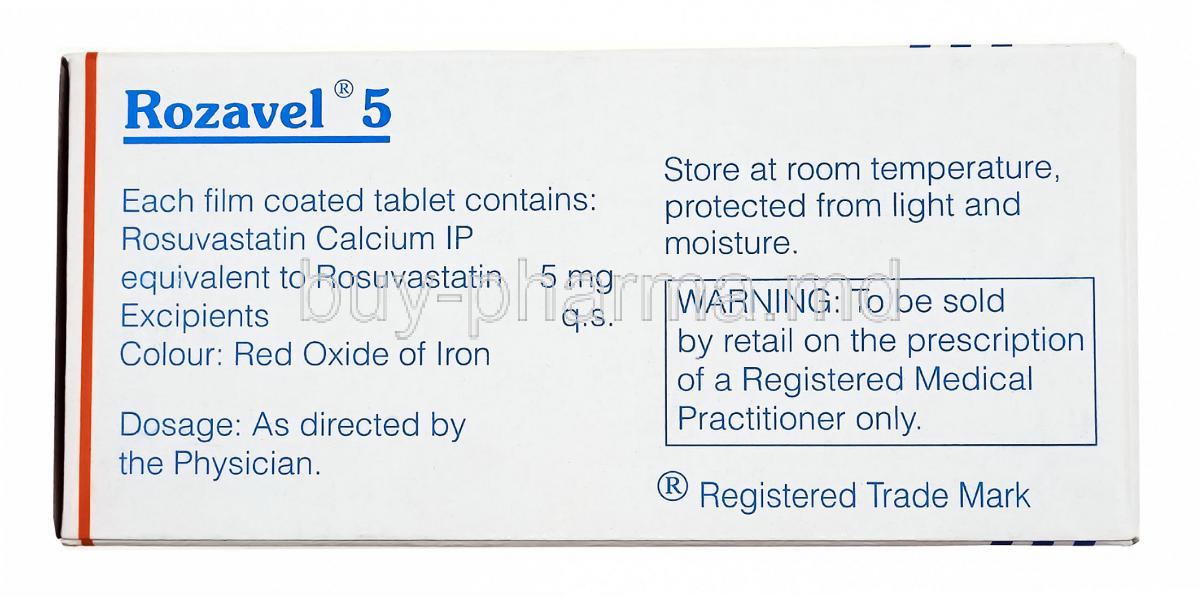
The active pharmaceutical ingredient in Rozavel is rosuvastatin calcium, a synthetic statin with high hepatic selectivity. It is formulated to ensure optimal absorption and consistent lipid-lowering activity.
- Available in multiple oral tablet strengths to allow individualized dosing
- Film-coated tablets designed for stability and patient compliance
- Inactive excipients selected to preserve bioavailability and shelf life
Rozavel formulations are developed to meet bioequivalence standards when compared with reference rosuvastatin products. This ensures comparable systemic exposure, therapeutic response, and safety across branded and generic preparations.
Rosuvastatin 10 mg vs 20 mg
Rosuvastatin 20 mg is a higher-potency dose than 10 mg, generally used for more significant LDL-C reduction (often >50%) or in patients with higher cardiovascular risk. Both are effective, but 20 mg provides more intensive lipid-lowering therapy and is usually reserved for patients needing aggressive treatment, while 10 mg is a standard, often starting, dose.
Rosuvastatin vs atorvastatin
Rosuvastatin (Crestor) and atorvastatin (Lipitor) are both potent, high-intensity statins used to lower LDL ("bad") cholesterol and reduce heart attack/stroke risks. Rosuvastatin is generally slightly more effective at lower doses and has fewer drug-drug interactions, while atorvastatin is available in a wider variety of combination pills and as a liquid.
Pravastatin vs rosuvastatin
Rosuvastatin (Crestor) is a high-potency, hydrophilic statin, significantly more effective at lowering LDL-C and total cholesterol than pravastatin (Pravachol), making it ideal for higher-risk patients. Pravastatin is lower-potency, often preferred for patients requiring moderate reduction or those needing lower drug-drug interaction risk.
Rosuvastatin vs simvastatin
Rosuvastatin (Crestor) and simvastatin (Zocor) are widely used, affordable daily statins for lowering LDL cholesterol and protecting against heart disease. Rosuvastatin is generally more potent and effective for severe LDL reduction (moderate-to-high intensity). Simvastatin, a low-to-moderate intensity statin, often carries a higher risk of drug interactions and muscle pain, and should be taken in the evening.
3. How Rozavel (Rosuvastatin) Works (Mechanism of Action)
Rosuvastatin exerts its primary effect by competitively inhibiting HMG-CoA reductase, the rate-limiting enzyme in hepatic cholesterol biosynthesis. This enzymatic blockade reduces intracellular cholesterol production, triggering upregulation of LDL receptors on hepatocyte surfaces.
As a result:
- LDL-C levels are markedly reduced
- Total cholesterol and triglycerides decline
- High-density lipoprotein cholesterol (HDL-C) may modestly increase
Beyond lipid modulation, rosuvastatin demonstrates pleiotropic effects. These include improvement of endothelial function, attenuation of vascular inflammation, and stabilization of atherosclerotic plaques, all of which contribute to reduced cardiovascular event risk.
4. Uses of Rozavel (Approved Indications)
Rozavel is approved for the treatment of a broad spectrum of lipid disorders and cardiovascular risk states. Its clinical utility spans both primary and secondary prevention settings.
- Primary hypercholesterolemia (Type IIa)
- Mixed dyslipidemia (Type IIb)
- Hypertriglyceridemia
- Homozygous familial hypercholesterolemia
In addition, Rozavel is prescribed to reduce the risk of major cardiovascular events such as myocardial infarction and stroke. This benefit applies to patients with established atherosclerotic cardiovascular disease as well as those with significant risk factors requiring proactive lipid control.
5. Off-Label and Emerging Uses of Rosuvastatin
Beyond its approved indications, rosuvastatin has been explored in several off-label and investigational contexts. These uses are typically guided by clinician judgment and emerging evidence rather than formal regulatory approval.
- Management of dyslipidemia associated with metabolic syndrome
- Adjunctive lipid control in chronic kidney disease
- Exploration of anti-inflammatory and vascular protective properties
Rosuvastatin and dementia
Rosuvastatin, a hydrophilic (water-soluble) statin, is generally associated with a reduced risk of dementia, often cited as one of the most effective statins for this purpose, with studies suggesting a potential risk reduction of approximately 30%. As a hydrophilic agent, it primarily works in the liver rather than entering brain tissue, which may contribute to its neuroprotective profile.
In selected high-risk individuals with normal LDL-C but elevated inflammatory markers such as C-reactive protein, rosuvastatin has been used off-label to reduce overall cardiovascular risk, reflecting its multifaceted biological effects.
6. Rosuvastatin Dosing and Administration
Rozavel dosing is individualized based on baseline lipid levels, therapeutic goals, and patient-specific risk factors. Treatment commonly begins with a low to moderate dose, followed by gradual titration as needed.
- Initial doses selected to balance efficacy and tolerability
- Maximum daily dose defined to limit adverse muscle and hepatic effects
- Can be administered with or without food
Best time to take rosuvastatin
Rosuvastatin (Crestor) can be taken at any time of day, with or without food, but it is best to take it at the same time each day to establish a routine. Because it is a long-acting statin, it remains effective regardless of whether it is taken in the morning or evening.
Periodic lipid monitoring guides dose adjustments. Clinical response, rather than fixed dosing, determines long-term therapy optimization.
7. Administration in Special Populations
7.1 Administration to Elderly Patients
In elderly patients, age-related changes in drug metabolism and increased comorbidity burden require cautious use. Lower starting doses are often appropriate, with careful monitoring for muscle-related symptoms and hepatic effects.
Risk-benefit evaluation is essential, particularly in frail individuals or those receiving multiple concomitant medications.
7.2 Administration to Pregnant Women and Nursing Mothers
Rozavel is contraindicated during pregnancy due to the essential role of cholesterol in fetal development. Inhibition of cholesterol synthesis may pose serious risks to the developing fetus.
Breastfeeding is also not recommended during rosuvastatin therapy, as potential effects on infant lipid metabolism cannot be excluded.
7.3 Administration to Children and Adolescents
In pediatric populations, rosuvastatin use is limited to specific indications and age groups. Dosing is carefully adjusted according to age and body weight.
Ongoing monitoring of growth, pubertal development, and lipid response is recommended to ensure both safety and therapeutic effectiveness.
8. Rosuvastatin Interactions
Rosuvastatin undergoes minimal metabolism via cytochrome P450 enzymes, but it is influenced by hepatic transporters such as OATP1B1 and BCRP. Drugs affecting these pathways may alter systemic exposure.
- Increased myopathy risk with fibrates and high-dose niacin
- Additive lipid-lowering effects with ezetimibe
- Potential interaction with anticoagulants requiring monitoring
Unlike some other statins, rosuvastatin is minimally affected by grapefruit consumption, though excessive intake of supplements or alcohol should still be approached cautiously.
9. Side Effects of Rozavel (Rosuvastatin)
Rozavel is generally well tolerated, but adverse effects may occur, particularly at higher doses or in susceptible individuals. Side effects can be dose-dependent or, less commonly, idiosyncratic.
- Mild gastrointestinal disturbances
- Headache, fatigue, or dizziness
- Muscle pain or weakness
Most adverse effects emerge early in treatment and resolve with dose adjustment or discontinuation. Serious reactions are uncommon but require prompt clinical evaluation when suspected.
10. Common Side Effects
Most patients tolerate rosuvastatin-based therapy well, particularly when initiated at appropriate doses and titrated gradually. Nevertheless, mild to moderate adverse effects may occur, especially during the early phase of treatment.
- Headache, dizziness, and a transient sense of fatigue
- Gastrointestinal discomfort, including nausea, abdominal pain, or dyspepsia
- Myalgia and nonspecific musculoskeletal aches without significant creatine kinase elevation
- Asymptomatic, mild elevations in hepatic transaminases
These reactions are typically self-limiting. In many cases, they resolve spontaneously as the body acclimates to therapy or after modest dose adjustment.
11. Serious and Rare Adverse Reactions
Although uncommon, rosuvastatin may be associated with serious adverse reactions that warrant heightened clinical vigilance. These events are generally rare but potentially severe.
- Myopathy and, in extreme cases, rhabdomyolysis with marked creatine kinase elevation
- Clinically significant hepatotoxicity accompanied by persistent liver enzyme abnormalities
- A small but measurable increase in the risk of new-onset diabetes mellitus
- Hypersensitivity reactions, including rash, pruritus, or angioedema
Prompt recognition and discontinuation of therapy are critical when serious adverse reactions are suspected, as early intervention reduces the likelihood of long-term sequelae.
12. Warnings and Safety Information
Rosuvastatin therapy requires adherence to established safety precautions to minimize preventable harm. Certain risks are dose-related, while others are influenced by patient-specific factors.
- Risk of muscle toxicity necessitating creatine kinase assessment in symptomatic patients
- Routine liver function monitoring prior to initiation and during prolonged therapy
- Consideration of diabetes risk when treating patients with predisposing metabolic factors
- Increased systemic exposure observed in certain ethnic populations, including Asian patients
These warnings underscore the importance of individualized patient selection and ongoing clinical assessment throughout treatment.
Rosuvastatin alternatives
Rosuvastatin (Crestor) alternatives include other statins like atorvastatin (Lipitor) for high potency, or pravastatin and simvastatin for lower intensity. Non-statin options such as ezetimibe (Zetia), PCSK9 inhibitors (Repatha), and Bempedoic acid (Nexletol) are used for patients who cannot tolerate statins, along with lifestyle changes like increasing fiber and exercise.
Rosuvastatin and depression
Rosuvastatin (Crestor) may cause depression or worsen depressive symptoms as a potential, though uncommon, side effect. While some studies link statins to increased anxiety, mood changes, and irritability, others suggest they may actually lower the risk of depression due to anti-inflammatory effects.
13. Contraindications
Rosuvastatin is contraindicated in specific clinical scenarios where the risk of harm clearly outweighs therapeutic benefit.
- Known hypersensitivity to rosuvastatin or any formulation excipients
- Active liver disease or unexplained, persistent elevations in serum transaminases
- Pregnancy and breastfeeding due to the essential role of cholesterol in fetal and neonatal development
- Concomitant use with medications known to cause serious pharmacokinetic interactions
Strict adherence to contraindication criteria is essential to ensure patient safety and optimal clinical outcomes.
14. Careful Administration and Important Precautions
Certain patient populations require cautious administration and enhanced monitoring during rosuvastatin therapy. A tailored approach is recommended.
- Use reduced initial doses in patients with renal impairment
- Exercise caution in individuals with a history of alcohol misuse or chronic liver disease
- Implement structured monitoring strategies for long-term therapy
- Emphasize lifestyle modification as a complementary component of lipid management
Dietary optimization, regular physical activity, and smoking cessation amplify pharmacologic benefits and contribute to sustained cardiovascular risk reduction.
15. Overdosage
Experience with rosuvastatin overdose is limited, but excessive ingestion may increase the likelihood of dose-related adverse effects rather than produce unique toxic syndromes.
- Clinical features may include myalgia, weakness, or gastrointestinal symptoms
- Laboratory abnormalities may show elevated creatine kinase or liver enzymes
- Management is primarily supportive and symptom-directed
- Hemodialysis is not expected to significantly enhance drug elimination
Patients with suspected overdose should undergo clinical observation and laboratory monitoring until stability is assured.
16. Storage and Stability
Proper storage conditions are essential to preserve the chemical stability and therapeutic integrity of rosuvastatin formulations.
- Store at controlled room temperature
- Protect from excessive moisture, heat, and direct light
- Observe manufacturer-defined shelf life guidelines
Expired or compromised tablets should be discarded in accordance with local pharmaceutical disposal regulations.
17. Handling Precautions and Patient Counseling Points
Effective therapy extends beyond prescription to include appropriate handling, patient education, and adherence support.
- Follow standard dispensing and handling practices to maintain product quality
- Educate patients on consistent dosing and proper management of missed doses
- Advise prompt medical consultation for unexplained muscle pain or weakness
- Reinforce the importance of regular lipid panels and safety monitoring
Comprehensive counseling enhances adherence, promotes early detection of adverse effects, and maximizes the long-term cardiovascular benefits of therapy.
Rozavel, Rosuvastatin FAQ
- What is Rozavel used for?
- Is Rozavel the same as rosuvastatin?
- Should Rozavel be taken before or after food?
- Is Rozavel a blood thinner?
- How quickly does Rozavel work?
- Does rozavel increase blood sugar?
- Does Rozavel affect the kidneys?
- What are the side effects of Rozavel?
- Does rozavel increase weight?
- What are the benefits of Rozavel?
- Does rozavel cause sleepiness?
- Does rosuvastatin reduce belly fat?
- Does rozavel reduce triglycerides?
- How quickly does Rozavel 10 lower cholesterol?
- What is rosuvastatin used to treat?
- What is the best time to take rosuvastatin?
- What are the most common side effects of taking rosuvastatin?
- What should be avoided when taking rosuvastatin?
- Is rosuvastatin a blood thinner?
- Can I stop taking rosuvastatin if my cholesterol is normal?
- Does rosuvastatin cause weight gain?
- How long is it safe to take rosuvastatin?
- Can I eat eggs while taking rosuvastatin?
- Does rosuvastatin affect sleep?
What is Rozavel used for?
It is used to lower cholesterol and triglyceride levels and reduce the risk of heart disease
Is Rozavel the same as rosuvastatin?
Yes
Should Rozavel be taken before or after food?
With or without food
Is Rozavel a blood thinner?
No, but it can act as one.
How quickly does Rozavel work?
2-4 weeks
Does rozavel increase blood sugar?
Rarely
Does Rozavel affect the kidneys?
Rarely
What are the side effects of Rozavel?
- Fatigue
- Stomachache
- Muscle pain
- Drowsiness
Does rozavel increase weight?
No
What are the benefits of Rozavel?
Rozavel blocks the production of unhealthy fats, thereby preventing heart problems and stroke.
Does rozavel cause sleepiness?
Yes
Does rosuvastatin reduce belly fat?
No
Does rozavel reduce triglycerides?
Yes
How quickly does Rozavel 10 lower cholesterol?
1 week
What is rosuvastatin used to treat?
It lowers bad cholesterol, helping prevent heart attacks and strokes.
What is the best time to take rosuvastatin?
Anytime but at the same time daily
What are the most common side effects of taking rosuvastatin?
- Stomachache
- Dizziness
- Headache
- Memory losss
- Insomnia
What should be avoided when taking rosuvastatin?
- Erythromycin
- Fusidic acid
- HIV medications
- Stomach medicines
- Blood thinners
Is rosuvastatin a blood thinner?
No
Can I stop taking rosuvastatin if my cholesterol is normal?
No
Does rosuvastatin cause weight gain?
No
How long is it safe to take rosuvastatin?
For life
Can I eat eggs while taking rosuvastatin?
Yes
Does rosuvastatin affect sleep?
No
Customers also bought
Popular Products
Similar Product