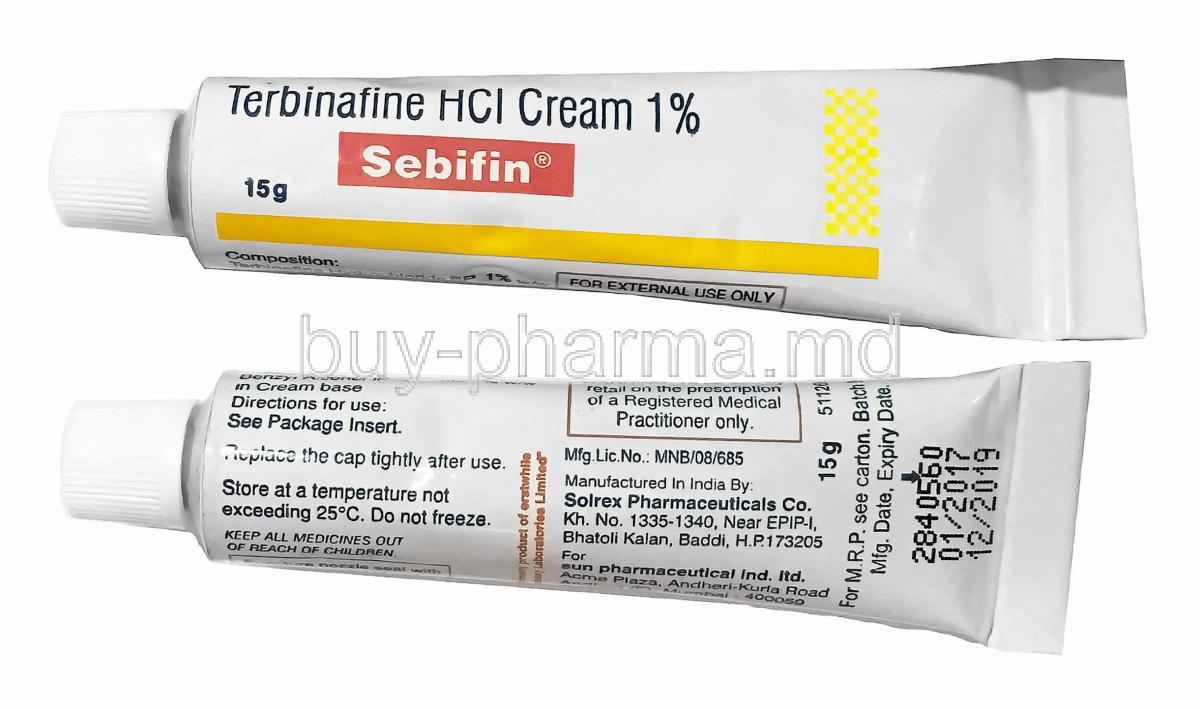
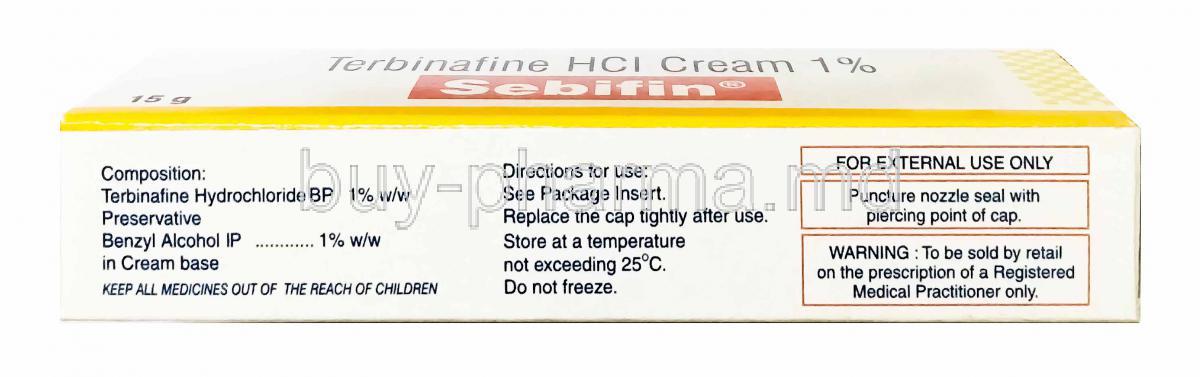
Sebifin Cream, Terbinafine
- 1. Introduction to Sebifin Cream (Terbinafine)
- 2. Composition and Pharmaceutical Details
- 2.1 Active Ingredient: Terbinafine Hydrochloride Concentration
- 2.2 Inactive Ingredients and Their Functional Roles
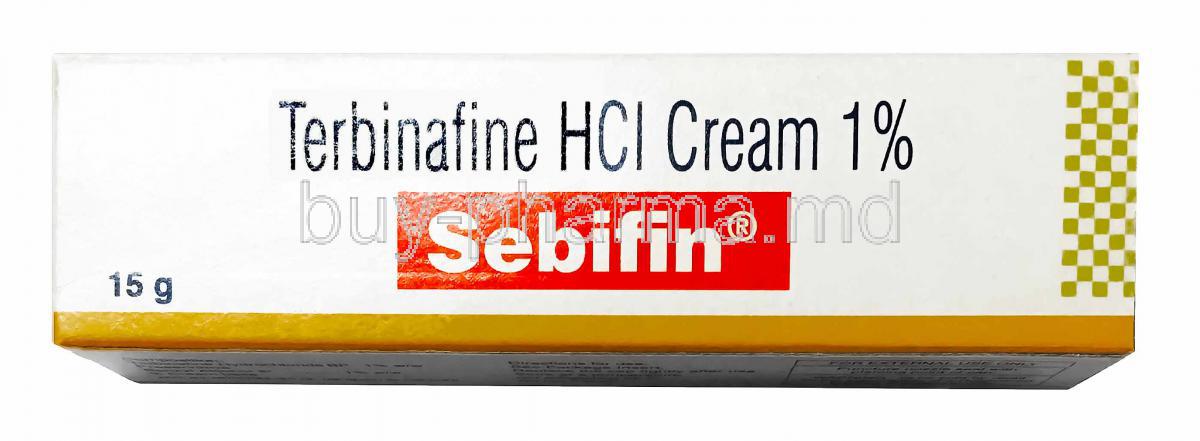
- 2.3 Available Strengths, Formulations, and Packaging
- 2.4 Terbinafine vs Clotrimazole
- 2.5 Terbinafine vs Butenafine
- 2.6 Terbinafine vs Fluconazole
- 2.7 Terbinafine vs Tolnaftate
- 2.8 Terbinafine vs Itraconazole
- 3. Mechanism of Action: How Terbinafine Works
- 4. Uses of Sebifin Cream (Terbinafine)
- 4.1 Treatment of Dermatophyte Infections (Tinea Pedis, Tinea Cruris, Tinea Corporis)
- 4.2 Management of Cutaneous Candidiasis
- 4.3 Treatment of Pityriasis Versicolor (Tinea Versicolor)
- 4.4 Relief of Athletes Foot, Jock Itch, and Terbinafine for Ringworm Symptoms
- 4.5 Use in Intertrigo and Moist Skin Fold Infections
- 4.6 Terbinafine for Toenail Fungus
- 4.7 Terbinafine for Yeast Infection
- 4.8 Terbinafine for Onychomycosis
- 4.9 Terbinafine for Dogs
- 4.10 Terbinafine for Cats
- 5. Off-Label Uses of Terbinafine Cream
- 6. Dosage and Administration Guidelines
- 7. Storage and Handling Requirements
- 8. Drug Interactions and Compatibility
- 9. Terbinafine Side Effects
- 10. Serious and Less Common Side Effects
- 11. Contraindications
- 12. Warnings and Important Safety Information
- 13. Important Precautions During Use
- 14. Careful Administration Considerations
- 15. Administration to Special Populations
- 16. Overdosage and Misuse
- 17. Handling Precautions and Safety Measures
- 18. Summary of Key Clinical Considerations
1. Introduction to Sebifin Cream (Terbinafine)
1.1 Overview of Sebifin Cream and Its Active Ingredient Terbinafine
Sebifin Cream is a targeted topical treatment designed to eliminate fungal infections on the skin's surface. Its active ingredient, Terbinafine, is highly effective because it acts as a fungicide, meaning it actively destroys fungi rather than merely inhibiting their growth. This approach helps ensure that the infection is thoroughly cleared, reducing the likelihood of it returning.
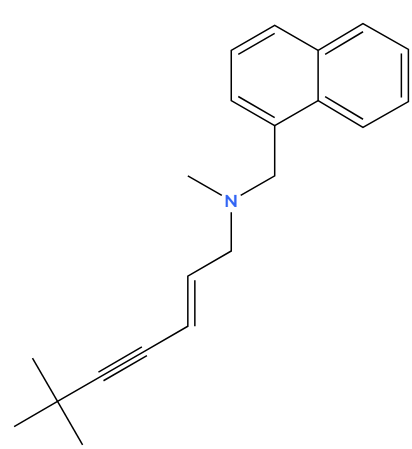
Because the cream is applied directly to the affected area, it provides localized treatment that minimizes systemic exposure. This targeted delivery method makes Sebifin Cream both efficient and well-tolerated, allowing for a focused solution to skin infections while keeping the rest of the body unaffected.
1.2 Classification as a Topical Antifungal Medication
Sebifin Cream is a topical medication specifically formulated to combat fungal skin infections. Classified as an allylamine antifungal, it employs a distinct mechanism of action that differentiates it from other antifungal categories, such as azoles. This unique pharmacological profile makes it highly effective for targeted dermatological care.
Key Characteristics
- Primary Uses: Highly effective against dermatophyte infections, as well as various yeasts and molds.
- Application: Specifically designed for external, localized use on the skin.
- Specialized Targeting: Its classification highlights its proficiency in treating infections that affect keratinized tissues, including the skin, hair, and nails.
By utilizing this specific class of antifungal, Sebifin Cream offers a specialized therapeutic approach for managing and clearing superficial fungal conditions.
1.3 Key Benefits in Treating Superficial Fungal Infections
Sebifin Cream provides significant clinical advantages, most notably its fast-acting formula that often delivers noticeable symptom relief within just a few days of starting treatment.
Key Clinical Benefits
- Broad Efficacy: Effectively eliminates the fungi that cause common conditions such as athlete’s foot, ringworm, and jock itch.
- Symptom Relief: Actively soothes the skin by minimizing irritation and itching (pruritus).
- Efficient Recovery: Generally requires a shorter course of treatment than many other available options.
Furthermore, because Sebifin Cream is fungicidal, it destroys the infection rather than simply slowing it down. This makes it an ideal solution for patients struggling with persistent or recurring fungal infections, as it helps ensure the condition is cleared thoroughly.
2. Composition and Pharmaceutical Details
2.1 Active Ingredient: Terbinafine Hydrochloride Concentration
Sebifin Cream utilizes Terbinafine Hydrochloride at a 1% w/w concentration, a formulation balanced to ensure both efficacy and safety for topical use.
The medication functions by inhibiting squalene epoxidase, an enzyme essential for fungal cell membrane synthesis. By blocking this process, the cream causes a lethal accumulation of squalene within the fungi, effectively eliminating the infection.
2.2 Inactive Ingredients and Their Functional Roles
In addition to its active ingredient, Sebifin Cream includes a variety of excipients—inactive substances deliberately included to improve product stability, delivery, and usability. These components serve several vital functions:
- Emollients: Promote skin hydration and ensure the cream applies smoothly.
- Preservatives: Shield the formula from microbial growth.
- Stabilizers: Preserve the chemical integrity and shelf-life of the cream.
- Penetration Enhancers: Increase the skin's absorption of the active medication.
Every ingredient is strategically selected to balance clinical effectiveness with a practical, user-friendly application.
2.3 Available Strengths, Formulations, and Packaging
Sebifin Cream is typically supplied as a 1% formulation, available in various tube sizes ranging from 10g to 30g, with local availability subject to regional variation.
The cream is engineered for an optimal user experience; it spreads smoothly and absorbs rapidly, leaving minimal residue on the skin. Its design emphasizes convenience and effectiveness:
- Hygienic Application: The tube packaging allows for clean, controlled dispensing.
- Portability: Its compact size makes it ideal for consistent, daily use on the go.
- Stability: The formulation maintains its integrity throughout its shelf life when stored according to the recommended guidelines.
2.4 Terbinafine vs Clotrimazole
Terbinafine and Clotrimazole are distinct in their pharmacodynamic properties; while Terbinafine acts as a fungicidal agent (killing the fungus), Clotrimazole is primarily fungistatic (inhibiting fungal growth).
- Efficacy and Speed: Terbinafine generally achieves faster eradication of the infection, whereas Clotrimazole often necessitates a more extended treatment period.
- Clinical Preference: Terbinafine is frequently the favored choice for treating dermatophyte infections.
Ultimately, the choice between these two treatments depends on the severity of the condition and the patient's specific clinical response.
2.5 Terbinafine vs Butenafine
While Terbinafine and Butenafine belong to the same class of antifungals, they have distinct profiles. Butenafine is chemically related to Terbinafine and, in certain instances, demonstrates a slightly broader spectrum of activity against specific fungi.
However, Terbinafine remains the clinical gold standard. It is generally the preferred choice due to its proven efficacy as a potent fungicidal agent and the extensive body of clinical research supporting its use.
2.6 Terbinafine vs Fluconazole
Unlike topical Terbinafine, Fluconazole is primarily administered through oral or systemic routes, marking a fundamental difference in their therapeutic applications.
- Terbinafine: Designed for localized, superficial skin infections; its topical application effectively minimizes the risk of systemic side effects.
- Fluconazole: Indicated for systemic or more severe fungal infections that require internal treatment.
Consequently, Terbinafine remains the preferred choice for treating localized, superficial dermatological conditions.
Does this clarify the distinction between localized and systemic antifungal treatment?
2.7 Terbinafine vs Tolnaftate
Tolnaftate is a traditional antifungal agent, but it generally lacks the potency of modern treatments like Terbinafine. While it may be sufficient for mild, minor fungal infections, it often proves ineffective against more stubborn or severe cases.
In contrast, Terbinafine is a more effective modern alternative, prized for its high efficacy and rapid healing times, making it the preferred standard for treating fungal infections today.
2.8 Terbinafine vs Itraconazole
Itraconazole is a potent antifungal agent belonging to the "azole" class, which functions by inhibiting fungal growth. It is typically reserved for complex, deep-seated, or severe infections that are difficult to manage.
The selection between these two therapies involves important clinical considerations:
- Administration: Terbinafine is tailored for topical application, whereas Itraconazole is a systemic treatment.
- Monitoring: Because Itraconazole involves systemic exposure, it requires careful medical supervision.
- Safety Profile: Topical therapy with Terbinafine significantly reduces the risk of systemic adverse effects and potential drug interactions.
Consequently, for uncomplicated, superficial skin infections, Terbinafine remains a highly effective and preferred therapeutic option.
3. Mechanism of Action: How Terbinafine Works
3.1 Inhibition of Squalene Epoxidase in Fungal Cells
Terbinafine functions by precisely disrupting the fungal growth cycle, specifically by inhibiting the enzyme squalene epoxidase. This enzyme is vital for the biosynthesis of ergosterol, a primary component of fungal cell membranes. By blocking the conversion of squalene to squalene epoxide, the drug halts essential membrane construction.
When this enzymatic process is inhibited, a damaging chain reaction occurs within the fungal cell:
- Lipid Imbalance: The fungal cell suffers from an internal lipid disturbance.
- Toxic Accumulation: Squalene levels build up to excessive, poisonous concentrations.
- Cellular Death: This buildup creates a toxic environment that leads to direct cytotoxicity and the destruction of the fungal structure.
This mechanism is highly selective, meaning Terbinafine targets fungi without significantly impacting human cells, which utilize a different pathway to produce their own sterols. This specificity is why topical Terbinafine is considered both a highly effective and safe treatment option.
3.2 Disruption of Ergosterol Synthesis and Fungal Cell Membrane
Ergosterol is the primary sterol in fungal cell membranes, performing a role similar to that of cholesterol in human cells. By inhibiting the enzyme squalene epoxidase, Terbinafine causes a critical reduction in ergosterol production, which severely undermines the fungal cell's structural integrity.
This depletion leads to membrane fragility and a total collapse of cellular homeostasis:
- Increased Permeability: The compromised membrane becomes porous.
- Loss of Contents: Essential intracellular components leak out of the cell.
- Transport Failure: The cell loses its ability to regulate nutrient intake effectively.
Unable to maintain these vital functions without ergosterol, the fungal cells suffer structural failure and eventually undergo lysis (cell death). This mechanism highlights why Terbinafine is such an effective treatment for superficial fungal infections.
3.3 Fungicidal vs Fungistatic Activity Explained
Antifungal medications are primarily classified by their mechanism as either fungicidal or fungistatic. Terbinafine is characterized as a fungicidal agent, meaning it actively eliminates fungal organisms rather than simply slowing their reproduction.
This distinction is clinically significant, as fungicidal treatments generally facilitate faster symptom resolution and lower rates of recurrence.
- Fungicidal: Direct destruction and termination of fungal cells.
- Fungistatic: Suppression of fungal growth, which relies on the host's immune system to eventually clear the inhibited organisms.
- Clinical Efficacy: The fungicidal action of Terbinafine is highly efficient, particularly in managing dermatophyte infections.
Because Terbinafine directly kills the pathogen, it is superior to fungistatic options that depend on the immune system to finalize recovery. This capability makes it a preferred therapeutic choice for addressing persistent, severe, or widespread dermatological infections.
4. Uses of Sebifin Cream (Terbinafine)
4.1 Treatment of Dermatophyte Infections (Tinea Pedis, Tinea Cruris, Tinea Corporis)
Sebifin Cream is widely used to treat dermatophyte infections caused by keratin-loving fungi that flourish in warm, damp areas of the skin.
Common presentations include the following:
- Tinea pedis (athlete's foot): Often characterized by maceration and cracking between the toes.

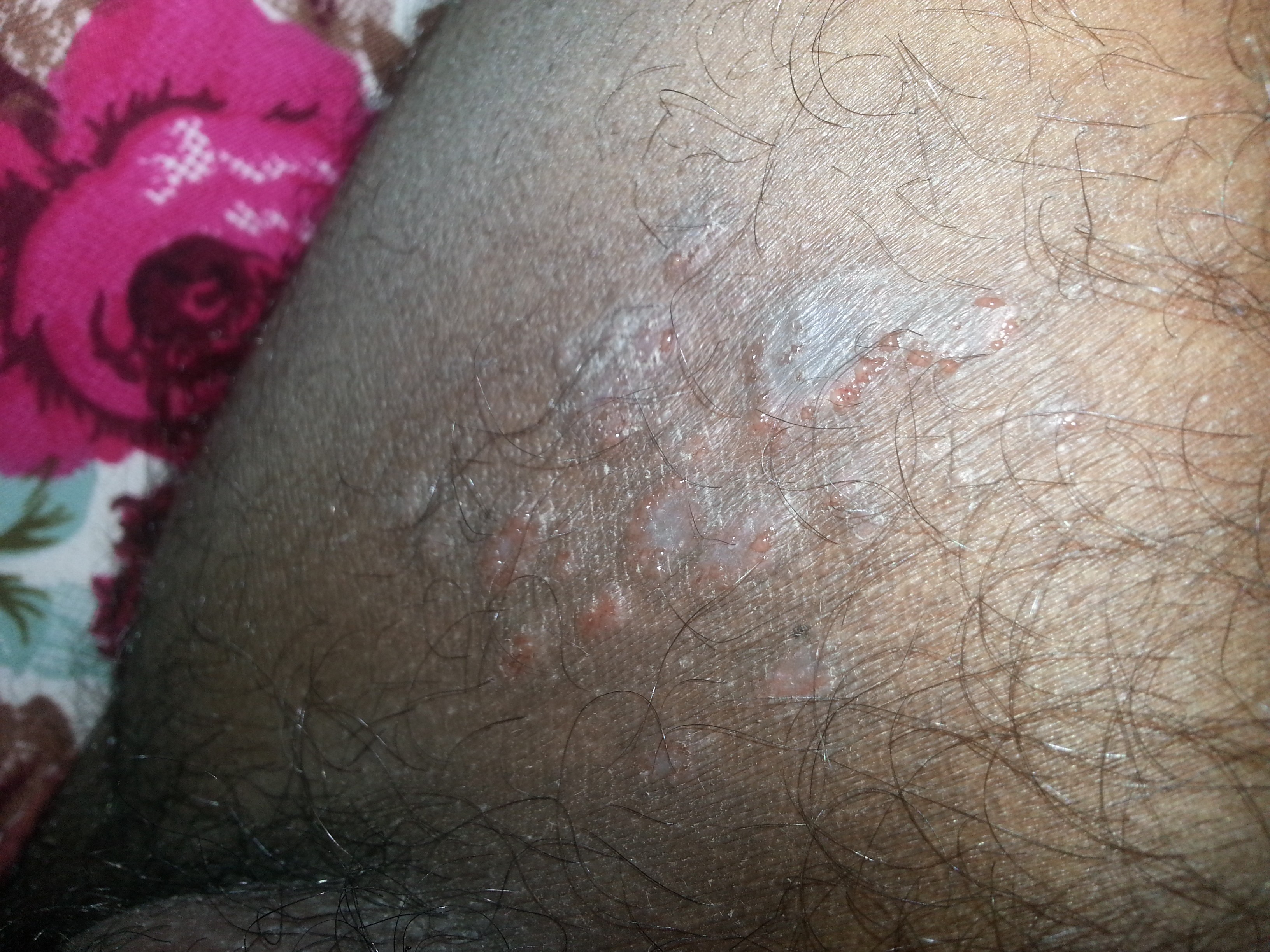
- Tinea cruris (jock itch): Typically appears as well-defined lesions within the groin area.
- Tinea corporis (ringworm): Often presents as ring-shaped, circular patches with a clearer center.
These conditions generally manifest with common symptoms such as redness (erythema), scaling, and itching (pruritus). Topical Terbinafine provides rapid relief for these issues; because it acts as a potent fungicide, it efficiently eliminates the underlying fungi and often leads to quick symptomatic improvement shortly after treatment begins.
4.2 Management of Cutaneous Candidiasis
Candida infections, which occur when this specific fungus overgrows in warm, humid environments, can also be addressed with Sebifin Cream. While the cream is most commonly indicated for dermatophyte-related conditions, it is also effective for managing Candida.
The formulation is highly effective at reducing inflammation and significantly lowering the fungal load, leading to rapid relief from redness and discomfort for many patients.
- Common Affected Areas: Infections frequently emerge in skin folds, such as the axillae (armpits), inframammary folds (under the breasts), and the groin.
- Contributing Factors: These infections are often linked to trapped moisture and damage to the natural skin barrier.
- Treatment Optimization: Pairing the cream with adjunct hygiene practices helps ensure the best possible recovery results.
4.3 Treatment of Pityriasis Versicolor (Tinea Versicolor)
Pityriasis versicolor is a superficial fungal infection triggered by Malassezia species, typically appearing as patches of skin with either lighter or darker pigmentation, often accompanied by fine scaling.
Sebifin Cream can be applied to these areas to lower the fungal load, which gradually helps the skin return to its normal color. For the best results, consistent application is crucial.
- Common Locations: It frequently manifests on the back, chest, and upper arms.
- Recurrence: In individuals prone to the condition, the infection may return after initial treatment.
- Maintenance: For those with recurring cases, a long-term maintenance treatment plan may be necessary.
4.4 Relief of Athletes Foot, Jock Itch, and Terbinafine for Ringworm Symptoms
Sebifin Cream offers an effective solution for managing common fungal infections such as ringworm, jock itch, and athlete's foot. By directly targeting the underlying fungal cause, the cream not only alleviates the uncomfortable itching and burning sensations associated with these conditions but also works to calm inflammation and promote skin repair.
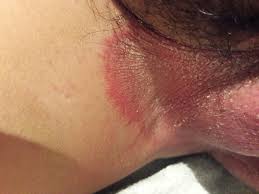
The benefits of using Sebifin Cream include:
- Symptom Relief: Rapidly diminishes itching and burning, providing immediate comfort.
- Healing: Facilitates the restoration of normal skin texture and appearance as the infection clears.
- Containment: Helps prevent the infection from spreading to surrounding skin.
With its dual action of eliminating the fungus and soothing the skin, it is a reliable choice for regaining comfort and skin health.
4.5 Use in Intertrigo and Moist Skin Fold Infections
Intertrigo is an inflammatory condition that develops in skin folds, frequently aggravated by the growth of yeast or fungi. When such fungal activity is identified, Sebifin Cream serves as an effective treatment option.
The condition is primarily driven by the combination of moisture and friction; these factors create an ideal environment for microorganisms to thrive and proliferate.
- Primary Locations: It is most commonly found in areas such as the abdominal folds, the groin, and the skin beneath the breasts.
- Recovery Focus: Keeping the affected areas dry is essential to successful healing.
- Treatment: Applying a topical antifungal helps to speed up the resolution of the inflammation.
4.6 Terbinafine for Toenail Fungus
Treating fungal toenail infections can be notoriously difficult. While topical Terbinafine creams are less effective than oral medications, they can still provide value for mild cases or serve as a useful component of a broader treatment plan.
The hard surface of the nail acts as a natural barrier, which limits the absorption of topicals. Nevertheless, addressing the issue early—even if the impact is modest—can still be beneficial.
- Superficial Use: Most effective when the infection is limited to the surface layers of the nail.
- Combination Therapy: Frequently used alongside systemic (oral) antifungal treatment to enhance outcomes.
- Consistency: Achieving visible improvement requires a long-term commitment to daily application.
4.7 Terbinafine for Yeast Infection
While Terbinafine can manage certain yeast-based skin infections, it is typically not the primary treatment for mucosal candidiasis. Its effectiveness is largely dependent on the specific strain of yeast involved.
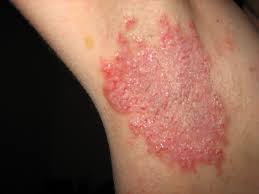
For cutaneous yeast infections, however, the treatment is highly effective at inhibiting fungal proliferation. Curbing this growth, it helps alleviate inflammation, redness, and irritation, providing significant symptomatic relief.
- Targeted Application: The cream demonstrates higher efficacy on the skin compared to mucosal surfaces.
- Treatment Selection: Depending on the specific case, healthcare providers may prefer alternative antifungal agents.
- Clinical Guidance: The decision to use Terbinafine is based on professional medical judgment tailored to the patient’s specific needs.
4.8 Terbinafine for Onychomycosis
Onychomycosis is a fungal nail infection characterized by symptoms such as nail thickening, discoloration, and increased brittleness. Effectively managing this condition requires a persistent approach and, often, a lengthy treatment period.
While oral Terbinafine is the standard and most potent treatment for Onychomycosis, topical application of the medication can serve as a valuable supplement.
- Systemic vs. Topical: Oral therapy is generally more effective for clearing the infection, whereas topical use is best suited as an adjunct or for addressing mild, early-stage cases.
- Commitment: Because nails grow slowly and fungi are resilient, treatment typically requires a significant time investment to achieve results.
4.9 Terbinafine for Dogs
In veterinary practice, Terbinafine is sometimes prescribed to treat fungal conditions in dogs, such as ringworm (dermatophytosis) and various other superficial fungal infections.
However, veterinary oversight is mandatory, as both the required dosages and the specific formulations differ significantly from those designed for humans.
- Professional Supervision: Treatment must always be overseen by a veterinarian.
- Administration: Depending on the diagnosis, the medication may be applied topically or administered systemically.
- Safety Monitoring: Close observation is recommended throughout the course of treatment to ensure the animal does not experience adverse side effects.
4.10 Terbinafine for Cats
Veterinarians occasionally prescribe Terbinafine to treat feline fungal infections like ringworm, as cats are highly prone to these dermatophyte issues and require early intervention.
Because feline physiology is unique, professional veterinary oversight is mandatory to ensure the treatment is both safe and effective. Key aspects of this management include:
- Targeted Care: It is a frequent choice for addressing Microsporum canis infections.
- Flexible Treatment: Depending on the specific case, veterinarians may recommend either oral or topical therapy.
- Environmental Hygiene: Because spores can persist in the home, thorough decontamination of the environment is vital to stop the cycle of reinfection.
Ultimately, successful outcomes in feline care depend on accurate diagnosis and a treatment plan customized to the individual cat's needs.
5. Off-Label Uses of Terbinafine Cream
5.1 Adjunct Treatment for Seborrheic Dermatitis
Seborrheic dermatitis is a chronic inflammatory skin condition frequently associated with the overgrowth of Malassezia yeast. While Terbinafine Cream is not a primary treatment for this condition, its antifungal properties can serve as a beneficial adjunct by lowering the yeast population on the skin, thereby helping to manage symptoms.
When used as a supplement to conventional therapies, patients may notice significant improvements:
- Symptom Resolution: Inflammation subsides and scaling diminishes, often leading to a visible reduction in red, raised plaques (erythematous plaques).
- Typical Application Sites: The cream is commonly applied to areas such as the face, scalp margins, and the chest.
- Combined Approach: It is often paired with corticosteroids or medicated shampoos to improve efficacy.
- Maintenance: It can also be a valuable tool in reducing recurrence rates for patients with persistent or refractory cases.
5.2 Supportive Topical Use in Onychomycosis
While systemic antifungal medications remain the primary standard for treating onychomycosis. According to National Institute of Health, Terbinafine Cream can serve as a valuable topical adjunct. It is generally intended to support the main course of treatment rather than act as a standalone cure.
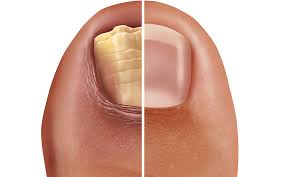
The nail plate presents a significant barrier that makes deep penetration difficult for topical agents. Nevertheless, applying the treatment to the area surrounding the nail can effectively lower the overall fungal burden.
- Early Intervention: Best suited for superficial or early-stage nail infections.
- Synergistic Care: Significantly improves clinical outcomes when paired with oral antifungal therapy.
- Consistency: Success requires a long-term, disciplined commitment to daily application.
5.3 Management of Fungal Acne (Malassezia Folliculitis)
Fungal acne, medically referred to as Malassezia folliculitis, is a dermatological condition frequently mistaken for standard acne. Unlike typical acne, which is bacterial, this condition is driven by a fungal overgrowth that manifests as small, uniform bumps. A common complication is that traditional acne treatments often exacerbate the issue rather than resolving it.
According to Science Direct, Terbinafine Cream is an effective intervention in treating Malassezia Follicutus because it specifically targets the underlying yeast. By neutralizing the fungal population, it facilitates the reduction of skin lesions and alleviates associated itching.
- Common Locations: It typically develops on the upper arms, back, and chest.
- Key Diagnostic Feature: It is clinically distinguished by the uniform appearance of the lesions.
- Targeted Treatment: Because the origin is fungal, it requires antifungal therapy rather than conventional antibacterial acne treatments.
5.4 Potential Role in Mixed Bacterial-Fungal Skin Conditions
Some skin infections involve a mix of both fungal and bacterial elements, creating polymicrobial conditions that can be difficult to treat. In these instances, according to PubMed Central Terbinafine Cream is often integrated into a broader treatment plan to provide targeted care.
This multifaceted approach is highly effective because it treats the underlying causes simultaneously:
- Dual Action: Terbinafine eliminates the fungal component, while concurrent antibacterial agents work to neutralize the bacterial pathogens.
- Clinical Context: This is commonly observed in intertriginous (skin-fold) infections that have developed secondary bacterial colonization.
- Treatment Strategy: Successful resolution requires a thorough clinical assessment to determine the appropriate combination therapy, which significantly improves overall recovery results.
6. Dosage and Administration Guidelines
6.1 Recommended Application Frequency and Duration
The frequency of Sebifin Cream application—typically once or twice daily—should be tailored based on the severity of your infection. Following your healthcare provider's specific dosing instructions is essential for achieving the most effective outcome.
Treatment duration varies depending on the nature of the infection: mild cases may resolve with short-term use, while persistent infections require a more extended course of therapy.
- Typical Duration: Most courses range from 1 to 4 weeks.
- Complete Treatment: It is important to continue the application for several days even after your symptoms have visibly cleared to ensure the fungus is fully eradicated.
- Consistency: Avoid stopping the treatment prematurely, as this can increase the risk of the infection returning.
6.2 Proper Application Technique for Maximum Efficacy
Proper application technique is essential for the effectiveness of your topical treatment. You should apply a thin, even layer of the cream over the affected area, extending slightly onto the surrounding skin to ensure complete coverage.
Gently massaging the product into the skin will improve absorption, though applying an excessive amount is neither necessary nor more effective.
- Hygiene: Always wash your hands both before and after applying the cream.

- Preparation: Apply the product only to skin that is clean and dry.
- Covering: Do not use occlusive (airtight) dressings or bandages over the cream unless specifically instructed to do so by a healthcare professional.
6.3 Skin Preparation Before Application
Effective skin preparation is a vital first step in your treatment. Before applying the cream, the area must be thoroughly cleaned and dried, as residual moisture can hinder the medication's performance.
Ensuring the skin is clean not only improves the cream's penetration but also minimizes the risk of further microbial contamination.
- Cleansing: Use mild soap and water to gently wash the area.
- Drying: Pat the skin dry delicately; avoid vigorous rubbing or friction, which can irritate the tissue.
- Skin Folds: Pay special attention to skin folds, ensuring they are completely dry, as these areas are prone to moisture retention.
6.4 Duration of Treatment by Infection Type
The duration of your antifungal treatment depends on the specific type of infection you are managing. While some superficial skin infections may clear up within a few weeks, more resilient or deep-seated conditions will require a longer therapeutic commitment.
Staying consistent is vital; interrupting your treatment schedule can cause the infection to return. Typical timelines for common conditions include:
- Tinea pedis (Athlete's foot): Generally requires 1 to 2 weeks of treatment, though severe cases may need an extended duration.
- Tinea cruris (Jock itch) and Tinea corporis (Ringworm): Typically resolve within approximately 1 to 2 weeks.
- Pityriasis versicolor: Usually managed over a period of up to 2 weeks, or as otherwise specified by your healthcare provider.
7. Storage and Handling Requirements
7.1 Ideal Storage Temperature and Conditions
To maintain the stability and effectiveness of Sebifin Cream, it is important to store it under controlled conditions, as exposure to extreme temperatures can alter its formulation.
An optimal storage environment is one that is both cool and dry, away from direct sunlight.
- Temperature: Store the cream below 25°C, unless your product packaging provides specific instructions to the contrary.
- Environment: Protect the medication from excess heat and moisture.
- Safety: Do not place the cream in the freezer.
7.2 Shelf Life and Expiry Considerations
Like all medications, Sebifin Cream has a defined shelf life. The expiration date printed on the packaging indicates the period during which the product is guaranteed to remain stable and effective.
Using expired medication is not recommended, as its potency may be significantly reduced, and it could potentially pose health risks.
- Verify Dates: Always check the expiration date before applying the cream.
- Check Packaging: Do not use the product if the container or seal appears damaged or compromised.
- Proper Disposal: Once the expiration date has passed, ensure the cream is discarded safely and appropriately.
7.3 Safe Handling and Hygiene Practices
Practicing good hygiene throughout your treatment is vital to prevent accidental contamination or the spread of the infection. Careful handling of your medication not only promotes safety but also ensures your therapy is as effective as possible.
- Small, consistent habits make a substantial impact on your recovery:
- Avoid Sensitive Areas: Be careful to prevent the cream from coming into contact with your eyes or mucous membranes.
- Personal Use Only: Never share your prescribed medication with anyone else.
- Keep Secure: Ensure the product is stored safely out of the reach of children at all times.
Adhering to these simple practices will help you achieve the best possible treatment results while maintaining your safety.
8. Drug Interactions and Compatibility
8.1 Interaction with Other Topical Medications
When using Terbinafine Cream alongside other topical products, you must exercise caution. The skin is highly sensitive, and applying multiple layers of different formulations at once can interfere with how the medication is absorbed or diminish its overall effectiveness.
While some combinations can be helpful, others may cause antagonistic reactions where the products counteract each other. Consider these guidelines for managing multiple treatments:
- Medically Supervised Combinations: Combining Terbinafine with corticosteroids can effectively manage inflammation, but this should only be done under professional medical supervision.
- Avoid Overlap: Using multiple antifungal agents at the same time is generally unnecessary and does not typically improve clinical outcomes.
- Sequential Application: Instead of layering products simultaneously, it is often better to apply them at different times.
Spacing out your applications ensures the skin can properly absorb each treatment and minimizes the risk of chemical incompatibility or dilution.
8.2 Use with Systemic Antifungal Agents
In specific clinical situations, Terbinafine Cream can be safely paired with oral (systemic) antifungal medications. This dual approach is frequently utilized for managing extensive or stubborn infections that require more aggressive treatment.
By using both methods, you provide a two-pronged attack against the fungus:
- Targeted vs. Systemic Coverage: The topical cream provides concentrated, localized relief, while the systemic medication reaches deeper tissues and addresses widespread fungal involvement.
- Improved Outcomes: This combined strategy provides more comprehensive antifungal coverage and can lead to a faster recovery.
- Regimen Adherence: Success relies heavily on your strict adherence to the prescribed dosing schedules for both the cream and the oral medication.
This type of combination therapy must always be directed by a healthcare professional, who will monitor your progress to ensure the treatment remains both effective and safe.
8.3 Interaction with Skincare and Cosmetic Products
Your daily skincare products can affect how well Terbinafine Cream works. Some ingredients may block the skin, while others could trigger irritation when mixed with the medication.
Being mindful of your product selection and timing is key to a successful treatment:
- Avoid Occlusives: Do not apply heavy, thick creams immediately after using your antifungal treatment, as these can trap the product or prevent proper absorption.
- Gentle Cleansing: Stick to mild, fragrance-free cleansers to lower the risk of skin irritation.
- Buffer Time: Allow enough time for the antifungal cream to be fully absorbed before applying any cosmetics or other topicals.
Keeping your skincare routine simple during the treatment period is highly recommended. It minimizes the risk of product interference and helps ensure your skin recovers without unnecessary complications.
9. Terbinafine Side Effects
9.1 Local Skin Reactions: Redness, Itching, Burning
Local skin reactions are the most common side effects associated with Terbinafine Cream, though these symptoms are generally mild and temporary.
You may experience brief redness, itching, or a gentle stinging sensation shortly after application. This is typically a minor, localized skin irritation rather than an indication of a systemic issue or a severe allergic reaction.
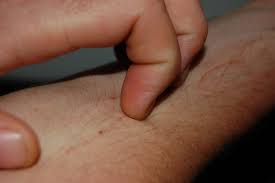
- Expected Course: These sensations usually resolve on their own without the need to stop treatment.
- Sensitivity: These reactions are more likely to occur when the cream is applied to particularly sensitive areas of the skin.
- Professional AdviceWhile these side effects are common, you should monitor them closely and consult your healthcare provider if the symptoms do not improve or begin to worsen.
9.2 Dryness, Peeling, and Mild Irritation
During treatment, you may experience xerosis (dryness) or superficial desquamation (flaking). While your skin might appear dry or start to peel, these side effects are typically minor and rarely necessitate discontinuing your medication.
As your skin adjusts to the treatment, these symptoms usually subside on their own. In the meantime, you can manage the dryness with the following steps:
- Hydration: Use gentle, non-irritating moisturizers to soothe the skin.
- Avoid Irritants: Steer clear of harsh soaps or exfoliating products that could further strip the skin of its natural moisture.
- Maintain Care: Focus on keeping your skin well-hydrated throughout the course of your therapy.
9.3 Temporary Symptom Worsening in Early Treatment
It is not uncommon for patients to experience a temporary flare-up of symptoms when beginning treatment. While this can be discouraging, please be assured that this is often a short-lived reaction rather than a sign that the medication is ineffective.
This initial worsening can occur as the fungus dies, which may trigger a localized inflammatory response.
- Duration: These symptoms typically subside on their own within a few days.
- Treatment Adherence: In most cases, it is recommended that you continue your prescribed application schedule to allow the healing process to take hold.
- Professional Guidance: If your symptoms increase significantly or cause you severe distress, you should consult your healthcare provider for further advice.
10. Serious and Less Common Side Effects
10.1 Allergic Reactions and Hypersensitivity
Although uncommon, hypersensitivity reactions to Terbinafine Cream can occur. These reactions may manifest as severe itching, swelling, or a rash that extends well beyond the initial application site.
If you suspect a reaction, it requires immediate attention and the cessation of the medication.
- Warning Signs: Watch for symptoms such as hives (urticaria), localized or widespread swelling (angioedema), or significant, spreading redness (erythema).
- Severe Cases: In rare instances, reactions can involve systemic symptoms affecting the entire body.
- Professional Intervention: If you experience any of these signs, seek prompt medical evaluation to determine the appropriate next steps.
10.2 Severe Skin Irritation or Contact Dermatitis
On rare occasions, patients may develop contact dermatitis, a condition characterized by significant inflammation, blistering, or acute discomfort. This indicates that your skin is having a severe, adverse reaction to the product.
Distinguishing between minor irritation and true dermatitis is critical. Because symptoms can be similar, a professional physical examination is often necessary for an accurate diagnosis. You should be alert for the following:
- Escalated Symptoms: Redness and swelling that persist well beyond expected levels.
- Tissue Damage: The development of vesicles (blisters) or skin erosions.
- Lack of Improvement: A steady worsening of the area despite your continued use of the cream.
If you suspect you are experiencing contact dermatitis, the most effective immediate step is to stop using the product and consult your doctor for further guidance.
10.3 Indicators for Medical Consultation
Some symptoms serve as clear indicators that you should consult a healthcare professional promptly. Identifying these signs early allows for the right intervention and helps prevent further complications.
Staying alert to how your skin responds is essential, as timely action can significantly improve your recovery. You should seek medical advice if you experience any of the following:
- Treatment Failure: Your symptoms have not improved after completing the full recommended duration of the therapy.
- Severe Reactions: You experience intense or worsening skin irritation, rashes, or discomfort.
- Secondary Infection: You notice signs such as the formation of pus, increasing pain, or spreading redness, which may indicate a new, secondary infection.
A professional evaluation is necessary for an accurate diagnosis and will allow your doctor to adjust your treatment plan as needed to ensure you get back on the right track.
11. Contraindications
11.1 Hypersensitivity to Terbinafine or Excipients
Individuals with a known allergy to Terbinafine, the active ingredient in Sebifin Cream, should avoid using this product. Allergic reactions, while uncommon, can be serious, and it is important to note that even a small amount of the cream can be enough to trigger an adverse response in sensitive individuals.
Hypersensitivity can manifest rapidly and symptoms may escalate quickly if exposure continues.
- Common Indicators: Watch for signs such as a localized rash, swelling, or intense, persistent itching.
- Allergic Reactions: Be alert for the development of hives (urticaria) or widespread red skin eruptions (erythematous eruptions).
- Severe Potential: In rare cases, these reactions can progress to more serious allergic phenomena.
If you have a documented history of allergic reactions to any antifungal medication, you should exercise significant caution. It is recommended that you consult your healthcare provider, who may suggest alternative therapies that are safer for your specific needs.
11.2 Use in Undiagnosed Skin Conditions
It is generally inadvisable to use a product like Terbinafine Cream on undiagnosed skin conditions. Because not all skin problems are fungal in nature, applying an antifungal treatment without a confirmed diagnosis can obscure the true symptoms, potentially complicating your doctor's ability to identify the underlying cause.
Using the wrong treatment can lead to unnecessary complications and may cause the condition to worsen:
- Diagnostic Mimicry: Many inflammatory skin conditions (dermatoses) closely resemble fungal infections.
- Diverse Requirements: Bacterial infections require entirely different therapeutic approaches than fungal ones.
- Masking Chronic Issues: Applying the wrong cream can temporarily mask the symptoms of chronic conditions, delaying effective treatment.
A professional diagnosis should always be obtained before starting any medication. A thorough clinical evaluation is the best way to ensure the treatment you receive is appropriate and effective for your specific condition.
11.3 Medical Conditions Requiring Avoidance
Certain health conditions may require caution or even necessitate avoiding the use of Terbinafine Cream. Although the medication is primarily designed for topical use and is not significantly absorbed into the bloodstream, the condition of your skin can directly influence your tolerance and the risk of adverse reactions.
You should be particularly mindful if your skin’s natural protective barrier is compromised, as this can increase sensitivity:
- Damaged Skin: Applying the cream to severely damaged, open, or ulcerated areas can be risky.
- Chronic Conditions: Individuals with chronic skin disorders involving barrier dysfunction may be more prone to irritation.
- Prior Reactions: A clinical history of severe contact dermatitis indicates a higher likelihood of sensitivity.
In these circumstances, it is essential to seek guidance from a healthcare professional. They can properly assess whether the treatment is suitable for your specific situation and help you minimize the risk of complications.
12. Warnings and Important Safety Information
12.1 External Use Only Avoid Eyes and Mucous Membranes
Sebifin Cream is formulated exclusively for external use. It is critical that you keep the product away from your eyes, mouth, and other sensitive areas, such as mucous membranes. Accidental contact with these regions can cause significant irritation, so please use the cream with caution.
If you do accidentally get the medication in a sensitive area, take these steps immediately:
- Stay Focused: Take care to avoid applying the cream anywhere near your ocular (eye) region, nostrils, or mouth.
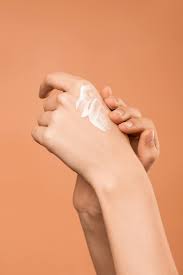
- Immediate Action: If accidental contact occurs, rinse the affected area thoroughly with water right away; acting quickly will help minimize discomfort and irritation.
12.2 Risk of Misdiagnosis and Improper Use
Misdiagnosis is a major concern in dermatology, as many skin conditions mimic fungal infections, often leading to the incorrect use of antifungal creams.
Applying the wrong treatment can be counterproductive and may even aggravate the condition it was intended to resolve. Consider these risks:
- Ineffectiveness: Rashes that are not fungal in origin will not respond to antifungal treatment.
- Delayed Care: Relying on the wrong product can delay the diagnosis and treatment of more serious underlying health issues.
- Added Irritation: Excessive or improper use of medication can lead to unnecessary skin irritation.
Obtaining a precise diagnosis of the underlying cause is essential. Diagnostic clarity is the surest way to achieve a successful and efficient therapeutic outcome.
12.3 Importance of Completing Full Treatment Course
It is essential to complete your full prescribed course of treatment, even if you begin to feel better, to ensure the fungal infection is eradicated completely. Stopping your medication prematurely often results in the infection lingering.
While symptoms may subside early, the infection itself may persist:
- Preventing Recurrence: Stopping treatment too early significantly increases the risk that the infection will return.
- Eliminating Fungi: Even when symptoms fade, residual fungal elements can remain and begin to proliferate if treatment is cut short.
- Ensuring Success: Consistency is the only way to ensure durable, long-term therapeutic results.
Even after you see visible improvement on your skin, you are strongly encouraged to continue the therapy exactly as directed by your healthcare provider.
13. Important Precautions During Use
13.1 Monitoring Treatment Response and Skin Reactions
Consistently monitoring how your skin responds to treatment is a vital safety measure. By closely observing changes in the appearance of the affected area and the severity of your symptoms, you can better gauge how well the therapy is working.
Recovery should be a gradual process, but it is important to stay vigilant for any adverse reactions:
- Signs of Progress: A noticeable reduction in redness, flaking, and itching is a positive indicator that the treatment is effective.
- When to Reassess: If your symptoms do not improve or begin to worsen, it is time to have your condition re-evaluated.
- Handling Reactions: If you experience any unexpected or concerning side effects, stop using the product immediately.
Regular self-evaluation allows you to catch issues early and ensures you can seek timely medical intervention if your treatment plan needs to be adjusted.
13.2 Avoidance of Occlusive Dressings
Unless specifically instructed by your doctor or dermatologist, you should avoid covering the treated area with a tight bandage or dressing. While occlusive coverings can sometimes enhance absorption, they often cause irritation or lead to the skin becoming excessively damp and softened.
Proper skin care requires ventilation, as the buildup of moisture can be counterproductive:
- Over-Hydration: Covering the area can lead to excessive skin hydration, which may weaken the skin barrier.
- Infection Risk: A damp, covered environment can increase the risk of developing secondary infections.
- Heightened Sensitivity: Occlusion can intensify local adverse reactions to the medication.
Allowing the treated skin to remain exposed to the air generally promotes better healing and helps the medication work as effectively as possible.
13.3 Hygiene Measures to Prevent Reinfection
Maintaining good hygiene is a vital part of managing fungal infections and preventing them from returning. Because fungi thrive in warm, moist environments, keeping your skin and surroundings clean is an effective way to control the problem.
Adopting simple preventive habits can make a significant difference:
- Prioritize Dryness: Keep affected areas clean and ensure they are thoroughly dried after washing.
- Routine Changes: Change your clothing and footwear regularly to avoid trapping moisture against your skin.
- Personal Boundaries: Avoid sharing personal items, such as towels, to prevent the spread of fungi to or from others.
Consistently practicing these measures significantly reduces the risk of the infection recurring and helps maintain long-term skin health.
14. Careful Administration Considerations
14.1 Use on Sensitive Areas (Face, Genitals)
When applying Sebifin Cream, exercise extra caution on sensitive areas—such as the face, groin, and skin near the genitals—where the skin is thinner and more prone to irritation. It is best to use only a small amount in these regions.
Ensure that the application remains strictly external and localized, taking care to avoid contact with any mucous membranes:
- Targeted Use: Apply the cream only to the specific skin surface affected by the infection.
- Sensitive Zones: Avoid getting the product in your eyes, on your lips, inside your nostrils, or on internal genital areas.
- Safety First: If you experience severe burning, swelling, or irritation during use, discontinue application immediately.
14.2 Application on Damaged or Inflamed Skin
When your skin is severely inflamed, cracked, or damaged, its reaction to topical treatments can be unpredictable. This sensitivity increases the likelihood of discomfort and local side effects, making it vital to exercise significant caution.
You should not apply Terbinafine Cream to open wounds unless specifically instructed to do so by a healthcare provider, as the integrity of your skin barrier is critical to the safety of the treatment:
- Avoid Damaged Areas: Do not apply the cream to skin that is ulcerated or bleeding.
- Check for Infection: Before use, assess the site for signs of a secondary bacterial infection.
- Seek Guidance: Consult a medical professional if you notice symptoms such as intense pain, unusual discharge, or redness that is spreading from the original site.
14.3 Considerations for Long-Term or Repeated Use
Prolonged or repeated use of Sebifin Cream should be approached with caution. If your symptoms frequently return, it may indicate that the infection was not fully cleared, the fungus has developed resistance, or perhaps the initial diagnosis was inaccurate. It is important to address these underlying possibilities rather than assuming more product is the answer.
More is not always better, and recurrent infections require a fresh look at your treatment plan:
- Medical Supervision: Avoid using the cream indefinitely without ongoing oversight from a healthcare professional.
- Lifestyle Review: Evaluate your hygiene habits, including the types of footwear and clothing you wear, and ensure you are effectively managing moisture levels.
- Re-evaluation: If symptoms continue to cycle, seek diagnostic confirmation to ensure you are using the correct treatment for your specific condition.
15. Administration to Special Populations
15.1 Administration to Elderly Patients
While older adults can safely use topical Terbinafine, it is important to account for age-related factors like thinning skin, chronic dryness (xerosis), and existing skin issues. Because aging skin is often more sensitive, it may react more intensely to topical treatments.
Usage Guidelines
- Application Method: Use a light touch and apply only a thin layer to the affected area.
- Clinical Monitoring: Regularly check the site for signs of redness, irritation, or extreme peeling.
- Physical Accessibility: Be mindful that limited mobility or dexterity may make it difficult for the patient to apply the cream correctly; assistance may be required.
15.2 Use in Pregnant Women: Risk-Benefit Evaluation
Deciding whether to use topical Terbinafine during pregnancy requires a careful balance of the clinical benefits against any potential risks. While the body absorbs very little of the medication through the skin, it is generally best to avoid any unnecessary treatments during this time.
Usage Recommendations
- Necessity First: Only use the product if the infection clearly requires medical intervention.
- Targeted Application: Apply the cream to the smallest area possible and for the minimum amount of time needed to clear the infection.
- Professional Guidance: Always speak with a healthcare provider before starting treatment to ensure it is the safest choice for your specific situation.
15.3 Use in Nursing Mothers and Breastfeeding Safety
Mothers using Sebifin Cream while nursing should exercise caution. Although skin absorption into the bloodstream is minimal, it is vital to prevent the infant from having any direct contact with the medicated area.
Safety Precautions
- Strategic Application: Do not apply the cream to the breasts or nipples. Ensure the medication is not used on any part of the body where the baby’s skin or mouth might touch.
- Hygiene: Wash your hands thoroughly after every application to prevent accidental transfer to the child.
- Expert Advice: If you require long-term treatment, consult a healthcare professional to ensure continued safety for your baby.
15.4 Pediatric Use: Safety and Age Considerations
Using topical treatments on children requires careful medical consideration, as their skin is significantly more delicate than that of adults. Younger children are also at a higher risk of accidental ingestion if they touch the treated area and then put their hands in their mouths.
Safety & Application
- Targeted Use: Strictly follow the prescribed instructions and use the product only as directed for the child's specific age and diagnosis.
- Minimal Coverage: Avoid applying the cream over large areas of the body; keep the application precise and limited to the affected site.
- Supervision and Storage: Closely monitor the child after application and ensure the medication is stored securely out of their reach.
16. Overdosage and Misuse
16.1 Risks of Excessive Topical Application
Applying more Sebifin Cream than recommended will not speed up the healing process or improve its antifungal effectiveness. In fact, over-application is counterproductive and often leads to secondary issues like skin irritation, a greasy residue, or general discomfort.
Risks of Excessive Use
- Heightened Sensitivity: Using too much can worsen sensations of burning or itching at the application site.
- Skin Damage: Overuse may aggravate dryness and lead to more severe skin peeling.
- Masked Progress: Applying thick layers can make it difficult to see if the underlying infection is actually getting better or if the skin is simply reacting to the product.
Best Practice
A thin, even layer is all that is required for the treatment to work effectively.
16.2 Accidental Ingestion and Management
Accidental ingestion of Sebifin Cream is a serious matter that requires immediate attention, regardless of the amount swallowed. Because children are particularly vulnerable to the ingredients in topical medications, any internal exposure should be treated as an emergency.
Immediate Response Steps
- Initial First Aid: Rinse the mouth out with water immediately. Do not attempt to induce vomiting unless specifically told to do so by a medical professional.
- Seek Assistance: Contact a healthcare provider or your local poison control center right away for expert guidance.
- Identification: Keep the product tube or packaging nearby so you can provide accurate information about the ingredients to emergency responders.
16.3 Symptoms and Treatment of Overuse
Excessive application typically leads to localized skin reactions rather than widespread internal toxicity. The most frequent signs of overuse include redness (erythema), a stinging sensation, dryness, and heightened irritation, specifically where the cream was applied.
Management and Care
- Temporary Cessation: If the skin becomes severely irritated, stop using the product immediately to allow the area to recover.
- Gentle Cleansing: Carefully wash the affected site using mild soap and water to remove any excess medication.
- Medical Follow-up: If the irritation does not subside or continues to get worse, consult a healthcare professional for further advice.
17. Handling Precautions and Safety Measures
17.1 Proper Disposal of Unused or Expired Product
Safe disposal of Sebifin Cream is essential for maintaining medication safety and environmental health. Using expired or unneeded cream is risky, as the active ingredients may lose their potency or degrade into potentially harmful substances over time.
Disposal Guidelines
- Environmental Protection: Never flush the cream down the toilet or pour it into household drains, as pharmaceuticals can contaminate water systems.
- Safe Handling: Securely seal the container before throwing it away to ensure children, pets, or sanitation workers aren't accidentally exposed to the product.
- Best Practice: Whenever possible, utilize local pharmaceutical "take-back" programs or designated medical waste collection sites.
Adhering to these disposal protocols protects your household from accidental misuse and helps keep the ecosystem clean.
17.2 Prevention of Cross-Contamination
Preventing cross-contamination is a vital part of treating fungal infections. Because fungi spread easily through contact with infected surfaces or personal belongings, maintaining strict hygiene is essential to prevent the infection from spreading or returning.
Hygiene & Prevention
- Protect the Product: To keep the medication sterile, ensure the tip of the tube never touches the infected skin directly.
- Personal Use Only: Never share your cream with anyone else, as this can transmit the fungus between people.
- Hand Hygiene: Wash your hands meticulously both before applying the cream (to keep the area clean) and after (to prevent spreading the fungus to other body parts).
Following these simple steps significantly lowers the chance of moving the infection to new areas of your body or passing it on to others.
17.3 Safe Storage Away from Children and Pets
It is essential to store Sebifin Cream in a secure area where children and pets cannot reach it. While intended for external use only, the medication can be hazardous if accidentally swallowed or handled improperly.
Safe Storage Practices
- Restrict Access: Keep the cream in a high-up storage space or a locked cabinet to ensure it remains out of sight and out of reach.
- Maintain Supervision: Never leave the tube unattended on counters or bedside tables where others might easily find it.
- Secure the Packaging: Always screw the cap on tightly after every use to prevent leaks and accidental exposure.
By following these straightforward storage habits, you can significantly reduce the risk of accidental injury or misuse within your home.
18. Summary of Key Clinical Considerations
18.1 Effectiveness in Treating Common Fungal Infections
Sebifin Cream is highly effective at treating common surface-level fungal infections. Its active formula works by directly killing dermatophytes and other targeted fungi, rather than just slowing their growth.
Benefits and Efficacy
- Broad Coverage: Successfully treats various conditions, including ringworm, athlete’s foot, and jock itch.
- Rapid Symptom Relief: Patients typically notice a quick and significant reduction in itching, scaling, and skin inflammation.
- Efficiency: It often requires a shorter course of treatment than many other antifungal options.
Because of its fast-acting nature and ease of use, Sebifin is a frequently recommended solution for restoring skin health.
18.2 Safety Profile and Patient Compliance
Sebifin Cream is generally well-tolerated, with most users experiencing only mild, localized skin reactions. This high safety standard, combined with its ease of use, makes it a reliable and widely accepted treatment option.
Key Advantages
- Safety & Comfort: Serious side effects are rare, as very little of the medication is absorbed into the bloodstream.
- User-Friendly Schedule: The convenience of applying the cream only once or twice a day makes it easy to stay consistent.
- Broad Suitability: While it is effective for a wide range of people, following the recommended safety guidelines ensures the best and safest results.
The Importance of Consistency
A simple treatment plan is the most effective one. When a medication is easy to apply and has few side effects, patients are much more likely to complete the full course, which is essential for successfully clearing the infection.
18.3 Importance of Adherence to Prescribed Guidelines
To achieve the best results, it is vital to follow the prescribed instructions exactly. Changing how often you apply the cream or stopping the treatment too early can prevent the medication from working correctly and may allow the fungus to survive.
The Path to Recovery
- Finish the Full Cycle: Even if your skin looks better and the itching has stopped, continue using the cream for the entire time recommended by your doctor.
- Maintain Consistency: Apply the medication at the same times every day without skipping any doses to keep the treatment effective.
- Prevent a Relapse: Combine the medication with good hygiene habits to ensure the infection doesn't return immediately after you finish.
By staying disciplined with your treatment plan, you can fully clear the current infection and significantly reduce the chances of it coming back in the future.
Sebifin Cream, Terbinafine FAQ
- Is Terbinafine a strong antifungal?
- What are the side effects of taking Terbinafine?
- Can I buy Terbinafine over the counter?
- How long does Terbinafine take to work?
- Is 30 days of Terbinafine enough?
- Why is Terbinafine not recommended in adults?
- What to avoid when taking Terbinafine?
- Is it okay to take Terbinafine every day?
- Can Terbinafine damage kidneys?
- What time of day is best to take Terbinafine?
- What are the worst side effects of Terbinafine?
- What is the strongest antifungal over the counter?
- Is one month of Terbinafine enough?
- Do you still itch after taking Terbinafine?
- How long does Terbinafine stay in your system?
- What happens if I use antifungal cream for too long?
- Can Terbinafine weaken your immune system?
- What fungus is resistant to Terbinafine?
- What are early signs of Terbinafine issues?
- Can I take Terbinafine and VITAMIN C together?
- What happens if you eat chocolate while taking Terbinafine?
- Does fungus come back after Terbinafine?
- Is it better to take Terbinafine at night or in the morning?
- Does Terbinafine make you pee a lot?
- Is Terbinafine worth it?
- Who cannot use Terbinafine?
- How risky is Terbinafine?
- How long is it safe to take Terbinafine?
- What are the side effects of Terbinafine?
- How do you know when to stop Terbinafine?
- Can Terbinafine damage kidneys?
- Can Terbinafine cause permanent damage?
- What are the signs that Terbinafine is working?
- How many times can you take Terbinafine?
- Is Terbinafine a strong antifungal?
- What happens if you miss a day of Terbinafine?
- Is Terbinafine a steroid?
Is Terbinafine a strong antifungal?
According to the National Institute of Health Terbinafine is a strong antifungal medicine. It stops an enzyme called squalene epoxidase from working, which is important for the fungus to make its cell membrane. Without this enzyme, the fungus dies. This medicine is especially good at fighting dermatophytes, which are the fungi that cause problems like athlete's foot, ringworm, and nail infections. It's really effective against these kinds of fungi.
What are the side effects of taking Terbinafine?
Some people may get headaches, have diarrhea, feel nauseous, or have indigestion when taking this medication. They might also get a skin rash. Not as often, but still possible, are problems with taste - like things tasting funny or not tasting anything at all. This can even happen after stopping the medication. Then there are the more serious, but really rare, side effects. These can include liver damage, severe skin reactions like Stevens-Johnson syndrome, and blood disorders. It's worth noting that these serious reactions don't happen to many people, but they can be really bad if they do happen.
Can I buy Terbinafine over the counter?
You can get Terbinafine with or without a prescription, it just depends on what kind of form you need and how much of it you have to take. If you need a cream or spray for things like athlete's foot or ringworm, you can usually find those at the store without a prescription. But if you need to take Terbinafine tablets by mouth, you'll probably need a prescription because they can affect your whole body and have some risks.
How long does Terbinafine take to work?
The time it takes to see results from treatment can vary a lot depending on what kind of infection you have and where it is. If you have a skin infection, you might start to feel better within a week or two of starting treatment. But if you have a nail infection, it can take a lot longer - usually between three to six months - because the nail needs time to grow out completely before the infection is fully gone. This is because nail infections are deeper and harder to reach, so the treatment takes longer to work its way through the nail. As a result, it's really important to be patient and keep taking your medication as directed, even if you don't see improvement right away.
Is 30 days of Terbinafine enough?
For fungal infections like fingernail onychomycosis, a six-week treatment is usually the way to go. But when it comes to toenail infections, you're looking at twelve weeks of oral medication with Terbinafine. Some skin infections, such as tinea corporis or tinea pedis, might only need thirty days of treatment. However, the length of treatment really depends on the type of infection, how bad it is, and where it's located - so it's best to let a doctor decide if thirty days is enough.
Why is Terbinafine not recommended in adults?
Terbinafine is usually okay for adults to take, but it's used carefully in people who already have liver problems, kidney issues, or diseases where their immune system attacks their body, like lupus. It's also not a good idea for people who are allergic to this medicine. The main worry is that it might hurt the liver in people who are already vulnerable, but that doesn't mean all adults should avoid it.
What to avoid when taking Terbinafine?
When you're taking Terbinafine , it's really important to be careful with alcohol. Drinking too much can hurt your liver, and combining it with this medicine can make things worse. You should also watch out for caffeine - Terbinafine can affect how your body processes it, which might make your heart beat faster or keep you up at night. And there's something else to keep in mind: some medicines don't mix well with Terbinafine because it affects how they're broken down in your body. So, if you're taking any other medications, especially ones that are processed by an enzyme called CYP2D6, you should talk to your doctor before taking them with Terbinafine to avoid any bad interactions. It's always better to be safe than sorry when it comes to mixing medicines.
Is it okay to take Terbinafine every day?
Taking Terbinafine every day is usually the way to go, with a standard dose of 250 mg once a day. This helps keep the right amount of the drug in your system, especially in your nails and skin, which is important for it to work properly. There's another way to take it, called pulse dosing, where you take the medication for just one week out of the month, but this isn't as common with Terbinafine as it is with other medications like Itraconazole.
Can Terbinafine damage kidneys?
The liver plays a big role in breaking down Terbinafine, so kidney problems are not usually a major concern. But for people with really bad kidney issues, the drug can build up in their system, which might cause some unwanted side effects. If someone's kidneys are not working well, with a creatinine clearance of less than 50 mL/min, their doctor might need to adjust their dose or even tell them to avoid the drug altogether. This is because the kidneys are not able to filter out the drug as efficiently, leading to higher levels in the blood. As a result, the risk of adverse effects increases, and careful management is necessary to minimize potential harm.
What time of day is best to take Terbinafine?
You can take Terbinafine at any time of day, it doesn't matter. You can have it with food or without food, whichever you prefer. The most important thing is to take it at the same time every day. This helps keep the levels of the medicine stable in your blood. If you get a stomach upset, try taking it with a meal, it might make you feel a bit better.
What are the worst side effects of Terbinafine?
Some of the most serious problems that can happen when taking this medication are liver damage, which in rare cases can lead to liver failure, and severe skin reactions like toxic epidermal necrolysis and Stevens-Johnson syndrome. Another issue is the loss of taste, also known as ageusia, which can last for months even after stopping the medication and can really affect a person's quality of life. There are also blood disorders, such as neutropenia and thrombocytopenia, which are rare but can be life-threatening and need immediate medical care. These are some of the serious side effects that can occur, and it's crucial to be aware of them to ensure proper medical attention if they happen.
What is the strongest antifungal over the counter?
Terbinafine 1% cream is a top choice for treating skin infections - it's really good at getting rid of fungi. Two other creams, Clotrimazole and Miconazole, are also popular and work well for lots of different fungal infections that aren't too deep. But when it comes to nail infections, there isn't a strong over-the-counter treatment that works as well as the prescription-strength Terbinafine you take by mouth.
Is one month of Terbinafine enough?
For some skin infections, like athlete's foot or ringworm, a month of treatment might be enough. But for nail infections, it's usually not long enough. Toenail fungus, for example, typically needs to be treated for the full twelve weeks to get the best results. Your doctor will be able to tell you how long you need to take the treatment based on how your body is responding and what kind of fungal infection you have. They'll check on your progress and make sure you're getting the right treatment for the right amount of time.
Do you still itch after taking Terbinafine?
Some people may feel itchy during or after taking Terbinafine, and this can be because their body is still dealing with the leftover fungal infection. Usually, the itching gets better on its own as the infection goes away. But if the itching doesn't go away or gets worse after finishing the treatment, it's a good idea to go back to the doctor to make sure it's not because the infection came back or because of something else entirely. The doctor can help figure out what's going on and what to do next.
How long does Terbinafine stay in your system?
According to Science Direct, Terbinafine stays in the body for a long time and tends to build up in fatty tissues like skin, nails, and fat cells. This means it can still be found in the nails for several months after the last dose, which helps it keep working even after treatment has stopped. It usually takes around 2 to 3 months for the body to completely get rid of the drug.
What happens if I use antifungal cream for too long?
Prolonged use of topical antifungal creams can lead to skin irritation, contact dermatitis, or thinning of the skin, especially if combination products containing Corticosteroids are used. Overuse may also contribute to antifungal resistance over time, reducing treatment effectiveness for future infections. It is advisable to follow the recommended treatment duration and consult a physician if symptoms persist.
Can Terbinafine weaken your immune system?
Terbinafine is different from some other medicines that can weaken your immune system. It's not like corticosteroids or chemotherapy, which can directly affect your immune system. But, in some rare cases, people have had problems with their immune system when taking terbinafine. For example, some people with lupus have had their symptoms get worse. If you have an autoimmune condition, you should be careful when taking terbinafine and make sure your doctor is keeping a close eye on you.
What fungus is resistant to Terbinafine?
Some strains of Trichophyton indotineae, a dermatophyte increasingly prevalent globally, have demonstrated notable resistance to Terbinafine. Candida species are intrinsically less susceptible to TERBINAFINE compared to dermatophytes, which is why it is not the preferred agent for candidal infections. Resistance in Trichophyton and other common dermatophytes has also been reported, though it remains relatively uncommon.
What are early signs of Terbinafine issues?
Early warning signs to watch for include unusual fatigue, loss of appetite, nausea, upper abdominal discomfort, or yellowing of the skin and eyes, which may indicate hepatotoxicity. A sudden change or loss of taste warrants prompt medical attention, as taste disturbances can be among the earliest side effects. Skin rashes or blistering lesions appearing shortly after starting treatment should also be reported to a physician without delay.
Can I take Terbinafine and VITAMIN C together?
You can usually take Terbinafine and Vitamin C together without any problems. There aren't any known interactions between the two that would be a major concern. But, as with any medication or supplement, it's always a good idea to let your healthcare provider know what you're taking. This way, they can review everything and make sure it's all safe for you.
What happens if you eat chocolate while taking Terbinafine?
If you're taking Terbinafine, you should know that it can affect how your body processes caffeine. This is because Terbinafine blocks a certain pathway that helps break down caffeine. Since chocolate has caffeine and another stimulant called Theobromine, eating a lot of it might make you feel more jittery or alert than usual. Most people can eat moderate amounts of chocolate without any problems. However, if you're really sensitive to caffeine, you might want to be careful. You could feel your heart beating faster or have trouble sleeping if you eat too much chocolate. There's no rule that says you can't eat chocolate at all, but it's a good idea to eat it in moderation. This way, you can enjoy chocolate without worrying about any negative effects.
Does fungus come back after Terbinafine?
Even after you've finished taking Terbinafine, you can still get infected again or have a relapse, especially if you don't get rid of the source of the infection, like dirty shoes, shared surfaces, or someone you're close to who hasn't been treated. Terbinafine is really good at curing infections, but it's not 100% guaranteed - just because the fungus is gone doesn't mean you're completely cured. To avoid getting infected again, it's really important to keep practicing good hygiene, like washing your hands and feet regularly, and making sure you're not sharing things that can spread the infection. If you do these things, you can significantly lower your chances of getting infected again.
Is it better to take Terbinafine at night or in the morning?
There is no clinical evidence definitively favoring one time of day over another for Terbinafine administration. The most important factor is consistency — taking it at the same time daily ensures stable therapeutic levels. If you experience any gastrointestinal side effects, taking it with food, regardless of time, may help mitigate discomfort.
Does Terbinafine make you pee a lot?
If you're taking Terbinafine and you notice you're urinating more often, it's probably not because of the medication. This isn't a typical side effect of Terbinafine. But it's still a good idea to talk to your doctor about it. There could be other reasons why this is happening, like drinking more fluids than usual, having a urinary tract infection, or some other health issue that's not related to the medicine. Your doctor can help figure out what's going on and find a solution.
Is Terbinafine worth it?
Terbinafine is really good at treating fungal infections, especially those that affect the nails. It's often the best choice for most people because it works well and has a high success rate. While there is a small chance of serious side effects, this is unlikely to happen in healthy people who don't have liver problems or autoimmune diseases. For people who have been dealing with stubborn or recurring fungal nail infections, terbinafine can make a big difference and provide long-lasting benefits. It's a treatment that can really help people get rid of these infections and feel better.
Who cannot use Terbinafine?
Terbinafine is not suitable for people who are allergic to it or have liver problems. It's also important to be careful when giving it to people with severe kidney issues, a history of lupus, or those taking certain medications that interact with it. Pregnant or breastfeeding women should only take Terbinafine if the benefits outweigh the risks, as it can be passed on to the baby through breast milk. This is because the drug can have serious side effects, and it's crucial to consider the potential harm to the baby. In general, it's essential to use Terbinafine with caution and under the guidance of a doctor, especially for people with certain medical conditions or those taking specific medications. The drug's interactions and side effects need to be carefully managed to ensure safe treatment.
How risky is Terbinafine?
When it comes to using Terbinafine, most healthy adults don't have to worry too much about bad side effects. The biggest concern is liver damage, but this hardly ever happens - we're talking about 1 in 50,000 to 1 in 120,000 people. However, if you already have liver problems, take a lot of other medicines, or use Terbinafine for a long time, your risk of liver damage goes up significantly.
How long is it safe to take Terbinafine?
Typically, treating fingernail infections takes about six weeks, and toenail infections take around twelve weeks. These time frames are generally considered safe for most people. However, if the treatment goes on for longer than that, there's a higher risk of bad side effects, like liver damage. So, if someone needs to keep taking the treatment for more than the usual time, a doctor should keep a close eye on them and check their liver function regularly. This is important to prevent any serious problems.
What are the side effects of Terbinafine?
Common side effects include gastrointestinal disturbances such as nausea, diarrhea, and dyspepsia, as well as headache and skin rash. Taste disturbances, including partial or complete loss of taste, are notable and can persist after the drug is stopped. Serious but uncommon effects include liver toxicity, blood disorders, and severe hypersensitivity skin reactions.
How do you know when to stop Terbinafine?
When you're taking Terbinafine, make sure to follow your doctor's instructions and stop the treatment once you've completed the prescribed duration. Also, if you notice any signs of liver issues, such as jaundice, dark urine, or severe abdominal pain, you should stop taking it right away. Additionally, if you have a serious skin reaction, discontinue the treatment immediately. Your doctor might also want to do some liver function tests from time to time while you're on the treatment, and if the results are abnormal, they might advise you to stop taking it. It's really important to keep an eye on your liver health while taking this medication, so be sure to follow your doctor's guidance closely.
Can Terbinafine damage kidneys?
Terbinafine is not typically known for being harmful to the kidneys. But people with severe kidney problems might need to be careful because their bodies may not be able to get rid of the drug properly. This can lead to a buildup of the drug in the body and increase the risk of side effects. Usually, doctors don't need to check kidney function regularly when prescribing terbinafine, unless the patient already has kidney disease.
Can Terbinafine cause permanent damage?
In some very rare cases, taking Terbinafine can cause the liver to fail, which can lead to permanent damage or even require a liver transplant. Losing your sense of taste is usually temporary, but in a few rare instances, it has been known to last for a long time or even be permanent. There's also a small chance of having a severe skin reaction, like toxic epidermal necrolysis, which can cause scarring or other long-term problems, although this is extremely rare.
What are the signs that Terbinafine is working?
When you're treating skin infections, you can usually tell if it's working within a week or two. You'll notice the itching, redness, and scaling start to get better. But with nail infections, it's a bit different. At first, you might not see much of a change, but if you look closely, you'll notice new, healthy nail growing from the base. It can take a while, even months after you've finished treatment, for the nail to completely grow out and look normal again. That's when you can really tell if the treatment was successful.
How many times can you take Terbinafine?
You can have multiple treatment courses with Terbinafine, as long as your liver is working properly and there are no reasons it shouldn't be used. If you have a nail infection that comes back, your doctor might prescribe another course of treatment, but you'll usually have a break in between. Each time you have treatment, your doctor should check your liver function before and during the course to make sure everything is okay.
Is Terbinafine a strong antifungal?
Terbinafine is really good at fighting fungal infections, especially those caused by dermatophytes. It works by stopping an enzyme called squalene epoxidase, which is essential for the fungus to survive. This means it doesn't just slow down the fungus, but actually kills it. As a result, Terbinafine is often more effective than other antifungal treatments for conditions like fungal infections of the nails, feet, and scalp. Its ability to kill the fungus, rather than just stopping its growth, makes it a potent tool in the fight against these types of infections.
What happens if you miss a day of Terbinafine?
If you forget to take a dose, take it as soon as you remember - unless it's almost time for your next dose. In that case, just skip the missed one and stick to your regular schedule. Don't try to catch up by taking two doses at once. Missing a dose every now and then probably won't make a big difference, but it's still important to take your medication regularly for it to work properly.
Is Terbinafine a steroid?
Terbinafine is not a steroid, it's actually an antifungal medication that belongs to a class of drugs called allylamines. It works by stopping a specific enzyme that fungi need to make steroids, which are important for their growth and survival. This means that terbinafine doesn't have any of the properties of corticosteroids or anabolic steroids, and it doesn't come with the same risks, like hormonal problems or a weakened immune system, that are associated with steroid medications. So, while terbinafine is a powerful tool for fighting fungal infections, it's a very different kind of drug from steroids.
Customers also bought
Popular Products
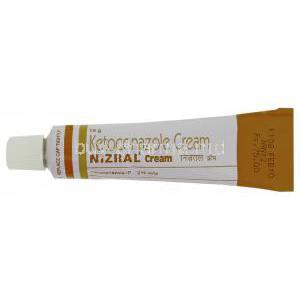
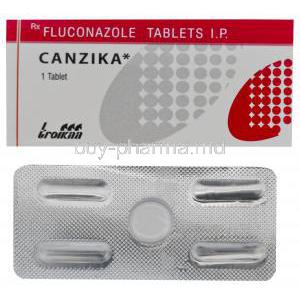
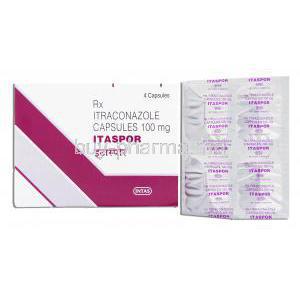
Similar Product