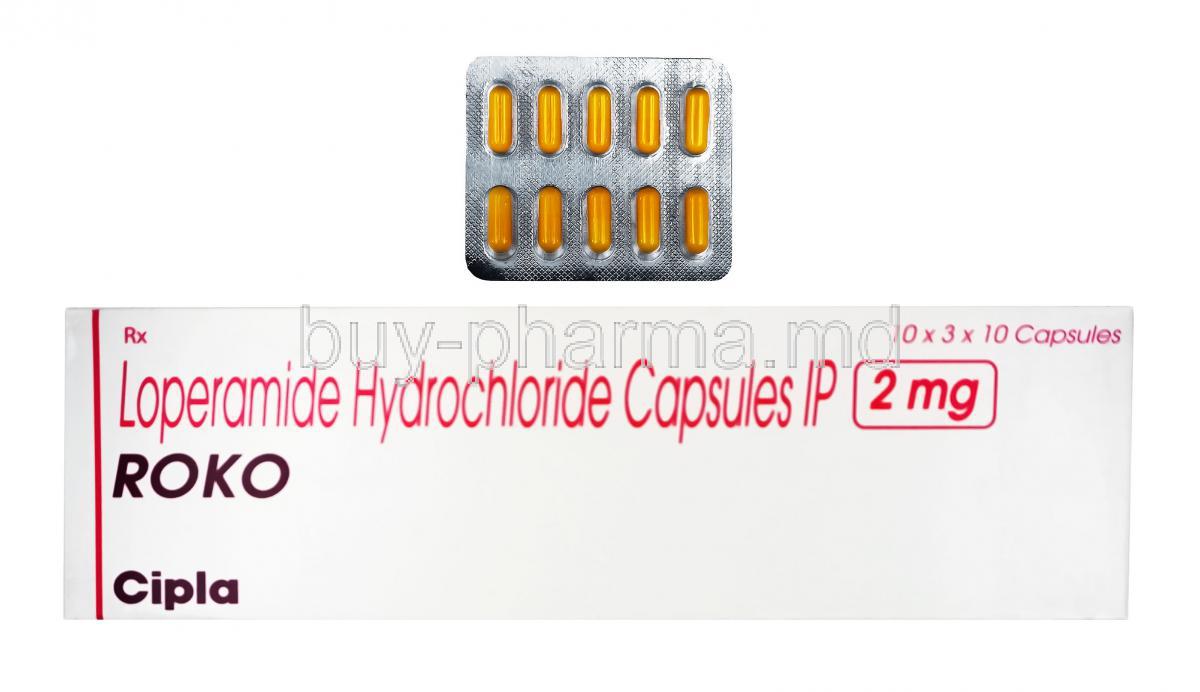
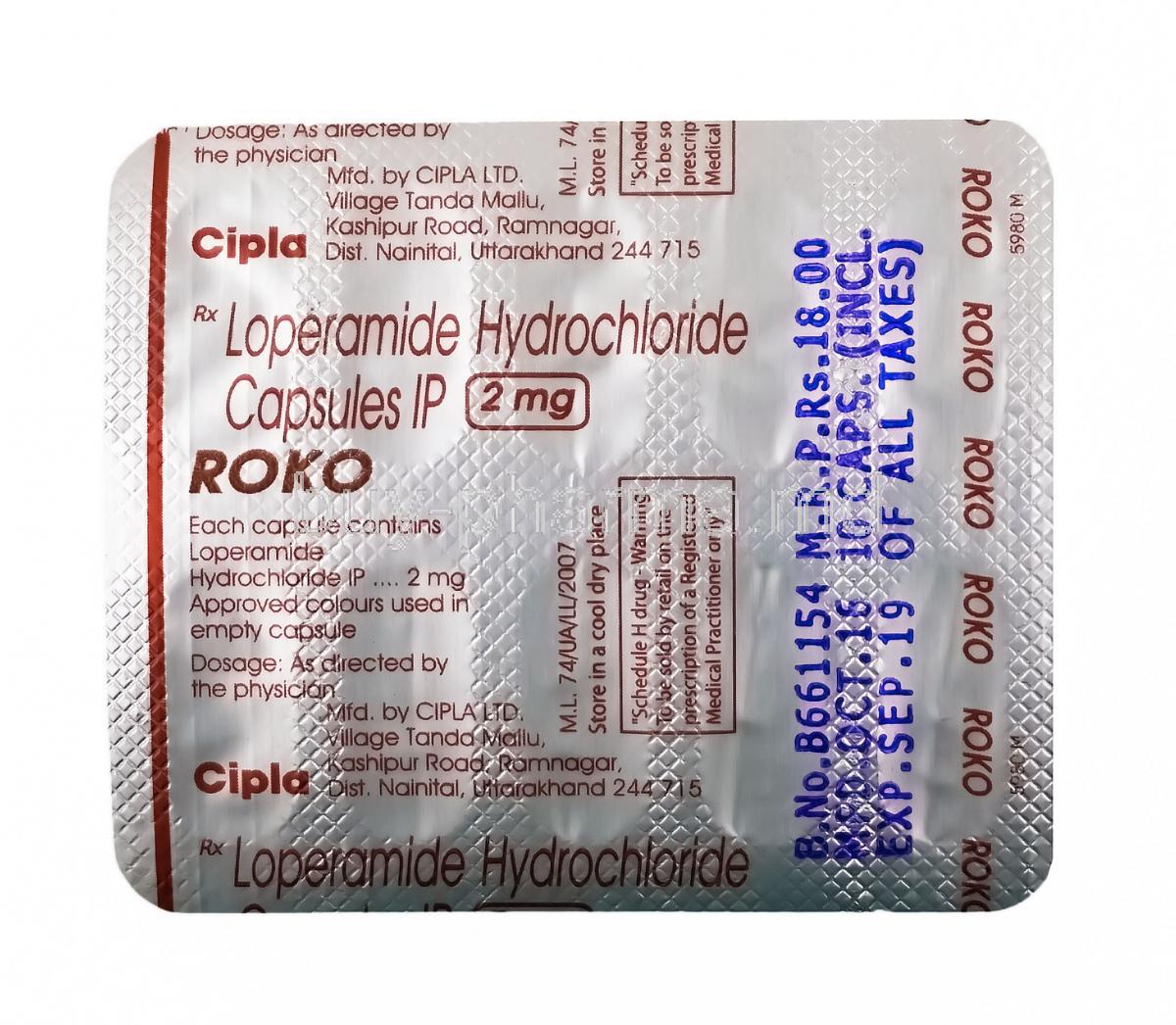
1. Introduction to Roko (Loperamide)
1.1 Overview of Roko and Its Therapeutic Classification
Roko, containing loperamide, is a widely utilized antidiarrheal medication designed to provide rapid symptomatic relief from various diarrheal conditions. It belongs to the class of peripheral opioid receptor agonists, yet it is uniquely engineered to act primarily within the gastrointestinal tract. This localized action ensures efficacy while minimizing central nervous system involvement.
1.2 Active Ingredient: Loperamide – An Antidiarrheal Agent
Loperamide hydrochloride serves as the pharmacologically active component. It exerts potent inhibitory effects on intestinal motility. Unlike systemic opioids, it demonstrates negligible psychoactive properties when used at therapeutic doses.
1.3 Mechanism-Based Classification (Peripheral Opioid Receptor Agonist)
Classified as a peripherally acting μ-opioid receptor agonist, loperamide selectively targets receptors in the enteric nervous system. Its design limits blood-brain barrier penetration, confining its activity to the gut lumen and associated neural networks.
1.4 Indications in Acute and Chronic Diarrheal Conditions
Roko is indicated for both acute and chronic diarrhea. It is commonly prescribed in clinical and self-care settings for:
- Sudden onset diarrhea of non-infectious origin
- Persistent diarrhea associated with chronic gastrointestinal disorders
- Symptomatic management where fluid loss control is essential
2. Composition and Formulation
2.1 Active Pharmaceutical Ingredient: Loperamide Hydrochloride
Each formulation contains loperamide hydrochloride as the principal active compound. It is chemically stable and exhibits predictable pharmacokinetics when administered orally.
2.2 Available Dosage Forms (Tablets, Capsules, Oral Solutions)
Roko is available in multiple dosage forms to accommodate diverse patient needs:
- Oral tablets for standard administration
- Capsules for convenient dosing
- Liquid formulations for pediatric or swallowing-impaired patients
2.3 Strength Variants and Excipients
Various strengths are manufactured to facilitate individualized dosing. Inactive excipients may include binders, fillers, and stabilizers that enhance drug delivery without therapeutic activity.
2.4 Pharmaceutical Characteristics and Bioavailability
Loperamide exhibits low systemic bioavailability due to extensive first-pass metabolism. Its therapeutic effect remains localized within the intestinal tract, which is advantageous for targeted symptom control.
3. Mechanism of Action: How Roko (Loperamide) Works
3.1 Interaction with μ-Opioid Receptors in the Gut
Loperamide binds to μ-opioid receptors located in the intestinal wall. This interaction inhibits the release of acetylcholine and prostaglandins, reducing peristaltic activity.
3.2 Reduction of Intestinal Motility and Transit Time
By slowing gastrointestinal motility, the drug prolongs intestinal transit time. This allows for greater fluid absorption and improved stool consistency.
3.3 Enhancement of Water and Electrolyte Absorption
Enhanced absorption of water and electrolytes leads to firmer stools. It also mitigates dehydration risks associated with excessive fluid loss.
3.4 Effects on Anal Sphincter Tone and Fecal Urgency
Roko increases anal sphincter tone, thereby reducing urgency and incontinence episodes. This contributes significantly to patient comfort and quality of life.
3.5 Limited Central Nervous System Penetration
Due to P-glycoprotein-mediated efflux, loperamide demonstrates minimal penetration into the central nervous system. This property reduces the risk of opioid-like central effects.
4. Uses of Roko (Loperamide)
4.1 Primary Indications for Diarrhea Management
Roko is primarily indicated for the symptomatic control of diarrhea, including:
- Acute nonspecific diarrhea
- Traveler’s diarrhea caused by dietary or environmental changes
- Chronic diarrhea associated with inflammatory bowel diseases
4.2 Symptomatic Treatment of Diarrhea in Irritable Bowel Syndrome (IBS-D)
Patients with diarrhea-predominant irritable bowel syndrome may benefit from reduced stool frequency and improved bowel regularity.
4.3 Management of Diarrhea in Post-Surgical Patients
Roko is often utilized following gastrointestinal surgeries to control excessive bowel movements and facilitate recovery.
4.4 Off-Label Uses of Loperamide
In clinical practice, loperamide may be used for additional purposes:
- Management of high-output ileostomy
- Control of diarrhea in short bowel syndrome
- Adjunctive treatment in chemotherapy-induced diarrhea
- Diarrhea associated with HIV/AIDS
- Fecal incontinence reduction
- Alleviation of certain opioid withdrawal symptoms (non-approved use)
5. Dosage and Administration Guidelines
5.1 Standard Adult Dosage for Acute Diarrhea
Initial dosing typically begins with a higher loading dose, followed by smaller doses after each loose stool. Clinical judgment should guide exact dosing.
5.2 Maintenance Dosage for Chronic Diarrhea
Lower maintenance doses are often sufficient for chronic conditions. Dose titration is recommended to achieve optimal symptom control.
5.3 Maximum Daily Dose Recommendations
Exceeding recommended daily limits increases the risk of adverse effects, particularly cardiac complications. Adherence to guidelines is imperative.
5.4 Dosage Adjustments in Special Populations
Patients with hepatic impairment or comorbidities may require dose modifications. Individualized treatment planning is essential.
5.5 Administration Timing and Food Considerations
Roko can be taken with or without food. Consistent administration enhances therapeutic predictability.
5.6 Duration of Therapy and Treatment Limits
Short-term use is recommended for acute diarrhea. Persistent symptoms beyond 48 hours necessitate medical evaluation.
6. Side Effects of Roko (Loperamide)
6.1 Overview of Adverse Drug Reactions
Roko is generally well tolerated. However, adverse reactions may occur, particularly with prolonged or excessive use.
6.2 Gastrointestinal Side Effects
Common gastrointestinal disturbances include:
- Constipation
- Abdominal discomfort
- Bloating
6.3 Neurological and Systemic Reactions
Although rare, systemic effects such as dizziness or fatigue may occur due to peripheral receptor activity.
6.4 Rare but Serious Adverse Events
Serious complications may include:
- Cardiac arrhythmias
- Toxic megacolon
- Severe hypersensitivity reactions
7. Common Side Effects
7.1 Constipation
Reduced bowel motility may result in constipation, particularly with higher doses.
7.2 Abdominal Pain and Cramping
Patients may experience transient abdominal discomfort as intestinal motility adjusts.
7.3 Nausea and Flatulence
Mild gastrointestinal upset can occur but is usually self-limiting.
7.4 Dizziness and Fatigue
Occasional dizziness or lethargy may be reported, especially in sensitive individuals.
7.5 Dry Mouth
Dryness of the oral mucosa is a less frequent but notable side effect.
8. Drug Interactions
8.1 Interaction with CYP3A4 and CYP2C8 Inhibitors
Co-administration with enzyme inhibitors may increase systemic exposure to loperamide, enhancing the risk of toxicity.
8.2 Risk of Cardiotoxicity with Concomitant Medications
Certain drugs may amplify the risk of QT prolongation when combined with loperamide.
8.3 Interaction with P-glycoprotein Inhibitors
Inhibitors of P-glycoprotein may increase central nervous system penetration, potentially leading to unexpected effects.
8.4 Concomitant Use with CNS Depressants
Although minimal, additive effects with CNS depressants should be considered in susceptible patients.
8.5 Alcohol Interaction and Clinical Implications
Alcohol may exacerbate dehydration and gastrointestinal irritation, reducing therapeutic effectiveness.
9. Warnings and Safety Information
9.1 Risk of Cardiac Arrhythmias at High Doses
Excessive dosing can lead to serious cardiac disturbances, including QT prolongation and torsades de pointes.
9.2 Potential for Misuse and Abuse
Improper use of high doses has been reported, necessitating careful monitoring and patient education.
9.3 Masking of Underlying Infectious Conditions
Symptom suppression may obscure serious infections, delaying appropriate treatment.
9.4 Use in Infectious Diarrhea (Bacterial/Parasitic)
Use in infectious diarrhea should be approached cautiously, particularly in cases involving invasive pathogens.
9.5 Risk of Toxic Megacolon in Certain Conditions
Patients with inflammatory bowel diseases are at increased risk of severe complications if motility is excessively reduced.
10. Contraindications
10.1 Hypersensitivity to Loperamide or Components
Use is contraindicated in patients with known hypersensitivity to loperamide or any formulation components.
10.2 Acute Dysentery with Bloody Diarrhea
Presence of blood in stools suggests invasive infection, where loperamide is not appropriate.
10.3 Pseudomembranous Colitis (C. difficile-associated diarrhea)
Use in this condition may worsen outcomes by delaying toxin clearance.
10.4 Acute Ulcerative Colitis
Reduced motility can exacerbate disease severity and lead to complications.
10.5 Children Below Recommended Age
Safety has not been established in very young children, and use is generally contraindicated.
11. Careful Administration (Use with Caution)
11.1 Patients with Hepatic Impairment
Patients with compromised hepatic function require vigilant oversight. Loperamide undergoes extensive first-pass metabolism in the liver. Impaired hepatic clearance may lead to elevated systemic concentrations.
- Increased risk of central nervous system effects
- Potential accumulation with repeated dosing
- Need for conservative dose titration
Clinical prudence dictates individualized dosing and close monitoring in this population.
11.2 Individuals with Cardiac Risk Factors
Patients with pre-existing cardiac conditions demand heightened caution. High doses or drug interactions may precipitate serious arrhythmogenic events.
- History of QT prolongation
- Electrolyte disturbances
- Concurrent use of QT-prolonging medications
Even standard doses should be administered judiciously in susceptible individuals.
11.3 Patients with Electrolyte Imbalance
Electrolyte derangements, particularly hypokalemia or hypomagnesemia, may exacerbate cardiac risks. Diarrhea itself often contributes to these imbalances.
- Monitor electrolyte levels in prolonged diarrhea
- Correct imbalances prior to or during therapy
11.4 Use in Patients with Infectious Gastroenteritis
In infectious etiologies, especially invasive bacterial infections, motility suppression may hinder pathogen clearance. This could prolong illness or worsen outcomes.
- Avoid in cases with fever or bloody stools
- Consider antimicrobial therapy where appropriate
11.5 Risk in Immunocompromised Individuals
Immunocompromised patients may present atypically. Suppression of diarrhea may obscure disease progression.
- Increased susceptibility to opportunistic infections
- Need for comprehensive clinical evaluation
12. Important Precautions for Safe Use
12.1 Avoiding Overuse and Prolonged Self-Medication
Excessive or prolonged use can result in adverse outcomes. Short-term use is recommended unless directed by a healthcare professional.
- Do not exceed recommended doses
- Avoid chronic unsupervised use
12.2 Recognizing Signs of Serious Underlying Disease
Certain symptoms may indicate a more serious pathology requiring immediate intervention.
- Persistent diarrhea beyond 48 hours
- High fever
- Blood or mucus in stool
12.3 Importance of Hydration and Electrolyte Replacement
Fluid replenishment remains paramount. Loperamide does not address dehydration.
- Oral rehydration solutions are recommended
- Maintain adequate fluid intake
12.4 Monitoring for Constipation and Ileus
Excessive slowing of intestinal motility may lead to constipation or, in severe cases, paralytic ileus.
- Discontinue if abdominal distension occurs
- Monitor bowel patterns regularly
12.5 When to Discontinue Therapy and Seek Medical Advice
Therapy should be halted under specific circumstances:
- Lack of clinical improvement
- Onset of severe abdominal pain
- Development of systemic symptoms
13. Administration to Elderly Patients
13.1 Dose Considerations in Geriatric Population
Elderly patients often require cautious dosing. Age-related physiological changes may alter pharmacokinetics.
13.2 Increased Sensitivity to Adverse Effects
Heightened sensitivity to both gastrointestinal and systemic effects is possible.
- Greater risk of constipation
- Potential for sedation or dizziness
13.3 Monitoring for Cardiac and CNS Effects
Regular monitoring is advisable, particularly in patients with comorbidities or polypharmacy.
14. Administration to Pregnant and Nursing Women
14.1 Safety Profile During Pregnancy
Data on use during pregnancy remain limited. Use should be considered only when clearly needed.
14.2 Risk-Benefit Assessment in Pregnancy
A careful evaluation of maternal benefit versus potential fetal risk is essential before initiation.
14.3 Excretion into Breast Milk
Small quantities of loperamide may be excreted into breast milk. Clinical significance is generally low but not negligible.
14.4 Recommendations for Lactating Mothers
Short-term use is typically considered acceptable. However:
- Monitor infants for unusual symptoms
- Avoid prolonged exposure
15. Administration to Pediatric Patients
15.1 Age Restrictions and Safety Guidelines
Use in very young children is restricted due to safety concerns. Regulatory guidelines should be strictly followed.
15.2 Pediatric Dosage Recommendations
Dosing in children is weight-based and requires careful calculation.
15.3 Risk of Respiratory Depression and Ileus in Children
Children are more susceptible to severe adverse effects, including:
- Respiratory depression
- Paralytic ileus
15.4 Clinical Monitoring in Pediatric Use
Close supervision is mandatory when administering to pediatric patients. Early detection of adverse reactions is critical.
16. Overdosage and Toxicity
16.1 Symptoms of Loperamide Overdose
Overdose may manifest with a spectrum of symptoms:
- Severe constipation
- Drowsiness or lethargy
- Urinary retention
16.2 Cardiac Complications (QT Prolongation, Torsades de Pointes)
High doses can induce life-threatening cardiac arrhythmias. These include QT interval prolongation and torsades de pointes.
16.3 Central Nervous System Depression
Although typically minimal, CNS depression may occur in overdose scenarios, particularly when P-glycoprotein is inhibited.
16.4 Emergency Management and Treatment Protocols
Immediate medical intervention is required. Management strategies include:
- Cardiac monitoring
- Supportive care
- Correction of electrolyte abnormalities
16.5 Role of Naloxone in Overdose Management
Naloxone, an opioid antagonist, may reverse certain toxic effects. Repeated dosing may be necessary due to prolonged loperamide activity.
17. Storage and Stability
17.1 Recommended Storage Conditions (Temperature, Humidity)
Store at controlled room temperature. Avoid excessive heat and humidity to maintain drug integrity.
17.2 Protection from Light and Moisture
Exposure to environmental elements may degrade the formulation. Keep in original packaging whenever possible.
17.3 Shelf Life and Expiry Considerations
Adhere strictly to labeled expiry dates. Degraded products may lose efficacy or pose risks.
17.4 Safe Storage to Prevent Accidental Ingestion
Keep out of reach of children and pets. Secure storage is essential to prevent accidental exposure.
18. Handling Precautions
18.1 Proper Handling and Hygiene Practices
Maintain hygienic handling practices to ensure safe administration. Wash hands before and after use.
18.2 Disposal of Unused or Expired Medication
Dispose of unused medication responsibly. Follow local pharmaceutical disposal regulations.
18.3 Avoiding Contamination in Liquid Formulations
Liquid preparations require careful handling:
- Use clean measuring devices
- Avoid direct contact with the container opening
18.4 Patient Counseling on Safe Use and Storage
Patient education is integral to safe therapy. Clear instructions should be provided regarding:
- Correct dosing practices
- Storage conditions
- Recognition of adverse effects
Well-informed patients are better equipped to use the medication safely and effectively.
Roko, Loperamide FAQ
- What is loperamide used for?
- How many times a day is loperamide?
- What are two side effects of loperamide?
- How long does it take loperamide to stop diarrhea?
- What's the best time to take loperamide?
- Can I take loperamide for an upset stomach?
- What to avoid while taking loperamide?
- Is it better to take 1 or 2 loperamide?
- Is loperamide safe for kidneys?
- When to not use loperamide?
- Can I still poop after taking loperamide?
- Is it better to have diarrhea or take loperamide?
- What symptoms does loperamide treat?
- How long does loperamide last?
- Who should not take loperamide?
- Why can't I poop after taking loperamide?
- How many hours before I take loperamide again?
- Is it better to take 1 or 2 loperamide?
- What type of diarrhea does loperamide treat?
What is loperamide used for?
It is used against diarrhea.
How many times a day is loperamide?
2 mg twice daily
What are two side effects of loperamide?
- Constipation
- Headache
- Nausea
How long does it take loperamide to stop diarrhea?
1-3 hours
What's the best time to take loperamide?
Before meals
Can I take loperamide for an upset stomach?
Yes
What to avoid while taking loperamide?
Is it better to take 1 or 2 loperamide?
Take 4 mg, which is 2 tablets, after you have your first loose bowel movement. Then, after each loose bowel movement that follows, take 2 mg, which is 1 tablet.
Is loperamide safe for kidneys?
Yes
When to not use loperamide?
if you have a fever, blood or mucus in the stool, black stools, or stomach pain without diarrhea
Can I still poop after taking loperamide?
Yes
Is it better to have diarrhea or take loperamide?
Treatment should start early.
What symptoms does loperamide treat?
- Acute diarrhea
- Traveler's diarrhea
- Chronic diarrhea
How long does loperamide last?
8 to 12 hours
Who should not take loperamide?
- Severe diarrhea after antibiotics
- Flare-ups
- Constipated stomach
Why can't I poop after taking loperamide?
Loperamide slows down bowel movement.
How many hours before I take loperamide again?
6-8
Is it better to take 1 or 2 loperamide?
Take 4 mg, which is 2 tablets, after you have your first loose bowel movement. Then, after each loose bowel movement that follows, take 2 mg, which is 1 tablet.
What type of diarrhea does loperamide treat?
Short-term diarrhea or IBS
Customers also bought
Popular Products

Similar Product