1. Introduction to Gepride (Glimepiride)
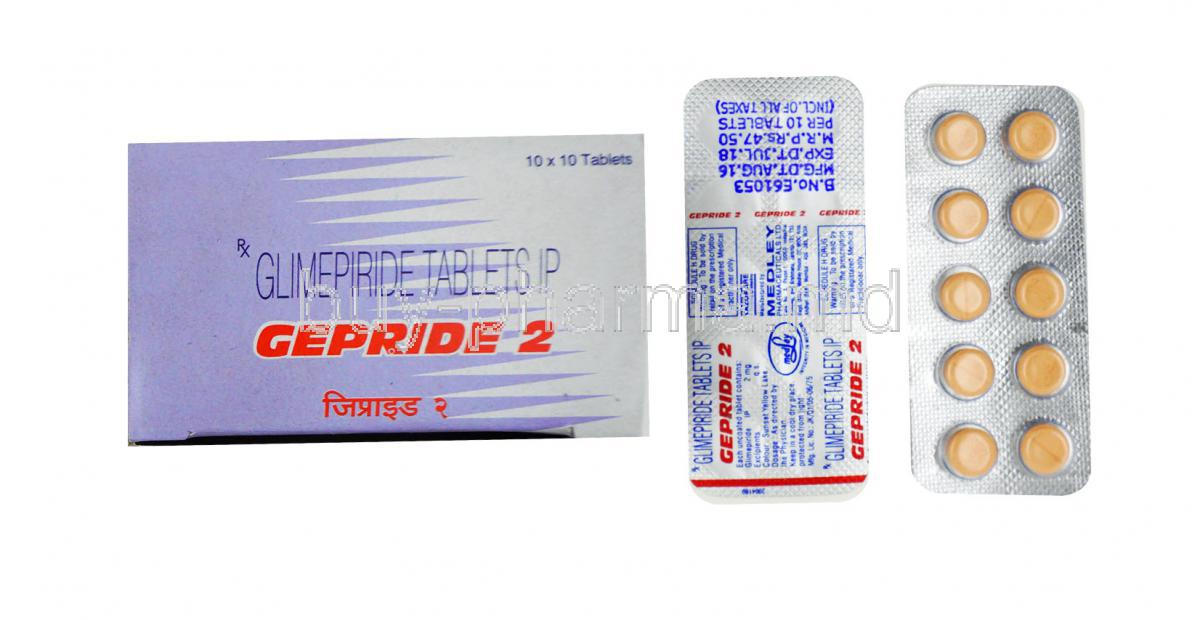
Gepride is an orally administered antidiabetic medication widely prescribed for the management of type 2 diabetes mellitus. It is designed to support glycemic regulation in individuals whose blood glucose levels remain suboptimal despite dietary modification and physical activity.
Pharmacologically, Gepride belongs to the sulfonylurea class of hypoglycemic agents. These medicines have a long-established role in diabetes care and are valued for their predictable glucose-lowering effects.
In contemporary diabetes management, glimepiride is often positioned as a second-line or adjunctive therapy. It is used either alone or in combination with other antidiabetic agents to achieve durable metabolic control.
While Gepride represents a branded formulation, glimepiride is also available as a generic medication. Both forms contain the same active substance and demonstrate comparable therapeutic efficacy when used appropriately.
2. Composition and Pharmaceutical Profile
The primary active ingredient in Gepride is glimepiride, a third-generation sulfonylurea with enhanced potency and a favorable dosing profile.
Gepride is commonly available in multiple tablet strengths, allowing individualized titration. Oral solid dosage forms are engineered to ensure consistent bioavailability and patient adherence.
In addition to the active compound, the formulation includes pharmaceutical excipients that contribute to tablet stability, disintegration, and absorption. These inactive components are carefully selected to maintain product integrity.
From a classification standpoint, glimepiride is categorized under oral blood glucose–lowering drugs. It is assigned a specific ATC code, reflecting its therapeutic and pharmacological identity within global drug classification systems.
3. How Gepride (Glimepiride) Works
Glimepiride exerts its primary action on pancreatic beta cells. It binds to sulfonylurea receptors on the cell membrane, initiating a cascade that promotes insulin release.
This stimulation of endogenous insulin secretion occurs in a glucose-dependent manner, which helps reduce the frequency of abrupt hypoglycemic episodes compared with earlier agents.
Beyond pancreatic effects, glimepiride also enhances peripheral insulin sensitivity. This dual mechanism facilitates improved glucose uptake in skeletal muscle and adipose tissue.
When compared with first-generation sulfonylureas, glimepiride demonstrates:
- Lower required doses
- More sustained glycemic control
- Reduced interference with cardiovascular potassium channels
Collectively, these actions contribute to meaningful reductions in both fasting plasma glucose and postprandial glucose excursions.
4. Approved Uses of Gepride (Glimepiride)
The primary approved indication for Gepride is the treatment of type 2 diabetes mellitus in adult patients.
It is particularly suitable for individuals who do not achieve adequate glycemic control through lifestyle interventions alone.
Gepride may be prescribed as monotherapy in early-stage disease or when metformin is contraindicated or poorly tolerated.
In combination regimens, glimepiride is frequently paired with metformin to address complementary pathophysiological defects. It may also be used alongside insulin to reduce required insulin doses.
Within stepwise diabetes treatment algorithms, glimepiride occupies an important role as an escalation option before transitioning to more complex injectable therapies.
5. Off-Label and Investigational Uses
In clinical practice, glimepiride is sometimes used off-label as part of combination strategies involving other oral antidiabetic agents.
Adjunctive use has been explored in patients with pronounced insulin resistance, under careful metabolic supervision.
Investigational interest has extended to its potential role in metabolic syndrome, although such use remains non-approved and experimental.
All off-label applications should be guided by specialist oversight, individualized risk assessment, and close monitoring.
6. Dosage and Administration
Therapy with Gepride typically begins with a low initial dose to minimize the risk of hypoglycemia.
Dose titration is performed gradually, based on fasting and postprandial blood glucose measurements. Adjustments are made at intervals to allow metabolic stabilization.
The maximum daily dose should not be exceeded, as higher amounts do not proportionally enhance efficacy and may increase adverse effects.
Gepride is generally administered once daily, shortly before or with the first main meal of the day.
Dosage modifications may be required during periods of weight loss, dietary changes, or increased physical activity. Transitioning from other sulfonylureas requires careful dose equivalence consideration.
7. Administration in Special Populations
7.1 Administration to Elderly Patients
Elderly patients are more susceptible to hypoglycemia due to altered pharmacokinetics and comorbidities.
Conservative dosing strategies are recommended, with slow titration and frequent monitoring.
- Assess renal function regularly
- Evaluate hepatic reserve
- Review concomitant medications
7.2 Administration to Pregnant Women
The use of glimepiride during pregnancy requires careful consideration, as data on fetal safety are limited.
A structured risk–benefit assessment is essential. In most cases, insulin-based therapy is preferred to ensure optimal glycemic control during pregnancy.
7.3 Administration to Nursing Mothers
It is unknown whether glimepiride is excreted into human breast milk.
Breastfeeding mothers are generally advised to avoid sulfonylureas or to consider alternative therapies to reduce potential risk to the infant.
7.4 Administration to Children and Adolescents
Safety and efficacy data in pediatric populations are limited.
As a result, Gepride is not routinely recommended for use in children or adolescents.
8. Side Effects of Gepride (Glimepiride)
Gepride is generally well tolerated when prescribed appropriately. Most adverse effects are dose-dependent and manageable.
Side effects often diminish with careful titration and patient education.
8.1 Common Side Effects
- Hypoglycemia, particularly with missed meals
- Headache
- Dizziness or lightheadedness
- Nausea and mild gastrointestinal discomfort
- Weight gain associated with improved glycemic utilization
8.2 Less Common and Serious Side Effects
- Severe or prolonged hypoglycemia
- Allergic skin reactions, including rash or pruritus
- Hematological abnormalities such as leukopenia
- Elevation of hepatic enzymes
9. Warnings and Safety Information
Hypoglycemia remains the most significant safety concern associated with glimepiride therapy.
Preventive strategies include regular meals, avoidance of excessive alcohol, and patient education on early symptom recognition.
Cardiovascular safety should be considered in patients with underlying heart disease, although modern sulfonylureas exhibit improved selectivity.
Skipping meals, engaging in unplanned strenuous exercise, or consuming alcohol can substantially increase hypoglycemia risk.
10. Contraindications
Gepride is contraindicated in patients with known hypersensitivity to glimepiride or other sulfonylurea compounds.
It should not be used in the following conditions:
- Type 1 diabetes mellitus
- Diabetic ketoacidosis
- Severe hepatic impairment
- Severe renal dysfunction
In such cases, alternative glucose-lowering strategies are required.
11. Drug and Food Interactions
Glimepiride participates in a clinically meaningful interaction profile, particularly when combined with other glucose-lowering agents. Concomitant use with insulin or additional oral antidiabetic drugs may amplify pharmacodynamic effects, necessitating vigilant dose calibration.
- Enhanced hypoglycemic risk with insulin or insulin secretagogues
- Additive glucose-lowering effects with metformin or thiazolidinediones
Alcohol consumption can potentiate hypoglycemia through impaired gluconeogenesis and delayed symptom perception. Even modest intake may provoke unpredictable glycemic fluctuations.
Beta-blockers warrant special attention. While they do not universally contraindicate use, they may obscure adrenergic warning signs of hypoglycemia such as tremor or palpitations, delaying recognition.
CYP enzyme-related interactions are also relevant. Agents that inhibit or induce hepatic enzymes involved in glimepiride metabolism may alter plasma concentrations, affecting efficacy or safety.
Food modestly influences absorption kinetics but does not significantly reduce bioavailability. Administration with the first main meal helps synchronize insulin release with nutrient intake.
12. Careful Administration and Important Precautions
Prudent administration is central to therapeutic success. Regular monitoring of capillary blood glucose and periodic HbA1c assessment provide objective measures of metabolic control.
Prolonged fasting should be avoided. Inadequate caloric intake increases the likelihood of hypoglycemia, particularly in physically active individuals.
Patient education is indispensable. Individuals should be able to recognize early neuroglycopenic and autonomic symptoms, including:
- Sweating or pallor
- Confusion or irritability
- Sudden hunger or weakness
Dose adjustments may be required during acute illness, trauma, or surgical interventions. Temporary transition to insulin therapy may be appropriate in periods of metabolic stress.
13. Overdosage Information
Overdosage of glimepiride is characterized primarily by hypoglycemia, which may be severe and protracted due to sustained insulin release.
Clinical manifestations can range from mild neurocognitive impairment to seizures or loss of consciousness.
Immediate management includes prompt administration of rapidly absorbable carbohydrates. In severe cases, intravenous glucose or glucagon may be required.
Hospitalization and continuous medical supervision are essential, as recurrent hypoglycemia can occur hours or even days after ingestion.
14. Storage and Stability
Proper storage preserves therapeutic integrity. Glimepiride tablets should be kept under controlled room temperature conditions.
Protection from excessive moisture and heat is advised to prevent degradation.
Each product carries a defined shelf life. Expired medication should not be used, as potency and safety cannot be assured.
Unused or outdated tablets should be disposed of responsibly, following local pharmaceutical waste guidelines.
15. Handling Precautions
Tablets should be handled with clean, dry hands and swallowed whole with water. Crushing or splitting should be avoided unless explicitly directed.
Medication errors can occur when doses are missed or duplicated. Structured dosing routines and clear labeling reduce such risks.
All antidiabetic medications must be stored out of reach of children to prevent accidental ingestion.
Adherence to prescribed therapy and routine follow-up appointments supports long-term treatment success.
16. Patient Counseling and Monitoring
Pharmacotherapy is most effective when integrated with lifestyle modification. Balanced nutrition, regular physical activity, and weight management enhance glycemic outcomes.
Frequent blood glucose monitoring empowers patients to understand treatment response and identify trends.
Medical advice should be sought promptly if unexplained hypoglycemia, persistent hyperglycemia, or adverse reactions occur.
Long-term management emphasizes continuity of care, periodic reassessment, and proactive adjustment of therapy to align with evolving metabolic needs.
Gepride, Glimepiride FAQ
Customers also bought
Popular Products



Similar Product