1. Introduction to Sildenafil / Dapoxetine Combination Therapy
Sildenafil / Dapoxetine combination therapy represents a contemporary pharmacological approach to male sexual health, addressing multiple dysfunctions through a single therapeutic strategy. Rather than focusing on one isolated symptom, this combination targets both physiological and neurochemical contributors to sexual performance.
The rationale behind combining a phosphodiesterase type-5 (PDE5) inhibitor with a selective serotonin reuptake inhibitor (SSRI) lies in their complementary mechanisms. Sildenafil improves penile hemodynamics, while dapoxetine modulates central ejaculatory control. Together, they provide a broader and more cohesive clinical effect.
This therapy is particularly relevant for:
- Men experiencing erectile dysfunction alongside premature ejaculation
- Patients dissatisfied with monotherapy outcomes
- Individuals seeking simplified, on-demand treatment regimens
2. Composition and Active Ingredients
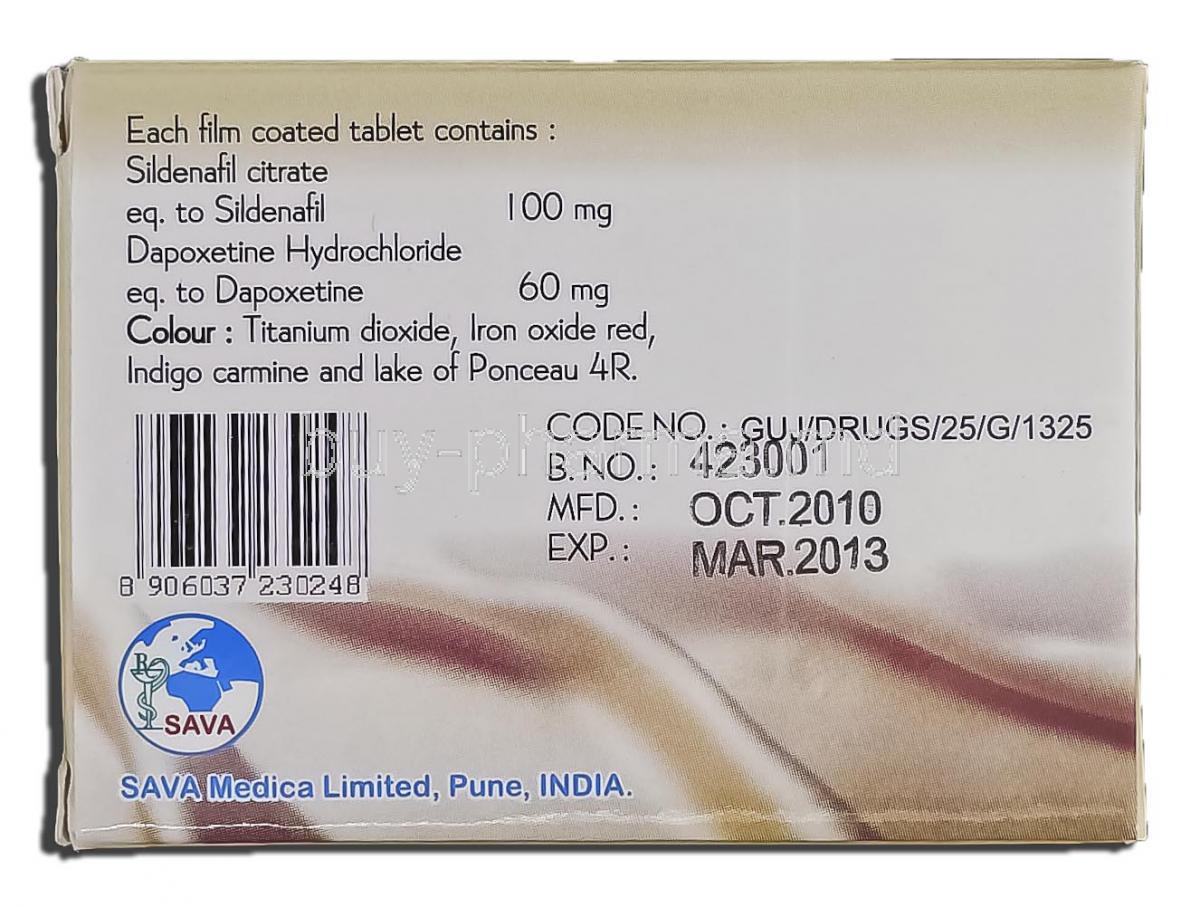
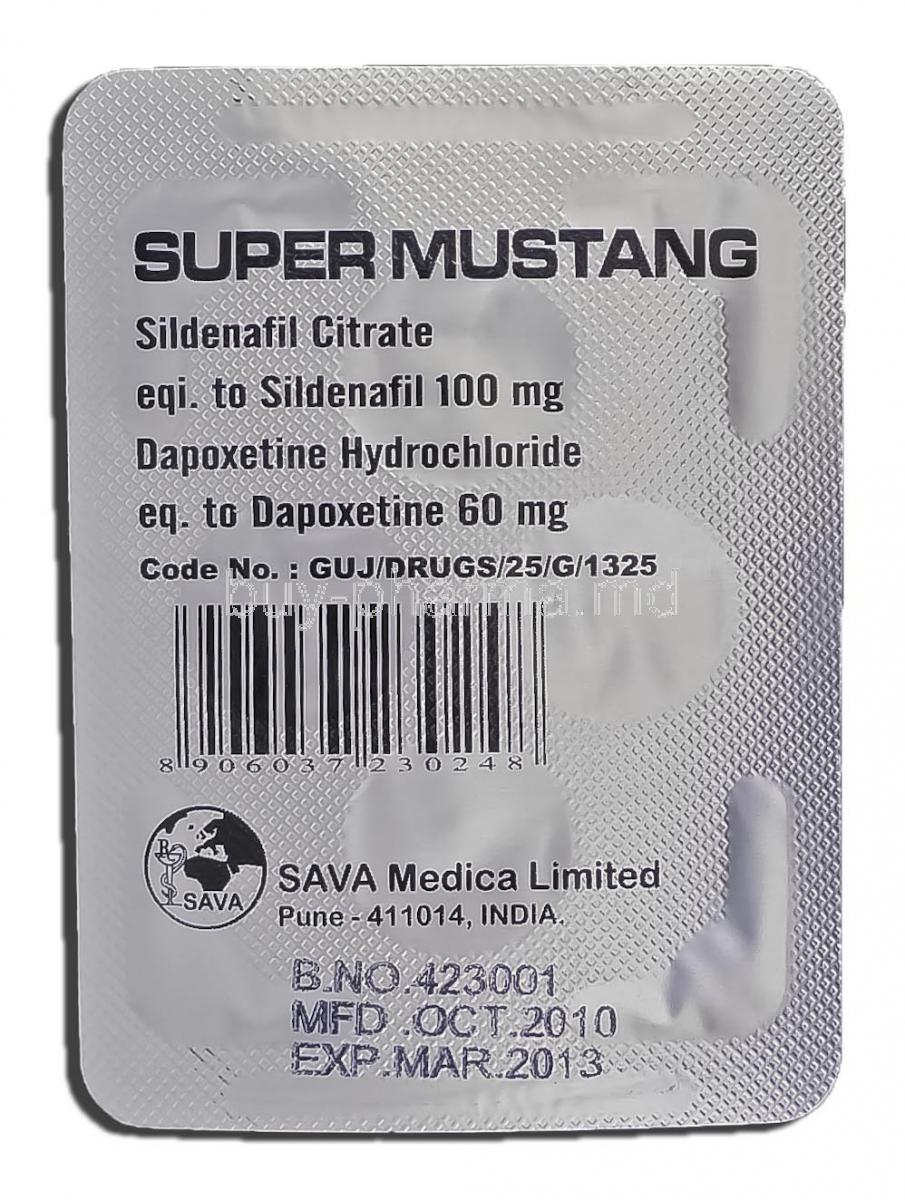
The formulation contains two pharmacologically distinct yet synergistic agents, each contributing to the overall therapeutic efficacy.
Sildenafil: Chemical Class and Pharmacological Profile
Sildenafil belongs to the class of phosphodiesterase type-5 inhibitors. It selectively inhibits PDE5, an enzyme responsible for the degradation of cyclic guanosine monophosphate (cGMP), thereby enhancing smooth muscle relaxation in penile tissue.
Dapoxetine: Selective Serotonin Reuptake Inhibitor Properties
Dapoxetine is a short-acting SSRI specifically developed for on-demand use. Unlike conventional antidepressants, it exhibits rapid absorption and elimination, making it suitable for situational modulation of ejaculatory latency.
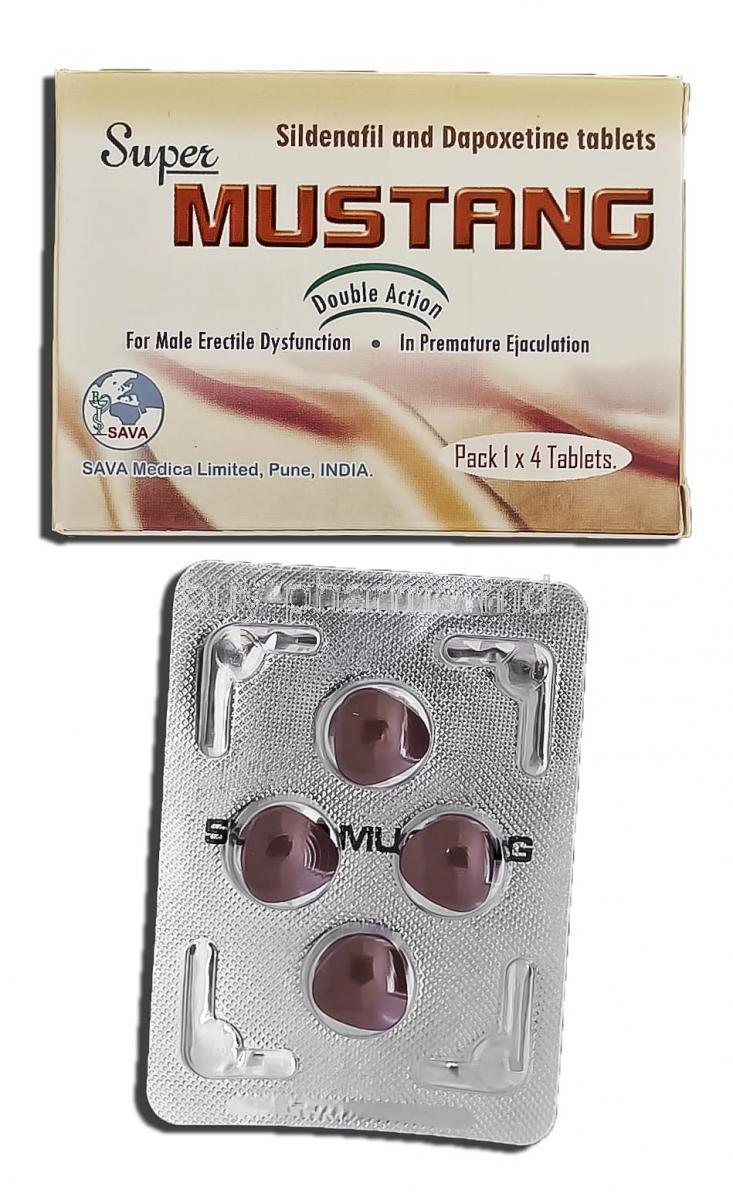
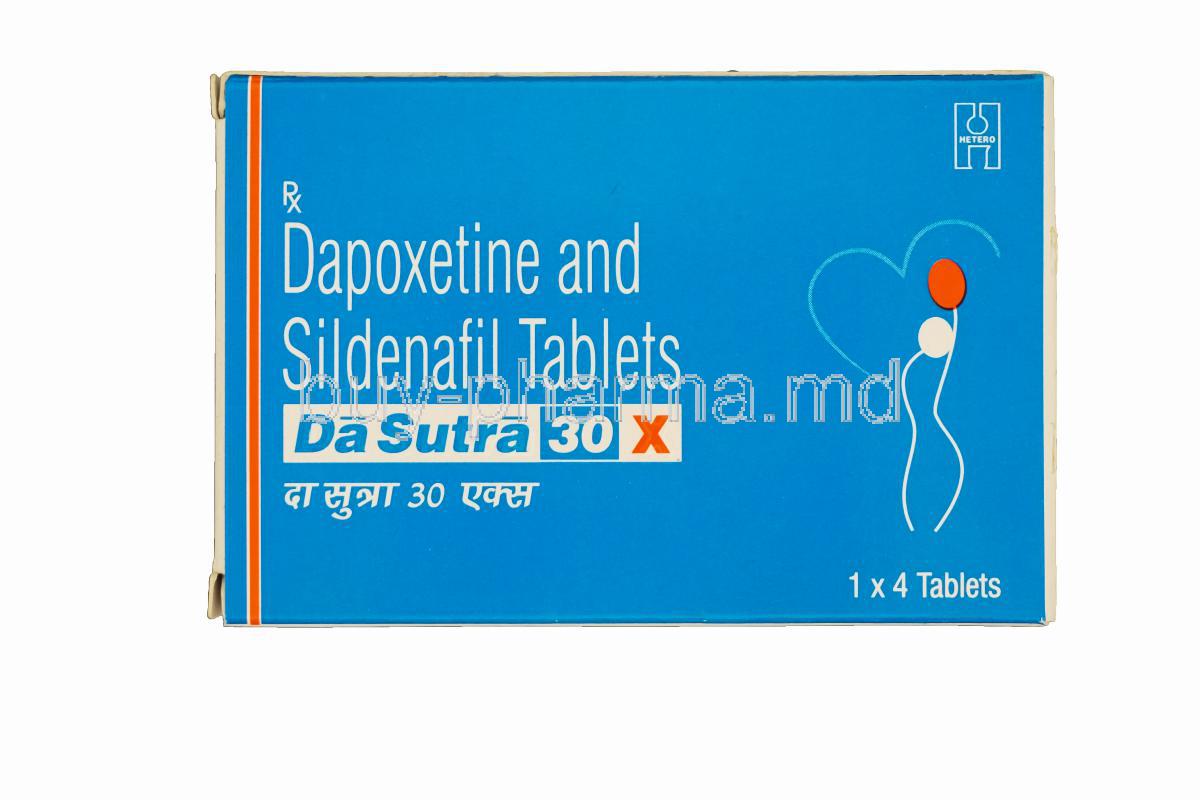
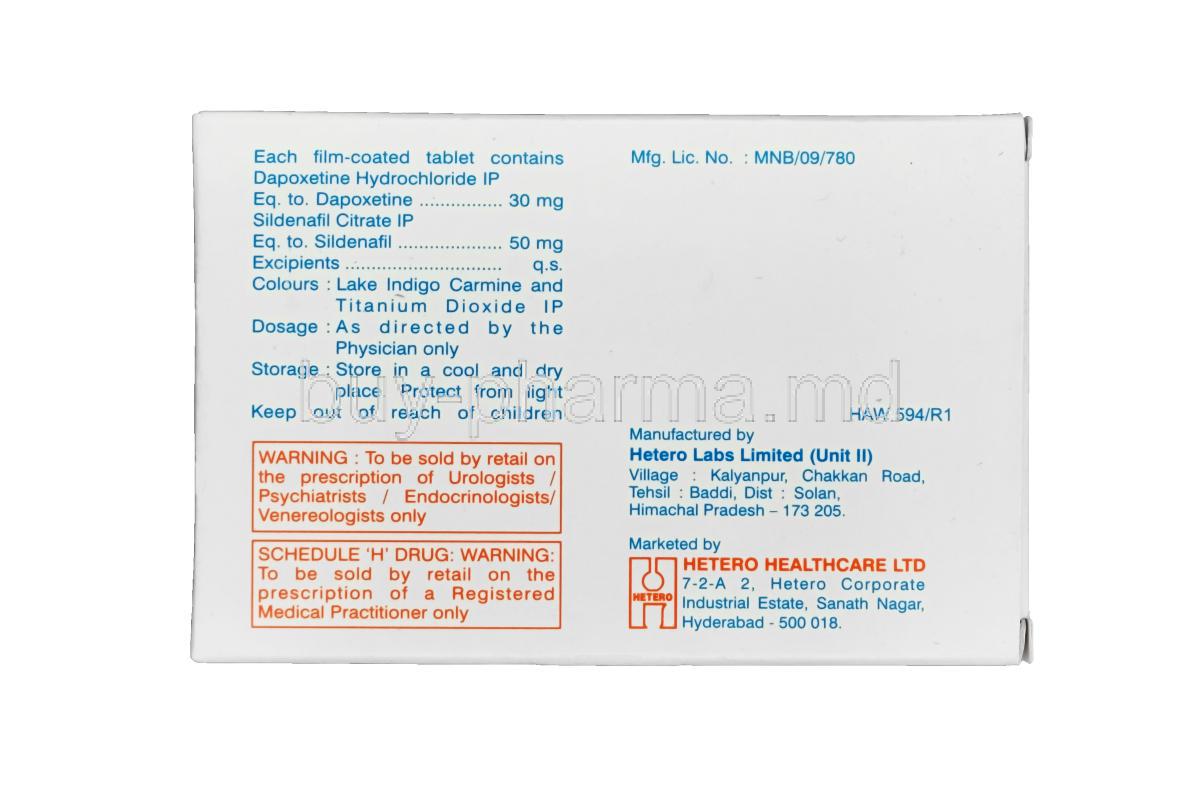
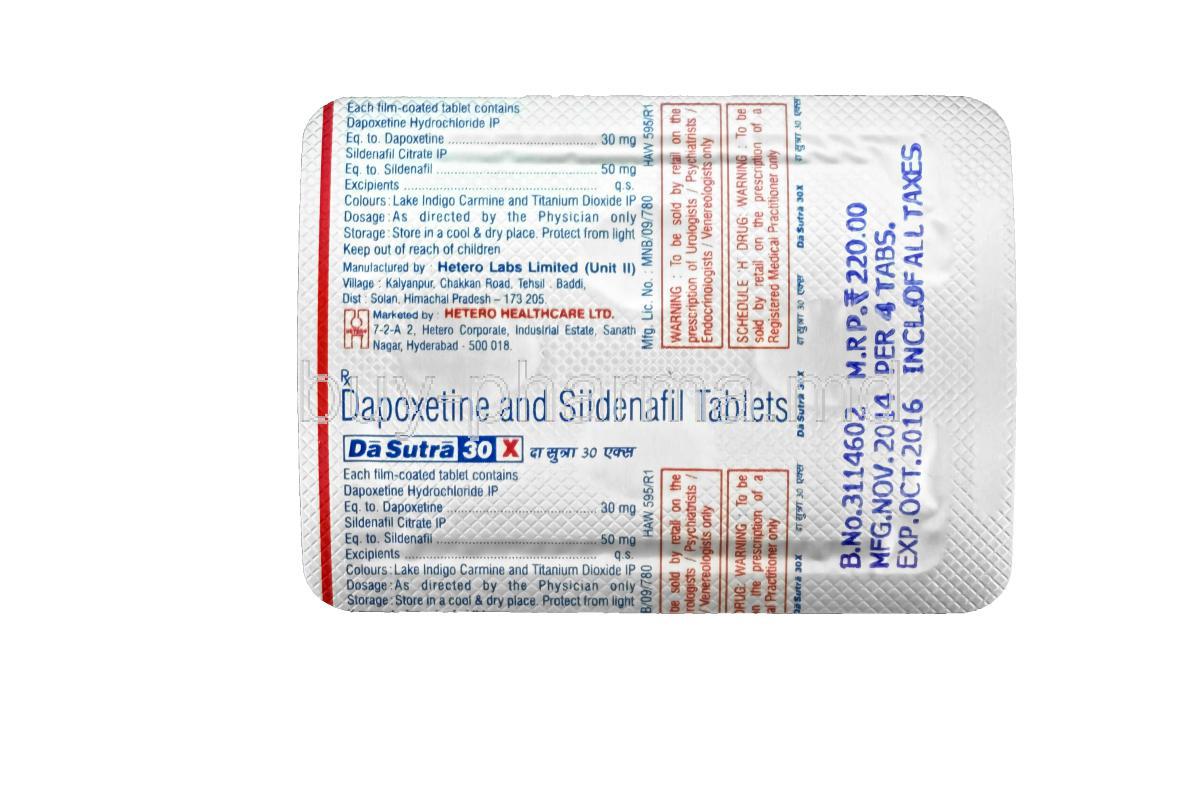
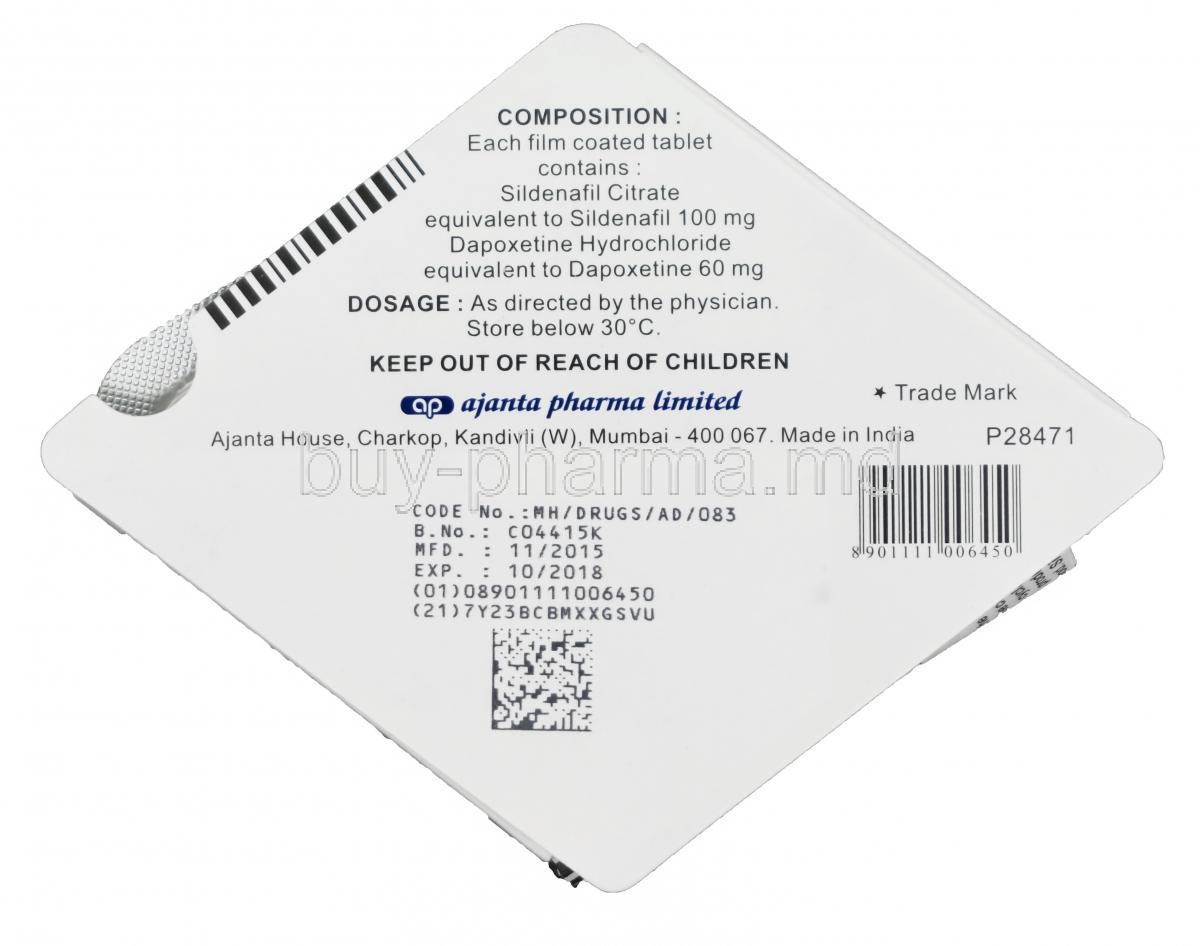
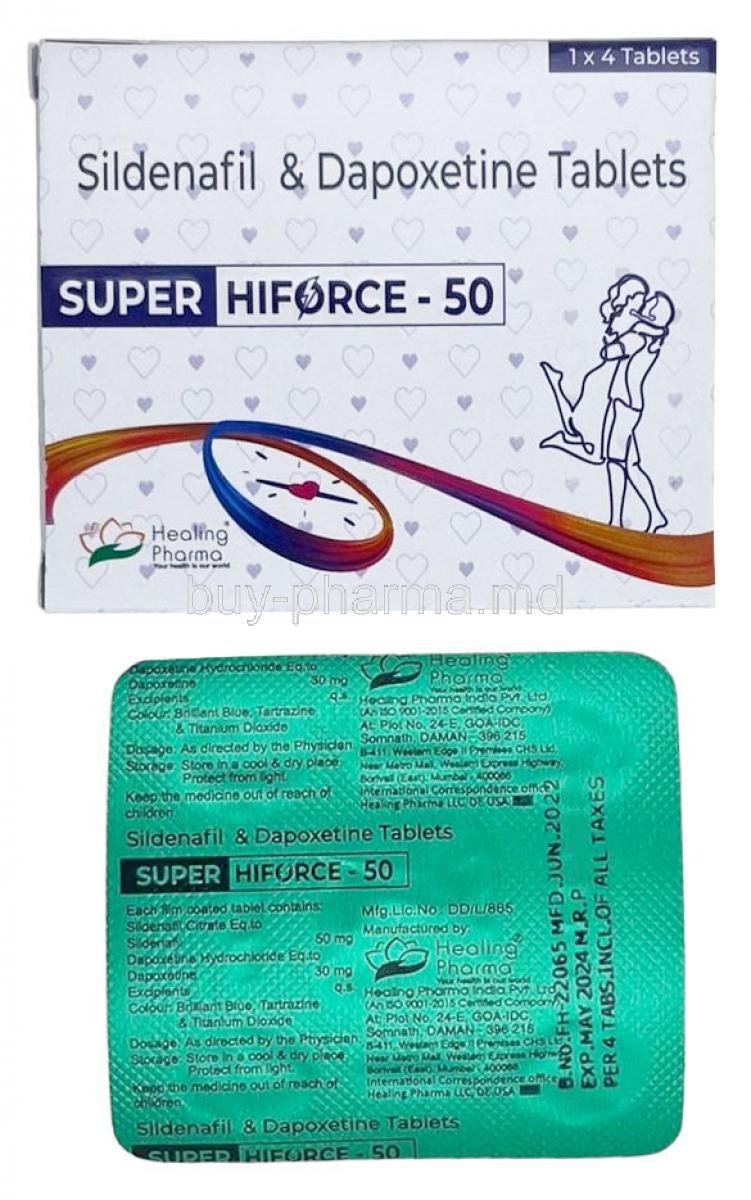
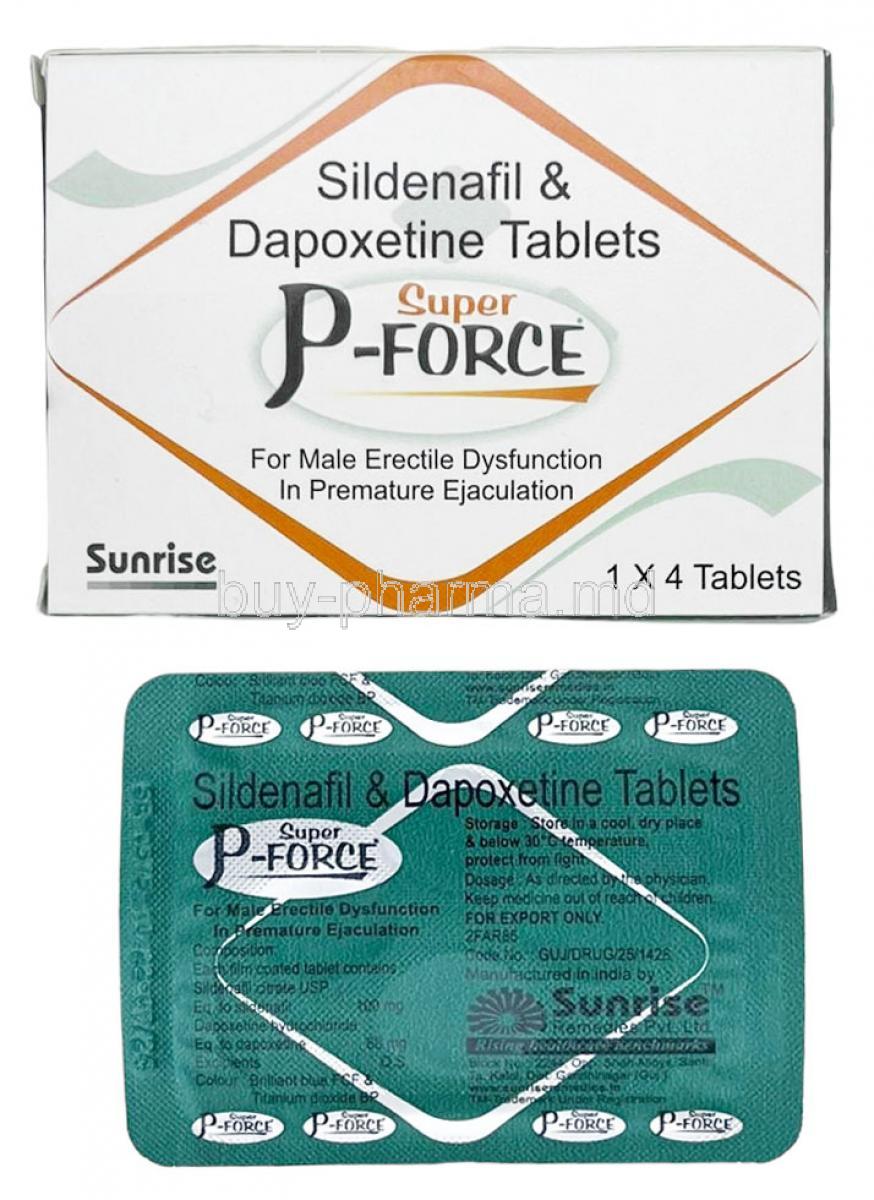
Fixed-Dose Combination Formulations and Strength Variations
Combination products are available in multiple strength configurations to accommodate individual therapeutic needs, balancing efficacy with tolerability.
Inactive Ingredients and Excipients
In addition to active components, formulations include excipients that ensure tablet stability, bioavailability, and consistent dissolution characteristics.
3. How Sildenafil / Dapoxetine Works
3.1 Mechanism of Action of Sildenafil
Sildenafil enhances the nitric oxide–cGMP signaling cascade within the corpus cavernosum. This biochemical amplification results in prolonged smooth muscle relaxation and increased arterial inflow.
- Augments endogenous nitric oxide activity
- Facilitates penile tumescence during sexual stimulation
- Improves rigidity and maintenance of erection
3.2 Mechanism of Action of Dapoxetine
Dapoxetine exerts its effect centrally by increasing synaptic serotonin levels. This modulation delays the ejaculatory reflex at the spinal and supraspinal levels.
The result is a measurable extension of intravaginal ejaculatory latency time, often accompanied by improved perceived control.
3.3 Synergistic Effects of the Combination
When administered together, sildenafil and dapoxetine address both vascular and neurogenic components of sexual dysfunction. This dual mechanism allows for:
- Simultaneous improvement in erection quality and ejaculatory control
- Enhanced sexual confidence
- Greater overall satisfaction for both partners
4. Uses of Sildenafil / Dapoxetine
4.1 Approved Therapeutic Uses
The primary clinical indications include:
- Treatment of erectile dysfunction characterized by insufficient penile rigidity
- Management of premature ejaculation with reduced ejaculatory latency
4.2 Clinical Use in Dual Sexual Dysfunction
For patients presenting with both erectile dysfunction and premature ejaculation, combination therapy offers a pragmatic solution. Single-tablet administration reduces pill burden and improves adherence.
5. Off-Label Uses
Beyond established indications, sildenafil / dapoxetine may be utilized in selected off-label scenarios under medical supervision.
- Psychogenic sexual dysfunction with performance anxiety
- Situational erectile difficulties linked to stress
- Secondary premature ejaculation associated with intermittent erectile failure
- Investigational applications in complex sexual dysfunction profiles
6. Dosage and Administration
6.1 Recommended Dosage Regimens
Dosage strengths vary according to formulation. Selection is based on symptom severity, prior treatment response, and individual tolerance.
Administration typically occurs prior to anticipated sexual activity.
6.2 Administration Guidelines
The tablet is taken orally, with or without food. High-fat meals may delay onset in some individuals.
- On-demand use is common
- Planned use allows for predictable therapeutic timing
6.3 Dose Adjustment Considerations
Certain conditions necessitate cautious dosing:
- Renal impairment may alter drug clearance
- Hepatic impairment can increase systemic exposure
- Concomitant medications may require dose modification
7. Side Effects of Sildenafil / Dapoxetine
7.1 Common Side Effects
- Headache
- Facial flushing
- Dizziness
- Nausea
- Nasal congestion
7.2 Less Common Side Effects
Some patients may experience less frequent but noticeable effects:
- Transient visual disturbances
- Insomnia or sleep disruption
- Anxiety or restlessness
- Gastrointestinal discomfort
7.3 Serious and Rare Adverse Reactions
Although uncommon, serious reactions require immediate attention:
- Syncope or sudden loss of consciousness
- Clinically significant hypotension
- Priapism requiring urgent intervention
- Serotonin-related adverse effects
8. Drug Interactions
Sildenafil / dapoxetine interacts with several pharmacological classes:
- Nitrates and nitric oxide donors, increasing hypotension risk
- Alpha-blockers and antihypertensive agents
- CYP3A4 inhibitors and inducers affecting drug metabolism
- Other antidepressants and serotonergic drugs
- Alcohol, which may potentiate adverse effects
9. Warnings and Safety Information
Caution is advised in individuals with cardiovascular disease due to the potential for blood pressure reduction and cardiac stress during sexual activity.
Neuropsychiatric effects, including mood changes and dizziness, should be monitored. Dapoxetine-associated syncope represents a notable safety consideration.
Visual or auditory disturbances, although rare, warrant prompt evaluation.
10. Contraindications
Use of sildenafil / dapoxetine is contraindicated in the following situations:
- Known hypersensitivity to either active ingredient
- Severe cardiovascular disease or unstable cardiac conditions
- History of syncope or significant arrhythmias
- Concomitant use with monoamine oxidase inhibitors
- Severe hepatic impairment
11. Careful Administration and Important Precautions
Careful administration of sildenafil / dapoxetine is essential to optimize therapeutic outcomes while minimizing avoidable risks. A structured clinical approach prior to initiation supports patient safety and long-term tolerability.
Cardiovascular Risk Assessment Prior to Initiation
Sexual activity imposes a degree of cardiovascular demand. For this reason, baseline cardiovascular evaluation is recommended before therapy begins. Particular attention should be given to patients with underlying heart disease or compromised circulatory function.
- Assessment of blood pressure stability
- Review of prior cardiac events
- Evaluation of exercise tolerance
Avoidance of Excessive Alcohol Consumption
Alcohol can potentiate vasodilatory effects and central nervous system symptoms. Excessive intake may increase the likelihood of dizziness, syncope, or impaired judgment during sexual activity.
Moderation is advised. Abstinence may be preferable in individuals prone to hypotensive reactions.
Monitoring for Mood or Behavioral Changes
Dapoxetine influences central serotonergic pathways. While generally well tolerated, subtle mood or behavioral alterations may occur, particularly during early use.
- Heightened anxiety or restlessness
- Transient irritability
- Unusual changes in emotional state
Patient Counseling on Realistic Expectations
Therapy improves physiological capacity but does not replace sexual stimulation or address relationship dynamics. Clear counseling helps align expectations with pharmacological reality.
Patients should be informed that efficacy may vary and optimization may require dose adjustment or clinical reassessment.
12. Administration in Special Populations
12.1 Administration to Elderly Patients
Advancing age is associated with altered drug absorption, distribution, metabolism, and elimination. These pharmacokinetic changes can influence systemic exposure.
Age-Related Pharmacokinetic Considerations
Reduced hepatic metabolism and renal clearance may prolong drug action. Lower initial doses may be prudent in older adults.
Increased Sensitivity to Hypotensive Effects
Elderly patients may exhibit heightened sensitivity to blood pressure reductions. Orthostatic symptoms such as lightheadedness or near-syncope warrant close observation.
12.2 Administration to Pregnant Women and Nursing Mothers
There is no therapeutic indication for sildenafil / dapoxetine in females. Consequently, use during pregnancy or lactation is not recommended.
Lack of Indication in Females
The pharmacodynamic targets of this combination are specific to male sexual physiology, rendering clinical benefit in females unsupported.
Safety Considerations and Exposure Avoidance
Accidental exposure should be avoided. Ingestion during pregnancy or breastfeeding should prompt medical consultation.
12.3 Administration to Children and Adolescents
Sildenafil / dapoxetine is not approved for pediatric or adolescent populations.
Not Approved for Pediatric Use
Clinical trials have not established safety, efficacy, or appropriate dosing in individuals below adulthood.
Safety and Efficacy Concerns
Developing neurological and cardiovascular systems may be particularly vulnerable to serotonergic and vasodilatory effects.
13. Overdosage Information
Overdosage may amplify pharmacological effects and increase the risk of adverse reactions.
Symptoms of Sildenafil Overdose
- Severe headache
- Marked hypotension
- Visual disturbances
- Prolonged or painful erection
Symptoms of Dapoxetine Overdose
- Nausea and vomiting
- Dizziness or syncope
- Agitation or tremor
- Serotonin-related symptoms
Recommended Immediate Management
There is no specific antidote. Immediate medical evaluation is advised in suspected overdose scenarios.
Supportive and Symptomatic Treatment
Management focuses on vital sign stabilization and symptomatic care. Continuous monitoring may be required in severe cases.
14. Storage and Stability
Proper storage preserves drug potency and ensures consistent therapeutic performance.
Recommended Storage Temperature
Store at controlled room temperature unless otherwise specified. Extreme heat or freezing conditions should be avoided.
Protection from Moisture and Light
Exposure to humidity and direct light may degrade active ingredients. Original packaging provides essential protection.
Shelf Life and Packaging Considerations
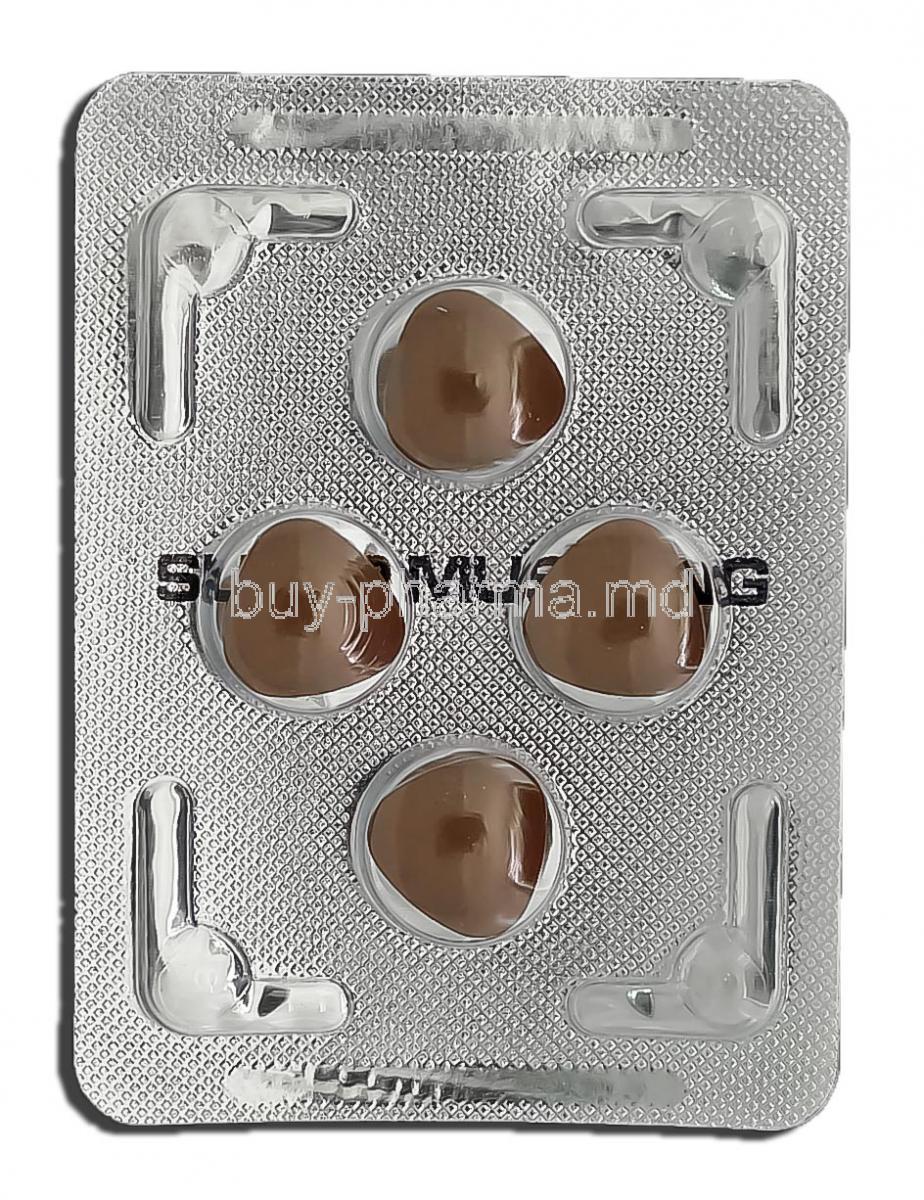
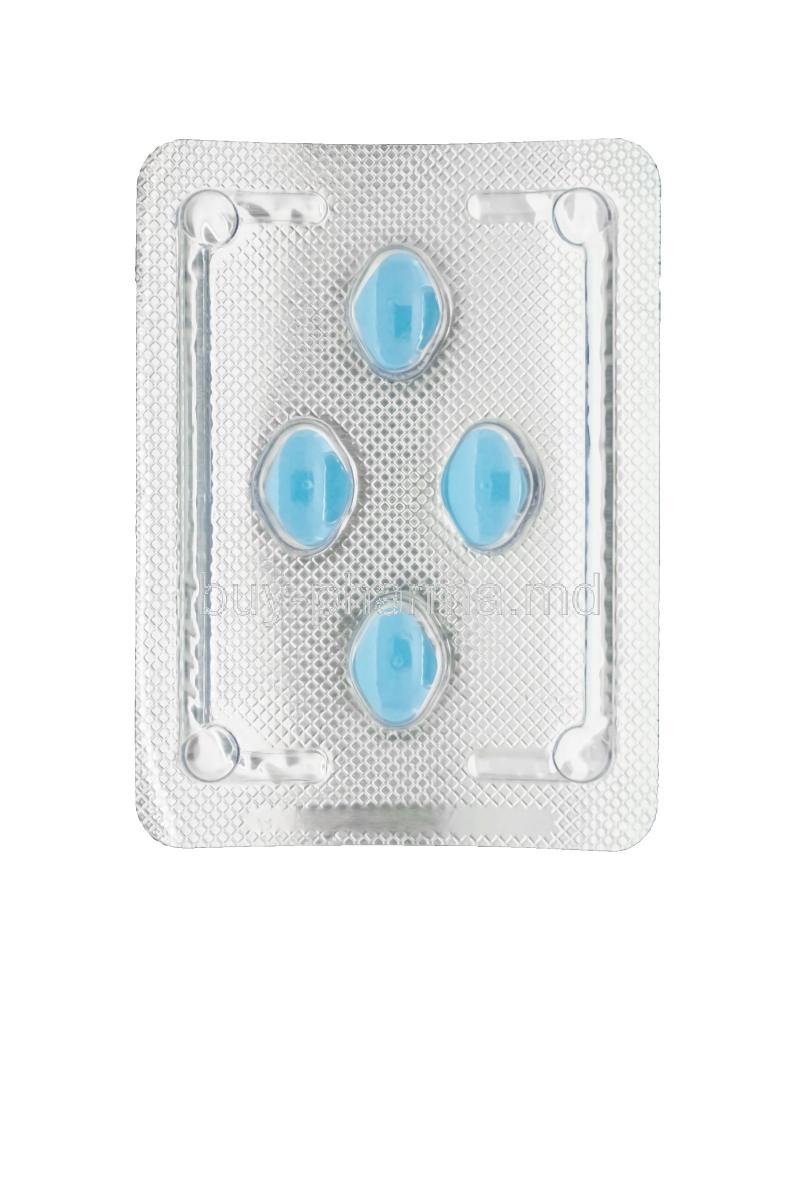
Use only within the indicated shelf life. Blister packaging enhances stability and dose integrity.
15. Handling Precautions
Safe Handling and Dispensing Practices
Tablets should be handled with clean, dry hands. Splitting or crushing is not recommended unless explicitly advised.
Patient Instructions for Storage at Home
Medication should be kept out of reach of children and stored away from areas of high humidity such as bathrooms.
Disposal Recommendations for Unused Medication
Unused or expired tablets should be disposed of according to local pharmaceutical waste guidelines. Improper disposal into household waste or wastewater should be avoided.

 Verified Purchase
good product
the order arrived in tact. I would use them again
Sildenafil /Dapoxetine FAQ
Customers also bought
Popular Products
Similar Product