1. Introduction to Tacalsis (Tacalcitol Ointment)
Overview of Tacalsis as a topical vitamin D₃ analog
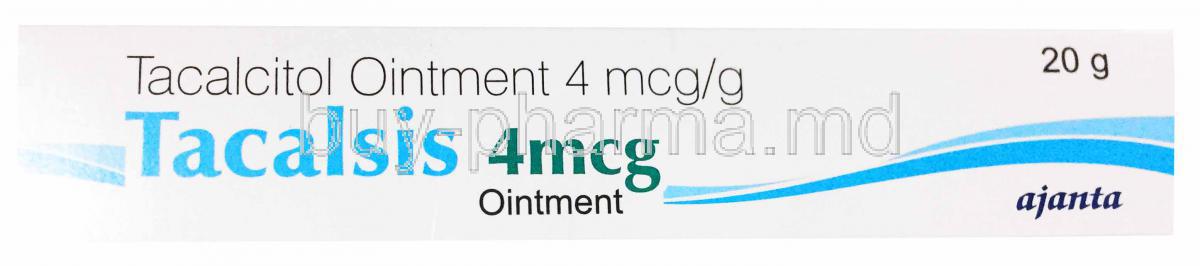
Tacalsis (tacalcitol ointment) is a topical preparation classified as a vitamin D₃ analog, designed for use on the skin to modulate abnormal epidermal behavior. In practical dermatology, vitamin D analogs are valued for their ability to temper excessive keratinocyte activity—an essential target in conditions marked by hyperproliferation and persistent inflammation. Unlike purely symptomatic emollients, tacalcitol is a pharmacologically active agent intended to recalibrate disordered cutaneous biology.
Its therapeutic purpose is not to “cover” lesions, but to help normalize them. This distinction matters. The ointment is typically used in chronic, relapsing dermatoses where consistent, methodical application can reduce scaling and improve plaque texture over time.
Therapeutic classification and dermatological relevance
Tacalcitol belongs to the broader family of topical vitamin D analogs used in inflammatory and hyperkeratotic skin disorders, most notably psoriasis. These agents are not corticosteroids, and they do not share the same risk profile of chronic steroid exposure, such as skin atrophy or telangiectasia. That said, they are still potent dermatologic therapeutics and should be used with a structured approach.
Clinicians often position tacalcitol as:
- A first-line option for localized plaque psoriasis in suitable candidates
- A steroid-sparing maintenance therapy
- An adjunct to other topical modalities when plaques are stubborn or recurrent
Brief history and clinical adoption in inflammatory skin disorders
The clinical trajectory of vitamin D analogs in dermatology emerged from the recognition that vitamin D receptor signaling influences epidermal differentiation and immune activity. Tacalcitol was developed to harness these pathways with topical delivery, aiming for local therapeutic action while minimizing systemic effects. Over time, vitamin D analogs became embedded in psoriasis care pathways, particularly for patients needing long-term management strategies that balance efficacy with tolerability.
2. Composition and Pharmaceutical Characteristics
Active ingredient: Tacalcitol (vitamin D₃ derivative)
The pharmacologically active component of Tacalsis is tacalcitol, a synthetic derivative related to vitamin D₃. Its molecular design supports binding to cutaneous vitamin D receptors, initiating downstream transcriptional effects that influence keratinocyte behavior and inflammatory signaling. Because it is applied topically, its clinical intent is localized action at the site of pathology.
Inactive ingredients and ointment base composition
The ointment base typically includes excipients that provide:
- Stability of the active ingredient
- Spreadability and adherence to affected skin
- Barrier-supportive occlusion that may improve comfort and reduce scaling
Inactive ingredients can vary by manufacturer and region. For patients with sensitive skin or a history of contact dermatitis, the vehicle itself may influence tolerability. If irritation is unexpected or persistent, the formulation components should be reviewed.
Concentration strengths and formulation rationale
Tacalcitol ointments are formulated at specific concentrations intended to achieve therapeutic receptor engagement while minimizing excessive local irritation. The rationale is pragmatic: maximize local efficacy, reduce the likelihood of treatment-limiting adverse effects, and allow repeated application in chronic diseases where persistence matters.
Physical characteristics and dermatological absorption profile
As an ointment, Tacalsis tends to be more emollient and occlusive than lotions or gels. That can be advantageous for thick, scaly plaques. It may also feel heavier on the skin, which can influence adherence—especially in warm climates or when applied to large areas.
Topical absorption depends on variables such as:
- Integrity of the skin barrier (inflamed or fissured skin absorbs more)
- Surface area treated
- Duration of therapy
- Use of occlusion (which can amplify penetration)
3. Mechanism of Action: How Tacalcitol Works
Regulation of keratinocyte proliferation and differentiation
In psoriasis, keratinocytes replicate too quickly and differentiate abnormally, producing thickened plaques and conspicuous scaling. Tacalcitol engages vitamin D receptors within skin cells, influencing gene expression in a way that helps normalize these processes. Put simply: it encourages keratinocytes to behave more like they do in healthy skin.
This mechanism is not instantaneous. Clinical improvement often requires consistent use, with gradual softening of plaques and reduced scaling over time.
Effects on epidermal cell turnover
Epidermal turnover in psoriasis is accelerated, which contributes to the characteristic build-up of scale. Tacalcitol helps decelerate this excessive turnover. The result can be:
- Less prominent scaling
- Thinner plaques
- Smoother skin texture
When used as part of a structured regimen, this normalization can support maintenance and reduce relapses in localized disease.
Immunomodulatory and anti-inflammatory pathways
Tacalcitol also has immunomodulatory effects within the cutaneous microenvironment. While not an immunosuppressant in the same way systemic agents may be, it can influence inflammatory signaling and cytokine activity that contribute to persistent erythema and plaque inflammation. This can help diminish redness and irritation associated with psoriatic lesions.
Role of vitamin D receptors in skin homeostasis
Vitamin D receptors are present in keratinocytes and various immune cells in the skin. Their activation contributes to epidermal homeostasis—an equilibrium of proliferation, maturation, and barrier integrity. Tacalcitol leverages this receptor system to recalibrate dysregulated cutaneous physiology in chronic inflammatory conditions.
4. Therapeutic Uses of Tacalsis (Approved Indications)
Treatment of chronic plaque psoriasis (psoriasis vulgaris)
Tacalsis is primarily used for chronic plaque psoriasis, a condition characterized by well-demarcated, thickened plaques with silvery scale. By addressing both hyperproliferation and inflammation, tacalcitol can reduce plaque thickness and scaling while improving overall lesion appearance.
It is often considered for patients who:
- Have localized plaque psoriasis
- Prefer non-steroidal topical therapy
- Need a maintenance-friendly option for long-term control
Management of mild to moderate localized psoriasis
For mild to moderate psoriasis limited to certain areas, topical vitamin D analogs are frequently used as a cornerstone therapy. Tacalsis may be selected when lesions are stable and the treatment goal is steady improvement rather than rapid short-term suppression. It can be integrated into daily routines, particularly when combined with barrier-supportive skincare.
Use in stable, non-exudative psoriatic lesions
Tacalcitol is generally more suitable for dry, stable plaques rather than acutely inflamed, weeping, or infected lesions. In exudative or fissured areas, irritation risk may increase and alternative strategies may be needed until the skin barrier stabilizes.
Role in long-term maintenance therapy
A major clinical value of tacalcitol is its utility in maintenance regimens. Once plaques improve, ongoing intermittent or tailored use may help prevent recurrence. This approach is often described as “proactive” management—treating not only the visible plaque, but also the subclinical inflammatory activity that predisposes to relapse.
5. Expanded Uses and Off-Label Applications
Adjunctive therapy in atopic dermatitis (off-label)
In select cases, tacalcitol has been explored as an adjunctive topical option for atopic dermatitis, particularly where epidermal differentiation and immune signaling may benefit from vitamin D receptor modulation. However, atopic skin can be highly reactive. Irritation may be more likely, and use should be cautious and individualized.
- Consider short trial periods
- Prioritize barrier repair and moisturization
- Discontinue if irritation escalates
Use in seborrheic dermatitis (off-label)
Seborrheic dermatitis is typically managed with antifungals and anti-inflammatory agents, yet vitamin D analogs have been considered in refractory cases. The theoretical rationale relates to anti-inflammatory effects and normalization of epidermal processes. Evidence is more limited, and treatment should be guided by clinical response and tolerability.
Management of palmoplantar psoriasis
Palmoplantar psoriasis can be challenging due to thick stratum corneum and mechanical stress. Tacalsis may be used as part of a layered regimen, often alongside keratolytics to improve penetration. Because hands and feet are exposed to friction, adherence strategies become essential.
- Apply at consistent times daily
- Consider emollient pairing to reduce scaling
- Avoid occlusion unless specifically directed
Combination use with topical corticosteroids or keratolytics
Combination therapy is common in psoriasis management. Tacalcitol may be used with topical corticosteroids to enhance outcomes while potentially reducing overall steroid exposure. It may also be paired with keratolytics (such as salicylic acid in appropriate contexts) to reduce scale and improve active ingredient delivery.
Typical combination concepts include:
- Rotational therapy (alternating days or weeks)
- Sequential therapy (steroid induction followed by tacalcitol maintenance)
- Targeted therapy (steroids for flare zones, tacalcitol for stable plaques)
Investigational use in other hyperproliferative skin disorders
Beyond psoriasis, tacalcitol has been investigated for other disorders characterized by aberrant keratinization or epidermal proliferation. These applications remain more exploratory, and clinical use should remain conservative, especially when robust guideline support is lacking.
6. Dosage and Administration Guidelines
Recommended application frequency and duration
Tacalsis is typically applied in a thin layer to affected areas according to clinician direction. Frequency and duration depend on lesion severity, location, and patient tolerance. Consistency is critical. Sporadic use tends to underperform in chronic inflammatory dermatoses.
Proper amount and method of topical application
A small amount should be spread gently over the lesion until a thin film covers the area. Excessive application does not guarantee faster results and may increase irritation risk. Practical technique matters:
- Wash hands before and after application
- Avoid applying on broken, infected, or highly inflamed skin unless instructed
- Keep the tube tip clean to reduce contamination risk
Treatment duration and reassessment timelines
Topical vitamin D analogs often require time to show noticeable improvement. Reassessment is typically based on clinical response—reduction in scale, plaque thickness, and erythema. If improvement is limited, clinicians may adjust frequency, add an adjunct therapy, or reconsider the diagnosis and triggers.
Use on sensitive areas (face, flexures, genital regions)
Sensitive areas are more prone to irritation due to thinner skin and higher absorption. Use in these regions may require:
- Lower frequency
- Shorter treatment courses
- Close monitoring for irritation or dermatitis
If burning, marked redness, or worsening discomfort occurs, treatment should be paused and the regimen reassessed.
Guidelines for combination or rotational therapy
Combination regimens should be structured rather than improvised. Rotational or sequential approaches can preserve long-term tolerability while maintaining efficacy. The goal is a sustainable plan—one that the patient can follow without escalating irritation or treatment fatigue.
7. Careful Administration and Important Precautions
Limiting total weekly application to reduce systemic absorption
Although tacalcitol is applied topically, extensive use over large surface areas can increase systemic exposure. This is why treatment plans often emphasize controlled application and avoidance of unnecessarily large treated areas. Systemic effects are uncommon when used appropriately, but prudence is part of professional dermatologic practice.
Avoidance of occlusive dressings unless directed
Occlusion can increase penetration and potency. That can be beneficial in very thick plaques—but it can also provoke irritation and increase systemic exposure. Occlusive dressings should only be used when specifically instructed, and only for the prescribed duration.
Sun exposure considerations during treatment
Managing psoriasis often involves balancing topical therapies with lifestyle factors. Sun exposure may influence skin sensitivity in some patients. If phototherapy or significant sun exposure is anticipated, treatment timing and skin monitoring become important. When in doubt, conservative sun protection strategies are sensible.
Monitoring for signs of hypercalcemia with prolonged use
Excessive use of vitamin D analogs can, rarely, affect calcium metabolism. While uncommon with typical localized application, monitoring may be appropriate in high-use scenarios. Symptoms that warrant medical assessment can include:
- Unusual fatigue or weakness
- Persistent nausea
- Increased thirst or urination
These are not expected in standard topical use, but awareness supports safer long-term therapy.
8. Administration in Special Populations
8.1 Administration to the Elderly
Older adults may have thinner skin, altered barrier function, and concomitant dermatologic fragility. This can increase sensitivity to irritation and enhance absorption. A measured approach is recommended:
- Start with conservative frequency when possible
- Monitor for irritation and dryness
- Ensure supportive moisturization to strengthen the barrier
If multiple topical agents are used, spacing applications to reduce cumulative irritation can improve adherence.
Skin sensitivity considerations in older adults
Xerosis is common in older skin, and an ointment vehicle can be advantageous. Still, if burning or erythema becomes prominent, treatment intensity should be reduced and the regimen recalibrated.
Dose adjustments and monitoring recommendations
Dose adjustment in topical therapy typically means altering frequency, surface area treated, or duration. Monitoring focuses on local tolerability and lesion response. If extensive areas are treated, clinicians may consider periodic evaluation of calcium metabolism in susceptible individuals.
8.2 Administration to Pregnant Women and Nursing Mothers
Pregnancy and lactation require careful risk–benefit evaluation for all medications, including topical agents. While systemic absorption from topical use is generally limited, large-area or prolonged application can increase exposure. Clinical decisions should favor the lowest effective exposure consistent with disease control.
Pregnancy risk considerations and safety data
Available safety data for topical tacalcitol in pregnancy may be limited compared with older topical therapies. Therefore, treatment decisions often rely on:
- Severity of the skin condition
- Extent of body surface area involved
- Response to non-pharmacologic and alternative topical options
Use during breastfeeding and potential infant exposure
When used during breastfeeding, practical precautions reduce exposure risk:
- Avoid application to areas that may contact the infant’s skin or mouth
- Do not apply to the nipple or areola unless specifically advised
- Wash hands thoroughly after application
Risk–benefit assessment guidelines
A structured assessment prioritizes maternal benefit while minimizing theoretical fetal or infant exposure. Where feasible, localized application, shorter courses, and close clinical monitoring can optimize safety.
8.3 Administration to Children
Children can have higher relative absorption from topical medications due to their body surface area-to-weight ratio and more permeable skin. For this reason, pediatric use requires conservative dosing strategies and explicit clinical supervision.
Pediatric safety and efficacy considerations
Evidence and regional labeling may differ regarding pediatric use. Where used, clinicians typically favor:
- Small treated areas
- Shorter durations where appropriate
- Close monitoring for local irritation
Age-related usage limitations
Age restrictions and recommended use parameters depend on local product labeling and clinical guidelines. If pediatric treatment is necessary, adherence to clinician instructions and cautious titration are essential.
Monitoring growth and calcium metabolism
In higher-exposure scenarios, clinicians may consider monitoring calcium metabolism. This is precautionary rather than routine for most localized regimens. Nonetheless, it underscores a core principle in pediatric dermatology: minimize systemic exposure while maintaining therapeutic benefit.
9. Side Effects and Adverse Reactions
Overview of local and systemic adverse effects
Most adverse reactions to tacalcitol are localized and occur at the application site. Systemic adverse effects are rare when the ointment is used as directed, but may become more plausible with excessive amounts, large treated areas, or prolonged occlusive use.
Frequency and severity classification
Adverse events can be conceptually grouped by frequency:
- Common: mild irritation, transient burning, dryness
- Less common: dermatitis-like reactions, photosensitivity
- Rare: systemic calcium metabolism disturbances in excessive use scenarios
9.1 Common Side Effects
Local skin irritation
Mild irritation can occur, particularly early in therapy or when applied to sensitive skin. This may present as a sensation of discomfort shortly after application. Often, it is transient. If it persists, regimen adjustments may be required.
Pruritus and erythema
Itching and redness can occur as the skin adapts to therapy or if the barrier is compromised. Supportive care—such as consistent moisturizing—may reduce these effects. Severe or escalating erythema should prompt reassessment for irritant or allergic dermatitis.
Burning or stinging sensation at application site
A brief burning or stinging sensation can occur, especially on thin or inflamed skin. Practical mitigation strategies may include:
- Reducing application frequency
- Applying to fully dry skin (not immediately after bathing)
- Using bland emollients to strengthen barrier function
Dryness or peeling of the skin
Dryness and peeling may accompany improvement in scaling, but excessive peeling can indicate irritation. Regular moisturization is not optional—it is an integral companion to effective topical therapy.
9.2 Less Common and Rare Side Effects
Contact dermatitis
Allergic or irritant contact dermatitis may occur and can resemble disease flares. Clues include rapid worsening after application, spreading redness beyond plaques, or persistent itching. If suspected, discontinuation and clinical evaluation are appropriate.
Photosensitivity reactions
Some individuals may experience increased skin sensitivity. If photosensitivity occurs, conservative sun protection and regimen review are advisable. In certain cases, clinicians may alter timing of application or switch therapies.
Hypercalcemia-related symptoms (rare, with excessive use)
Hypercalcemia is rare in typical topical use but can be relevant with extensive application or prolonged occlusion. If systemic symptoms occur—such as unexplained fatigue, nausea, or increased thirst—medical evaluation is warranted and therapy should be reassessed.
10. Drug and Product Interactions
Interaction with other topical vitamin D analogs
Concurrent use of multiple topical vitamin D analogs is generally discouraged. Combining agents with similar mechanisms may amplify pharmacodynamic effects without proportionate clinical benefit, increasing the risk of cumulative irritation or systemic calcium imbalance. In clinical practice, therapy is usually streamlined to a single vitamin D analog at a time to maintain clarity, safety, and predictability of response.
Key considerations include:
- Avoid overlapping application sites
- Do not layer different vitamin D analogs simultaneously
- Reassess therapy rather than intensifying redundancy
Combined use with topical corticosteroids
Tacalcitol is frequently paired with topical corticosteroids in structured regimens. This combination exploits complementary mechanisms: corticosteroids rapidly suppress inflammation, while tacalcitol supports normalization of epidermal turnover. When thoughtfully coordinated, this approach can enhance efficacy while reducing long-term steroid burden.
Common clinical strategies include:
- Sequential therapy (steroid induction followed by tacalcitol maintenance)
- Rotational schedules to minimize steroid-related adverse effects
- Targeted use of steroids for flares and tacalcitol for stable plaques
Uncontrolled or simultaneous overuse, however, may increase irritation or obscure the source of adverse reactions.
Interaction with systemic calcium or vitamin D supplements
Although tacalcitol is applied topically, excessive use—particularly over large body surface areas—may contribute to systemic vitamin D activity. When combined with oral calcium or vitamin D supplements, this theoretical overlap warrants caution. The concern is not routine supplementation, but unmonitored cumulative exposure.
Clinical prudence may involve:
- Reviewing supplement use during therapy initiation
- Avoiding unnecessary high-dose supplementation
- Monitoring calcium parameters in high-risk or long-term scenarios
Considerations with phototherapy (UVB/PUVA)
Phototherapy remains a cornerstone in psoriasis management, and tacalcitol may be used alongside UVB or PUVA under professional supervision. Timing and sequencing are critical. Vitamin D analogs may alter skin responsiveness, potentially increasing sensitivity to ultraviolet exposure.
Best practices typically include:
- Applying tacalcitol after phototherapy sessions, not before
- Monitoring for exaggerated erythema or irritation
- Adjusting phototherapy dose if skin reactions intensify
11. Warnings and Safety Information
Risk of systemic absorption with extensive use
Tacalcitol is intended for localized topical application. When used excessively, over large areas, or under occlusion, systemic absorption may increase. While clinically significant systemic effects are uncommon, adherence to prescribed quantities and surface area limitations is essential to maintain a favorable safety profile.
Avoidance in patients with calcium metabolism disorders
Patients with known disorders of calcium regulation require particular caution. Vitamin D analogs influence calcium homeostasis, and even topical exposure may be relevant in susceptible individuals. In such cases, alternative therapies or close biochemical monitoring may be warranted.
Precautions in renal impairment
Renal dysfunction can impair calcium and vitamin D metabolism. Although topical tacalcitol is not primarily renally cleared, altered physiology may increase vulnerability to systemic effects. Conservative use, limited treatment areas, and clinical oversight are advisable in patients with moderate to severe renal impairment.
Long-term safety considerations
Tacalcitol is often used in chronic disease contexts. Long-term safety data support its role when used as directed, yet periodic reassessment remains prudent. Sustained efficacy, local tolerability, and absence of systemic effects should guide continuation or adjustment of therapy.
12. Contraindications
Known hypersensitivity to tacalcitol or formulation components
Tacalsis is contraindicated in individuals with documented hypersensitivity to tacalcitol or any excipients in the formulation. Allergic reactions may manifest as worsening erythema, pruritus, or dermatitis extending beyond treated lesions.
Hypercalcemia or disorders of calcium metabolism
Existing hypercalcemia or significant calcium metabolism disorders represent clear contraindications. In these contexts, vitamin D analogs may exacerbate biochemical imbalance, outweighing potential dermatologic benefit.
Severe renal dysfunction
In severe renal disease, calcium and vitamin D regulation is often compromised. Use of tacalcitol in such patients should generally be avoided unless explicitly directed and closely monitored by a specialist.
Use on infected or severely inflamed skin lesions
Tacalcitol should not be applied to actively infected, acutely inflamed, or exudative lesions. In these situations, barrier disruption may heighten irritation and absorption while delaying appropriate antimicrobial or anti-inflammatory treatment.
13. Overdosage and Management
Potential symptoms of topical overuse
Excessive topical use may initially present with intensified local reactions, such as:
- Pronounced erythema
- Persistent burning or discomfort
- Excessive peeling or irritation
These signs often precede any systemic concerns and should prompt immediate reassessment of the regimen.
Signs of vitamin D toxicity and hypercalcemia
Systemic toxicity is rare but theoretically possible with prolonged overuse. Symptoms suggestive of hypercalcemia may include fatigue, nausea, increased thirst, or polyuria. Such manifestations warrant prompt medical evaluation and laboratory assessment.
Recommended clinical management and supportive care
Management of suspected overuse centers on discontinuation of the ointment and supportive measures. Hydration, symptom monitoring, and correction of contributing factors—such as excessive supplementation—are usually sufficient in mild cases.
Lack of specific antidote and expected recovery course
There is no specific antidote for tacalcitol overexposure. Fortunately, due to its topical nature, resolution is generally gradual and complete once use is reduced or stopped, provided intervention occurs early.
14. Storage and Stability
Recommended storage temperature and conditions
Tacalsis should be stored at controlled room temperature, away from extremes of heat or cold. Maintaining stable conditions preserves formulation integrity and therapeutic consistency.
Protection from light and excessive heat
Exposure to direct sunlight or excessive heat may degrade active components or alter the ointment base. Storage in its original container, tightly closed, supports product stability.
Shelf life and expiration considerations
The expiration date reflects validated stability under recommended conditions. Use beyond this date is not advised, as potency and safety cannot be assured.
Handling after opening
Once opened, the tube should be kept clean and securely closed. Avoid contaminating the nozzle with skin contact to reduce the risk of microbial introduction.
15. Handling Precautions and Patient Counseling
Proper hand hygiene before and after application
Hands should be washed before and after applying the ointment. This simple measure reduces unintended spread to unaffected skin and minimizes accidental contact with sensitive areas.
Avoidance of contact with eyes and mucous membranes
Tacalcitol is for external use only. Contact with eyes, mouth, or mucous membranes should be avoided. If accidental exposure occurs, thorough rinsing with water is advised.
Instructions for missed applications
If a dose is missed, it should be applied when remembered unless it is close to the next scheduled application. Doubling applications to compensate is not recommended and may increase irritation risk.
Safe disposal of unused or expired ointment
Unused or expired product should be disposed of according to local guidelines. It should not be flushed or discarded in a manner that could contaminate the environment.
16. Patient Education and Adherence Considerations
Setting realistic expectations for treatment response
Tacalcitol works gradually. Patients should understand that visible improvement may take weeks, not days. Early discontinuation due to impatience is a common barrier to success.
Importance of consistent application
Consistency underpins therapeutic benefit. Irregular use undermines efficacy and may lead to misinterpretation of treatment failure. Establishing a routine enhances outcomes.
Recognizing adverse effects and when to seek medical advice
Patients should be educated to distinguish mild, transient irritation from reactions that warrant professional input. Persistent worsening, spreading dermatitis, or systemic symptoms should prompt consultation.
Role of Tacalsis in long-term disease management
Tacalsis is not a cure but a management tool. Its value lies in sustained control, reduction of flare frequency, and integration into a broader dermatologic strategy.
17. Summary and Clinical Positioning of Tacalsis
Therapeutic value in psoriasis management
Tacalcitol occupies an important niche in psoriasis therapy. By addressing abnormal keratinocyte behavior and inflammation without steroid-associated drawbacks, it supports both active treatment and maintenance phases.
Advantages compared with other topical therapies
Key advantages include:
- Non-steroidal mechanism
- Suitability for long-term use
- Compatibility with combination regimens
Role in individualized dermatological treatment plans
Modern dermatology emphasizes personalization. Tacalsis can be tailored to lesion type, location, and patient preference, making it a versatile component of individualized care plans aimed at durable disease control.
Tacalsis, Tacalcitol Ointment FAQ
Popular Products
Similar Product