
Introduction to Voglidib (Voglibose)
Overview of Voglibose as an Alpha-Glucosidase Inhibitor
Voglidib, containing voglibose, is a pharmacological agent designed to attenuate postprandial glycemic excursions. It belongs to the alpha-glucosidase inhibitor class, a group of drugs that exert their effects locally within the intestinal lumen. Unlike insulin secretagogues or sensitizers, voglibose modulates carbohydrate digestion itself. This localized mechanism confers a unique therapeutic niche.
Brand Names and Pharmaceutical Classification
Available under various brand names across different markets, voglibose is categorized as an oral antidiabetic agent. It is often prescribed in conjunction with dietary regulation and other hypoglycemic medications to achieve optimal metabolic equilibrium.
Role in Modern Diabetes Management Protocols
In contemporary diabetes care, controlling postprandial glucose spikes is increasingly recognized as critical. Voglibose serves as a strategic adjunct, particularly in patients whose fasting glucose may be controlled but who exhibit pronounced glycemic surges after meals.
Mechanism-Based Positioning Among Oral Antidiabetic Agents
- Acts locally in the gastrointestinal tract
- Does not stimulate insulin secretion
- Minimal systemic absorption
- Low intrinsic risk of hypoglycemia when used alone
Composition and Formulation Details
Active Ingredient: Voglibose – Chemical Structure and Properties
Voglibose is a pseudo-carbohydrate molecule engineered to competitively inhibit alpha-glucosidase enzymes. Its structural resemblance to oligosaccharides enables it to bind enzyme sites with high affinity, impeding carbohydrate hydrolysis.
Available Strengths and Dosage Forms (Tablets)
The medication is typically formulated as oral tablets in low-dose strengths, allowing gradual titration. Precision dosing is essential to balance efficacy with gastrointestinal tolerability.
Excipients and Inactive Ingredients
Tablet formulations include inert excipients such as binders, disintegrants, and stabilizers. These components ensure structural integrity, consistent dissolution, and pharmacotechnical reliability.
Packaging Variations and Stability Considerations
- Blister packs to protect from moisture
- Strip packaging for controlled dispensing
- Stability maintained under standard storage conditions
Mechanism of Action: How Voglibose Works
Inhibition of Intestinal Alpha-Glucosidase Enzymes
Voglibose inhibits key brush-border enzymes, including maltase and sucrase. These enzymes are responsible for breaking down complex carbohydrates into absorbable monosaccharides.
Delayed Carbohydrate Digestion and Glucose Absorption
By decelerating carbohydrate digestion, glucose enters the bloodstream more gradually. The result is a smoother glycemic profile, devoid of abrupt peaks.
Reduction of Postprandial Hyperglycemia
- Attenuates rapid glucose influx
- Reduces glycemic variability
- Supports improved HbA1c outcomes over time
Effects on Glycemic Variability and Insulin Demand
Lower postprandial spikes reduce the burden on pancreatic beta cells. This may help preserve endogenous insulin function and mitigate long-term metabolic deterioration.
Comparison with Other Alpha-Glucosidase Inhibitors
Compared to agents like acarbose, voglibose is often associated with a slightly improved tolerability profile. Nonetheless, gastrointestinal effects remain a defining characteristic of the class.
Therapeutic Uses of Voglidib (Voglibose)
Primary Indication: Type 2 Diabetes Mellitus Management
Voglibose is indicated for individuals with type 2 diabetes who require improved postprandial glycemic control. It is particularly useful when dietary measures alone prove insufficient.
Control of Postprandial Blood Glucose Spikes
Post-meal hyperglycemia contributes significantly to overall glycemic burden. Voglibose effectively blunts these excursions.
Use as Monotherapy in Early or Mild Diabetes
In early-stage disease, it may be employed as a standalone therapy. This approach is often favored in patients with mild hyperglycemia.
Combination Therapy with Other Antidiabetic Agents
- Sulfonylureas – enhanced glycemic control
- Metformin – complementary mechanisms
- Insulin therapy – reduction in postprandial spikes
Prevention of Progression from Prediabetes to Diabetes
By stabilizing glucose levels, voglibose may delay or prevent progression in individuals with impaired glucose metabolism.
Use in Patients with Impaired Glucose Tolerance (IGT)
Patients with IGT benefit from moderated glucose absorption, improving metabolic resilience.
Off-Label Uses of Voglibose
Management of Reactive Hypoglycemia
Slower glucose absorption reduces rapid fluctuations that can trigger reactive hypoglycemia episodes.
Adjunctive Therapy in Obesity with Insulin Resistance
Improved glycemic control may contribute to better metabolic outcomes in obese individuals.
Polycystic Ovary Syndrome (PCOS) and Metabolic Control
Insulin resistance in PCOS may be alleviated through adjunctive voglibose therapy.
Gestational Glucose Intolerance (Selective Cases)
Used cautiously in specific clinical scenarios under specialist supervision.
Reduction of Cardiovascular Risk via Glycemic Control
Stable glucose levels are associated with reduced cardiovascular complications.
Use in Non-Alcoholic Fatty Liver Disease (NAFLD)
Improved insulin sensitivity may indirectly benefit hepatic metabolism.
Dosage and Administration Guidelines
Standard Adult Dosage Recommendations
Dosage is individualized based on patient response and tolerability. Initiation typically begins with a low dose.
Timing of Administration (Before Meals)
- Administer immediately before meals
- Ensures maximal enzyme inhibition during digestion
Dose Adjustment Based on Glycemic Response
Gradual titration is recommended to optimize efficacy while minimizing adverse effects.
Use in Combination Regimens
Often combined with other agents to achieve synergistic glycemic control.
Missed Dose and Compliance Considerations
If a dose is missed, it should be skipped rather than doubled. Consistency remains crucial for therapeutic success.
Side Effects of Voglidib
Overview of Adverse Reaction Profile
Adverse reactions are predominantly gastrointestinal, reflecting the drug’s localized mechanism of action.
Gastrointestinal Side Effects as Primary Concern
Fermentation of undigested carbohydrates by intestinal flora leads to gas production and discomfort.
Frequency and Severity Classification
- Common: mild to moderate gastrointestinal symptoms
- Rare: systemic or hepatic complications
Common Side Effects
Flatulence and Abdominal Distension
Increased intestinal gas is frequently reported. It is usually transient.
Diarrhea and Soft Stools
Altered carbohydrate digestion may lead to changes in bowel habits.
Abdominal Pain and Discomfort
Mild cramping or discomfort may occur, especially during initial therapy.
Mild Nausea and Digestive Disturbances
Symptoms often diminish as the body adapts to treatment.
Less Common and Serious Side Effects
Severe Gastrointestinal Complications
Rarely, significant digestive disturbances may necessitate discontinuation.
Elevated Liver Enzymes and Hepatic Dysfunction
Periodic monitoring of liver function is advisable.
Hypoglycemia (Especially in Combination Therapy)
Risk increases when combined with insulin or insulin secretagogues.
Allergic Reactions and Skin Manifestations
- Rash
- Pruritus
- Hypersensitivity reactions
Drug Interactions
Interaction with Other Antidiabetic Medications
Concurrent use may potentiate glucose-lowering effects.
Impact on Insulin and Sulfonylurea-Induced Hypoglycemia
Careful monitoring is essential to avoid hypoglycemic episodes.
Interaction with Digestive Enzyme Preparations
Enzyme supplements may reduce the efficacy of voglibose.
Effects of Concurrent Gastrointestinal Medications
Drugs affecting gut motility or absorption may alter therapeutic outcomes.
Alcohol Interaction and Glycemic Instability
Alcohol may exacerbate glycemic fluctuations and gastrointestinal irritation. Moderation is strongly advised.
Warnings and Safety Considerations
Risk of Gastrointestinal Adverse Effects
Voglibose is intrinsically associated with gastrointestinal disturbances due to its localized mechanism within the intestinal lumen. Undigested carbohydrates undergo fermentation by colonic flora, leading to gas formation and osmotic shifts. These effects, while often transient, may be pronounced in sensitive individuals.
- Flatulence and bloating are the most frequently observed symptoms
- Abdominal discomfort may occur during early treatment phases
- Symptoms typically attenuate with continued use and dietary adjustments
Monitoring Liver Function During Therapy
Although systemic absorption is minimal, sporadic elevations in hepatic transaminases have been reported. Vigilant monitoring is therefore advisable, particularly during prolonged therapy or in patients with pre-existing hepatic compromise.
Risk of Hypoglycemia in Combination Use
Monotherapy with voglibose rarely induces hypoglycemia. However, concomitant use with insulin or insulin secretagogues may potentiate glucose-lowering effects, necessitating cautious dose adjustments.
- Monitor blood glucose levels regularly
- Educate patients on early hypoglycemia symptoms
- Adjust co-administered antidiabetic medications if required
Use in Patients with Chronic Intestinal Disorders
Patients with underlying gastrointestinal pathology may experience exacerbated symptoms. Conditions involving impaired digestion or motility warrant careful clinical evaluation prior to initiation.
Contraindications
Hypersensitivity to Voglibose or Components
Individuals with known hypersensitivity reactions to voglibose or formulation excipients should not receive this medication.
Severe Digestive or Absorptive Disorders
Conditions characterized by malabsorption or compromised digestive function may be aggravated by delayed carbohydrate breakdown.
Inflammatory Bowel Disease and Intestinal Obstruction
Patients with inflammatory bowel diseases, partial intestinal obstruction, or predisposition to obstruction are contraindicated due to the risk of worsening gastrointestinal symptoms.
Severe Hepatic Impairment
Use is contraindicated in patients with significant hepatic dysfunction, given the potential for altered metabolic responses and adverse outcomes.
Careful Administration (Use with Caution)
Patients with Renal or Hepatic Dysfunction
Although voglibose is minimally absorbed, organ dysfunction may influence overall metabolic homeostasis. Clinical discretion is advised.
Individuals with Chronic Gastrointestinal Conditions
Patients with irritable bowel syndrome or chronic dyspepsia may experience amplified gastrointestinal effects.
Patients with Risk of Malnutrition
Delayed carbohydrate absorption may contribute to caloric deficits in vulnerable populations, particularly those with inadequate nutritional intake.
Individuals on Multiple Antidiabetic Therapies
Polypharmacy increases the complexity of glycemic management. Careful titration and monitoring are essential to avoid adverse interactions.
Important Precautions for Safe Use
Dietary Considerations and Carbohydrate Intake
Therapeutic efficacy is closely tied to dietary habits. Consistent carbohydrate intake patterns enhance predictability of drug action.
- Avoid excessive intake of simple sugars
- Maintain a balanced diet rich in complex carbohydrates
Monitoring Blood Glucose Levels Regularly
Frequent monitoring enables timely adjustments and prevents complications. Both fasting and postprandial levels should be assessed.
Recognizing Symptoms of Hypoglycemia
Patients should be educated to identify early warning signs:
- Dizziness or lightheadedness
- Sudden fatigue
- Sweating and palpitations
Avoiding Excessive Sugar Intake to Reduce GI Effects
High sugar intake may exacerbate fermentation-related symptoms. Moderation is key to improving tolerability.
Gradual Dose Escalation to Improve Tolerability
Initiating therapy at lower doses and titrating upward allows physiological adaptation and minimizes discomfort.
Administration in Special Populations
Administration to Elderly Patients
Elderly individuals often exhibit heightened sensitivity to pharmacological effects. Gastrointestinal tolerability may be reduced.
- Start with lower doses
- Monitor for dehydration or electrolyte imbalance
Administration to Pregnant Women and Nursing Mothers
Data regarding safety in pregnancy and lactation remain limited. Clinical use should be guided by a rigorous risk-benefit assessment.
Administration to Pediatric Patients
Safety and efficacy in pediatric populations are not well established. Use should be restricted to specialist supervision where clearly indicated.
Overdosage and Management
Symptoms of Overdose
Excessive intake may lead to intensified pharmacodynamic effects, particularly within the gastrointestinal tract.
- Severe flatulence and abdominal distension
- Persistent diarrhea
- Potential hypoglycemia when combined with other agents
Immediate Management Strategies
Prompt assessment is required. Dietary modification, including temporary restriction of carbohydrate intake, may alleviate symptoms.
Supportive and Symptomatic Treatment
Management is primarily supportive. Hydration, electrolyte balance, and monitoring of blood glucose levels are essential components of care.
Storage Instructions
Recommended Storage Conditions (Temperature, Humidity)
Store the medication at controlled room temperature, away from excessive heat and humidity to preserve stability.
Protection from Light and Moisture
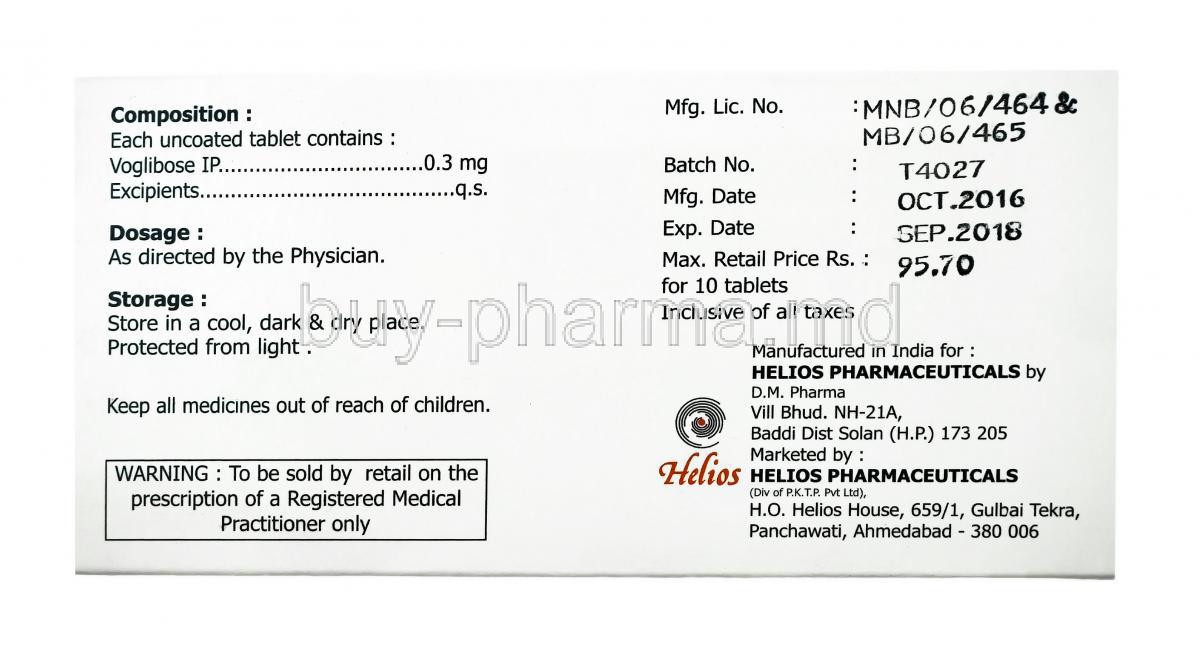
Exposure to light and moisture may compromise tablet integrity. Original packaging should be maintained until use.
Shelf Life and Expiry Considerations
Adherence to labeled expiry dates is critical. Degraded formulations may exhibit reduced efficacy or altered safety profiles.
Handling Precautions
Safe Handling and Dispensing Guidelines
Proper handling ensures drug stability and patient safety. Pharmacists and healthcare providers should adhere to established dispensing protocols.
Patient Instructions for Proper Use
- Take medication before meals as directed
- Do not alter dosage without medical advice
- Maintain adherence for optimal outcomes
Disposal of Unused or Expired Medication
Unused or expired tablets should be disposed of in accordance with local pharmaceutical waste guidelines. Improper disposal may pose environmental risks.
Clinical Considerations and Monitoring
Monitoring HbA1c and Postprandial Glucose Levels
Regular assessment of glycemic markers provides insight into long-term efficacy. HbA1c reflects sustained control, while postprandial measurements reveal immediate effects.
Long-Term Efficacy and Safety Evaluation
Continuous evaluation ensures that therapeutic benefits outweigh potential risks. Adjustments may be required based on evolving clinical parameters.
Role in Comprehensive Diabetes Care Plans
Voglibose serves as one component within a multifaceted management strategy. Optimal outcomes are achieved through integration with dietary regulation, physical activity, and adjunct pharmacotherapy.
Popular Products


Similar Product