

Actizo DT, Artemether/ Lumefantrine
- Introduction to Actizo DT (Artemether/Lumefantrine)
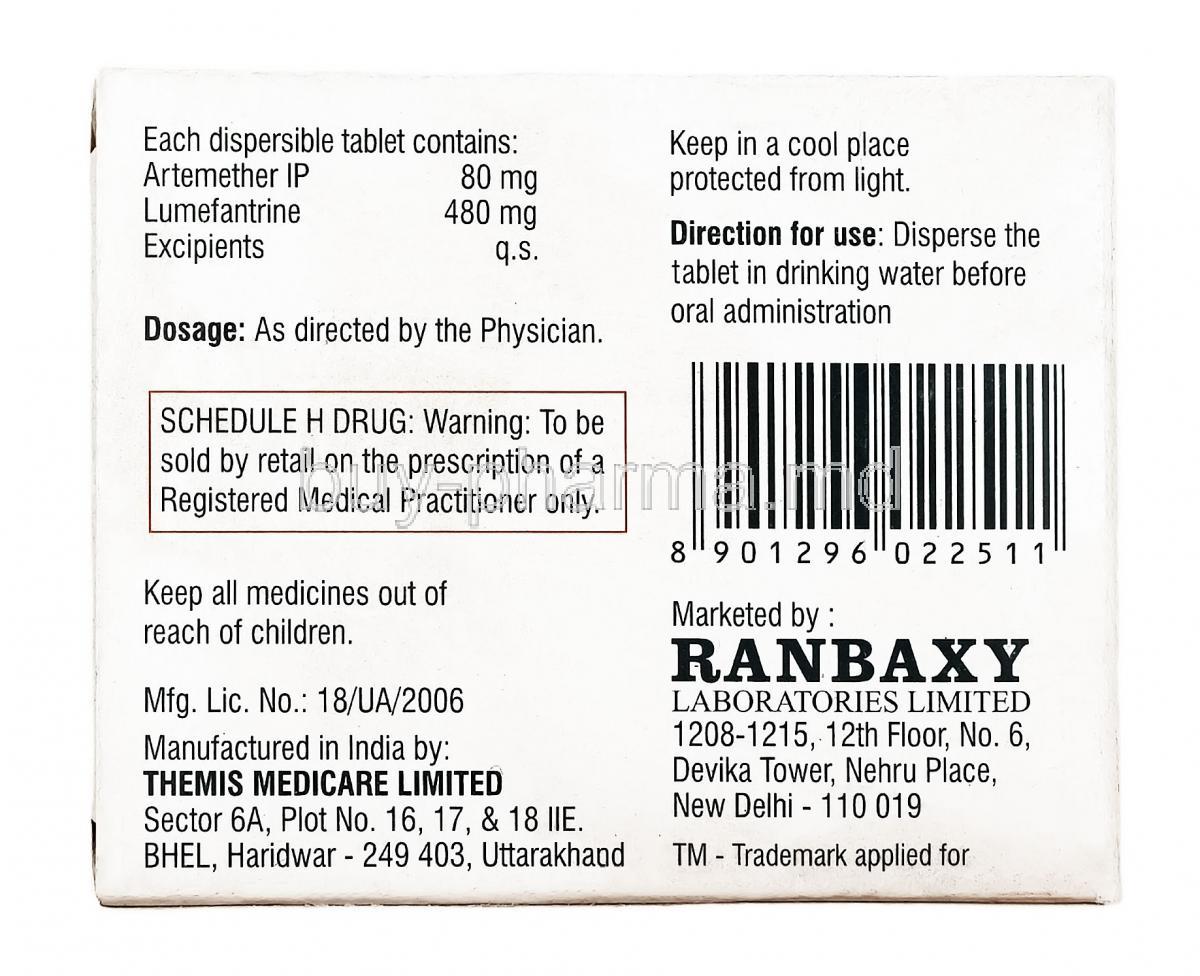
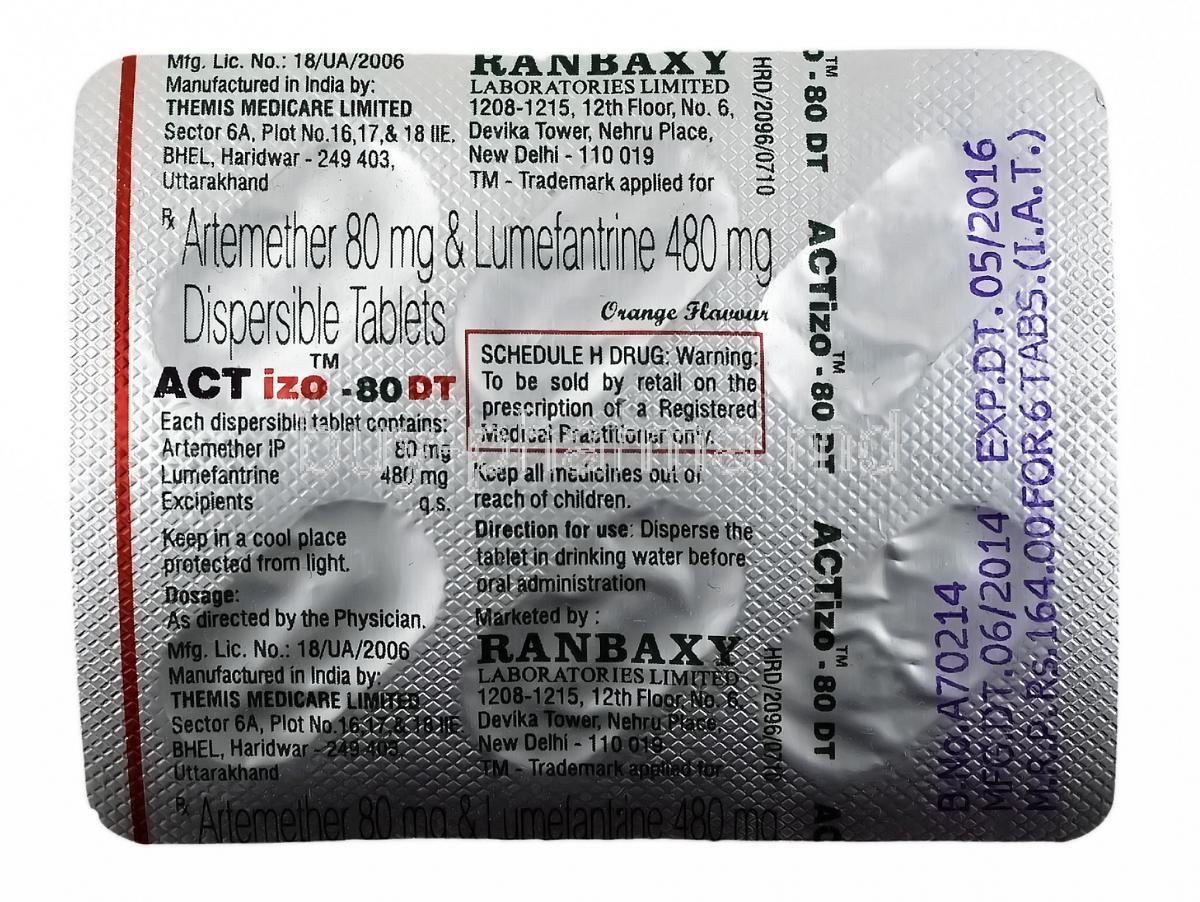
- Composition and Formulation Details
- Mechanism of Action: How Actizo DT Works
- Primary Uses of Actizo DT
- Expanded and Off-Label Uses
- Use in Suspected Malaria in Resource-Limited Settings
- Empirical Treatment in Febrile Illnesses with High Malaria Risk
- Off-Label Use in Pediatric Malaria Management Beyond Standard Guidelines
- Use in Travelers Returning from Endemic Regions
- Potential Use in Drug-Resistant Malaria Cases
- Adjunct Use in Combination with Other Antimalarial Protocols
- Dosage and Administration Guidelines
- Administration in Special Populations
- Common Side Effects of Actizo DT
- Drug Interactions and Clinical Considerations
- Contraindications for Use
- Warnings and Safety Considerations
- Careful Administration and Clinical Monitoring
- Important Precautions Before and During Use
- Overdosage and Emergency Management
- Storage and Stability Requirements
- Handling Precautions and Patient Safety
Introduction to Actizo DT (Artemether/Lumefantrine)
Overview of Artemisinin-Based Combination Therapy (ACT)
Therapeutic Classification and Indication Scope
Composition and Formulation Details
Active Ingredients: Artemether and Lumefantrine
Strength Variations and Dispersible Tablet (DT) Formulation
Role of Each Component in Combination Therapy
Excipients and Pharmaceutical Characteristics
Mechanism of Action: How Actizo DT Works
Artemether Mechanism of Action: Rapid Parasite Clearance via Free Radical Formation
Lumefantrine Mechanism of Action: Sustained Antimalarial Activity and Parasite Suppression
Synergistic Action Against Plasmodium Species
Impact on Parasite Lifecycle Stages
Primary Uses of Actizo DT
Treatment of Uncomplicated Plasmodium falciparum Malaria
Use in Mixed Malaria Infections (P. falciparum and P. vivax)
Role in First-Line Antimalarial Therapy per Global Guidelines
Expanded and Off-Label Uses
Use in Suspected Malaria in Resource-Limited Settings
Empirical Treatment in Febrile Illnesses with High Malaria Risk
Off-Label Use in Pediatric Malaria Management Beyond Standard Guidelines
Use in Travelers Returning from Endemic Regions
Potential Use in Drug-Resistant Malaria Cases
Adjunct Use in Combination with Other Antimalarial Protocols
Dosage and Administration Guidelines
Standard Adult Dosage Regimen for Artemether/Lumefantrine
Pediatric Dosage Based on Body Weight
Administration of Dispersible Tablets (DT) in Children
Importance of Co-Administration with Fatty Meals for Absorption
Missed Dose Management and Compliance Strategies
Administration in Special Populations
Administration to Elderly Patients
Dose Adjustments and Monitoring Considerations
Increased Risk of Cardiac and Hepatic Effects
Administration to Pregnant Women and Nursing Mothers
Safety Profile During Pregnancy (Second and Third Trimester Use)
Risk-Benefit Assessment in First Trimester
Transfer into Breast Milk and Infant Exposure
Administration to Children
Safety and Efficacy in Infants and Young Children
Palatability and Ease of Administration with DT Form
Common Side Effects of Actizo DT
Frequently Reported Mild Adverse Effects
Serious and Less Common Side Effects
Drug Interactions and Clinical Considerations
Interaction with CYP3A4 Inhibitors and Inducers
Concomitant Use with Other Antimalarial Agents
Effects of Food and Nutritional Status on Drug Absorption
Potential Interaction with QT-Prolonging Medications
Contraindications for Use
Known Hypersensitivity to Artemether, Lumefantrine, or Related Compounds
Severe Malaria Requiring Parenteral Therapy
Patients with Pre-existing Cardiac Arrhythmias
Concomitant Use with Strong CYP3A4 Inducers
History of QT Prolongation Disorders
Warnings and Safety Considerations
Risk of Cardiotoxicity and QT Prolongation
Use in Patients with Hepatic or Renal Impairment
Risk of Treatment Failure Due to Poor Absorption
Monitoring in Patients with Electrolyte Imbalance
Risk of Recrudescence and Reinfection
Careful Administration and Clinical Monitoring
Monitoring Cardiac Function During Treatment
Monitoring Liver Function Tests
Assessment of Treatment Response and Parasite Clearance
Monitoring for Adverse Drug Reactions
Follow-Up for Recurrent Symptoms
Important Precautions Before and During Use
Ensuring Complete Treatment Course to Prevent Resistance
Avoiding Monotherapy with Artemisinin Derivatives
Counseling Patients on Proper Administration Techniques
Importance of Nutritional Intake for Drug Efficacy
Preventive Measures Against Malaria Reinfection
Overdosage and Emergency Management
Signs and Symptoms of Artemether/Lumefantrine Overdose
Cardiac and Neurological Toxicity Risks
Immediate Management and Supportive Care Measures
Role of Activated Charcoal and Hospital Monitoring
Storage and Stability Requirements
Recommended Storage Conditions (Temperature and Humidity)
Protection from Light and Moisture
Shelf Life and Expiry Considerations
Safe Storage Away from Children
Handling Precautions and Patient Safety
Proper Handling of Dispersible Tablets
Hygiene and Safety During Administration
Disposal of Unused or Expired Medication
Avoiding Contamination and Maintaining Drug Integrity
Actizo DT, Artemether/ Lumefantrine FAQ
- What is Actizo DT?
- What is Actizo DT used for?
- What is artemether lumefantrine used for?
- What is the 3 day treatment for malaria?
- What is the drug artemether used for?
- How many days should you take artemether for?
- What is the difference between artemether and artesunate?
- Can I mix artemether with paracetamol?
- What should I avoid while using artemether?
- Why is artemether not given IV?
- Can I use amoxicillin and artemether?
- Can artemether be given twice daily?
- What are the side effects of artemether?
- Can artemether be used for other infections?
- Can I use azithromycin with artemether?
- What are the contraindications for artemether?
- Can I use artemether and ciprofloxacin together?
- What is the artemether combination?
- What are the adverse drug reactions of artemether?
- What is lumefantrine used for?
- Why is artemether combined with lumefantrine?
- How to take lumefantrine?
- How long does lumefantrine stay in the body?
- What is the difference between artemether and lumefantrine?
- Is artemether lumefantrine safe?
- Can I take artemether and lumefantrine with vitamin C?
- What is Actizo DT?
- Can I use amoxicillin and artemether?
- Can I take artemether and lumefantrine with vitamin C?
What is Actizo DT?
Actizo DT 40/240 Tablet is used to treat a mild form of malaria. It's usually given when other malaria medicines aren't working well.
What is Actizo DT used for?
Actizo DT 40/240 Tablet is used to treat a mild form of malaria. It's usually given when other malaria medicines aren't working well.
What is artemether lumefantrine used for?
The combination of artemether and lumefantrine is specifically designed to tackle certain kinds of malaria infections. However, it's essential to note that artemether and lumefantrine are not intended for use as a preventive measure against malaria. They're intended to treat the infection once it's already present, not to stop it from happening in the first place.
What is the 3 day treatment for malaria?
1 dose twice daily for the next 2 days.
What is the drug artemether used for?
Artemether is an antimalarial agent used in combination with lumefantrine for the treatment of acute uncomplicated malaria caused by Plasmodium falciparum.
How many days should you take artemether for?
3
What is the difference between artemether and artesunate?
Artesunate is the water soluble sodium hemisuccinyl ester, whilst artemether is the lipid soluble methyl ether of dihydroartemisinin.
Can I mix artemether with paracetamol?
Yes
What should I avoid while using artemether?
Grapefruits and grapefruit juice
Why is artemether not given IV?
It is insoluble in water
Can I use amoxicillin and artemether?
Yes
Can artemether be given twice daily?
Yes
What are the side effects of artemether?
- HEadache
- Appetite loss
- Dizziness
- Fatigue
Can artemether be used for other infections?
No
Can I use azithromycin with artemether?
No
What are the contraindications for artemether?
Patients with allergic reactions to the ingredients
Can I use artemether and ciprofloxacin together?
No
What is the artemether combination?
Artemether and lumefantrine combination is used to treat acute, uncomplicated malaria in patients 2 months of age and older who weigh at least 5 kilograms (kg)
What are the adverse drug reactions of artemether?
- Appetite loss
- Headache
- Fever
- Fatigue
What is lumefantrine used for?
It's used to treat malaria, which is an infection of the red blood cells that you can get from a mosquito bite.
Why is artemether combined with lumefantrine?
Improved Efficacy
How to take lumefantrine?
Twice a day
How long does lumefantrine stay in the body?
3-4 days
What is the difference between artemether and lumefantrine?
Artemether works quickly to reduce the number of parasites in the body during the first 3 days. At the same time, lumefantrine continues to fight malaria parasites, ensuring they are eliminated from the blood. This combination helps to eliminate the parasites.
Is artemether lumefantrine safe?
Yes
Can I take artemether and lumefantrine with vitamin C?
Yes
What is Actizo DT?
Actizo DT 40/240 Tablet is used to treat malaria that's not too serious. It's often used when other medicines for malaria don't work anymore. However, it's not the best choice for people with very bad or complicated malaria.
Can I use amoxicillin and artemether?
Yes
Can I take artemether and lumefantrine with vitamin C?
Yes
Popular Products

Similar Product