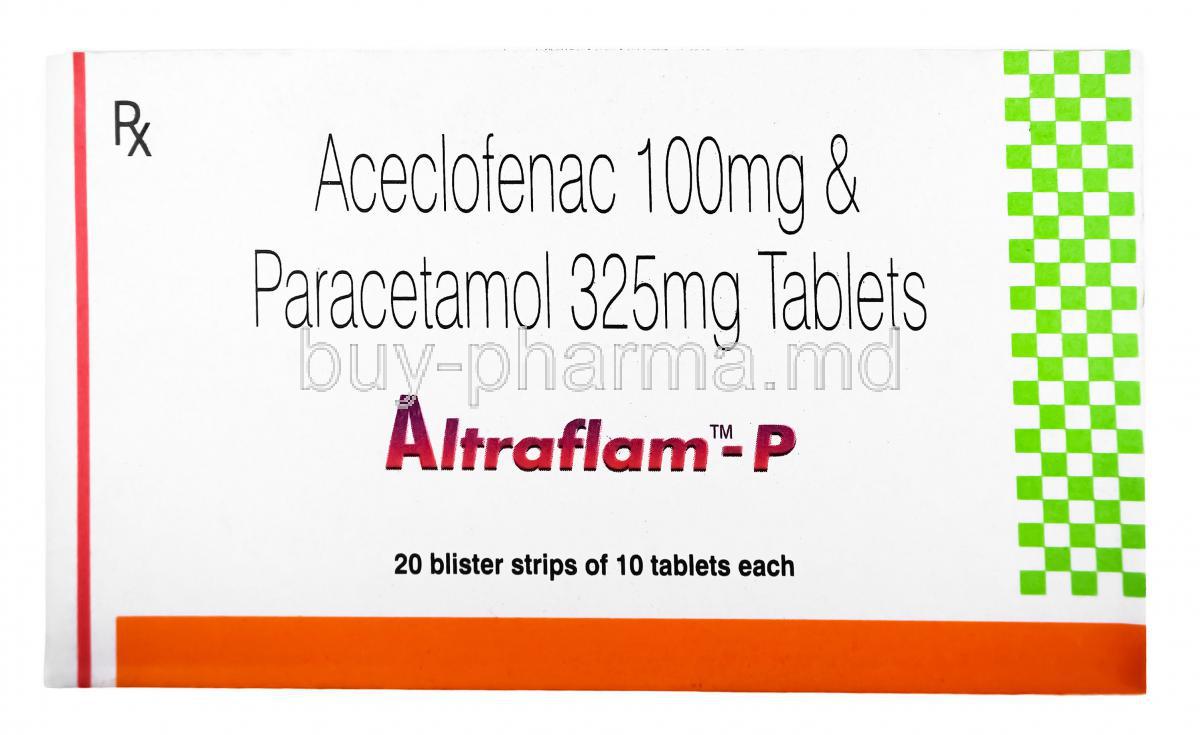

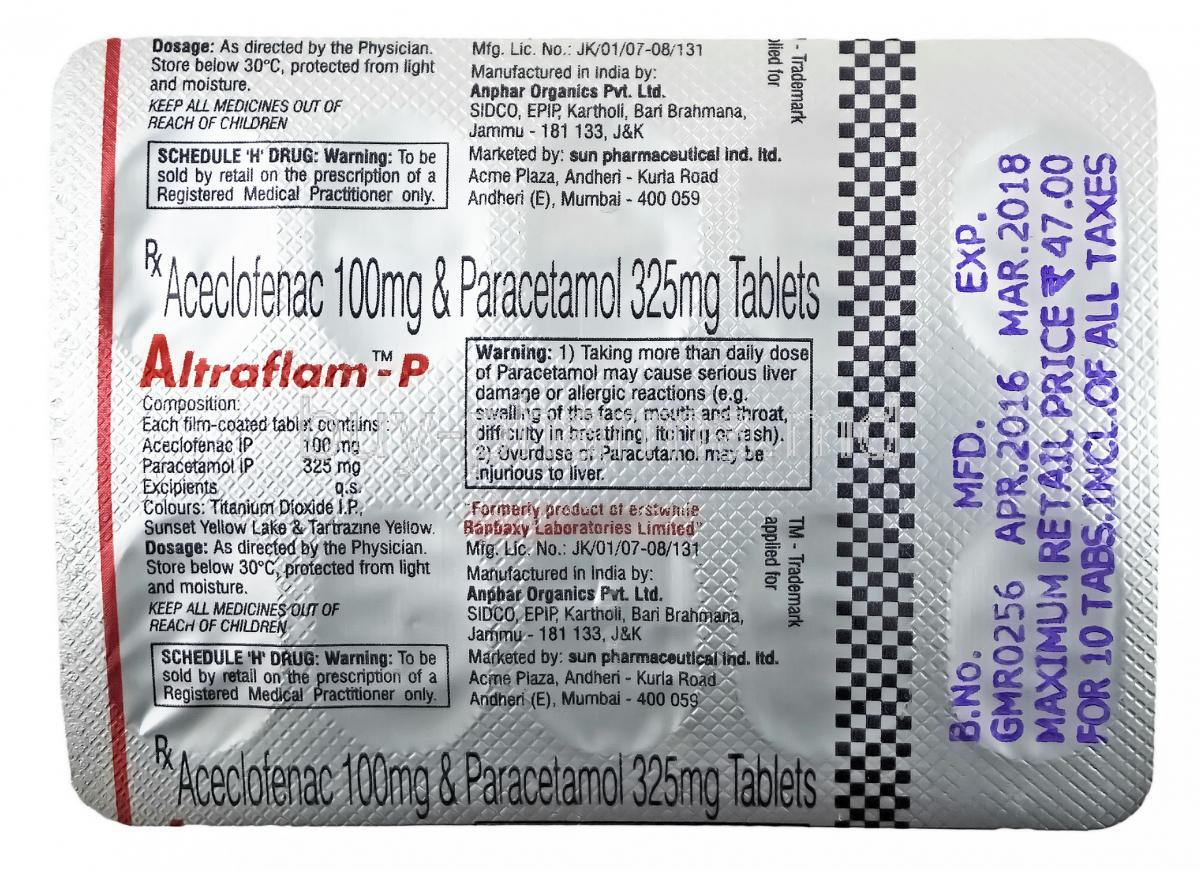
1. Introduction to Altraflam-P (Aceclofenac / Paracetamol)
1.1 Overview of Combination Analgesic and Anti-Inflammatory Therapy
Altraflam-P is a pharmaceutical preparation that combines two well-established analgesic agents: aceclofenac and paracetamol. This dual-component formulation is designed to address both inflammation and pain simultaneously. Combination analgesic therapy is widely used in clinical medicine because it allows physicians to target multiple biochemical pathways involved in nociception and inflammatory responses.
Such therapeutic strategies are especially valuable in conditions where pain originates from both inflammatory processes and central nervous system sensitization. By integrating two complementary mechanisms of action, Altraflam-P provides a more comprehensive approach to symptom relief.
- Reduction of inflammatory mediators
- Direct modulation of pain perception
- Enhanced overall analgesic efficacy
1.2 Therapeutic Classification: NSAID and Analgesic Combination
Altraflam-P belongs to a pharmacological category known as combination analgesic and anti-inflammatory medications. Aceclofenac is classified as a non-steroidal anti-inflammatory drug (NSAID), whereas paracetamol functions primarily as an analgesic and antipyretic agent.
This classification reflects the drug’s capacity to simultaneously alleviate inflammation, reduce pain intensity, and lower fever. In clinical practice, such combinations are frequently prescribed for musculoskeletal disorders, traumatic injuries, and postoperative pain management.
1.3 Rationale for Combining Aceclofenac and Paracetamol
The combination of aceclofenac and paracetamol is based on pharmacological synergy. Aceclofenac primarily suppresses inflammatory pathways by inhibiting prostaglandin synthesis, while paracetamol acts centrally within the brain to diminish the perception of pain.
The rationale behind this pairing includes:
- Enhanced analgesic potency through dual mechanisms
- Reduction of inflammatory swelling and tissue irritation
- Improved patient comfort in acute pain conditions
- Potential reduction in required doses of individual drugs
1.4 Role of Combination Therapy in Pain and Inflammatory Disorders
Combination therapy is widely recognized as an effective strategy in the treatment of multifactorial pain syndromes. Conditions such as arthritis, traumatic injury, and postoperative inflammation involve numerous biochemical mediators. Addressing only one pathway often results in incomplete relief.
By targeting both peripheral inflammation and central pain signaling, Altraflam-P delivers a more comprehensive therapeutic effect. This integrated pharmacological approach is particularly beneficial in patients experiencing moderate to severe pain accompanied by inflammation.
1.5 Clinical Importance in Acute and Chronic Pain Management
Pain management remains a fundamental component of modern medical care. Acute pain following injury or surgery can significantly impair mobility and quality of life, while chronic inflammatory disorders may produce persistent discomfort.
Altraflam-P contributes to clinical pain control by:
- Reducing inflammatory joint pain
- Providing rapid relief of musculoskeletal discomfort
- Supporting recovery after surgical procedures
- Improving daily functioning in chronic inflammatory diseases
2. Composition and Active Ingredients
2.1 Aceclofenac: Pharmacological Profile
Aceclofenac is a phenylacetic acid derivative belonging to the NSAID class of medications. It exerts potent anti-inflammatory, analgesic, and antipyretic properties by inhibiting cyclooxygenase enzymes responsible for prostaglandin synthesis.
Prostaglandins play a central role in mediating inflammation, pain sensitivity, and swelling. By suppressing their formation, aceclofenac alleviates the physiological processes that contribute to inflammatory discomfort.
2.2 Paracetamol (Acetaminophen): Mechanism and Therapeutic Role
Paracetamol, also known as acetaminophen, is a widely utilized analgesic and antipyretic medication. Unlike NSAIDs, it exerts minimal peripheral anti-inflammatory effects but acts primarily within the central nervous system to reduce pain perception.
Its therapeutic functions include:
- Reduction of fever through hypothalamic thermoregulation
- Central modulation of pain signaling pathways
- Complementary analgesic effects when combined with NSAIDs
2.3 Typical Strength and Formulation of Altraflam-P Tablets
Altraflam-P tablets are commonly formulated with a combination of aceclofenac and paracetamol in fixed therapeutic ratios. The tablet formulation allows convenient oral administration and rapid gastrointestinal absorption.
Standard formulations typically contain:
- Aceclofenac – anti-inflammatory component
- Paracetamol – analgesic and antipyretic component
2.4 Inactive Ingredients and Excipients in the Formulation
In addition to active pharmaceutical ingredients, Altraflam-P tablets contain various excipients. These substances facilitate tablet stability, improve dissolution characteristics, and ensure uniform drug delivery.
Common pharmaceutical excipients may include:
- Binders to maintain tablet structure
- Disintegrants to promote rapid dissolution
- Lubricants for manufacturing efficiency
- Stabilizers to preserve product integrity
2.5 Synergistic Effects of Aceclofenac and Paracetamol
The concurrent administration of aceclofenac and paracetamol produces a synergistic therapeutic effect. Aceclofenac reduces peripheral inflammation, while paracetamol attenuates central pain processing.
This complementary interaction results in:
- More effective pain control
- Improved patient tolerance
- Broader therapeutic coverage of inflammatory conditions
3. How Altraflam-P Works (Mechanism of Action)
3.1 Cyclooxygenase (COX) Inhibition by Aceclofenac
Aceclofenac functions by inhibiting cyclooxygenase enzymes, particularly COX-2. These enzymes are responsible for the synthesis of prostaglandins, which are lipid mediators involved in inflammation and pain transmission.
The suppression of COX activity diminishes inflammatory signaling within affected tissues. As a result, swelling, tenderness, and localized heat gradually subside.
3.2 Reduction of Prostaglandin Synthesis and Inflammation
Prostaglandins contribute significantly to the development of inflammatory responses. Their accumulation within injured tissues sensitizes nerve endings and amplifies pain perception.
By reducing prostaglandin production, aceclofenac:
- Decreases inflammatory edema
- Reduces joint stiffness
- Alleviates pain associated with tissue injury
3.3 Central Analgesic Action of Paracetamol
Paracetamol exerts its analgesic effect primarily through central nervous system mechanisms. It influences pain modulation pathways within the brain and spinal cord, reducing the transmission of nociceptive signals.
This central action complements the peripheral anti-inflammatory effects of aceclofenac, creating a dual-layer approach to pain control.
3.4 Combined Analgesic and Antipyretic Effects
Together, aceclofenac and paracetamol produce both analgesic and antipyretic outcomes. Fever reduction occurs through the inhibition of prostaglandin activity within the hypothalamus, which regulates body temperature.
Patients experiencing inflammatory conditions with associated fever may therefore benefit from this combination therapy.
3.5 Pharmacodynamic Synergy in Pain Relief
Pharmacodynamic synergy occurs when two medications produce a greater therapeutic effect together than either would individually. In the case of Altraflam-P, the anti-inflammatory properties of aceclofenac enhance the central analgesic action of paracetamol.
This synergy can lead to:
- Faster onset of pain relief
- Improved symptom control
- Enhanced functional recovery
3.6 Onset of Action and Duration of Therapeutic Effects
After oral administration, Altraflam-P is absorbed through the gastrointestinal tract. Therapeutic effects typically begin within a relatively short time frame as the active compounds reach systemic circulation.
The duration of analgesic action may vary depending on dosage, individual metabolism, and the underlying medical condition being treated.
4. Approved Medical Uses of Altraflam-P
4.1 Treatment of Osteoarthritis-Related Pain and Inflammation
Osteoarthritis is characterized by progressive degeneration of joint cartilage accompanied by inflammation and pain. Altraflam-P is frequently prescribed to reduce joint discomfort, improve mobility, and minimize inflammatory swelling.
4.2 Management of Rheumatoid Arthritis Symptoms
Rheumatoid arthritis is an autoimmune disorder that produces chronic joint inflammation. Altraflam-P may be used as part of symptomatic management to reduce pain and stiffness associated with inflammatory joint activity.
4.3 Relief of Ankylosing Spondylitis Pain
Ankylosing spondylitis primarily affects the spine and sacroiliac joints, causing stiffness and chronic back pain. Anti-inflammatory medications such as aceclofenac can significantly improve mobility and reduce discomfort.
4.4 Management of Acute Musculoskeletal Pain
Musculoskeletal injuries involving muscles, ligaments, and tendons often produce acute pain and inflammation. Altraflam-P is commonly utilized for short-term relief of such conditions.
4.5 Treatment of Dental Pain and Post-Dental Procedure Inflammation
Dental extractions, infections, and oral surgical procedures frequently cause localized inflammation and significant pain. Combination analgesics help control discomfort during the recovery period.
4.6 Relief of Postoperative Pain
Postoperative pain management is essential for patient comfort and recovery. Altraflam-P may be prescribed after surgical interventions to reduce inflammation and alleviate pain.
4.7 Treatment of Soft Tissue Injuries and Sports Injuries
Sports injuries such as sprains, strains, and ligament damage often involve inflammatory swelling and pain. Anti-inflammatory therapy can accelerate recovery and restore physical function.
4.8 Pain Associated with Orthopedic Conditions
Orthopedic disorders affecting bones and joints frequently produce persistent pain. The anti-inflammatory properties of aceclofenac make Altraflam-P beneficial in managing these conditions.
4.9 Relief of Fever and Associated Body Pain
Paracetamol’s antipyretic properties allow Altraflam-P to reduce fever while simultaneously alleviating generalized body pain associated with febrile illnesses.
5. Off-Label Uses of Aceclofenac / Paracetamol Combination
5.1 Management of Acute Back Pain and Sciatica
Acute lumbar pain and sciatica frequently involve inflammation of spinal structures. Anti-inflammatory analgesics can reduce nerve irritation and improve patient mobility.
5.2 Relief of Migraine-Associated Pain
Although not a primary migraine treatment, combination analgesics may be used to relieve mild to moderate migraine-related discomfort when inflammation contributes to symptoms.
5.3 Pain Management in Dysmenorrhea (Menstrual Pain)
Dysmenorrhea involves uterine prostaglandin release that causes cramping pain. NSAIDs such as aceclofenac may reduce prostaglandin activity and alleviate menstrual discomfort.
5.4 Adjunct Treatment in Chronic Pain Syndromes
Chronic pain conditions, including certain musculoskeletal disorders, may benefit from short-term use of combination analgesics alongside other therapeutic modalities.
5.5 Symptomatic Relief in Viral Illness-Associated Body Pain
Viral infections frequently produce fever and generalized body aches. Paracetamol’s antipyretic and analgesic properties provide symptomatic relief during such illnesses.
5.6 Pain Control in Minor Trauma or Injury
Minor injuries such as bruises, strains, or soft tissue trauma often produce localized inflammation. Altraflam-P may help reduce pain and facilitate recovery in these circumstances.
6. Dosage and Administration Guidelines
6.1 Standard Adult Dosage Recommendations
The dosage of Altraflam-P should be determined by a qualified healthcare professional based on the patient’s condition and overall medical status. Adult dosing typically follows established therapeutic guidelines to ensure efficacy and safety.
6.2 Recommended Frequency of Administration
Most regimens involve administration at regular intervals to maintain consistent plasma concentrations of the active ingredients. Compliance with the prescribed schedule is essential for optimal therapeutic results.
6.3 Maximum Daily Dose Considerations
Exceeding recommended doses increases the risk of adverse effects, particularly hepatotoxicity associated with paracetamol. Strict adherence to dosage instructions is therefore critical.
6.4 Administration with Food to Reduce Gastrointestinal Irritation
NSAIDs may cause gastrointestinal irritation in some individuals. Taking Altraflam-P with food or milk can reduce gastric discomfort and improve tolerance.
6.5 Duration of Therapy and Treatment Monitoring
Short-term use is generally recommended for acute pain conditions. Prolonged therapy may require medical monitoring to detect potential adverse effects involving the liver, kidneys, or gastrointestinal tract.
6.6 Dose Adjustment in Special Populations
Patients with hepatic impairment, renal dysfunction, or advanced age may require dosage adjustments. Clinical evaluation helps ensure safe and effective treatment in these populations.
7. Administration to Elderly Patients
7.1 Age-Related Pharmacokinetic Considerations
Physiological changes associated with aging can influence drug metabolism and elimination. Reduced renal function and altered hepatic activity may affect the pharmacokinetics of aceclofenac and paracetamol.
7.2 Increased Risk of Gastrointestinal Complications
Elderly individuals may have a higher susceptibility to NSAID-related gastrointestinal complications such as ulceration or bleeding. Careful dosing and monitoring are therefore essential.
7.3 Monitoring Renal and Hepatic Function in Elderly Patients
Regular assessment of kidney and liver function helps identify potential adverse effects early. Laboratory monitoring may be recommended for prolonged therapy.
7.4 Dose Adjustment and Clinical Supervision
Healthcare providers may prescribe lower doses or shorter treatment durations in elderly patients to minimize risk while maintaining therapeutic benefits.
8. Administration to Pregnant Women and Nursing Mothers
8.1 Safety Considerations During Pregnancy
The use of NSAIDs during pregnancy requires careful evaluation due to potential risks to the developing fetus. Medical consultation is essential before initiating treatment.
8.2 Risks Associated with NSAID Use in Late Pregnancy
Late-term NSAID exposure may interfere with fetal cardiovascular physiology and delay labor. Consequently, such medications are generally avoided during the final trimester.
8.3 Potential Effects on Fetal Development
Certain medications can influence fetal development if administered during pregnancy. Physicians carefully weigh potential benefits against possible risks before prescribing analgesic therapy.
8.4 Transfer of Paracetamol into Breast Milk
Paracetamol can pass into breast milk in small quantities. Although generally considered compatible with breastfeeding, medical guidance remains advisable.
8.5 Medical Guidance for Use During Lactation
Healthcare providers evaluate the necessity of treatment, maternal health status, and potential infant exposure before recommending medication during lactation.
9. Administration to Children and Adolescents
9.1 Age Restrictions and Safety Data
The safety profile of combination NSAID therapies may vary across pediatric age groups. Age-specific guidelines help determine appropriate use.
9.2 Pediatric Dosing Considerations
Children may require adjusted dosing based on body weight and developmental physiology. Strict adherence to pediatric dosing recommendations is essential.
9.3 Monitoring for Adverse Effects in Pediatric Patients
Pediatric patients should be carefully monitored for signs of gastrointestinal discomfort, allergic reactions, or other adverse effects during treatment.
9.4 Importance of Medical Supervision in Younger Patients
Medical supervision ensures safe administration and prevents dosing errors. Healthcare professionals provide guidance tailored to pediatric therapeutic needs.
10. Side Effects of Altraflam-P
10.1 Overview of Potential Adverse Reactions
Like all medications, Altraflam-P may produce side effects in certain individuals. These reactions vary in severity and frequency depending on dosage, treatment duration, and individual susceptibility.
10.2 Gastrointestinal Side Effects
Gastrointestinal disturbances represent one of the most common adverse effects associated with NSAID therapy. Symptoms may include:
- Abdominal discomfort
- Indigestion
- Nausea
- Occasional gastric irritation
10.3 Neurological and Central Nervous System Effects
Some patients may experience neurological symptoms such as headache or dizziness during treatment. These effects are usually mild and transient.
10.4 Hepatic and Renal Adverse Effects
Excessive or prolonged use of paracetamol can potentially affect liver function, while NSAIDs may influence renal blood flow. Monitoring is advisable during extended therapy.
10.5 Hypersensitivity Reactions
Rarely, hypersensitivity reactions may occur. These reactions can include skin rashes, itching, or allergic responses requiring medical attention.
11. Common Side Effects
11.1 Nausea and Gastrointestinal Discomfort
Nausea is among the more frequently reported adverse effects associated with Altraflam-P. This reaction may occur because aceclofenac, like many NSAIDs, can irritate the gastric mucosa and alter gastrointestinal tolerance. In some patients, the sensation is fleeting. In others, it may persist long enough to affect appetite and treatment adherence.
Gastrointestinal discomfort may present as vague upper abdominal uneasiness, queasiness after meals, or a sensation of gastric heaviness. These symptoms are often mild, yet they should not be dismissed when persistent. Practical measures that may reduce discomfort include:
- Taking the tablet after food unless otherwise directed
- Avoiding highly irritating meals, alcohol, or prolonged fasting
- Maintaining adequate hydration during therapy
- Reporting persistent nausea to a healthcare professional
11.2 Indigestion or Dyspepsia
Dyspepsia, sometimes described as indigestion, may occur during treatment with aceclofenac-containing products. It can include belching, postprandial fullness, upper abdominal burning, or a sensation of slow digestion. Such effects arise in part from the drug’s influence on prostaglandin-mediated gastric protection.
Although dyspepsia is usually non-serious, it may become troublesome in individuals with pre-existing gastric sensitivity. The discomfort can be insidious. At times, it can mimic more significant gastrointestinal pathology. Persistent symptoms warrant clinical evaluation, particularly when accompanied by dark stools, vomiting, or marked abdominal pain.
11.3 Mild Abdominal Pain
Mild abdominal pain may develop as a consequence of gastrointestinal irritation or altered digestive tolerance. In many cases, this pain is transient and resolves as the body accommodates to treatment. Even so, recurrent or intensifying abdominal discomfort requires careful attention.
The clinical presentation may vary:
- Dull epigastric discomfort
- Intermittent cramping
- Bloating-associated abdominal heaviness
- Localized upper abdominal tenderness
Any escalation in severity should be regarded with caution, particularly in patients with a history of ulcer disease or gastrointestinal bleeding.
11.4 Headache or Dizziness
Some individuals taking Altraflam-P may experience headache, dizziness, or a transient sense of disequilibrium. These neurological complaints are usually mild, but they may impair concentration, coordination, or the ability to perform tasks requiring vigilance.
Dizziness may be more noticeable:
- After the first few doses
- When standing up quickly
- In dehydrated individuals
- When the medication is combined with alcohol or other centrally acting drugs
Patients who feel lightheaded should avoid driving, operating machinery, or engaging in potentially hazardous activities until they know how the medication affects them.
11.5 Fatigue or General Malaise
A feeling of tiredness, lassitude, or general malaise may occasionally be reported during therapy. This symptom may stem from the underlying illness, the body’s inflammatory burden, or the medication itself. The sensation is often nonspecific. Nevertheless, it can influence daily productivity and overall well-being.
Persistent fatigue should not be overlooked, especially if it occurs alongside nausea, reduced appetite, dark urine, or unusual weakness. Such a constellation may signal more significant systemic effects and merits medical review.
12. Drug Interactions
12.1 Interaction with Other Non-Steroidal Anti-Inflammatory Drugs
Concurrent use of Altraflam-P with other NSAIDs is generally discouraged. Combining multiple NSAIDs does not necessarily improve pain control in a meaningful way, yet it may substantially increase the risk of gastrointestinal irritation, ulceration, renal impairment, and bleeding complications.
Examples of interacting NSAID therapy may include:
- Ibuprofen
- Diclofenac
- Naproxen
- Ketorolac
- Indomethacin
Simultaneous administration should occur only under direct medical supervision when a clear clinical rationale exists.
12.2 Interaction with Anticoagulants and Antiplatelet Agents
Aceclofenac may potentiate bleeding risk when used together with anticoagulants or antiplatelet drugs. NSAID-induced gastric mucosal irritation, coupled with reduced platelet function or anticoagulant activity, creates a precarious clinical situation.
Particular caution is warranted with:
- Warfarin
- Heparin
- Apixaban, rivaroxaban, or similar direct oral anticoagulants
- Aspirin
- Clopidogrel
Patients receiving these medications may require closer clinical monitoring, laboratory assessment, or an alternative analgesic approach.
12.3 Interaction with Corticosteroids
The concomitant use of corticosteroids and NSAIDs may amplify the risk of gastrointestinal ulceration and bleeding. Corticosteroids themselves can compromise mucosal defense mechanisms, and the addition of aceclofenac may intensify this vulnerability.
This interaction is clinically relevant in patients using:
- Prednisolone
- Dexamethasone
- Methylprednisolone
- Hydrocortisone in systemic form
Where combined therapy is unavoidable, gastroprotective strategies and vigilant monitoring may be considered.
12.4 Interaction with Antihypertensive Medications
NSAIDs may attenuate the effect of certain antihypertensive drugs by promoting sodium retention, reducing renal blood flow, and altering vascular homeostasis. This can lead to diminished blood pressure control, particularly in susceptible individuals.
Relevant drug classes include:
- ACE inhibitors
- Angiotensin receptor blockers
- Diuretics
- Beta blockers
In some patients, the combination may also increase the risk of renal dysfunction. Blood pressure and renal function should therefore be monitored when long-term combined use is necessary.
12.5 Interaction with Alcohol and Hepatotoxic Drugs
Alcohol consumption during therapy with paracetamol-containing products may increase the burden on hepatic metabolism. Chronic alcohol use can enhance susceptibility to liver injury, particularly when paracetamol is taken in excessive amounts or combined with other hepatotoxic agents.
Potentially problematic co-administered drugs may include:
- Other acetaminophen-containing products
- Certain antitubercular agents
- Some anticonvulsants
- High-risk hepatotoxic medications used long term
Even modest miscalculations in cumulative intake can become clinically significant. Careful medication reconciliation is essential.
12.6 Interaction with Methotrexate or Lithium
Aceclofenac may reduce renal clearance of methotrexate or lithium, thereby increasing systemic exposure and potential toxicity. This is an important pharmacokinetic consideration, particularly in patients receiving chronic therapy for autoimmune or psychiatric conditions.
Potential consequences include:
- Enhanced methotrexate toxicity, including marrow suppression
- Elevated lithium concentrations with neurological symptoms
- Greater risk in patients with impaired kidney function
Where these combinations are clinically necessary, dosage review and laboratory monitoring may be required.
13. Warnings and Safety Considerations
13.1 Risk of Gastrointestinal Bleeding or Ulceration
NSAIDs can compromise gastric mucosal defenses by reducing protective prostaglandins. As a result, patients using aceclofenac may face an increased risk of gastritis, peptic ulceration, gastrointestinal bleeding, or even perforation in severe cases.
The risk may be greater in:
- Older adults
- Patients with previous ulcer disease
- Those taking corticosteroids or anticoagulants
- Individuals requiring prolonged therapy
Clinical warning signs such as black stools, vomiting of blood, or severe persistent abdominal pain require urgent evaluation.
13.2 Potential Hepatotoxicity with Excess Paracetamol Intake
Paracetamol is generally well tolerated at recommended doses. However, excessive intake may cause serious hepatic injury, sometimes with delayed initial symptoms. This risk becomes especially important when patients unknowingly use several medications containing paracetamol at the same time.
Early manifestations may be deceptively mild. Later, hepatic damage may become profound. Severe overdose can culminate in acute liver failure, metabolic derangement, and life-threatening complications.
13.3 Cardiovascular Risk Associated with NSAID Use
NSAIDs have been associated with an increased risk of cardiovascular adverse events in some patient populations, particularly when used in high doses or over extended periods. Fluid retention, increased blood pressure, and altered thrombotic balance may contribute to this concern.
Patients with pre-existing cardiovascular disease, ischemic risk factors, or heart failure require particularly judicious prescribing. Analgesic benefit must be weighed carefully against potential systemic risk.
13.4 Risk of Allergic or Anaphylactic Reactions
Hypersensitivity reactions to aceclofenac or paracetamol can occur, though serious reactions are uncommon. They may range from mild rash and pruritus to severe bronchospasm, angioedema, or anaphylactic reactions requiring emergency care.
Symptoms warranting immediate discontinuation and urgent medical assessment include:
- Facial or throat swelling
- Breathing difficulty
- Widespread rash or hives
- Sudden wheezing
- Severe dizziness with collapse
13.5 Monitoring Liver and Kidney Function During Treatment
In patients requiring prolonged therapy, or in those with pre-existing organ vulnerability, periodic monitoring of hepatic and renal parameters may be advisable. NSAIDs can affect renal perfusion. Paracetamol, when misused or accumulated, can affect hepatic integrity.
Monitoring may be particularly relevant for:
- Elderly patients
- Individuals with chronic liver disease
- Patients with kidney dysfunction
- Those using interacting medications long term
14. Contraindications
14.1 Known Hypersensitivity to Aceclofenac or Paracetamol
Altraflam-P is contraindicated in patients with known hypersensitivity to either aceclofenac, paracetamol, or any component of the formulation. Re-exposure in sensitized individuals may provoke clinically significant allergic reactions.
14.2 History of Severe Allergic Reaction to NSAIDs
Patients with a history of severe NSAID-related hypersensitivity, including bronchospasm, urticaria, angioedema, or severe skin reactions, should generally avoid aceclofenac-containing therapy. Cross-reactivity among NSAIDs may occur.
14.3 Active Peptic Ulcer or Gastrointestinal Bleeding
Active peptic ulcer disease or ongoing gastrointestinal bleeding represents a major contraindication to NSAID therapy. Further mucosal injury may exacerbate bleeding, worsen ulcer depth, and increase the risk of complications.
14.4 Severe Hepatic or Renal Impairment
Severe hepatic or renal dysfunction may impair drug metabolism and elimination, increasing the probability of toxicity. In such patients, the pharmacokinetic handling of both aceclofenac and paracetamol may be substantially altered.
14.5 Advanced Heart Failure or Cardiovascular Disease
Patients with advanced heart failure or serious cardiovascular disease may be at increased risk from NSAID-related fluid retention, blood pressure destabilization, and renal compromise. Therapy in such settings is typically avoided unless specifically justified by a clinician.
15. Careful Administration and Special Clinical Considerations
15.1 Use in Patients with Mild to Moderate Liver Disease
In patients with mild to moderate hepatic dysfunction, Altraflam-P should be used with caution. Reduced liver reserve may alter the metabolism of paracetamol and increase vulnerability to hepatic adverse effects, especially with repeated dosing.
Clinical prudence may involve:
- Using the lowest effective dose
- Avoiding prolonged treatment without review
- Monitoring for early signs of hepatic intolerance
15.2 Monitoring in Patients with Kidney Dysfunction
Kidney dysfunction may heighten susceptibility to NSAID-related renal effects, particularly reductions in renal blood flow. Patients with pre-existing impairment, dehydration, or concomitant nephrotoxic medications require more circumspect administration.
Monitoring is especially important when there is:
- Chronic kidney disease
- Advanced age
- Use of diuretics
- Volume depletion or poor oral intake
15.3 Use in Patients with Hypertension or Cardiovascular Disorders
Patients with hypertension or cardiovascular disease may experience worsening blood pressure control or fluid retention during NSAID therapy. Even short courses deserve clinical attention in high-risk individuals.
Dose minimization and careful selection of treatment duration are often appropriate in these patients.
15.4 Considerations in Patients with Asthma or NSAID Sensitivity
A subset of patients with asthma may exhibit NSAID sensitivity, sometimes with bronchospastic responses after exposure. This phenomenon can be clinically significant and should be reviewed carefully before prescribing aceclofenac-containing medication.
Past reactions to aspirin or other NSAIDs should be treated as a meaningful warning signal.
15.5 Monitoring Long-Term Use of Combination Analgesics
Long-term use of combination analgesics may increase the cumulative risk of gastrointestinal, renal, hepatic, and cardiovascular complications. What is safe briefly may become problematic over time. Duration matters.
Extended treatment should be accompanied by:
- Periodic clinical review
- Assessment of pain-control necessity
- Evaluation for emerging adverse effects
- Consideration of safer alternatives when appropriate
16. Important Precautions During Treatment
16.1 Avoiding Concurrent Use of Multiple Paracetamol-Containing Products
One of the most important precautions during treatment is to avoid taking other paracetamol-containing medications simultaneously. Many over-the-counter cold, flu, and pain remedies contain paracetamol, sometimes in unnoticed quantities.
Unintentional duplication is a common cause of overdose. Reading labels carefully is essential.
16.2 Limiting Alcohol Consumption During Therapy
Alcohol may increase gastrointestinal irritation and compound hepatic stress, particularly in patients taking paracetamol regularly. Limiting or avoiding alcohol during treatment is therefore a prudent precaution.
16.3 Monitoring for Signs of Gastrointestinal Complications
Patients should remain alert to symptoms that may herald gastrointestinal injury. These may begin subtly. They may also become serious quickly.
- Persistent stomach pain
- Black or tarry stools
- Vomiting blood or coffee-ground material
- Unexplained weakness or pallor
Prompt reporting of such signs is important for early intervention.
16.4 Preventing Accidental Overdose
Accidental overdose may occur when dosing instructions are misunderstood or when multiple products with overlapping ingredients are used together. To reduce this risk, medication schedules should be clear, written when possible, and reviewed carefully with the patient.
16.5 Recognizing Early Signs of Liver Toxicity
Early manifestations of liver toxicity may include nausea, vomiting, unusual tiredness, loss of appetite, upper abdominal discomfort, or dark urine. These symptoms may appear nonspecific at first, yet they deserve attention when paracetamol exposure is substantial or prolonged.
17. Overdosage and Emergency Management
17.1 Symptoms of Aceclofenac Overdose
Aceclofenac overdose may present with gastrointestinal and neurological symptoms. The clinical picture can vary depending on dose, co-ingested substances, and the patient’s baseline health.
Possible manifestations include:
- Nausea and vomiting
- Abdominal pain
- Drowsiness
- Dizziness
- Gastrointestinal bleeding in more severe cases
17.2 Signs of Paracetamol Toxicity
Paracetamol toxicity is a medical emergency because early symptoms may seem deceptively mild while hepatic injury progresses silently. Initial features may include nausea, sweating, pallor, malaise, and vomiting. Later, right upper abdominal pain and biochemical evidence of liver injury may emerge.
17.3 Risk of Severe Liver Damage in Overdose
The major danger in paracetamol overdose is severe liver damage. In substantial overdose, toxic metabolites accumulate and overwhelm hepatic detoxification pathways, potentially resulting in acute liver failure. This can be catastrophic.
Delayed treatment increases risk. Time is clinically critical.
17.4 Immediate Medical Management and Treatment
Any suspected overdose requires urgent medical evaluation, even if symptoms appear mild at first. Management may include clinical assessment, laboratory testing, supportive care, and specific antidotal therapy when appropriate.
Immediate priorities often include:
- Determining the amount and timing of ingestion
- Reviewing all co-administered medications
- Assessing liver and kidney function
- Monitoring for gastrointestinal or neurological complications
17.5 Role of Antidotes such as N-Acetylcysteine in Paracetamol Overdose
N-acetylcysteine is the principal antidotal treatment for clinically significant paracetamol overdose. It works by replenishing glutathione stores and reducing toxic metabolite-mediated liver injury. Its efficacy is greatest when administered early, although benefit may still occur later in the clinical course.
For this reason, suspected overdose should never be observed casually at home. Immediate medical care is essential.
18. Storage and Stability
18.1 Recommended Storage Conditions for Altraflam-P Tablets
Altraflam-P tablets should be stored according to the manufacturer’s instructions, typically in a cool, dry environment away from direct light and unnecessary humidity. Proper storage helps preserve chemical stability and therapeutic integrity.
18.2 Protection from Moisture and Excess Heat
Moisture and excessive heat can compromise tablet stability, alter dissolution behavior, and reduce overall product quality. Bathrooms, kitchen counters near heat sources, and unventilated cars are generally unsuitable storage locations.
18.3 Storage in Original Packaging
Keeping the medication in its original packaging is advisable because the container or blister pack is designed to provide physical protection, labeling clarity, and a barrier against environmental exposure. It also helps patients retain batch, expiry, and dosage information.
18.4 Keeping Medication Out of Reach of Children
All medications should be stored securely and out of the reach of children. Even products commonly used in adults can be dangerous if ingested accidentally by a child. Safe household storage is a fundamental precaution.
19. Handling Precautions
19.1 Safe Handling of Pharmaceutical Tablets
Pharmaceutical tablets should be handled with clean, dry hands. This simple practice helps minimize contamination and protects the dosage form from moisture transfer or physical degradation.
19.2 Avoiding Contamination or Improper Storage
Tablets should not be transferred casually into unlabeled containers unless specifically organized in a safe and traceable manner. Improper storage increases the risk of confusion, contamination, accidental misuse, and loss of critical medication information.
19.3 Proper Disposal of Expired or Unused Medication
Expired or unused medication should be disposed of responsibly. Medicines should not be kept indefinitely once no longer needed, particularly if the packaging is damaged or the expiry date has passed.
Responsible disposal practices may include:
- Using local medicine take-back programs when available
- Following pharmacist guidance for household disposal
- Avoiding informal redistribution to others
19.4 Patient Education on Responsible Medication Handling
Patient education remains an essential component of safe medicine use. Individuals should understand correct dosing, storage conditions, expiry awareness, and the risks of sharing medication with others. Good handling habits reduce preventable harm.
20. Summary of Key Clinical Considerations
20.1 Benefits of Aceclofenac and Paracetamol Combination Therapy
The combination of aceclofenac and paracetamol offers a pragmatic therapeutic approach for pain conditions in which both inflammation and nociceptive discomfort are relevant. Aceclofenac contributes anti-inflammatory action. Paracetamol enhances analgesic and antipyretic support. Together, they provide broader symptomatic relief than either mechanism alone would deliver in many short-term clinical settings.
20.2 Appropriate Use for Pain and Inflammation
Altraflam-P is most appropriately used for carefully selected patients with pain and inflammatory conditions where combination therapy is justified. Rational prescribing depends on the nature of the pain, the expected duration of treatment, coexisting illness, and concurrent medication exposure.
Appropriate use typically involves:
- Short-term treatment at the lowest effective dose
- Attention to contraindications and risk factors
- Avoidance of unnecessary duplication with similar products
20.3 Importance of Medical Supervision for Safe Use
Medical supervision is important because the apparent simplicity of an analgesic tablet can obscure meaningful risks. Gastrointestinal injury, liver toxicity, renal effects, drug interactions, and hypersensitivity reactions all require thoughtful clinical awareness.
This is particularly relevant in:
- Elderly patients
- Pregnant or breastfeeding women
- Patients with liver, kidney, or heart disease
- Individuals taking multiple medications
20.4 Balancing Therapeutic Benefits with Potential Risks
The clinical value of Altraflam-P lies in its capacity to relieve pain, reduce inflammation, and improve functional comfort. Yet every benefit must be weighed against the potential for adverse effects. Judicious dosing, careful patient selection, and timely monitoring create the balance on which safe therapy depends.
Used appropriately, the medication can be effective and clinically useful. Used carelessly, it may expose the patient to avoidable risk. That distinction is critical.
Altraflam - P, Aceclofenac/ Paracetamol FAQ
Popular Products


Similar Product