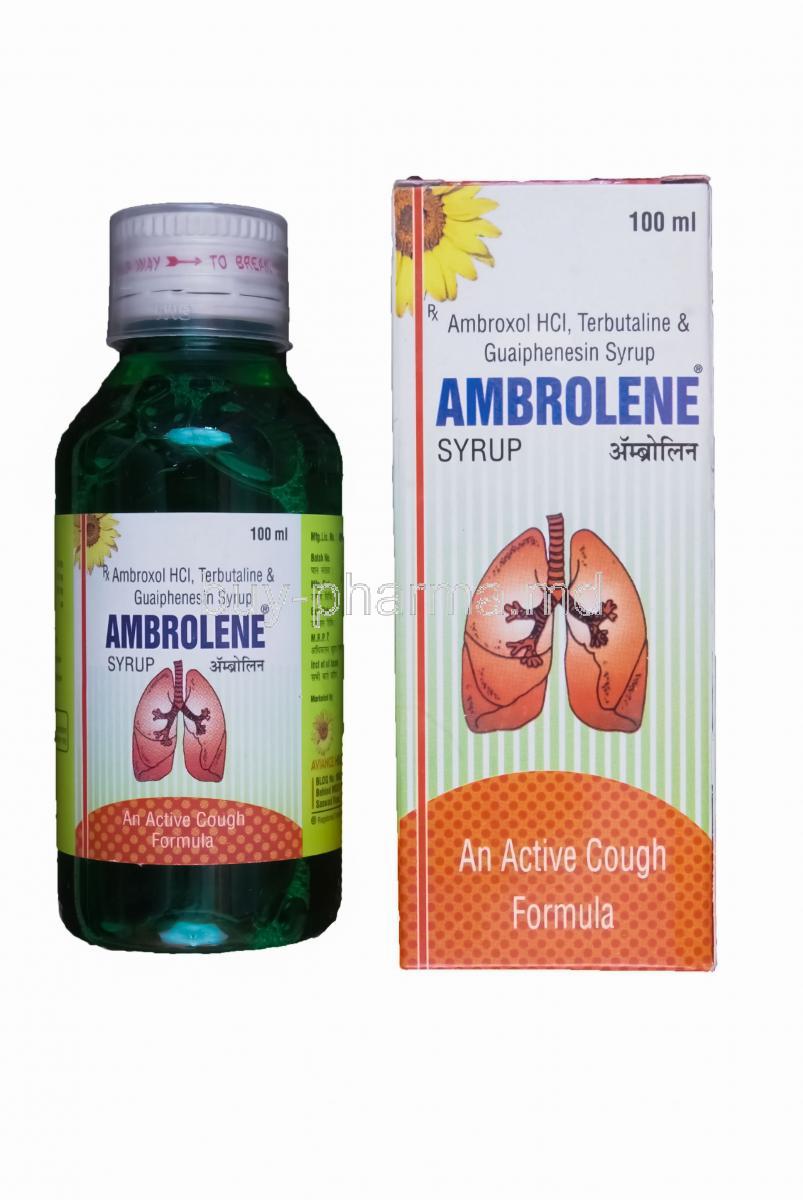
1. Introduction to Ambrolene Syrup
1.1 Overview of Ambrolene Syrup as a Mucolytic and Expectorant
Ambrolene Syrup is a clinically trusted mucolytic and expectorant designed to dissolve thick, tenacious mucus that obstructs the airways. By reducing viscosity and promoting productive coughing, it enhances respiratory comfort and promotes efficient clearance of bronchial secretions.
1.2 Therapeutic Role in Respiratory Health
The syrup plays a pivotal role in restoring respiratory equilibrium. It supports patients experiencing congested breathing, allowing smoother airflow and reducing irritation within the bronchial passages. This makes it a cornerstone therapy for respiratory disorders characterized by mucus overload.
1.3 Benefits Compared to Other Mucolytic Agents
Ambrolene Syrup offers distinct advantages:
- Rapid onset of mucolytic action.
- Enhanced tolerability and minimal gastrointestinal disturbances.
- Improved ciliary motility compared to many conventional agents.
This combination of efficacy and comfort makes it a preferred choice among healthcare practitioners.
1.4 Indications for Clinical and Home Use
The syrup is widely utilized both in medical settings and for self-care at home. It supports patients dealing with viral or bacterial respiratory infections, allergy-induced mucus buildup, and chronic airway conditions requiring sustained mucus management.
2. Composition of Ambrolene Syrup
2.1 Active Ingredient: Ambroxol Hydrochloride
The therapeutic efficacy of Ambrolene lies in Ambroxol Hydrochloride, a potent mucolytic known for reducing mucus adherence and facilitating airway clearance.
2.2 Mechanism-Relevant Excipients and Their Functions
The formulation includes excipients that aid stability, enhance solubility, and improve palatability. These components ensure consistent drug delivery and patient acceptance, particularly among children.
2.3 Available Strengths and Formulation Variants
Ambrolene Syrup is available in multiple strengths tailored to different age groups and therapeutic needs. Its liquid format provides flexible dosing and easy administration.
3. How Ambrolene Syrup Works
3.1 Pharmacodynamics: Mucolytic and Secretolytic Actions
Ambroxol’s pharmacological activity centers on disrupting the chemical bonds within mucus, enabling it to fragment and become less viscous. This allows for efficient expectoration.
3.2 Enhancement of Surfactant Production in the Airways
Ambroxol stimulates surfactant synthesis, reducing airway surface tension and improving the spreadability of mucus layers.
3.3 Improvement of Mucociliary Clearance
The drug enhances the natural mucociliary escalator, facilitating faster removal of secretions. This contributes to long-term respiratory health.
3.4 Onset of Action and Duration of Effect
Ambroxol begins acting within 30 minutes, offering prompt relief. Its effects persist for several hours, ensuring sustained airway comfort.
4. Uses of Ambrolene Syrup
4.1 Treatment of Productive Cough
Ambrolene Syrup helps transform a stubborn, unproductive cough into an effective one, promoting clearance of mucus and easing chest congestion.
4.2 Management of Acute and Chronic Bronchitis
Its mucolytic properties assist patients experiencing inflammation and persistent mucus buildup associated with bronchitis.
4.3 Relief in Upper and Lower Respiratory Tract Disorders with Excess Mucus
The syrup is beneficial in conditions affecting both the nasal passages and deep bronchial regions, offering broad-spectrum respiratory support.
4.4 Supportive Therapy in COPD and Asthma with Mucus Hypersecretion
Ambrolene helps reduce mucus accumulation, decreasing exacerbation risk and improving breathing efficiency in chronic airway diseases.
4.5 Use in Post-Infectious Cough
After respiratory infections, lingering mucus can impair recovery. Ambrolene supports airway clearance and accelerates symptom resolution.
5. Off-Label Uses of Ambrolene Syrup
5.1 Use in Cough Related to Pneumonia (as Adjunct Therapy)
In select cases, Ambrolene is used alongside primary antibiotics to loosen secretions and enhance patient comfort.
5.2 Use in Cystic Fibrosis–Related Mucus Congestion
Its mucolytic effect can assist in managing mucus viscosity in cystic fibrosis, though usage should be closely supervised.
5.3 Use for Improving Airway Clearance in Post-Surgical Pulmonary Complications
Postoperative pulmonary stasis can be mitigated by promoting secretion mobility with Ambrolene Syrup.
5.4 Use in Chronic Rhinosinusitis with Excess Mucus
The drug may help reduce sinus congestion by thinning secretions draining from the nasal cavity.
6. Dosage and Administration
6.1 Standard Dosage for Adults
Adults typically receive measured doses based on symptom severity and clinical recommendation.
6.2 Dosage Recommendations for Children
Pediatric dosing varies with age and weight. The syrup’s palatable flavor and dosage flexibility make it child-friendly.
6.3 Dose Adjustment in Chronic Respiratory Diseases
Patients with long-standing respiratory disorders may require adjusted dosing to maintain optimal mucus control.
6.4 Instructions on Timing and Method of Administration
Ambrolene is most effective when taken after meals with adequate hydration. Proper measuring devices ensure accurate dosing.
6.5 Missed Dose Advice
If a dose is missed, it can be taken promptly unless the next dose is due. Doubling doses is discouraged.
6.6 Duration of Therapy and When to Stop
Treatment duration depends on symptom persistence. Once mucus production normalizes, the therapy can be discontinued as advised.
7. Side Effects of Ambrolene Syrup
7.1 Overview of Potential Adverse Reactions
Most side effects are mild and transient, reflecting good tolerability.
7.2 Gastrointestinal Side Effects
Patients may experience nausea or abdominal discomfort, especially during early treatment.
7.3 Dermatologic and Hypersensitivity Reactions
Occasional allergic reactions such as rash or itchiness may arise in sensitive individuals.
7.4 Respiratory or Throat-Related Side Effects
Mild throat irritation or transient cough may occur as airway secretions mobilize.
7.5 Rare but Serious Adverse Reactions
Severe hypersensitivity responses are exceedingly rare but necessitate immediate medical evaluation.
7.6 Monitoring for Persistent or Worsening Symptoms
Persistent symptoms or worsening cough warrant timely medical reassessment.
8. Common Side Effects
8.1 Nausea and Stomach Discomfort
These mild effects often resolve spontaneously and may improve with food intake.
8.2 Dry Mouth or Throat Irritation
Hydration helps mitigate dryness and enhances overall comfort.
8.3 Mild Diarrhea or Indigestion
Gastrointestinal effects are typically self-limiting and not severe.
8.4 Headache or Dizziness
Occasional light-headedness may occur but generally disappears quickly.
8.5 Transient Altered Taste
A temporary metallic or altered taste may occur and usually diminishes after continued use.
9. Drug Interactions
9.1 Interaction with Antibiotics (Synergistic Effects)
Ambroxol may enhance the penetration of some antibiotics into bronchial tissues, supporting respiratory recovery.
9.2 Interaction with Cough Suppressants (Risk of Secretion Retention)
Combining mucolytics with cough suppressants may impede mucus clearance and is generally discouraged.
9.3 Interaction with Bronchodilators
The combination may improve breathing ease in obstructive airway conditions.
9.4 Alcohol Interaction and CNS Effects
Alcohol may amplify dizziness or sedation, and avoidance is recommended.
9.5 Food and Beverage Interactions
Taking the syrup after food reduces gastric sensitivity and improves tolerance.
10. Important Precautions
10.1 When Symptoms Persist Beyond Expected Time
Unresolved symptoms could indicate an underlying infection or chronic disorder requiring further evaluation.
10.2 Risk of Worsening Respiratory Distress
Patients with compromised lung function should be monitored for signs of breathlessness or wheezing.
10.3 Cautions in Patients with Gastric Ulcer History
Ambroxol may mildly irritate the gastric lining, so caution is warranted.
10.4 Avoiding Overuse or Self-Medication
Excessive use does not accelerate recovery and may increase side effect risk.
10.5 Special Precautions in Patients with Impaired Mucus Clearance
Individuals with reduced ciliary function should use Ambrolene under strict guidance to ensure effective secretion management.
11. Contraindications
11.1 Hypersensitivity to Ambroxol or Related Compounds
Ambrolene Syrup must not be used in individuals with known hypersensitivity to Ambroxol or structurally similar compounds. Even mild allergic tendencies can escalate quickly, manifesting as skin eruptions, respiratory tightness, or generalized swelling. Immediate discontinuation is essential if such reactions appear.
11.2 Contraindication in Severe Renal or Hepatic Impairment
Patients with markedly reduced kidney or liver function may have difficulty metabolizing or eliminating Ambroxol. This can result in elevated serum levels and heightened risk of adverse effects. Therefore, use is contraindicated unless specifically authorized under specialized medical supervision.
11.3 Contraindication in Patients with Active Gastric Ulcers
Because Ambroxol may increase gastric secretions, individuals with active peptic or gastric ulcers could experience worsening symptoms. Avoiding the medication until healing has occurred is generally recommended.
11.4 Contraindication in Rare Hereditary Conditions (e.g., fructose intolerance)
Certain genetic metabolic conditions, such as hereditary fructose intolerance, may interfere with safe processing of excipients found in the syrup. These patients should not use Ambrolene due to potential toxic accumulation or severe gastrointestinal distress.
12. Careful Administration
12.1 Patients with Asthma or Bronchospasm Risk
The mobilization of mucus may transiently trigger bronchospasm in susceptible individuals. Patients with asthma should use Ambrolene with heightened precaution and observe for wheezing or labored breathing.
12.2 Patients with Gastrointestinal Disorders
Those with conditions such as gastritis, reflux disease, or ulcer history may experience amplified discomfort. Taking the medication with food and monitoring symptoms can help mitigate irritation.
12.3 Patients with Liver or Kidney Impairment
Reduced organ function can slow Ambroxol clearance. Clinicians may advise lower doses, extended dosing intervals, or closer therapeutic monitoring.
12.4 Patients Taking Multiple Respiratory Medications
Concurrent therapy involving bronchodilators, antihistamines, steroids, or antibiotic regimens may alter mucus dynamics. Coordination of treatment ensures synergy without compromising safety.
12.5 Patients with History of Severe Drug Allergies
Individuals with prior anaphylactic reactions or multiple drug sensitivities require vigilant observation. Even infrequent allergic responses should be considered when initiating therapy.
13. Administration to Special Populations
13.1 Administration to Elderly Patients
13.1.1 Dose Considerations in Reduced Organ Function
Aging commonly brings diminished hepatic and renal capacity. Adjusting the dose or prolonging intervals between doses can help maintain therapeutic balance while reducing undue strain on metabolic pathways.
13.1.2 Increased Sensitivity to Gastrointestinal Side Effects
Older adults may be more susceptible to nausea, bloating, or abdominal discomfort. Initiating treatment at the lower end of the dosing range may improve tolerability.
13.2 Administration to Pregnant Women
13.2.1 Safety Data in Pregnancy
Available clinical data suggest Ambroxol is generally safe during later pregnancy, though evidence remains limited. Usage should be restricted to situations where the expected benefit outweighs theoretical risks.
13.2.2 Risk–Benefit Considerations in First Trimester
Organogenesis occurs during the first trimester, making medication exposures more consequential. Ambrolene should be used cautiously or avoided unless absolutely necessary.
13.3 Administration to Nursing Mothers
13.3.1 Excretion Into Breast Milk
Small amounts of Ambroxol may pass into breast milk. Though typically low-risk, clinicians may suggest monitoring for feeding difficulties or irritability in infants.
13.3.2 Monitoring Infants for Adverse Effects
Infants should be observed for unusual drowsiness, rash, or gastrointestinal upset. Any concerning signs warrant prompt evaluation.
13.4 Administration to Children
13.4.1 Approved Age Ranges
Ambrolene Syrup is commonly approved for use in pediatric patients above a certain age threshold, ensuring safety aligned with developmental physiology.
13.4.2 Pediatric Dose Adjustments
Doses vary according to age and body weight, allowing precision while preventing excess exposure. Using calibrated syringes or measuring cups ensures dosing accuracy.
13.4.3 Safety in Long-Term Use for Chronic Cough
When used for extended periods in chronic respiratory conditions, periodic assessment helps determine whether therapy continues to be necessary and effective.
14. Overdosage
14.1 Signs and Symptoms of Ambroxol Overdose
Excessive intake may lead to nausea, vomiting, diarrhea, abdominal cramps, or heightened central nervous system symptoms such as dizziness.
14.2 Immediate Management and Supportive Measures
Supportive care typically includes hydration, gastric decontamination when appropriate, and monitoring of vital signs. Activated charcoal may be considered within a short window after ingestion.
14.3 When to Seek Emergency Medical Care
Severe lethargy, persistent vomiting, or difficulty breathing requires urgent medical attention. Emergency services should be contacted without delay.
15. Storage and Handling Precautions
15.1 Recommended Storage Temperature and Light Protection
Ambrolene Syrup should be stored below the recommended temperature threshold, away from direct sunlight or excessive humidity. Such conditions preserve potency and prevent degradation.
15.2 Preventing Contamination of the Syrup Bottle
Using clean measuring devices and tightly securing the cap after each use reduces contamination risks. Avoid touching the bottle opening with hands or unclean objects.
15.3 Shelf Life and Stability Once Opened
The syrup maintains effectiveness for a defined period after opening. Observing the manufacturer’s guidance ensures therapeutic reliability throughout its use.
15.4 Safe Storage Away from Children
Because its pleasant flavor may attract young children, the bottle should be placed out of reach and ideally in a locked cabinet.
15.5 Disposal of Expired or Unused Medication
Expired or unused syrup should be discarded responsibly. Many pharmacies offer take-back programs, helping prevent environmental contamination and accidental ingestion.
Popular Products

Similar Product