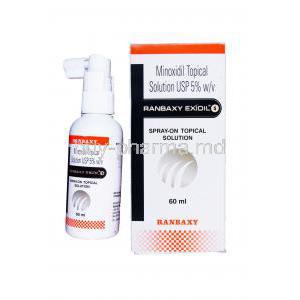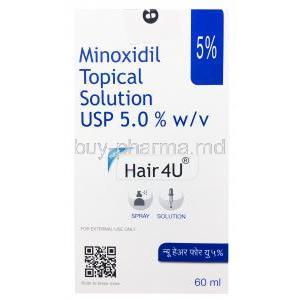
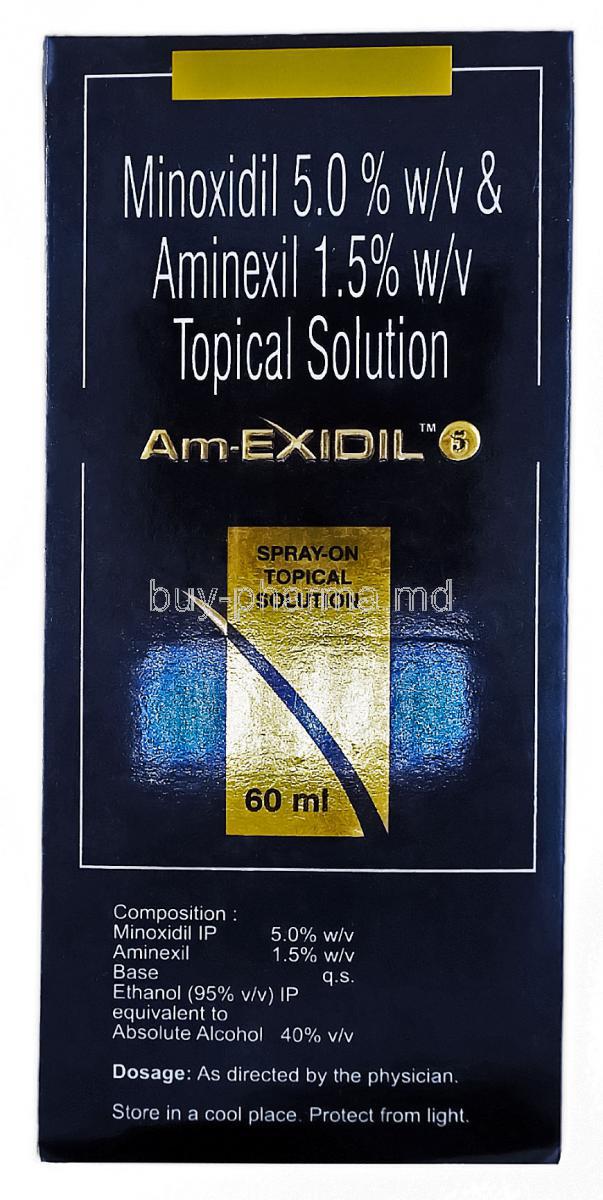
Introduction to Amexidil Solution (Aminexil / Minoxidil Combination)
Topical therapies remain a cornerstone in the management of hair loss, particularly for individuals seeking non-invasive, non-hormonal interventions. Among these options, Amexidil Solution—a formulation combining Aminexil and Minoxidil—occupies a distinct clinical niche.
It is designed for progressive hair thinning conditions where follicular miniaturization, impaired scalp microcirculation, and altered hair cycling coexist. The therapeutic intent is not merely cosmetic camouflage, but biologically driven follicular support.
- Non-hormonal approach
- Localized scalp activity
- Long-term maintenance potential
What Is Amexidil Solution?
Amexidil Solution is a prescription-strength or pharmacy-grade topical preparation formulated to address multifactorial hair loss. It belongs to the category of dermatologic vasodilatory and anti-fibrotic agents used in alopecia management.
Aminexil and Minoxidil, while often discussed independently, serve complementary functions. Their combination reflects an effort to target both vascular and structural contributors to follicular regression.
Difference Between Aminexil and Minoxidil
- Aminexil: Focuses on scalp tissue elasticity and fibrosis prevention
- Minoxidil: Enhances follicular perfusion and growth signaling
Rationale for Combination Formulations
Hair loss is rarely monocausal. By integrating two mechanistically distinct agents, Amexidil Solution aims to broaden therapeutic coverage while maintaining topical specificity.
Composition and Active Ingredients
The formulation architecture of Amexidil Solution is optimized for follicular penetration, chemical stability, and patient adherence.
Aminexil: Chemical Profile and Role
Aminexil is a diaminopyrimidine derivative structurally related to Minoxidil. Its principal role lies in preserving perifollicular tissue flexibility, thereby reducing collagen-mediated follicular constriction.
Minoxidil: Pharmacological Background
Minoxidil is a potassium-channel opener with vasodilatory properties. When applied topically, it enhances scalp blood flow and prolongs the anagen phase of the hair cycle.
Excipients and Solvent System
Supporting components typically include purified water, penetration enhancers, stabilizers, and buffering agents. These excipients facilitate uniform distribution and consistent bioavailability.
Alcohol vs Non-Alcohol Formulations
- Alcohol-based: Faster drying, enhanced penetration
- Non-alcohol: Reduced irritation, improved tolerability
Approved Uses of Amexidil Solution
Amexidil Solution is primarily indicated for chronic, progressive hair loss patterns where follicular viability remains partially intact.
Treatment of Androgenetic Alopecia in Men
Used to slow hairline recession and vertex thinning associated with dihydrotestosterone-mediated follicular miniaturization.
Treatment of Androgenetic Alopecia in Women
Supports diffuse crown thinning without systemic hormonal modulation, making it suitable for long-term use.
Diffuse Hair Thinning and Chronic Hair Fall
Particularly applicable in cases where shedding exceeds physiological norms but scarring is absent.
Hair Density Maintenance Therapy
Often employed as a maintenance strategy following initial regrowth stabilization.
Expanded Off-Label and Investigational Uses
Beyond approved indications, Amexidil Solution is utilized in several supportive and adjunctive contexts.
- Telogen effluvium recovery support
- Post-partum hair loss management
- Stress-induced or nutritional hair shedding
- Early-stage alopecia areata (non-scarring)
- Post-procedural regrowth support
- Adjunct to oral hair-loss therapies
How Amexidil Solution Works (Mechanism of Action)
The therapeutic effect of Amexidil Solution is mediated through complementary biological pathways acting at the follicular microenvironment.
Aminexil and Perifollicular Fibrosis Prevention
Aminexil limits excessive collagen deposition around hair follicles, preserving flexibility and preventing mechanical strangulation of the follicular unit.
Minoxidil-Mediated Vasodilation and Follicular Stimulation
Minoxidil increases cutaneous blood flow, improves oxygen delivery, and upregulates growth-factor signaling within the follicle.
Effects on the Hair Growth Cycle
- Prolongation of the anagen phase
- Reduction in premature catagen transition
- Normalization of telogen shedding patterns
Synergistic Action of Aminexil and Minoxidil
Together, these agents address both vascular insufficiency and structural rigidity—two pivotal drivers of progressive hair thinning.
Dosage and Administration Guidelines
Consistent application is essential for therapeutic success.
Recommended Concentration Strengths
Formulations typically contain Minoxidil at 2%–5%, paired with standardized Aminexil concentrations.
Application Frequency and Timing
- Once or twice daily, as directed
- Preferably on a dry, clean scalp
Scalp Preparation Before Application
The scalp should be free of oils, styling products, or occlusive residues to optimize absorption.
Duration of Therapy and Expected Timeline
Visible improvement may require several months. Early shedding can occur as dormant follicles re-enter the growth cycle.
Missed Dose Considerations
Missed applications should not be doubled; therapy should resume at the next scheduled time.
Administration to Special Populations
Administration to Elderly Patients
Age-related changes in scalp integrity may increase sensitivity. Lower-frequency application and careful monitoring are advisable.
Administration to Pregnant Women
Due to limited safety data and potential systemic absorption, use during pregnancy is generally not recommended unless clearly justified.
Administration to Nursing Mothers
Caution is advised, as transdermal absorption and transfer into breast milk cannot be entirely excluded.
Administration to Children and Adolescents
Pediatric use lacks robust clinical validation and should occur only under specialist supervision.
Side Effects Overview
The safety profile of topical Aminexil/Minoxidil combinations is generally favorable when used as directed. Most adverse reactions are localized to the scalp and reflect transient cutaneous responses rather than systemic toxicity. Nonetheless, vigilance remains essential, particularly during prolonged or intensive use.
General Tolerability Profile
In routine clinical and consumer use, tolerability is high. The majority of users experience either no adverse effects or only mild, self-limiting symptoms.
- Non-hormonal mechanism limits endocrine disruption
- Topical delivery reduces systemic exposure
- Gradual acclimatization of the scalp is common
Local versus Systemic Adverse Reactions
Local reactions predominate and are confined to the application site. Systemic reactions are rare and typically associated with excessive dosing, prolonged misuse, or compromised skin integrity.
Common Side Effects
Common adverse effects are usually mild in intensity and tend to diminish as the scalp adapts to continued treatment.
Scalp Irritation and Itching
Pruritus and erythema may occur during early treatment phases, often reflecting increased cutaneous blood flow or sensitivity to excipients.
Dryness or Flaking of the Scalp
Alcohol-based formulations may induce xerosis or desquamation, particularly in individuals with pre-existing scalp dryness or dermatologic sensitivity.
Temporary Increase in Hair Shedding
An initial increase in hair fall may be observed as follicles transition from telogen to anagen. This phenomenon is typically transient and not indicative of treatment failure.
Mild Burning or Tingling Sensation
A brief sensation of warmth or tingling at the application site can occur shortly after application and usually resolves spontaneously.
Less Common and Serious Adverse Effects
Although infrequent, certain reactions warrant closer monitoring and potential discontinuation.
Allergic Contact Dermatitis
Hypersensitivity reactions may manifest as persistent erythema, edema, vesiculation, or pruritic plaques. Sensitization may relate to active ingredients or formulation excipients.
Scalp Inflammation or Folliculitis
Occlusion of follicles or altered scalp microbiota may precipitate inflammatory papules or pustular lesions.
Unwanted Facial or Body Hair Growth
Hypertrichosis can occur due to inadvertent transfer of the solution to non-scalp areas or excessive application.
Rare Systemic Effects with Excessive Use
Systemic absorption of Minoxidil, though uncommon, may lead to symptoms such as dizziness, palpitations, or fluid retention in predisposed individuals.
Drug and Product Interactions
Topical compatibility and concurrent therapy should be considered to minimize adverse outcomes.
Interaction with Other Topical Scalp Treatments
Simultaneous use with keratolytics, retinoids, or medicated shampoos may amplify irritation or alter absorption dynamics.
Concurrent Use with Corticosteroids or Antifungals
While sometimes clinically justified, combined use should be approached cautiously due to potential changes in scalp permeability.
Effects of Occlusive Scalp Products
Oils, gels, or occlusive headwear may enhance percutaneous absorption, increasing the risk of local or systemic effects.
Use alongside Oral Hair-Loss Medications
Combined topical and systemic therapy may provide additive benefits but requires monitoring for cumulative adverse effects.
Warnings and Safety Information
Appropriate use is critical to maintaining a favorable risk–benefit balance.
Risk of Systemic Absorption with Overuse
Applying excessive quantities or increasing frequency beyond recommendations may increase systemic exposure.
Cardiovascular Considerations with Minoxidil
Individuals with underlying cardiovascular conditions should exercise caution, as Minoxidil possesses vasodilatory properties.
Avoidance of Broken or Inflamed Skin
Application to compromised skin may significantly enhance absorption and exacerbate irritation.
Importance of Adherence to Recommended Dosing
Consistent, measured application optimizes efficacy while minimizing adverse reactions.
Contraindications
Certain conditions preclude safe use of Aminexil/Minoxidil formulations.
- Known hypersensitivity to Aminexil or Minoxidil
- Active scalp infections or inflammatory dermatoses
- History of severe allergic reactions to topical agents
Careful Administration and Important Precautions
Preventive measures can significantly reduce the incidence of adverse effects.
Patch Testing before First Use
Applying a small amount to a limited area can help identify hypersensitivity prior to full-scale use.
Avoidance of Eye and Mucous Membrane Contact
Accidental exposure may cause irritation and requires immediate rinsing with water.
Sun Exposure and Scalp Sensitivity Considerations
Recently treated scalp skin may exhibit heightened photosensitivity; protective measures are advisable.
Monitoring Response and Discontinuation Criteria
Persistent irritation, worsening inflammation, or systemic symptoms necessitate prompt reassessment.
Overdosage and Emergency Management
Overdose scenarios are uncommon but potentially serious.
Signs of Excessive Topical Exposure
Marked redness, edema, hypotension, or tachycardia may indicate excessive absorption.
Risk of Systemic Minoxidil Absorption
Increased risk is associated with prolonged misuse or application over large surface areas.
Recommended Actions in Accidental Ingestion
Immediate medical evaluation is required if the solution is swallowed, particularly in children.
When to Seek Medical Attention
Urgent consultation is warranted for cardiovascular symptoms, severe allergic reactions, or neurological complaints.
Storage and Stability
Proper storage preserves chemical stability and therapeutic integrity.
Recommended Storage Temperature
Store at controlled room temperature unless otherwise specified.
Protection from Heat, Light, and Moisture
Excessive heat or direct sunlight may degrade active components.
Shelf-Life Considerations after Opening
Use within the recommended period after opening to ensure efficacy and safety.
Handling Precautions
Correct handling minimizes accidental exposure and maintains product quality.
Proper Application Technique
Apply only to the intended scalp areas using the supplied applicator.
Safe Handling and Dispensing Guidance
Avoid contact with household surfaces and wash hands thoroughly after use.
Keeping Out of Reach of Children
Accidental exposure or ingestion poses significant risk in pediatric populations.
Disposal of Unused or Expired Solution
Dispose of according to local pharmaceutical waste guidelines; do not pour into drains or water systems.
Popular Products
Similar Product