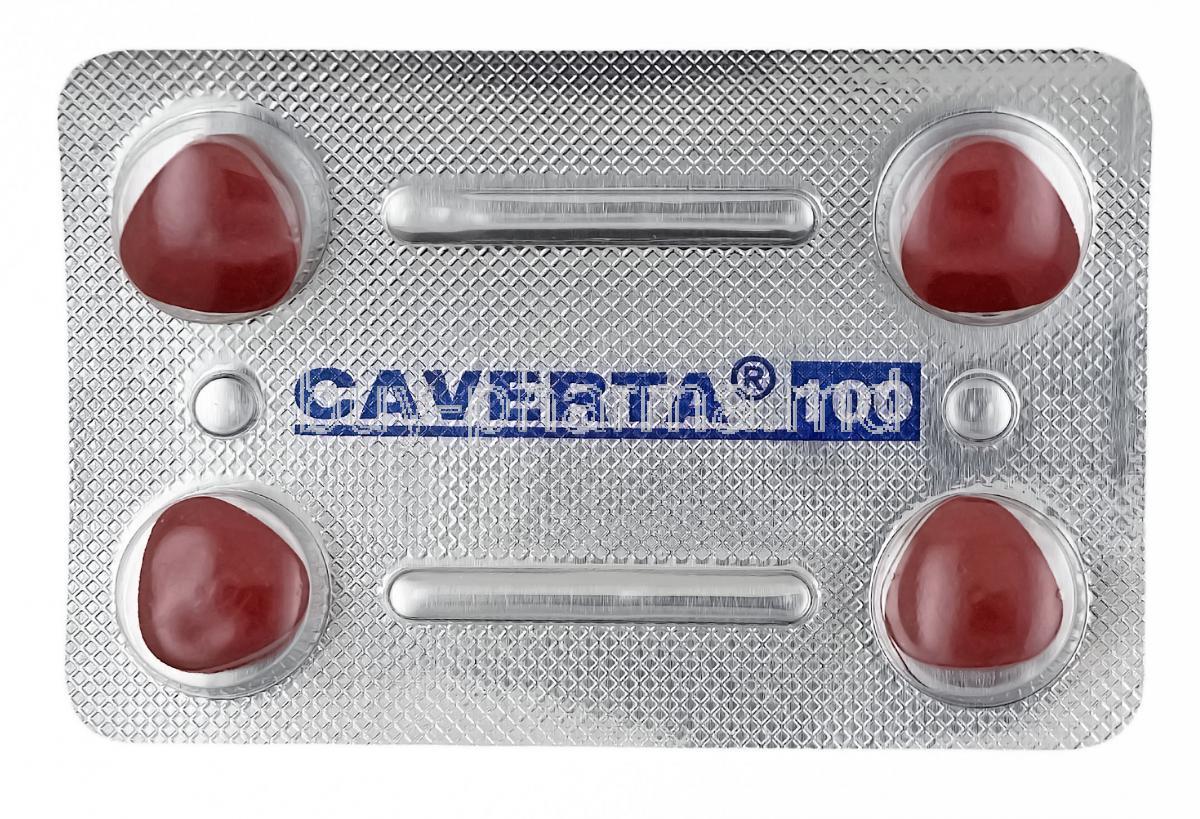
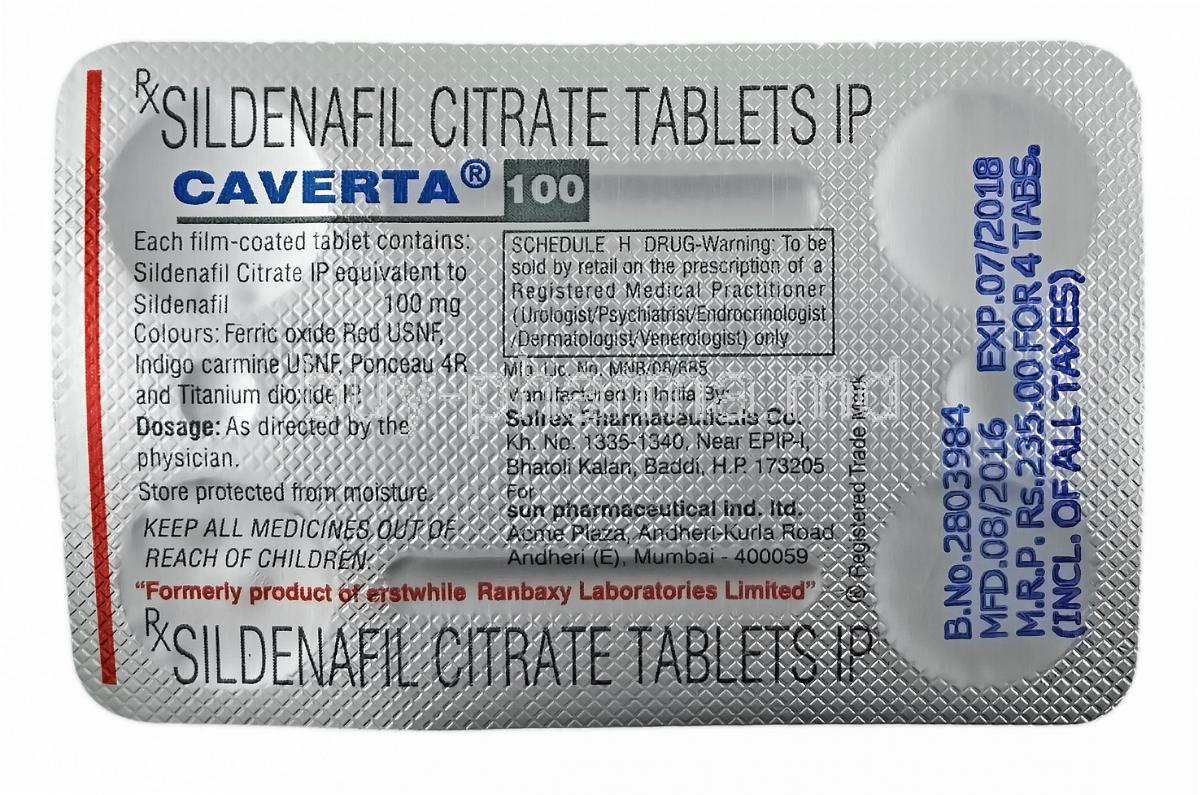
1. Introduction to Caverta (Sildenafil)
1.1 Overview of Caverta as a Phosphodiesterase Type 5 (PDE5) Inhibitor
Caverta is an oral medication containing sildenafil citrate, a potent phosphodiesterase type 5 (PDE5) inhibitor widely used for the management of erectile dysfunction. The drug acts primarily on vascular smooth muscle cells. By inhibiting PDE5 enzymes, Caverta promotes enhanced blood flow within specific vascular territories, particularly the penile corpus cavernosum.
This pharmacological action facilitates improved erectile responses during sexual stimulation. The medication does not initiate sexual arousal independently; rather, it amplifies the physiological processes that occur during arousal.
- Enhances penile blood flow
- Supports physiological erectile mechanisms
- Belongs to the PDE5 inhibitor therapeutic class
1.2 Historical Development and Medical Approval of Sildenafil
Sildenafil was originally investigated as a treatment for cardiovascular disorders such as angina pectoris. During early clinical trials, researchers observed a remarkable secondary effect: improved erectile function in male participants. This serendipitous discovery transformed sildenafil into one of the most widely recognized pharmaceutical agents for erectile dysfunction.
Regulatory approval soon followed in numerous countries. Over time, generic formulations—including Caverta—expanded accessibility to patients worldwide.
1.3 Therapeutic Role of Caverta in Modern Erectile Dysfunction Treatment
Caverta occupies an essential position in contemporary erectile dysfunction therapy. Erectile dysfunction, a condition affecting millions of men globally, may arise from vascular, neurological, hormonal, or psychological factors.
Caverta assists by restoring hemodynamic balance within penile tissues. The drug improves vascular dilation and cavernous smooth muscle relaxation, thereby enabling sufficient rigidity for satisfactory sexual performance.
1.4 Differences Between Caverta and Other Sildenafil-Based Medications
While Caverta contains the same active ingredient as many sildenafil-based medications, differences may exist in formulation, manufacturing origin, tablet strength, and brand distribution. Such distinctions do not typically alter the fundamental pharmacological activity of sildenafil itself.
- Brand-name sildenafil products often carry higher cost structures
- Generic formulations provide equivalent therapeutic activity
- Variations may occur in tablet excipients and packaging
1.5 Global Availability and Prescription Status
Caverta is widely distributed across numerous pharmaceutical markets. In most jurisdictions, sildenafil-containing medications require a physician’s prescription due to potential cardiovascular risks and drug interactions.
Regulatory frameworks vary internationally. Some regions enforce strict prescription requirements, while others permit limited over-the-counter access under pharmacist supervision.
2. Composition and Pharmaceutical Formulation
2.1 Active Ingredient: Sildenafil Citrate
The principal pharmacologically active compound in Caverta is sildenafil citrate. This molecule functions by selectively inhibiting phosphodiesterase type 5 enzymes responsible for degrading cyclic guanosine monophosphate (cGMP).
By preventing cGMP breakdown, sildenafil facilitates prolonged vasodilation within erectile tissue. This biochemical cascade plays a pivotal role in sustaining penile tumescence during sexual stimulation.
2.2 Mechanism-Enhancing Excipients and Tablet Components
Caverta tablets also contain several pharmaceutical excipients designed to stabilize the formulation and optimize absorption. These inactive components contribute to tablet structure, dissolution, and bioavailability.
- Microcrystalline cellulose
- Magnesium stearate
- Colloidal silicon dioxide
- Lactose monohydrate
Although pharmacologically inert, these substances support consistent drug delivery and tablet integrity.
2.3 Available Strengths and Dosage Forms
Caverta is typically manufactured in multiple dosage strengths to accommodate varying patient needs. Common tablet strengths include:
- 25 mg
- 50 mg
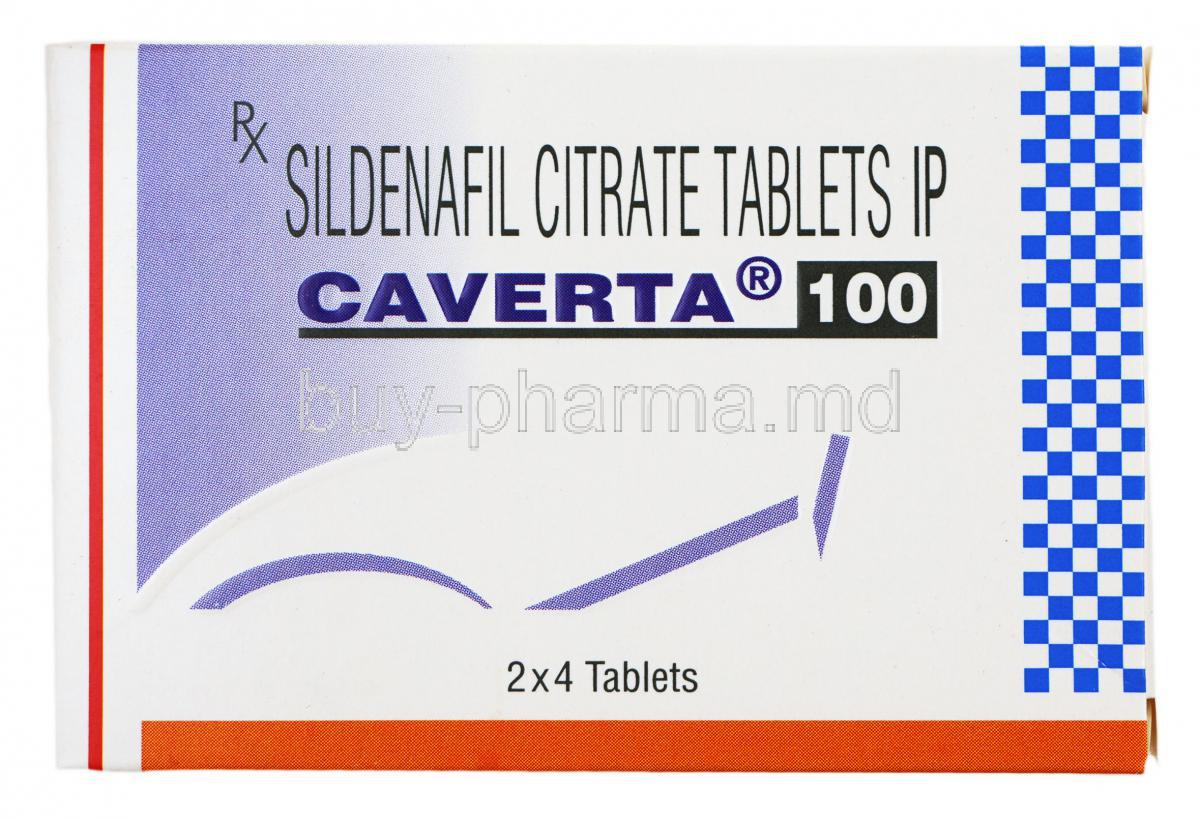
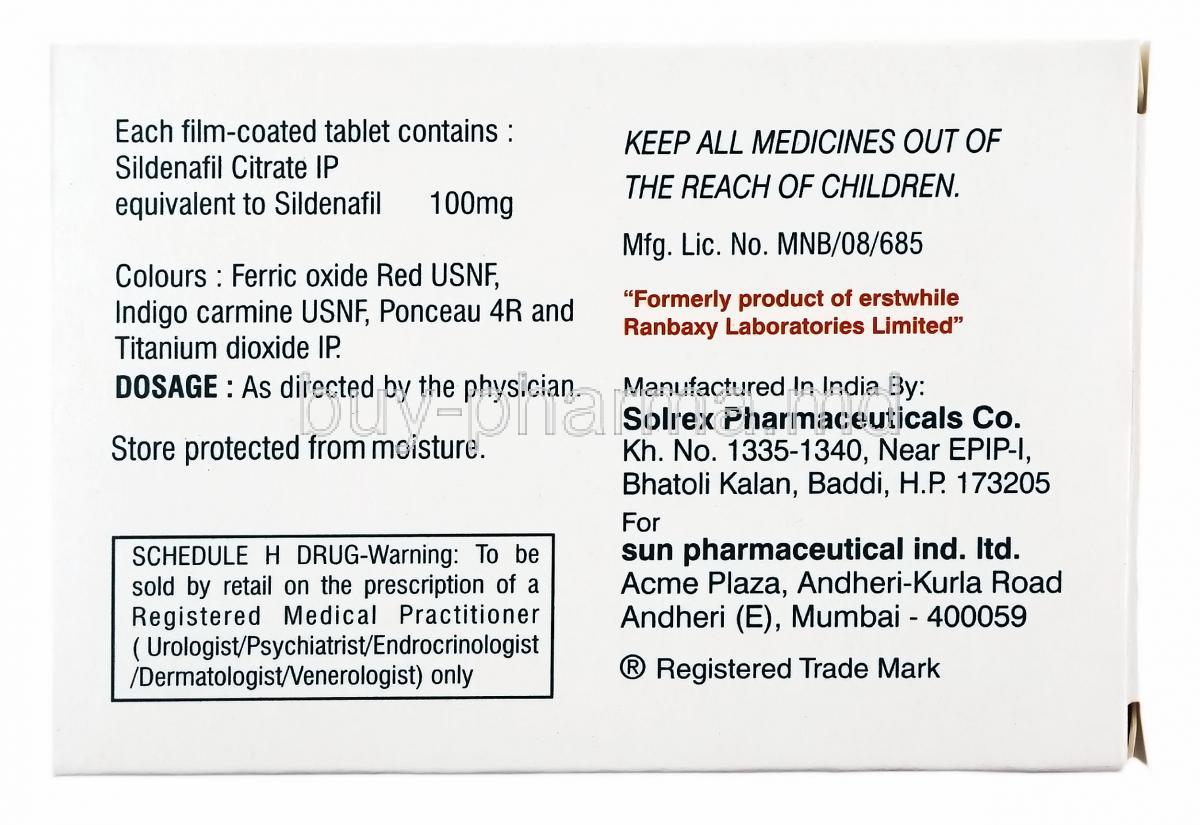
- 100 mg
These options allow healthcare professionals to tailor therapy according to patient age, comorbidities, and therapeutic response.
2.4 Pharmacological Classification of Sildenafil
Sildenafil belongs to the therapeutic class known as phosphodiesterase type 5 inhibitors. Medications within this class exert vasodilatory effects by modulating cyclic nucleotide signaling pathways.
Other members of this pharmacological group include tadalafil and vardenafil. However, sildenafil remains among the most extensively studied agents within the category.
2.5 Manufacturing Standards and Quality Considerations
Reputable pharmaceutical manufacturers adhere to stringent Good Manufacturing Practice (GMP) standards. These regulations ensure consistent potency, purity, and stability of Caverta tablets.
Quality control procedures may include:
- Analytical verification of active ingredient concentration
- Microbiological testing
- Stability assessments under controlled environmental conditions
3. How Caverta (Sildenafil) Works
3.1 Mechanism of Action: Inhibition of Phosphodiesterase Type 5
Sildenafil selectively inhibits the phosphodiesterase type 5 enzyme located within vascular smooth muscle cells. PDE5 normally degrades cyclic guanosine monophosphate (cGMP), a molecule responsible for promoting smooth muscle relaxation.
By blocking PDE5 activity, sildenafil prolongs the action of cGMP. The result is sustained vasodilation and improved blood flow to erectile tissues.
3.2 Enhancement of Nitric Oxide–Mediated Vasodilation
During sexual stimulation, nitric oxide is released from nerve terminals and endothelial cells. This signaling molecule activates guanylate cyclase, increasing cGMP levels within smooth muscle cells.
Caverta amplifies this naturally occurring pathway. The medication does not directly generate nitric oxide but enhances its downstream effects.
3.3 Effects on the Corpus Cavernosum and Penile Blood Flow
The corpus cavernosum contains specialized vascular sinusoids that expand during erection. Sildenafil promotes relaxation of cavernous smooth muscle, allowing these sinusoids to fill with arterial blood.
This hemodynamic transformation produces penile rigidity sufficient for sexual intercourse.
3.4 Role of cGMP in Erectile Function
Cyclic guanosine monophosphate plays a central biochemical role in erectile physiology. Elevated cGMP concentrations initiate smooth muscle relaxation and arterial dilation.
Without adequate cGMP activity, penile vasculature cannot sustain the pressure required for erection. Caverta preserves cGMP levels, thereby facilitating normal erectile response.
3.5 Pharmacokinetics: Absorption, Distribution, Metabolism, and Elimination
After oral administration, sildenafil is rapidly absorbed through the gastrointestinal tract. Peak plasma concentrations typically occur within 30 to 120 minutes.
- Metabolism occurs primarily in the liver
- CYP3A4 is the principal metabolic enzyme
- Elimination occurs via hepatic and fecal pathways
These pharmacokinetic processes determine the duration and intensity of sildenafil's clinical effects.
3.6 Time to Onset and Duration of Therapeutic Effect
Caverta generally begins to exert noticeable effects within 30 to 60 minutes following ingestion. However, sexual stimulation remains necessary for therapeutic activity.
The duration of action typically ranges from four to six hours. During this interval, erectile responsiveness may be significantly enhanced.
4. Medical Uses of Caverta (Sildenafil)
4.1 Primary Use: Treatment of Erectile Dysfunction (ED)
The primary indication for Caverta is the treatment of erectile dysfunction. Erectile dysfunction is characterized by the persistent inability to achieve or maintain an erection sufficient for satisfactory sexual activity.
By improving penile blood circulation, Caverta enables many individuals to regain functional erectile capability.
4.2 Erectile Dysfunction Associated with Diabetes Mellitus
Diabetes frequently damages vascular endothelium and peripheral nerves, both of which are essential for erectile function. Sildenafil may improve erectile responses in diabetic patients by enhancing vascular dilation.
4.3 Erectile Dysfunction Caused by Psychological Factors
Psychological contributors such as anxiety, depression, or performance-related stress may impair erectile function. Caverta can support physiological erection while psychological therapies address underlying emotional factors.
4.4 Erectile Dysfunction Related to Cardiovascular Conditions
Certain cardiovascular conditions impair endothelial function and reduce penile blood flow. Under medical supervision, sildenafil may help restore adequate circulation within erectile tissues.
4.5 Erectile Dysfunction Following Prostate Surgery
Surgical procedures involving the prostate gland may disrupt nerves responsible for erectile function. Caverta may assist in penile rehabilitation following prostate surgery by enhancing vascular responsiveness.
4.6 Erectile Dysfunction Due to Neurological Disorders
Neurological conditions such as spinal cord injury, multiple sclerosis, or Parkinson’s disease can impair neural signaling involved in sexual function. Sildenafil may partially compensate for these disruptions by promoting vascular mechanisms of erection.
5. Off-Label Uses of Sildenafil
5.1 Pulmonary Arterial Hypertension (PAH) Management
Sildenafil has demonstrated efficacy in reducing pulmonary vascular resistance. By dilating pulmonary arteries, the drug can improve exercise capacity and hemodynamic stability in patients with pulmonary arterial hypertension.
5.2 Raynaud’s Phenomenon and Peripheral Vascular Disorders
Raynaud’s phenomenon involves episodic vasospasm of peripheral blood vessels. Sildenafil may enhance microvascular circulation and reduce the frequency of vasospastic episodes in certain patients.
5.3 High-Altitude Pulmonary Edema Prevention
At extreme altitudes, hypoxia can induce pulmonary vasoconstriction. Sildenafil may reduce pulmonary arterial pressure, potentially lowering the risk of high-altitude pulmonary edema.
5.4 Female Sexual Arousal Disorder (Investigational Use)
Research has explored sildenafil's ability to improve genital blood flow in women experiencing sexual arousal disorders. Although results remain variable, some clinical studies suggest possible therapeutic potential.
5.5 Antidepressant-Induced Sexual Dysfunction
Selective serotonin reuptake inhibitors and other antidepressants may impair sexual function. Sildenafil has been investigated as a treatment option to mitigate medication-induced erectile difficulties.
5.6 Treatment of Secondary Erectile Dysfunction from Chronic Diseases
Chronic conditions such as hypertension, metabolic syndrome, and endocrine disorders may contribute to erectile dysfunction. Sildenafil may assist in restoring erectile function when underlying conditions are appropriately managed.
6. Dosage and Administration Guidelines
6.1 Standard Recommended Dose for Erectile Dysfunction
The typical initial dose of Caverta for erectile dysfunction is 50 mg taken orally approximately one hour before anticipated sexual activity.
6.2 Adjustments Based on Patient Response and Tolerability
Depending on therapeutic response and side-effect profile, healthcare providers may adjust the dose.
- Increase to 100 mg if response is insufficient
- Reduce to 25 mg in patients sensitive to adverse effects
6.3 Maximum Daily Dose and Dosing Frequency
Caverta should generally not be taken more than once per day. Exceeding recommended dosing frequencies may increase the risk of adverse reactions without improving therapeutic efficacy.
6.4 Administration Timing Relative to Sexual Activity
Optimal effectiveness occurs when the medication is taken approximately 30 to 60 minutes prior to sexual activity. However, individual response times may vary.
6.5 Effects of Food and Alcohol on Absorption
A high-fat meal may delay the absorption of sildenafil. Consequently, the onset of action may be postponed.
- Alcohol consumption may reduce erectile performance
- Excess alcohol may also increase hypotension risk
6.6 Missed Dose Considerations for Off-Label Uses
For off-label indications involving scheduled dosing, patients should take the missed dose as soon as remembered. However, double dosing should be avoided.
7. Common Side Effects of Caverta
7.1 Headache and Facial Flushing
Headaches represent one of the most frequently reported side effects. Vasodilation within cerebral vessels is believed to contribute to this effect.
7.2 Nasal Congestion and Sinus Pressure
Some individuals experience nasal congestion due to dilation of mucosal blood vessels in the nasal passages.
7.3 Indigestion and Gastrointestinal Discomfort
Mild dyspepsia may occur following sildenafil administration. Symptoms may include abdominal discomfort or transient reflux sensations.
7.4 Dizziness or Lightheadedness
Transient dizziness may occur due to modest reductions in systemic blood pressure.
7.5 Visual Disturbances Including Color Perception Changes
Sildenafil occasionally affects retinal PDE6 enzymes, which may temporarily alter color perception or produce a bluish visual tint.
8. Other Potential Side Effects
8.1 Moderate Cardiovascular Effects
Mild reductions in blood pressure may occur. In susceptible individuals, this can lead to palpitations or transient hypotension.
8.2 Musculoskeletal Pain and Back Discomfort
Some users report musculoskeletal discomfort, particularly within the lower back or limb muscles.
8.3 Temporary Vision or Hearing Changes
Rare cases of sudden visual or auditory disturbances have been reported. Immediate medical attention should be sought if such symptoms occur.
8.4 Priapism (Prolonged Painful Erection)
Priapism is a rare but serious complication characterized by an erection lasting longer than four hours. Untreated priapism may result in permanent tissue damage.
8.5 Rare but Serious Adverse Reactions
Severe allergic reactions, cardiovascular complications, and neurological symptoms are uncommon but possible adverse effects. Medical evaluation is essential if unusual symptoms develop.
9. Drug Interactions
9.1 Interaction with Nitrates and Nitric Oxide Donors
Concurrent use of sildenafil with nitrate medications may result in severe hypotension. This interaction is considered a strict contraindication.
9.2 Interaction with Alpha-Blockers and Antihypertensive Agents
Combined use with alpha-blockers or blood pressure medications may amplify hypotensive effects. Dose adjustments may be necessary.
9.3 Interaction with CYP3A4 Inhibitors (e.g., Ketoconazole, Ritonavir)
CYP3A4 inhibitors can increase plasma sildenafil concentrations by slowing hepatic metabolism.
9.4 Interaction with Other PDE5 Inhibitors
Simultaneous use of multiple PDE5 inhibitors should be avoided due to additive pharmacodynamic effects.
9.5 Interaction with Alcohol and Recreational Drugs
Alcohol may diminish erectile performance and increase the risk of dizziness or hypotension.
9.6 Interaction with Antiretroviral and Antifungal Medications
Certain antiretroviral agents and systemic antifungals can elevate sildenafil levels, potentially increasing side effect severity.
10. Warnings and Safety Considerations
10.1 Cardiovascular Risk in Patients with Heart Disease
Individuals with significant cardiovascular disease should undergo medical evaluation prior to sildenafil use. Sexual activity itself may place additional strain on cardiac function.
10.2 Risk of Sudden Vision Loss (Non-Arteritic Anterior Ischemic Optic Neuropathy)
Rare reports of sudden vision loss associated with NAION have been documented. Patients experiencing abrupt visual impairment should discontinue the medication immediately.
10.3 Risk of Sudden Hearing Loss
Sudden hearing loss accompanied by tinnitus or dizziness has been reported in rare cases. Immediate medical evaluation is recommended.
10.4 Potential Hypotension with Certain Medications
Sildenafil can cause systemic vasodilation, leading to decreased blood pressure. Patients taking medications affecting vascular tone should exercise caution.
10.5 Safety in Patients with Anatomical Penile Deformities
Individuals with anatomical penile abnormalities such as Peyronie’s disease may face increased risk of complications, including priapism.
11. Contraindications
11.1 Hypersensitivity to Sildenafil or Tablet Components
Caverta should not be administered to individuals who exhibit hypersensitivity to sildenafil or any inactive ingredients present in the tablet formulation. Allergic reactions may manifest as dermatologic eruptions, urticaria, angioedema, or in rare cases, systemic anaphylaxis. These reactions can occur rapidly after ingestion and may require immediate medical intervention.
Patients with documented hypersensitivity should permanently avoid sildenafil-containing medications. Clinical vigilance is essential, particularly in individuals with a history of multiple drug allergies.
- Skin rash or itching
- Facial swelling
- Difficulty breathing
- Severe allergic responses
11.2 Concurrent Use with Nitrate Medications
Sildenafil must not be used in combination with nitrate-containing medications. Nitrates are commonly prescribed for angina pectoris and other cardiovascular conditions. When these agents are combined with sildenafil, the result can be a profound and potentially life-threatening drop in blood pressure.
Examples of nitrate medications include:
- Nitroglycerin
- Isosorbide dinitrate
- Isosorbide mononitrate
- Recreational nitrate preparations
This contraindication is absolute. Even small doses may precipitate severe hypotension.
11.3 Severe Cardiovascular Disorders or Unstable Angina
Patients suffering from unstable angina, severe heart failure, or recent myocardial infarction should avoid sildenafil therapy. Sexual activity itself increases cardiac workload, which may exacerbate underlying cardiovascular instability.
For individuals with serious cardiovascular disease, medical evaluation is mandatory before initiating any medication intended to treat erectile dysfunction.
11.4 Severe Hepatic Impairment
The liver plays a central role in sildenafil metabolism through cytochrome P450 enzymes. Severe hepatic impairment can markedly reduce drug clearance, resulting in elevated systemic concentrations.
Such accumulation increases the likelihood of adverse effects, including hypotension, dizziness, and cardiovascular complications. For this reason, sildenafil use is generally contraindicated in individuals with advanced liver disease.
11.5 Patients Advised to Avoid Sexual Activity Due to Cardiac Risk
Certain patients are medically advised to avoid sexual activity because of significant cardiac risk. In these circumstances, the use of sildenafil is not appropriate. The hemodynamic demands associated with sexual intercourse may provoke cardiac complications in vulnerable individuals.
Healthcare providers must evaluate whether sexual activity is safe before considering pharmacologic treatment for erectile dysfunction.
12. Careful Administration and Clinical Monitoring
12.1 Use in Patients with Cardiovascular Disease
Patients with controlled cardiovascular disease may use sildenafil under careful medical supervision. However, clinicians should assess overall cardiovascular status prior to treatment. This evaluation typically includes blood pressure monitoring and assessment of cardiac stability.
Individuals with coronary artery disease, arrhythmias, or structural cardiac abnormalities may require additional monitoring during therapy.
12.2 Monitoring in Patients with Renal Impairment
Renal impairment can influence the elimination of sildenafil metabolites. Although mild to moderate kidney dysfunction may not require significant dosage changes, severe renal impairment warrants cautious use.
Periodic monitoring may include:
- Renal function tests
- Assessment of drug tolerability
- Evaluation of systemic blood pressure
12.3 Monitoring in Individuals with Liver Dysfunction
Because sildenafil undergoes hepatic metabolism, individuals with liver dysfunction may experience increased drug exposure. Reduced metabolic capacity can prolong the drug’s half-life and intensify pharmacologic effects.
Careful dose titration and clinical observation are advisable in patients with mild or moderate hepatic impairment.
12.4 Use in Patients with Retinal Disorders such as Retinitis Pigmentosa
Retinitis pigmentosa is a rare genetic disorder affecting retinal photoreceptor cells. Individuals with this condition may have altered phosphodiesterase enzyme activity within the retina.
Since sildenafil can affect PDE6 enzymes involved in visual processing, patients with retinal disorders should use the medication cautiously and only under medical supervision.
12.5 Monitoring for Hypotension in Combination Therapy
When sildenafil is administered alongside other medications that lower blood pressure, additive hypotensive effects may occur. These combinations require careful monitoring to prevent symptomatic hypotension.
- Antihypertensive medications
- Alpha-adrenergic blockers
- Vasodilatory agents
Regular blood pressure monitoring may help identify early signs of excessive vasodilation.
13. Important Precautions
13.1 Avoidance of Recreational “Poppers” Containing Nitrates
Recreational substances commonly known as “poppers” contain nitrate compounds such as amyl nitrite. These agents produce rapid vasodilation and are sometimes used for euphoric or recreational purposes.
Combining these substances with sildenafil can lead to extreme hypotension and cardiovascular collapse. Patients must be advised to avoid all nitrate-containing recreational drugs.
13.2 Precautions in Patients with Bleeding Disorders
Sildenafil may influence platelet aggregation and vascular function. Although the effect is generally mild, patients with bleeding disorders or those receiving anticoagulant therapy should exercise caution.
Examples include:
- Hemophilia
- Thrombocytopenia
- Use of warfarin or other anticoagulants
13.3 Risk Considerations for Patients with Peptic Ulcer Disease
Patients with active peptic ulcer disease may require careful evaluation before initiating sildenafil therapy. While the medication does not directly cause ulcers, systemic vasodilation may influence gastrointestinal circulation.
Clinical monitoring may be advisable in patients with a history of gastrointestinal bleeding.
13.4 Precautions During Long-Term Use
Long-term use of sildenafil generally remains well tolerated. However, periodic clinical evaluation is recommended to ensure ongoing safety and effectiveness.
- Monitoring cardiovascular health
- Assessing changes in erectile function
- Reviewing potential drug interactions
13.5 Importance of Medical Evaluation Prior to Initiation
Before initiating sildenafil therapy, a comprehensive medical evaluation is recommended. Erectile dysfunction may represent an early indicator of systemic conditions such as diabetes, hypertension, or vascular disease.
Addressing these underlying disorders can significantly improve overall health outcomes while optimizing erectile dysfunction treatment.
14. Administration in Elderly Patients
14.1 Age-Related Pharmacokinetic Changes
Advancing age is associated with physiological changes that can influence drug metabolism and clearance. Reduced hepatic enzyme activity and diminished renal function may increase systemic exposure to sildenafil.
These alterations can prolong the drug’s duration of action and enhance sensitivity to its pharmacological effects.
14.2 Recommended Dose Adjustments in Older Adults
Lower initial doses are often recommended for elderly patients to minimize adverse effects. A starting dose of 25 mg may be considered appropriate in many cases.
Dose escalation should occur gradually and under clinical supervision.
14.3 Increased Sensitivity to Hypotensive Effects
Older adults may be more susceptible to hypotensive reactions due to age-related vascular changes. Episodes of dizziness or lightheadedness may occur more frequently in this population.
Slow positional changes and adequate hydration can help reduce these risks.
14.4 Monitoring for Adverse Effects in Elderly Individuals
Regular monitoring is advisable in elderly patients receiving sildenafil therapy. Clinicians should assess cardiovascular status, medication interactions, and overall tolerability.
15. Administration in Pregnant Women and Nursing Mothers
15.1 Safety Profile During Pregnancy
Sildenafil is not routinely indicated for use during pregnancy. Although some clinical investigations have explored potential benefits in specific obstetric conditions, routine use remains uncommon.
Pregnant individuals should only use sildenafil when clearly recommended by a qualified healthcare professional.
15.2 Placental Transfer and Fetal Exposure Considerations
Pharmacological studies suggest that sildenafil may cross the placental barrier. As a result, fetal exposure is possible when the medication is administered during pregnancy.
Potential risks must therefore be carefully weighed against potential therapeutic benefits.
15.3 Excretion into Breast Milk and Lactation Considerations
Limited data exist regarding the excretion of sildenafil into human breast milk. Because of this uncertainty, caution is recommended when administering sildenafil to nursing mothers.
15.4 Clinical Situations Where Sildenafil May Be Considered
In rare cases, sildenafil has been studied for specialized obstetric or cardiovascular indications under strict medical supervision. Such use remains investigational and should only occur within carefully monitored clinical settings.
16. Administration in Children
16.1 Pediatric Use in Pulmonary Hypertension
Sildenafil has been studied in pediatric populations primarily for the management of pulmonary arterial hypertension. In this context, the medication may improve pulmonary circulation and exercise capacity.
16.2 Safety and Effectiveness in Pediatric Patients
Clinical data in children remain limited compared to adult populations. Therefore, pediatric use requires specialized medical supervision and individualized treatment plans.
16.3 Dosing Considerations for Children
Pediatric dosing is typically determined according to body weight and clinical indication. Physicians may adjust dosing schedules to ensure therapeutic efficacy while minimizing potential adverse effects.
16.4 Risks of Off-Label Pediatric Use
Use of sildenafil outside approved pediatric indications may carry additional risks. Off-label administration should occur only when the potential benefits clearly outweigh possible complications.
17. Overdose and Toxicity Management
17.1 Symptoms of Sildenafil Overdose
Excessive ingestion of sildenafil may lead to amplified pharmacological effects. Common overdose symptoms may include:
- Severe headache
- Pronounced hypotension
- Dizziness and visual disturbances
- Persistent erection
17.2 Severe Hypotension and Cardiovascular Complications
In extreme cases, overdose may produce significant cardiovascular instability. Severe hypotension can impair organ perfusion and lead to serious complications.
17.3 Emergency Medical Management
Immediate medical evaluation is required when overdose is suspected. Treatment generally focuses on stabilizing cardiovascular function and managing symptoms.
17.4 Supportive Care and Monitoring
Supportive care may include intravenous fluids, cardiovascular monitoring, and symptomatic management. Because sildenafil is highly protein-bound, dialysis is unlikely to significantly enhance drug elimination.
18. Storage and Stability
18.1 Recommended Storage Temperature
Caverta tablets should be stored at controlled room temperature. Excessive heat or freezing conditions may compromise the stability of the medication.
18.2 Protection from Moisture and Light
Moisture and direct sunlight can degrade pharmaceutical compounds over time. Tablets should remain in their original packaging to protect them from environmental exposure.
18.3 Shelf Life and Expiry Considerations
Every pharmaceutical product carries an expiration date determined through stability testing. Patients should avoid using medication beyond its designated expiry period.
18.4 Safe Storage Away from Children and Pets
All medications should be stored in a secure location inaccessible to children or animals. Accidental ingestion can lead to serious medical emergencies.
19. Handling Precautions
19.1 Proper Tablet Handling and Packaging Safety
Tablets should be handled with clean, dry hands to prevent contamination. Packaging should remain intact until the medication is ready to be administered.
19.2 Avoiding Contamination and Improper Storage Conditions
Exposure to humidity, heat, or contamination may reduce medication effectiveness. Storage conditions should follow manufacturer recommendations.
19.3 Disposal of Expired or Unused Medication
Unused or expired sildenafil tablets should not be disposed of through regular household waste or flushed into water systems. Proper pharmaceutical disposal methods are recommended.
19.4 Safe Transport and Travel Considerations for Patients
Patients traveling with medication should keep Caverta tablets in labeled packaging. Maintaining original containers helps prevent confusion and ensures appropriate handling during transport.
Caverta, Sildenafil FAQ
- What is caverta used for?
- Can I take caverta daily?
- What are the side effects of the drug caverta 25 mg?
- Is caverta an effective treatment?
- How quickly does Caverta 25 work?
- How to drink caverta?
- How long does caverta 50 mg last?
- What happens after taking caverta?
- Is caverta 25 mg safe?
- Is caverta 50 a Viagra?
- What is caverta?
- Is a prescription required for Caverta?
- What happens if I take sildenafil daily?
- How long does caverta last?
- When to take caverta 25?
- Can I take caverta 25 with food?
- Is caverta 25 safe?
- What does sildenafil do for a man?
- Is sildenafil as strong as Viagra?
- When is the best time to take sildenafil?
- Can a normal man take sildenafil?
- What are the disadvantages of sildenafil?
- Is sildenafil a high risk drug?
- Can you sleep after taking sildenafil?
- Will sildenafil work in 30 minutes?
- How early does sildenafil start working?
What is caverta used for?
Caverta 100 Tablet is a medicine that doctors prescribe to help men with erectile dysfunction, which is when a man can't get or keep an erection. It works by getting more blood to flow to the penis, making it easier for men to get an erection and keep it.
Can I take caverta daily?
No
What are the side effects of the drug caverta 25 mg?
- Flushing
- Dizziness
- Fatigue
- Rashes
- Headache
Is caverta an effective treatment?
Yes
How quickly does Caverta 25 work?
12-30 minutes
How to drink caverta?
Taken with or without food
How long does caverta 50 mg last?
4-6 hours
What happens after taking caverta?
- Flushing
- Headache
- Dizziness
- Rashes
- Stomachache
Is caverta 25 mg safe?
Yes
Is caverta 50 a Viagra?
Yes
What is caverta?
Caverta Tablet is used in men to treat erectile dysfunction.
Is a prescription required for Caverta?
No
What happens if I take sildenafil daily?
- Nerve issues
- Prostate issues
How long does caverta last?
4-6 hours
When to take caverta 25?
1 hour before intercourse
Can I take caverta 25 with food?
Yes
Is caverta 25 safe?
Use of Caverta 25 Tablet is harmful for patients taking nitrates or blood pressure-lowering medicines as their combined use can cause a severe fall in blood pressure, which can also result in death.
What does sildenafil do for a man?
Sildenafil belongs to a group of medicines known as phosphodiesterase inhibitors. It works by helping to increase the flow of blood to the penis when a man is sexually excited, which can lead to an erection. This is how sildenafil is able to treat erectile dysfunction, a condition where men have trouble getting or keeping an erection.
Is sildenafil as strong as Viagra?
No
When is the best time to take sildenafil?
1 hour before intercourse
Can a normal man take sildenafil?
Yes
What are the disadvantages of sildenafil?
- Headache
- Indigestion
- Dizziness
- Nausea
Is sildenafil a high risk drug?
No
Can you sleep after taking sildenafil?
No
Will sildenafil work in 30 minutes?
Yes
How early does sildenafil start working?
12-30 minutes
Popular Products
Similar Product