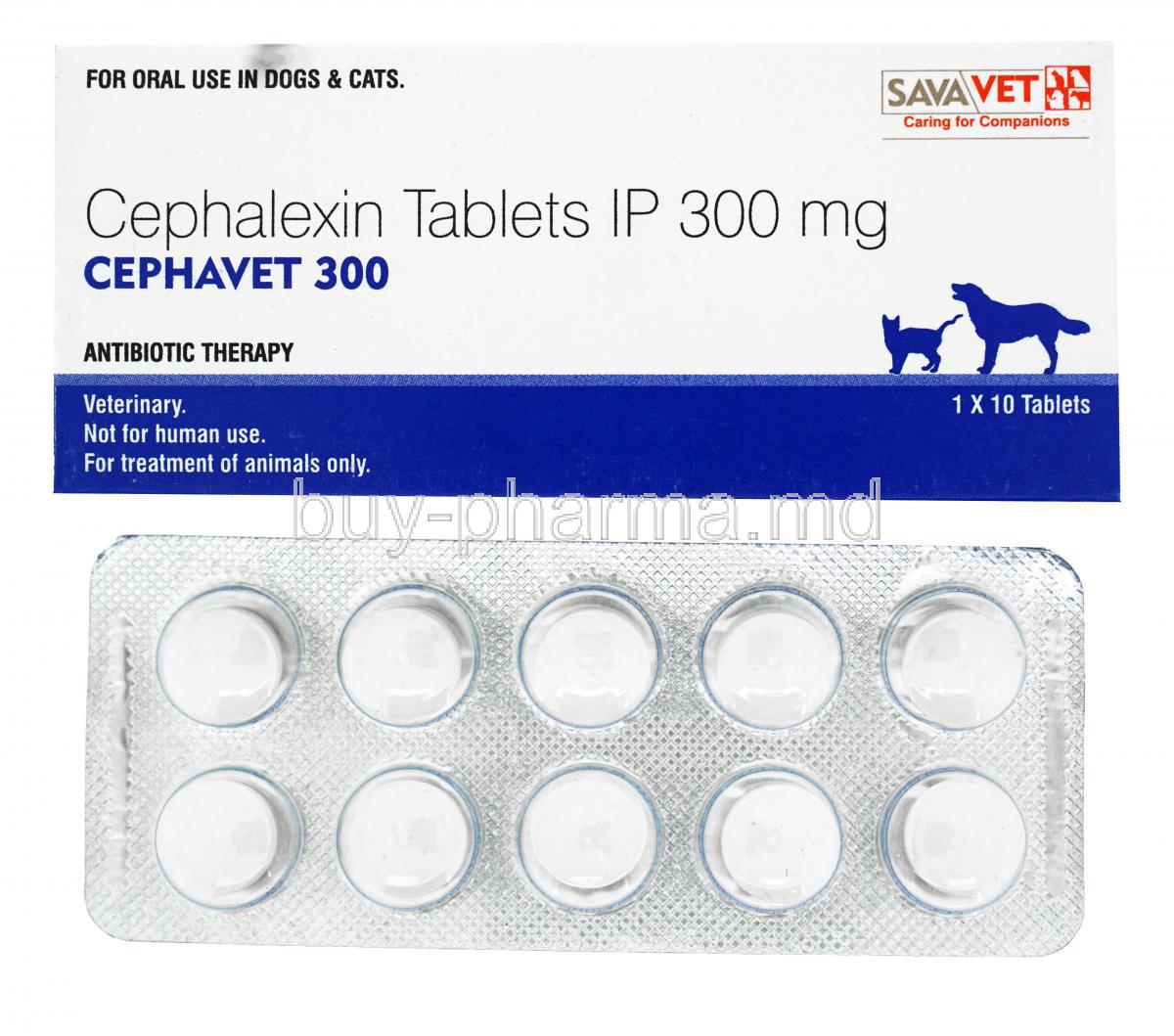
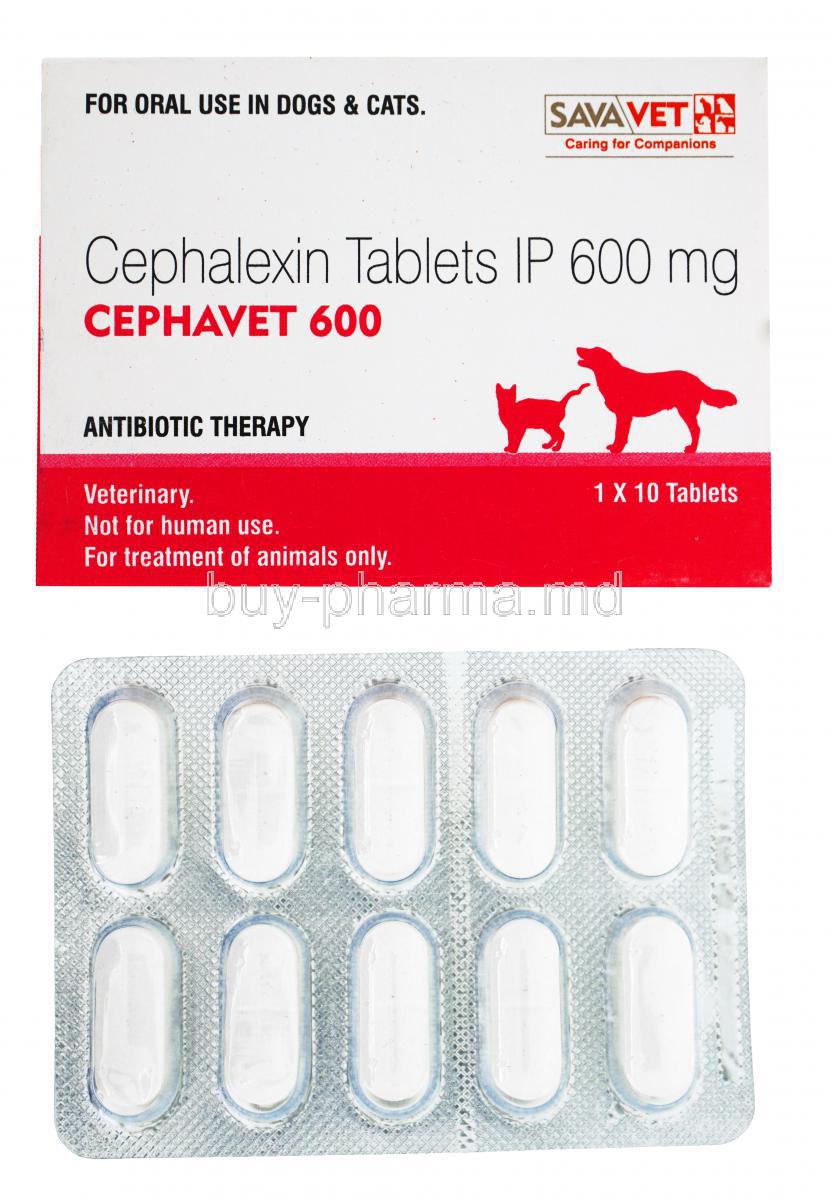
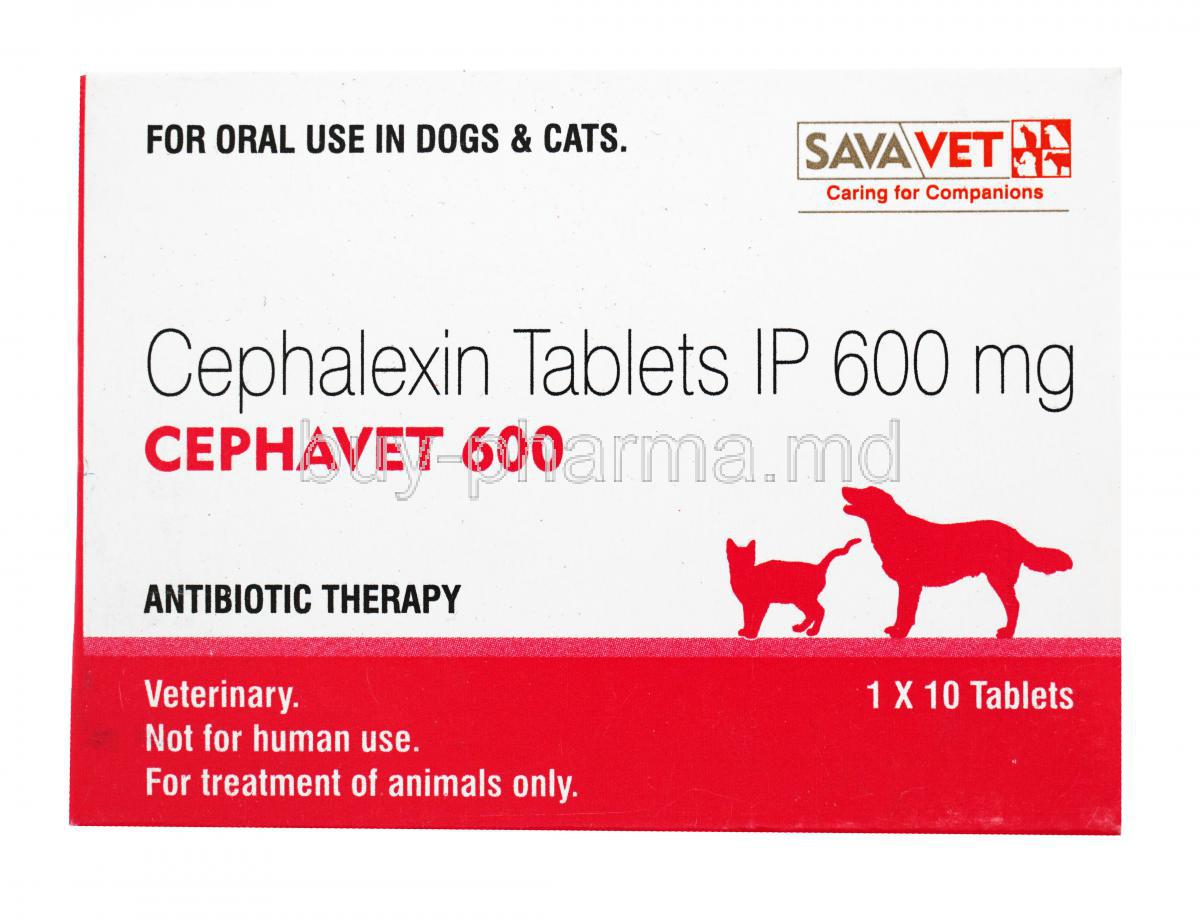
1. Introduction to Cephavet (Cephalexin)
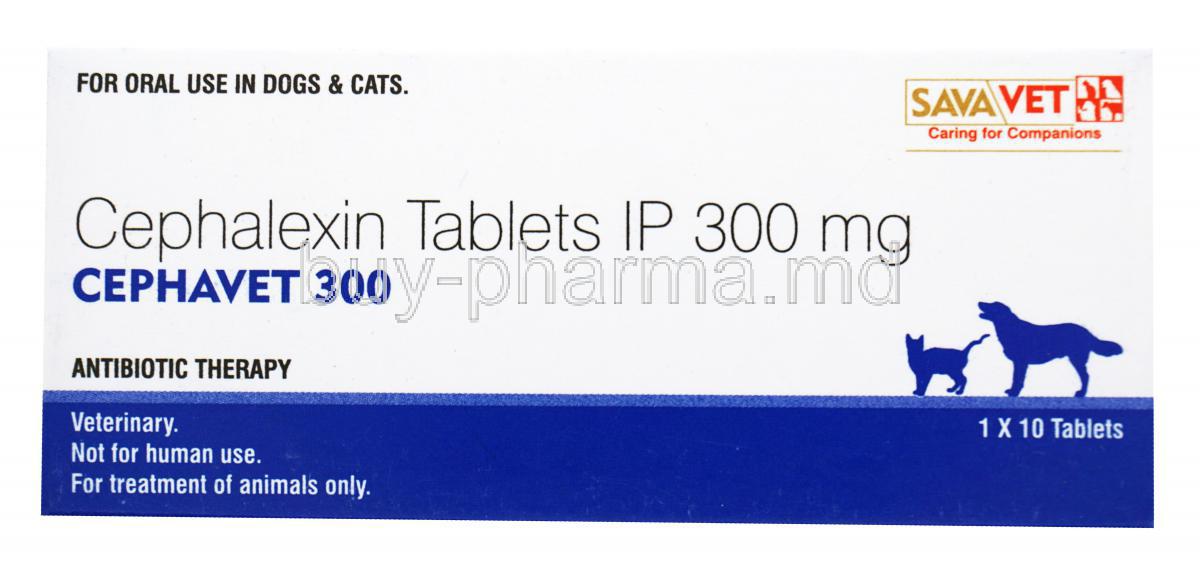
Cephavet is a widely utilized veterinary antibiotic formulated with cephalexin, a trusted agent in the management of bacterial infections in companion animals. Its clinical reputation is built on reliability, broad usability, and predictable therapeutic outcomes. In everyday veterinary practice, Cephavet occupies a central role where bacterial pathogens compromise skin integrity, respiratory health, or urinary function.
As a member of the first-generation cephalosporins, cephalexin demonstrates pronounced efficacy against susceptible organisms. This classification confers a balance of potency and safety, making it a pragmatic option in routine and complex infections alike. In small-animal medicine, especially canine care, Cephavet remains a cornerstone antimicrobial due to its oral convenience and consistent response profile.
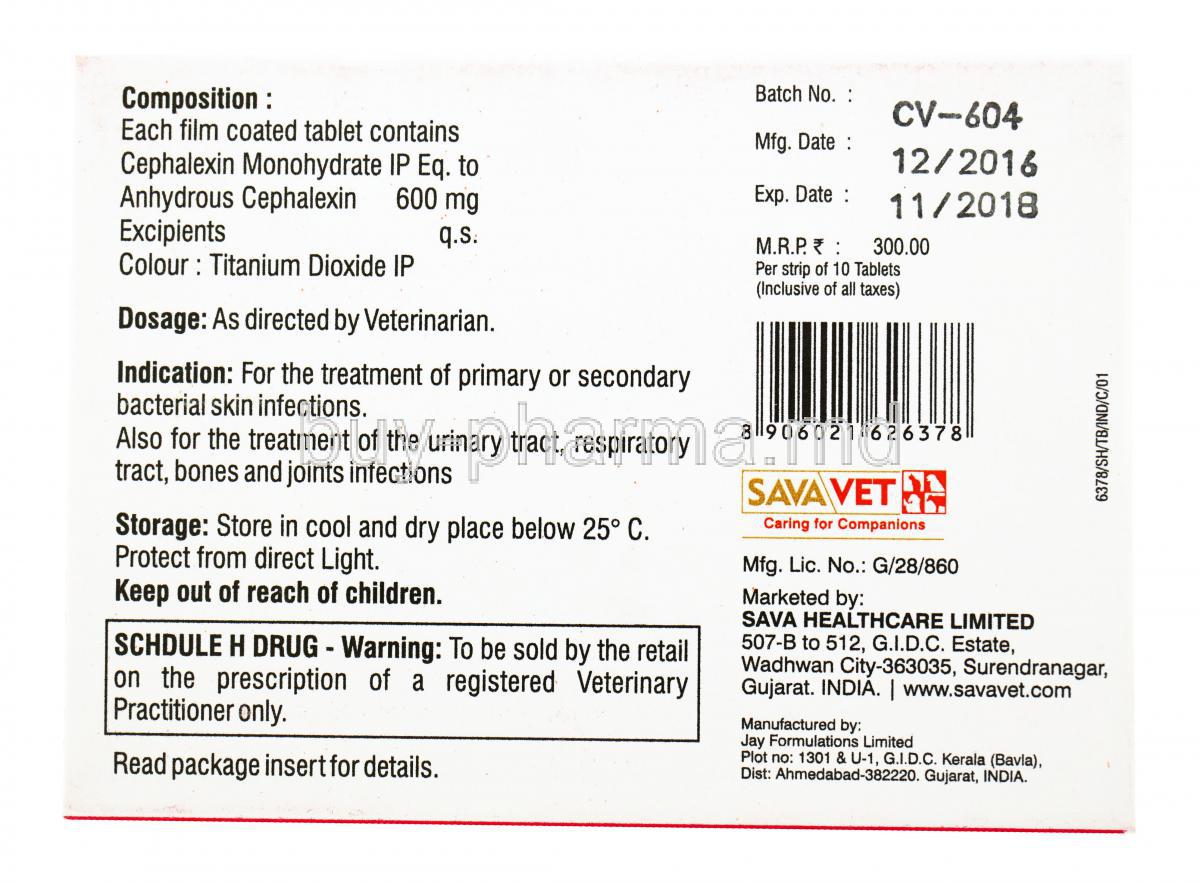
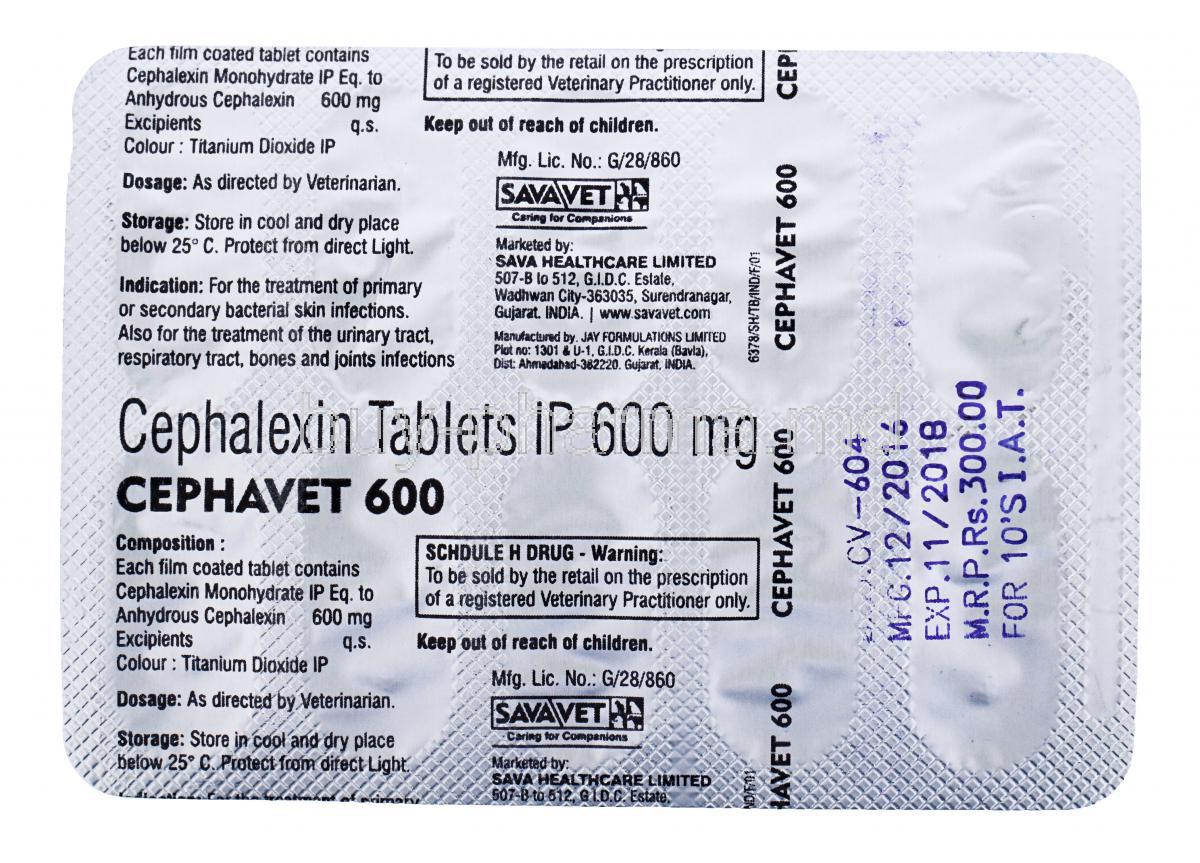
2. Composition and Pharmaceutical Profile
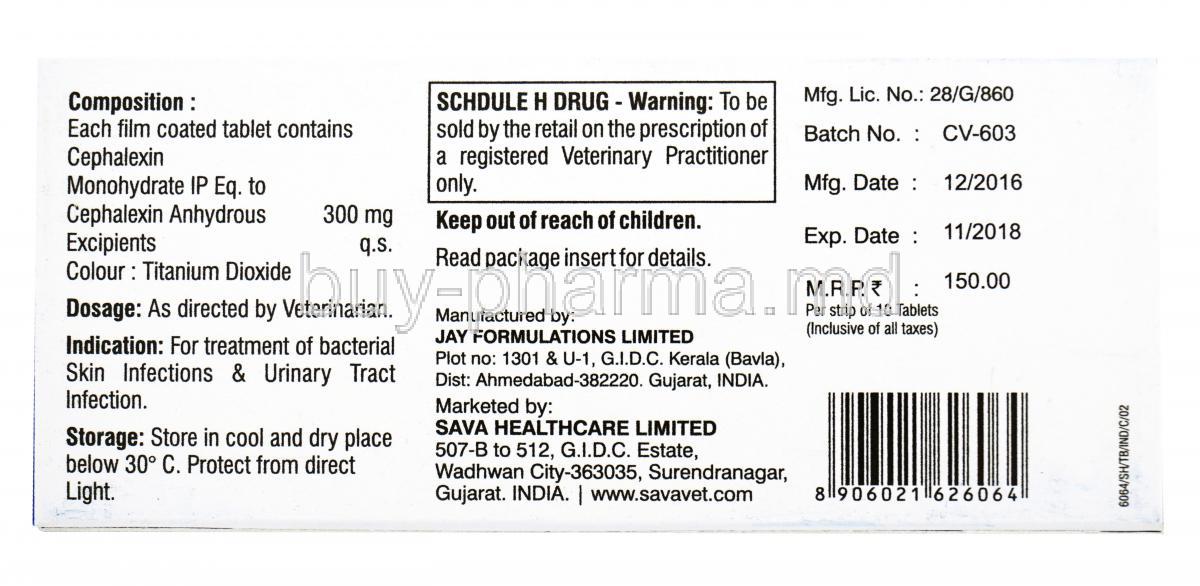
The primary active component of Cephavet is cephalexin monohydrate, a semi-synthetic beta-lactam antibiotic. This compound is engineered to maintain chemical stability while delivering robust antibacterial action at the site of infection.
- Active ingredient: Cephalexin monohydrate
- Pharmaceutical excipients supporting stability and absorption
- Formulated for oral veterinary use
Cephavet is commercially available in multiple dosage forms, including tablets, capsules, and oral suspensions. These variations allow clinicians to tailor therapy based on animal size, swallowing ability, and compliance considerations. Different strengths further enable precise dosing across a wide weight spectrum.
3. Mechanism of Action: How Cephavet Works
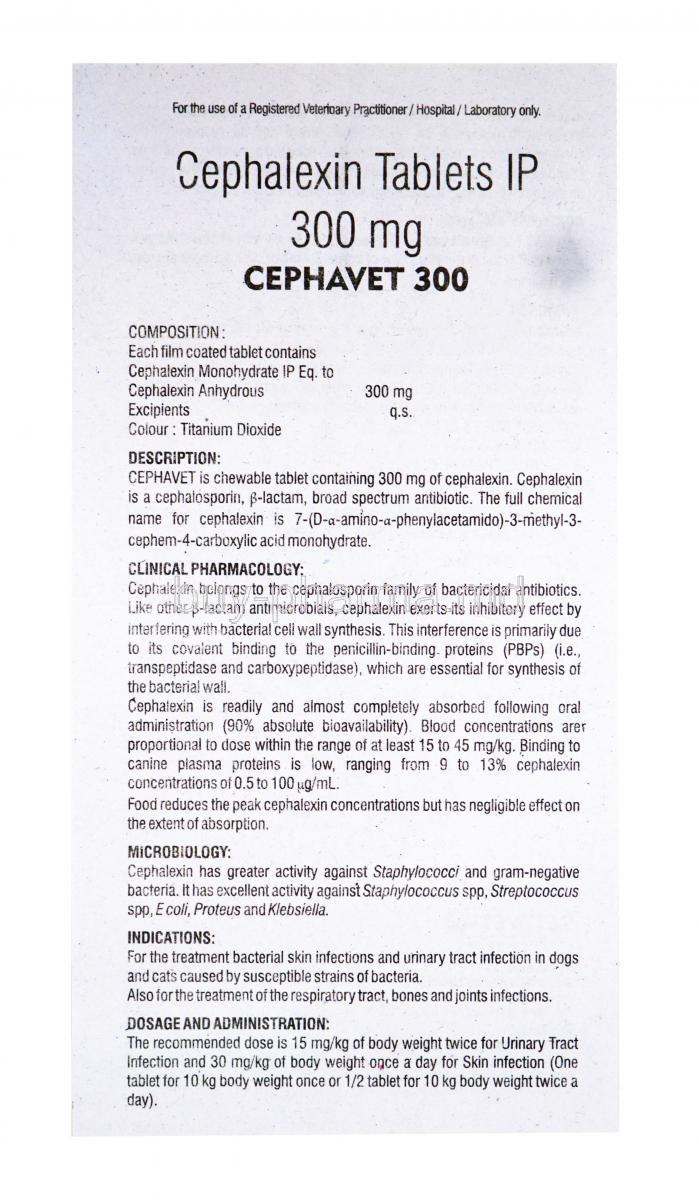
Cephavet exerts its antibacterial effect by disrupting bacterial cell wall synthesis. Specifically, cephalexin binds to penicillin-binding proteins, impeding peptidoglycan cross-linking and weakening the structural integrity of the bacterial cell.
This mechanism results in a bactericidal effect, particularly against Gram-positive organisms and selected Gram-negative species. The drug’s activity is time-dependent, meaning sustained plasma concentrations are critical for optimal microbial eradication.
- Effective against common staphylococcal and streptococcal species
- Moderate stability against certain beta-lactamases
- Resistance minimized when used appropriately and for full treatment courses
4. Approved Uses of Cephavet
4.1 Treatment of Skin and Soft Tissue Infections
Cephavet is frequently prescribed for dermatological infections, where bacterial proliferation leads to inflammation and tissue damage. Canine pyoderma represents one of the most common indications, often requiring sustained antimicrobial coverage.
It is also effective in managing wound infections, abscesses, and secondary bacterial dermatitis, especially when pathogens are susceptible and localized in superficial or deep skin layers.
4.2 Respiratory Tract Infections
In respiratory medicine, Cephavet supports treatment of upper respiratory bacterial infections and serves as adjunct therapy in cases of bronchitis or secondary bacterial pneumonia. Its oral bioavailability simplifies outpatient management.
4.3 Urinary Tract Infections
Uncomplicated bacterial cystitis responds favorably to cephalexin when uropathogens are sensitive. Cephavet achieves therapeutic urinary concentrations, contributing to symptom resolution and microbial clearance.
4.4 Bone and Joint Infections
Cephavet may be incorporated as adjunct therapy in osteomyelitis or post-surgical orthopedic infections. While not always first-line, its predictable pharmacokinetics support extended treatment protocols when clinically indicated.
5. Off-Label Uses of Cephavet
Beyond approved indications, Cephavet is occasionally utilized off-label under veterinary discretion. These applications are guided by clinical judgment, culture results, and individual patient response.
- Prophylactic use in selected surgical procedures
- Dental and oral cavity infections
- Otitis externa caused by susceptible bacteria
- Gastrointestinal bacterial overgrowth in selected cases
- Use in species other than dogs, under professional supervision
6. Dosage and Administration Guidelines
6.1 Standard Dosage Recommendations
Cephavet dosing is typically weight-based, ensuring therapeutic concentrations while minimizing unnecessary exposure. Dosage intervals are determined by infection severity, organism susceptibility, and patient health status.
6.2 Route of Administration
Administration is oral, with or without food. While food does not significantly impair absorption, concurrent feeding may reduce gastrointestinal irritation. Palatability considerations are important, particularly for prolonged treatment regimens.
6.3 Duration of Therapy
Treatment duration varies from short courses for mild infections to extended regimens for chronic or deep-seated conditions. Completion of the prescribed course is essential to prevent relapse and resistance.
7. Administration in Special Populations
7.1 Administration to Elderly Animals
Geriatric animals may exhibit reduced renal clearance, necessitating careful dose adjustment. Periodic monitoring enhances safety during prolonged therapy.
7.2 Administration to Pregnant Animals and Nursing Mothers
Cephalexin crosses the placenta and may be excreted into milk. Use during pregnancy or lactation requires a meticulous risk–benefit evaluation conducted under veterinary supervision.
7.3 Administration to Pediatric Animals
Cephavet is commonly used in puppies and kittens when dosed accurately by body weight. Age-appropriate formulations improve dosing precision and adherence.
8. Side Effects and Safety Profile
8.1 Overview of Tolerability
Cephavet is generally well tolerated in veterinary patients. Adverse reactions are typically mild and transient, with serious complications occurring infrequently.
8.2 Common Side Effects
- Vomiting or diarrhea
- Temporary reduction in appetite
- Mild lethargy during initial therapy
8.3 Less Common or Serious Side Effects
Rarely, hypersensitivity reactions may occur, manifesting as pruritus, swelling, or dermatologic eruptions. Hematologic abnormalities and antibiotic-associated colitis have been reported but remain uncommon.
9. Drug and Food Interactions
Cephavet may interact with bacteriostatic antibiotics, potentially diminishing bactericidal efficacy. Concurrent use with nephrotoxic agents warrants caution, particularly in compromised patients.
Food has minimal impact on absorption, yet polypharmacy scenarios require careful evaluation to avoid cumulative adverse effects. Comprehensive medication review remains an essential component of safe antimicrobial therapy.
10. Warnings and Contraindications
10.1 Contraindications
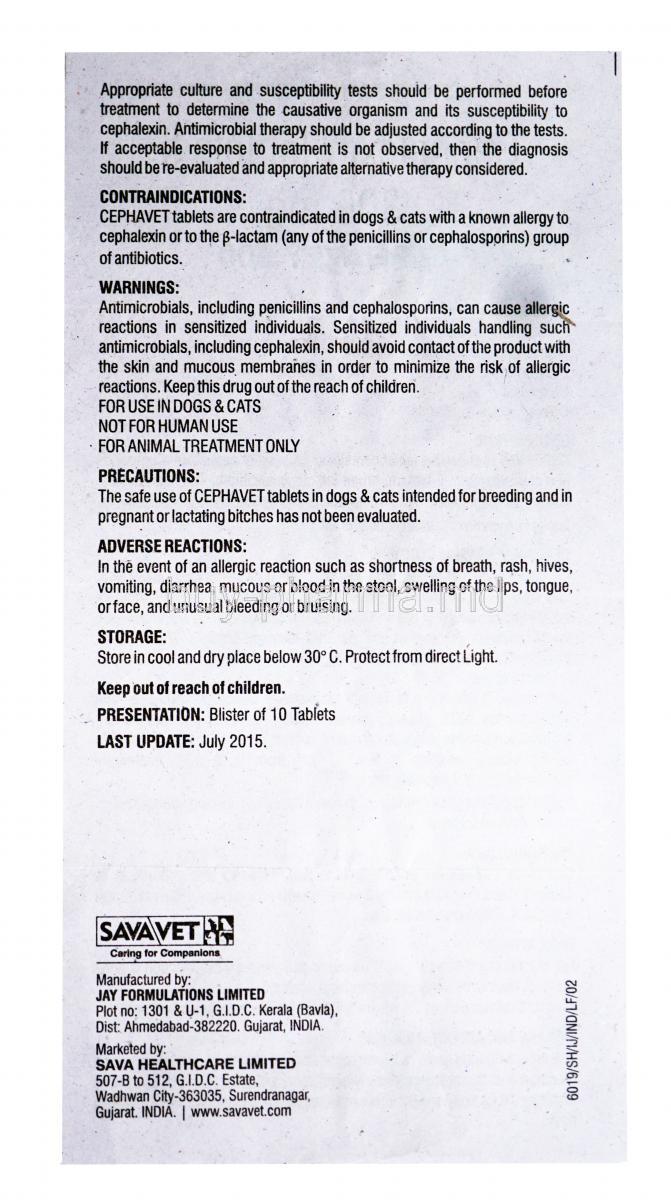
Cephavet should not be administered to animals with a documented history of hypersensitivity to cephalexin or other cephalosporin-class antibiotics. Allergic reactions may present rapidly and range from mild cutaneous responses to severe systemic manifestations.
Cross-reactivity may occur in animals with known penicillin allergies due to structural similarities within beta-lactam antibiotics. Although the incidence is relatively low, caution is warranted.
- Known allergy to cephalexin or cephalosporins
- History of beta-lactam hypersensitivity reactions
- Previous severe allergic response to penicillin-derived agents
10.2 Warnings
Improper or excessive use of Cephavet contributes to antimicrobial resistance, a growing concern in veterinary and public health. Administration should be restricted to confirmed or strongly suspected bacterial infections.
In animals with renal impairment, reduced drug clearance may lead to elevated systemic exposure. Dose adjustment and close monitoring are recommended to mitigate potential toxicity.
11. Careful Administration and Important Precautions
Extended treatment courses necessitate vigilant monitoring. Periodic clinical assessment helps identify adverse reactions early and ensures continued therapeutic benefit.
- Monitor gastrointestinal tolerance during prolonged therapy
- Assess renal function in at-risk patients
- Observe for dermatologic or behavioral changes
Treatment should be discontinued if signs of hypersensitivity, severe diarrhea, or neurological abnormalities emerge. Prompt veterinary evaluation is essential in such cases.
Accurate diagnosis and appropriate antimicrobial selection are fundamental. Empirical use without veterinary guidance increases the risk of treatment failure and resistance. Avoidance of unnecessary antibiotic use preserves long-term efficacy.
12. Overdosage Information
Cephalexin overdose may occur due to dosing errors or accidental ingestion. Clinical manifestations are typically dose-related and vary in severity.
Common signs include gastrointestinal disturbances such as nausea, vomiting, and diarrhea. In more pronounced cases, neurological symptoms such as restlessness, tremors, or ataxia may be observed.
- Severe vomiting or persistent diarrhea
- Lethargy or altered mental status
- Neuromuscular excitability in rare cases
Supportive care remains the primary management strategy. This may include fluid therapy, symptomatic treatment, and temporary discontinuation of the medication. Immediate veterinary attention is advised if significant symptoms develop or worsen.
13. Storage and Stability
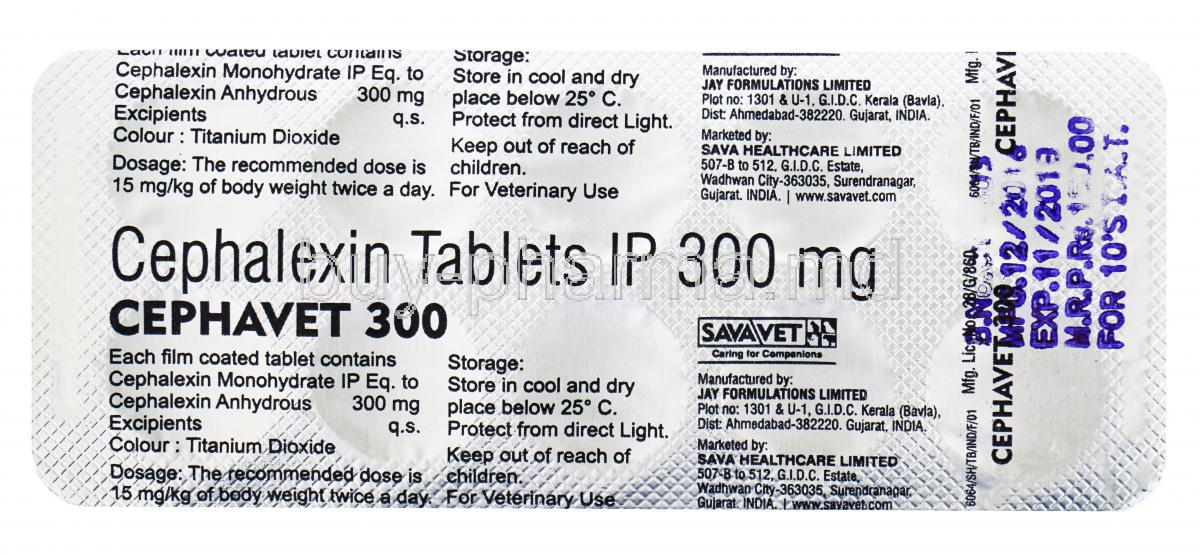
Cephavet should be stored at controlled room temperature, away from excessive heat. Environmental stability directly influences drug potency and shelf life.
Protection from moisture and direct light is essential, particularly for oral suspensions and tablet formulations. Improper storage conditions may compromise effectiveness.
- Store in a cool, dry location
- Keep containers tightly closed
- Observe labeled expiration dates
Expired medication should not be used, as degradation may reduce therapeutic value or increase the risk of adverse effects.
14. Handling Precautions
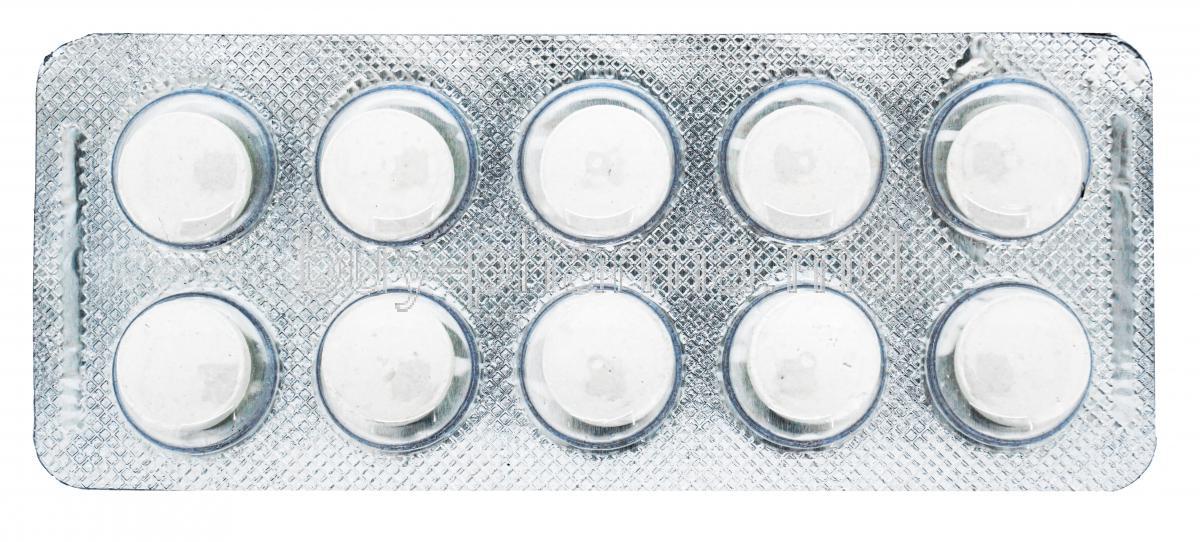
Pet owners and caregivers should handle Cephavet with care to minimize accidental exposure. Tablets and capsules should be administered intact whenever possible.
Accidental ingestion by humans, particularly children, must be avoided. Medications should be stored securely and out of reach.
- Wash hands thoroughly after administration
- Avoid crushing tablets unless directed
- Use designated tools for dosing liquid formulations
Unused or expired medication should be disposed of according to veterinary or pharmaceutical disposal guidelines. Proper hygiene measures after handling help ensure safety for both animals and caregivers.
Cephavet, Cephalexin FAQ
Customers also bought
Popular Products