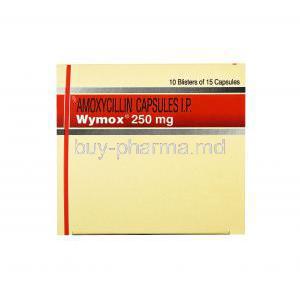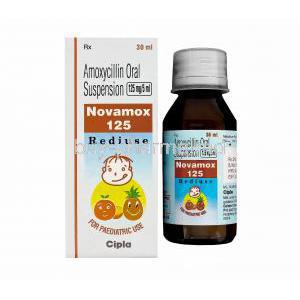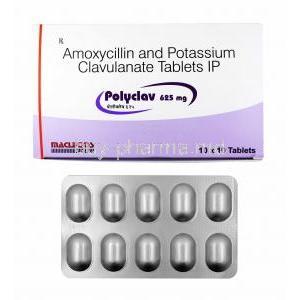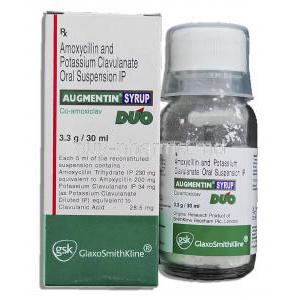
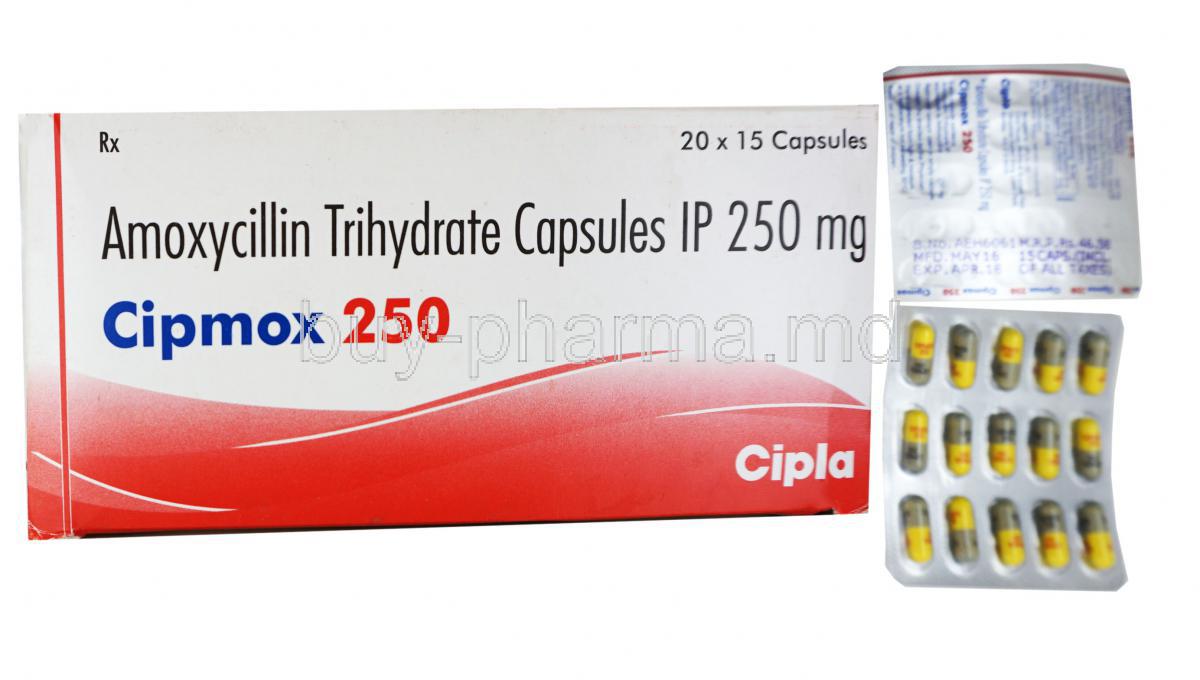

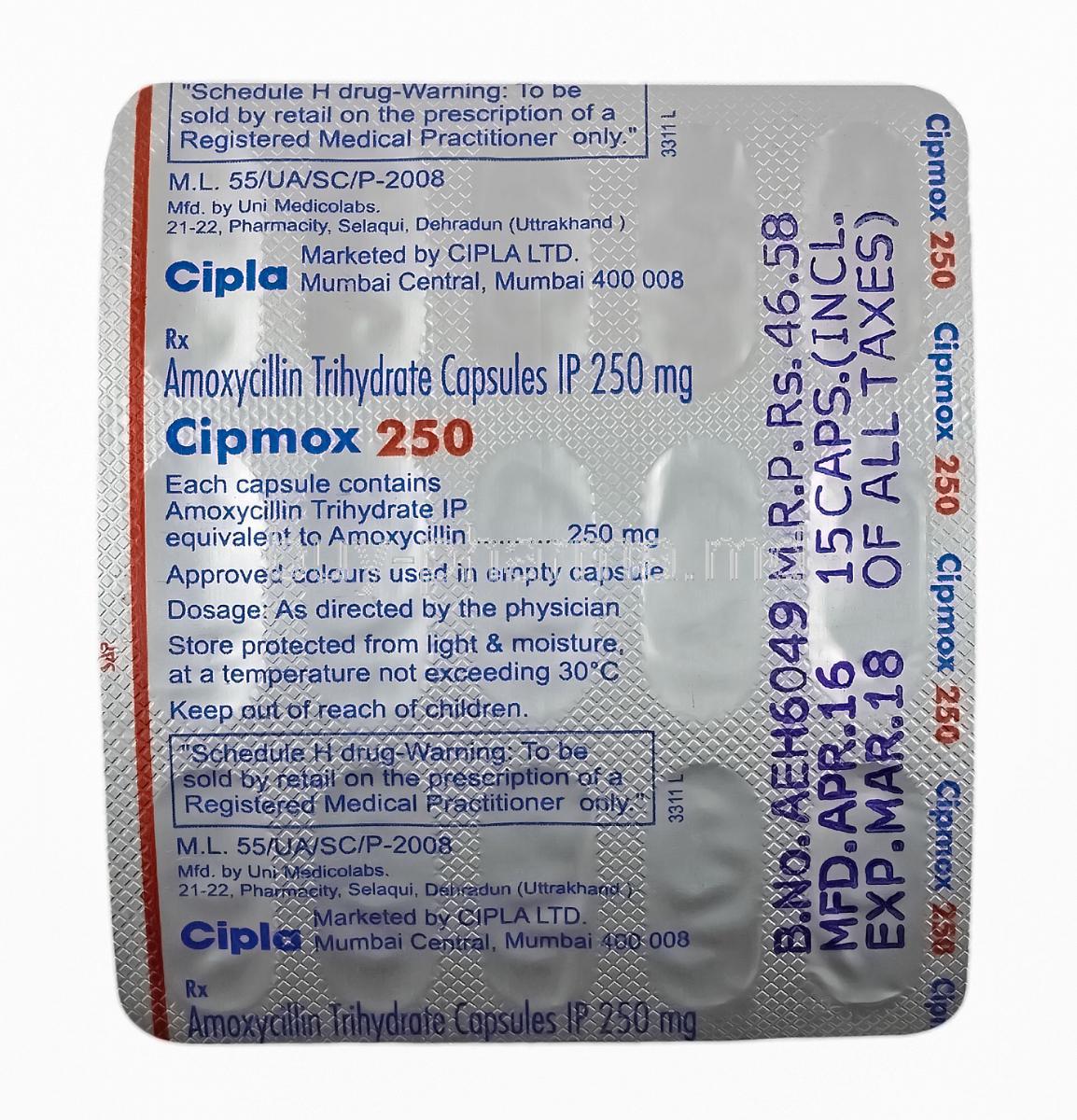
Introduction to Cipmox (Amoxicillin)
Cipmox is a branded formulation of amoxicillin, a widely prescribed antibacterial agent with a long-standing clinical pedigree. It is utilized across multiple medical disciplines due to its reliable efficacy, predictable pharmacokinetics, and favorable tolerability profile.
Therapeutically, Cipmox belongs to the penicillin group of antibiotics, specifically classified under the aminopenicillin subclass. This category is valued for its broad-spectrum activity and established safety record.
In contemporary antibacterial therapy, Cipmox plays a pivotal role in the management of common community-acquired infections. It is frequently selected as a first-line agent, particularly when targeted antimicrobial coverage and outpatient treatment are appropriate.
Composition and Pharmaceutical Profile
The active pharmaceutical ingredient in Cipmox is amoxicillin trihydrate, a semi-synthetic derivative of penicillin engineered to enhance oral absorption and stability.
Chemically, amoxicillin is categorized as an aminopenicillin and a β-lactam antibiotic. This structural classification underpins its bactericidal mechanism and susceptibility to β-lactamase enzymes.
Cipmox is manufactured in multiple dosage forms to accommodate diverse patient needs, including:
- Oral tablets
- Capsules
- Oral suspension for pediatric and dysphagic patients
Inactive excipients are incorporated to ensure formulation stability, palatability, and bioavailability. These components may vary by dosage form and manufacturer but do not contribute to antibacterial activity.
How Cipmox (Amoxicillin) Works
Cipmox exerts its antibacterial effect by targeting the bacterial cell wall, a structure essential for microbial survival. The drug binds to penicillin-binding proteins (PBPs), disrupting critical enzymatic processes.
This interaction inhibits the synthesis of peptidoglycan, a fundamental component of the bacterial cell wall matrix. Without an intact cell wall, susceptible bacteria lose structural integrity.
The result is a bactericidal effect. Cells undergo osmotic lysis and are eliminated rather than merely inhibited.
Amoxicillin demonstrates activity against a wide spectrum of organisms, including:
- Gram-positive bacteria such as streptococci and enterococci
- Selected Gram-negative organisms, including Haemophilus influenzae and Escherichia coli
Approved Medical Uses of Cipmox
Treatment of Respiratory Tract Infections
Cipmox is frequently prescribed for lower and upper respiratory tract infections caused by susceptible pathogens. Its tissue penetration and antimicrobial coverage make it suitable for both acute and chronic presentations.
- Acute and chronic bronchitis
- Community-acquired pneumonia
- Sinusitis, pharyngitis, and tonsillitis
Ear, Nose, and Throat Infections
In otolaryngologic practice, Cipmox is commonly used for infections involving mucosal and middle-ear structures.
- Otitis media
- Upper respiratory tract infections of bacterial origin
Genitourinary Tract Infections
The antibiotic is indicated for uncomplicated infections of the urinary tract when pathogens are known or presumed to be sensitive.
- Uncomplicated urinary tract infections
- Urethral and bladder infections caused by susceptible bacteria
Skin and Soft Tissue Infections
Cipmox is effective in treating bacterial infections of the skin and underlying soft tissues, particularly when caused by non-resistant organisms.
- Cellulitis and wound infections
- Skin structure infections involving streptococci and staphylococci
Gastrointestinal and Abdominal Infections
Selected gastrointestinal infections may respond well to amoxicillin therapy, especially when enteric pathogens are identified as susceptible.
Off-Label Uses of Cipmox (Amoxicillin)
Helicobacter pylori Eradication Therapy
Cipmox is routinely included in combination regimens for the eradication of Helicobacter pylori, a bacterium implicated in peptic ulcer disease and chronic gastritis.
Dental and Oral Infections
Dental practitioners may prescribe amoxicillin for odontogenic infections characterized by localized inflammation and bacterial overgrowth.
- Dental abscesses
- Periodontal infections
Infective Endocarditis Prophylaxis
In high-risk individuals, Cipmox may be administered prophylactically prior to invasive dental or surgical procedures to reduce the risk of bacteremia-induced endocarditis.
Lyme Disease (Early Stage)
Early localized Lyme disease caused by Borrelia burgdorferi may be treated with amoxicillin as an alternative to other first-line agents.
Acne and Dermatologic Infections (Selected Cases)
Under medical supervision, Cipmox may be utilized in inflammatory dermatologic conditions where bacterial involvement is suspected and resistance risk is low.
Dosage and Administration Guidelines
General Dosing Principles
Dose selection is influenced by multiple clinical variables, including infection severity, patient age, renal function, and pathogen susceptibility.
Completion of the full prescribed course is essential to ensure eradication of the infection and to minimize the development of antimicrobial resistance.
Dosage for Different Indications
Dosage regimens vary according to clinical indication:
- Mild to moderate infections typically require standard oral dosing
- Severe or recurrent infections may necessitate higher or more frequent dosing
Route and Method of Administration
Cipmox is administered orally in tablet, capsule, or suspension form. The medication may be taken with or without food, although co-administration with meals can improve gastrointestinal tolerance in sensitive individuals.
Administration in Special Populations
Administration to Elderly Patients
In elderly patients, Cipmox must be prescribed with heightened clinical vigilance. Age-related physiological changes, particularly reduced renal clearance, can alter drug disposition.
- Renal function should be assessed prior to initiation
- Periodic monitoring is advisable during prolonged therapy
Dose adjustments may be required in patients with compromised kidney function to prevent drug accumulation and toxicity. Careful observation for adverse reactions is recommended throughout treatment.
Administration to Pregnant Women
Amoxicillin has a well-documented safety profile in pregnancy and is generally considered acceptable when clinically indicated.
Nonetheless, therapy should be guided by a thorough risk–benefit assessment. The potential benefits of treating maternal infection must outweigh any theoretical fetal risks.
Administration to Nursing Mothers
Amoxicillin is excreted into breast milk in small quantities. While adverse effects in nursing infants are uncommon, vigilance is warranted.
- Monitor infants for gastrointestinal disturbances
- Observe for signs of candidiasis or skin rash
Administration to Children
Pediatric dosing of Cipmox is typically calculated based on body weight to ensure therapeutic efficacy while minimizing adverse effects.
Oral suspension formulations are frequently employed in children due to ease of administration and dosing flexibility. Accurate measurement is essential to maintain dosing precision.
Common Side Effects of Cipmox
Most patients tolerate Cipmox well. When side effects occur, they are usually mild and self-limiting.
- Gastrointestinal disturbances such as nausea, vomiting, or diarrhea
- Mild, transient skin rash
- Headache or dizziness
Less Common and Serious Side Effects
Although infrequent, more serious adverse reactions have been reported and require prompt medical attention.
- Allergic and hypersensitivity reactions, including urticaria and anaphylaxis
- Antibiotic-associated colitis, often linked to Clostridioides difficile
- Elevations in liver enzymes indicating hepatic stress
- Hematologic effects such as anemia, leukopenia, or thrombocytopenia
Drug Interactions
Interaction with Other Antibiotics
Cipmox may exhibit synergistic effects when combined with certain antibiotics, enhancing antibacterial activity. Conversely, antagonistic interactions may reduce efficacy when used with bacteriostatic agents.
Interaction with Anticoagulants
Concomitant use with oral anticoagulants can potentiate bleeding risk. Alterations in intestinal flora may affect vitamin K metabolism.
- Monitor INR levels closely
- Adjust anticoagulant dosing as necessary
Interaction with Oral Contraceptives
Amoxicillin may reduce the effectiveness of oral contraceptives by altering enterohepatic circulation of estrogen.
Additional non-hormonal contraceptive measures are often recommended during therapy.
Interaction with Allopurinol and Other Agents
Concurrent administration with allopurinol has been associated with an increased incidence of skin reactions. Caution is advised when these agents are prescribed together.
Warnings and Safety Information
Cipmox carries important safety considerations that must be observed throughout treatment.
- Risk of severe allergic reactions in penicillin-sensitive individuals
- Potential for antibiotic resistance with inappropriate or incomplete use
- Risk of superinfection during prolonged therapy
Contraindications
Cipmox should not be used in patients with specific medical histories or conditions.
- Known hypersensitivity to amoxicillin or other penicillins
- History of severe β-lactam allergy
- Infectious mononucleosis, due to high risk of rash development
Careful Administration and Important Precautions
Special caution is required in certain clinical scenarios.
- Patients with renal impairment may require dose modification
- Long-term therapy warrants periodic laboratory monitoring
- Caution is advised in individuals with a history of gastrointestinal disease
Overdosage and Emergency Management
Overdose symptoms are primarily gastrointestinal but may be more severe in patients with renal dysfunction.
- Nausea, vomiting, and diarrhea
- Electrolyte imbalance in severe cases
Management is largely supportive and symptomatic. In extreme cases, hemodialysis may be considered to enhance drug elimination.
Storage and Stability
Proper storage is essential to maintain the stability and efficacy of Cipmox.
- Store at room temperature in a dry environment
- Protect from excessive heat and moisture
Adhere strictly to shelf life and expiration dates to ensure product integrity.
Handling Precautions
Correct handling practices reduce dosing errors and contamination.
- Tablets and capsules should be handled with clean, dry hands
- Liquid formulations require accurate reconstitution as directed
- Unused or expired medication should be disposed of according to local pharmaceutical waste guidelines
 Verified Purchase
Pleased with purchase
I find no difference between this and the higher priced medicines I used to buy. I now prefer to purchase from here.
Cipmox, Amoxicillin FAQ
- What is the drug Cipmox used for?
- Is Cipmox 500 and Amoxicillin the same?
- What is amoxicillin Cipmox used for?
- Is Cipmox 500 good for cold?
- What problems does Cipmox solve?
- How quickly does Cipmox 500 work?
- What is amoxicillin Cipmox 500 used for?
- What are the side effects of Cipmox 500?
- Is Cipmox the same as amoxicillin?
- What is amoxicillin mainly used for?
- Can you take amoxicillin 500mg 3 times a day?
- Is amoxicillin used for UTI?
- Is amoxicillin a strong antibiotic?
- What to avoid while taking amoxicillin?
- How quickly does amoxicillin work?
- What are the side effects of amoxicillin 500mg?
- Can I buy amoxicillin over the counter?
- Can I drink alcohol with amoxicillin?
- What kind of infection does amoxicillin clear up?
- Which is the strongest amoxicillin?
- Does amoxicillin make you feel tired?
- Should I rest while taking amoxicillin?
- Can I take vitamin C with amoxicillin?
- How do you know if amoxicillin is not working?
- Is 500mg of amoxicillin 3 times a day strong?
- What to avoid while taking amoxicillin 500mg?
- Why do I feel bad after taking amoxicillin?
- Can I take amoxicillin without seeing a doctor?
- What is the best time to take amoxicillin?
- Which bacteria is resistant to amoxicillin?
- What antibiotic is better than amoxicillin?
- How many hours does amoxicillin work in the body?
- Can I go to sleep after taking amoxicillin?
What is the drug Cipmox used for?
Cipmox 500 capsule treats various bacterial infections, such as respiratory tract infections, lung infections, tonsillitis and throat infections, UTIs, and skin infections.
Is Cipmox 500 and Amoxicillin the same?
Yes
What is amoxicillin Cipmox used for?
It is used to treat infections of the lungs (e.g., pneumonia), the ear, the nasal sinus, the urinary tract, the skin, and the soft tissue
Is Cipmox 500 good for cold?
No
What problems does Cipmox solve?
Bacterial infections
How quickly does Cipmox 500 work?
2-3 days
What is amoxicillin Cipmox 500 used for?
Clinmox 500mg Capsule is used to treat a variety of bacterial infections.
What are the side effects of Cipmox 500?
- Rashes
- Vomiting
- Allergic reaction
- Gastrointestinal discomfort
Is Cipmox the same as amoxicillin?
Yes
What is amoxicillin mainly used for?
Amoxicillin is used to treat pneumonia; bronchitis (infection of the airway tubes leading to the lungs); and infections of the ears, nose, throat, urinary tract, and skin
Can you take amoxicillin 500mg 3 times a day?
Yes
Is amoxicillin used for UTI?
Yes
Is amoxicillin a strong antibiotic?
The medication is effective against a wide range of gram-positive bacteria
What to avoid while taking amoxicillin?
- warfarin
- allopurinol
- probenecid
How quickly does amoxicillin work?
2-3 days
What are the side effects of amoxicillin 500mg?
- Diarrhea
Can I buy amoxicillin over the counter?
No
Can I drink alcohol with amoxicillin?
Avoid or minimize alcohol because it weakens your immune system, dehydrates you, and worsens common antibiotic side effects like nausea, slowing down your recovery from infection
What kind of infection does amoxicillin clear up?
Bacterial infections in many different parts of the body (ear, lungs, nose, sinus, skin, urinary tract).
Which is the strongest amoxicillin?
875 mg
Does amoxicillin make you feel tired?
No
Should I rest while taking amoxicillin?
Yes
Can I take vitamin C with amoxicillin?
Yes
How do you know if amoxicillin is not working?
Amoxicillin does not relieve symptoms of infection immediately.
Is 500mg of amoxicillin 3 times a day strong?
Yes
What to avoid while taking amoxicillin 500mg?
- Methotrexate
- Warfarin
- Gout medicines called probenecid or allopurinol
Why do I feel bad after taking amoxicillin?
Gastrointestinal issues like upset stomach and diarrhea, as well as headache, rash, abnormal taste, and vaginal yeast infections
Can I take amoxicillin without seeing a doctor?
No
What is the best time to take amoxicillin?
Before or after meal
Which bacteria is resistant to amoxicillin?
OXA-1 in E. coli and OXA-2 in the Enterobacteriaceae family
What antibiotic is better than amoxicillin?
Augmentin
How many hours does amoxicillin work in the body?
1-2 hours
Can I go to sleep after taking amoxicillin?
Yes
Customers also bought

Popular Products
Similar Product