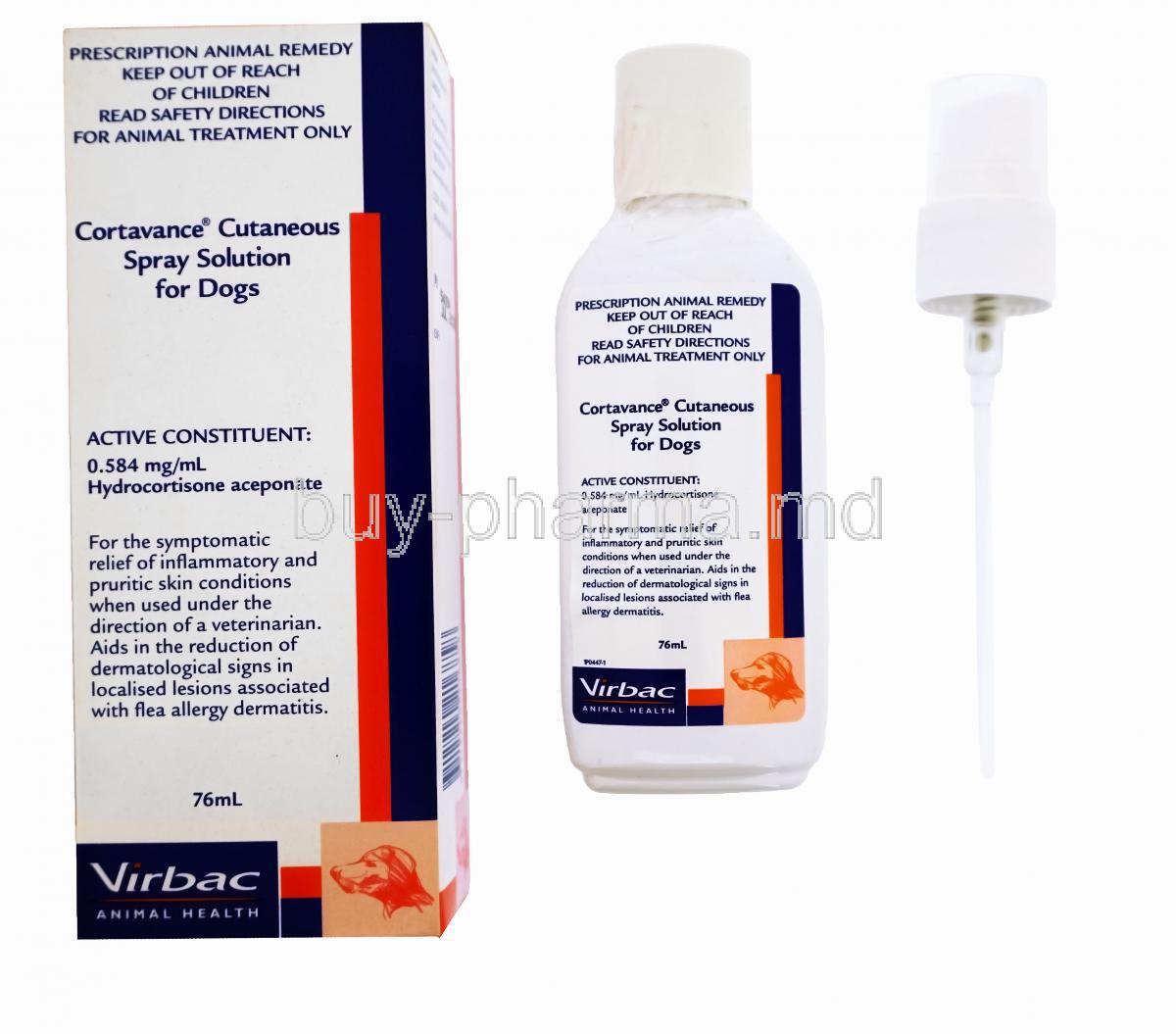
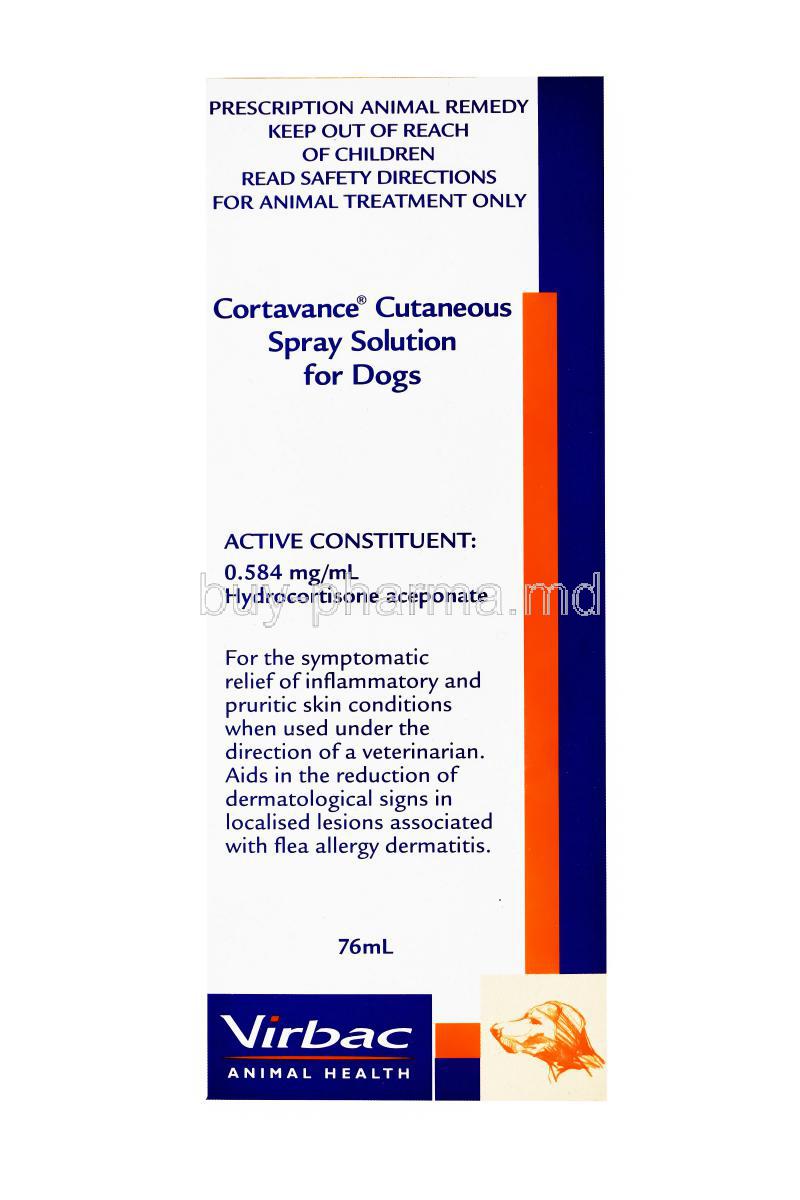
Introduction to Cortavance Cutaneous Spray for Dogs
Cortavance Cutaneous Spray for Dogs is a prescription veterinary dermatology product designed to address inflammatory and pruritic skin disorders in canines. It is widely utilized in clinical practice for its ability to deliver potent anti-inflammatory action directly to affected skin, while minimizing systemic exposure.
In modern veterinary dermatology, localized therapy is often preferred when managing superficial inflammatory conditions. Cortavance fits this paradigm precisely. Its formulation allows targeted intervention, rapid symptom control, and improved patient comfort during acute flare-ups.
- Developed for canine dermatological use
- Optimized for short-term and intermittent therapy
- Designed to reduce reliance on systemic corticosteroids
Therapeutic Classification and Indications
Cortavance is classified as a topical corticosteroid for canine use. It is indicated for the short-term and intermittent management of inflammatory skin conditions where corticosteroid-responsive pathology is suspected.
These indications typically include conditions characterized by erythema, edema, pruritus, and inflammatory cell infiltration of the skin.
What Is Cortavance Cutaneous Spray for Dogs
Cortavance is a cutaneous spray formulation engineered to deliver a corticosteroid evenly across the skin surface. The spray mechanism allows precise dosing without the need for direct contact or vigorous rubbing, which can aggravate inflamed tissue.
Formulation and Delivery System
The product is supplied as a liquid spray intended for topical application to intact canine skin. Its delivery system ensures uniform dispersion and rapid absorption into the superficial layers of the epidermis.
- Non-aerosol cutaneous spray
- Allows controlled, localized application
- Reduces mechanical irritation during use
Target Species and Approved Veterinary Use
Cortavance is approved exclusively for use in dogs. It should only be administered under veterinary guidance, following an appropriate dermatological assessment.
Distinction From Systemic Corticosteroids
Unlike oral or injectable corticosteroids, Cortavance acts locally at the site of application. This distinction is clinically significant, as it lowers the risk of systemic adverse effects commonly associated with prolonged systemic corticosteroid therapy.
How Cortavance Works (Mechanism of Action)
Cortavance exerts its therapeutic effects through localized modulation of inflammatory pathways within the skin. Its mechanism is consistent with that of corticosteroids, yet optimized for topical delivery.
Anti-Inflammatory Effects at the Skin Level
At the cutaneous level, Cortavance suppresses the synthesis and release of pro-inflammatory mediators. This results in a rapid reduction of inflammation, swelling, and discomfort.
Action on Pruritus, Erythema, and Inflammatory Mediators
By attenuating cytokine activity and stabilizing cellular membranes, Cortavance helps control:
- Pruritus (itching)
- Erythema (redness)
- Inflammatory cascade activation
Limited Systemic Absorption and Clinical Relevance
One of the defining characteristics of Cortavance is its limited systemic absorption when used as directed. This pharmacological property supports its favorable safety profile, particularly during intermittent treatment courses.
Uses of Cortavance Cutaneous Spray
Cortavance is primarily used for the management of inflammatory and pruritic dermatoses in dogs. It is especially valuable in cases where inflammation is localized and systemic therapy is unnecessary or undesirable.
Primary Veterinary Uses
- Management of inflammatory and pruritic skin disorders
- Treatment of allergic dermatitis
- Control of atopic dermatitis flare-ups
- Symptomatic relief of localized skin inflammation
Its rapid onset of action often improves patient comfort within a short treatment window, supporting adherence and overall treatment success.
Off-Label and Extended Uses in Veterinary Practice
Beyond its primary indications, Cortavance is sometimes incorporated into broader dermatological management strategies at the discretion of a veterinarian.
Adjunctive and Supportive Applications
- Adjunctive therapy in chronic allergic skin disease protocols
- Short-term management of contact dermatitis
- Supportive treatment for insect bite hypersensitivity
- Use alongside antimicrobial therapy in mixed inflammatory–infectious conditions
In such scenarios, Cortavance is not used as a standalone cure, but rather as a targeted tool to reduce inflammation while underlying causes are addressed.
Dosage and Administration Guidelines
Correct administration is essential to achieving therapeutic efficacy while minimizing adverse effects. Dosage and duration should always follow veterinary recommendations.
Recommended Dosing Frequency and Duration
Cortavance is typically applied once daily for a short, defined treatment period. Prolonged or excessive use should be avoided unless explicitly directed by a veterinarian.
Application Technique for Optimal Skin Penetration
For optimal results:
- Apply directly to the affected area
- Ensure the skin is clean and dry
- Avoid massaging aggressively into inflamed skin
Area Coverage and Treatment Limitations
Treatment should be confined to affected areas only. Large surface area application increases the risk of systemic absorption and is generally discouraged.
Composition and Active Ingredients
Cortavance contains a corticosteroid specifically formulated for topical veterinary use. Its composition is designed to maximize local efficacy while maintaining stability and tolerability.
Active Ingredient and Pharmacological Class
The active component belongs to the corticosteroid class, known for potent anti-inflammatory and antipruritic properties.
Role of Excipients in the Formulation
Excipients contribute to:
- Even distribution across the skin
- Enhanced penetration into superficial layers
- Product stability and shelf-life
Absence of Propellants and Safety Implications
The non-aerosol formulation avoids the use of propellants, reducing inhalation risk and improving safety for both animals and handlers.
Common Side Effects
Most dogs tolerate Cortavance well when used appropriately. However, mild local reactions may occur.
- Transient skin irritation
- Mild erythema at the application site
- Temporary alterations in skin texture
Potential and Rare Side Effects
Adverse effects are more likely with prolonged or inappropriate use. These may include:
- Cutaneous thinning (skin atrophy)
- Delayed wound healing
- Systemic corticosteroid effects in cases of misuse
Drug and Product Interactions
Cortavance may be used alongside other dermatological treatments, though careful consideration is required.
Use With Topical Antimicrobials
Concurrent use with topical antibiotics or antifungals is common in mixed inflammatory–infectious skin conditions, provided infections are appropriately managed.
Considerations With Systemic Corticosteroids
Simultaneous use with systemic corticosteroids should be approached cautiously to avoid cumulative steroid exposure.
Interactions With Immunosuppressive Treatments
In dogs receiving immunosuppressive therapies, the additive effects of corticosteroids should be evaluated carefully to maintain an acceptable risk–benefit balance.
Warnings and Safety Information
Cortavance Cutaneous Spray is intended strictly for veterinary use and should be administered only under professional guidance. Its pharmacological potency necessitates judicious application, particularly when treating sensitive or compromised skin.
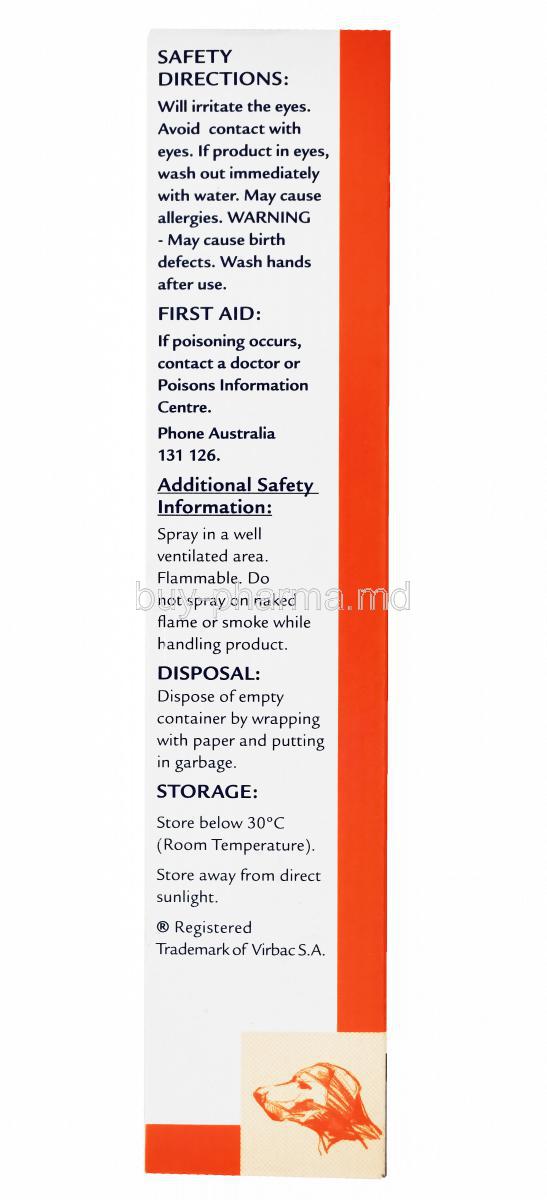
- For animal use only; not intended for human application
- Avoid direct exposure to the eyes, oral cavity, and other mucosal surfaces
- Ensure accurate targeting of affected areas to prevent unintended spread
Prolonged or excessive application may increase the likelihood of adverse cutaneous or systemic effects. Such risks underscore the importance of adherence to prescribed duration and frequency.
Contraindications
Certain clinical scenarios preclude the use of Cortavance. Identifying these contraindications prior to initiation is essential for patient safety.
- Known hypersensitivity to the active ingredient or formulation excipients
- Application to ulcerated, eroded, or severely compromised skin
- Presence of untreated bacterial, fungal, or parasitic skin infections
In cases where infection is suspected, appropriate diagnostic evaluation and antimicrobial therapy should precede corticosteroid use.
Careful Administration and Monitoring
A thorough veterinary assessment is recommended before commencing therapy. This includes evaluating lesion type, distribution, and potential underlying etiologies.
- Baseline dermatological examination prior to treatment
- Regular observation of treated skin for changes in appearance or texture
- Prompt re-evaluation if expected clinical improvement is not observed
Monitoring enables early identification of adverse reactions and supports timely modification of the treatment plan.
Important Precautions Before and During Use
Strict adherence to prescribed treatment parameters is critical to minimize risk while maximizing therapeutic benefit.
- Limit treatment duration to that specified by the veterinarian
- Prevent licking or accidental ingestion by the dog
- Avoid occlusive bandaging unless explicitly directed
Preventive measures, such as temporary use of protective collars, may be employed to reduce ingestion risk.
Administration in Elderly Dogs
Geriatric patients often exhibit age-related alterations in skin integrity, including thinning and reduced regenerative capacity. These factors warrant additional caution.
- Heightened sensitivity to topical corticosteroids
- Potential for delayed wound healing
- Increased vigilance for adverse cutaneous effects
Close monitoring is advised, particularly during the initial phase of treatment.
Administration in Pregnant or Nursing Dogs
Use in pregnant or lactating dogs should be guided by a comprehensive risk–benefit assessment conducted by a veterinarian.
- Administer only when clearly indicated
- Employ the lowest effective dose for the shortest duration
- Take precautions to minimize systemic absorption
Such measures help reduce potential exposure to developing fetuses or nursing offspring.
Administration in Puppies and Young Dogs
Immature skin in puppies may exhibit increased permeability, raising concerns regarding systemic exposure.
- Careful dosing adjustments based on age and body size
- Strict control of treatment duration
- Mandatory veterinary supervision throughout therapy
These safeguards are essential to ensure safe and effective use in younger patients.
Overdose and Misuse
Excessive or inappropriate application of topical corticosteroids may lead to localized or systemic effects.
- Signs may include skin atrophy, delayed healing, or hormonal disturbances
- Immediate cessation of use in suspected overdose
- Prompt veterinary consultation for assessment and guidance
Early intervention can mitigate complications and support recovery.
Handling and User Safety Precautions
Proper handling during application protects both the animal and the caregiver.
- Avoid direct contact with treated skin areas
- Wash hands thoroughly after application
- Prevent accidental transfer to eyes or mouth
Maintaining basic hygiene practices reduces the risk of unintended exposure.
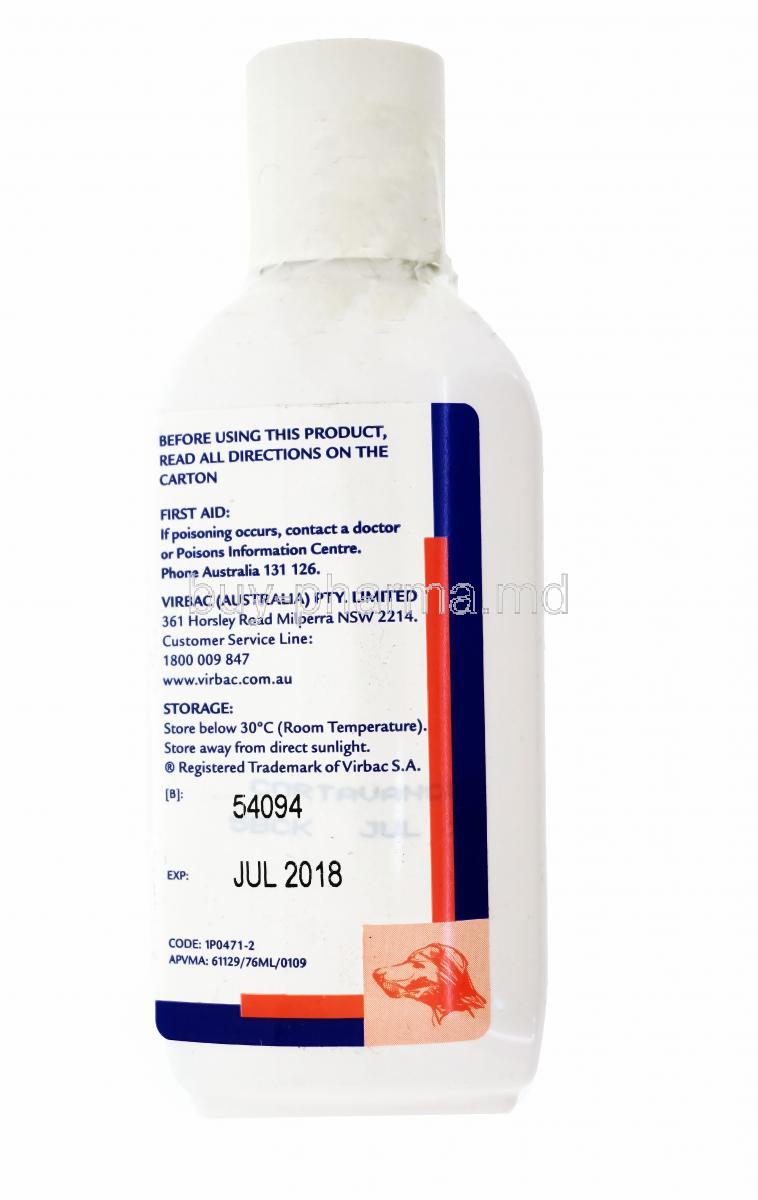
Storage and Shelf-Life Information
Correct storage preserves product stability and efficacy throughout its shelf life.
- Store at recommended room temperature
- Protect from excessive heat and direct light
- Dispose of unused or expired product in accordance with local regulations
Adhering to storage guidelines ensures consistent therapeutic performance and safe disposal.

Popular Products