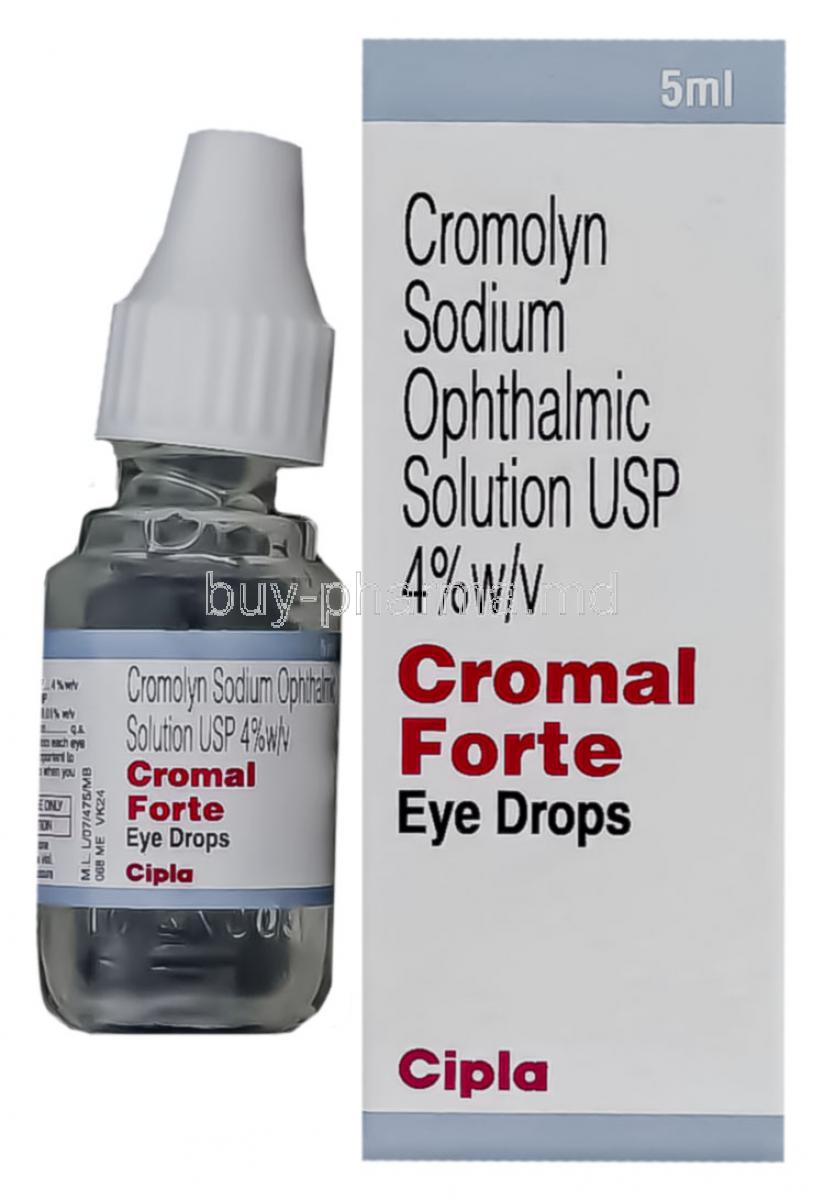
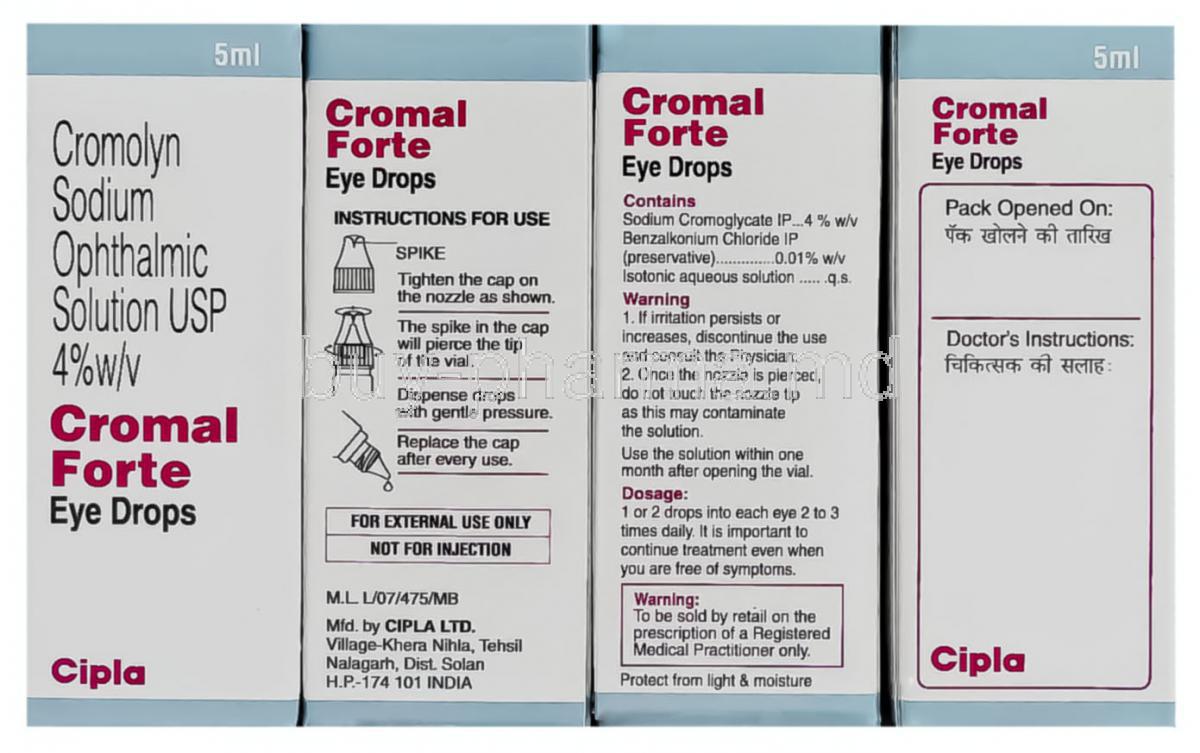
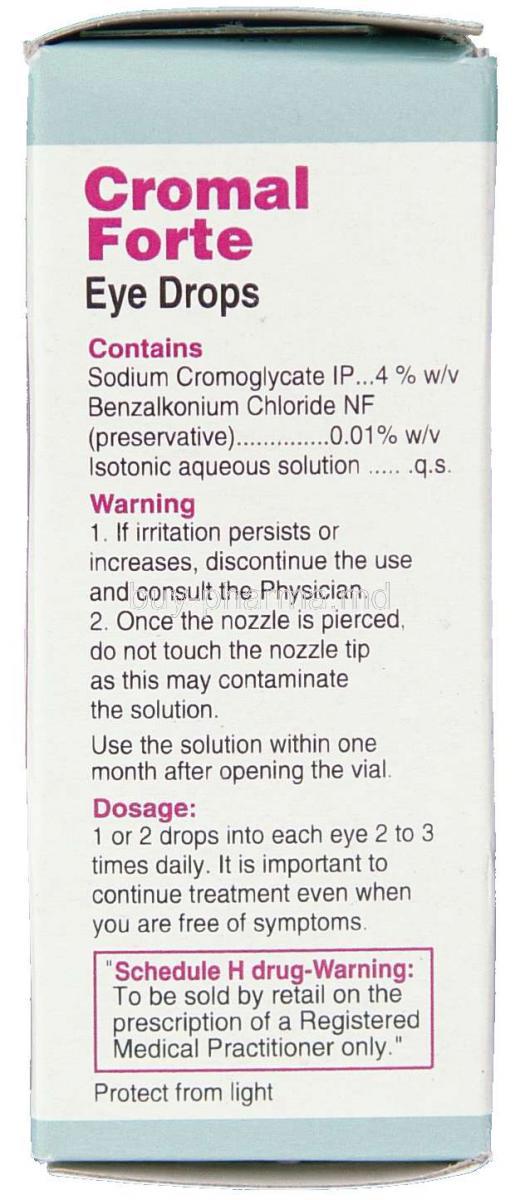
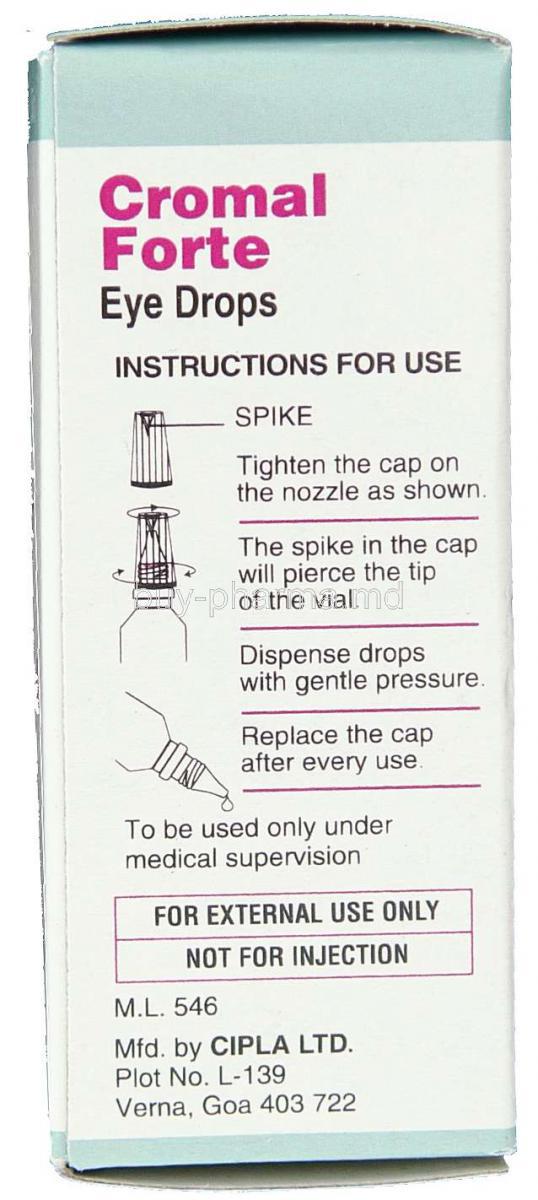
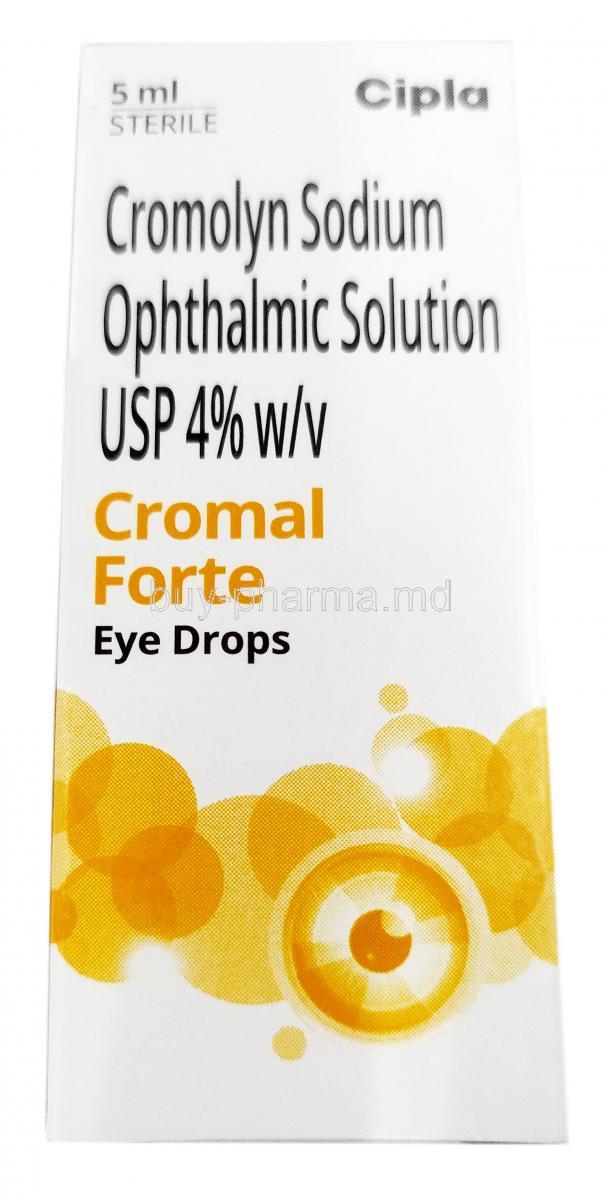
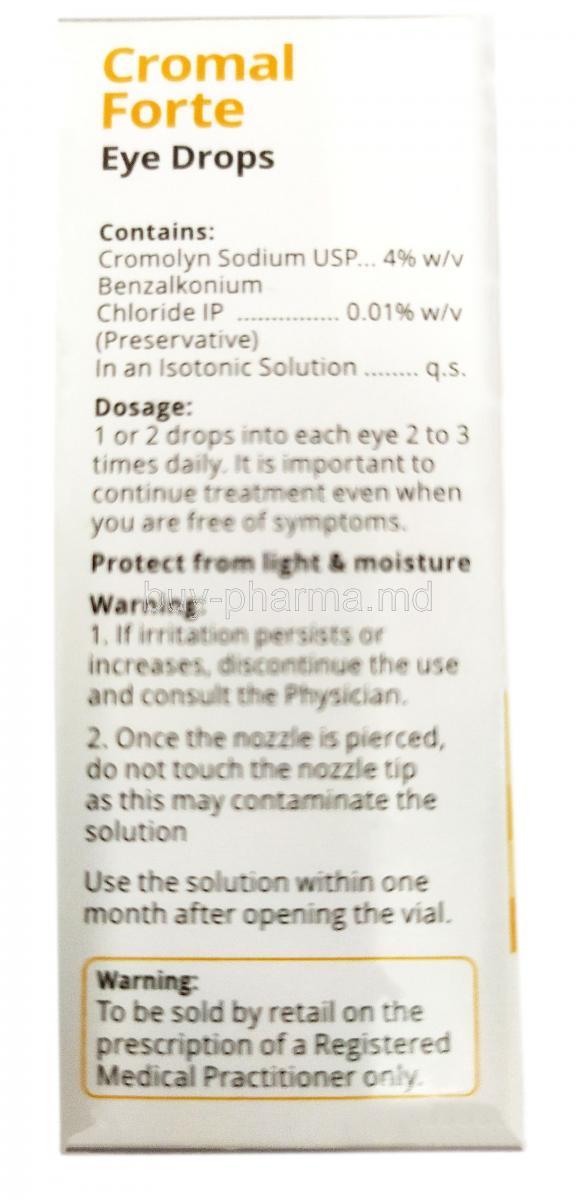
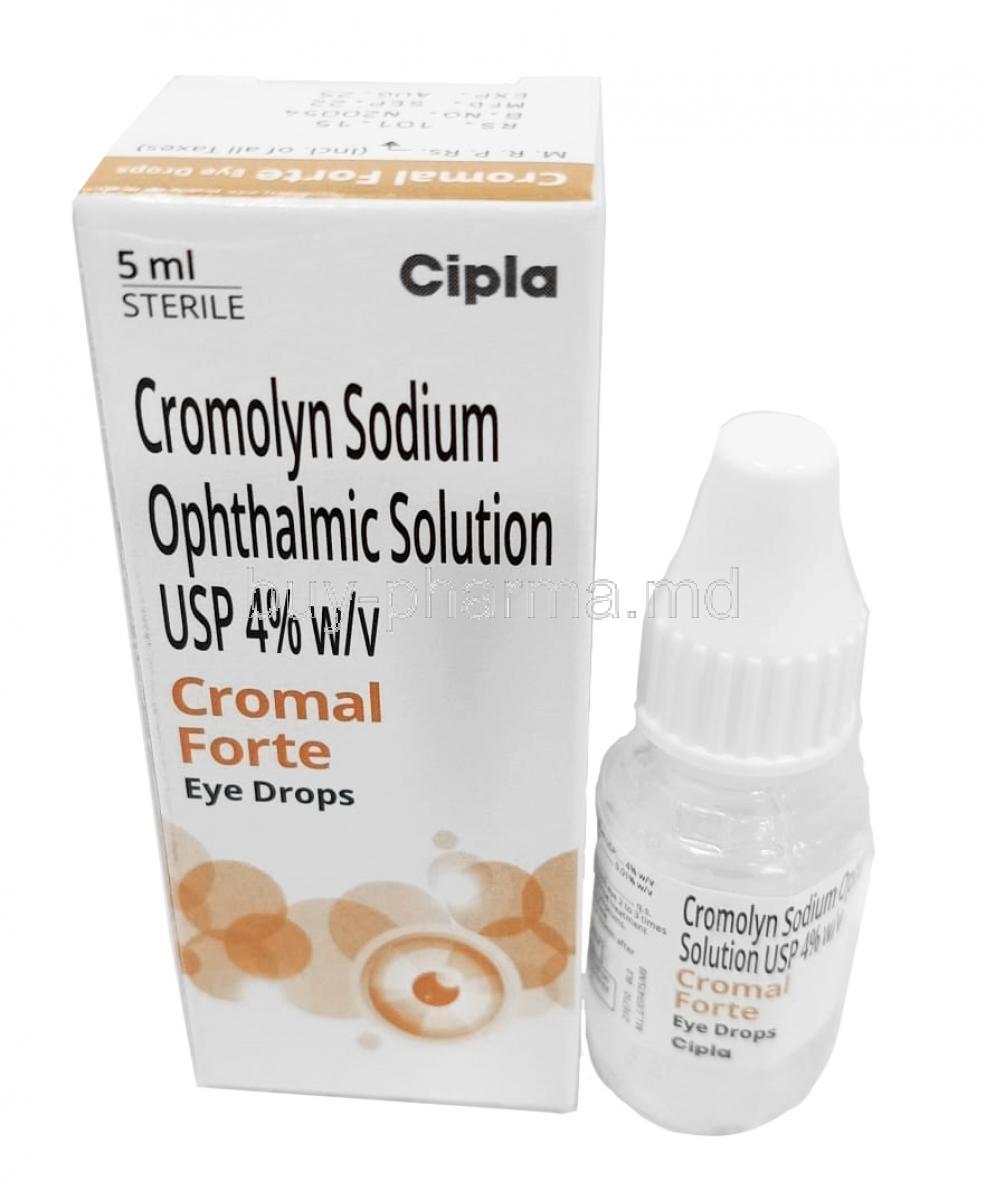
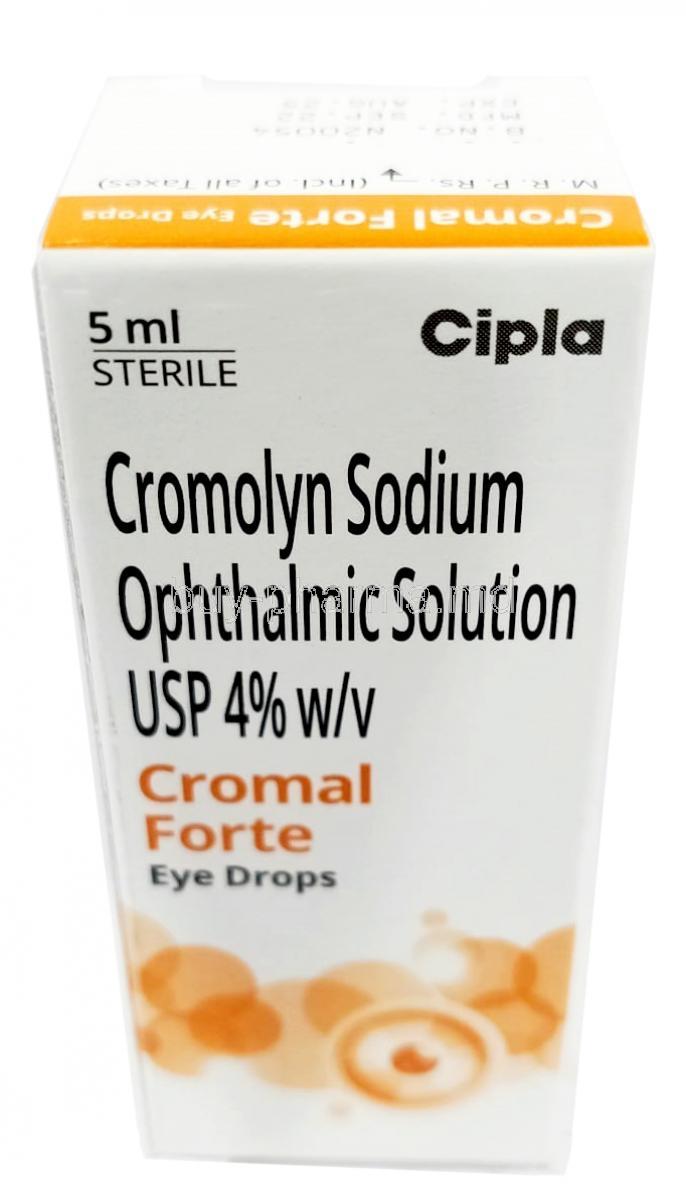
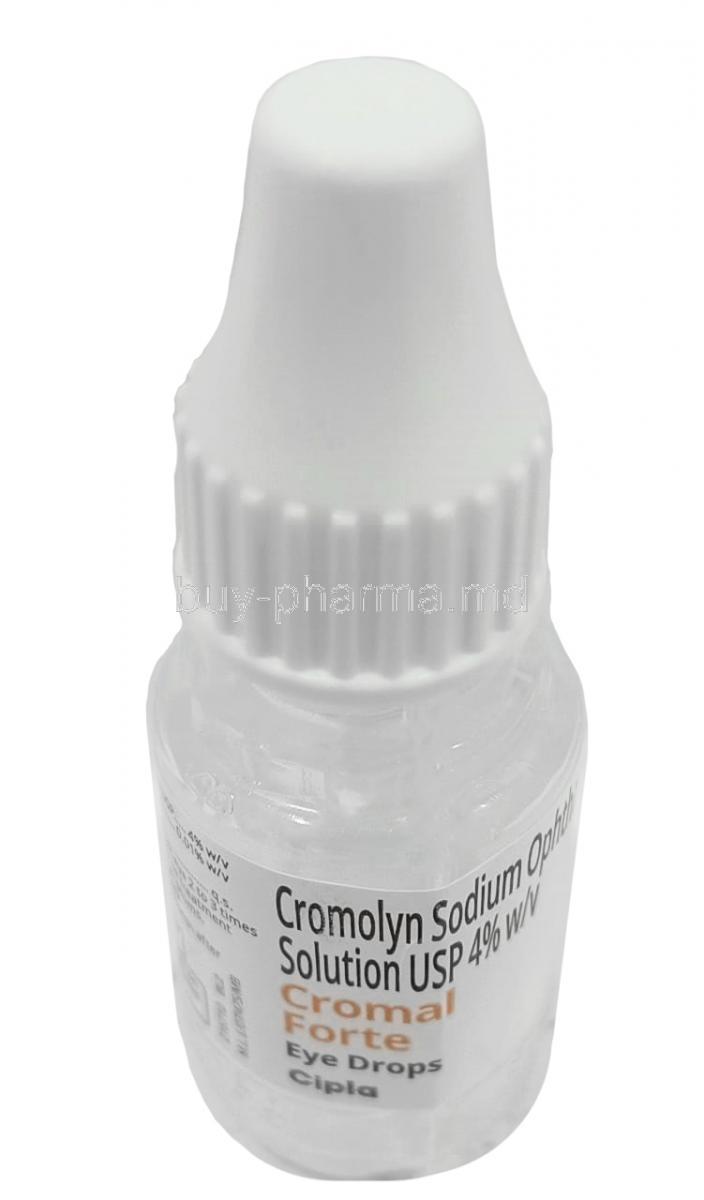
Cromal Forte Eye Drop, Sodium Cromoglycate/Benzalkonium
- Introduction to Cromal Forte Eye Drop
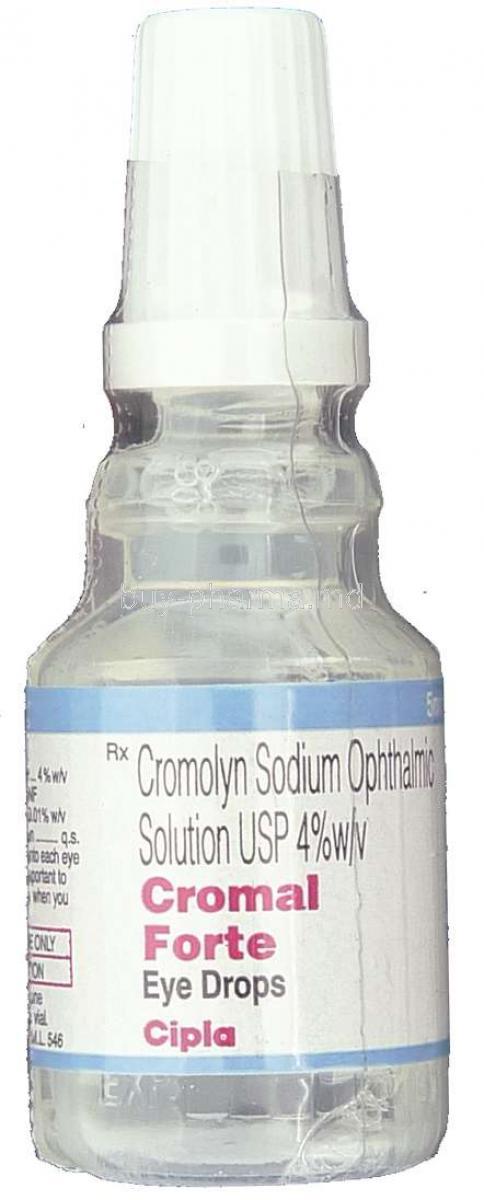
- Composition and Formulation
- Mechanism of Action: How Cromal Forte Works
- Cromal Forte Eye drops Uses
- Off-Label Uses
- Dosage and Administration
- Storage and Handling
- Side Effects of Cromal Forte Eye Drop
- Warnings and Important Precautions
- Contraindications
- Drug and Product Interactions
- Careful Administration in Special Populations
- Overdosage and Emergency Measures
- Handling Precautions
Introduction to Cromal Forte Eye Drop
Overview of Cromal Forte Eye Drop
Cromal Forte Eye Drop is an ophthalmic preparation designed to alleviate allergic reactions affecting the eyes. It is a reliable solution for patients experiencing ocular hypersensitivity, offering relief from irritation, redness, and persistent tearing. Its formulation provides targeted action at the site of inflammation, ensuring effective and sustained results.
Therapeutic class: Mast cell stabilizer with preservative (benzalkonium chloride)
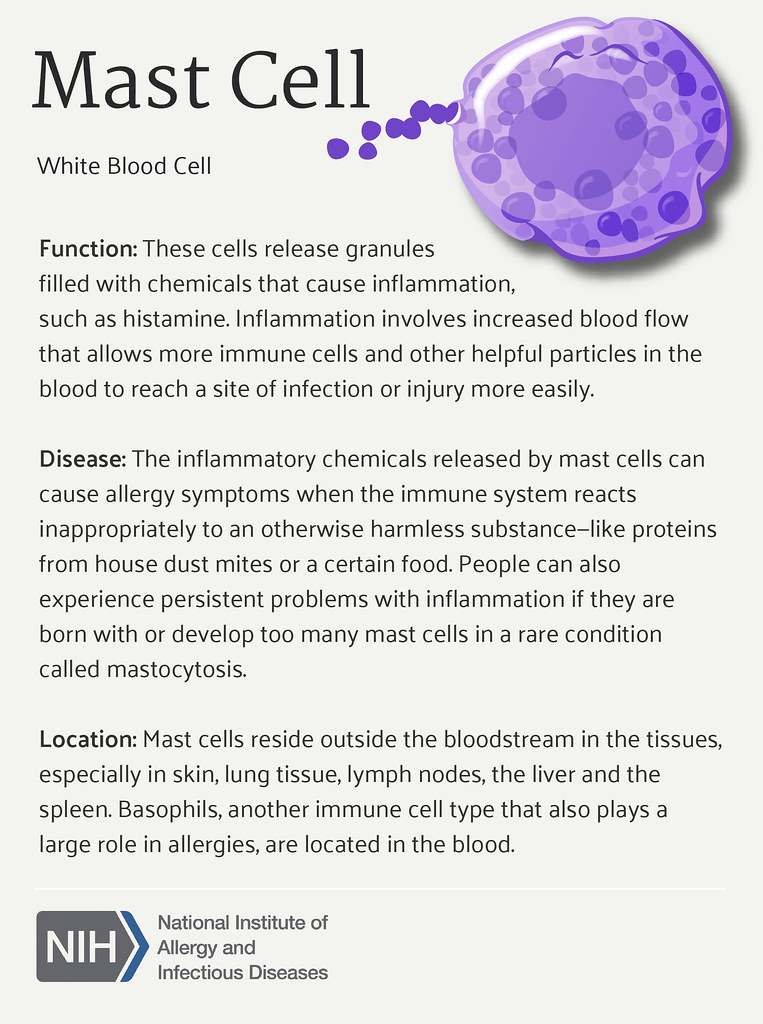
The preparation belongs to the class of mast cell stabilizers. By preventing the release of histamine and other mediators from sensitized mast cells, it mitigates allergic manifestations. The inclusion of benzalkonium chloride acts as a preservative, safeguarding the sterility of the solution throughout its use.
Historical background and approval status
Sodium cromoglycate, the main component, has been a cornerstone in allergy therapy since the late 20th century. Its well-documented efficacy led to widespread approval for ophthalmic use in allergic eye disorders. Today, Cromal Forte Eye Drop is widely recognized in clinical practice as a safe and effective therapeutic option.
Composition and Formulation
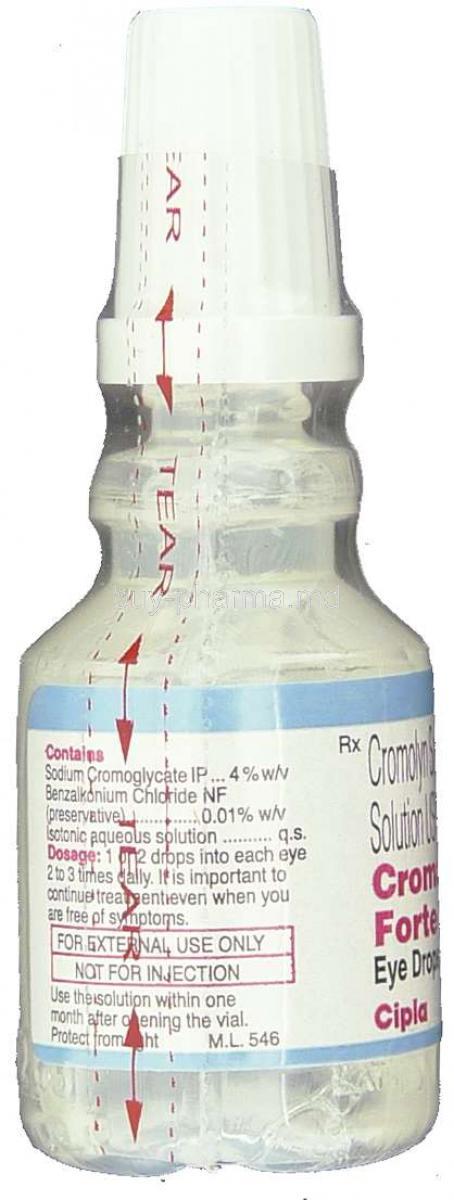
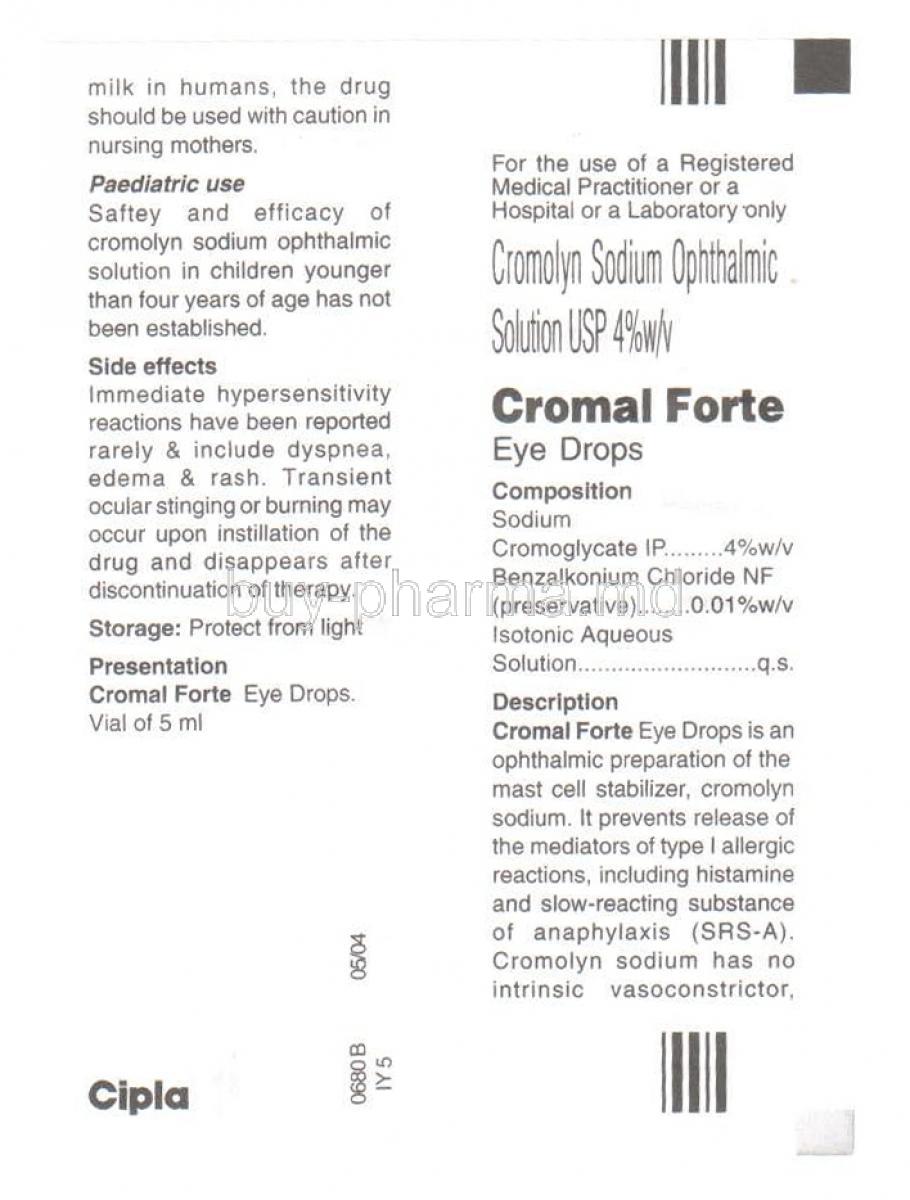
Active ingredient: Sodium Cromoglycate 2%
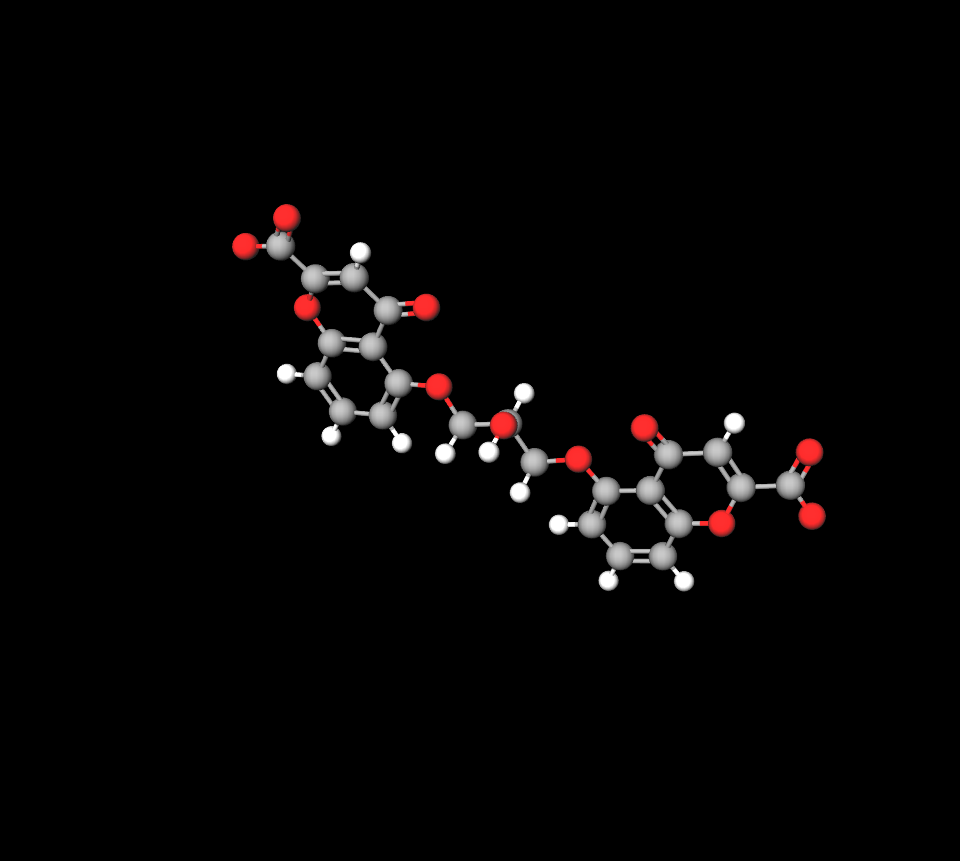
The eye drop contains sodium cromoglycate 2%, a compound that prevents allergic reactions by stabilizing mast cell membranes. Its concentration is carefully calibrated to provide therapeutic benefits while minimizing adverse events.
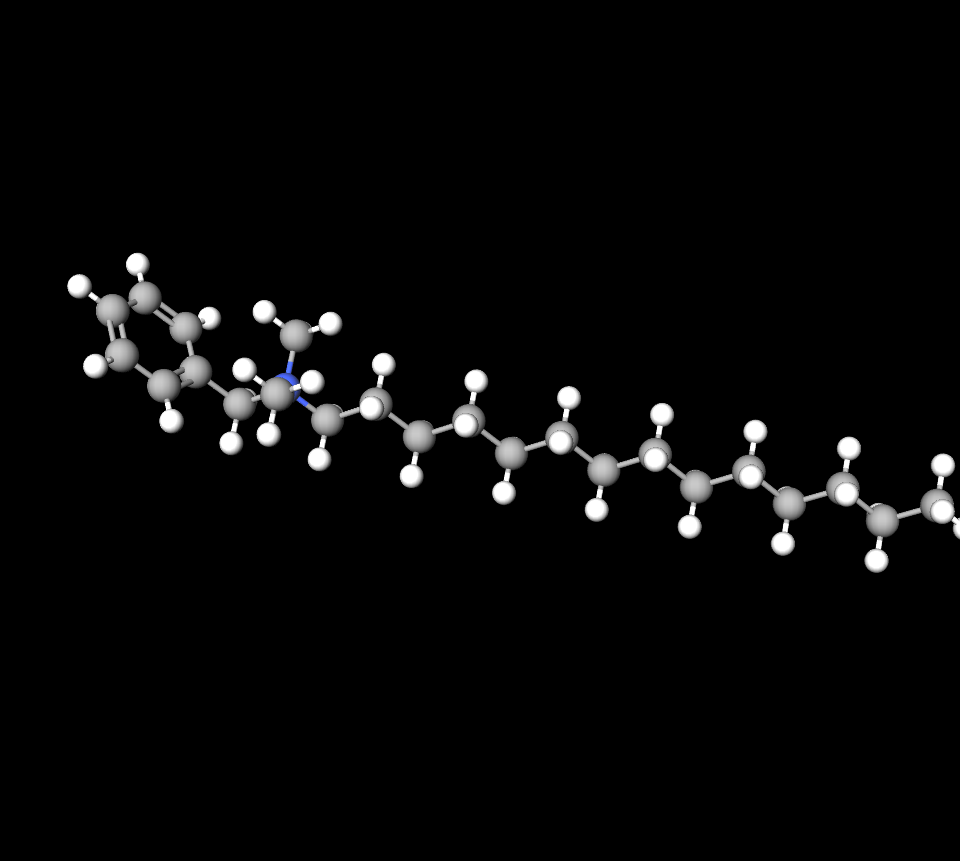
Role of benzalkonium chloride as preservative
Benzalkonium chloride is incorporated to maintain sterility. However, prolonged exposure can occasionally irritate the ocular surface or interact with contact lenses, requiring patients to exercise caution.
Excipients and solution characteristics
The formulation also includes isotonic agents and buffering substances to match the natural pH and osmolarity of tears. This ensures comfort upon instillation and reduces stinging sensations.
Packaging forms and dropper specifications
Cromal Forte Eye Drop is typically available in multi-dose dropper bottles. The design is intended to limit contamination risk and facilitate accurate dosing.
Mechanism of Action: How Cromal Forte Works
Mast cell stabilization and prevention of histamine release
Sodium cromoglycate stabilizes mast cell membranes, thereby preventing the release of histamine, prostaglandins, and leukotrienes. These mediators are central to allergic inflammation and ocular discomfort.

Role in reducing ocular allergy symptoms
By limiting the release of inflammatory mediators, the drops help diminish eye redness, itchiness, excessive tearing, and irritation. The relief is progressive and improves with consistent use.
Onset of action and duration of relief
Relief typically begins within a few days, with optimal effects achieved after several weeks of regular use. Unlike vasoconstrictors, its effect is not immediate but long-lasting when used continuously.
Comparison with antihistamine eye drops
While antihistamines block histamine already released, sodium cromoglycate prevents its release altogether. This makes Cromal Forte especially useful for chronic management of recurrent allergies rather than short-term symptom suppression.
Cromal Forte Eye drops Uses
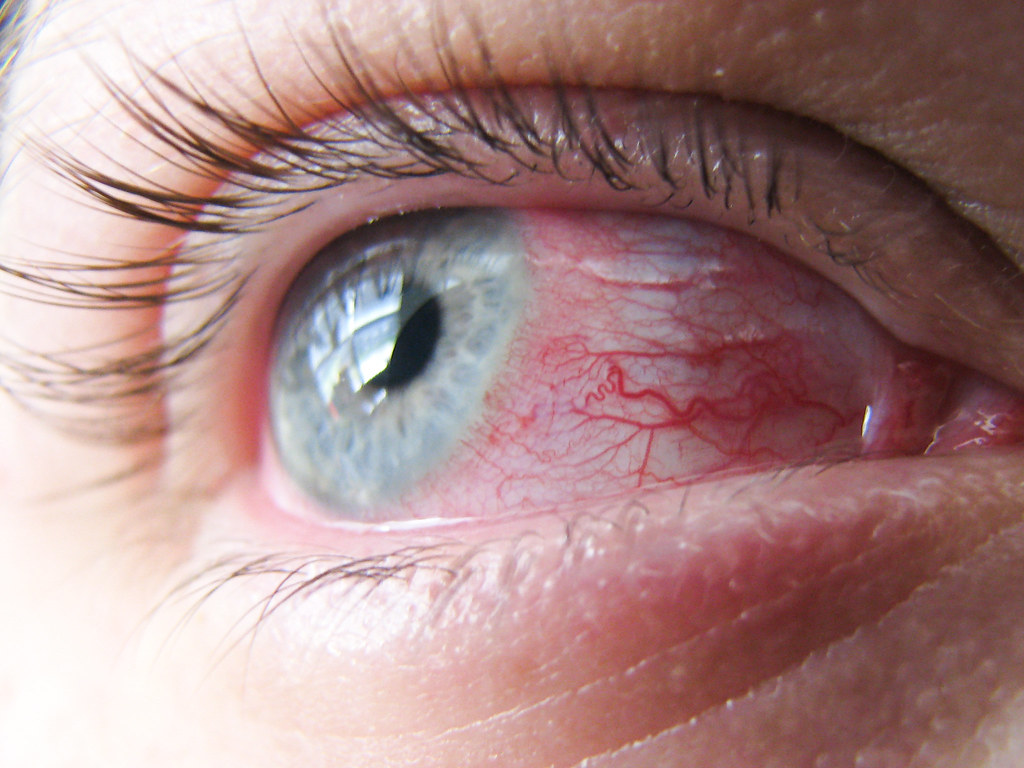
Primary use in allergic conjunctivitis
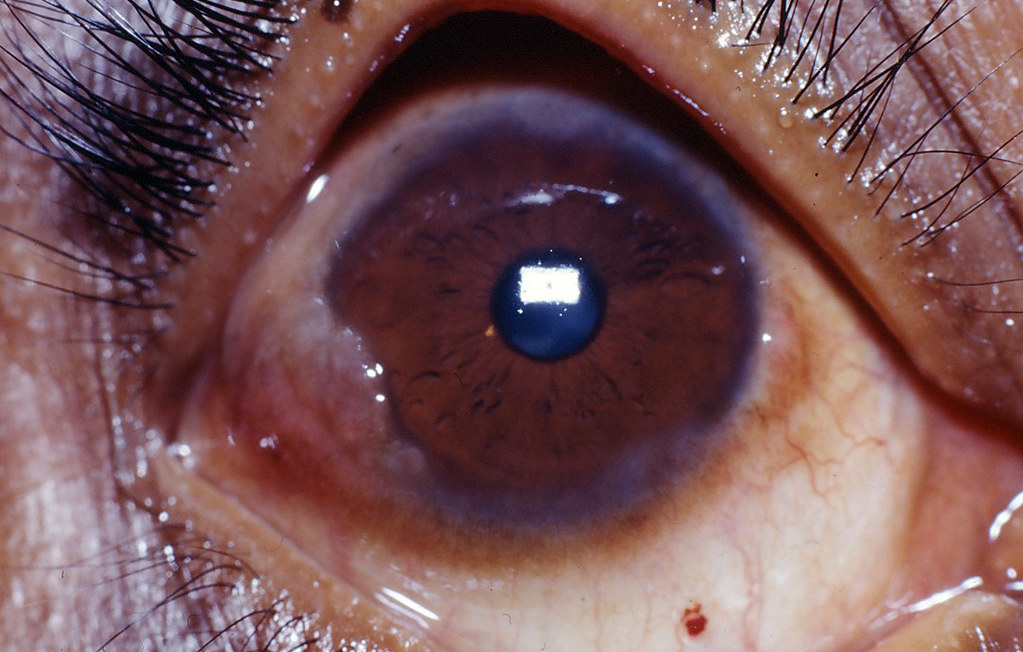
Treatment of vernal keratoconjunctivitis
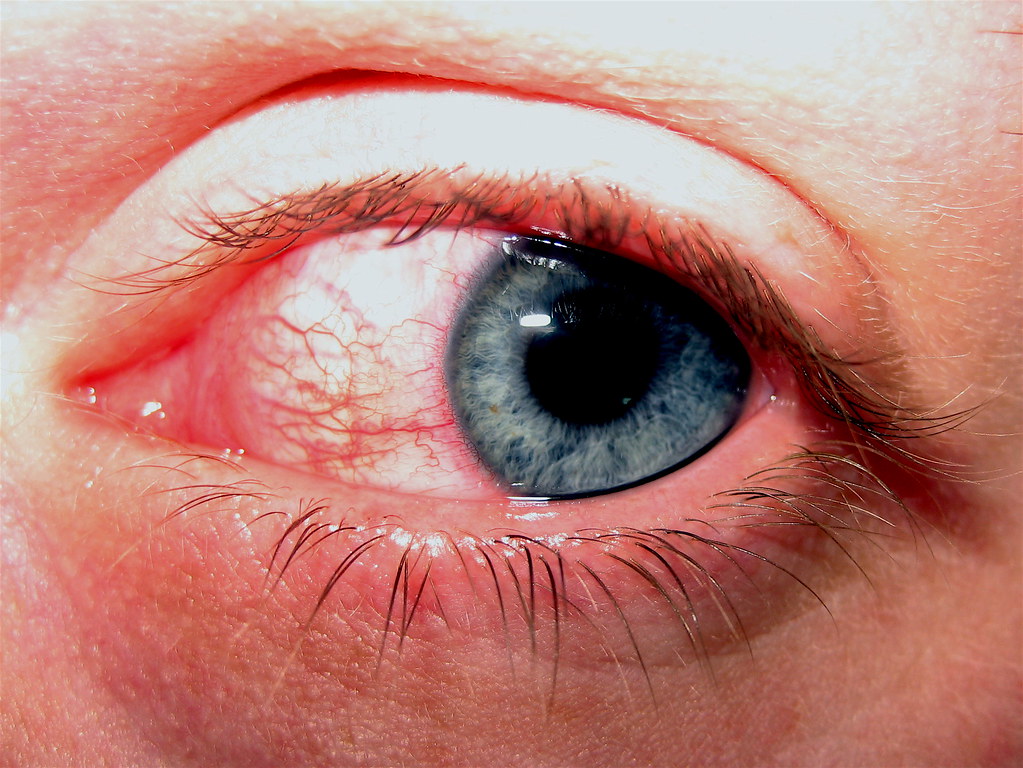
Use in seasonal and perennial allergic eye disorders

Relief of eye redness, itching, tearing, and burning sensation
Patients benefit from comprehensive relief of hallmark allergy symptoms, allowing for improved comfort in daily life.
Off-Label Uses
Management of giant papillary conjunctivitis in contact lens wearers
Adjunctive therapy in atopic keratoconjunctivitis
Experimental use in other ocular hypersensitivity conditions
Researchers continue to explore its role in less common ocular inflammatory conditions where mast cells play a contributory role.
Dosage and Administration
Standard dosage for adults and children
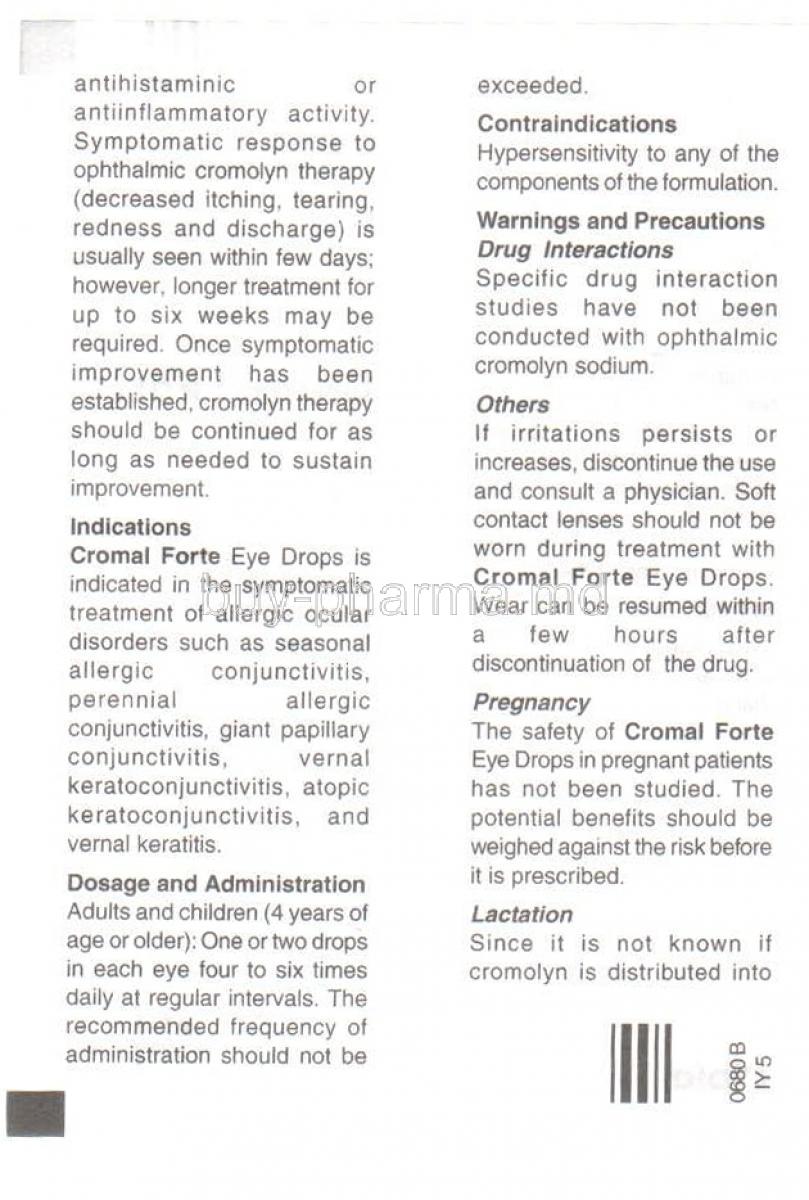
The usual dosage is one or two drops instilled into the affected eye(s) four times daily. Dosage can be adjusted by the physician depending on symptom severity.
Frequency of administration and treatment duration
Regular and consistent use is essential for effectiveness. Treatment is often continued throughout allergy seasons or for chronic exposure to allergens.
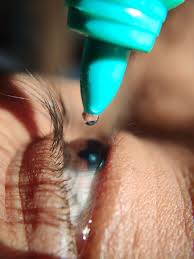
Technique for applying eye drops correctly
- Wash hands thoroughly before application.
- Tilt the head backward and gently pull down the lower eyelid.
- Instill a drop into the conjunctival sac without touching the eye surface.
Adjustments for contact lens users
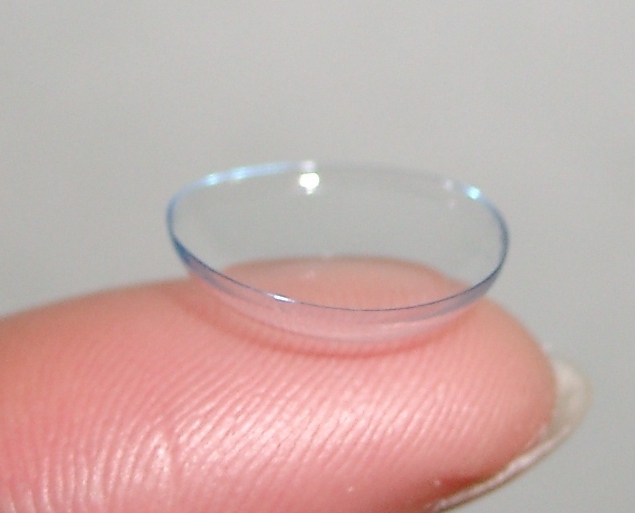
Contact lenses should be removed prior to instillation and reinserted only after 15 minutes to avoid interaction with benzalkonium chloride.
Missed dose instructions
If a dose is missed, it should be applied as soon as remembered unless the next dose is near. Double dosing should be avoided.
Storage and Handling
Recommended storage temperature and conditions
Store at room temperature, away from direct heat sources. Avoid freezing the solution.
Light and moisture protection
Keep the bottle tightly closed to shield from excess moisture and light exposure.
Shelf life after opening
The solution should be discarded within four weeks of opening to prevent microbial growth.
Safe handling of the dropper to prevent contamination
Avoid contact between the dropper tip and any surface, including the eye or fingers, to maintain sterility.
Side Effects of Cromal Forte Eye Drop
Overview of potential adverse reactions
Most side effects are mild and transient. Severe events are rare but possible.
Common side effects: transient burning, stinging, watery eyes
These usually subside after continued use as the eyes adjust to the formulation.
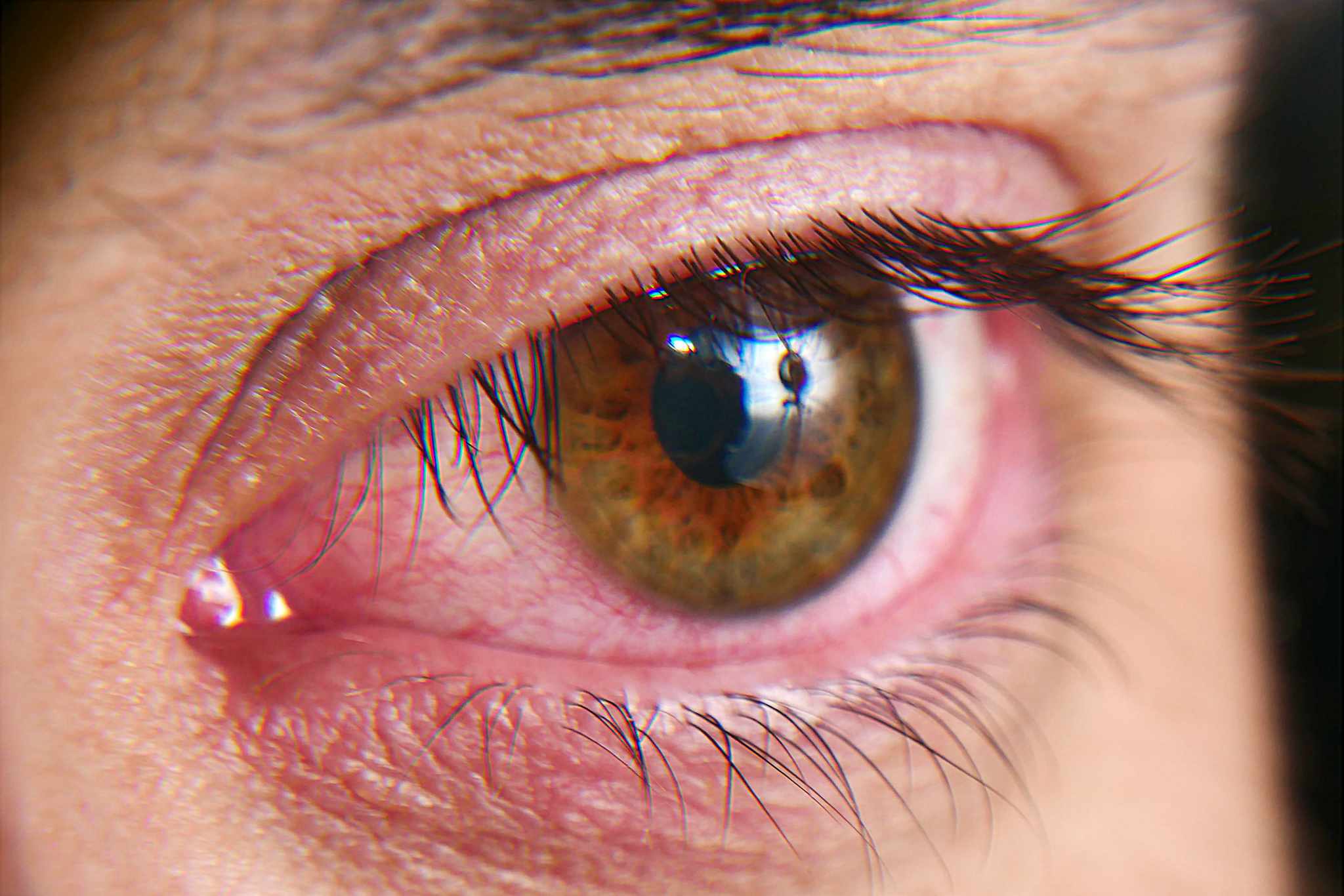
Less common side effects: blurred vision, eye dryness, eyelid irritation
Rare but serious adverse effects
Though rare, severe hypersensitivity reactions may develop. Medical advice should be sought if symptoms worsen.
Warnings and Important Precautions
Avoiding contamination of the dropper tip
Contact with external surfaces can lead to bacterial contamination and ocular infection.

Risk of benzalkonium chloride causing eye irritation or contact lens discoloration
Benzalkonium chloride may cause soft contact lenses to discolor or deteriorate. Patients should follow recommended lens-handling precautions.
Caution in patients with chronic eye disease
Individuals with chronic eye surface disorders should consult a physician before prolonged use of the product.
Importance of discontinuing if hypersensitivity occurs
If persistent swelling, redness, or pain develops, discontinuation is advised and medical evaluation is necessary.
Contraindications
Hypersensitivity to sodium cromoglycate or benzalkonium chloride
Cromal Forte Eye Drops must not be used by individuals with a known hypersensitivity to sodium cromoglycate or benzalkonium chloride. Exposure in such patients can trigger significant allergic responses, ranging from localized irritation to systemic manifestations.
History of severe allergic reaction to preservatives in eye medications
Patients with a prior history of severe allergic reactions to ophthalmic preservatives should avoid this product. Symptoms such as marked eyelid swelling, ocular pain, or anaphylaxis are contraindications for further use.
Drug and Product Interactions
Potential interaction with other ophthalmic preparations
The concurrent use of multiple eye medications may alter absorption or effectiveness. Overlapping ingredients can heighten irritation or reduce therapeutic outcomes.
Recommended time interval between multiple eye drop therapies
To minimize dilution or washout of active components, a minimum interval of 5-10 minutes is recommended between the application of different ophthalmic agents.
Influence of benzalkonium chloride on contact lenses
Benzalkonium chloride may bind to soft contact lenses, leading to discoloration, irritation, or lens deterioration. Patients are advised to remove lenses before instillation and reinsert them after 15 minutes.
Careful Administration in Special Populations
Administration to Elderly Patients
Elderly patients often face polypharmacy, raising the likelihood of drug interactions. Additionally, age-related ocular surface changes may increase susceptibility to dryness and irritation.
- Review concurrent medications for compatibility.
- Assess ocular surface regularly for signs of chronic irritation.
- Consider alternative formulations if intolerance develops.
Administration to Pregnant Women and Nursing Mothers
Available safety data on sodium cromoglycate during pregnancy indicate low systemic absorption, but risk-benefit assessment remains essential. Caution should always guide prescribing in expectant mothers.
- Transfer into breast milk is minimal, but vigilance is advised in lactating women.
- No evidence suggests harmful effects on infants, though monitoring is prudent.
- Medical professionals recommend use only when the therapeutic need clearly outweighs potential risks.
Administration to Children
Sodium cromoglycate is generally safe in pediatric patients with allergic conjunctivitis. Proper dosing and parental supervision remain vital to ensuring safe use.
- Usual pediatric dosing mirrors adult regimens: one to two drops up to four times daily.
- Children should be monitored for local irritation or difficulty in tolerating instillation.
- Long-term safety is well established, particularly in seasonal allergy treatment.
Overdosage and Emergency Measures
Symptoms of accidental overdose (topical and oral)
Topical overdose typically produces localized irritation such as excessive tearing, stinging, or redness. Accidental ingestion may cause mild gastrointestinal upset, nausea, or abdominal discomfort.
First aid and medical intervention
If topical overdose occurs, rinsing the eyes with clean water can reduce irritation. Ingestion should be managed with supportive care and hydration. Immediate medical evaluation is recommended for persistent symptoms.
Supportive care recommendations
No specific antidote exists. Supportive measures include ocular irrigation, monitoring for allergic manifestations, and symptomatic treatment as required.
Handling Precautions
Instructions for hygienic application
Hands should be washed thoroughly before application. The dropper tip should not come into contact with the eye, skin, or any surface to maintain sterility.
Avoiding bottle contamination
Any accidental contact of the nozzle with surfaces can introduce pathogens, increasing the risk of secondary eye infections.
Guidance for patients using contact lenses
Remove soft lenses before applying the drops. Wait at least 15 minutes before reinserting to minimize preservative absorption by the lens material.
Safe disposal of used or expired eye drop bottles
Expired bottles should not be used beyond the recommended period, typically four weeks after opening. Dispose of unused medication in accordance with local pharmaceutical waste guidelines.
Cromal Forte Eye Drop, Sodium Cromoglycate/Benzalkonium FAQ
- Is Cromal Forte a steroid?
- How long does it take for Cromal Forte to work?
- What is the use of Cromal Forte eye drops?
- What are the side effects of Cromal Forte eye drops?
- What is sodium cromoglycate eye drops used for?
- What is the role of benzalkonium chloride in eye drops?
- How many times a day can you use sodium cromoglicate eye drops?
- Is benzalkonium safe for eyes?
- What age can you use sodium cromoglycate eye drops?
- How long does it take for sodium cromoglicate eye drops to work?
- Is benzalkonium a steroid?
- What are the side effects of benzalkonium?
- Is sodium cromoglicate good for eyes?
- What are the benefits of sodium cromoglycate?
- Is benzalkonium an anti-fungal?
- Can you be allergic to benzalkonium?
- How do benzalkonium chloride eye drops work?
Is Cromal Forte a steroid?
Cromal Forte Eye Drop is a mast cell stabilizer. It acts on specific cells in the body (mast cells) to prevent them from releasing substances that lead to allergic symptoms like red, itchy, and watery eyes.
How long does it take for Cromal Forte to work?
The precise time it takes for Cromal Forte Eye Drop to show effects is not established. Nevertheless, many individuals begin to experience symptom relief within a few days of consistent use, although in some instances, it may require several weeks for complete improvement.
What is the use of Cromal Forte eye drops?
Cromal Forte Eye Drops 5 ml are designed to alleviate eye redness, itching, and watery eyes resulting from allergies like hay fever, pet dander, and house dust mites. An allergy is the immune system's reaction to foreign substances that are usually harmless to the body.
What are the side effects of Cromal Forte eye drops?
Stinging or burning sensations in the eyes, blurred vision, and eye discomfort.
What is sodium cromoglycate eye drops used for?
To manage allergic conjunctivitis, a condition caused by hay fever, dust mites, and various other allergens.
What is the role of benzalkonium chloride in eye drops?
Benzalkonium chloride is the most frequently utilized preservative in eye drops.
How many times a day can you use sodium cromoglicate eye drops?
4
Is benzalkonium safe for eyes?
Benzalkonium chloride has been known to lead to eye irritation, symptoms of dry eyes, and may impact the tear film and corneal surface.
What age can you use sodium cromoglycate eye drops?
6 years and up
How long does it take for sodium cromoglicate eye drops to work?
2 weeks
Is benzalkonium a steroid?
No
What are the side effects of benzalkonium?
Signs of an allergic reaction include rash; hives; itching; red, swollen, blistered, or peeling skin, with or without fever; wheezing; tightness in the chest or throat; difficulty breathing, swallowing, or speaking; unusual hoarseness; or swelling of the mouth, face, lips, tongue, or throat.
Is sodium cromoglicate good for eyes?
Sodium Cromoglicate Eye Drops are utilized to alleviate red, watery, itchy eyes resulting from allergies like hay fever, house dust mites, and pet dander.
What are the benefits of sodium cromoglycate?
Sodium cromoglicate eye drops prevent the release of natural substances (like histamine) in your body that trigger allergic reactions.
Is benzalkonium an anti-fungal?
Benzalkonium chloride is a chlorine-derived chemical compound known for its effective antimicrobial properties against bacteria, viruses, and fungi.
Can you be allergic to benzalkonium?
Yes
How do benzalkonium chloride eye drops work?
It works by disrupting the membranes of bacterial cells and is present in over half of all topical ophthalmic treatments.
Customers also bought
Similar Product