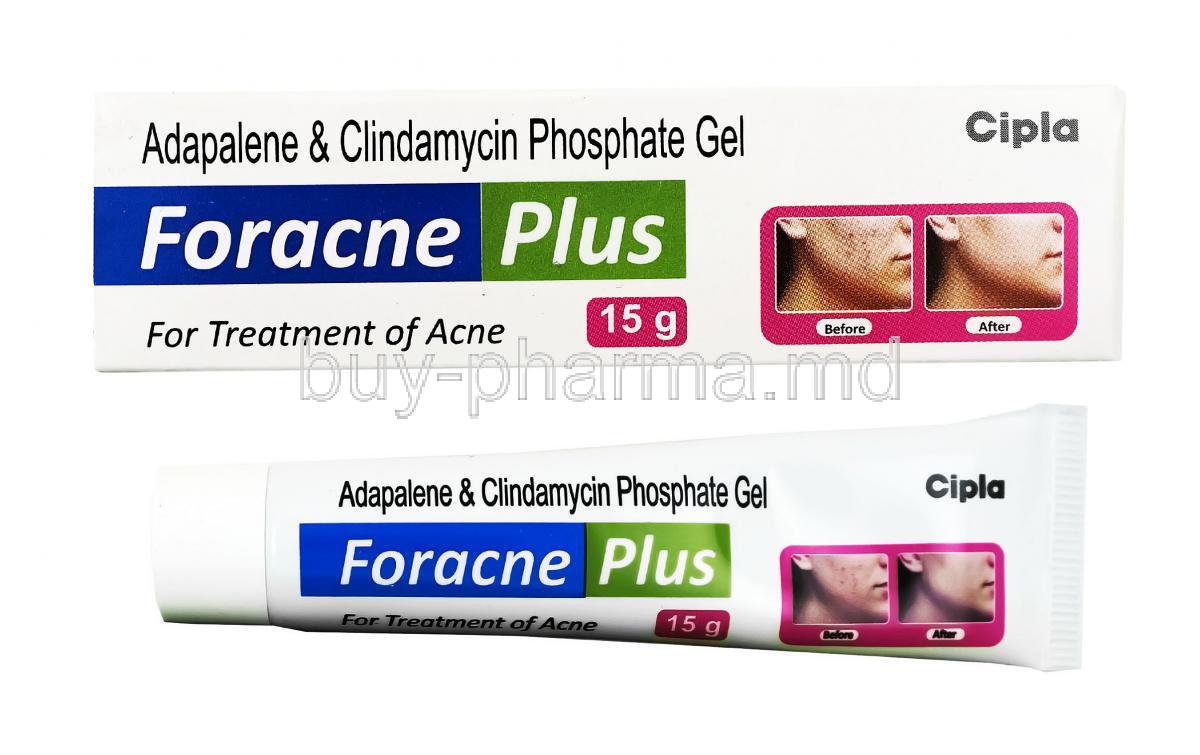
1. Introduction to Foracne Plus (Adapalene/Clindamycin)
1.1 Overview of Combination Acne Therapy
Foracne Plus represents a modern, dual-action dermatological preparation designed to address acne at multiple pathological levels. It merges a topical retinoid with an antibiotic, creating a formulation that targets both the structural and microbial contributors to acne. This combinational approach is increasingly favored in clinical dermatology due to its ability to provide comprehensive lesion control.
Short-term improvement is often noticeable. Long-term outcomes, however, depend on adherence and consistent application.
1.2 Therapeutic Classification (Topical Retinoid + Antibiotic)
This medication belongs to a specialized class of topical therapies combining:
- Retinoids – agents that normalize epithelial cell turnover
- Antibiotics – compounds that suppress bacterial proliferation
Such a classification underscores its dual pharmacodynamic profile. It is neither purely keratolytic nor solely antimicrobial—it is both.
1.3 Indications for Dermatological Use
Foracne Plus is indicated for the treatment of acne vulgaris, particularly in patients presenting with mixed lesions. These include inflammatory papules and pustules, as well as non-inflammatory comedones. Dermatologists frequently recommend it as a first-line or adjunctive therapy.
1.4 Target Patient Population and Skin Types
The formulation is suitable for a wide demographic spectrum, including adolescents and adults. It is particularly beneficial for:
- Individuals with oily or combination skin
- Patients with recurrent acne episodes
- Those prone to clogged pores and inflammatory lesions
2. Composition and Formulation
2.1 Active Ingredients: Adapalene and Clindamycin
The therapeutic efficacy of Foracne Plus is derived from two principal agents:
- Adapalene – a third-generation synthetic retinoid
- Clindamycin – a lincosamide antibiotic
Each component exerts distinct yet complementary pharmacological effects.
2.2 Mechanism-Enhancing Synergistic Combination
The formulation is engineered to maximize synergy. Adapalene facilitates follicular penetration, enhancing the delivery of clindamycin into pilosebaceous units. Concurrently, the antibiotic reduces bacterial load, thereby diminishing inflammatory cascades.
2.3 Available Strengths and Dosage Forms (Gel, Cream)
Foracne Plus is commonly available in topical gel or cream formulations. The gel variant is often preferred for oily skin due to its lightweight consistency, whereas the cream offers enhanced hydration for drier skin types.
2.4 Inactive Ingredients and Base Formulation
The base formulation typically includes stabilizers, emulsifiers, and humectants. These excipients ensure:
- Uniform drug across the skin
- Improved texture and spreadability
- Enhanced patient compliance
Adapalene vs tretinoin
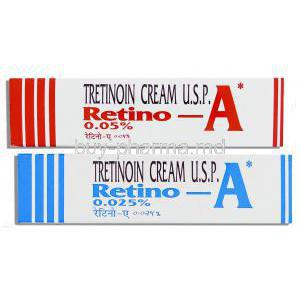
Adapalene (e.g., Differin) and tretinoin (e.g., Retin-A) are effective topical retinoids for acne, but differ in strength and purpose. Tretinoin is stronger, prescription-only, and superior for anti-aging. Adapalene is OTC, gentler, and more stable, making it ideal for sensitive skin and acne. Tretinoin is generally better for wrinkles/severe acne.
Adapalene vs retinol
Adapalene is a stronger, third-generation retinoid designed primarily to treat acne by directly binding to skin receptors, while retinol is a milder, OTC derivative better suited for long-term anti-aging and gentle texture improvement. Adapalene is more effective for breakouts; retinol is preferred for wrinkles.
Adapalene vs. Benzoyl Peroxide
Adapalene is a topical retinoid that accelerates cell turnover to unclog pores and treat non-inflammatory acne (blackheads/whiteheads), while benzoyl peroxide is an antiseptic that kills acne-causing bacteria, making it ideal for inflammatory acne. Adapalene works best for prevention and texture, whereas benzoyl peroxide acts faster on red bumps.
3. Mechanism of Action: How Foracne Plus Works
3.1 Adapalene: Retinoid Activity and Keratinization Regulation
Adapalene modulates cellular differentiation and keratinization. It prevents the formation of microcomedones—the precursor lesions of acne. Its affinity for retinoic acid receptors results in selective activity with reduced irritation compared to older retinoids.
3.2 Clindamycin: Antibacterial Action Against Cutibacterium acnes
Clindamycin inhibits bacterial protein synthesis by binding to the 50S ribosomal subunit. This effectively suppresses Cutibacterium acnes, the microorganism implicated in acne pathogenesis.
3.3 Anti-Inflammatory Effects and Reduction of Lesions
Beyond antimicrobial action, both components exert anti-inflammatory effects. They reduce cytokine release and mitigate erythema, leading to visible improvement in inflamed lesions.
3.4 Prevention of Comedone Formation and Pore Blockage
The normalization of desquamation prevents follicular obstruction. In simple terms, pores remain clear. This significantly reduces the recurrence of acne lesions.
4. Uses of Foracne Plus
4.1 Primary Use: Treatment of Acne Vulgaris
The principal indication is acne vulgaris, a multifactorial skin disorder characterized by sebaceous hyperactivity and follicular occlusion.
4.2 Management of Inflammatory Acne (Papules and Pustules)
Inflammatory lesions respond particularly well due to the antibiotic component. Reduction in swelling and redness is often rapid.
4.3 Treatment of Non-Inflammatory Acne (Blackheads and Whiteheads)
Adapalene effectively clears comedonal lesions by promoting cellular turnover and preventing keratin plug formation.
4.4 Maintenance Therapy to Prevent Acne Recurrence
Long-term use, under supervision, helps maintain remission. It minimizes relapse rates and stabilizes skin condition.
4.5 Use in Mild to Moderate Acne Conditions
The formulation is particularly suited for mild to moderate acne severity. Severe cases may require adjunctive systemic therapy.
5. Expanded and Off-Label Uses
5.1 Adjunctive Treatment for Hormonal Acne
In hormonally driven acne, this medication serves as an adjunct to systemic therapies such as oral contraceptives or anti-androgens.
5.2 Management of Acne in Polycystic Ovary Syndrome (PCOS)
Patients with PCOS often experience persistent acne. Foracne Plus can assist in controlling cutaneous manifestations alongside endocrine management.
5.3 Treatment of Acne-Related Hyperpigmentation (Post-Inflammatory)
By accelerating epidermal turnover, adapalene aids in the gradual fading of post-inflammatory hyperpigmentation.
5.4 Use in Folliculitis (Bacterial Hair Follicle Inflammation)
The antibacterial action extends utility to superficial folliculitis, reducing microbial colonization and inflammation.
5.5 Early Intervention in Adolescent Acne Prevention
Early use may prevent progression to severe acne. It interrupts the pathogenic cycle at an initial stage.
5.6 Off-Label Use for Keratosis Pilaris
Adapalene’s keratolytic properties can improve the texture of keratosis pilaris, though this remains an off-label application.
5.7 Role in Reducing Acne Scarring Risk
By controlling inflammation and preventing lesion formation, the medication indirectly reduces the likelihood of scarring.
6. Dosage and Administration Guidelines
6.1 Recommended Application Frequency and Timing
Typically applied once daily, preferably at night. Nighttime application minimizes photodegradation and irritation.
6.2 Step-by-Step Application Instructions
- Cleanse the skin with a mild, non-irritating cleanser
- Pat dry completely
- Apply a thin layer to affected areas
- Avoid sensitive regions such as eyes and lips
6.3 Duration of Treatment and Expected Results Timeline
Initial improvement may occur within 2–4 weeks. Optimal results often require consistent use over 8–12 weeks.
6.4 Adjustments Based on Skin Sensitivity
Patients with sensitive skin may begin with alternate-day application. Gradual escalation enhances tolerability.
6.5 Missed Dose and Reapplication Guidance
If a dose is missed, it should not be doubled. Resume the regular schedule at the next application time.
7. Side Effects of Foracne Plus
7.1 Overview of Potential Adverse Reactions
Adverse effects are generally localized and transient. They are most prominent during the initial phase of therapy.
7.2 Common Side Effects (Mild and Transient)
- Skin dryness
- Redness (erythema)
- Peeling and irritation
- Burning or stinging sensation
7.3 Less Common but Notable Side Effects
- Photosensitivity
- Skin discoloration
- Contact dermatitis
7.4 Rare and Serious Reactions
- Severe allergic reactions
- Antibiotic-associated colitis (rare systemic absorption risk)
8. Drug Interactions and Compatibility
8.1 Interaction with Other Topical Acne Treatments
Concurrent use with other topical agents may increase irritation. Careful scheduling is recommended.
8.2 Concomitant Use with Benzoyl Peroxide or Salicylic Acid
These agents may be used cautiously. Alternating application times can mitigate irritation.
8.3 Interaction with Systemic Antibiotics
Combined use may enhance antibacterial efficacy but should be guided by a healthcare professional.
8.4 Avoidance with Irritating Cosmetic Products
Products containing alcohol, astringents, or exfoliants should be minimized to prevent cumulative irritation.
8.5 Impact of Sun Exposure and UV Treatments
Sun exposure may exacerbate irritation. Photoprotection is essential during treatment.
9. Warnings and Safety Considerations
9.1 Risk of Skin Irritation and Sensitivity
Initial irritation is common. Gradual acclimatization typically occurs with continued use.
9.2 Antibiotic Resistance Concerns with Clindamycin
Prolonged or inappropriate use may contribute to bacterial resistance. Judicious use is imperative.
9.3 Sunburn Risk and Photoprotection Measures
Use of sunscreen and protective clothing is strongly advised during therapy.
9.4 Avoidance of Broken or Eczematous Skin
Application on compromised skin can exacerbate irritation and systemic absorption risks.
9.5 Long-Term Use Considerations
Long-term therapy should be periodically reviewed to assess efficacy and safety.
10. Contraindications
10.1 Hypersensitivity to Adapalene or Clindamycin
Patients with known hypersensitivity should avoid use to prevent adverse reactions.
10.2 History of Antibiotic-Associated Colitis
Clindamycin has been associated with colitis. Caution is warranted in susceptible individuals.
10.3 Patients with Regional Enteritis or Ulcerative Colitis
Underlying gastrointestinal conditions may increase risk of complications.
10.4 Severe Skin Conditions (e.g., Eczema, Rosacea Flare)
Use in such conditions may worsen symptoms and is generally contraindicated.
10.5 Use in Individuals with Known Retinoid Intolerance
11. Careful Administration (Use with Caution)
11.1 Patients with Sensitive or Dry Skin Types
Individuals with inherently sensitive or xerotic skin may experience amplified irritation when initiating therapy. The retinoid component, while efficacious, can disrupt the epidermal barrier during early use.
- Begin with reduced frequency (e.g., alternate-day application)
- Incorporate barrier-repair moisturizers
- Avoid concomitant use of harsh exfoliants
Gradual acclimatization is key. Patience often yields better tolerability and outcomes.
11.2 Individuals with Chronic Dermatological Conditions
Patients with pre-existing skin disorders such as eczema, rosacea, or seborrheic dermatitis require cautious administration. These conditions may predispose the skin to heightened reactivity.
Clinical discretion is advised. In some cases, temporary discontinuation during flare-ups may be necessary.
11.3 Patients Using Concurrent Acne Therapies
Simultaneous use of multiple acne treatments can potentiate irritation. While combination regimens are common, they must be strategically structured.
- Stagger application times for different agents
- Avoid overlapping irritating ingredients
- Monitor cumulative skin response
11.4 Risk Groups for Antibiotic Resistance
Prolonged exposure to topical antibiotics may contribute to microbial resistance. This is particularly relevant in individuals with recurrent or treatment-resistant acne.
Periodic evaluation is prudent. Limiting unnecessary long-term use can mitigate resistance development.
11.5 Use in High Sun Exposure Environments
Patients residing in regions with intense ultraviolet radiation must exercise additional caution. Adapalene can increase photosensitivity, rendering the skin more susceptible to photodamage.
- Apply broad-spectrum sunscreen daily
- Use protective clothing and hats
- Avoid peak sunlight hours when possible
12. Important Precautions for Use
12.1 Avoiding Contact with Eyes, Lips, and Mucous Membranes
The formulation is intended strictly for cutaneous application. Contact with sensitive anatomical regions may result in pronounced irritation or chemical discomfort.
12.2 Importance of Consistent Application for Efficacy
Therapeutic success is contingent upon regular use. Sporadic application undermines efficacy and delays clinical improvement.
Consistency. Discipline. Results follow.
12.3 Use of Moisturizers to Reduce Irritation
Adjunctive moisturization plays a pivotal role in maintaining skin integrity. Non-comedogenic emollients can alleviate dryness and enhance tolerability.
12.4 Avoiding Overuse and Excessive Application
Applying excessive quantities does not accelerate results. Instead, it increases the likelihood of irritation and adverse reactions.
- Use a thin, uniform layer
- Avoid repeated application within a short interval
12.5 Monitoring Skin Response and Adjusting Frequency
Individual responses vary. Regular observation allows timely adjustments to application frequency and supportive care measures.
13. Administration to Special Populations
13.1 Administration to Elderly Patients
Elderly individuals often exhibit diminished epidermal resilience. Skin thinning and reduced lipid content can predispose them to irritation.
- Skin thinning considerations necessitate gentle application
- Enhanced hydration is essential to maintain barrier function
Lower frequency regimens are frequently appropriate in this population.
13.2 Administration to Pregnant Women and Nursing Mothers
The use of topical retinoids during pregnancy warrants caution. Although systemic absorption is minimal, theoretical risks cannot be entirely excluded.
- Safety profile of topical retinoids remains a subject of clinical scrutiny
- Risk-benefit assessment is essential before initiation
- During breastfeeding, avoid application to areas that may contact the infant
13.3 Administration to Pediatric Patients
Use in pediatric populations, particularly adolescents, is common in acne management. However, age-appropriate considerations must be observed.
- Adhere to established age restrictions and safety data
- Ensure proper application technique to enhance compliance
- Monitor for signs of irritation or intolerance
14. Overdosage and Misuse
14.1 Signs of Excessive Topical Application
Overuse may manifest as exaggerated local reactions. These include pronounced erythema, scaling, and discomfort.
14.2 Management of Skin Irritation and Toxicity
In cases of irritation:
- Temporarily discontinue use
- Apply soothing emollients
- Resume at reduced frequency once symptoms subside
14.3 Systemic Absorption Risks (Rare Cases)
Systemic absorption is minimal under normal conditions. However, excessive use over large surface areas may increase theoretical risk.
14.4 When to Seek Medical Attention
Medical consultation is warranted if:
- Severe or persistent irritation occurs
- Signs of allergic reaction develop
- Unexpected systemic symptoms arise
15. Storage and Stability
15.1 Recommended Storage Conditions (Temperature and Humidity)
Store at controlled room temperature. Excessive humidity or heat may compromise formulation stability.
15.2 Protecting from Light and Heat Exposure
Direct sunlight and high temperatures can degrade active ingredients. Keep the product in a cool, shaded environment.
15.3 Shelf Life and Expiry Considerations
Adherence to expiry dates ensures therapeutic integrity. Expired products may exhibit reduced efficacy or altered consistency.
15.4 Safe Storage Away from Children
To prevent accidental ingestion or misuse, store out of reach of children at all times.
16. Handling and Application Precautions
16.1 Proper Hygiene Before and After Application
Clean hands and a cleansed face are essential prerequisites. This minimizes contamination and optimizes drug absorption.
16.2 Avoiding Cross-Contamination
Do not share the product with others. Cross-contamination can introduce pathogens and compromise treatment outcomes.
16.3 Handling Spillage or Accidental Contact
In case of accidental contact with sensitive areas, rinse thoroughly with water. Prompt action prevents irritation.
16.4 Disposal of Expired or Unused Product
Dispose of unused medication responsibly. Follow local pharmaceutical disposal guidelines to minimize environmental impact.
17. Practical Tips for Maximizing Treatment Outcomes
17.1 Skincare Routine Integration with Foracne Plus
A well-structured skincare regimen enhances therapeutic efficacy. Incorporate gentle cleansers and non-comedogenic products.
- Avoid abrasive scrubs
- Use oil-free moisturizers
- Apply sunscreen daily
17.2 Diet and Lifestyle Considerations for Acne Control
While topical therapy is central, lifestyle factors play a contributory role. Balanced nutrition and adequate hydration support skin health.
17.3 Managing Initial Acne Flare (“Purging Phase”)
An initial exacerbation of acne may occur. This “purging phase” reflects accelerated turnover of microcomedones.
Temporary. Expected. Manageable.
17.4 Combining with Dermatologist-Recommended Therapies
For optimal outcomes, integration with other dermatologist-prescribed treatments may be beneficial. These may include:
- Oral medications
- Procedural therapies (e.g., chemical peels)
- Targeted skincare regimens
A tailored, multifaceted approach often yields the most enduring results.
Patients intolerant to retinoids may experience significant irritation and should avoid this therapy.
Foracne Plus, Adapalene/ Clindamycin FAQ
Popular Products
Similar Product