1. Introduction to Fucidin Cream (Sodium Fusidate)
1.1 What is Fucidin Cream?
Fucidin Cream is a topical antibacterial preparation designed for the treatment of localized skin infections caused by susceptible bacteria. It is applied directly to the affected area, allowing targeted therapy where microbial proliferation occurs. The formulation is intended for superficial dermatological infections rather than systemic illness.
Its localized action makes it a practical choice for minor but clinically significant skin infections. The therapeutic effect is concentrated. Systemic exposure remains minimal.
1.2 Therapeutic Classification (Topical Antibiotic)
Fucidin Cream belongs to the class of topical antibiotics. These agents are used to eradicate bacterial pathogens at the skin surface and within superficial tissue layers.
- Indicated for localized infections
- Reduces bacterial load directly at the site
- Minimizes systemic antibiotic exposure
This targeted approach helps preserve systemic antimicrobial stewardship.
1.3 Active Ingredient Overview: Sodium Fusidate
The active component, sodium fusidate, is a salt form of fusidic acid. It is derived from a naturally occurring antibiotic compound with potent activity against Gram-positive organisms. The molecule demonstrates high affinity for bacterial targets while maintaining a favorable dermatological safety profile.
1.4 Prescription Status and Clinical Relevance
In many regions, Fucidin Cream is available as a prescription medication due to concerns regarding antimicrobial resistance and the need for appropriate clinical diagnosis. Healthcare supervision ensures:
- Correct identification of bacterial infection
- Appropriate treatment duration
- Avoidance of unnecessary antibiotic exposure
1.5 When Topical Antibiotics Are Preferred Over Systemic Therapy
Topical antibiotics are recommended when infections are superficial, localized, and uncomplicated. They are especially useful when:
- The affected area is small and well-defined
- Systemic symptoms are absent
- Oral antibiotics are unnecessary or contraindicated
This strategy reduces systemic adverse effects and limits disruption of normal microbial flora.
2. Composition and Formulation
2.1 Active Ingredient: Sodium Fusidate Concentration and Strength
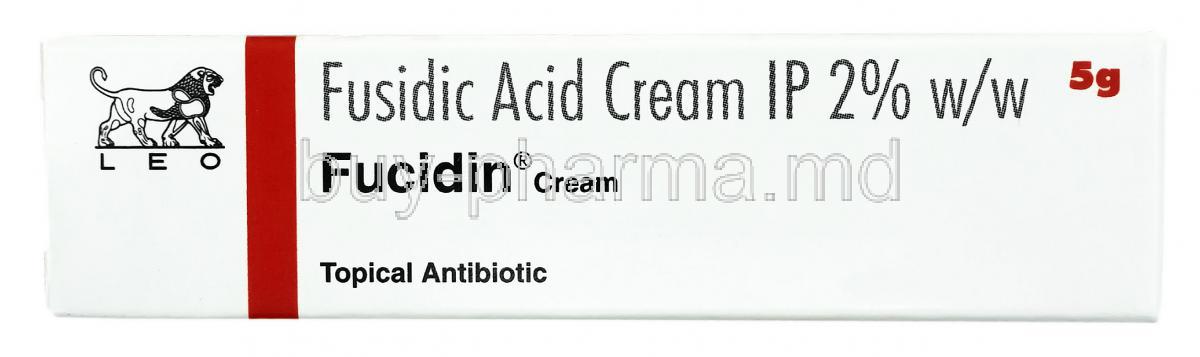
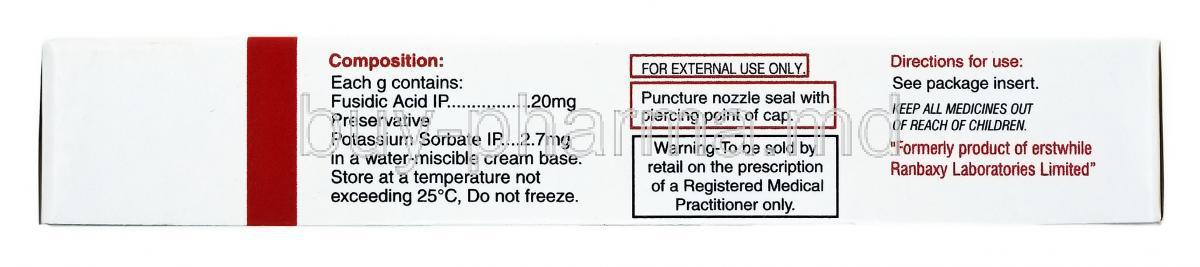
Fucidin Cream typically contains sodium fusidate at a concentration of 2% w/w. This strength provides effective antimicrobial activity while maintaining tolerability for repeated application to sensitive skin.
2.2 Base Components and Excipients
The cream base includes emollients, stabilizers, and preservatives that enhance spreadability and stability. These components support skin hydration and facilitate uniform drug distribution across the affected surface.
2.3 Cream vs. Ointment vs. Other Fusidic Acid Formulations
Fusidic acid is available in multiple dermatological formats:
- Cream: Suitable for moist or weeping lesions
- Ointment: Preferred for dry or scaly conditions
- Combination products: With corticosteroids for inflammatory infections
Selection depends on lesion characteristics and clinical judgment.
2.4 Physical Characteristics and Dermatological Suitability
The cream is smooth, non-greasy, and easily absorbed. It allows adequate skin respiration and is cosmetically acceptable for visible areas such as the face or hands.
2.5 Packaging Types and Available Sizes
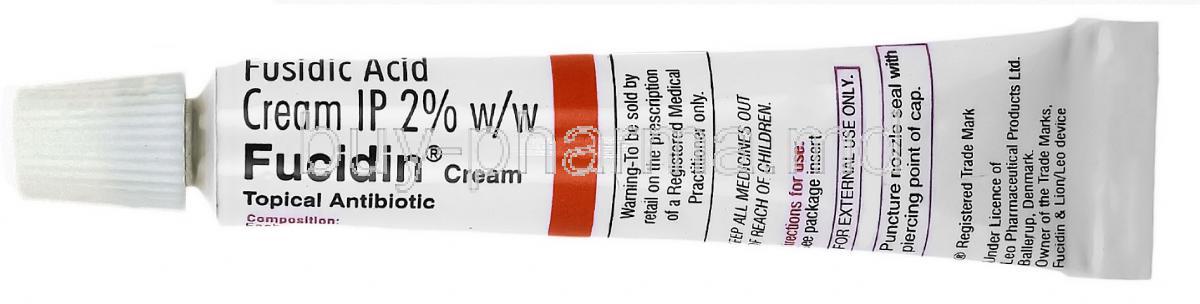
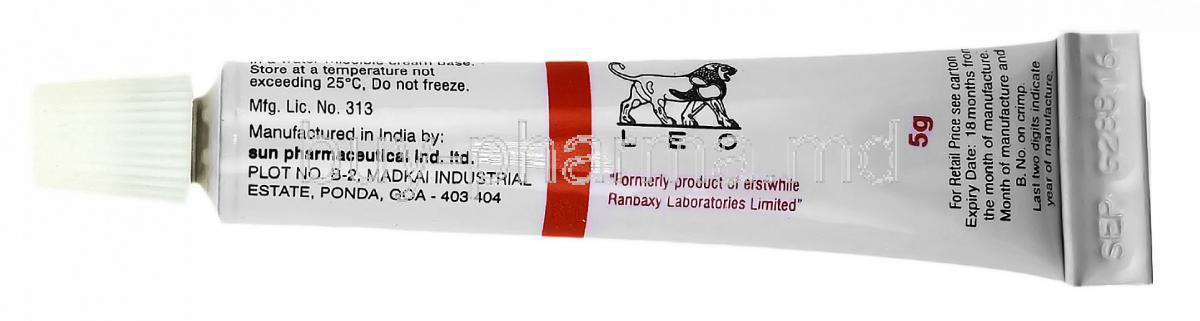
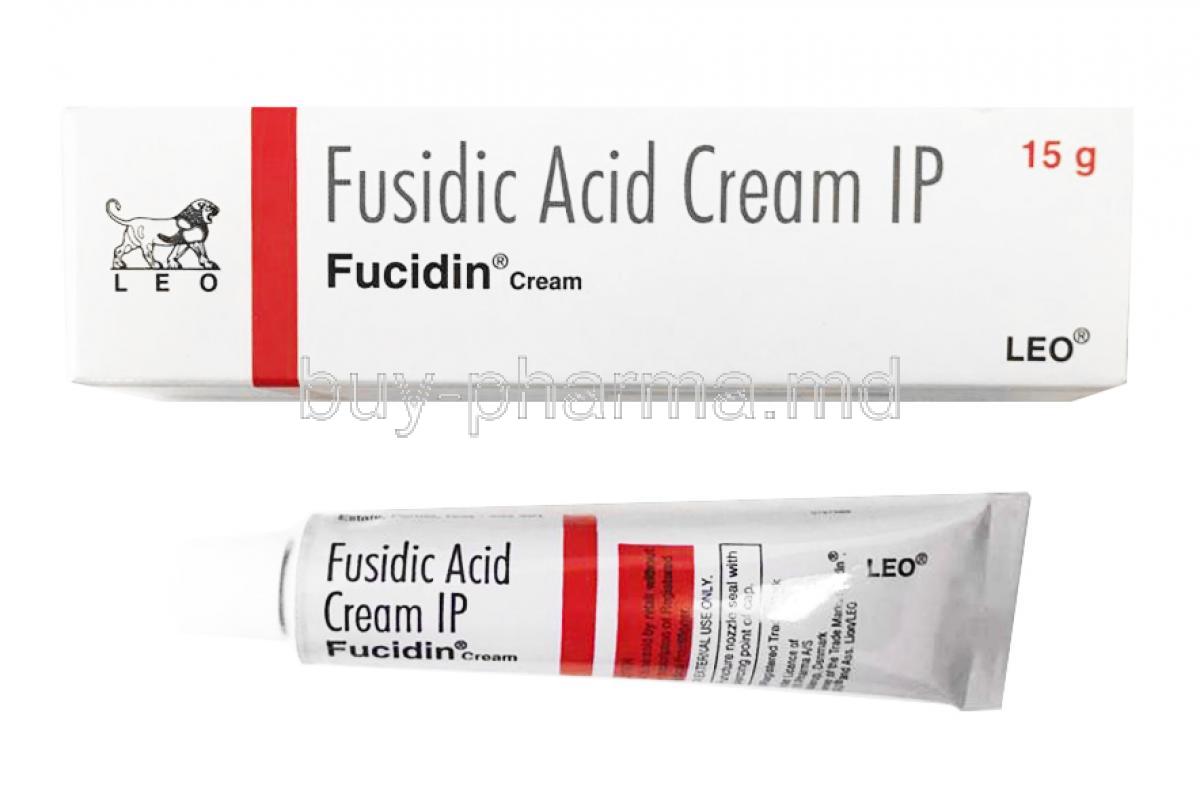
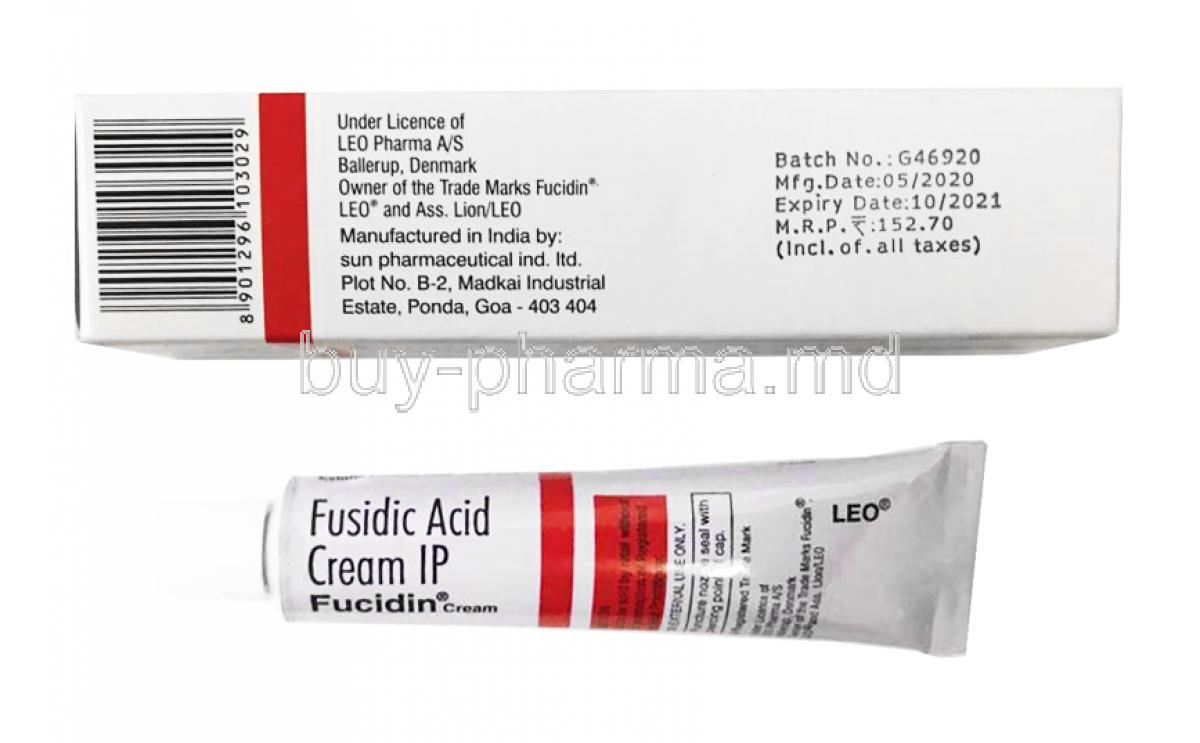
Fucidin Cream is commonly supplied in aluminum or laminated tubes designed to maintain product integrity. Various sizes are available to accommodate short-term therapy or extended treatment courses.
3. Mechanism of Action: How Fucidin Cream Works
3.1 Inhibition of Bacterial Protein Synthesis
Sodium fusidate interferes with bacterial protein synthesis by inhibiting elongation factor G (EF-G). This action disrupts essential cellular processes and halts bacterial growth.
3.2 Activity Against Gram-Positive Organisms
The drug exhibits strong activity against Gram-positive pathogens, particularly those responsible for common skin infections.
3.3 Effectiveness Against Staphylococcus aureus
Fucidin Cream is highly effective against Staphylococcus aureus, including many strains that exhibit resistance to other antibiotics. This makes it a valuable option in dermatological practice.
3.4 Bacteriostatic vs. Bactericidal Activity
At standard concentrations, fusidic acid primarily exerts a bacteriostatic effect. At higher local concentrations, bactericidal activity may occur. The topical route allows therapeutic levels to be achieved directly at the infection site.
3.5 Role in Preventing Spread of Localized Skin Infections
By rapidly reducing bacterial burden, Fucidin Cream helps:
- Limit infection expansion
- Reduce contagion risk
- Support natural skin healing processes
4. Approved Medical Uses of Fucidin Cream
4.1 Treatment of Impetigo
Fucidin Cream is widely used for impetigo, a contagious superficial infection characterized by honey-colored crusts.
4.2 Infected Eczema and Dermatitis
Secondary bacterial infection complicating inflammatory skin disorders responds well to targeted topical therapy.
4.3 Infected Cuts, Wounds, and Abrasions
Minor trauma can become colonized by bacteria. Early topical treatment prevents progression and promotes healing.
4.4 Folliculitis and Infected Hair Follicles
Localized follicular infections caused by staphylococci are a common indication.
4.5 Secondary Bacterial Infection of Skin Conditions
Chronic dermatoses may become secondarily infected, requiring antimicrobial intervention.
4.6 Infected Insect Bites and Minor Burns
These lesions may become contaminated and benefit from short-term antibacterial coverage.
4.7 Paronychia and Superficial Nail Fold Infections
Topical application around the nail margins helps control early superficial infection.
5. Expanded and Off-Label Uses
5.1 Acne Vulgaris with Secondary Bacterial Infection
In selected cases, Fucidin Cream may be used to manage inflamed lesions complicated by bacterial colonization.
5.2 Infected Atopic Dermatitis
Patients with eczema frequently develop staphylococcal colonization that exacerbates symptoms.
5.3 Perioral Dermatitis (Selected Cases)
Use should be guided by a healthcare professional, particularly when bacterial involvement is suspected.
5.4 Minor Surgical Wound Infection Prevention
Short-term prophylactic use may be considered in high-risk superficial wounds.
5.5 Reduction of Bacterial Colonization in Chronic Skin Disorders
Periodic targeted therapy may help reduce microbial burden in recurrent infections.
5.6 Combination Therapy with Topical Corticosteroids
When inflammation and infection coexist, combination regimens may be prescribed.
5.7 Decolonization Strategies for Recurrent Staphylococcal Infections
Localized treatment may form part of broader infection control measures.
6. Dosage and Administration Guidelines
6.1 Recommended Application Frequency and Duration
The cream is typically applied two to three times daily. Treatment duration usually ranges from 5 to 14 days depending on clinical response.
6.2 Proper Method of Topical Application
- Clean and dry the affected area
- Apply a thin layer
- Wash hands after use
6.3 Use with Occlusive Dressings
Occlusion may enhance absorption but should only be used when medically indicated.
6.4 Treatment Duration for Common Skin Infections
Therapy should be limited to the shortest effective period to reduce resistance risk.
6.5 Missed Dose Management
If a dose is missed, it should be applied as soon as remembered unless the next scheduled application is near.
6.6 When to Discontinue or Seek Medical Advice
Medical evaluation is necessary if symptoms worsen, fail to improve, or signs of hypersensitivity appear.
7. Administration in Special Populations
7.1 Use in Children and Infants
Generally safe when used appropriately, though prolonged use should be avoided.
7.2 Administration to Elderly Patients
No specific dose adjustment is required. Fragile skin should be monitored carefully.
7.3 Administration During Pregnancy
Systemic absorption is minimal, but use should be based on medical advice.
7.4 Use During Breastfeeding
Avoid application to the breast area to prevent infant exposure.
7.5 Use on Sensitive or Damaged Skin
Application to extensively damaged skin may increase absorption and should be supervised.
8. Side Effects of Fucidin Cream
8.1 Common Side Effects
- Local skin irritation
- Redness and itching
- Burning or stinging sensation
8.2 Less Common Dermatological Reactions
- Contact dermatitis
- Localized rash or hypersensitivity
8.3 Rare and Serious Adverse Reactions
- Severe allergic reaction
- Angioedema (rare)
8.4 Signs of Antibiotic Resistance or Treatment Failure
Lack of clinical improvement, recurrence, or worsening infection may indicate resistant organisms and requires reassessment.
9. Drug and Product Interactions
9.1 Interaction with Other Topical Medications
Concurrent application of multiple topical agents may dilute or interfere with absorption.
9.2 Combined Use with Topical Corticosteroids
Combination therapy may enhance outcomes in inflammatory infected dermatoses.
9.3 Effects of Occlusive Cosmetics or Emollients
Heavy emollients or occlusive cosmetics may alter drug penetration and should be applied separately.
9.4 Minimal Systemic Drug Interaction Profile
Due to negligible systemic absorption, clinically significant systemic interactions are unlikely.
9.5 Use Alongside Systemic Antibiotics
Topical therapy may complement systemic treatment in more extensive infections, providing localized bacterial control.
10. Warnings and Safety Information
10.1 Risk of Bacterial Resistance with Prolonged Use
Extended or inappropriate use of topical antibiotics may contribute to the development of bacterial resistance. When microorganisms are repeatedly exposed to suboptimal or prolonged therapy, selective survival of resistant strains may occur.
- Use only for the prescribed duration
- Avoid repeated unsupervised courses
- Discontinue once clinical resolution is achieved
Antimicrobial stewardship remains essential, even with topical preparations.
10.2 Avoid Use on Large Body Surface Areas Without Medical Advice
Application over extensive skin areas may increase systemic absorption, particularly when the skin barrier is compromised. This may elevate the risk of adverse reactions and promote resistance.
Medical supervision is recommended when treatment involves:
- Large affected regions
- Severely inflamed or damaged skin
- Prolonged therapy requirements
10.3 External Use Only
Fucidin Cream is intended strictly for topical dermatological use. It should never be ingested or applied internally. Accidental internal exposure requires appropriate medical evaluation.
10.4 Avoid Contact with Eyes and Mucous Membranes
The formulation is not designed for ophthalmic or mucosal application. Contact with the eyes, nose, mouth, or genital mucosa may result in irritation or discomfort. If accidental exposure occurs, the affected area should be rinsed thoroughly with clean water.
10.5 Monitoring for Hypersensitivity Reactions
Although uncommon, hypersensitivity reactions may occur. Patients should observe for early warning signs such as:
- Severe redness or swelling
- Persistent itching or rash
- Worsening inflammation at the application site
Treatment should be discontinued immediately if allergic symptoms develop.
10.6 Avoid Long-Term or Repeated Courses Unless Prescribed
Repeated or chronic use without clinical oversight increases the likelihood of resistance, sensitization, and diminished therapeutic efficacy. Each treatment course should be based on medical assessment and confirmed bacterial involvement.
11. Contraindications
11.1 Known Hypersensitivity to Sodium Fusidate or Fusidic Acid
Patients with a documented allergy to sodium fusidate or related compounds should not use this medication. Exposure may trigger local or systemic allergic reactions.
11.2 Allergy to Formulation Components
Hypersensitivity may also occur due to excipients present in the cream base. Individuals with a history of contact dermatitis related to topical products should exercise caution.
11.3 Viral or Fungal Skin Infections Without Bacterial Involvement
Topical antibiotics are ineffective against viral or fungal pathogens. Conditions such as herpes simplex, tinea infections, or candidiasis require alternative therapy.
11.4 Non-Infected Dermatological Conditions Where Antibiotics Are Unnecessary
Use should be avoided in inflammatory or allergic skin disorders that lack bacterial infection. Unwarranted antibiotic exposure contributes to resistance and may delay appropriate treatment.
12. Careful Administration and Important Precautions
12.1 Limiting Duration to Reduce Resistance Risk
Therapy should be restricted to the shortest effective period. Prolonged exposure increases selective pressure on microbial populations and may encourage resistant strain development.
12.2 Avoiding Unnecessary Prophylactic Use
Routine preventive use on intact skin or minor, uninfected lesions is discouraged. Antibiotics should be reserved for confirmed or strongly suspected bacterial infection.
12.3 Use Caution in Chronic or Recurrent Skin Infections
Recurrent infections may indicate underlying colonization, dermatological disease, or immune compromise. Repeated empirical treatment without evaluation may be ineffective.
12.4 Avoid Application Under Tight Occlusion Unless Directed
Occlusive dressings significantly enhance drug absorption. This may increase the risk of local irritation or sensitization and should only be undertaken when medically indicated.
12.5 Monitoring Response to Therapy
Clinical improvement should be evident within several days. Lack of response, worsening symptoms, or recurrence requires reassessment and possible culture-guided therapy.
12.6 Consideration in Patients with a History of Antibiotic Sensitivity
Individuals with previous allergic reactions to topical or systemic antibiotics should use this product cautiously. Close observation during early treatment is recommended.
13. Overdosage and Misuse
13.1 Risk of Overdose with Excessive Topical Application
Topical overdose is uncommon but may occur with frequent or excessive application. Large quantities do not enhance efficacy and may increase the likelihood of irritation.
13.2 Symptoms of Excessive Use
- Persistent redness or burning
- Skin dryness or peeling
- Contact dermatitis or sensitization
Symptoms typically resolve after discontinuation.
13.3 Management of Accidental Ingestion
Accidental ingestion is unlikely to cause serious toxicity due to low systemic absorption. However, medical consultation is advisable, particularly in children.
13.4 Long-Term Misuse and Resistance Development
Chronic unsupervised use may promote resistant bacterial colonization and reduce future treatment effectiveness. Appropriate medical guidance is essential for recurrent therapy.
14. Storage and Stability
14.1 Recommended Storage Temperature and Conditions
The product should be stored at controlled room temperature according to manufacturer recommendations. Extreme temperature fluctuations should be avoided.
14.2 Protection from Heat, Moisture, and Direct Sunlight
Exposure to excessive heat, humidity, or light may compromise formulation stability. The tube should be tightly closed after each use.
14.3 Shelf Life After Opening
Once opened, the medication should be used within the period specified by the manufacturer. Prolonged storage after opening increases the risk of contamination or reduced potency.
14.4 Keeping Out of Reach of Children
For safety, the product should be stored in a secure location inaccessible to children and pets.
15. Handling and Application Precautions
15.1 Hygiene Practices Before and After Application
Proper hygiene minimizes contamination and prevents infection spread.
- Wash hands before application
- Clean and dry the affected area
- Wash hands again after use unless treating the hands
15.2 Avoiding Contamination of the Tube
The tip of the tube should not come into direct contact with the skin, infected lesions, or external surfaces. This precaution helps maintain product sterility.
15.3 Preventing Spread of Infection to Others
Patients should avoid sharing towels, clothing, or personal items. Covering treated areas when appropriate may further reduce transmission risk.
15.4 Safe Disposal of Unused or Expired Product
Expired or unused medication should be discarded in accordance with local pharmaceutical disposal guidelines. Improper disposal may contribute to environmental contamination.
15.5 When to Replace the Medication or Seek Medical Review
Medical advice should be sought if:
- The product changes color, odor, or consistency
- Symptoms persist beyond the expected treatment period
- Infection recurs or worsens
Timely reassessment ensures appropriate and effective therapy.
Customers also bought
Popular Products
Similar Product