1. Introduction to Glimpid (Glimepiride)
Glimpid is an oral antidiabetic medication containing glimepiride, a second-generation sulfonylurea used for the management of Type 2 Diabetes Mellitus (T2DM). It is prescribed to help reduce elevated blood glucose levels when lifestyle modifications alone are insufficient. The medicine is taken orally and is designed for long-term metabolic control.
Therapeutically, glimepiride belongs to the sulfonylurea class, a group of insulin secretagogues that enhance endogenous insulin release. Despite the advent of newer antidiabetic agents, sulfonylureas remain clinically relevant due to their efficacy, affordability, and predictable glycemic response.
In modern diabetes management, Glimpid is often used as:
- Initial oral therapy when metformin is not suitable
- Add-on treatment for patients with inadequate glycemic control
- A component of combination regimens targeting multiple metabolic pathways
Both branded and generic versions of glimepiride are available. Generic formulations provide equivalent therapeutic performance at a lower cost, improving treatment accessibility.
Effective blood glucose control is essential. Poor glycemic regulation increases the risk of microvascular and macrovascular complications, including:
- Neuropathy
- Retinopathy
- Nephropathy
- Cardiovascular disease
Glimpid supports sustained glucose control and contributes to long-term risk reduction.
2. Composition and Formulation
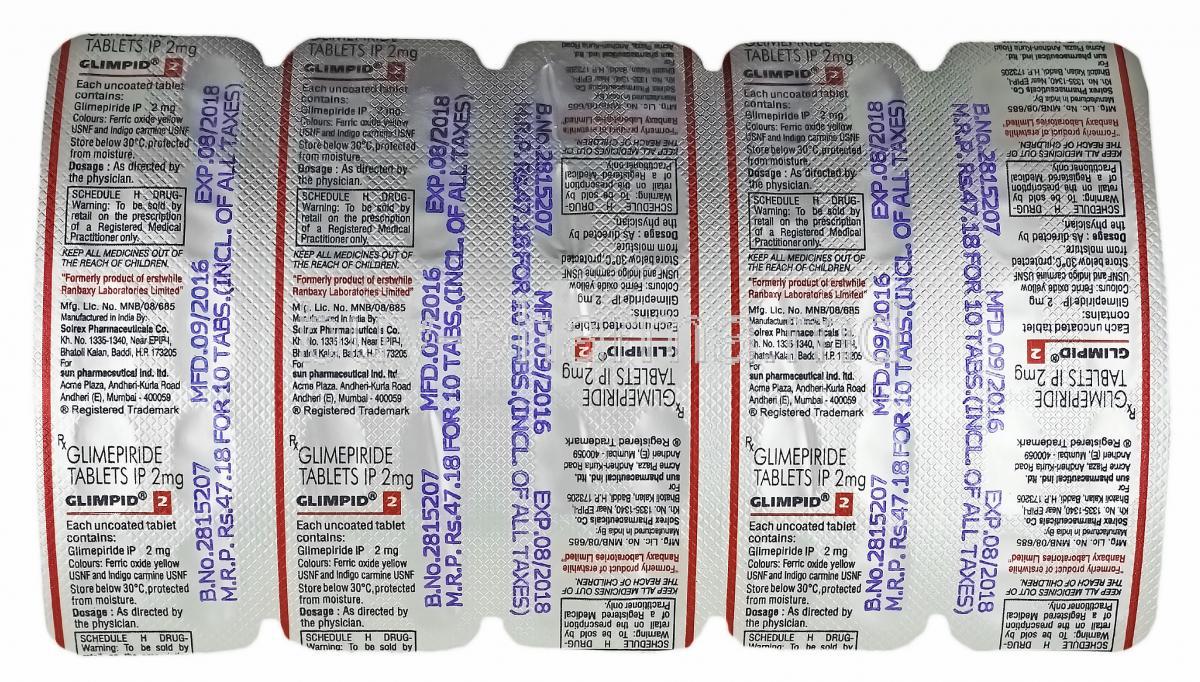
The active pharmaceutical ingredient in Glimpid is glimepiride. It is formulated as an oral tablet designed for systemic absorption and once-daily administration.
Common available strengths include:
- 1 mg
- 2 mg
- 3 mg
- 4 mg
In addition to the active compound, tablets contain inactive excipients that enhance stability and manufacturability, such as:
- Lactose monohydrate
- Microcrystalline cellulose
- Magnesium stearate
- Coloring agents (depending on strength)
Glimepiride exhibits high oral bioavailability and rapid gastrointestinal absorption. Peak plasma concentrations are typically achieved within a few hours. The drug undergoes hepatic metabolism and produces active metabolites that contribute to its therapeutic effect.
3. How Glimpid (Glimepiride) Works: Mechanism of Action
Glimepiride lowers blood glucose primarily by stimulating insulin secretion from pancreatic beta cells. It binds selectively to sulfonylurea receptor 1 (SUR1), a regulatory component of ATP-sensitive potassium channels.
This interaction results in:
- Closure of potassium channels
- Membrane depolarization
- Calcium influx
- Exocytosis of insulin granules
Beyond pancreatic effects, glimepiride also improves peripheral insulin sensitivity. It enhances glucose uptake in skeletal muscle and adipose tissue while modestly reducing hepatic glucose production.
Compared with older sulfonylureas, glimepiride offers:
- Lower risk of prolonged hypoglycemia
- Once-daily dosing convenience
- Improved tolerability
When compared to other oral antidiabetic classes, it acts directly on insulin secretion rather than incretin pathways or renal glucose excretion.
4. Approved Medical Uses of Glimpid
The primary indication for Glimpid is the treatment of Type 2 Diabetes Mellitus in adults. It is prescribed when lifestyle interventions—dietary control, weight reduction, and physical activity—do not achieve adequate glycemic targets.
Therapeutic applications include:
- Monotherapy for newly diagnosed or moderately uncontrolled T2DM
- Add-on therapy for patients requiring intensified treatment
Glimpid is commonly combined with:
- Metformin
- Insulin
- DPP-4 inhibitors
- SGLT2 inhibitors
- Thiazolidinediones
Clinical use focuses on reducing fasting and postprandial glucose levels and lowering HbA1c. Sustained glycemic control helps delay disease progression and minimize complications.
5. Off-Label Uses of Glimepiride
Although not officially approved for these indications, glimepiride may be used in selected clinical circumstances based on physician judgment.
Off-label applications include:
- Prediabetes or impaired glucose tolerance in high-risk individuals
- Insulin resistance associated with Polycystic Ovary Syndrome (PCOS)
- Steroid-induced hyperglycemia
- Secondary diabetes management in complex metabolic conditions
- Metabolic syndrome with significant insulin resistance
- Alternative therapy when first-line agents are contraindicated or not tolerated
These uses require careful monitoring and individualized risk–benefit evaluation.
6. Dosage and Administration Guidelines
Treatment typically begins with a low starting dose to minimize the risk of hypoglycemia.
- Initial dose: 1 mg once daily
- Titration: Adjust every 1–2 weeks based on blood glucose response
- Maximum recommended dose: 8 mg per day
The tablet should be taken with breakfast or the first substantial meal of the day. Consistent timing improves pharmacodynamic stability and reduces glycemic variability.
Special considerations include:
- Gradual dose adjustment when switching from other sulfonylureas
- Careful titration in combination therapy
- If a dose is missed, it should be skipped rather than doubled
7. Administration in Special Populations
7.1 Administration to Elderly Patients
Elderly individuals are more susceptible to hypoglycemia due to altered metabolism and comorbid conditions. Conservative dosing and frequent monitoring are recommended.
7.2 Administration to Pregnant Women
Oral sulfonylureas are generally avoided during pregnancy. Insulin remains the preferred therapy. Glimepiride may be considered only when the potential benefit outweighs the risk.
7.3 Administration to Nursing Mothers
Glimepiride may be excreted into breast milk. There is a potential risk of neonatal hypoglycemia. Alternative treatments or discontinuation of breastfeeding should be considered.
7.4 Administration to Children and Adolescents
Safety and efficacy data in pediatric populations are limited. Routine use is not recommended unless specifically directed by a specialist.
8. Common Side Effects of Glimpid
The most frequently reported adverse effect is hypoglycemia. Symptoms may include sweating, tremor, hunger, palpitations, and confusion.
Other common reactions include:
- Weight gain
- Dizziness or lightheadedness
- Headache
- Nausea or abdominal discomfort
- General fatigue or weakness
These effects are usually mild and improve with dose adjustment and dietary consistency.
9. Serious and Less Common Side Effects
Although uncommon, serious adverse events require immediate medical attention.
- Severe or prolonged hypoglycemia
- Hypersensitivity reactions, including rash or urticaria
- Photosensitivity reactions
- Hematologic disorders such as leukopenia or thrombocytopenia
- Elevated liver enzymes or hepatic dysfunction
- Hyponatremia
There has been historical concern regarding cardiovascular risk with sulfonylureas. Patients with existing heart disease should be monitored closely.
Regular follow-up, laboratory assessment, and patient education remain essential components of safe therapy.
10. Drug Interactions
Glimepiride is metabolically active and pharmacodynamically sensitive, making it susceptible to numerous drug interactions. These interactions may either potentiate its glucose-lowering effect or diminish therapeutic efficacy. Careful medication review is essential to prevent destabilization of glycemic control.
Medications that increase the risk of hypoglycemia include:
- Insulin and other oral antidiabetic agents
- ACE inhibitors, which may enhance insulin sensitivity
- Beta-blockers, which can mask warning symptoms such as tachycardia and tremor
- Salicylates and high-dose aspirin, which may potentiate glucose reduction
Medications that may reduce the effectiveness of glimepiride include:
- Corticosteroids, which increase hepatic glucose production
- Thiazide diuretics
- Oral contraceptives containing estrogen or progestin
- Thyroid hormones
Alcohol consumption presents a dual risk. It may enhance hypoglycemia by inhibiting gluconeogenesis or, conversely, destabilize glucose control depending on intake patterns.
Dietary irregularities, erratic meal timing, and sedentary lifestyle habits can also alter drug response. Consistency in nutrition and physical activity is critical for therapeutic stability.
11. Warnings and Safety Information
The most significant safety concern with glimepiride is the potential for severe and prolonged hypoglycemia. Episodes may be insidious, recurrent, or life-threatening, particularly in vulnerable populations.
- Hypoglycemia risk increases with missed meals, excessive dosing, or strenuous physical activity
- Older adults and patients with renal impairment are particularly susceptible
Sulfonylureas have historically been associated with cardiovascular safety concerns. Although modern evidence is more reassuring, patients with pre-existing cardiovascular disease should be monitored carefully.
Special caution is required in:
- Renal impairment, due to reduced drug clearance
- Hepatic dysfunction, which may alter metabolism
- Patients with glucose-6-phosphate dehydrogenase (G6PD) deficiency, who may be at risk of hemolytic anemia
Regular monitoring of blood glucose and periodic assessment of HbA1c are essential components of safe therapy.
12. Contraindications
Glimepiride is not appropriate for all patients. Its use is contraindicated in clinical situations where insulin deficiency or metabolic instability predominates.
- Type 1 Diabetes Mellitus
- Diabetic ketoacidosis (DKA)
- Known hypersensitivity to glimepiride, sulfonylureas, or sulfonamide derivatives
- Severe renal or hepatic failure, depending on clinical assessment
- Pregnancy, when safer alternatives such as insulin are preferred
In these settings, alternative therapeutic strategies should be employed to ensure metabolic safety.
13. Careful Administration and Important Precautions
Effective treatment with glimepiride requires individualized dosing and vigilant clinical oversight. Therapy should be tailored according to glycemic response, comorbid conditions, and patient lifestyle.
- Gradual dose titration to minimize hypoglycemia
- Regular monitoring of fasting plasma glucose and HbA1c
- Periodic evaluation of renal and hepatic function
Patient education is indispensable. Individuals should understand:
- Early symptoms of hypoglycemia
- Appropriate corrective actions
- The importance of meal regularity
Lifestyle modification remains foundational. Nutritional discipline, weight management, and structured physical activity enhance pharmacologic efficacy.
During periods of acute illness, surgery, trauma, or severe stress, glucose requirements may change. Temporary adjustment or transition to insulin therapy may be necessary.
14. Overdose and Management
Overdose of glimepiride typically manifests as profound and persistent hypoglycemia. Symptoms may range from mild neuroglycopenic effects to severe neurological compromise.
- Sweating, tremor, and palpitations
- Confusion, irritability, or altered consciousness
- Seizures or coma in severe cases
Immediate management includes rapid glucose administration:
- Oral glucose or sugary beverages for conscious patients
- Intravenous dextrose for severe or unconscious cases
Because hypoglycemia may recur due to the drug’s prolonged action, hospital observation is often required. Extended monitoring ensures early detection of delayed or recurrent episodes.
15. Storage Instructions
Proper storage preserves the stability and potency of glimepiride tablets.
- Store at controlled room temperature, typically below 25–30°C
- Protect from excessive heat and humidity
- Avoid direct sunlight and high-moisture environments such as bathrooms
Tablets should remain in their original packaging until use. This minimizes environmental exposure and reduces the risk of dosing errors.
Always check expiration dates and discard outdated products appropriately.
16. Handling Precautions
Safe handling practices help maintain product integrity and prevent accidental misuse.
- Do not crush, break, or split tablets unless specifically instructed
- Handle tablets with dry hands to avoid moisture exposure
- Store securely and out of reach of children and pets
Unused or expired medication should be disposed of according to local pharmaceutical disposal guidelines. Improper disposal may pose environmental or safety risks.
17. Patient Counseling and Safety Tips
Successful diabetes management requires active patient participation. Consistency, awareness, and routine monitoring are essential.
- Take the medication at the same time each day
- Do not skip meals after dosing
- Monitor blood glucose regularly as advised
Patients should be able to recognize early signs of hypoglycemia, such as sweating, dizziness, hunger, or confusion. Rapid correction with fast-acting carbohydrates is recommended.
It is advisable to carry a glucose source at all times, such as:
- Glucose tablets
- Fruit juice
- Hard candy
Regular medical follow-up is necessary to evaluate treatment effectiveness and adjust therapy when needed. Laboratory assessments, including HbA1c and metabolic parameters, support long-term control.
Healthy lifestyle practices amplify therapeutic outcomes. Balanced nutrition, routine exercise, weight optimization, and avoidance of excessive alcohol intake contribute to durable glycemic stability and overall metabolic health.
Customers also bought
Popular Products



Similar Product