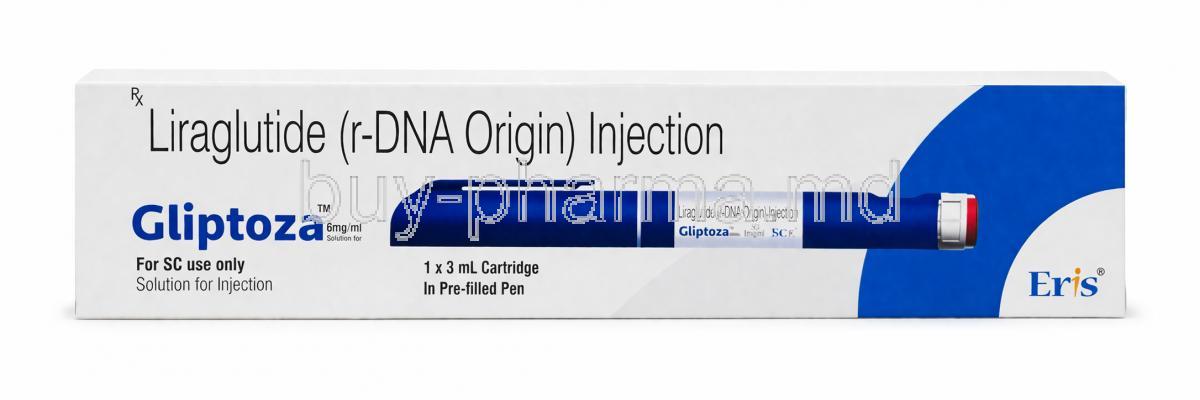
1. Introduction to Gliptoza Prefilled Pen Injection (Liraglutide)
1.1 Overview of Liraglutide as a GLP-1 Receptor Agonist
Gliptoza Prefilled Pen Injection contains liraglutide, a synthetic analogue of glucagon-like peptide-1 (GLP-1). This incretin mimetic exerts a multifaceted influence on glucose homeostasis. It augments insulin secretion in a glucose-dependent manner. It also attenuates glucagon release, thereby mitigating hepatic glucose output.
Unlike traditional antidiabetic agents, liraglutide operates within physiological pathways. This confers a reduced risk of hypoglycemia when used appropriately. Its pharmacodynamic profile makes it particularly valuable in modern metabolic therapeutics.
1.2 Product Description and Delivery System (Prefilled Pen Technology)
Gliptoza is formulated as a prefilled, multi-dose injection pen. This device is engineered for precision, convenience, and patient adherence. It allows accurate dose titration with minimal technical complexity.
- Pre-calibrated dosing mechanism
- Fine-gauge needles for reduced discomfort
- Portable and user-friendly design
The pen-based delivery system enhances compliance, especially in long-term treatment regimens.
1.3 Therapeutic Classification and Regulatory Status
Liraglutide belongs to the class of GLP-1 receptor agonists, widely utilized in the management of metabolic disorders. It is classified as an antidiabetic and anti-obesity agent, depending on the dosage and indication.
Regulatory authorities in multiple regions have approved liraglutide for type 2 diabetes management. Additional indications, such as weight reduction, have been recognized in specific formulations.
1.4 Key Benefits and Clinical Relevance in Metabolic Disorders
The therapeutic relevance of Gliptoza extends beyond glycemic control. It addresses multiple pathophysiological dimensions of metabolic syndrome.
- Improves glycemic variability
- Facilitates weight reduction
- Provides cardiovascular risk mitigation
- Enhances satiety and reduces caloric intake
These pleiotropic effects position liraglutide as a cornerstone in comprehensive metabolic care.
2. Composition and Formulation Details
2.1 Active Ingredient: Liraglutide – Structure and Properties
Liraglutide is a long-acting GLP-1 analogue structurally modified to resist enzymatic degradation. It exhibits prolonged plasma half-life due to albumin binding.
This structural adaptation ensures sustained receptor activation, allowing once-daily dosing. Its pharmacokinetic stability is a defining characteristic.
2.2 Excipients and Inactive Ingredients in Gliptoza Pen
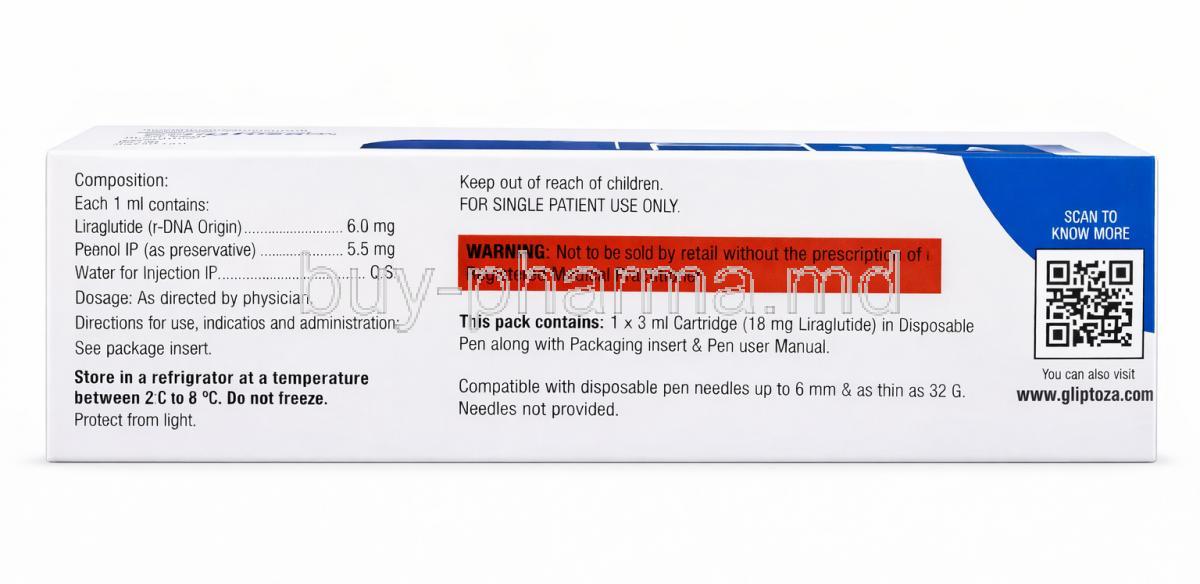
The formulation includes several excipients that stabilize the peptide and maintain isotonicity. These may include buffering agents, preservatives, and pH regulators.
- Phosphate buffers
- Propylene glycol
- Phenol as a preservative
Each component contributes to the overall integrity and sterility of the injectable solution.
2.3 Concentration, Strength Variants, and Dosage Forms
Gliptoza is typically available in standardized concentrations suitable for titration. The pen allows incremental dose adjustments, facilitating individualized therapy.
Different strengths enable gradual dose escalation, minimizing gastrointestinal intolerance during initiation.
2.4 Packaging Configuration and Pen Device Specifications
The product is packaged in prefilled pens containing multiple doses. Each pen is designed for repeated use with disposable needles.
- Clear solution for subcutaneous injection
- Dose selector with audible clicks
- Protective cap for hygiene
3. Mechanism of Action: How Gliptoza (Liraglutide) Works
3.1 GLP-1 Receptor Activation and Insulin Secretion Enhancement
Liraglutide binds to GLP-1 receptors on pancreatic beta cells. This stimulates insulin secretion in response to elevated glucose levels.
The glucose-dependent mechanism reduces the likelihood of hypoglycemia. It ensures insulin is released only when necessary.
3.2 Suppression of Glucagon Release
In addition to enhancing insulin secretion, liraglutide suppresses glucagon secretion. This reduces hepatic gluconeogenesis and glycogenolysis.
The combined effect leads to improved fasting and postprandial glucose control.
3.3 Delayed Gastric Emptying and Appetite Regulation
Liraglutide slows gastric emptying. This prolongs nutrient absorption and enhances satiety signals.
- Reduces post-meal glucose spikes
- Decreases appetite
- Supports caloric restriction
3.4 Effects on Body Weight and Energy Balance
Through central appetite regulation and delayed gastric emptying, liraglutide promotes weight loss. This is particularly beneficial in patients with obesity or metabolic syndrome.
Weight reduction further enhances insulin sensitivity, creating a synergistic therapeutic effect.
3.5 Cardiovascular and Metabolic Protective Effects
Emerging evidence suggests that liraglutide confers cardioprotective benefits. These include improved endothelial function and reduced inflammatory markers.
Such effects contribute to a reduction in cardiovascular events in high-risk populations.
4. Approved Uses of Gliptoza Prefilled Pen Injection
4.1 Management of Type 2 Diabetes Mellitus
Gliptoza is primarily indicated for the treatment of type 2 diabetes mellitus. It helps achieve and maintain glycemic targets.
It is often prescribed when lifestyle modifications alone are insufficient.
4.2 Glycemic Control in Combination Therapy (With Metformin, Insulin, etc.)
Liraglutide can be combined with other antidiabetic agents. This includes metformin, sulfonylureas, and basal insulin.
- Enhances overall glycemic control
- Reduces insulin requirements
- Improves treatment outcomes
4.3 Reduction of Cardiovascular Risk in High-Risk Patients
In patients with type 2 diabetes and established cardiovascular disease, liraglutide reduces the risk of major adverse cardiovascular events.
This makes it a preferred option in patients with comorbid cardiac conditions.
4.4 Role in Long-Term Diabetes Management Strategies
Gliptoza is suitable for long-term therapy. Its sustained efficacy and tolerability support chronic use.
It is often integrated into comprehensive diabetes management plans.
5. Expanded and Off-Label Uses of Liraglutide
5.1 Medical Weight Management and Obesity Treatment
Liraglutide is widely used for weight management in individuals with obesity. It promotes sustained weight loss through appetite suppression.
5.2 Prediabetes and Insulin Resistance Management
In individuals with prediabetes, liraglutide may delay progression to overt diabetes. It improves insulin sensitivity and glycemic parameters.
5.3 Polycystic Ovary Syndrome (PCOS) and Metabolic Syndrome
Liraglutide may benefit patients with PCOS by improving metabolic dysfunction and aiding weight reduction.
5.4 Non-Alcoholic Fatty Liver Disease (NAFLD) Supportive Therapy
Emerging data suggest potential benefits in NAFLD. Liraglutide may reduce hepatic fat accumulation and inflammation.
5.5 Appetite Control and Behavioral Eating Disorders (Investigational)
Investigational use includes appetite modulation in certain eating disorders. Research is ongoing in this domain.
5.6 Potential Neuroprotective and Anti-Inflammatory Applications
Preclinical studies indicate neuroprotective and anti-inflammatory effects. These findings remain under active investigation.
6. Dosage and Administration Guidelines
6.1 Recommended Starting Dose and Titration Schedule
Treatment typically begins with a low dose to minimize gastrointestinal adverse effects. The dose is gradually increased based on tolerance.
6.2 Maximum Daily Dose and Maintenance Therapy
Maintenance dosing is individualized. It depends on therapeutic response and patient tolerance.
6.3 Administration Technique Using Prefilled Pen
The injection is administered subcutaneously. Proper technique ensures accurate dosing and reduces complications.
- Prime the pen before first use
- Select the prescribed dose
- Inject at the recommended site
6.4 Injection Sites (Abdomen, Thigh, Upper Arm) and Rotation
Common injection sites include the abdomen, thigh, and upper arm. Site rotation is essential to prevent lipodystrophy.
6.5 Timing of Administration (With or Without Meals)
Liraglutide can be administered irrespective of meals. Consistency in timing enhances therapeutic outcomes.
6.6 Missed Dose Instructions and Compliance Tips
If a dose is missed, it should be taken as soon as possible. However, double dosing should be avoided.
7. Storage and Stability Requirements
7.1 Recommended Storage Conditions Before First Use
Unopened pens should be stored in a refrigerator. They must be protected from freezing.
7.2 Storage After First Use and In-Use Shelf Life
After first use, the pen may be stored at room temperature for a limited period. Adherence to storage guidelines ensures drug stability.
7.3 Protection from Heat, Light, and Freezing
Exposure to extreme temperatures can degrade the peptide. Proper storage is critical.
7.4 Handling During Travel and Transport
During travel, insulated containers are recommended. This maintains temperature stability.
8. Drug Interactions and Concomitant Use Considerations
8.1 Interaction with Oral Antidiabetic Agents (Sulfonylureas, Metformin)
Combination therapy may increase the risk of hypoglycemia. Dose adjustments may be required.
8.2 Use with Insulin and Risk of Hypoglycemia
Concurrent use with insulin necessitates careful monitoring. Hypoglycemia risk is heightened.
8.3 Impact on Gastric Emptying and Absorption of Oral Medications
Delayed gastric emptying may alter the absorption of oral drugs. Timing adjustments may be necessary.
8.4 Interaction with Cardiovascular and Antihypertensive Drugs
Liraglutide may influence heart rate and blood pressure. Monitoring is advisable.
8.5 Alcohol Interaction and Glycemic Variability
Alcohol consumption may exacerbate glycemic fluctuations. Moderation is recommended.
9. Side Effects of Gliptoza (Liraglutide)
9.1 Overview of Adverse Reaction Profile
Liraglutide is generally well tolerated. However, adverse effects may occur, particularly during initiation.
9.2 Gastrointestinal Disturbances (Nausea, Vomiting, Diarrhea)
Gastrointestinal symptoms are the most common adverse effects. These typically diminish over time.
9.3 Injection Site Reactions (Redness, Pain, Swelling)
Localized reactions may occur at the injection site. Proper technique can minimize these effects.
9.4 Headache, Fatigue, and Dizziness
Systemic symptoms such as headache and fatigue may be reported. These are usually transient.
9.5 Metabolic Effects Including Hypoglycemia
Hypoglycemia is uncommon when used alone. The risk increases with concomitant insulin or sulfonylureas.
10. Common Side Effects and Their Management
10.1 Frequently Reported Mild Adverse Effects
Gliptoza (liraglutide) is generally well tolerated, yet mild adverse effects are frequently encountered, particularly during the initiation phase. These reactions are often transient and tend to attenuate as physiological adaptation occurs.
- Nausea and mild gastrointestinal discomfort
- Transient diarrhea or constipation
- Reduced appetite leading to early satiety
- Headache and mild fatigue
Such manifestations are usually self-limiting. Nonetheless, vigilant observation is recommended during early therapy.
10.2 Strategies to Minimize Gastrointestinal Symptoms
Gastrointestinal intolerance is the most commonly reported concern. Strategic interventions can substantially mitigate symptom burden.
- Initiate therapy with a low dose and titrate gradually
- Consume smaller, more frequent meals
- Avoid high-fat and heavily processed foods
- Maintain adequate hydration
These pragmatic adjustments enhance tolerability and improve adherence. Subtle dietary modifications often yield significant clinical benefit.
10.3 Dose Adjustment and Patient Adaptation Over Time
Dose escalation should be conducted judiciously. Gradual titration allows the gastrointestinal system to acclimate to the pharmacological effects of liraglutide.
Patients often report diminishing adverse effects after several weeks. This adaptive phenomenon reflects neurohormonal recalibration and improved tolerance.
10.4 When to Seek Medical Attention
While most side effects are benign, certain symptoms necessitate prompt clinical evaluation.
- Persistent vomiting or inability to retain fluids
- Severe abdominal pain radiating to the back
- Signs of dehydration such as dizziness or reduced urine output
Early intervention is crucial to prevent complications and ensure therapeutic continuity.
11. Serious and Rare Adverse Effects
11.1 Risk of Pancreatitis and Pancreatic Disorders
Acute pancreatitis, although rare, represents a serious adverse event associated with GLP-1 receptor agonists. Patients may present with severe, persistent abdominal pain.
Immediate discontinuation is warranted if pancreatitis is suspected. Clinical vigilance is essential in individuals with a prior history of pancreatic disease.
11.2 Thyroid C-Cell Tumors and Neoplasm Risk
Preclinical studies have demonstrated an association between liraglutide and thyroid C-cell tumors in rodents. The clinical relevance in humans remains inconclusive but cannot be disregarded.
Patients should be monitored for symptoms such as neck masses, dysphagia, or persistent hoarseness.
11.3 Severe Hypoglycemia (Especially in Combination Therapy)
Severe hypoglycemia is uncommon with liraglutide monotherapy. However, the risk increases significantly when combined with insulin or sulfonylureas.
- Confusion or altered mental status
- Sweating and tremors
- Loss of consciousness in severe cases
Appropriate dose adjustments of concomitant agents are imperative.
11.4 Renal Impairment and Dehydration Risks
Severe gastrointestinal losses may precipitate dehydration, leading to renal compromise. This is particularly relevant in susceptible populations.
Monitoring renal function is advisable in patients experiencing persistent vomiting or diarrhea.
11.5 Hypersensitivity and Allergic Reactions
Hypersensitivity reactions, including urticaria and angioedema, have been reported. Although rare, these reactions may be life-threatening.
Immediate discontinuation and medical intervention are required if an allergic reaction is suspected.
12. Contraindications
12.1 Known Hypersensitivity to Liraglutide or Excipients
Gliptoza is contraindicated in individuals with a known hypersensitivity to liraglutide or any formulation component. Re-exposure may provoke severe allergic reactions.
12.2 Personal or Family History of Medullary Thyroid Carcinoma
Patients with a personal or familial history of medullary thyroid carcinoma should not use liraglutide. The potential oncogenic risk necessitates strict avoidance.
12.3 Multiple Endocrine Neoplasia Syndrome Type 2 (MEN 2)
Liraglutide is contraindicated in patients with MEN 2 due to the increased risk of endocrine neoplasms.
12.4 Severe Gastrointestinal Disease (e.g., Gastroparesis)
In patients with severe gastrointestinal motility disorders, such as gastroparesis, liraglutide may exacerbate symptoms. Its use is therefore discouraged.
13. Warnings and Safety Considerations
13.1 Boxed Warnings and Regulatory Safety Alerts
Regulatory authorities have issued warnings regarding the potential risk of thyroid tumors. Although rare, this necessitates careful patient selection and monitoring.
13.2 Risk of Pancreatitis and Gallbladder Disease
Liraglutide may increase the risk of pancreatitis and gallbladder-related conditions. Patients should be counseled on recognizing early symptoms.
13.3 Monitoring Blood Glucose and HbA1c Levels
Regular monitoring of glycemic parameters is essential. This ensures therapeutic efficacy and facilitates timely dose adjustments.
13.4 Risk of Hypoglycemia with Combination Therapy
When used in combination regimens, careful titration of accompanying medications is required to minimize hypoglycemia risk.
13.5 Impact on Heart Rate and Cardiovascular Monitoring
Liraglutide may induce modest increases in heart rate. Periodic cardiovascular assessment is recommended, particularly in patients with pre-existing conditions.
14. Careful Administration (Use with Caution)
14.1 Patients with Renal or Hepatic Impairment
Dose adjustments may be necessary in patients with renal or hepatic dysfunction. Close monitoring is advised to prevent adverse outcomes.
14.2 Individuals with History of Pancreatic Disorders
Patients with a history of pancreatitis should be treated cautiously. Alternative therapies may be considered in high-risk individuals.
14.3 Use in Patients with Gastrointestinal Motility Disorders
Due to its effect on gastric emptying, liraglutide should be used with caution in patients with motility disorders.
14.4 Considerations in Rapid Weight Loss Scenarios
Rapid weight reduction may lead to complications such as gallstones. Monitoring is recommended in patients experiencing significant weight loss.
15. Important Precautions for Safe Use
15.1 Proper Injection Technique and Hygiene
Adherence to proper injection technique is critical. This minimizes the risk of infection and ensures accurate dosing.
15.2 Avoidance of Needle Sharing
Sharing needles poses a significant risk of infection transmission. Each injection should utilize a new, sterile needle.
15.3 Adherence to Prescribed Dosage Schedule
Strict adherence to the dosing schedule enhances therapeutic efficacy. Irregular dosing may compromise glycemic control.
15.4 Monitoring for Adverse Reactions During Initiation
The initiation phase requires heightened vigilance. Early identification of adverse reactions allows timely intervention.
15.5 Lifestyle Modifications (Diet and Exercise Integration)
Pharmacotherapy should be complemented by lifestyle interventions.
- Balanced diet with controlled caloric intake
- Regular physical activity
- Weight management strategies
These measures synergistically enhance treatment outcomes.
16. Administration in Elderly Patients
16.1 Safety Profile in Geriatric Population
Elderly patients may exhibit increased sensitivity to liraglutide. The safety profile remains favorable when used appropriately.
16.2 Dose Adjustments and Monitoring Needs
Dose titration should be conservative in geriatric populations. Frequent monitoring ensures optimal therapeutic balance.
16.3 Risk of Dehydration and Renal Complications
Older adults are more susceptible to dehydration. Monitoring fluid status and renal function is essential.
17. Use in Pregnant and Nursing Women
17.1 Safety Data in Pregnancy and Potential Risks
Limited data exist regarding the use of liraglutide during pregnancy. Potential risks to the fetus cannot be excluded.
17.2 Recommendations for Use During Lactation
The excretion of liraglutide in breast milk is not well established. Caution is advised when administering to nursing mothers.
17.3 Alternative Treatment Considerations
Alternative therapies with established safety profiles should be considered during pregnancy and lactation.
18. Pediatric Use and Considerations
18.1 Approved Age Groups and Indications
The use of liraglutide in pediatric populations depends on regulatory approvals. Indications may vary by region.
18.2 Safety and Efficacy in Children and Adolescents
Clinical data in younger populations are evolving. Careful assessment is required before initiation.
18.3 Monitoring Growth and Metabolic Effects
Growth parameters and metabolic indices should be monitored regularly in pediatric patients.
19. Overdosage and Emergency Management
19.1 Symptoms of Liraglutide Overdose
Overdose may manifest as severe nausea, vomiting, and hypoglycemia. These symptoms require prompt attention.
19.2 Management of Severe Gastrointestinal Effects
Supportive care, including fluid replacement, is essential. Symptomatic treatment should be initiated promptly.
19.3 Supportive Care and Monitoring Protocols
Continuous monitoring of vital signs and metabolic parameters is recommended. Hospitalization may be required in severe cases.
20. Handling and Disposal Precautions
20.1 Safe Handling of Prefilled Pen Devices
Proper handling ensures both safety and efficacy. The pen should be inspected before each use.
20.2 Disposal of Used Needles and Sharps
Used needles must be disposed of in designated sharps containers. This prevents accidental injury and contamination.
20.3 Environmental and Safety Considerations
Disposal practices should comply with local regulations. Environmental contamination must be minimized.
20.4 Patient Education on Proper Device Use and Disposal
Patient education is paramount. Clear instructions on usage and disposal enhance safety and adherence.
Popular Products
Similar Product