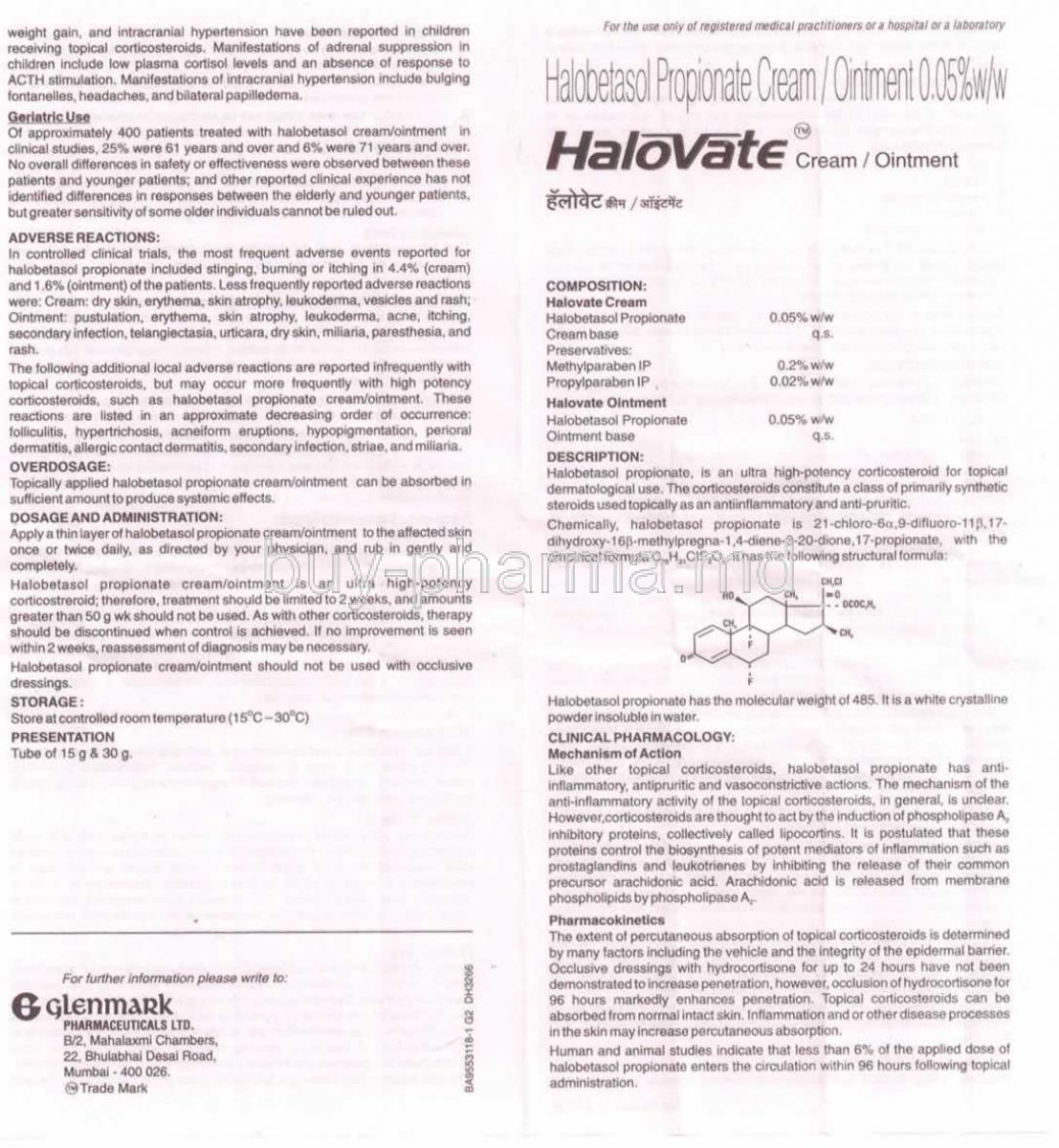
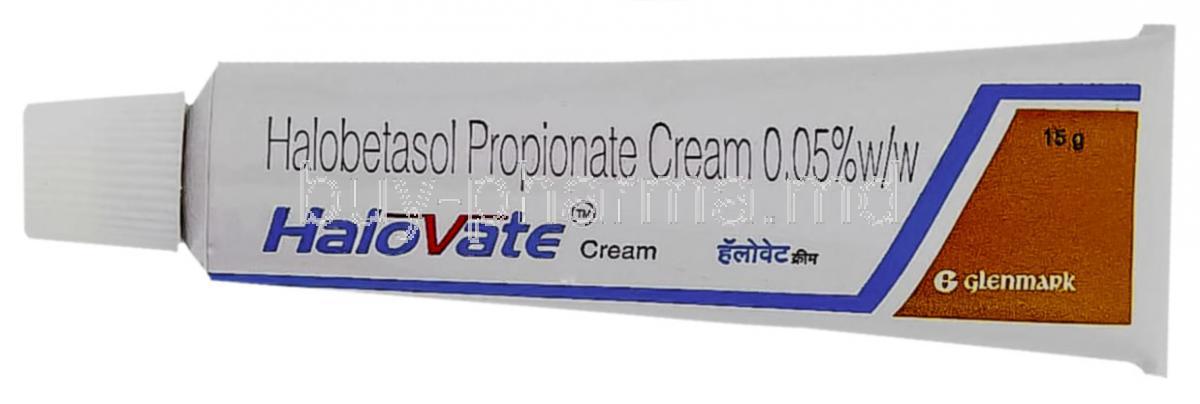
1. Introduction to Halovate (Halobetasol Propionate Cream)
1.1 Overview of Halovate and Therapeutic Purpose
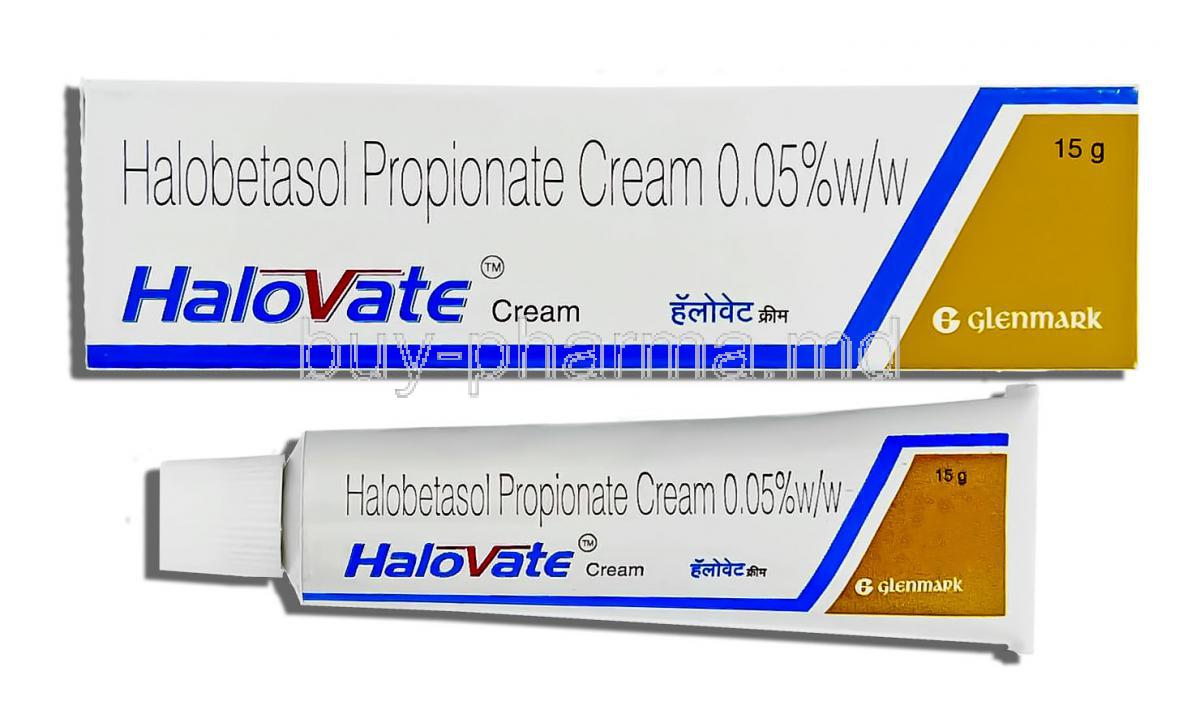
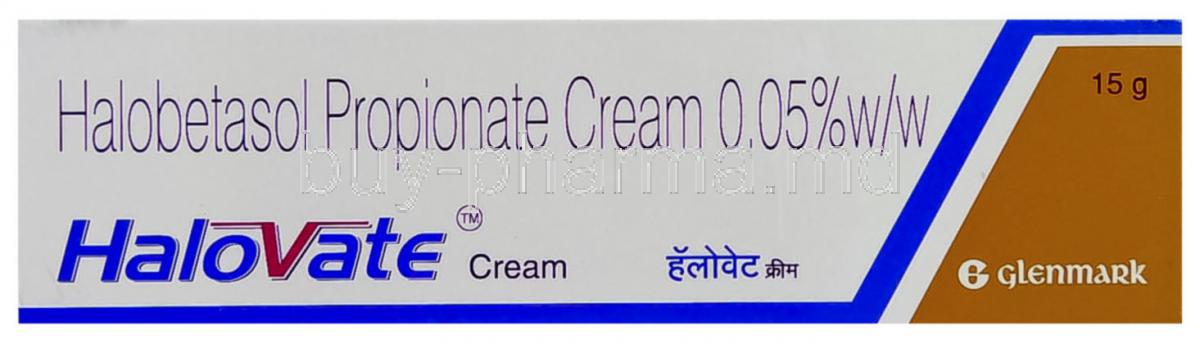
Halovate, formulated with halobetasol propionate, is a highly potent topical corticosteroid designed to address severe inflammatory skin disorders. It provides rapid symptomatic relief from redness, itching, and irritation. Its primary purpose is to counteract intense cutaneous inflammation and restore comfort in conditions marked by hyperreactivity and immune-mediated disturbances.
1.2 Classification as a Super-Potent Topical Corticosteroid
Halobetasol belongs to the uppermost tier of corticosteroid potency. It is classified as a Class I (super-potent) corticosteroid—reserved for short-term treatment of stubborn dermatological conditions that do not respond to milder agents. • Highly effective for thick, scaly, and resistant plaques • Designed for targeted, localized therapy • Not intended for long-term continuous use
1.3 Key Dermatological Benefits and Indications
The cream delivers robust anti-inflammatory, antipruritic, and vasoconstrictive effects. It helps regulate the skin’s immune response and decreases epidermal hyperproliferation. Primary indications include: • Psoriasis • Chronic eczema • Severe dermatitis variants • Localized hyperkeratotic lesions
1.4 Role of Halobetasol in Inflammatory and Hyperproliferative Skin Conditions
Halobetasol reduces cellular turnover, normalizes the epidermal barrier, and suppresses exaggerated immune reactions. It is especially beneficial in disorders where the skin becomes thickened, inflamed, or chronically irritated. Its targeted action allows restoration of cutaneous balance and rapid symptomatic relief.
2. Composition and Formulation Details
2.1 Active Ingredient: Halobetasol Propionate Concentration and Potency
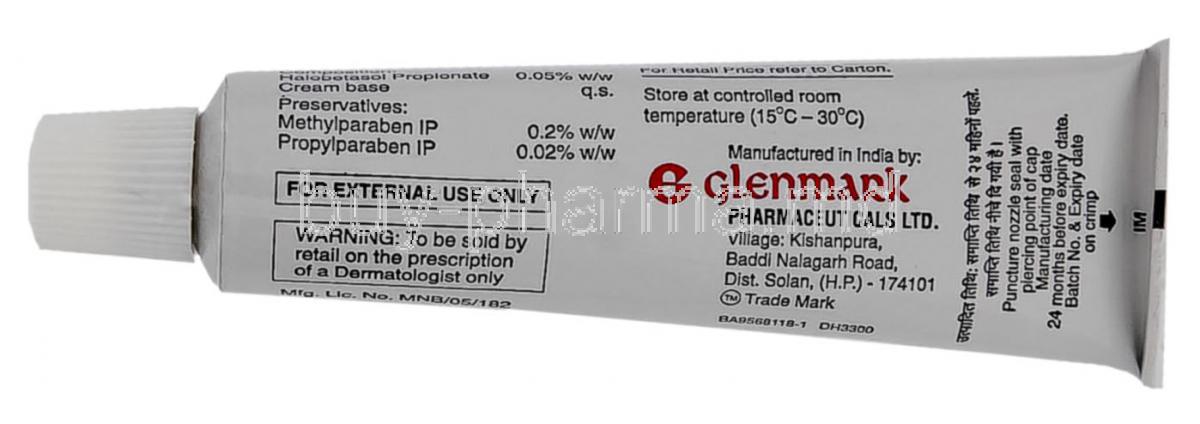
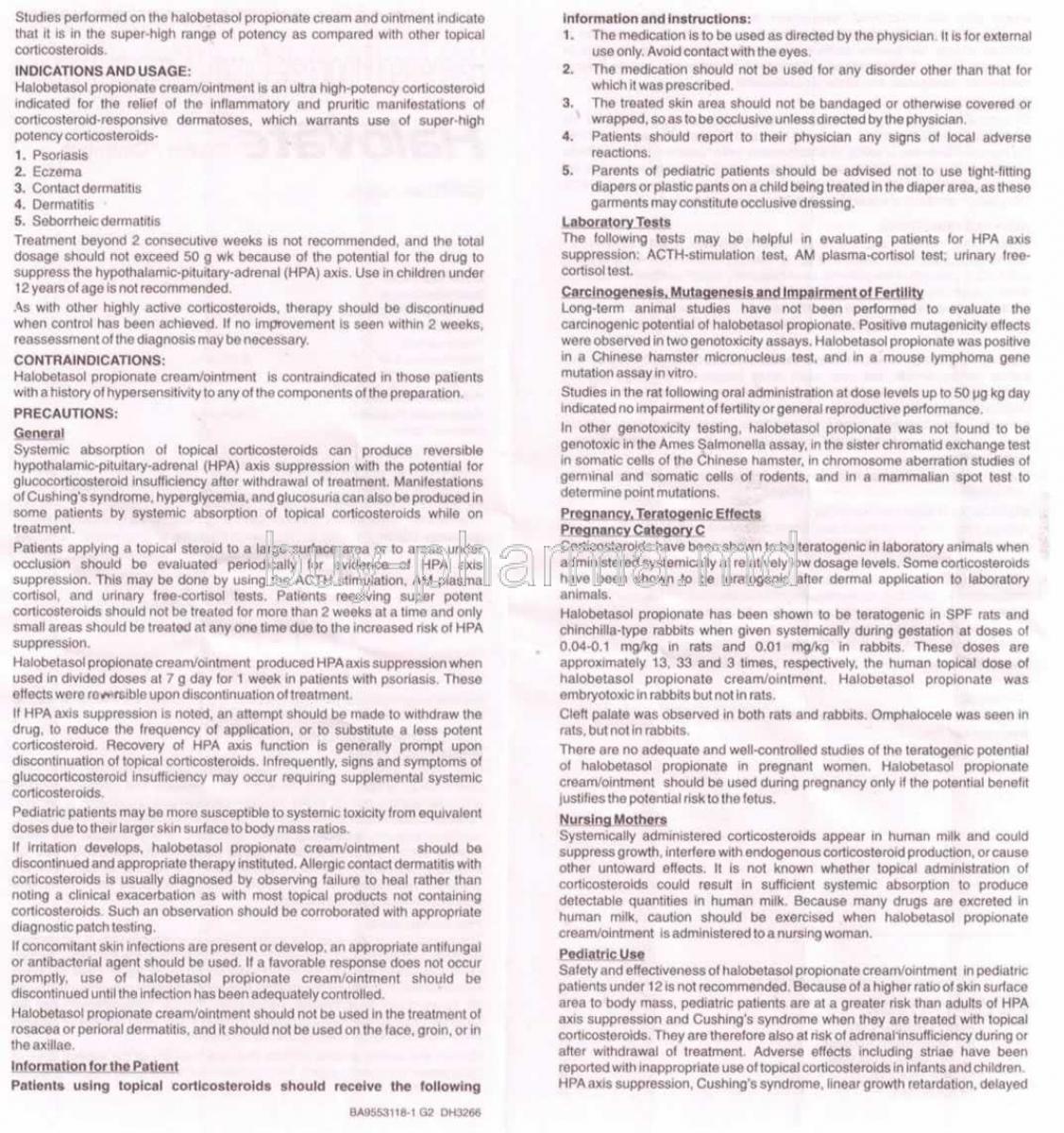
Each formulation typically contains halobetasol propionate 0.05% w/w. This concentration represents one of the strongest topical corticosteroid strengths available for human use. Even minimal quantities exert profound therapeutic action.
2.2 Inactive Excipients and Formulation Characteristics
The base formulation may include hydrophilic and lipophilic excipients such as: • White petrolatum • Propylene glycol • Mineral oil • Emulsifying wax These ingredients enhance skin penetration, stabilize the formulation, and improve spreadability.
2.3 Available Dosage Forms
Halovate is commonly available in: • Topical cream • Ointment formulation • Lotion or solution variants for hair-bearing areas Each form offers distinct absorption characteristics suited to different skin types and anatomical regions.
2.4 Physical Properties and Absorption Profile
The cream is smooth, non-gritty, and designed for uniform application. Absorption is rapid, with significant dermal penetration due to its lipophilic nature. Enhanced absorption occurs on thinner skin, compromised skin barriers, and under occlusion.
3. Mechanism of Action: How Halobetasol Works
3.1 Corticosteroid Receptor Binding and Anti-Inflammatory Effects
Halobetasol binds to intracellular glucocorticoid receptors, leading to modulation of numerous inflammatory pathways. This receptor-mediated activity helps reduce swelling, redness, and discomfort.
3.2 Suppression of Cytokine Release and Inflammatory Mediators
It inhibits cytokines such as IL-1, IL-6, and TNF-α. These mediators are responsible for propagating inflammation, tissue irritation, and immune hypersensitivity.
3.3 Vasoconstrictive Action and Reduction of Erythema
Halobetasol induces marked vasoconstriction in capillaries, reducing blood flow to inflamed regions. This mechanism contributes to rapid improvement in visible redness.
3.4 Effects on Epidermal Cell Proliferation and Keratinocyte Turnover
The cream slows down excessive keratinocyte multiplication, which is central to disorders like psoriasis. By regulating epidermal turnover, it promotes smoother, healthier skin surface recovery.
4. Therapeutic Uses of Halovate
4.1 Treatment of Plaque Psoriasis
Halovate is particularly effective for thick, scaly psoriatic plaques. It reduces hyperproliferation, scales, and erythema while easing persistent itching.
4.2 Management of Eczema and Atopic Dermatitis Flare-Ups
Short-term use helps quell acute inflammatory flares characterized by itching, dryness, and erythema. It restores barrier function when conventional topical steroids fail to achieve adequate control.
4.3 Relief of Chronic Lichenified Dermatitis
Lichenified lesions—those thickened due to chronic scratching—respond rapidly to halobetasol. The cream softens hardened skin and reduces pruritus.
4.4 Use in Contact Dermatitis (Allergic and Irritant)
Halovate can be utilized to calm inflammatory reactions triggered by allergens or irritants. It reduces swelling and mitigates severe discomfort.
4.5 Treatment of Seborrheic Dermatitis (Special Considerations)
Though not a first-line therapy, it may be used in severe, resistant cases under strict guidance. Caution is essential due to high potency.
4.6 Management of Neurodermatitis and Lichen Simplex Chronicus
Its antipruritic and anti-inflammatory effects make it an effective agent for neurodermatitis. Halovate interrupts the itch–scratch cycle.
4.7 Treatment of Localized Lichen Planus
Localized lesions characterized by immune-mediated inflammation may improve with Halovate. It helps reduce pain, redness, and plaque-like thickening.
4.8 Use in Pruritic Inflammatory Dermatoses
It provides broad-spectrum relief for conditions where itching and inflammation dominate the clinical picture.
5. Off-Label Uses
5.1 Hyperkeratotic Palmoplantar Dermatoses
Halovate can soften thickened skin on palms and soles, improving texture and reducing fissuring.
5.2 Management of Discoid Lupus Lesions
In dermatology-supervised scenarios, it may be used to control inflammatory lupus patches. Its potent immunosuppressive effect offers symptomatic improvement.
5.3 Symptomatic Relief in Insect Bite Hypersensitivity
It helps diminish swelling, itching, and redness from exaggerated bite reactions.
5.4 Adjunctive Treatment in Vitiligo (Limited Evidence)
Halobetasol may be combined with phototherapy to enhance repigmentation in specific cases.
5.5 Use in Resistant Dermatoses Requiring High-Potency Action
The cream is sometimes chosen for dermatoses that fail to respond to mid- or low-potency corticosteroids.
6. Dosage and Administration Guidelines
6.1 Standard Recommended Dosing Frequency and Duration
Most treatment plans involve once or twice-daily application. Treatment duration should remain short—typically no more than two weeks.
6.2 Maximum Weekly Dosage Limits
Total dosage should not exceed 50 grams per week to minimize systemic corticosteroid exposure.
6.3 Method of Application for Optimal Therapeutic Outcomes
• Apply a thin, uniform layer. • Avoid excessive rubbing. • Hands should be washed after application unless treating the hands directly.
6.4 Duration Limits for Adults, Elderly, and Sensitive Areas
Long-term use is discouraged. Sensitive areas such as the face, groin, and axilla require additional caution or reduced frequency.
6.5 Tapering Strategy to Avoid Rebound Dermatitis
Gradual reduction of application frequency is recommended to prevent rebound inflammation or flare-ups.
6.6 Use on Sensitive Areas and Precautions
Avoid use on thin skin unless specifically instructed. Overuse may result in visible atrophy, telangiectasia, and irritation.
7. Safety Information: Warnings and Precautions
7.1 Risk of Skin Atrophy With Prolonged Use
Chronic application may result in thinning of the skin, stretch marks, or vascular prominence.
7.2 Avoidance on Broken or Infected Skin
Applying the cream to compromised skin enhances systemic absorption and infection risk.
7.3 Caution Regarding Occlusive Dressings
Occlusive dressings significantly enhance penetration and can lead to systemic steroid effects.
7.4 Photosensitivity Precautions and Sun Exposure Guidelines
Inflamed skin treated with halobetasol may become more sensitive to UV radiation. Sun protection is advised.
7.5 Risks Associated With Misuse or Overuse
Misuse may trigger adrenal suppression, local complications, or paradoxical irritation.
8. Contraindications
8.1 Known Hypersensitivity to Halobetasol or Formulation Components
Individuals with allergic reactions to corticosteroids or excipients must avoid use.
8.2 Contraindicated in Untreated Bacterial, Viral, or Fungal Skin Infections
Steroids may exacerbate infections including tinea, herpes simplex, or impetigo.
8.3 Contraindication in Rosacea and Perioral Dermatitis
Halobetasol can worsen these sensitivity-related facial disorders.
8.4 Use in Acne, Folliculitis, and Skin Ulceration
These conditions may deteriorate under potent steroid exposure.
9. Careful Administration Requirements
9.1 Patients With Thin or Sensitive Skin
Such individuals may experience quicker onset of side effects due to enhanced penetration.
9.2 Individuals With Diabetes or Endocrine Disorders
Steroids may influence glucose metabolism or adrenal function, requiring clinical oversight.
9.3 Patients With Impaired Circulation or Peripheral Vascular Disease
These patients are at increased risk for skin breakdown or steroid-induced complications.
9.4 Caution in Skin Atrophy-Prone Areas
Photodamaged or elderly skin is more susceptible to thinning and irritation.
9.5 Monitoring for HPA-Axis Suppression
Long-term or high-dose users require monitoring for systemic corticosteroid suppression symptoms.
10. Side Effects
10.1 Overview of Dermatologic Adverse Reactions
Reactions may include dryness, redness, burning sensations, and transient stinging.
10.2 Systemic Corticosteroid Effects Due to Absorption
Rarely, systemic side effects may occur: • Fatigue • Weight gain • Hormonal imbalances • Adrenal suppression
10.3 Immunosuppressive Risks and Secondary Infections
By dampening immune responses, the cream may predispose to secondary skin infections.
10.4 Rare but Serious Dermatologic Complications
Potential severe reactions include telangiectasia, striae, or allergic contact dermatitis.
11. Common Side Effects
11.1 Burning, Stinging, or Local Irritation
Mild burning or stinging sensations are among the most frequently reported reactions after applying halobetasol cream. These effects usually occur immediately upon application and tend to diminish as the skin adjusts. • Transient discomfort • Local warmth or tingling • Slight sensitivity at the application site Most symptoms are self-limiting and do not require discontinuation unless severe.
11.2 Dryness, Peeling, or Scaling
The potent corticosteroid action may lead to epidermal dryness or peeling. Some users notice scaling or increased flakiness as the skin responds to reduced inflammation. Hydrating, non-occlusive moisturizers may help alleviate these symptoms, provided they do not interfere with the medication’s absorption.
11.3 Redness, Itching, or Mild Inflammation
Paradoxical redness or itching may occur during treatment. These reactions can reflect irritation, sensitivity to excipients, or rebound inflammation. If redness persists or worsens, re-evaluation is recommended to rule out dermatitis or hypersensitivity.
11.4 Skin Thinning or Visible Blood Vessels
Extended use may cause cutaneous atrophy, leading to: • Thinning of the epidermis • Increased transparency of the skin • Visible telangiectasia (dilated superficial vessels) These effects are more pronounced on sensitive or thin-skinned areas such as the face and neck.
11.5 Folliculitis or Acne-Like Eruptions
Follicle irritation may result in small red bumps resembling acne. These eruptions occur due to steroid-induced changes in the pilosebaceous unit. In most cases, reducing application frequency or switching formulations resolves the issue.
12. Drug Interaction Considerations
12.1 Interaction With Other Topical Corticosteroids
Using multiple potent corticosteroids simultaneously increases the risk of cumulative side effects, including skin atrophy and adrenal suppression. Combination therapy should be avoided unless explicitly recommended.
12.2 Use With Topical Antibiotics, Antifungals, or Retinoids
Co-administration with retinoids may intensify irritation. Topical antibiotics or antifungals may be used concurrently in mixed infections, but timing and layering must be monitored carefully to avoid dilution or interference.
12.3 Risk With Photosensitizing Agents
Agents that increase sun sensitivity—such as certain acne treatments—may exacerbate irritation when used alongside halobetasol. Caution and sun-protective measures are strongly recommended.
12.4 Systemic Medications Affecting Cortisol Levels
Medications that influence adrenal function, including systemic steroids, may increase the risk of HPA-axis suppression. Patients on long-term systemic corticosteroids require special monitoring when using potent topical forms.
12.5 Interactions With Moisturizers or Occlusive Skincare Products
Occlusive products significantly enhance dermal absorption, increasing systemic risk. Light, non-occlusive emollients may be applied separately but should not be layered immediately before or after halobetasol application.
13. Administration in Special Populations
13.1 Administration to Elderly
Older adults have thinner and more vulnerable skin. As a result, they are more prone to steroid-induced atrophy. • Dose reduction is often necessary • Treatment duration should be limited Frequent monitoring ensures avoidance of long-term structural damage.
13.2 Administration to Pregnant Women
Halobetasol should be used cautiously during pregnancy. Although systemic absorption is usually minimal, ultra-potent steroids may pose theoretical fetal risks. • Use only if essential • Apply to the smallest surface area possible Guidelines recommend avoiding prolonged application to prevent potential developmental concerns.
13.3 Administration to Nursing Mothers
Nursing mothers should prevent direct infant contact with treated skin. Halobetasol must not be applied to the breast area to avoid accidental ingestion. If treatment is required, timing and location must be carefully managed.
13.4 Administration to Children
Children absorb topical steroids more readily due to a higher surface-area-to-body-weight ratio. • Increased risk of systemic exposure • Higher likelihood of adrenal suppression Use is generally discouraged in infants and limited to brief intervals in older children under strict supervision.
14. Overdosage and Toxicity
14.1 Clinical Signs of Topical Corticosteroid Overdose
Excessive application may manifest as: • Skin thinning • Worsening irritation • Significant redness • Stretch marks or bruising In severe cases, systemic manifestations may emerge.
14.2 HPA-Axis Suppression and Cushing-Like Symptoms
Prolonged or high-dose use may suppress adrenal function. Symptoms can include: • Fatigue • Facial puffiness • Weight gain • Elevated blood glucose These signs require immediate evaluation.
14.3 Emergency Management and Cessation Protocol
Discontinuation of excessive use is the first step. Medical assessment may be needed to evaluate the degree of systemic involvement. Gradual tapering can prevent rebound effects in severe or long-term misuse.
14.4 Long-Term Complications of Chronic Overuse
Chronic misuse may result in persistent atrophy, fragile skin, or impaired wound healing. Pigment disturbances and telangiectasia may become permanent. These structural changes require dermatological management.
15. Handling and Storage Requirements
15.1 Recommended Storage Temperature and Humidity
The cream should be stored at room temperature, typically between 20°C and 25°C. Excessive humidity may degrade formulation stability.
15.2 Avoiding Exposure to Direct Sunlight and High Heat
High temperatures accelerate breakdown of corticosteroids. Keep the tube away from windows, heaters, or vehicles during warm weather.
15.3 Shelf Life and Stability Considerations
Each product includes an expiration date that should be respected. Past this period, potency and antimicrobial stability diminish significantly.
15.4 Proper Handling to Avoid Contamination
Ensure hands and application tools are clean before use. Avoid touching the nozzle directly to the skin to prevent contamination.
15.5 Safe Disposal Practices for Expired or Unused Product
Discard unused cream according to local pharmaceutical disposal guidelines. Do not flush or dispose of in household waste where possible.
16. Patient Counseling and Important Precautions
16.1 Guidance on Proper Use and Expectations
Patients should apply a thin layer and avoid excessive frequency. Improvement is often rapid, but treatment must remain controlled to avoid complications.
16.2 Recognizing Adverse Reactions Requiring Medical Attention
Seek medical review if symptoms worsen, infection develops, or unexpected skin thinning appears. Prompt reporting improves outcomes and prevents long-term adverse effects.
16.3 Avoiding Triggers That Worsen Skin Conditions
Environmental irritants, harsh soaps, and allergens may exacerbate inflammation. Patients should identify and avoid known triggers to complement treatment.
16.4 Importance of Following Prescribed Treatment Duration
Halobetasol is intended for short-term use. Prolonged or unsupervised therapy increases the risk of side effects and systemic absorption.
16.5 Educating Patients on Risks of Potent Corticosteroids
Users should understand the potency of halobetasol and the importance of adherence to guidelines. Awareness empowers patients to use the medication safely while achieving optimal therapeutic benefit.

 Verified Purchase
Halobet
Use this for my very itchy dog. Works great for him. Will be buying more!!
Halovate, Halobetasol Propionate Cream FAQ
Customers also bought
Popular Products
Similar Product