1. Introduction to iCare Hepatitis C Test Kit
Hepatitis C remains a significant global health burden, affecting millions of individuals worldwide and contributing to chronic liver disease, cirrhosis, and hepatocellular carcinoma. Many infected individuals remain asymptomatic for years. This silent progression makes early identification not merely beneficial, but essential.
Early detection enables timely medical evaluation and access to highly effective antiviral therapies. It also reduces the risk of viral transmission within communities and healthcare settings.
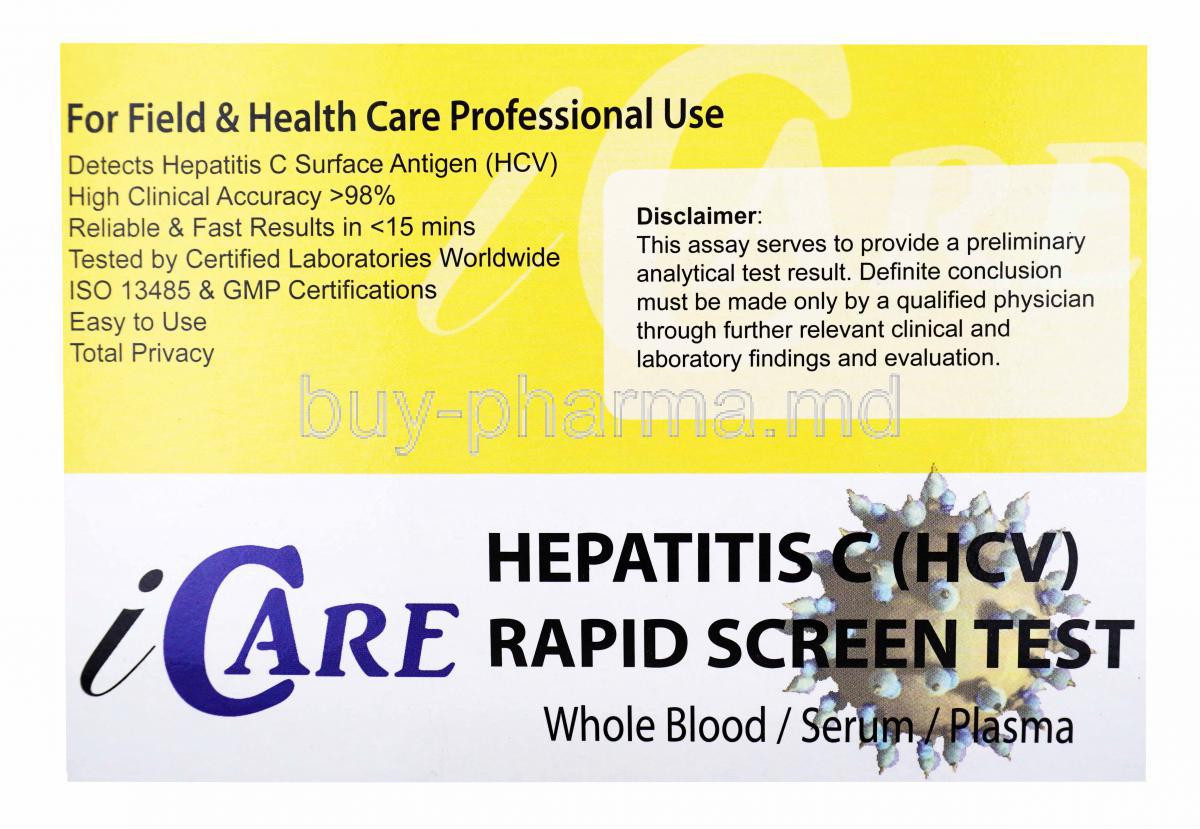
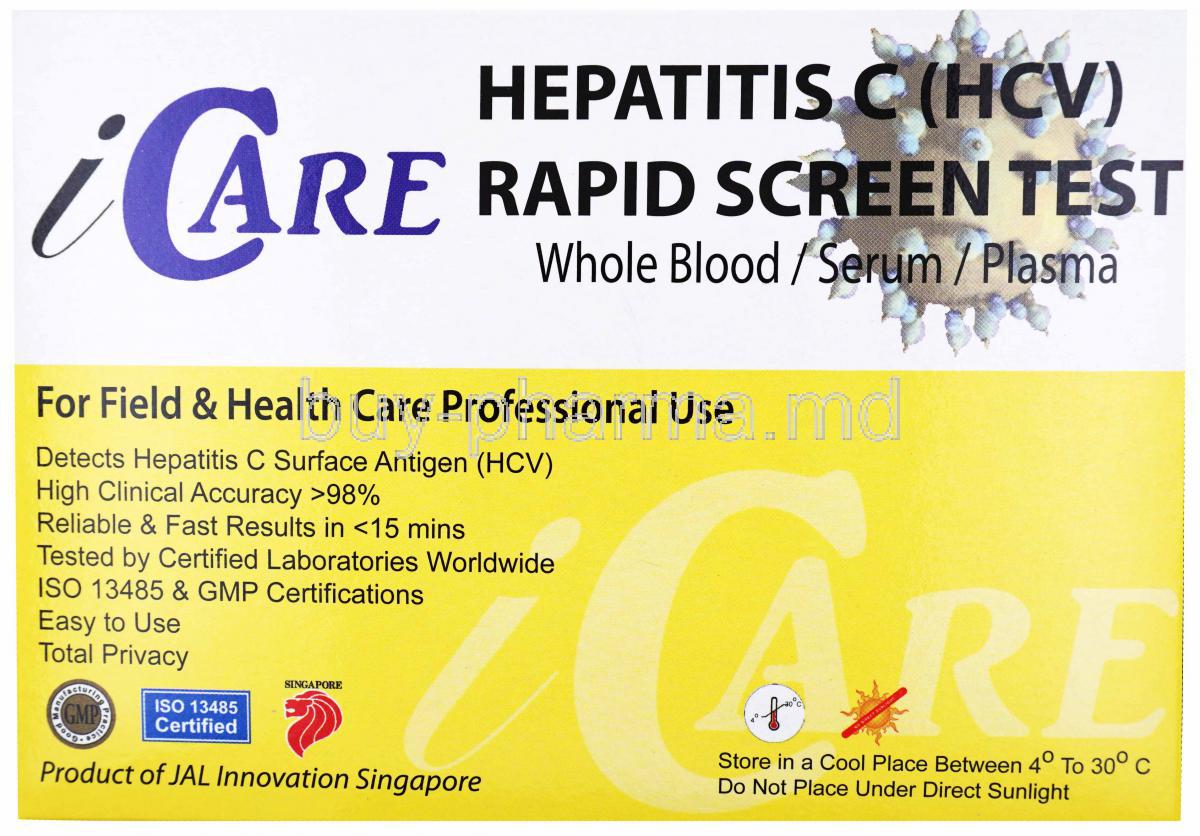
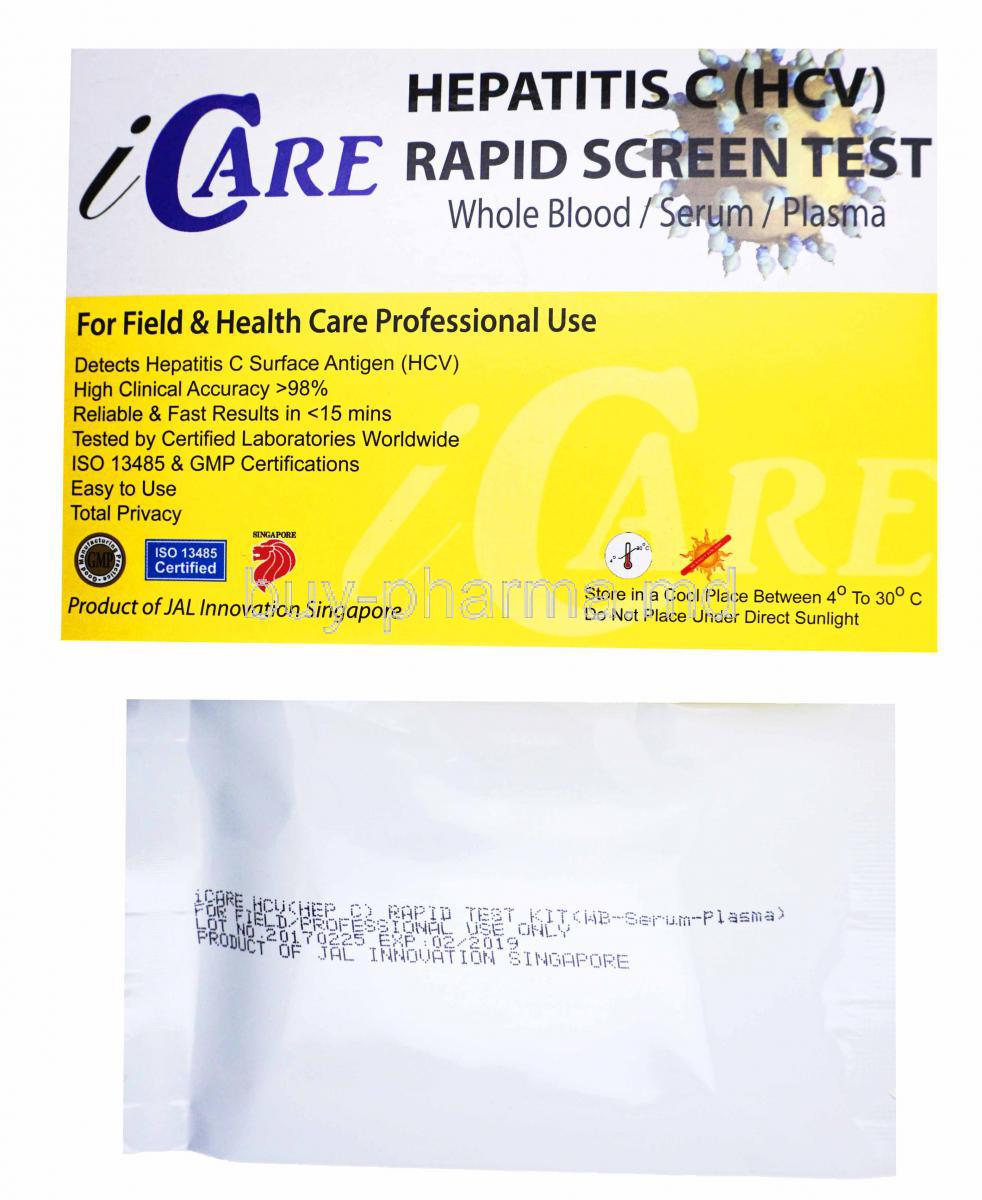
The iCare Hepatitis C Test Kit is a rapid diagnostic device designed to detect antibodies to the Hepatitis C virus (HCV). It provides quick, reliable results using a small blood sample. The kit is suitable for:
- Home users seeking private screening
- Clinics and primary care settings
- Public health and outreach screening programs
Point-of-care testing offers multiple advantages:
- Rapid results within minutes
- No complex laboratory equipment required
- Improved access in remote or resource-limited environments
- Enhanced patient compliance and early linkage to care
2. Understanding Hepatitis C: Why Testing Matters
What is Hepatitis C Virus (HCV)?
Hepatitis C is a blood-borne viral infection that primarily affects the liver. Once inside the body, the virus can persist for decades, gradually damaging hepatic tissue.
Modes of Transmission and High-Risk Populations
HCV spreads through exposure to infected blood. Common transmission routes include:
- Injection drug use and needle sharing
- Transfusion of unscreened blood products (historically)
- Occupational exposure among healthcare workers
- Non-sterile medical or cosmetic procedures
- Vertical transmission from mother to child (less common)
High-risk groups include individuals with a history of intravenous drug use, recipients of blood transfusions before routine screening, dialysis patients, and individuals with multiple medical exposures.
Symptoms of Acute and Chronic Infection
Most acute infections are asymptomatic. When present, symptoms may include fatigue, jaundice, nausea, or abdominal discomfort. Chronic infection often progresses silently.
Risks of Untreated Infection
- Chronic hepatitis
- Liver fibrosis and cirrhosis
- Liver failure
- Hepatocellular carcinoma
Screening plays a pivotal role in disease control, enabling early treatment and reducing long-term complications.
3. Composition and Kit Contents
The iCare Hepatitis C Test Kit is a complete diagnostic system designed for convenient use. Typical components include:
- Test cassette or strip for HCV antibody detection
- Sterile lancet for fingerstick blood collection
- Capillary tube or sample dropper
- Buffer solution containing reaction reagents
- Alcohol swab for skin disinfection
- Disposable materials for safe handling
- Detailed instruction manual and result interpretation guide
Each component is individually packaged to maintain sterility and performance integrity.
4. How the iCare Hepatitis C Test Kit Works (Mechanism of Action)
The device utilizes an immunochromatographic lateral flow assay. This technology allows rapid detection of antibodies produced in response to HCV infection.
How to test for Hepatitis C
A small blood sample is applied to the sample well. The buffer facilitates capillary migration across the membrane. If anti-HCV antibodies are present, they bind to specific antigens and form a visible test line.
Reaction Process
- Sample application
- Migration through reagent zone
- Antigen-antibody binding
- Appearance of control and test lines
Results are typically available within 10–20 minutes. Reading outside the recommended time window may compromise accuracy.
The test is designed with high sensitivity and specificity, although confirmatory laboratory testing remains essential for diagnosis.
5. Approved Uses of iCare Hepatitis C Test Kit
The primary indication is screening for exposure to Hepatitis C virus. Key applications include:
- Routine screening in adults
- Home-based self-testing for early detection
- Point-of-care use in clinics and pharmacies
- Screening of high-risk populations
- Pre-treatment evaluation before initiating antiviral therapy
Rapid identification facilitates timely clinical assessment and treatment planning.
6. Expanded and Off-Label Uses
Beyond standard screening, the test kit may be utilized in broader public health and institutional settings:
- Community outreach and mobile screening initiatives
- Occupational health assessments
- Preoperative or pre-procedural screening
- Testing in correctional or rehabilitation facilities
- Epidemiological surveys and research studies
- Screening in remote or resource-limited regions
- Testing of partners or household contacts of infected individuals
These applications support early detection at a population level and contribute to disease control efforts.
7. Dosage and Administration (How to Use the Test)
Sample Type
The recommended specimen is fingerstick whole blood.
General Procedure
- Clean the fingertip with an alcohol swab
- Use the sterile lancet to obtain a blood drop
- Transfer the sample to the test device
- Add the provided buffer solution
- Wait for the specified reaction time
Proper timing is critical. Results should be read within the manufacturer’s recommended interval.
Result Interpretation
- Two lines: reactive (positive)
- Control line only: non-reactive (negative)
- No control line: invalid test
Repeat testing or laboratory confirmation is recommended if results are unclear or exposure is recent.
8. Interpretation of Results and Next Steps
A reactive result indicates the presence of HCV antibodies, suggesting current or past infection. However, antibody testing alone cannot distinguish active infection.
- Confirmatory HCV RNA testing is required
- Medical consultation should follow a positive result
A negative result generally indicates no detectable antibodies. However, testing during the early window period may yield false-negative results.
Individuals with recent exposure should consider repeat testing after several weeks.
9. Storage Conditions and Shelf Life
Proper storage ensures diagnostic accuracy.
- Store at recommended room temperature
- Avoid excessive heat, humidity, or freezing
- Protect from direct sunlight
- Keep the test sealed until use
The foil pouch should only be opened immediately before testing. Expired kits may produce unreliable results and should not be used.
10. Safety Profile and Side Effects
The iCare Hepatitis C Test Kit is a non-pharmacological diagnostic device and is generally safe when used correctly.
Risks Associated with Fingerstick Sampling
- Improper technique may increase discomfort
- Reuse of lancets can lead to infection risk
- Inadequate hygiene may cause contamination
Common Side Effects
- Mild pain at the puncture site
- Minor bleeding or bruising
- Temporary skin irritation
Standard infection control measures, including hand hygiene and safe disposal of sharps, should always be followed to ensure safe use.
11. Warnings and Safety Information
The iCare Hepatitis C Test Kit is a screening device, not a standalone diagnostic solution. While it provides rapid and useful preliminary information, confirmatory laboratory testing is essential for clinical decision-making.
Users should be aware of the inherent limitations associated with antibody-based screening.
- A reactive result requires confirmatory HCV RNA testing
- A non-reactive result does not exclude very recent infection
- Clinical evaluation should always follow abnormal findings
False Positives and False Negatives
Test accuracy may be influenced by several factors. False-positive results may occur due to cross-reactivity or nonspecific binding. False-negative results are more likely during the early serological window period or in individuals with compromised immune function.
Proper Timing and Technique
- Read results within the specified time window
- Avoid interpreting results too early or too late
- Follow each procedural step precisely
All components are designed for single use. Reuse of lancets, droppers, or test devices may lead to contamination, inaccurate results, or infection risk.
The test should only be used if the packaging is intact. Kits that are damaged, opened prematurely, or exposed to adverse conditions must be discarded.
12. Contraindications
Use of the test kit under inappropriate conditions may compromise performance and safety.
- Do not use expired kits or components
- Avoid using devices with torn, punctured, or compromised packaging
- Do not substitute recommended sample types
- Avoid testing outside the specified storage or operating temperature range
Individuals who are unable to safely perform fingerstick blood collection should not self-administer the test without assistance. Improper technique increases the risk of injury and unreliable results.
13. Careful Administration and Important Precautions
Meticulous handling is essential to ensure both safety and diagnostic integrity.
Hygiene and Sterile Technique
- Wash hands thoroughly before and after testing
- Disinfect the puncture site with the provided alcohol swab
- Use only sterile, single-use lancets
Biohazard Management
- Dispose of lancets immediately after use
- Treat all blood samples as potentially infectious
- Avoid contact with mucous membranes or open wounds
Cross-contamination must be strictly avoided, particularly in multi-user or clinical environments. Each test is intended for a single individual.
Ensure that an adequate blood sample is collected. Insufficient volume may lead to incomplete migration and invalid results. Strict adherence to the manufacturer’s instructions is essential for optimal performance.
14. Administration in Special Populations
14.1 Use in Elderly Individuals
The test is generally suitable for older adults; however, age-related factors may influence usability.
- Reduced visual acuity may affect result interpretation
- Decreased manual dexterity may complicate sample collection
- Assistance from a caregiver or healthcare provider may be beneficial
14.2 Use During Pregnancy and Breastfeeding
Antibody-based screening poses no direct risk during pregnancy or lactation, as the procedure involves only a small peripheral blood sample.
Maternal screening is clinically significant because:
- Early detection enables appropriate medical management
- Risk assessment for vertical transmission can be performed
- Postnatal monitoring strategies can be planned
14.3 Use in Children and Adolescents
Testing in minors should be performed under adult supervision or by trained personnel.
- Ensure proper technique and safety during fingerstick collection
- Consider age-appropriate counseling and consent
Interpretation may be complex in infants born to HCV-positive mothers, as maternal antibodies can persist for several months.
15. Interactions and Factors Affecting Test Accuracy
Although the device does not interact pharmacologically, several biological and environmental factors may influence diagnostic reliability.
Physiological Factors
- Immunosuppression may delay or reduce antibody production
- Chronic illness or immune disorders may affect serological response
Timing of Exposure
Testing too soon after exposure may result in false-negative findings due to the antibody window period. Repeat testing may be necessary if recent exposure is suspected.
Technical and Environmental Factors
- Incorrect sample volume or improper buffer application
- Contamination of the sample area
- Exposure of the kit to extreme temperatures or humidity
- Reading results outside the recommended time frame
Careful attention to procedural accuracy significantly improves test performance.
16. Overdose or Misuse Considerations
As a diagnostic device, the test carries no pharmacological overdose risk. However, misuse may still present practical concerns.
- Repeated unnecessary testing may cause anxiety or misinterpretation
- Improper handling may damage components and invalidate results
- Excessive fingerstick sampling may lead to local irritation or discomfort
Testing should be performed only when clinically indicated or recommended by a healthcare professional.
17. Handling and Disposal Precautions
All materials used during testing should be handled as potentially infectious biological waste.
Safe Handling Practices
- Avoid direct contact with blood samples
- Use protective barriers if available
- Clean the testing area after use
Disposal Requirements
- Discard lancets in a puncture-resistant sharps container
- Dispose of used test devices and materials in sealed bags
- Follow local biomedical or household hazardous waste regulations
Improper disposal may pose risks to others and contribute to environmental contamination.
18. Quality Assurance and Performance Reliability
The iCare Hepatitis C Test Kit is designed to meet established standards for rapid diagnostic testing. When used correctly, it provides reliable screening performance.
- Validated sensitivity and specificity under controlled conditions
- Built-in control line to verify proper test function
- Consistent performance when stored and handled appropriately
In clinical settings, quality control procedures should be implemented regularly. Periodic verification of storage conditions, operator training, and adherence to protocols enhances diagnostic confidence.
Despite its utility, rapid testing does not replace laboratory-based molecular assays, which remain the gold standard for definitive diagnosis.
19. Advantages of iCare Hepatitis C Test Kit
The test kit offers a combination of practicality and clinical value, making it an effective tool for early screening initiatives.
- Rapid results within minutes
- No need for specialized laboratory equipment
- Simple procedure suitable for non-professional users
- Portable and convenient for field or outreach use
Privacy is another key advantage. Home users can perform screening discreetly, reducing barriers associated with stigma or limited healthcare access.
From a public health perspective, rapid testing supports early detection, timely referral, and reduced transmission. It is a pragmatic solution. Accessible, efficient, and impactful.
iCare Hepatitis C Test Kit FAQ
Can I test for hep C at home?
Yes
Is there a free home test for Hep C?
Yes
What is the most accurate test for hep C?
Enzyme immunoassays
What are the first signs of having hep C?
- Appetite loss
- Stomach pain
- Fatigue
- Nausea
- Vomiting
- Jaundice
When is the best time to test for hep C?
2 weeks after exposure
Is hep C positive serious?
Yes, it could lead to liver problems and cancer
Who needs a hep C test?
18-19 years old
Can hep C be cured?
Yes
Can you self test for hep C?
Yes
Similar Product