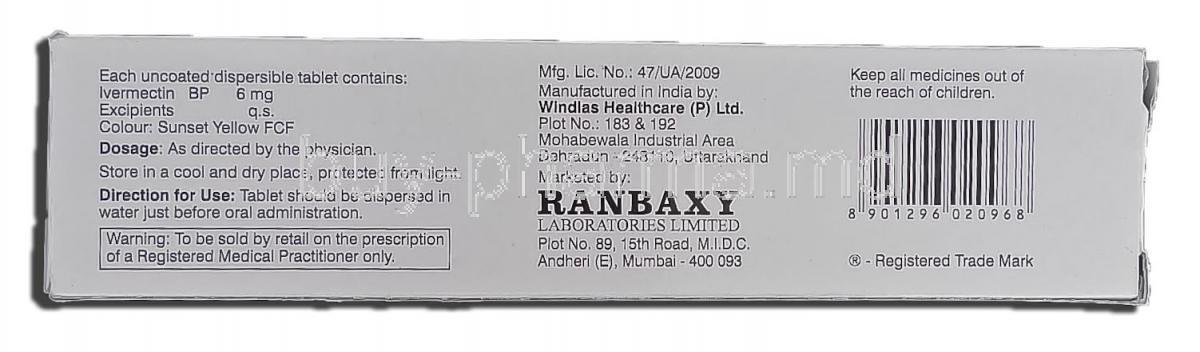
1. Introduction to Ivermectol (Ivermectin)
1.1 Overview of Ivermectin as an Antiparasitic Medication
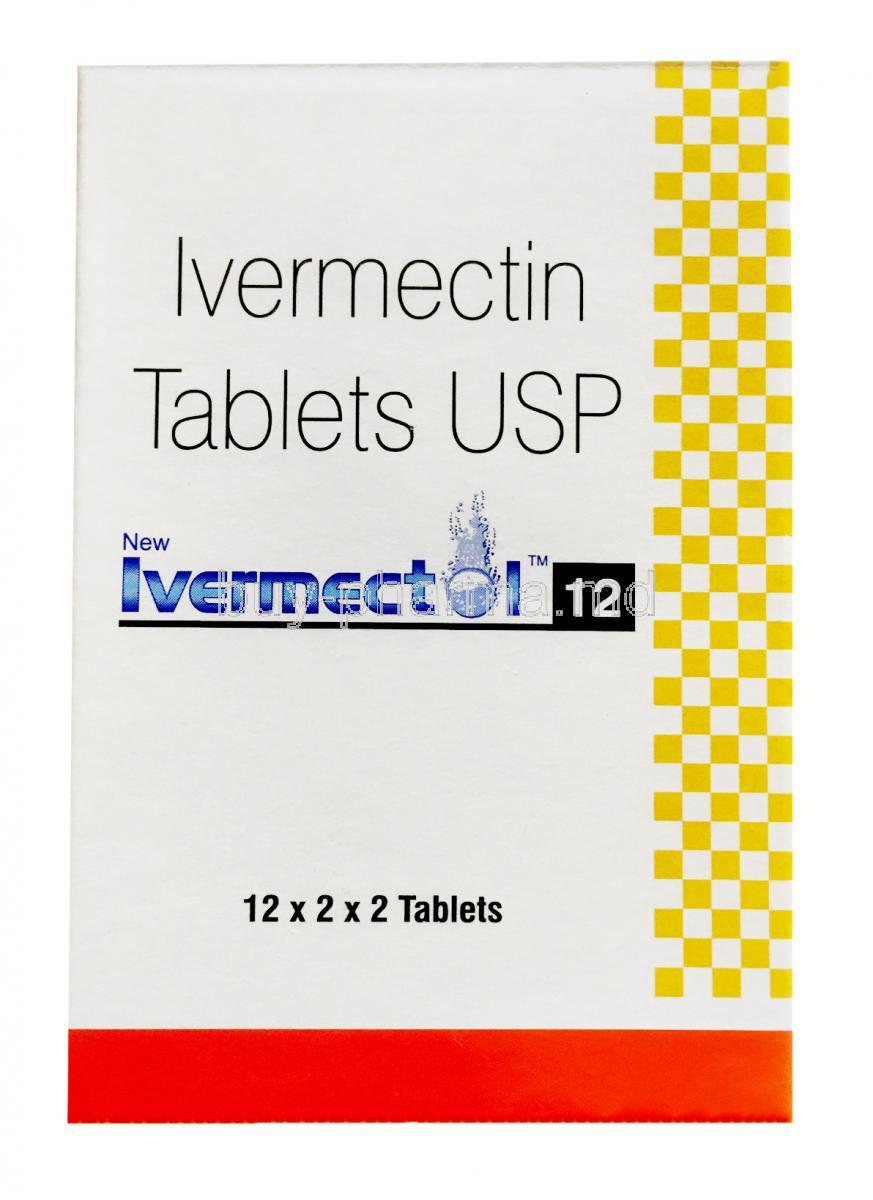
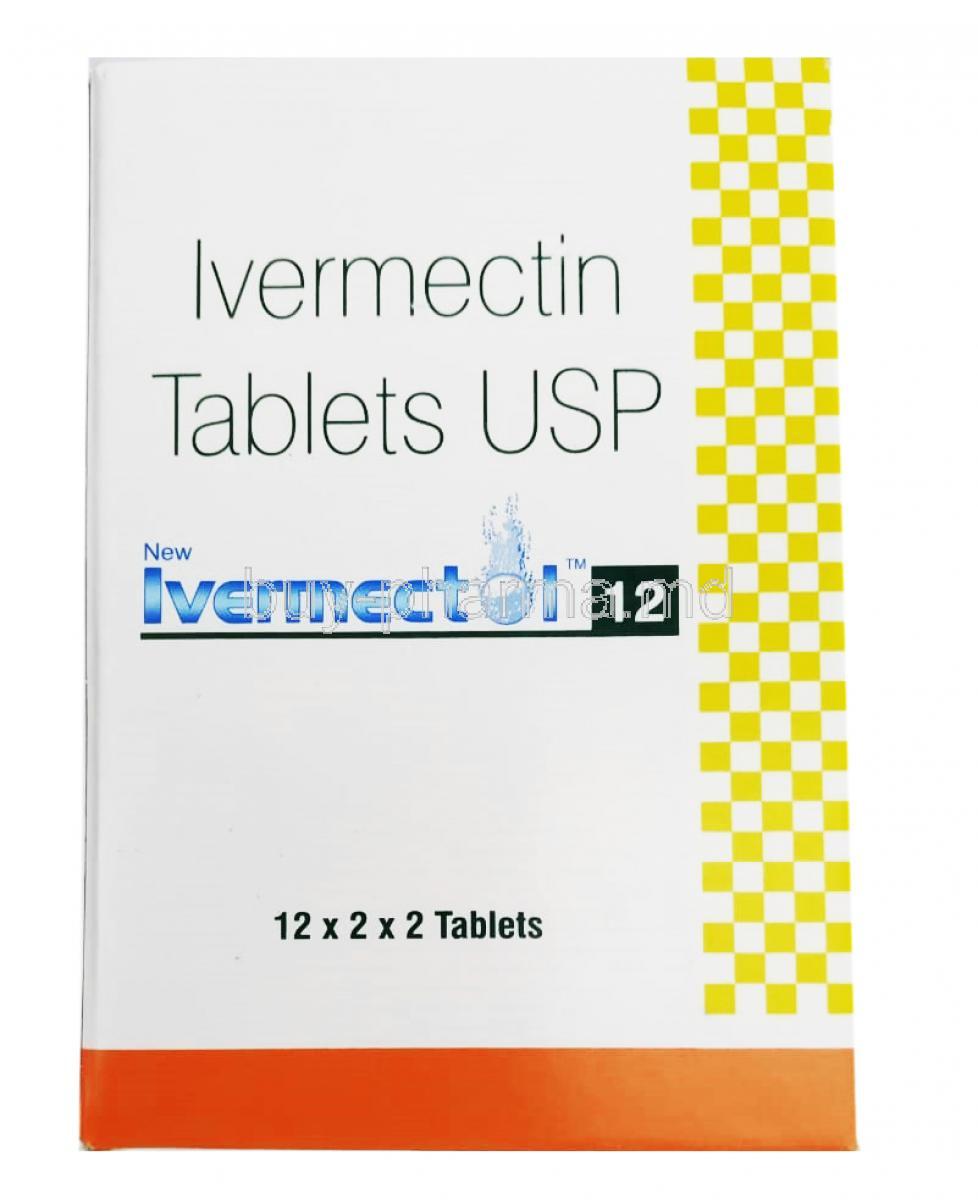
Ivermectol, containing the active compound ivermectin, is a well-established antiparasitic medication widely used to treat infections caused by nematodes and ectoparasites. It belongs to a class of drugs known as macrocyclic lactones and has played a pivotal role in controlling numerous parasitic diseases worldwide.
The medication is recognized for its potent antiparasitic activity and favorable safety profile when used appropriately. It is commonly prescribed for infections affecting the gastrointestinal tract, skin, and lymphatic system. In many regions of the world, ivermectin remains a cornerstone therapy for neglected tropical diseases.
- Broad-spectrum antiparasitic activity
- Effective against both internal and external parasites
- Widely used in both clinical medicine and public health programs
1.2 What Ivermectol Is and Its Pharmaceutical Classification
Ivermectol is an oral formulation of ivermectin designed for systemic treatment of parasitic infections. Pharmacologically, ivermectin is classified as an antiparasitic agent within the avermectin family. These compounds are derived from naturally occurring fermentation products of Streptomyces avermitilis.
The drug is highly effective against a variety of parasitic organisms including nematodes, mites, and lice. Its mechanism of action specifically targets parasite nervous systems, producing paralysis and eventual elimination of the organism from the host body.
1.3 History and Development of Ivermectin in Modern Medicine
Ivermectin was developed during the late twentieth century following extensive research into naturally derived antiparasitic compounds. The discovery originated from microbial fermentation products that demonstrated remarkable activity against parasites affecting animals and humans.
The drug quickly gained recognition due to its efficacy and ability to dramatically reduce the burden of parasitic diseases. It later became an essential treatment for river blindness and other parasitic infections affecting millions globally.
1.4 Global Medical Importance of Ivermectin in Parasitic Disease Control
The introduction of ivermectin revolutionized the management of several neglected tropical diseases. In particular, large-scale public health initiatives have used ivermectin in mass drug administration programs to control parasitic infections in endemic regions.
This medication has helped reduce the prevalence of conditions such as onchocerciasis and lymphatic filariasis. The global health impact has been substantial. In many areas, ivermectin has contributed significantly to disease elimination strategies.
1.5 Available Formulations and Brand Variations of Ivermectin
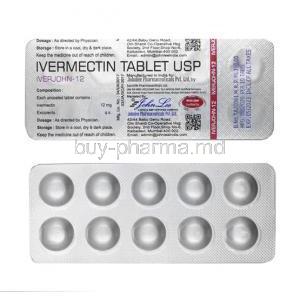
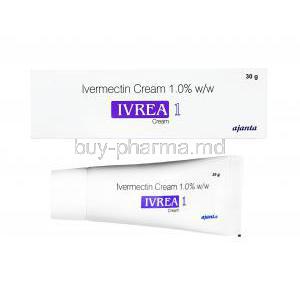
Ivermectin is available in several pharmaceutical formulations designed for different clinical applications. These include oral tablets, topical creams, lotions, and veterinary preparations.
- Oral tablets for systemic parasitic infections
- Topical formulations for skin infestations
- Specialized veterinary formulations
The choice of formulation depends on the type of parasite, severity of infection, and patient-specific considerations.
2. Composition and Pharmaceutical Formulation of Ivermectol
2.1 Active Ingredient: Ivermectin
The principal active component of Ivermectol is ivermectin. This semisynthetic derivative of avermectin compounds exhibits strong antiparasitic properties by targeting the neurological systems of parasites.
Once administered, ivermectin circulates through the bloodstream and interacts with parasite-specific neural receptors. This interaction results in paralysis and death of susceptible parasites.
2.2 Strengths and Dosage Forms (Tablets, Topical, Veterinary Preparations)
Ivermectol tablets are commonly available in several strengths to accommodate different dosing requirements based on body weight and infection type.
- 3 mg tablets
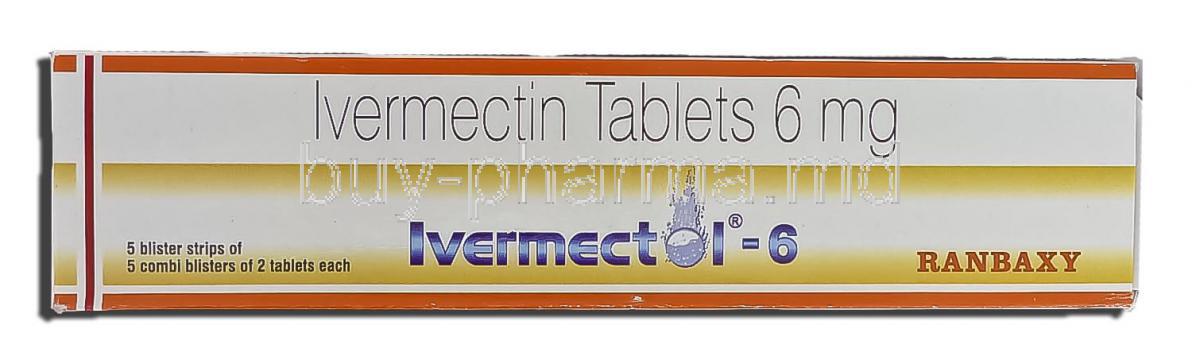
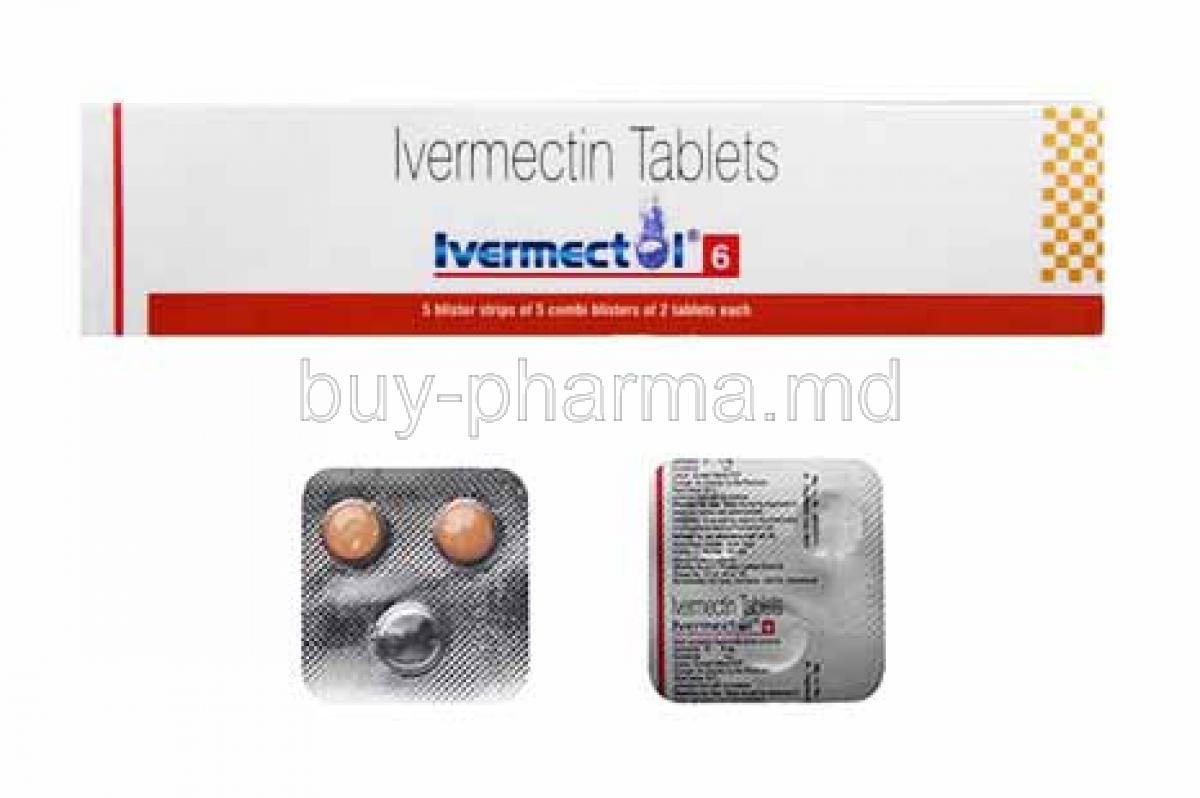
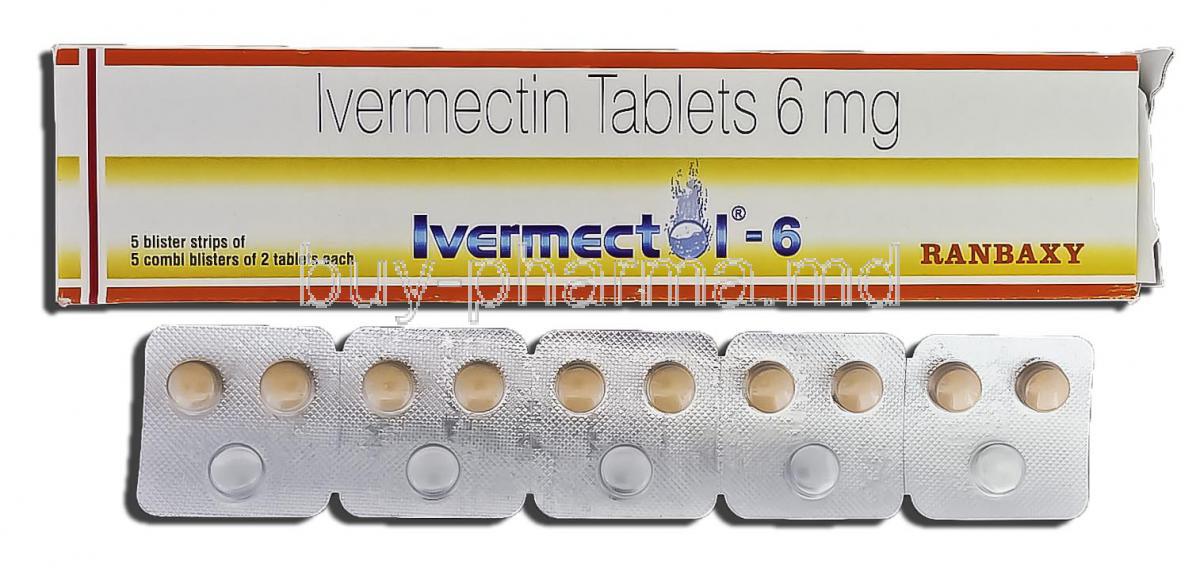
- 6 mg tablets
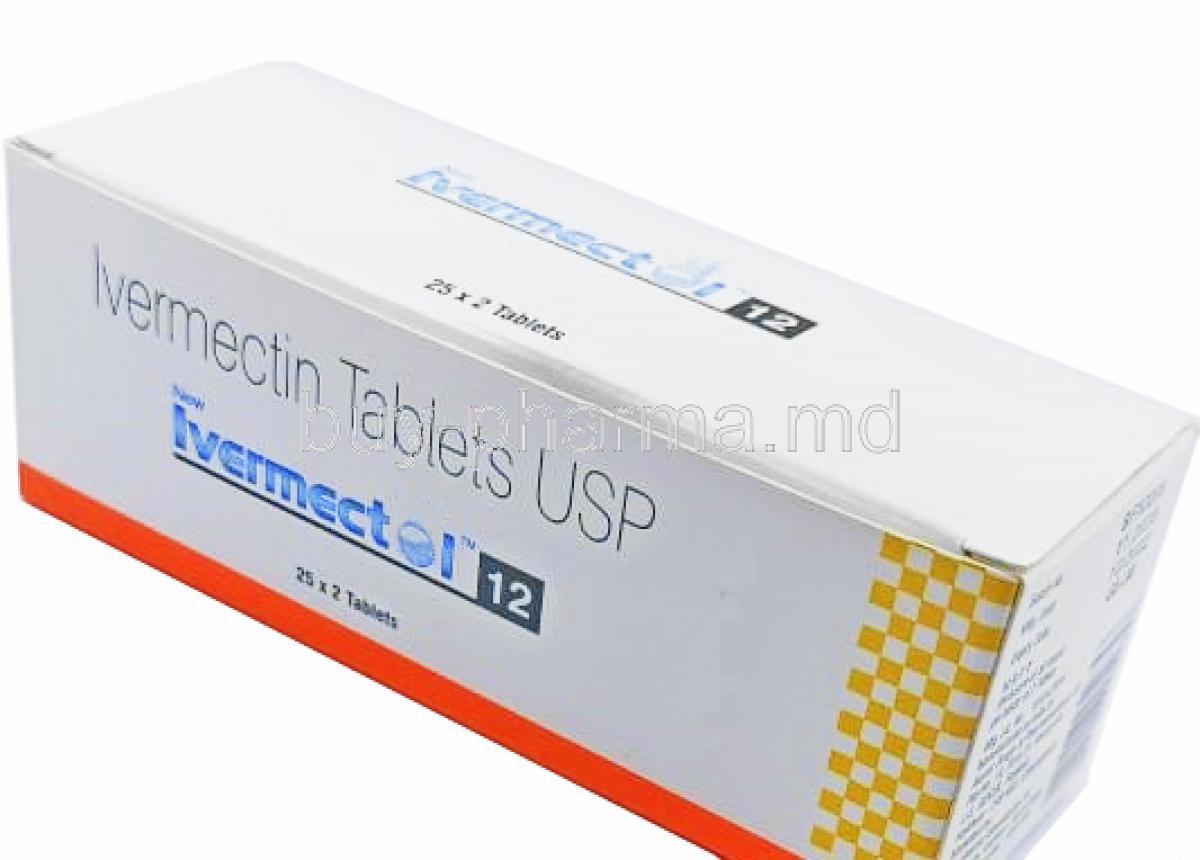
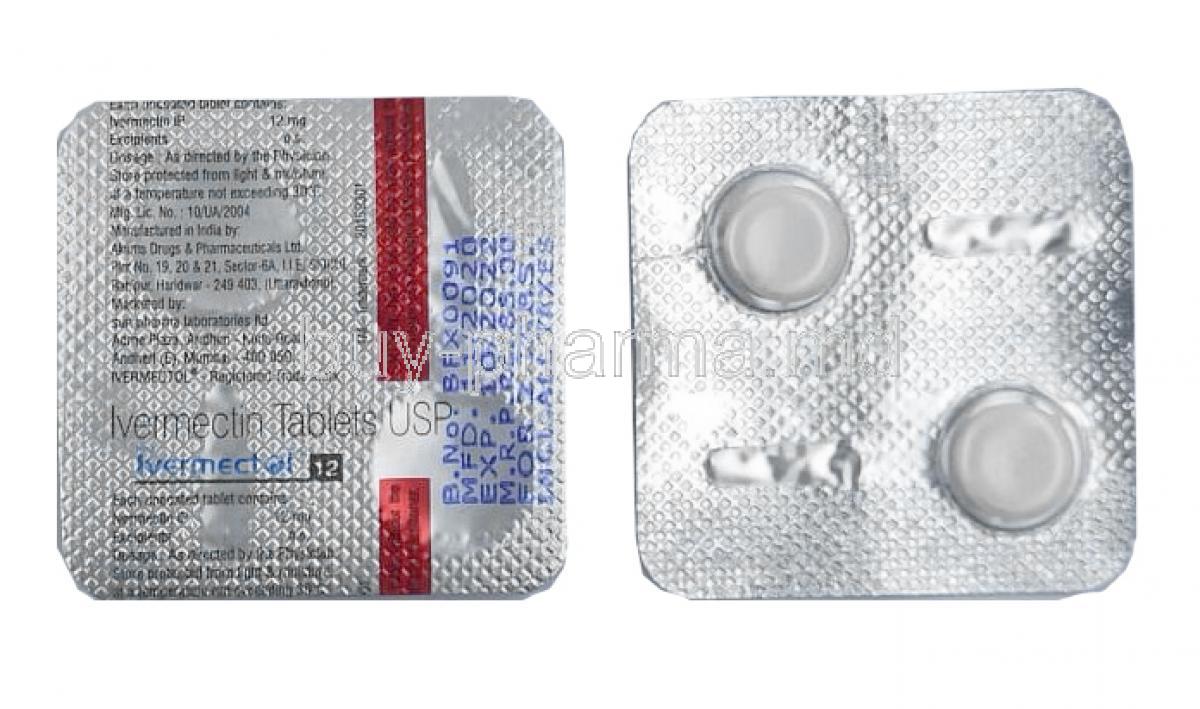
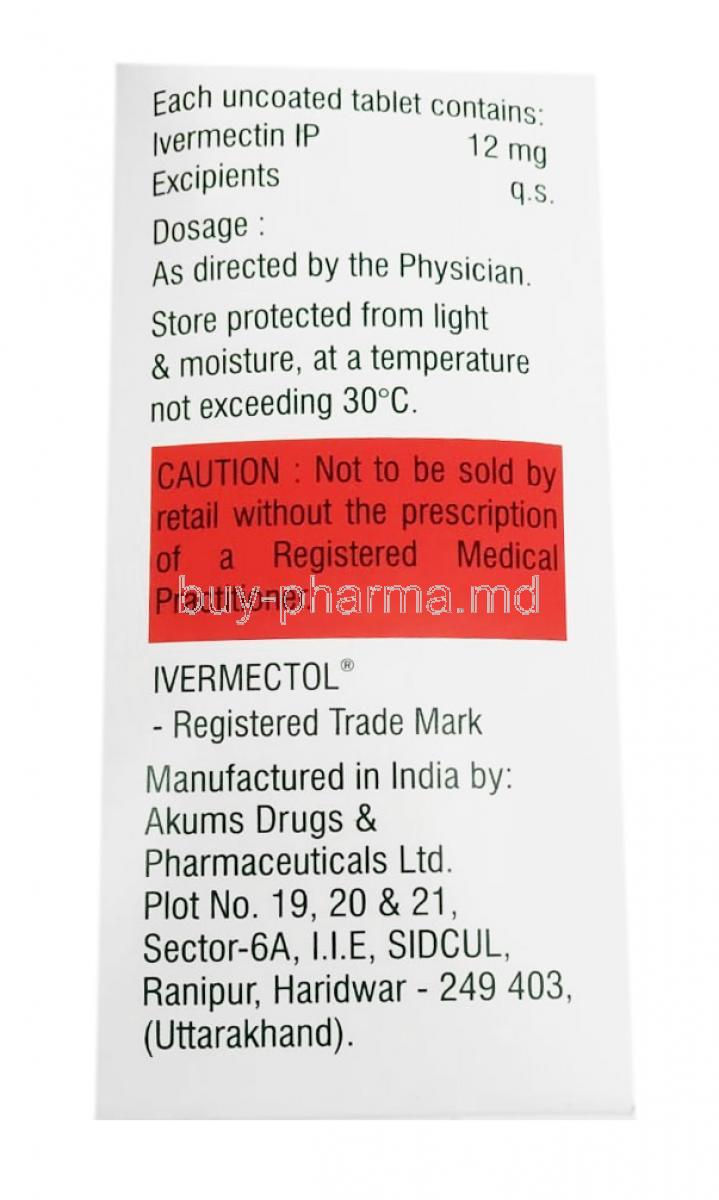
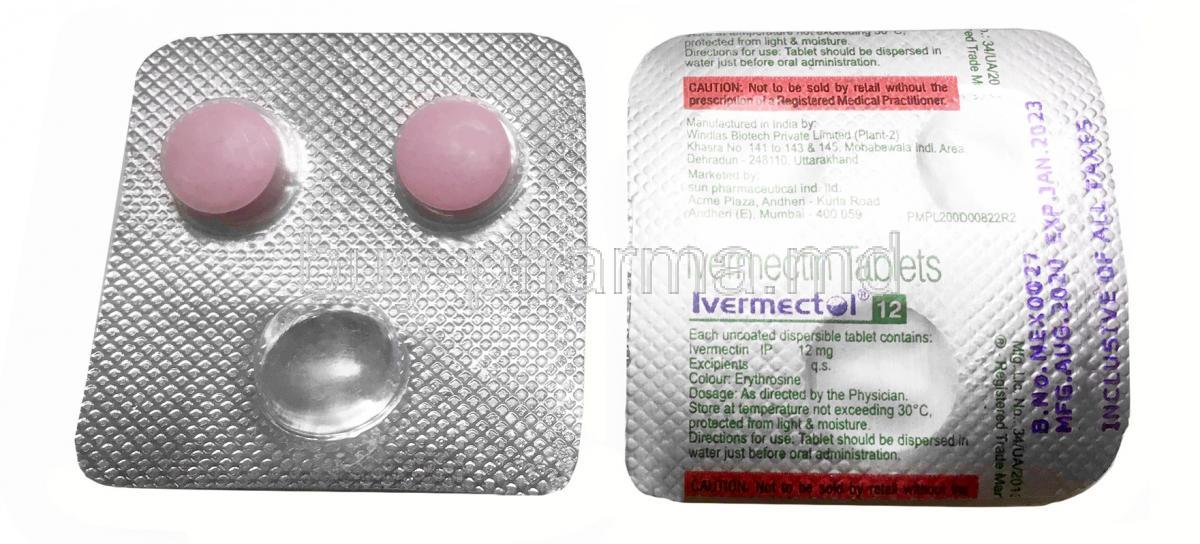
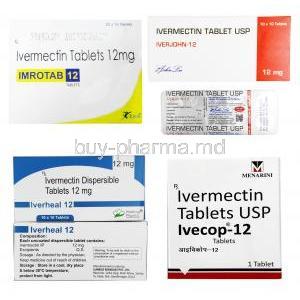
- 12 mg tablets
In addition to oral tablets, ivermectin may also be formulated as topical creams or lotions used for dermatological parasitic infections such as scabies or lice.
2.3 Inactive Ingredients and Excipients in Oral Ivermectol Tablets
Aside from the active ingredient, ivermectol tablets contain various pharmaceutical excipients that contribute to tablet stability, dissolution, and absorption. These may include:
- Microcrystalline cellulose
- Magnesium stearate
- Starch derivatives
- Lactose monohydrate
These components ensure the medication remains stable during storage while facilitating proper gastrointestinal absorption.
2.4 Differences Between Human and Veterinary Ivermectin Formulations
Human ivermectin formulations are carefully manufactured to meet strict pharmaceutical standards for safety and dosage accuracy. Veterinary formulations, by contrast, may contain different concentrations and excipients designed for animal physiology.
Because of these differences, veterinary ivermectin products should never be substituted for human medications without medical supervision.
2.5 Stability and Pharmaceutical Characteristics
Ivermectin exhibits good chemical stability when stored under appropriate conditions. The compound remains stable in tablet form provided it is protected from excessive heat, humidity, and direct sunlight.
Proper storage ensures the medication maintains its therapeutic potency throughout its shelf life.
3. Mechanism of Action: How Ivermectol (Ivermectin) Works
3.1 Interaction with Glutamate-Gated Chloride Channels in Parasites
The antiparasitic action of ivermectin arises primarily from its interaction with glutamate-gated chloride channels found in invertebrate nerve and muscle cells. These ion channels are crucial for neural signal transmission in parasites.
When ivermectin binds to these channels, it increases permeability to chloride ions, leading to hyperpolarization of parasite nerve cells.
3.2 Paralysis and Death of Parasites Through Neuromuscular Disruption
The increased chloride influx disrupts neuromuscular signaling in susceptible parasites. This results in flaccid paralysis, preventing the organism from maintaining its position within host tissues.
Ultimately, the immobilized parasite dies or is expelled by the host’s immune and digestive mechanisms.
3.3 Selective Toxicity Toward Parasites Versus Human Cells
One notable characteristic of ivermectin is its selective toxicity. Human cells lack the glutamate-gated chloride channels targeted by the drug. Additionally, the human blood-brain barrier limits the drug’s access to central nervous system receptors.
These protective factors contribute to ivermectin’s relatively favorable safety profile when administered at recommended doses.
3.4 Pharmacological Effects on Nematodes and Arthropods
Ivermectin demonstrates activity against a variety of parasitic organisms including:
- Nematodes such as Strongyloides stercoralis
- Filarial parasites
- Mites responsible for scabies
- Lice and other ectoparasites
This broad antiparasitic spectrum makes ivermectin a valuable therapeutic agent in both clinical and public health settings.
3.5 Pharmacokinetics: Absorption, Distribution, Metabolism, and Elimination
Following oral administration, ivermectin is absorbed through the gastrointestinal tract and distributed throughout body tissues. The drug is highly lipophilic, allowing it to penetrate tissues where parasites reside.
Metabolism occurs primarily in the liver through cytochrome P450 enzymes. The drug and its metabolites are then excreted mainly through feces. Elimination half-life varies but generally supports once-dose or intermittent treatment regimens.
4. Medical Uses of Ivermectol (Ivermectin)
4.1 Treatment of Strongyloidiasis (Strongyloides stercoralis Infection)
Strongyloidiasis is a parasitic infection caused by the intestinal nematode Strongyloides stercoralis. Ivermectol is considered one of the most effective treatments for this condition.
The medication eliminates larval and adult worms residing within the gastrointestinal tract, preventing chronic infection and systemic complications.
4.2 Treatment of Onchocerciasis (River Blindness)
Onchocerciasis is a debilitating parasitic disease transmitted through blackfly bites. The infection can cause severe skin disease and progressive vision loss.
Ivermectin helps control the infection by killing microfilariae circulating in the bloodstream, thereby reducing disease transmission and alleviating symptoms.
4.3 Treatment of Scabies Infestation
Scabies is caused by infestation with the mite Sarcoptes scabiei. While topical treatments remain common, oral ivermectin may be used for severe or widespread infestations.
The medication effectively eradicates mites by disrupting their nervous system, ultimately eliminating the infestation.
4.4 Treatment of Head Lice (Pediculosis Capitis)
Head lice infestations affect individuals of all ages, particularly children. Ivermectin may be prescribed in certain situations where conventional topical treatments fail or cannot be used.
4.5 Treatment of Intestinal Parasitic Infections
Ivermectin has activity against several intestinal parasites. It may be used to treat specific nematode infections depending on regional epidemiology and clinical guidance.
4.6 Treatment of Cutaneous Larva Migrans
Cutaneous larva migrans is characterized by serpiginous skin lesions caused by migrating hookworm larvae. Oral ivermectin can rapidly eliminate the parasites responsible for this condition.
4.7 Management of Filariasis and Other Nematode Infections
In certain endemic regions, ivermectin plays a role in controlling filarial infections. It reduces microfilarial loads and helps prevent disease progression.
4.8 Treatment of Demodicosis and Mite Infestations
Demodex mites can cause dermatological conditions involving inflammation and irritation of hair follicles. Ivermectin has demonstrated efficacy in treating these infestations.
4.9 Use in Mass Drug Administration Programs for Parasitic Diseases
Public health organizations frequently employ ivermectin in mass drug administration programs designed to control parasitic diseases in endemic communities.
These initiatives have contributed significantly to reducing disease prevalence worldwide.
5. Off-Label Uses of Ivermectin
5.1 Off-Label Treatment of Rosacea Associated with Demodex Mites
Rosacea is a chronic inflammatory skin condition sometimes associated with excessive populations of Demodex mites. Ivermectin may be prescribed off-label in certain dermatological protocols to reduce mite density and alleviate symptoms.
The medication demonstrates anti-inflammatory properties in addition to its antiparasitic effects, which may contribute to clinical improvement.
5.2 Off-Label Use for Crusted (Norwegian) Scabies
Crusted scabies represents a severe form of mite infestation characterized by extensive skin involvement and extremely high parasite loads. In these cases, oral ivermectin is frequently used in combination with topical scabicidal therapies.
Repeated dosing schedules may be required due to the intensity of the infestation.
5.3 Potential Use in Certain Ectoparasitic Skin Disorders
Certain dermatological conditions caused by ectoparasites may be managed with ivermectin when conventional therapies prove inadequate. These conditions may include persistent mite infestations or resistant lice populations.
5.4 Investigational Use in Viral or Inflammatory Conditions
Ivermectin has been investigated in laboratory and experimental settings for potential antiviral and anti-inflammatory effects. While research continues, clinical applications remain limited and should be guided by medical evidence and regulatory recommendations.
5.5 Research Applications in Parasitology and Infectious Disease Control
Beyond therapeutic use, ivermectin remains an important compound in parasitological research. Scientists continue to study its pharmacological properties, parasite resistance patterns, and potential applications in global disease control strategies.
6. Dosage and Administration of Ivermectol
6.1 Standard Oral Dosage Guidelines Based on Body Weight
Ivermectol dosing is typically calculated according to body weight. The standard oral dose commonly ranges around 150–200 micrograms per kilogram of body weight.
Precise dosing may vary depending on the infection being treated and clinical guidelines provided by healthcare professionals.
6.2 Dosage for Strongyloidiasis Treatment
For strongyloidiasis, ivermectin is usually administered as a single oral dose. In some cases, repeat dosing may be recommended to ensure complete eradication of the parasite.
6.3 Dosage for Onchocerciasis Management
Treatment of onchocerciasis often involves periodic dosing to control microfilariae levels. Repeat administration may occur every several months in endemic areas as part of disease control programs.
6.4 Dosage for Scabies and Lice Treatment
Scabies treatment with ivermectin typically involves one oral dose followed by a second dose approximately one to two weeks later. This schedule helps eliminate newly hatched mites that survive the initial treatment.
6.5 Frequency of Repeat Dosing for Persistent Infections
Certain infections require multiple treatment cycles to ensure parasite eradication. Clinical judgment and diagnostic testing help determine whether additional doses are necessary.
6.6 Administration Instructions for Optimal Absorption
Ivermectin tablets are commonly taken on an empty stomach with water. Proper administration enhances absorption and ensures optimal therapeutic activity.
6.7 Dose Adjustments in Special Clinical Situations
Patients with underlying medical conditions may require individualized dosing strategies. Physicians consider several factors when determining the appropriate treatment regimen:
- Severity of infection
- Patient body weight
- Presence of coexisting diseases
- Potential drug interactions
7. Side Effects of Ivermectol
7.1 Overview of Potential Adverse Reactions
Like many medications, ivermectol may produce side effects in certain individuals. Most adverse reactions are mild and temporary, although rare serious reactions can occur.
7.2 Common Side Effects of Ivermectol
- Nausea
- Diarrhea
- Dizziness
- Headache
- Fatigue
- Mild skin rash
These symptoms generally resolve without medical intervention. Supportive care may help alleviate discomfort during treatment.
7.3 Neurological Adverse Effects
In rare cases, ivermectin may affect the central nervous system, producing symptoms such as confusion, tremors, or drowsiness. These reactions are uncommon but warrant prompt medical evaluation.
7.4 Dermatological Reactions Associated with Parasite Die-Off
When parasites die rapidly following treatment, inflammatory reactions may occur. Patients may experience itching, swelling, or temporary worsening of skin symptoms.
7.5 Rare but Serious Side Effects
Severe adverse reactions are uncommon but may include significant neurological symptoms or systemic hypersensitivity responses. Immediate medical attention is required if severe symptoms develop.
7.6 Allergic and Hypersensitivity Reactions
Hypersensitivity reactions can manifest as rash, swelling, or breathing difficulties. Such reactions are rare but require urgent medical evaluation.
8. Drug Interactions with Ivermectol
8.1 Interaction with Other Antiparasitic Medications
Concurrent use of multiple antiparasitic medications may alter drug effectiveness or increase the likelihood of adverse reactions. Careful medical supervision is recommended when combining therapies.
8.2 Interaction with Drugs Affecting the Central Nervous System
Medications that influence the central nervous system may interact with ivermectin. These interactions can potentially enhance sedative or neurological effects.
8.3 Interaction with Warfarin and Anticoagulants
Ivermectin may affect the activity of certain anticoagulants such as warfarin. Monitoring of coagulation parameters may be necessary when these medications are used together.
8.4 Interaction with CYP3A4 Inhibitors and Inducers
The metabolism of ivermectin involves hepatic enzymes including CYP3A4. Drugs that inhibit or induce these enzymes may influence ivermectin concentrations within the body.
8.5 Potential Interaction with Alcohol and Sedatives
Alcohol or sedative medications may increase the risk of dizziness or drowsiness during ivermectin therapy. Patients are generally advised to avoid excessive alcohol consumption while undergoing treatment.
9. Contraindications of Ivermectol
9.1 Hypersensitivity to Ivermectin or Formulation Components
Individuals who have previously experienced allergic reactions to ivermectin or any component of the formulation should avoid using this medication.
9.2 Use in Patients with Severe Neurological Disorders
Patients with certain neurological conditions may be more susceptible to central nervous system effects. Careful evaluation is necessary before initiating treatment.
9.3 Contraindication in Certain Parasitic Coinfections
Infections involving certain parasites, particularly Loa loa, may increase the risk of severe adverse reactions following ivermectin therapy.
9.4 Restrictions for Certain Pediatric Populations
Use in very young children or those below specific body weight thresholds may be restricted depending on clinical guidelines.
9.5 Situations Where Ivermectin Use Should Be Avoided
Treatment may be avoided when the risks outweigh potential benefits. Medical evaluation is essential before initiating therapy.
10. Warnings and Important Safety Information
10.1 Risk of Neurological Adverse Reactions
Although uncommon, neurological side effects may occur, particularly in individuals with compromised blood-brain barrier function.
10.2 Risk of Severe Reactions in Loa loa Coinfection
Patients infected with Loa loa may experience severe inflammatory reactions when treated with ivermectin. Screening for this infection may be necessary in endemic regions.
10.3 Risk of Mazzotti Reaction in Onchocerciasis Treatment
Mazzotti reactions may occur when large numbers of microfilariae die following treatment. Symptoms may include fever, rash, itching, and lymph node swelling.
10.4 Importance of Medical Supervision During Antiparasitic Therapy
Appropriate medical supervision ensures accurate diagnosis, correct dosing, and timely management of potential adverse reactions.
10.5 Monitoring During Treatment in High-Risk Patients
Patients with complex medical conditions may require closer monitoring during ivermectin therapy. Clinical observation helps ensure treatment remains both safe and effective.
11. Careful Administration and Special Precautions
11.1 Use in Patients with Liver Impairment
Ivermectol is metabolized predominantly in the liver through enzymatic pathways involving cytochrome P450 systems. Because of this hepatic metabolism, individuals with impaired liver function may experience altered drug clearance and prolonged systemic exposure.
Patients with hepatic disorders should therefore receive careful clinical assessment prior to initiating therapy. Reduced metabolic capacity may increase the likelihood of adverse reactions or drug accumulation.
- Evaluate liver function before treatment
- Consider monitoring liver enzyme levels during therapy
- Assess for signs of hepatic intolerance
In certain cases, dosage modification or additional clinical monitoring may be advisable to ensure therapeutic safety.
11.2 Monitoring in Patients with Weakened Immune Systems
Individuals with compromised immune defenses may respond differently to antiparasitic treatment. Conditions such as immunodeficiency disorders, chronic illness, or immunosuppressive therapy can influence parasite burden and treatment response.
Patients with weakened immune systems may require more vigilant observation during ivermectin therapy. Parasite eradication may take longer, and repeated treatment courses could be necessary in some situations.
11.3 Considerations in Patients with Heavy Parasitic Burden
Patients harboring a substantial parasite load may experience inflammatory reactions following treatment. These reactions are typically associated with the rapid destruction of parasites within the body.
Clinical manifestations may include:
- Transient fever
- Localized inflammation
- Skin irritation or pruritus
- Lymph node swelling
Medical supervision allows early recognition and appropriate management of these reactions, which are usually temporary and self-limiting.
11.4 Prevention of Reinfection After Treatment
Successful eradication of parasites does not guarantee permanent immunity. Reinfection remains possible if exposure sources persist. Preventive strategies are therefore an essential component of long-term disease management.
Preventive measures may include improving sanitation, avoiding contaminated environments, and maintaining appropriate personal hygiene practices.
11.5 Hygienic Measures During Treatment of Parasitic Infestations
Maintaining strict hygiene practices during treatment helps reduce the risk of reinfection and transmission to others. This is particularly important when managing ectoparasitic infestations such as scabies or lice.
- Wash bedding and clothing in hot water
- Vacuum household surfaces regularly
- Avoid sharing personal items such as combs or towels
- Treat close contacts when recommended
These hygienic interventions complement pharmacological therapy and contribute to successful eradication of parasitic organisms.
12. Administration to Elderly Patients
12.1 Age-Related Pharmacokinetic Considerations
Physiological changes associated with aging may influence drug pharmacokinetics. Reduced hepatic metabolism, altered tissue distribution, and decreased renal function may affect how ivermectin is processed within the body.
Although ivermectin is generally well tolerated in older adults, careful evaluation remains advisable when prescribing the medication to elderly individuals.
12.2 Monitoring for Increased Sensitivity to Neurological Effects
Elderly patients may demonstrate increased sensitivity to medications that influence neurological pathways. Symptoms such as dizziness, fatigue, or mild confusion may occur more readily in this population.
Monitoring for neurological symptoms during treatment helps ensure patient safety and allows timely intervention if adverse effects develop.
12.3 Dose Adjustment and Clinical Monitoring in Elderly Individuals
In most cases, standard ivermectin dosing regimens remain appropriate for elderly patients. However, clinicians may adjust therapy depending on individual health status, comorbid conditions, or concurrent medications.
- Review existing medical conditions
- Assess current medication regimen
- Monitor for adverse reactions during treatment
13. Administration to Pregnant Women and Nursing Mothers
13.1 Safety Profile of Ivermectin During Pregnancy
The safety of ivermectin during pregnancy has not been fully established in all clinical scenarios. Although animal studies have provided valuable information regarding potential risks, human data remain limited.
For this reason, ivermectin is typically used during pregnancy only when the anticipated benefits outweigh potential risks.
13.2 Risk-Benefit Assessment Before Prescribing
Healthcare providers evaluate several factors before prescribing ivermectin to pregnant individuals. The severity of infection, potential complications, and available treatment alternatives all influence clinical decision-making.
When treatment becomes necessary, careful monitoring helps minimize potential risks to both mother and fetus.
13.3 Transfer of Ivermectin Into Breast Milk
Small quantities of ivermectin may pass into breast milk following oral administration. While the concentrations are generally low, the potential for infant exposure should be considered.
Healthcare providers may advise temporary precautions or evaluate individual risk factors before initiating treatment in breastfeeding mothers.
13.4 Recommendations for Use During Breastfeeding
When ivermectin therapy is deemed necessary for nursing mothers, medical professionals may recommend specific precautions to reduce infant exposure.
- Careful timing of medication administration
- Observation of the infant for unusual symptoms
- Consultation with healthcare professionals if concerns arise
14. Administration to Pediatric Patients
14.1 Safety and Effectiveness in Children
Ivermectin has demonstrated effectiveness in treating certain parasitic infections in pediatric populations. However, treatment protocols vary depending on the child’s age, body weight, and clinical condition.
Pediatric treatment should always follow established medical guidelines and professional supervision.
14.2 Minimum Body Weight Recommendations for Treatment
Many treatment guidelines recommend ivermectin only for children above a specific body weight threshold. This precaution helps ensure safe dosing and minimizes the risk of adverse reactions.
14.3 Pediatric Dosage Guidelines
Dosage for children is generally calculated based on body weight. Accurate weight measurement is essential before administering ivermectin in pediatric patients.
- Weight-based dosing ensures therapeutic effectiveness
- Medical supervision helps determine appropriate treatment schedules
14.4 Monitoring for Adverse Reactions in Children
Children may occasionally experience mild adverse reactions during ivermectin therapy. Monitoring allows early identification of potential complications and ensures safe treatment outcomes.
15. Overdose and Toxicity of Ivermectol
15.1 Symptoms of Ivermectin Overdose
Excessive ingestion of ivermectin may lead to toxicity. Symptoms can vary depending on the quantity consumed and the individual’s physiological characteristics.
Common symptoms of overdose may include:
- Nausea and vomiting
- Dizziness or fatigue
- Skin rash or itching
- Gastrointestinal discomfort
15.2 Neurological Signs of Toxicity
Severe overdose may affect the central nervous system. Neurological manifestations may include confusion, impaired coordination, tremors, or excessive drowsiness.
These symptoms require immediate medical evaluation and appropriate treatment.
15.3 Emergency Medical Management of Overdose
Management of ivermectin overdose primarily involves supportive medical care. Healthcare providers may monitor vital signs, neurological status, and fluid balance while addressing symptoms.
Prompt medical intervention helps prevent complications and facilitates recovery.
15.4 Supportive Treatment and Monitoring
There is no specific antidote for ivermectin toxicity. Treatment focuses on symptomatic care and close observation until drug levels decrease naturally through metabolic elimination.
16. Storage Instructions for Ivermectol
16.1 Recommended Storage Temperature and Conditions
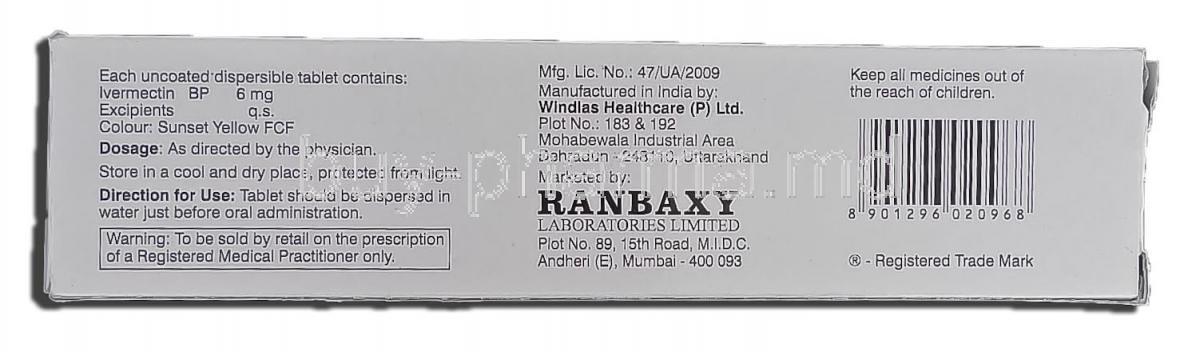
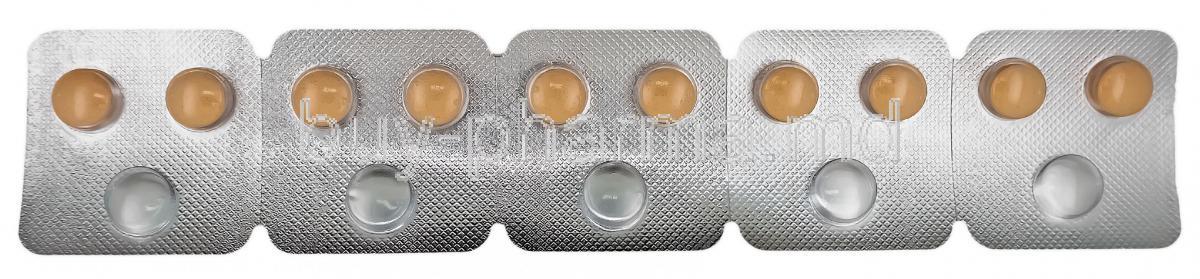
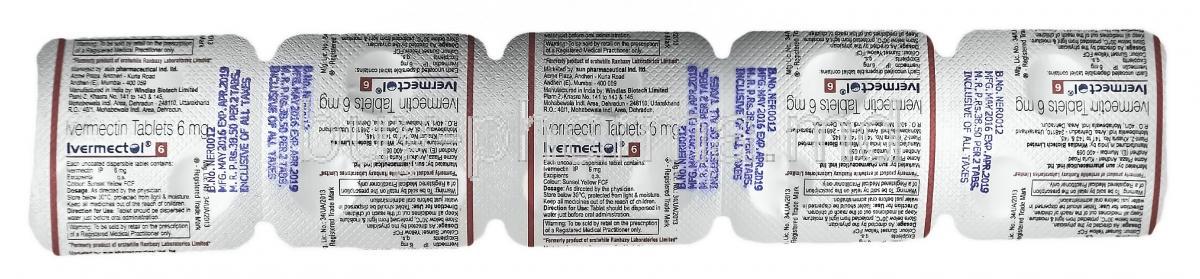
Ivermectol tablets should be stored under controlled environmental conditions to preserve their pharmacological integrity. Proper storage ensures that the medication maintains its effectiveness throughout its shelf life.
- Store at room temperature
- Keep away from excessive heat
- Avoid freezing conditions
16.2 Protecting the Medication from Light and Moisture
Exposure to humidity or direct sunlight may compromise tablet stability. Storing the medication in its original packaging helps protect it from environmental degradation.
16.3 Shelf Life and Expiration Considerations
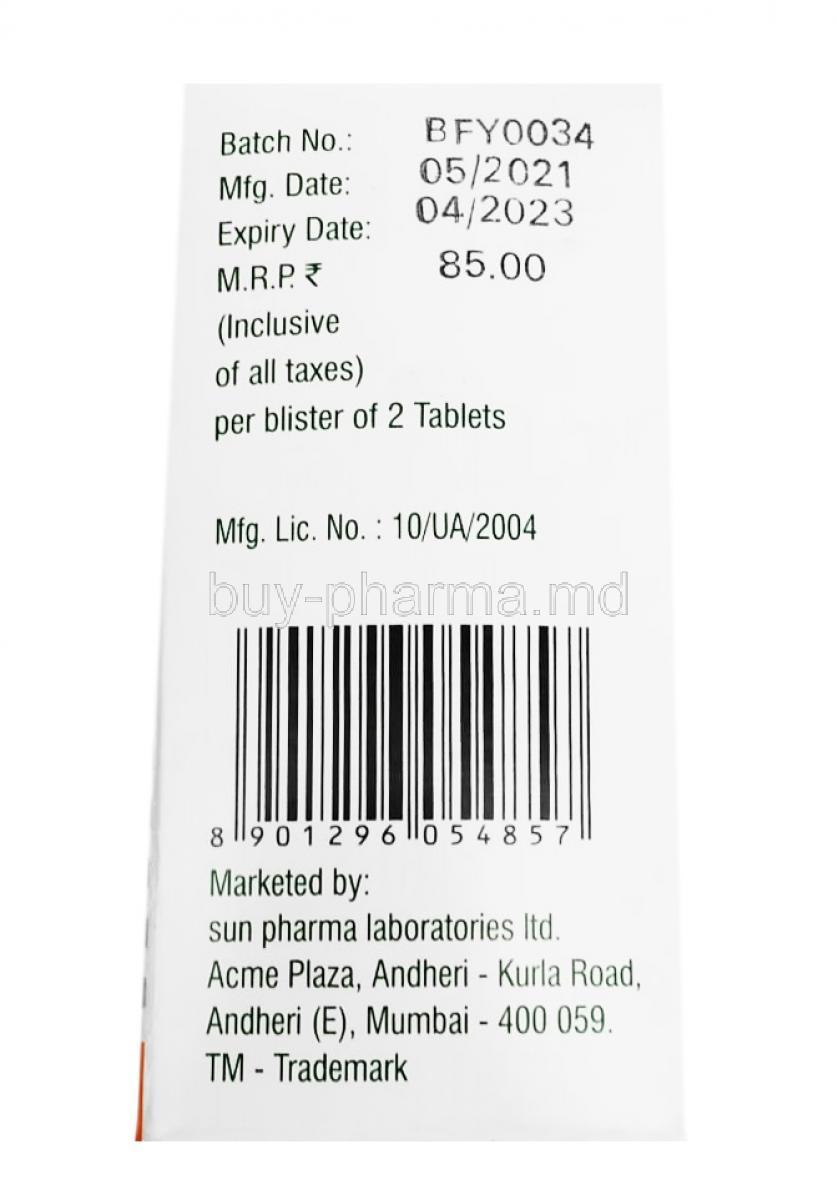
Pharmaceutical products include expiration dates indicating the period during which the medication remains stable and effective when properly stored.
Expired medications should not be used, as their potency and safety cannot be guaranteed.
16.4 Safe Storage Away from Children and Pets
Medications should always be stored in secure locations beyond the reach of children and pets. Accidental ingestion may result in serious health risks.
17. Handling Precautions for Ivermectin Medications
17.1 Safe Handling of Tablets and Topical Formulations
Proper handling practices help maintain medication quality and prevent contamination. Tablets should be handled with clean, dry hands and kept within their protective packaging until use.
17.2 Avoiding Contamination and Improper Storage
Exposure to moisture, dust, or unsanitary conditions may compromise medication integrity. Healthcare providers and patients should store ivermectin in appropriate environments that protect the product from contamination.
17.3 Disposal of Unused or Expired Medication
Unused or expired ivermectin should be disposed of responsibly. Improper disposal may contribute to environmental contamination or accidental exposure.
- Follow local pharmaceutical disposal guidelines
- Do not flush medications unless instructed
- Consult pharmacists regarding safe disposal methods
17.4 Safety Precautions for Healthcare Providers and Caregivers
Healthcare professionals and caregivers who administer ivermectin should follow appropriate safety practices when handling medications. Maintaining proper hygiene and adhering to clinical protocols helps ensure patient safety and therapeutic effectiveness.

 Verified Purchase
Review
Perfect, fast, and good price.
Ivermectol, Ivermectin FAQ
Customers also bought
Popular Products
Similar Product