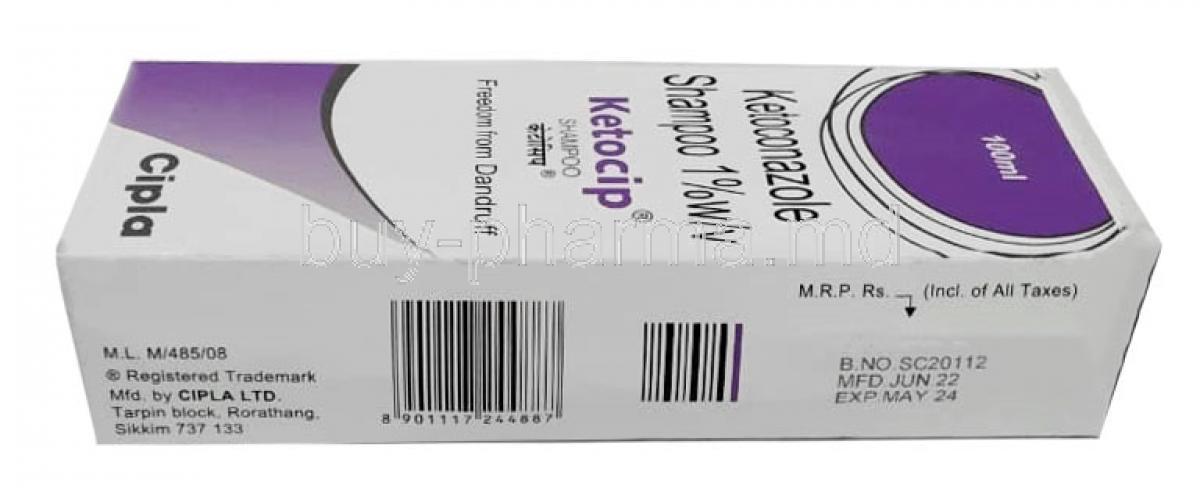
1. Introduction to Ketocip Shampoo (Ketoconazole)
1.1 Overview of Ketocip Shampoo
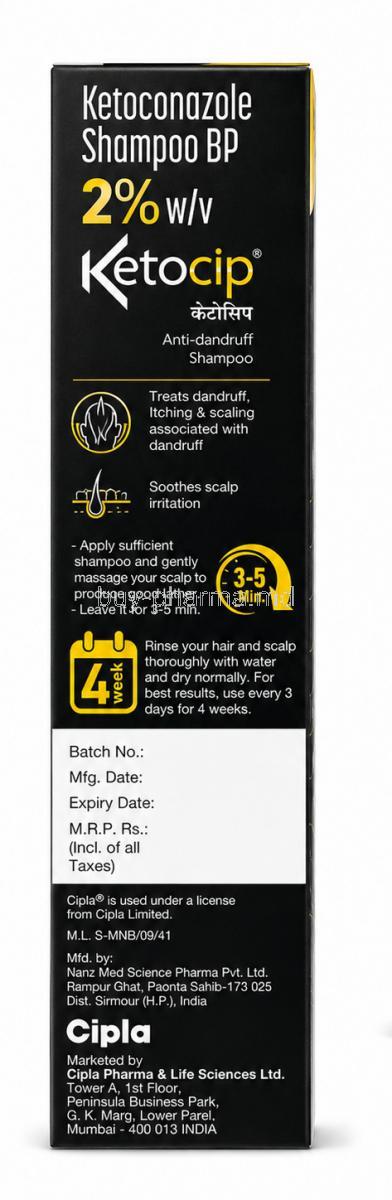
Ketocip Shampoo is a medicated topical formulation designed to manage fungal-related scalp disorders. It is widely utilized in dermatological practice due to its targeted antifungal efficacy and favorable safety profile. Unlike conventional cosmetic shampoos, it delivers pharmacological action directly to the scalp, addressing the root cause of persistent flaking and irritation.
- Medicated antifungal shampoo
- Primarily used for scalp and superficial skin conditions
- Provides both therapeutic and symptomatic relief
1.2 Active Ingredient: Ketoconazole Explained
Ketoconazole is an imidazole-derived antifungal compound with potent activity against a broad spectrum of fungi and yeasts. It functions by disrupting fungal cell membrane integrity, thereby inhibiting growth and proliferation. Its lipophilic nature allows it to adhere effectively to keratinized tissues such as the scalp.
1.3 Therapeutic Classification (Topical Antifungal Agent)
This formulation belongs to the class of topical antifungal agents. These medications are specifically engineered for localized treatment, minimizing systemic exposure while maximizing dermal penetration. Ketocip Shampoo is particularly suited for conditions involving Malassezia species.
1.4 Indications for Dermatological Use
Ketocip Shampoo is indicated for a range of dermatological conditions associated with fungal colonization or overgrowth. It is frequently prescribed when standard over-the-counter treatments prove inadequate.
- Dandruff and seborrheic dermatitis
- Superficial fungal infections
- Scalp irritation linked to yeast proliferation
1.5 Scope of Use in Scalp and Skin Disorders
Its applicability extends beyond the scalp. In certain cases, it may be used on other affected skin areas under medical guidance. This versatility makes it a valuable adjunct in comprehensive dermatological care.
2. Composition and Formulation
2.1 Ketoconazole Concentration (1% vs 2%)
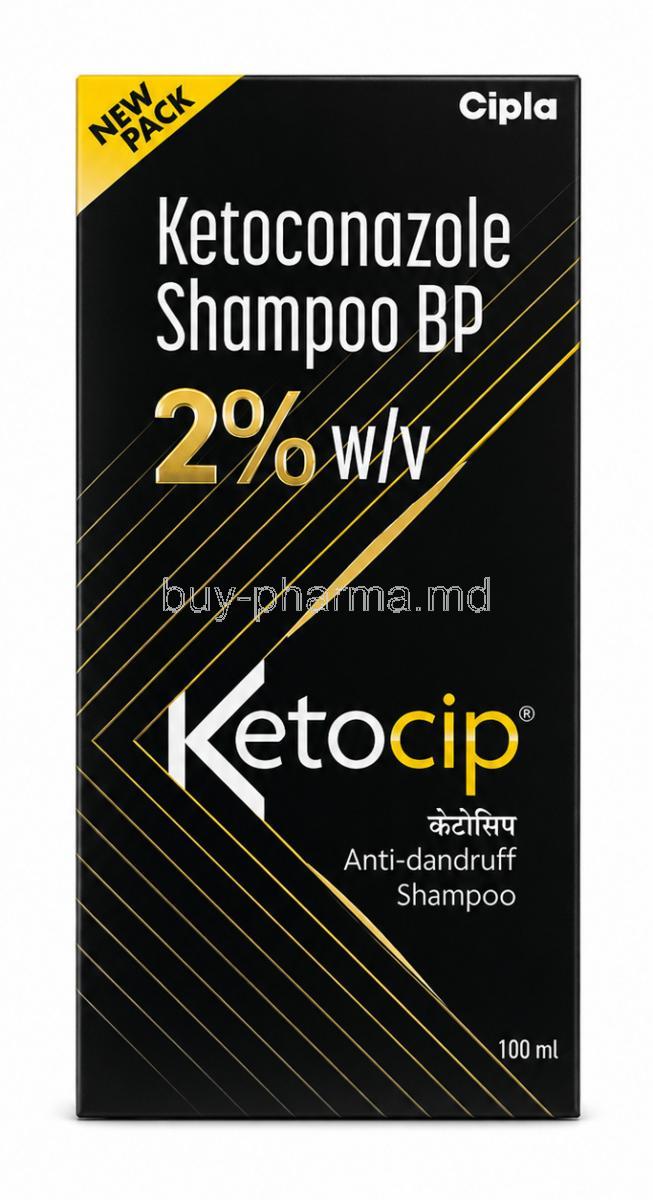
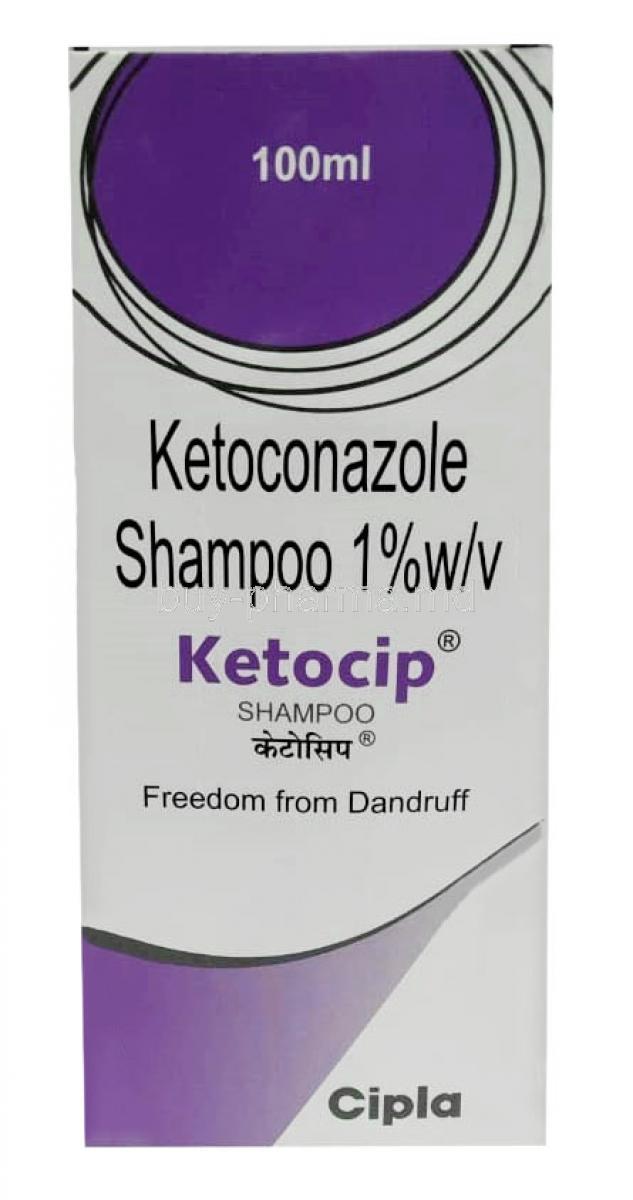
Ketocip Shampoo is typically available in 1% and 2% concentrations. The higher concentration is generally reserved for more recalcitrant or severe cases, offering enhanced antifungal potency.
2.2 Inactive Ingredients and Their Functions
The formulation includes several excipients that enhance stability, spreadability, and user experience. These may include surfactants, preservatives, and conditioning agents that facilitate even distribution across the scalp.
2.3 pH Balance and Scalp Compatibility
Maintaining an optimal pH is critical for scalp health. Ketocip Shampoo is formulated to align with the natural pH of the scalp, thereby minimizing irritation and preserving the skin barrier.
2.4 Available Packaging and Dosage Forms
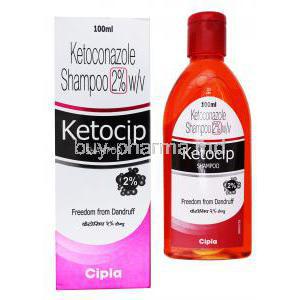
The shampoo is commonly available in bottles of varying sizes, designed for ease of application and storage. The liquid formulation ensures uniform coverage during use.
2.5 Stability and Formulation Characteristics
The product is engineered for chemical stability under standard storage conditions. Its formulation resists degradation, ensuring consistent therapeutic efficacy throughout its shelf life.
Ketoconazole vs clotrimazole
Clotrimazole needs to be applied twice daily, whereas ketoconazole is used just once a day.
Selenium sulfide vs ketoconazole
Ketoconazole (e.g., Nizoral) and Selenium Sulfide (e.g., Selsun Blue) are both highly effective topical antifungals for dandruff and seborrheic dermatitis, but they differ in mechanism and tolerance. Ketoconazole is generally more potent at killing yeast, while Selenium Sulfide is better at reducing scalp oiliness.
Pyrithione zinc vs ketoconazole
Ketoconazole (1–2%) is superior for moderate-to-severe dandruff and seborrheic dermatitis due to strong antifungal action, while pyrithione zinc (1%) is highly effective for mild-to-moderate dandruff, daily management, and scalp acne/folliculitis due to antibacterial properties. Ketoconazole offers better long-term reduction, while zinc pyrithione often provides better cosmetic hair care results.
Ciclopirox shampoo vs ketoconazole
Ciclopirox (1.5%) and Ketoconazole (2%) shampoos are both highly effective, prescription-strength treatments for seborrheic dermatitis and dandruff. Studies suggest they are equally effective, though some patients find Ciclopirox superior for reducing scaling and itching. Both work well to reduce scalp fungi, particularly Malassezia.
Ketoconazole vs miconazole
Ketoconazole and miconazole are both effective antifungal "azole" medications, but ketoconazole is generally stronger with a broader spectrum, often preferred for stubborn, chronic, or scalp issues (e.g., dandruff, seborrheic dermatitis). Miconazole is highly effective and common for athlete’s foot, jock itch, and vaginal yeast infections, usually acting as a reliable, often over-the-counter option
3. Mechanism of Action (How It Works)
3.1 Antifungal Activity Against Malassezia Species
Ketoconazole exhibits pronounced activity against Malassezia, a yeast implicated in dandruff and seborrheic dermatitis. By reducing fungal load, it directly alleviates associated symptoms.
3.2 Inhibition of Ergosterol Synthesis
The compound inhibits the synthesis of ergosterol, an essential component of fungal cell membranes. This disruption leads to increased membrane permeability and eventual cell death.
3.3 Effects on Sebum Production and Scalp Microbiome
Ketocip Shampoo modulates the scalp microbiome, restoring equilibrium. It may also indirectly influence sebum production, reducing the lipid-rich environment that supports fungal growth.
3.4 Anti-inflammatory Properties in Dermatological Conditions
Beyond antifungal activity, ketoconazole exhibits anti-inflammatory effects. This dual action helps reduce erythema, pruritus, and irritation commonly seen in inflammatory scalp conditions.
3.5 Role in Reducing Flaking, Scaling, and Itching
By targeting both fungal proliferation and inflammation, the shampoo effectively diminishes:
- Flaking and scaling
- Persistent itching
- Visible scalp irritation
4. Uses of Ketocip Shampoo
4.1 Treatment of Dandruff (Pityriasis Capitis)
Ketocip Shampoo is highly effective in managing dandruff. It reduces flake formation and alleviates the underlying fungal cause, offering sustained relief.
4.2 Seborrheic Dermatitis of the Scalp
In seborrheic dermatitis, characterized by greasy scales and inflammation, the shampoo helps normalize scalp condition and reduce recurrence.
4.3 Tinea Versicolor (Pityriasis Versicolor)
This superficial fungal infection can also be treated with ketoconazole shampoo applied to affected areas. It helps restore normal skin pigmentation over time.
4.4 Scalp Fungal Infections (Dermatophytes and Yeasts)
The formulation is active against a variety of fungal organisms, making it suitable for managing diverse scalp infections.
4.5 Relief of Itching, Flaking, and Irritation
Symptomatic relief is often rapid. Patients frequently report noticeable improvement in itching and discomfort within a few applications.
5. Off-Label Uses of Ketoconazole Shampoo
5.1 Management of Scalp Psoriasis (Adjunct Therapy)
While not a primary treatment, it may be used alongside other therapies to reduce scaling and inflammation in psoriasis.
5.2 Use in Hair Loss Conditions (Androgenetic Alopecia Support)
Emerging evidence suggests ketoconazole may support hair health by reducing inflammation and androgen-related scalp effects.
5.3 Folliculitis (Including Malassezia Folliculitis)
Its antifungal properties make it useful in managing folliculitis caused by yeast overgrowth.
5.4 Prevention of Recurrent Dandruff
Maintenance use can help prevent relapse in individuals prone to chronic dandruff.
5.5 Use in Acne Associated with Fungal Overgrowth
In select cases, it may be used on affected areas to manage fungal acne presentations.
5.6 Adjunct Use in Atopic Dermatitis Involving the Scalp
When fungal colonization exacerbates atopic dermatitis, ketoconazole shampoo may serve as a supportive treatment.
6. Ketoconazole Dosage and Administration
6.1 Recommended Frequency of Use (Twice Weekly vs Maintenance)
Typically, the shampoo is applied twice weekly during active treatment phases. Maintenance therapy may involve less frequent application.
6.2 How to Use Ketoconazole Shampoo
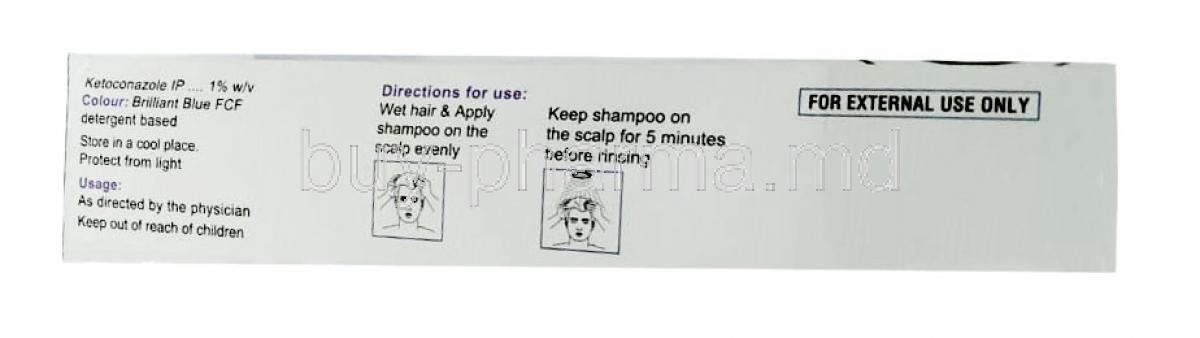
- Wet the scalp thoroughly
- Apply a small amount of shampoo
- Massage gently into the scalp
- Leave on for several minutes
- Rinse thoroughly
6.3 Duration of Therapy for Different Conditions
Treatment duration varies depending on the condition. Dandruff may require several weeks, while other conditions may necessitate longer use.
6.4 Guidelines for Missed Applications
If a dose is missed, it should be applied as soon as remembered, unless it is close to the next scheduled application.
6.5 Rinse Time and Contact Duration for Optimal Effect
Allowing the shampoo to remain on the scalp for 3–5 minutes enhances absorption and efficacy.
7. Ketoconazole Side Effects
7.1 Overview of Potential Adverse Reactions
Adverse effects are generally mild and localized. Serious reactions are rare but possible.
7.2 Localized vs Systemic Effects
Due to minimal systemic absorption, side effects are predominantly confined to the site of application.
7.3 Frequency and Severity Classification
Most side effects are transient and resolve without intervention. Severe reactions require discontinuation and medical advice.
8. Common Side Effects
8.1 Scalp Irritation and Redness
Mild irritation may occur, particularly in sensitive individuals.
8.2 Dryness or Oiliness of Hair and Scalp
Changes in scalp moisture balance may be observed during treatment.
8.3 Hair Texture Changes
Some users report alterations in hair feel or manageability.
8.4 Mild Burning or Stinging Sensation
A transient sensation may occur immediately after application.
8.5 Ketoconazole Shampoo Hair Loss
Temporary shedding may occur as part of the scalp renewal process.
9. Ketoconazole Interactions
9.1 Interaction with Other Topical Scalp Treatments
Concurrent use with other medicated products should be approached cautiously to avoid irritation.
9.2 Use with Corticosteroids and Transition Strategies
Gradual transition from corticosteroids may be recommended to prevent rebound symptoms.
9.3 Interaction with Hair Care Products (Conditioners, Dyes)
Hair treatments may alter the efficacy or tolerability of ketoconazole shampoo.
9.4 Systemic Absorption and Minimal Interaction Risk
Systemic interactions are unlikely due to negligible absorption.
9.5 Considerations with Other Antifungal Therapies
Combination therapy may be used under medical supervision for resistant infections.
10. Warnings and Safety Considerations
10.1 Risk of Hypersensitivity Reactions
Allergic reactions, though rare, may manifest as rash or swelling.
10.2 Avoidance of Contact with Eyes and Mucous Membranes
Direct contact with sensitive areas should be avoided to prevent irritation.
10.3 Use on Broken or Inflamed Skin
Application on compromised skin may increase irritation or absorption.
10.4 Risk of Hair Discoloration in Chemically Treated Hair
Chemically treated hair may be more susceptible to discoloration during use.
10.5 Long-Term Use Considerations
Prolonged use should be monitored to prevent unnecessary exposure and maintain effectiveness.
11. Contraindications
11.1 Known Allergy to Ketoconazole or Formulation Components
Ketocip Shampoo is contraindicated in individuals with a documented hypersensitivity to ketoconazole or any excipient within the formulation. Even minimal exposure may precipitate adverse dermatological reactions.
- History of allergic dermatitis after antifungal use
- Previous reaction to shampoo preservatives or fragrances
- Symptoms such as rash, swelling, or pruritus following application
11.2 Severe Skin Reactions to Antifungal Agents
Patients who have experienced severe cutaneous adverse reactions to antifungal agents should avoid the use of ketoconazole-containing products. Such reactions may include erythema multiforme or extensive dermatitis.
11.3 Use in Patients with Prior Hypersensitivity to Imidazoles
Ketoconazole belongs to the imidazole class. Cross-reactivity may occur in individuals sensitive to other imidazole derivatives, necessitating avoidance to prevent recurrence of hypersensitivity reactions.
12. Careful Administration (Use with Caution)
12.1 Patients with Sensitive Skin or Scalp Conditions
Individuals with inherently sensitive skin may experience heightened irritation. Careful monitoring during initial applications is recommended to assess tolerability.
12.2 Individuals with Chronic Dermatological Disorders
Conditions such as eczema or chronic dermatitis may alter skin permeability. This can influence both efficacy and tolerability, requiring judicious use.
12.3 Use in Patients with Compromised Skin Barrier
Application on compromised or disrupted skin barriers may increase local irritation and unintended absorption. Caution is advised in such cases.
12.4 Patients Using Multiple Topical Medications
Concurrent use with other topical agents may potentiate irritation or lead to unpredictable interactions. A staggered application schedule may be beneficial.
12.5 Risk of Irritation with Frequent Application
Excessive use can disrupt the natural lipid balance of the scalp, leading to dryness or irritation. Adherence to recommended frequency is essential.
13. Important Precautions for Use
13.1 Adherence to Prescribed Duration and Frequency
Strict compliance with the prescribed regimen ensures optimal therapeutic outcomes while minimizing adverse effects. Deviations may compromise efficacy.
13.2 Avoiding Overuse and Product Build-Up
Overuse may result in accumulation of residues, potentially leading to scalp discomfort or diminished effectiveness.
- Do not exceed recommended applications
- Allow sufficient intervals between uses
13.3 Proper Rinsing to Prevent Residue
Incomplete rinsing may leave behind residual product, contributing to irritation or altered hair texture. Thorough washing is imperative.
13.4 Monitoring for Worsening Symptoms
Patients should remain vigilant for signs of exacerbation, such as increased redness, scaling, or discomfort. Discontinuation and medical consultation may be required.
13.5 Maintaining Scalp Hygiene During Treatment
Complementary hygiene practices enhance treatment outcomes. Cleanliness reduces microbial load and supports scalp recovery.
14. Administration to Special Populations
14.1 Administration to Elderly Patients
14.1.1 Safety Profile in Older Adults
Ketocip Shampoo is generally well tolerated in elderly populations. However, age-related changes in skin structure may influence sensitivity.
14.1.2 Considerations for Sensitive or Thinning Skin
Elderly individuals often exhibit thinner, more fragile skin. Gentle application and reduced frequency may be appropriate to avoid irritation.
14.2 Administration to Pregnant Women and Nursing Mothers
14.2.1 Safety Data in Pregnancy
Topical ketoconazole demonstrates minimal systemic absorption, suggesting a low risk profile during pregnancy. Nevertheless, use should be guided by clinical necessity.
14.2.2 Use During Lactation and Breastfeeding Precautions
During lactation, caution is advised to avoid application to areas that may come into direct contact with the infant. Proper hygiene should be maintained.
14.2.3 Risk-Benefit Assessment
A careful evaluation of potential benefits versus risks should precede use in pregnant or nursing individuals, particularly in non-essential scenarios.
14.3 Administration to Children
14.3.1 Age Restrictions and Pediatric Safety
Use in pediatric populations should align with established safety guidelines. Younger children may require closer supervision during application.
14.3.2 Appropriate Dosage and Supervision
Caregivers should ensure proper application techniques and adherence to recommended frequency to avoid misuse.
14.3.3 Use in Pediatric Seborrheic Dermatitis
Ketoconazole shampoo may be used in selected pediatric cases of seborrheic dermatitis under professional guidance, offering effective symptom control.
15. Overdosage
15.1 Likelihood of Overdose with Topical Use
Due to its topical nature, the likelihood of systemic overdose is exceedingly low. The formulation is designed for localized action.
15.2 Symptoms of Excessive Application
Excessive use may lead to:
- Increased scalp dryness
- Irritation or redness
- Altered hair texture
15.3 Accidental Ingestion Management
In the event of accidental ingestion, medical advice should be sought promptly. Symptomatic management is typically sufficient.
15.4 Recommended Actions in Case of Overexposure
Discontinue use immediately if adverse reactions occur. Supportive care and consultation with a healthcare provider are recommended.
16. Storage Instructions
16.1 Recommended Storage Temperature
Store at controlled room temperature. Extreme heat or cold may compromise product integrity.
16.2 Protection from Light and Moisture
Keep the container tightly closed and protected from excessive moisture and direct sunlight to maintain stability.
16.3 Shelf Life and Expiry Considerations
Observe the expiry date indicated on the packaging. Use beyond this period may reduce efficacy and safety.
16.4 Safe Storage Away from Children
Ensure the product is stored out of reach of children to prevent accidental ingestion or misuse.
17. Handling Precautions
17.1 Safe Handling During Application
Apply the shampoo with clean hands and avoid unnecessary contact with sensitive areas. Proper handling ensures both safety and effectiveness.
17.2 Avoiding Cross-Contamination
Do not share the product with others. Cross-contamination may lead to the spread of infections or compromise hygiene.
17.3 Disposal of Unused or Expired Product
Dispose of unused or expired shampoo in accordance with local regulations. Avoid pouring into open water systems unless permitted.
17.4 Hygiene Practices During Treatment
Maintaining rigorous hygiene practices during treatment enhances outcomes and prevents reinfection.
- Regular washing of towels and pillowcases
- Avoiding shared personal items
- Maintaining a clean scalp environment
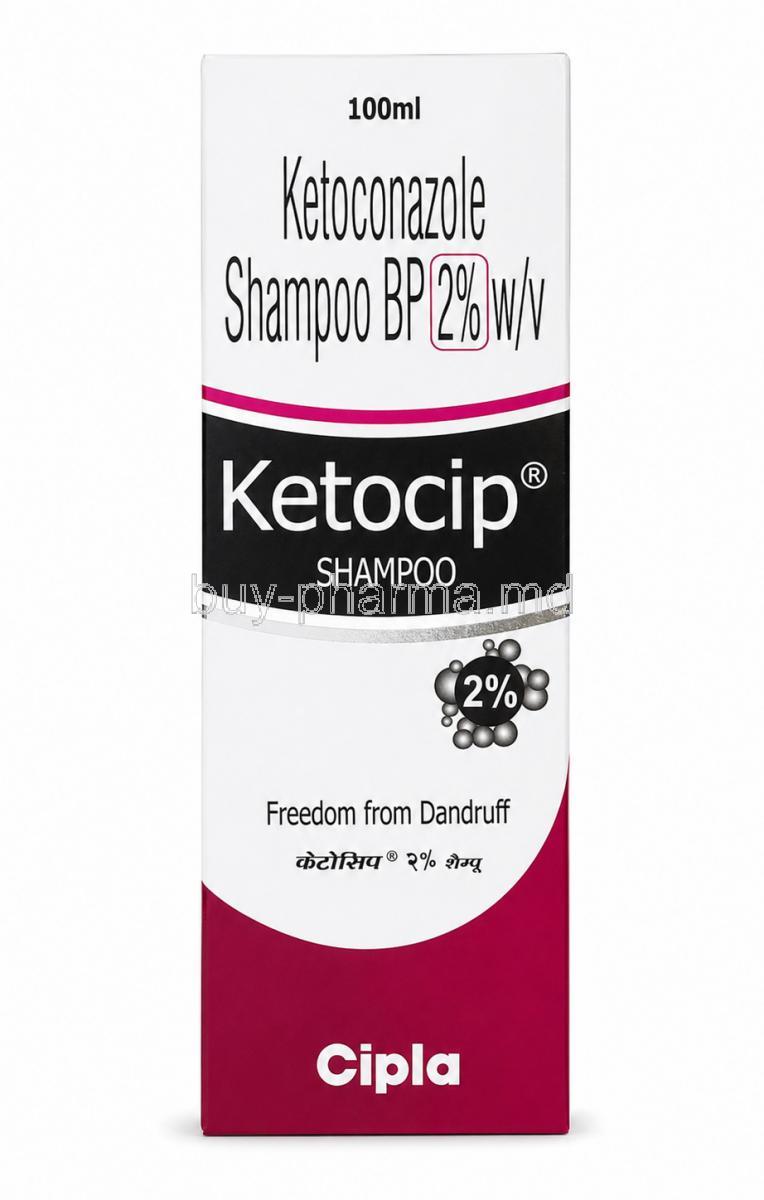
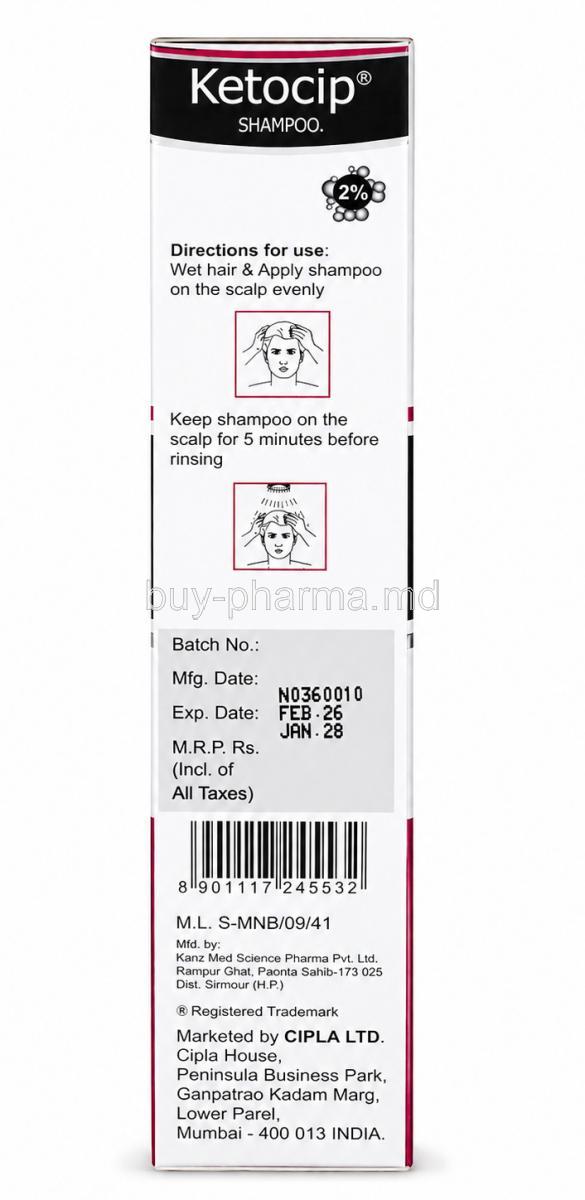
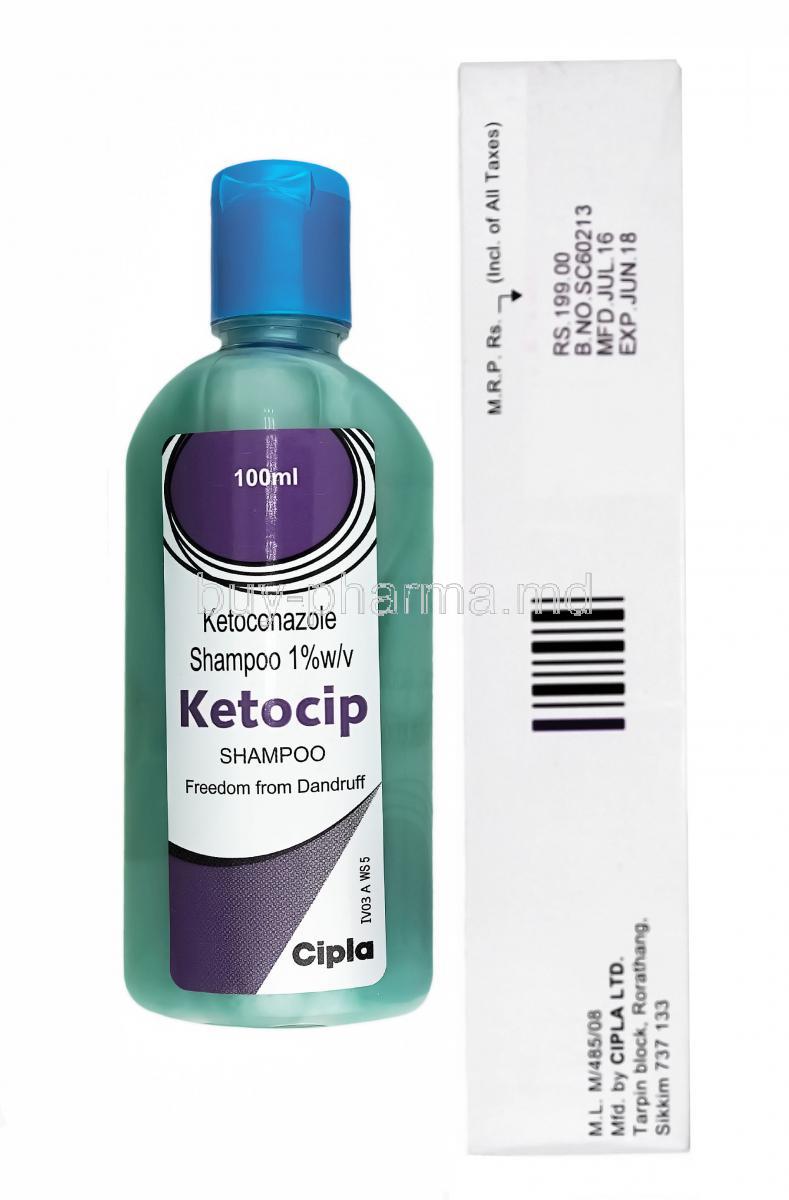
Ketocip Shampoo, Ketoconazole FAQ
Customers also bought


Popular Products
Similar Product