
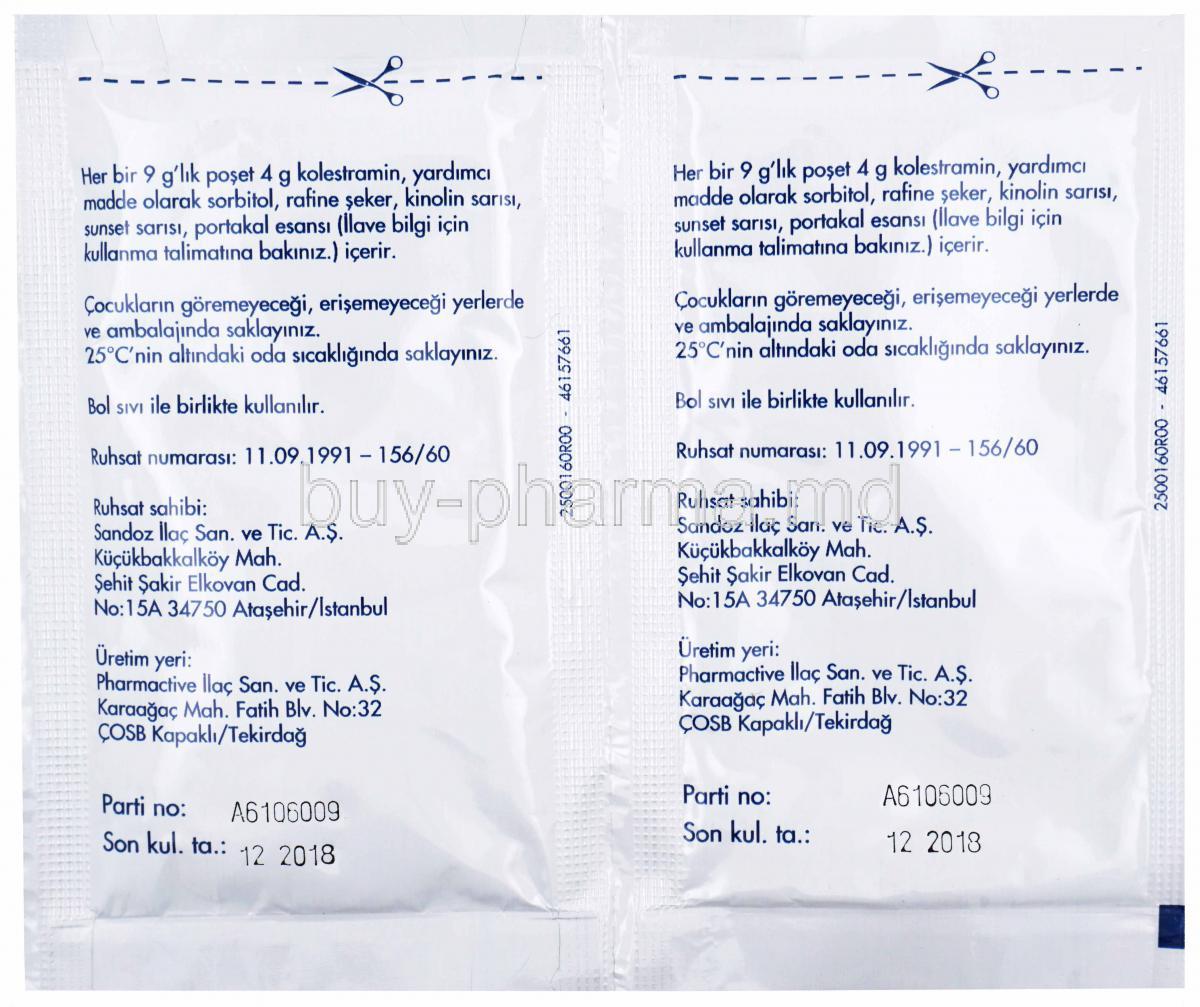
1. Introduction to Kolestran (Cholestyramine Sachets)
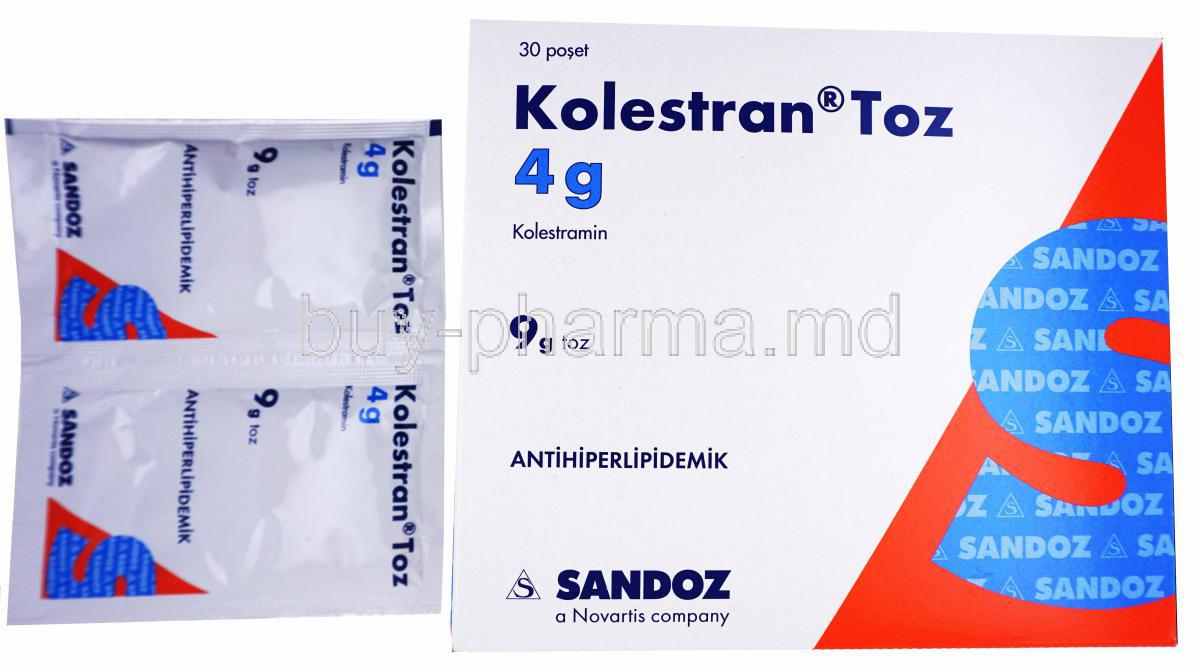
Kolestran is an oral preparation of cholestyramine, also spelled colestyramine, supplied as a powder in sachets for suspension. It is primarily used to reduce elevated cholesterol levels and to manage certain gastrointestinal conditions linked to bile acids. Although it acts inside the digestive tract rather than entering the bloodstream in significant amounts, its therapeutic role is substantial. Quietly so, yet decisively.
This medicine occupies a distinctive niche in clinical practice because it can address more than one problem through a single physicochemical action. By binding bile acids in the intestine, it alters lipid handling, changes stool composition, and, in selected settings, improves symptoms such as chronic diarrhea or itching related to cholestasis.
1.1 What is Kolestran (Cholestyramine / Colestyramine)?
Kolestran is a bile acid-binding resin formulated for oral use. It is not absorbed to any meaningful extent from the gastrointestinal tract. Instead, it remains within the intestinal lumen, where it binds bile acids and helps eliminate them through the feces.
In practical terms, Kolestran is commonly used for:
- Lowering LDL cholesterol in patients with hypercholesterolemia
- Supporting treatment of primary hyperlipidemia
- Managing bile acid-related diarrhea
- Relieving pruritus in selected cholestatic disorders
Its action is local, but its consequences are systemic. That contrast makes cholestyramine pharmacologically intriguing.
1.2 Drug Classification: Bile Acid Sequestrants
Cholestyramine belongs to the class of medications known as bile acid sequestrants, also called bile acid-binding resins. These agents function by capturing bile acids in the intestine and preventing their reabsorption. Unlike statins, which inhibit hepatic cholesterol synthesis, bile acid sequestrants work through gastrointestinal interception.
This class is especially useful in situations where:
- LDL cholesterol reduction is needed
- Systemic drug exposure should be minimized
- Bile acid excess contributes to diarrhea
- Additional lipid-lowering therapy is required alongside other agents
1.3 Historical Background and Development
Cholestyramine has been used for decades and is one of the older established lipid-lowering therapies. Before the widespread use of newer agents, it played a more prominent role in cholesterol management. Even today, it retains relevance in selected patients because of its distinctive mechanism and non-systemic disposition.
Its historical importance lies not only in lipid therapy, but also in demonstrating that gastrointestinal binding strategies can influence metabolic and hepatobiliary disorders. In that sense, it is both old-fashioned and enduringly useful.
1.4 Available Forms: Sachets, Powder for Oral Suspension
Kolestran is generally supplied as sachets containing powder intended to be mixed with water or another suitable liquid before administration. It should not be swallowed dry. The powder form allows the resin to disperse and be taken more safely and comfortably.
Common formulation features include:
- Single-dose sachets for convenience
- Powder designed for oral suspension
- Flavored variants in some markets to improve palatability
The sachet presentation also supports dose titration in some treatment regimens, depending on the clinical indication and the patient’s tolerance.
1.5 Brand Names and Generic Variants
Kolestran is one brand of cholestyramine sachets. Generic formulations and alternative branded products may also be available depending on the market. While the active ingredient remains the same, excipients, taste, texture, and sachet strength may differ slightly across products.
These differences can matter in day-to-day use. Palatability influences adherence. So does ease of mixing. For a medicine taken repeatedly, those details are not trivial.
2. Composition and Formulation
The clinical performance of Kolestran depends on its resin-based composition, its mixing properties, and its ability to remain stable until administration. Formulation details are especially important for medicines that act by physical binding rather than receptor-based pharmacology.
2.1 Active Ingredient: Cholestyramine Resin
The active substance in Kolestran is cholestyramine resin, an anion-exchange resin that binds negatively charged bile acids in the intestinal tract. This resin is pharmacologically active through adsorption and exchange processes rather than through absorption into systemic circulation.
Its therapeutic value is inseparable from its structure. It is designed to stay in the gut, bind target molecules, and leave the body carrying them with it.
2.2 Mechanism of Resin Binding in the Gut
Once suspended and ingested, cholestyramine interacts with bile acids in the intestinal lumen. These bile acids normally help emulsify fats and are usually reabsorbed later in the intestine. The resin binds them, forming complexes that are excreted in the stool.
This binding process is central to the drug’s function. It is not enzymatic. It is not hormonal. It is mechanical and ionic, yet clinically potent.
2.3 Excipients and Flavoring Agents
In addition to the active resin, Kolestran sachets may contain excipients that improve taste, flow characteristics, and suspension properties. Depending on the manufacturer, these may include flavoring substances, sweeteners, and stabilizing components.
Excipients do not generally provide the main therapeutic effect, but they may influence:
- Patient acceptance
- Ease of mixing
- Mouthfeel
- Storage stability
2.4 Sachet Strengths and Dosage Variations
Cholestyramine sachets may come in different strengths depending on the brand and country of distribution. The prescribed amount is usually expressed in grams of cholestyramine resin per sachet or per dose. Because formulations vary, product labeling should always be reviewed carefully before use.
Strength variation matters for accurate dose conversion, especially when switching between brands or when adjusting treatment in children or in patients with tolerability concerns.
2.5 Pharmaceutical Characteristics and Stability
Kolestran is a dry powder preparation designed for reconstitution or suspension before administration. Stability depends on proper storage, protection from moisture, and adherence to label instructions. Like many powders, it performs best when kept sealed until needed.
Its pharmaceutical behavior can be summarized as follows:
- Dry and stable when properly stored
- Intended for oral suspension, not dry ingestion
- Locally active within the gastrointestinal tract
- Minimal systemic absorption under normal use
3. Mechanism of Action (How It Works)
Kolestran works by interrupting the normal recycling of bile acids. This interruption leads the liver to use more cholesterol to synthesize new bile acids, which can reduce LDL cholesterol levels in the blood. At the same time, reducing bile acid exposure in the colon can improve diarrhea in selected patients.
One mechanism. Multiple consequences. That is the essence of cholestyramine therapy.
3.1 Binding of Bile Acids in the Intestine
After oral administration, cholestyramine binds bile acids within the intestinal lumen. This process decreases the pool of free bile acids available for reabsorption. The drug-resin complex is then excreted in the feces.
Because bile acids are required for normal recycling, their removal forces a metabolic adaptation. The liver compensates. That compensation is therapeutically useful.
3.2 Interruption of Enterohepatic Circulation
Bile acids are normally secreted into the intestine and later reabsorbed through enterohepatic circulation. Cholestyramine disrupts this cycle. As less bile acid returns to the liver, hepatic synthesis of new bile acids increases.
This disruption has downstream effects on cholesterol utilization, digestion, and stool composition. It is especially relevant in disorders driven by excess bile acids reaching the colon.
3.3 Reduction of LDL Cholesterol Levels
To replenish bile acid stores, the liver draws on cholesterol reserves. This hepatic demand contributes to an increase in LDL receptor activity and enhanced clearance of LDL cholesterol from the circulation. As a result, LDL levels may decline over time with consistent therapy.
This LDL-lowering effect is clinically meaningful, particularly in patients with primary hypercholesterolemia. However, it may not be sufficient alone in all patients, which is why combination therapy is sometimes used.
3.4 Impact on Liver Cholesterol Metabolism
Cholestyramine indirectly alters hepatic cholesterol metabolism by increasing cholesterol conversion into bile acids. This compensatory pathway can help shift cholesterol handling in a favorable direction. The effect is indirect, yet it can be robust when adherence is good.
Still, metabolic adaptation is not always simple. Triglycerides may rise in some individuals, which is why patient selection and monitoring remain important.
3.5 Effects on Lipid Profile and Cardiovascular Risk
The main lipid effect of cholestyramine is reduction of LDL cholesterol. Total cholesterol may also decrease. Its effect on triglycerides is less favorable and may be neutral or adverse in predisposed patients.
Potential lipid-related outcomes include:
- Reduction in LDL cholesterol
- Possible reduction in total cholesterol
- Variable effect on HDL cholesterol
- Possible increase in triglycerides in some patients
Through LDL reduction, Kolestran may contribute to cardiovascular risk management, especially as part of a broader treatment plan that includes diet, exercise, and other medications when needed.
4. Primary Uses of Cholestyramine Sachets
Kolestran is primarily used in lipid disorders, especially when LDL cholesterol reduction is required. It also has a role as adjunctive therapy in patients who need additional control beyond lifestyle modification alone.
4.1 Treatment of Hypercholesterolemia (High LDL Cholesterol)
One of the principal indications for cholestyramine is hypercholesterolemia, particularly elevated LDL cholesterol. By increasing bile acid excretion and encouraging hepatic cholesterol utilization, Kolestran can reduce LDL concentrations over time.
This use is especially relevant for patients who:
- Need non-systemic lipid-lowering support
- Cannot tolerate certain other lipid-lowering agents
- Require additional LDL reduction despite other measures
4.2 Adjunct Therapy for Primary Hyperlipidemia
Kolestran may be used as an adjunct to dietary modification in primary hyperlipidemia. It is not a substitute for lifestyle intervention, but rather a complementary measure when non-pharmacologic strategies alone are insufficient.
Diet remains fundamental. The drug amplifies control, but it does not annul dietary excess.
4.3 Reduction of Cardiovascular Disease Risk
Because elevated LDL cholesterol is a recognized contributor to atherosclerotic cardiovascular disease, lowering LDL is a key therapeutic objective. By helping reduce LDL, cholestyramine may support broader cardiovascular risk reduction strategies in appropriately selected patients.
Its benefit is generally considered part of an integrated risk-management framework rather than a standalone solution.
4.4 Management of Dyslipidemia in Combination Therapy
In some patients, cholestyramine is used with other lipid-lowering agents when greater LDL reduction is required. Combination therapy may be considered when monotherapy does not achieve treatment targets or when different mechanisms are intentionally paired.
When used this way, timing becomes important because cholestyramine can bind other oral medications and reduce their absorption. Dosing separation is therefore essential.
5. Expanded and Off-Label Uses of Cholestyramine
Beyond cholesterol control, cholestyramine has several established and off-label uses related to bile acid binding. These uses arise from the same luminal mechanism but address very different clinical complaints.
5.1 Management of Bile Acid Malabsorption (BAM)
Bile acid malabsorption can cause chronic diarrhea by allowing excessive bile acids to reach the colon, where they stimulate secretion and motility. Cholestyramine binds these bile acids and may reduce stool frequency, urgency, and liquidity.
For some patients, this effect is transformative. Symptoms that are persistent and disruptive may become manageable with appropriate dosing.
5.2 Treatment of Chronic Diarrhea Related to Bile Acid Excess
Chronic diarrhea associated with bile acid excess may occur in a range of settings, including ileal disease, ileal resection, or idiopathic bile acid diarrhea. Kolestran can help by removing irritant bile acids from the intestinal lumen.
Clinical improvement may include:
- Fewer bowel movements
- Reduced urgency
- Better stool consistency
- Improved daily functioning
5.3 Relief of Pruritus Associated with Cholestasis
In cholestatic disorders, pruritus may be related in part to retained bile constituents. Cholestyramine is sometimes used to relieve itching by binding bile acids in the intestine and reducing recirculation. Response varies, but some patients obtain meaningful symptomatic benefit.
Itching can be debilitating. Sleep suffers. Concentration wanes. In that context, even partial relief has value.
5.4 Use in Irritable Bowel Syndrome with Diarrhea (IBS-D)
In selected patients with IBS-D, especially when bile acid diarrhea is suspected, cholestyramine may provide benefit. It is not universally effective for all IBS-D cases, but it may help those whose symptoms are driven partly by bile acid-mediated mechanisms.
This is a targeted rather than blanket approach. Proper clinical evaluation matters.
5.5 Management of Post-Cholecystectomy Diarrhea
Some patients develop diarrhea after gallbladder removal. Continuous bile flow into the intestine may contribute to symptoms in susceptible individuals. Cholestyramine can sometimes reduce diarrhea in this setting by binding bile acids before they exert irritative effects in the colon.
5.6 Treatment of Clostridioides difficile Toxin Binding (Adjunct Use)
Cholestyramine has historically been discussed as an adjunctive measure because of its capacity to bind certain substances in the gut, including toxins. However, it is not a primary treatment for Clostridioides difficile infection and should not replace standard antimicrobial therapy when that infection is present.
Its role here is limited, selective, and clinically subordinate to established treatment protocols.
5.7 Use in Thyrotoxicosis (Adjunct to Reduce Thyroid Hormone Levels)
In some cases of thyrotoxicosis, cholestyramine has been used as an adjunct to help reduce circulating thyroid hormone levels by interrupting intestinal reabsorption pathways. This is a specialized use and generally reserved for clinician-directed management.
It is not a first-line thyroid medicine. Rather, it can serve as a supplementary intervention in carefully managed cases.
5.8 Detoxification Support in Certain Drug or Toxin Exposures
Because cholestyramine can bind compounds in the intestinal tract, it has occasionally been used to support elimination in certain drug or toxin exposures. This application is highly situation-dependent and should only occur under professional guidance.
Its suitability depends on the substance involved, the timing of exposure, and the clinical context. Not every toxin is bindable. Not every scenario is appropriate.
6. Dosage and Administration Guidelines
Effective use of Kolestran depends heavily on correct administration. The powder must be mixed properly, taken at appropriate times, and adjusted according to therapeutic response and tolerability.
6.1 Standard Adult Dosage for Hypercholesterolemia
Adult dosing for hypercholesterolemia commonly begins with a lower daily amount and is increased gradually if needed. The exact dose depends on the product strength, clinical goal, and patient tolerance. Many regimens involve one or more divided doses per day.
Dose escalation is often prudent because gastrointestinal intolerance, particularly constipation and bloating, may limit rapid initiation.
6.2 Dosage Adjustments Based on Clinical Response
The dosage may be adjusted according to LDL response, symptom control, and adverse effects. In patients treated for bile acid diarrhea or pruritus, dose titration is often guided by symptom improvement rather than lipid values alone.
Adjustment should consider:
- Therapeutic indication
- Severity of symptoms or cholesterol elevation
- Tolerability
- Concurrent medications
6.3 Administration Instructions for Sachets (Mixing and Intake)
Kolestran sachets should be mixed thoroughly with water or another suitable fluid before use. Some patients also mix the powder with soft food, depending on product instructions and clinician advice. The powder should never be taken dry, as this may cause choking, throat discomfort, or poor tolerability.
General administration principles include:
- Empty the sachet into a glass or container
- Add an adequate amount of liquid
- Stir until evenly dispersed
- Consume promptly after mixing
6.4 Timing with Meals and Other Medications
Cholestyramine is often taken with meals or as directed, but the timing relative to other medications is particularly important. Because it can bind many oral drugs and reduce their absorption, other medicines are usually taken either at least 1 hour before or 4 to 6 hours after cholestyramine, depending on the medication and clinical guidance.
This separation rule is crucial. Neglecting it can quietly compromise other treatments.
6.5 Pediatric Dosage Considerations
Pediatric use requires individualized dosing and careful professional supervision. The child’s age, weight, indication, and nutritional status all matter. Because cholestyramine can affect absorption of vitamins and other nutrients, monitoring may be especially important in children receiving repeated or long-term therapy.
6.6 Missed Dose and Compliance Guidance
If a dose is missed, it is generally taken when remembered unless it is almost time for the next scheduled dose. Double dosing is usually avoided. Patients should follow the specific instructions provided by the prescribing clinician or product labeling.
To improve adherence:
- Use the same administration times each day
- Separate from other medicines consistently
- Mix it the same way each time to improve routine
- Report intolerance early so adjustments can be made
7. Side Effects of Cholestyramine
As a non-absorbed intestinal resin, cholestyramine mainly causes gastrointestinal side effects. Most are manageable, but some can become clinically important, especially with higher doses or prolonged use.
7.1 Overview of Adverse Reactions
The adverse-effect profile of Kolestran is dominated by gastrointestinal complaints. Because the drug works locally in the gut, systemic adverse effects are less prominent than with many absorbed medications. Even so, long-term use can influence vitamin balance and bowel habits in meaningful ways.
Common tolerability issues are not necessarily dangerous, but they can erode adherence if not addressed.
7.2 Common Side Effects (Gastrointestinal Focus)
The most frequently reported side effects affect digestion and bowel function. These symptoms may be more noticeable when treatment begins or when the dose is increased.
Constipation
Constipation is one of the most common adverse effects of cholestyramine. It may range from mild stool hardening to troublesome difficulty passing stool. Adequate fluid intake, gradual dose titration, and dietary adjustments may help reduce this problem.
Bloating and Flatulence
Some patients experience abdominal bloating or increased gas production. This can produce a sense of fullness, discomfort, or visible abdominal distension. Though often not serious, it may be irritating enough to affect adherence.
Abdominal Discomfort
Abdominal discomfort may include cramping, pressure, or a vague unsettled feeling after dosing. In many cases it improves as the body adapts, though persistent symptoms should be reviewed clinically.
Nausea
Nausea may occur, especially if the product is not mixed well or if the taste is poorly tolerated. Taking it properly diluted and adjusting timing may help. Persistent nausea warrants reassessment.
7.3 Less Common and Rare Side Effects
Less common adverse effects may include vomiting, loss of appetite, fecal impaction, or more severe gastrointestinal intolerance. Rarely, prolonged constipation may progress toward obstruction in susceptible individuals.
Although uncommon, the following deserve attention:
- Severe constipation
- Marked abdominal pain
- Persistent vomiting
- Signs of bowel blockage
7.4 Long-Term Side Effects and Nutritional Deficiencies
Long-term use of cholestyramine may interfere with absorption of fat-soluble vitamins, particularly vitamins A, D, E, and K. Over time, this may contribute to deficiency states if intake is inadequate or if monitoring is neglected.
Potential long-term concerns include:
- Vitamin K deficiency with bleeding tendency in some cases
- Reduced absorption of other nutrients or medicines
- Chronic bowel habit changes
- Dental concerns if the suspension is used repeatedly without oral hygiene attention
7.5 When to Seek Medical Attention
Medical advice should be sought if side effects are severe, persistent, or unusual. Particular caution is warranted if there is severe constipation, inability to pass stool or gas, intense abdominal pain, rectal bleeding, or symptoms suggestive of nutrient deficiency.
Urgent evaluation is appropriate when bowel obstruction or significant dehydration is suspected.
8. Drug Interactions and Nutrient Interference
One of the most important practical issues with cholestyramine is its tendency to bind other orally administered substances. This can reduce absorption and weaken the effect of concurrent medications or nutrients.
8.1 Interaction with Oral Medications (Binding Effect)
Cholestyramine can bind many oral medications in the intestine, thereby reducing their absorption. This interaction is not based on liver enzymes or receptor competition. It is based on physical binding. Simple, but consequential.
Medicines that may be affected include a wide range of oral therapies. For this reason, dosing separation is a core principle of safe use.
8.2 Impact on Absorption of Fat-Soluble Vitamins (A, D, E, K)
Because bile acids are important for fat absorption, removing them can reduce absorption of fat-soluble vitamins. Over time, patients taking cholestyramine may require monitoring for deficiencies, especially if therapy is prolonged or nutritional reserves are limited.
This is particularly relevant in:
- Children
- Elderly patients
- Patients with malabsorption disorders
- Those on long-term or high-dose treatment
8.3 Interaction with Anticoagulants, Thyroid Hormones, and Antibiotics
Cholestyramine may interfere with the absorption of certain anticoagulants, thyroid hormone preparations, and some antibiotics. Reduced absorption can lead to suboptimal therapeutic response and, in some cases, clinically important consequences.
Examples of concern include:
- Warfarin and other anticoagulant regimens
- Levothyroxine
- Certain oral antibiotics
Because the list is not exhaustive, full medication review is advisable before treatment begins.
8.4 Recommended Dosing Intervals to Avoid Interactions
A common recommendation is to take other oral medications at least 1 hour before or 4 to 6 hours after cholestyramine. This helps reduce the likelihood of binding interactions. Exact timing may vary depending on the medication and the clinical circumstance.
Consistency is essential. Erratic spacing undermines the purpose of the separation strategy.
8.5 Monitoring Requirements During Concomitant Therapy
Patients receiving cholestyramine with other important oral therapies may require clinical monitoring, laboratory follow-up, or both. The type of monitoring depends on the co-administered drug.
Monitoring may include:
- Lipid profile assessment
- Coagulation-related monitoring in anticoagulated patients
- Thyroid function testing where relevant
- Nutritional review for long-term use
9. Warnings and Safety Considerations
Although Kolestran is not substantially absorbed, it is not devoid of risk. Several important precautions govern its safe use, especially in patients with bowel disorders, high triglycerides, or long-term treatment needs.
9.1 Risk of Severe Constipation and Bowel Obstruction
Cholestyramine can worsen constipation, and in susceptible individuals this may become severe. Patients with pre-existing bowel motility problems, reduced fluid intake, or advanced age may face higher risk. In rare situations, severe constipation can contribute to fecal impaction or intestinal obstruction.
Early recognition matters. What begins as mild stool delay can become a more formidable complication if ignored.
9.2 Use in Patients with Gastrointestinal Disorders
Patients with underlying gastrointestinal disease require careful evaluation before starting cholestyramine. Conditions involving bowel narrowing, severe motility impairment, chronic constipation, or obstructive tendencies may increase the risk of complications.
This medicine is helpful in some digestive disorders, yet potentially problematic in others. Clinical discrimination is therefore essential.
9.3 Hypertriglyceridemia Risk and Monitoring
While cholestyramine lowers LDL cholesterol, it may raise triglyceride levels in some patients. This makes it less suitable for individuals with significant hypertriglyceridemia or mixed dyslipidemia in which triglyceride elevation is already a concern.
Periodic lipid monitoring is prudent, particularly after initiation and dose adjustment.
9.4 Dental Health Considerations with Long-Term Use
Repeated use of oral suspensions can contribute to dental concerns, especially if sweetened formulations are used or if residual product remains in contact with teeth. Good oral hygiene is advisable during long-term therapy.
Simple measures can help:
- Rinse the mouth after administration
- Maintain routine tooth brushing
- Pay attention to dental discomfort or changes over time
9.5 Risk of Vitamin Deficiency with Prolonged Therapy
Prolonged cholestyramine use may reduce absorption of fat-soluble vitamins. This concern becomes more salient in patients with limited dietary intake, malabsorption, chronic illness, or extended treatment duration.
In selected cases, supplementation or nutritional monitoring may be appropriate under professional supervision.
10. Contraindications
Kolestran is not suitable for every patient. Certain conditions make its use inappropriate because the risks outweigh the benefits or because the drug’s mechanism cannot function meaningfully in that context.
10.1 Complete Biliary Obstruction
Cholestyramine is contraindicated in complete biliary obstruction. In this setting, bile acids do not adequately reach the intestine, so there is little or nothing for the resin to bind. The therapeutic rationale is therefore absent.
10.2 Hypersensitivity to Cholestyramine or Components
Patients with known hypersensitivity to cholestyramine or any component of the formulation should not use Kolestran. Although true allergic reactions are uncommon, a prior documented sensitivity warrants avoidance.
10.3 Severe Hypertriglyceridemia
Because cholestyramine may increase triglyceride levels, it is generally unsuitable in patients with severe hypertriglyceridemia. In such cases, use may aggravate an already unfavorable lipid pattern and increase clinical risk.
10.4 Conditions Where GI Motility is Severely Compromised
Kolestran should be avoided or used only with extreme caution in conditions where gastrointestinal motility is severely impaired. Marked bowel sluggishness, obstructive syndromes, or severe constipation can heighten the chance of serious gastrointestinal complications.
In these patients, an apparently localized therapy may become unexpectedly burdensome. Caution is not ornamental here. It is necessary.
11. Careful Administration (Use with Caution)
Although Kolestran (cholestyramine sachets) is not meaningfully absorbed into the systemic circulation, its local action in the gastrointestinal tract can still create important clinical concerns. For that reason, certain patients require circumspect use, slower dose titration, and closer follow-up. What appears simple on the surface can become clinically intricate in practice.
Use with caution is especially warranted in individuals who already have bowel irregularity, lipid abnormalities beyond elevated LDL cholesterol, nutritional vulnerability, or complex medication schedules. In such patients, the benefits of therapy may still be substantial, but the treatment plan should be more deliberate than routine.
11.1 Patients with Chronic Constipation
Patients with chronic constipation should use cholestyramine with particular caution because the resin commonly hardens stools and slows bowel transit further. Even a therapeutically appropriate dose may aggravate pre-existing bowel sluggishness, sometimes to an uncomfortable or clinically significant degree.
In these individuals, treatment is often introduced gradually. Conservative dosing is sensible. So is vigilance.
Points to consider include:
- Beginning with the lowest practical dose
- Encouraging adequate fluid intake
- Assessing baseline bowel frequency before initiation
- Reviewing whether constipation worsens after dose escalation
If constipation becomes severe, persistent, or associated with abdominal pain or bloating, the regimen may need adjustment or discontinuation.
11.2 Individuals with Gastrointestinal Motility Disorders
Patients with gastrointestinal motility disorders, such as markedly delayed intestinal transit or other functional bowel abnormalities, may be more susceptible to adverse effects from cholestyramine. Because the medicine acts within the intestinal lumen and can thicken stool consistency, impaired motility may amplify the risk of discomfort, impaction, or obstructive complications.
This does not automatically preclude use in every case, but it does warrant clinical prudence. A careful history matters. So does symptom surveillance after treatment begins.
Greater caution may be appropriate in those with:
- Severe bowel sluggishness
- Prior fecal impaction
- Functional or structural narrowing of the gastrointestinal tract
- Chronic abdominal distension of unclear cause
11.3 Patients with Elevated Triglycerides
Cholestyramine is primarily used to reduce LDL cholesterol, but it may increase triglyceride levels in some patients. This makes careful administration important in individuals who already have elevated triglycerides. In such cases, the lipid profile should not be viewed simplistically. An improvement in one fraction may be offset by deterioration in another.
Before and during therapy, clinicians often consider:
- Baseline triglyceride concentration
- The overall pattern of dyslipidemia
- Whether other lipid-lowering options may be more suitable
- The need for periodic lipid monitoring
For patients with significant hypertriglyceridemia, alternative treatment strategies may be more appropriate.
11.4 Those at Risk of Fat-Soluble Vitamin Deficiency
Because cholestyramine interferes with bile acid availability in the intestine, it may also reduce absorption of fat-soluble vitamins such as vitamins A, D, E, and K. Patients who already have limited nutritional reserves, malabsorption syndromes, restrictive diets, or prolonged treatment exposure require more attentive management.
Risk factors for deficiency may include:
- Long-term therapy
- Pre-existing malabsorption
- Inadequate dietary intake
- Chronic gastrointestinal disease
- Advanced age or frailty
In selected patients, nutritional monitoring or supplementation may be considered. This should be individualized rather than automatic.
11.5 Patients on Multiple Oral Medications
Patients taking several oral medications require special attention because cholestyramine can bind other drugs in the gut and reduce their absorption. This interaction potential is one of the most important practical limitations of therapy. The medicine does not merely coexist with other tablets or capsules. It may interfere with them.
This is especially relevant for patients receiving therapies with narrow therapeutic margins or time-sensitive pharmacologic effects. Careful scheduling is therefore indispensable.
Examples of medication classes that may require separation include:
- Thyroid hormone preparations
- Anticoagulants
- Certain antibiotics
- Cardiovascular medications
- Some vitamin supplements
Clear instructions about timing are essential for safe and effective use.
12. Important Precautions for Use
Proper use of Kolestran extends beyond simply taking the medicine as prescribed. Hydration, nutrition, dose spacing, and technique all influence the balance between therapeutic benefit and avoidable intolerance. Small practical details can have outsized consequences.
12.1 Ensuring Adequate Hydration During Therapy
Adequate hydration is an important precaution during cholestyramine treatment, particularly because the medicine may contribute to constipation and stool hardening. Patients should be encouraged to maintain sufficient fluid intake unless they have a medical reason to restrict fluids.
Good hydration may help:
- Reduce the risk of constipation
- Improve stool passage
- Support general gastrointestinal comfort
- Enhance tolerability during initiation
This measure is simple, but clinically meaningful.
12.2 Dietary Considerations (Fiber Intake and Fat Consumption)
Dietary habits can significantly influence the tolerability and effectiveness of cholestyramine. Adequate fiber intake may help counteract constipation in some patients, although rapid increases in fiber can sometimes worsen bloating if introduced too abruptly. Fat intake may also be clinically relevant, particularly when the medicine is used as part of a lipid-lowering regimen.
Useful dietary principles may include:
- Maintaining a heart-conscious eating pattern when treating hyperlipidemia
- Using dietary fiber judiciously to support bowel regularity
- Avoiding excessive saturated fat intake
- Monitoring tolerance to dietary changes alongside medication use
Diet and drug therapy work best as allies, not separate interventions.
12.3 Monitoring Lipid Profiles and Liver Function
Periodic monitoring of lipid profiles is advisable during therapy, especially when cholestyramine is used for hypercholesterolemia. LDL cholesterol may improve, but triglycerides may rise in susceptible individuals. This makes follow-up testing important rather than ornamental.
Liver function monitoring is not always required solely because of cholestyramine itself, since the drug is minimally absorbed, but broader clinical assessment may still be appropriate depending on the patient’s underlying condition and concomitant therapies.
Monitoring may be used to assess:
- Response in LDL cholesterol
- Changes in triglyceride levels
- Overall lipid treatment effectiveness
- Whether adjunctive or alternative therapy is needed
12.4 Avoiding Improper Dry Powder Ingestion
Cholestyramine powder should never be swallowed dry. This is a critical safety precaution. Dry ingestion may cause gagging, choking, throat discomfort, or poor dispersion in the gastrointestinal tract. The powder must be mixed with water or another suitable liquid before administration, according to product instructions.
Improper dry use is not merely unpleasant. It may be hazardous.
12.5 Patient Counseling for Long-Term Compliance
Long-term adherence can be challenging with cholestyramine because the powder requires preparation, has a distinctive texture, and may cause gastrointestinal side effects. Effective patient counseling improves persistence with therapy and helps prevent avoidable discontinuation.
Counseling should typically address:
- Why the medicine is being prescribed
- How to mix and take it correctly
- How to separate it from other medicines
- What side effects to expect and when to report them
- The importance of follow-up monitoring
When patients understand the rationale, technique, and expectations, adherence usually improves.
13. Use in Special Populations
Special populations often require tailored consideration when Kolestran is prescribed. Age, physiological state, nutritional demands, and coexisting medical conditions can all influence the risk-benefit balance. The active resin may stay in the gut, but the clinical implications extend much further.
13.1 Administration to Elderly Patients
Elderly patients may use cholestyramine, but treatment often requires heightened caution because gastrointestinal tolerance may be reduced and nutritional vulnerability may be greater. Polypharmacy is also common in this group, which increases the practical complexity of dosing separation.
Increased Sensitivity to Constipation
Older adults may be more prone to constipation, fecal impaction, and reduced bowel motility. Cholestyramine can intensify these tendencies. Therefore, careful dose selection, hydration support, and close observation for bowel changes are particularly important in this population.
Clinical attention should be paid to:
- Baseline bowel habits
- Fluid intake adequacy
- Mobility level
- Use of other constipating medications
Monitoring Nutritional Status
Nutritional monitoring may be especially relevant in elderly patients receiving long-term cholestyramine, particularly if dietary intake is limited or if there is pre-existing frailty. Reduced absorption of fat-soluble vitamins can become more consequential in patients whose nutritional reserves are already modest.
In this setting, even subtle deficiencies may matter. Balance, bone health, bruising tendency, and general vitality can all be affected over time.
13.2 Use During Pregnancy
Use during pregnancy should be based on clinical judgment, therapeutic necessity, and an individualized assessment of risks and benefits. Because cholestyramine is not significantly absorbed systemically, direct fetal exposure is expected to be limited. However, that does not eliminate all concern.
Safety Profile and FDA Category Considerations
Historical pregnancy category systems have been used to classify medicines, but modern prescribing increasingly relies on narrative risk assessment rather than simple alphabetical categorization. In the case of cholestyramine, the limited systemic absorption may be reassuring, yet the broader nutritional effects of therapy remain relevant.
Pregnancy treatment decisions should consider:
- The indication for therapy
- The duration of treatment
- Maternal nutritional status
- Availability of alternative options
Potential Effects on Vitamin Absorption
One of the main concerns during pregnancy is the possibility of reduced absorption of fat-soluble vitamins, especially vitamin K and other essential nutrients needed for maternal and fetal well-being. Prolonged therapy may therefore warrant closer nutritional consideration.
This issue is not dramatic in every case, but it is clinically meaningful enough to merit attention.
13.3 Use in Nursing Mothers
Because cholestyramine is minimally absorbed, transfer into breast milk is expected to be negligible. Even so, the medicine may affect maternal absorption of fat-soluble vitamins, which can indirectly influence nutritional status during lactation.
Impact on Maternal Nutrition and Infant Health
During breastfeeding, maternal nutrient balance remains important. If long-term cholestyramine use reduces the absorption of essential vitamins, both maternal well-being and the nutritional context of lactation may be affected. While direct harm to the infant from drug passage is unlikely, indirect nutritional considerations should not be overlooked.
In nursing mothers, clinicians may consider:
- The duration of therapy
- The mother’s baseline nutritional status
- The need for dietary review or supplementation
- The overall importance of treatment continuation
13.4 Pediatric Use
Pediatric use of cholestyramine may be appropriate in selected circumstances, but it requires individualized dosing and careful follow-up. Children are not merely smaller adults. Their nutritional demands, tolerability patterns, and dosing considerations differ substantially.
Safety and Efficacy in Children
Safety and efficacy depend on the indication, age of the child, and clinical oversight. Cholestyramine may be used in some pediatric lipid disorders or bile acid-related gastrointestinal conditions, but careful medical supervision is important.
Potential pediatric concerns include:
- Constipation
- Poor palatability affecting adherence
- Interference with vitamin absorption
- Challenges coordinating dose timing with other medicines
Dosage Adjustments and Monitoring
Pediatric dosing generally requires adjustment according to body size, clinical response, and tolerability. Monitoring may include growth-related considerations, bowel habits, nutritional status, and laboratory parameters where appropriate.
The goal is not merely to prescribe a dose. It is to maintain efficacy without compromising development or comfort.
14. Overdosage and Toxicity Management
Because cholestyramine is minimally absorbed, overdose does not usually produce classic systemic toxicity. Instead, the primary concerns are gastrointestinal in nature. In other words, the problem is generally mechanical rather than metabolic.
14.1 Symptoms of Overdose
Symptoms of excessive intake may include severe constipation, abdominal fullness, bloating, discomfort, and difficulty passing stool. Nausea may also occur. In some cases, the resin burden within the bowel can become physically problematic, particularly in patients with baseline motility issues.
The severity often depends on:
- The amount ingested
- Hydration status
- Underlying bowel function
- Whether the powder was taken correctly or improperly
14.2 Risk of Gastrointestinal Obstruction
The principal serious concern in overdose is gastrointestinal obstruction or impaction. Patients with chronic constipation, bowel narrowing, or impaired motility may be especially vulnerable. Severe abdominal pain, abdominal distension, vomiting, and failure to pass stool or gas may signal an urgent problem.
This risk, while not universal, must be taken seriously.
14.3 Supportive Treatment and Clinical Management
Management of cholestyramine overdose is generally supportive. Clinical care may focus on bowel assessment, hydration, symptom relief, and monitoring for obstruction. Because the drug is not meaningfully absorbed, systemic antidotal therapy is not typically relevant.
Supportive care may include:
- Assessment of bowel function and abdominal symptoms
- Ensuring adequate hydration
- Temporary discontinuation of the medicine
- Further evaluation if obstruction is suspected
Clinical judgment determines the next step. Mild cases may resolve conservatively; severe cases may require urgent intervention.
14.4 When to Seek Emergency Care
Emergency medical evaluation is warranted if there is severe abdominal pain, persistent vomiting, marked abdominal swelling, inability to pass stool or gas, choking after dry ingestion, or any other sign of serious gastrointestinal compromise. These symptoms should not be minimized or managed casually at home.
Prompt assessment can prevent complications.
15. Storage and Stability Guidelines
Correct storage helps preserve the quality and usability of Kolestran sachets. Although the product is generally stable when kept in appropriate conditions, moisture, heat, and poor handling can reduce its suitability for use.
15.1 Recommended Storage Conditions
Kolestran should be stored according to the instructions on the product label. In general, sachets are kept at controlled room temperature in a dry place away from excessive environmental stress. The packaging should remain intact until use.
Routine storage principles usually include:
- Keeping the product in its original packaging
- Storing it in a clean, dry location
- Protecting it from avoidable environmental exposure
15.2 Protection from Moisture and Heat
Moisture and excessive heat can affect powder integrity and handling quality. Sachets should therefore be protected from humid conditions, direct heat sources, and prolonged exposure to unsuitable storage environments such as bathrooms or overheated vehicles.
Dry powders remain most reliable when they stay dry. That principle is uncomplicated, yet crucial.
15.3 Shelf Life and Expiry Considerations
The product should not be used beyond the stated expiry date. Shelf life is determined under recommended storage conditions, and the labeled expiration reflects the period during which the manufacturer can assure quality when the product is kept properly.
Patients should avoid using sachets that appear damaged, discolored, damp, or otherwise compromised, even if the printed expiry date has not yet passed.
15.4 Handling Opened Sachets
Once a sachet is opened, its contents are generally intended for prompt use rather than prolonged storage. Leaving an opened sachet exposed may increase the risk of moisture contamination, inaccurate dosing, or reduced palatability.
Best practice is straightforward:
- Open only when ready to prepare the dose
- Use the contents promptly
- Discard unused residual powder unless product instructions specifically advise otherwise
16. Handling and Administration Precautions
Proper handling is essential for both safety and treatment success. Since cholestyramine is supplied as a powder, technique matters more than it does with many conventional tablets.
16.1 Proper Preparation of Oral Suspension
The powder should be mixed thoroughly with water or another suitable liquid before ingestion. Adequate dispersion improves swallowability and reduces the risk of throat irritation or poor dosing experience. Some products may also be mixed with certain soft foods if permitted by the product instructions.
Preparation should be done carefully, not hurriedly.
General preparation steps include:
- Emptying the sachet into a suitable container
- Adding the recommended amount of liquid
- Stirring until evenly suspended
- Taking the mixture promptly after preparation
16.2 Avoiding Inhalation of Powder
Dry powder should be handled gently to reduce the chance of accidental inhalation. This is particularly important when opening sachets quickly or in a way that disperses fine particles into the air. Inhalation may cause coughing or throat irritation.
The goal is simple: open calmly, mix promptly, and avoid creating airborne dust.
16.3 Safe Handling for Caregivers
Caregivers preparing Kolestran for children, older adults, or dependent patients should follow the same careful handling principles. Accurate dose preparation, avoidance of dry powder exposure, and attention to correct administration technique are all important.
Caregivers should also ensure that:
- The full dose is prepared correctly
- The patient does not attempt to swallow the powder dry
- Other oral medicines are timed appropriately around the dose
- Any adverse effects are observed and reported
16.4 Disposal of Unused or Expired Product
Unused or expired cholestyramine should be discarded according to local pharmaceutical disposal guidance. It should not be kept indefinitely once outdated, and it should be stored out of reach of children while awaiting disposal.
Expired medicine is not a reserve asset. It is a disposal issue.
17. Patient Counseling and Practical Tips
Patient counseling is central to successful cholestyramine therapy. Because the medicine is effective but somewhat cumbersome for some users, practical guidance can make the difference between persistence and abandonment.
17.1 How to Improve Tolerability
Tolerability often improves when therapy is started gradually, mixed properly, and taken consistently according to instructions. Some patients find the taste or texture initially unpleasant, but these issues may become more manageable with routine and individualized administration strategies.
Ways to improve tolerability may include:
- Starting with a lower dose when clinically appropriate
- Mixing thoroughly in an adequate amount of liquid
- Using the same administration routine daily
- Discussing flavor or preparation options allowed by the product guidance
17.2 Managing Constipation Effectively
Constipation can often be reduced with proactive measures such as sufficient fluid intake, appropriate dietary adjustments, and gradual dose escalation. Patients should be encouraged to report worsening bowel symptoms early rather than waiting until discomfort becomes severe.
Helpful measures may include:
- Maintaining hydration
- Using balanced dietary fiber intake
- Remaining physically active when possible
- Seeking medical advice if bowel movements become infrequent or difficult
17.3 Adherence Strategies for Long-Term Therapy
Long-term therapy is more successful when the medicine is integrated into a predictable routine. Because cholestyramine requires mixing and timing separation from other medications, adherence benefits from planning rather than improvisation.
Useful adherence strategies include:
- Taking it at the same time each day
- Using reminders or medication schedules
- Coordinating dose timing around meals and other medicines
- Keeping follow-up appointments to review progress and tolerability
Persistence is rarely accidental. It is usually structured.
17.4 Lifestyle Modifications to Enhance Efficacy
When cholestyramine is used for lipid disorders, lifestyle measures remain indispensable. Medication can help, but it cannot compensate fully for an adverse dietary pattern, inactivity, or unmanaged cardiometabolic risk factors.
Lifestyle measures that may enhance efficacy include:
- Following a cholesterol-conscious diet
- Engaging in regular physical activity as appropriate
- Maintaining a healthy body weight
- Attending routine medical follow-up for lipid assessment
In gastrointestinal indications, symptom tracking, hydration, and dietary awareness may also improve overall outcomes.
18. Summary and Clinical Considerations
Kolestran remains a clinically relevant agent because it offers a distinctive non-systemic mechanism with practical usefulness in both lipid management and selected bile acid-related gastrointestinal conditions. It is an older therapy, certainly. But not an obsolete one.
18.1 Key Benefits and Limitations
The principal benefits of cholestyramine include LDL reduction, utility in bile acid-related diarrhea, and minimal systemic absorption. These features make it appealing in selected patients. However, its limitations are equally important and include gastrointestinal intolerance, potential interference with other oral medications, and the possibility of reduced fat-soluble vitamin absorption.
In summary, its profile includes:
- Benefits: LDL lowering, local gut action, multiple clinical uses
- Limitations: constipation, cumbersome administration, drug-binding interactions, possible triglyceride elevation
18.2 Role in Modern Lipid-Lowering Therapy
In modern lipid-lowering practice, cholestyramine is no longer the default first choice for many patients, but it still occupies a useful niche. It may be considered when additional LDL lowering is needed, when systemic therapies are less suitable, or when a patient also has a bile acid-related gastrointestinal indication.
Its continued role reflects utility, not novelty.
18.3 Comparison with Other Lipid-Lowering Agents
Compared with many other lipid-lowering agents, cholestyramine has the advantage of negligible systemic absorption. However, it is less convenient than many tablet-based therapies and is more likely to cause gastrointestinal side effects. Unlike some newer agents, it may also worsen triglycerides in selected patients.
Broadly speaking:
- It differs from statins by working in the gut rather than inhibiting hepatic cholesterol synthesis
- It differs from absorbed therapies because systemic adverse effects are less central
- It may be more cumbersome to administer than standard oral tablets
- It offers a unique advantage in bile acid-mediated diarrhea
18.4 Clinical Decision-Making and Patient Selection
Appropriate patient selection is the key to successful use of Kolestran. The best candidates are those in whom LDL reduction or bile acid binding is desirable, and in whom constipation risk, medication timing issues, and nutritional concerns can be managed effectively.
Clinical decision-making should consider:
- The therapeutic goal
- Baseline bowel function
- Triglyceride status
- Concurrent oral medications
- Nutritional vulnerability
- The patient’s ability to follow preparation and timing instructions
When prescribed thoughtfully and used correctly, cholestyramine sachets can still offer meaningful therapeutic value. Not glamorous, perhaps. But distinctly useful.

Popular Products

Similar Product