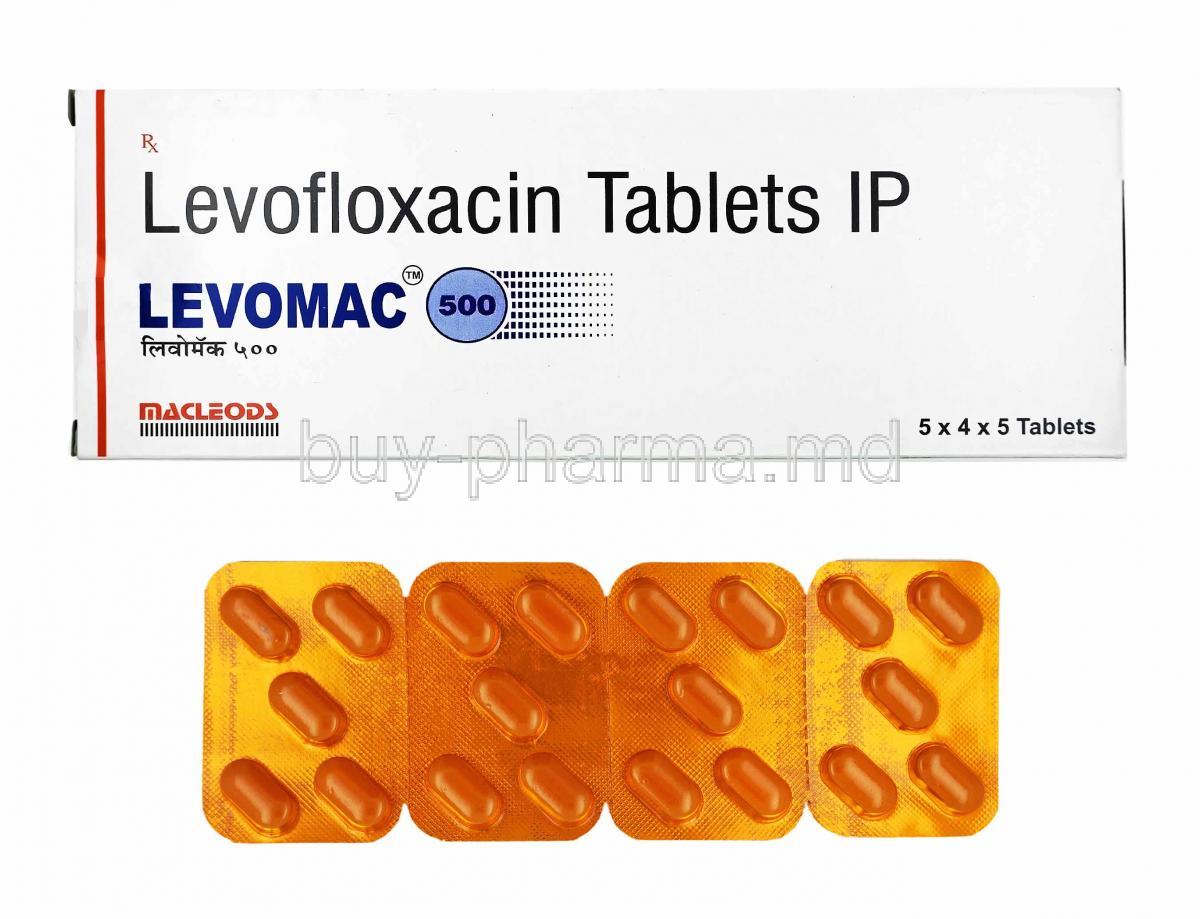
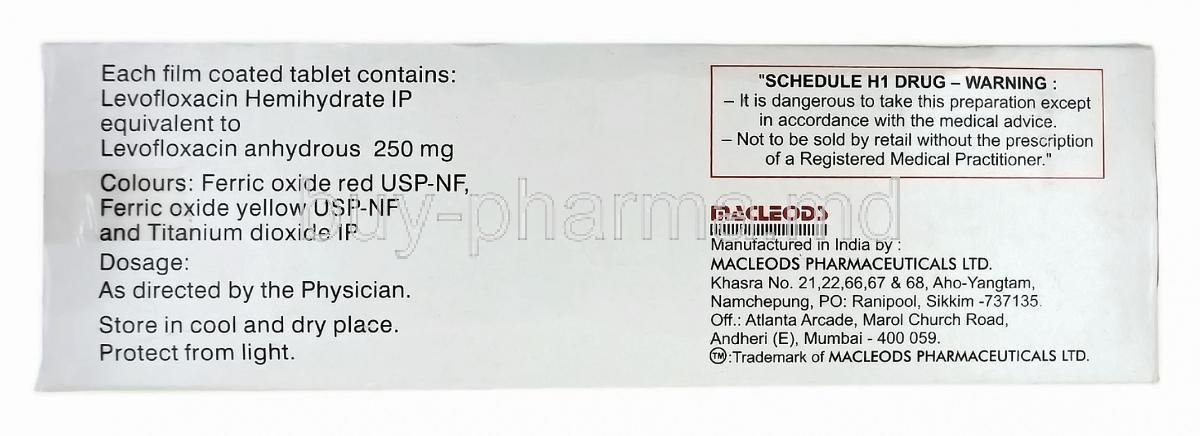
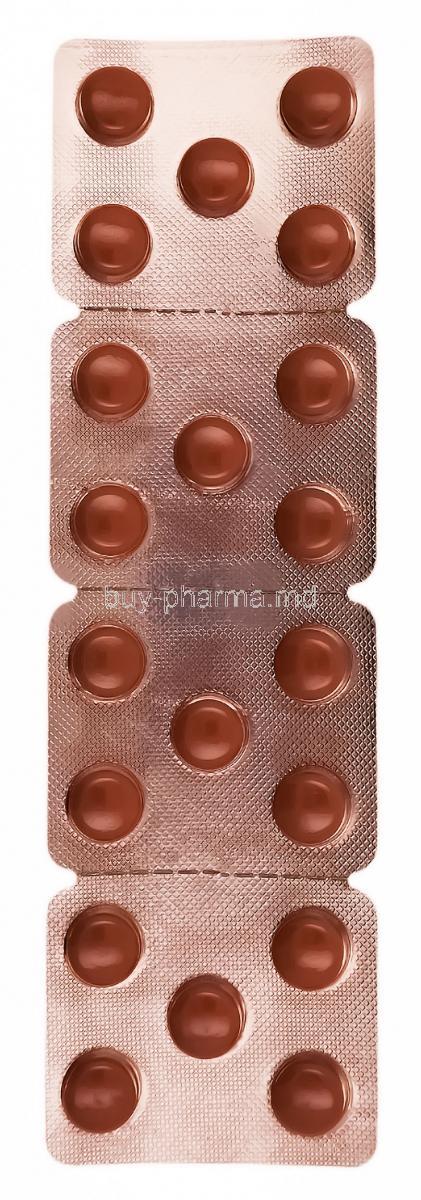
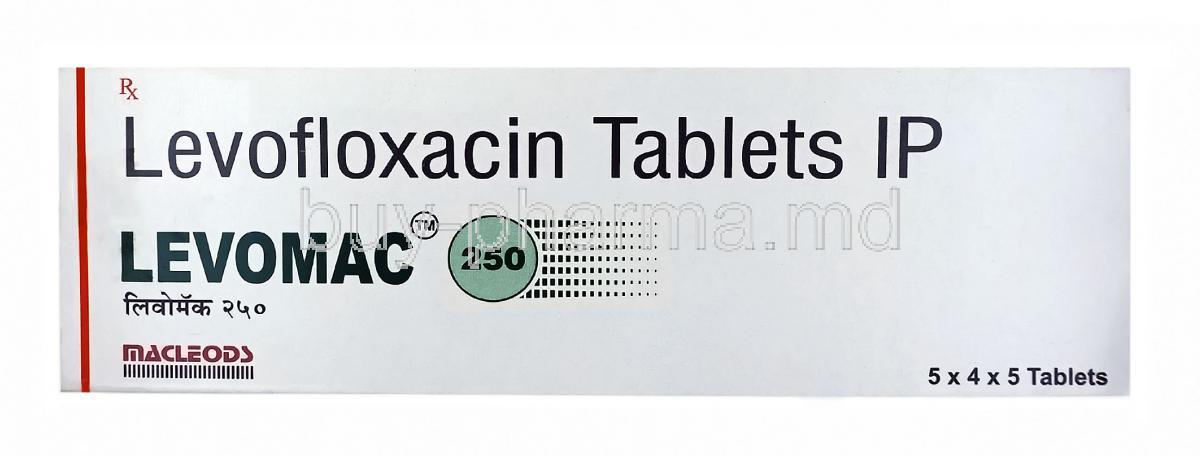
1. Introduction to Levomac (Levofloxacin)
Levomac is a widely prescribed antimicrobial agent belonging to the fluoroquinolone class of antibiotics. It is recognized for its broad-spectrum efficacy and dependable pharmacokinetic profile. In modern clinical practice, Levomac occupies an important position in the management of both community-acquired and hospital-associated bacterial infections.
Therapeutically, levofloxacin is classified as a systemic antibacterial with potent activity against a diverse array of pathogens. Its clinical relevance stems from high oral bioavailability, predictable tissue penetration, and the convenience of once-daily dosing. Since its introduction, levofloxacin has gained global acceptance and is incorporated into treatment guidelines across respiratory, urinary, and soft tissue infections.
2. Composition and Pharmaceutical Profile
The primary active constituent of Levomac is levofloxacin hemihydrate, the optically active L-isomer of ofloxacin. This stereochemical refinement contributes to enhanced antibacterial potency and improved tolerability.
Levomac is available in multiple pharmaceutical presentations to suit varying clinical needs, including:
- Oral tablets in different strengths
- Intravenous infusion solutions
- Ophthalmic formulations for localized infections
Inactive ingredients, or excipients, are incorporated to ensure chemical stability, consistent dissolution, and optimal bioavailability. These formulation characteristics support reliable therapeutic outcomes across different routes of administration.
3. How Levomac (Levofloxacin) Works
Levomac exerts its antibacterial action by selectively inhibiting bacterial DNA gyrase and topoisomerase IV. These enzymes are indispensable for DNA replication, transcription, and chromosomal segregation. Their inhibition results in irreversible disruption of bacterial DNA integrity.
This mechanism confers a bactericidal effect, meaning susceptible bacteria are killed rather than merely growth-inhibited. The antimicrobial spectrum of levofloxacin is notably expansive, encompassing:
- Gram-positive organisms such as Streptococcus species
- Gram-negative pathogens including Enterobacteriaceae
- Atypical bacteria like Mycoplasma and Chlamydia
4. Approved Uses of Levomac (Levofloxacin)
4.1 Respiratory Tract Infections
Levomac is frequently utilized in respiratory medicine due to excellent lung tissue penetration. It is indicated for conditions such as community-acquired pneumonia, acute bacterial sinusitis, and acute exacerbations of chronic bronchitis. These infections often involve mixed or resistant pathogens, where levofloxacin demonstrates reliable efficacy.
4.2 Urinary Tract and Renal Infections
In urology, Levomac is prescribed for both uncomplicated and complicated urinary tract infections. Its renal excretion allows high urinary concentrations, making it effective against uropathogens. Acute pyelonephritis is another well-established indication.
4.3 Skin and Soft Tissue Infections
Levomac is indicated for skin and soft tissue infections caused by susceptible organisms. This includes cellulitis, infected wounds, and certain abscesses. Adequate tissue diffusion supports its use in these scenarios.
4.4 Prostatitis and Genitourinary Infections
Chronic bacterial prostatitis responds favorably to levofloxacin due to its penetration into prostatic tissue. Selected genitourinary infections, including specific sexually transmitted bacterial infections, may also be treated when susceptibility is confirmed.
4.5 Other Approved Indications
Additional approved uses include intra-abdominal infections when administered as part of combination therapy. Levomac is also indicated for post-exposure prophylaxis and treatment of inhalational anthrax, reflecting its role in biodefense preparedness.
5. Off-Label Uses of Levomac (Levofloxacin)
Beyond approved indications, Levomac is employed off-label in several complex infectious conditions. These include second-line treatment of tuberculosis, particularly multidrug-resistant cases, and chronic osteomyelitis where long-term bone penetration is required.
Other off-label applications may involve:
- Selected cases of infective endocarditis in combination regimens
- Traveler’s diarrhea caused by susceptible bacteria
- Severe gastrointestinal bacterial infections
- Certain ophthalmic and ENT infections
6. Dosage and Administration
6.1 General Dosing Guidelines
Levomac is typically administered once daily, reflecting its prolonged half-life and sustained tissue concentrations. Standard adult doses vary depending on infection type and severity, allowing flexible yet predictable dosing strategies.
6.2 Dosage Adjustment
Dose modification is essential in patients with renal impairment, as levofloxacin is predominantly excreted unchanged in urine. Hepatic dysfunction generally does not necessitate adjustment, though clinical monitoring remains prudent.
6.3 Route of Administration
Levomac may be given orally or intravenously. Oral therapy is often preferred due to excellent bioavailability. In severe infections, intravenous administration is initiated, followed by a seamless switch to oral therapy once clinical stability is achieved.
7. Administration to Special Populations
7.1 Administration to Elderly Patients
Elderly individuals exhibit an increased susceptibility to tendon-related adverse effects. Renal function should be carefully evaluated, and dosing adjusted accordingly to minimize toxicity.
7.2 Administration to Pregnant Women and Nursing Mothers
Levomac is generally avoided during pregnancy due to potential risks to fetal musculoskeletal development. Levofloxacin crosses the placenta and is excreted in breast milk, warranting caution in nursing mothers.
7.3 Administration to Children and Adolescents
Routine pediatric use is discouraged because of concerns regarding cartilage toxicity. Restricted indications may apply when no safer alternatives exist and the anticipated benefit outweighs potential risk.
8. Side Effects of Levomac (Levofloxacin)
8.1 Common Side Effects
The most frequently reported adverse effects are generally mild and transient. These include:
- Nausea and vomiting
- Diarrhea
- Headache and dizziness
- Insomnia
8.2 Less Common but Serious Side Effects
More serious reactions may occur, including tendinitis or tendon rupture, peripheral neuropathy, central nervous system disturbances such as confusion or seizures, and prolongation of the QT interval.
8.3 Rare and Severe Adverse Reactions
Rare but potentially life-threatening reactions include hypersensitivity and anaphylaxis, severe cutaneous adverse reactions, and Clostridioides difficile–associated diarrhea following disruption of normal gut flora.
9. Drug Interactions
Levomac is subject to several clinically significant drug interactions. Antacids and mineral supplements containing magnesium, aluminum, or iron can reduce absorption and should be administered separately.
Concomitant use with NSAIDs may increase the risk of central nervous system stimulation. Corticosteroids elevate the likelihood of tendon injury, while interactions with warfarin can potentiate anticoagulant effects. Caution is also required when combined with other QT-prolonging medications.
10. Warnings and Safety Information
Levomac carries critical safety warnings characteristic of the fluoroquinolone class. These warnings underscore the need for judicious prescribing and vigilant patient monitoring, particularly in populations at elevated risk.
Fluoroquinolones are associated with boxed warnings highlighting the potential for serious, disabling, and in some cases irreversible adverse reactions. These effects may involve multiple organ systems and can occur concurrently.
- Musculoskeletal complications, including tendinopathy
- Peripheral nervous system damage
- Central nervous system disturbances
CNS and psychiatric reactions have been reported, ranging from mild agitation to severe manifestations such as hallucinations, depression, or seizures. Blood glucose disturbances may also occur, presenting as hypoglycemia or hyperglycemia, particularly in patients with diabetes or those receiving antidiabetic therapy.
11. Contraindications
Levomac is contraindicated in patients with known hypersensitivity to levofloxacin or any other fluoroquinolone antibiotics. Allergic reactions may be immediate or delayed and can escalate rapidly in severity.
A documented history of tendon disorders related to prior quinolone exposure represents a strict contraindication, as re-exposure may precipitate recurrence or worsening of tendon injury.
Patients with myasthenia gravis should not receive Levomac, as fluoroquinolones can exacerbate muscle weakness and potentially precipitate life-threatening respiratory compromise.
12. Careful Administration and Important Precautions
Caution is advised when administering Levomac to individuals with underlying seizure disorders, as fluoroquinolones may lower the seizure threshold. Concomitant medications and electrolyte imbalances should be carefully reviewed.
A comprehensive cardiovascular risk assessment is recommended prior to initiation. Levofloxacin has been associated with QT interval prolongation, particularly in patients with existing cardiac conditions or those receiving other QT-prolonging agents.
During prolonged therapy, regular monitoring is essential. This may include:
- Renal function assessment
- Evaluation for emerging neurological symptoms
- Surveillance for signs of superinfection
Unnecessary antibiotic use should be avoided. Inappropriate exposure contributes to antimicrobial resistance and diminishes long-term therapeutic efficacy.
13. Overdosage
Clinical manifestations of levofloxacin overdose primarily involve the central nervous system and gastrointestinal tract. Symptoms may include confusion, dizziness, nausea, seizures, and altered consciousness.
Expected toxicities are generally dose-related and may intensify in the presence of renal impairment. There is no specific antidote for levofloxacin overdose.
Management is supportive and symptomatic. Key measures include:
- Maintenance of adequate hydration
- Monitoring of vital signs and neurological status
- Correction of electrolyte abnormalities
14. Storage and Stability
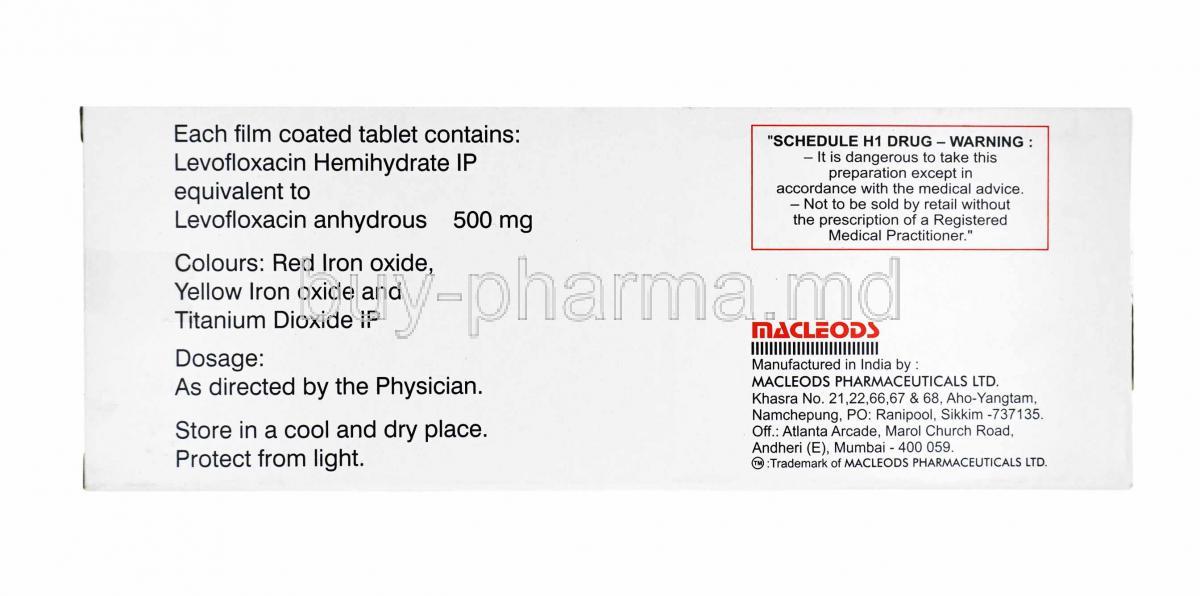
Levomac should be stored under recommended conditions to preserve stability and therapeutic integrity. Tablets and injectable formulations are typically stored at controlled room temperature, away from excessive heat and moisture.
Shelf life varies depending on formulation and packaging. Products should not be used beyond the indicated expiration date, as chemical degradation may reduce efficacy or increase risk.
Opened or diluted injectable solutions should be handled according to manufacturer guidance, with strict adherence to recommended time limits to prevent microbial contamination.
15. Handling Precautions
Safe handling practices are essential for both oral and injectable formulations. Healthcare professionals should minimize direct contact with injectable solutions and use appropriate protective measures when necessary.
Protection from light and contamination is particularly important for liquid formulations. Containers should remain tightly closed when not in use.
Unused or expired medication should be disposed of in accordance with local regulations. Improper disposal may pose environmental and public health risks.
16. Summary and Clinical Considerations
The clinical utility of Levomac is defined by a careful balance between therapeutic benefit and potential risk. When used appropriately, it remains a valuable option for the treatment of serious bacterial infections.
Appropriate patient selection is paramount. Consideration of comorbidities, concurrent medications, and individual risk factors enhances safety and optimizes outcomes.
Levomac should be prescribed within the framework of antimicrobial stewardship. Responsible use preserves its effectiveness, reduces resistance development, and supports sustainable infectious disease management.
 Verified Purchase
Levofloxacin
Medication works be ry well. Financial transaction was fast simple and secured. After many orders I feel very comfortable and safe ordering from this company. Shipping was fast considering I'm in a different country.
Customers also bought


Popular Products
Similar Product