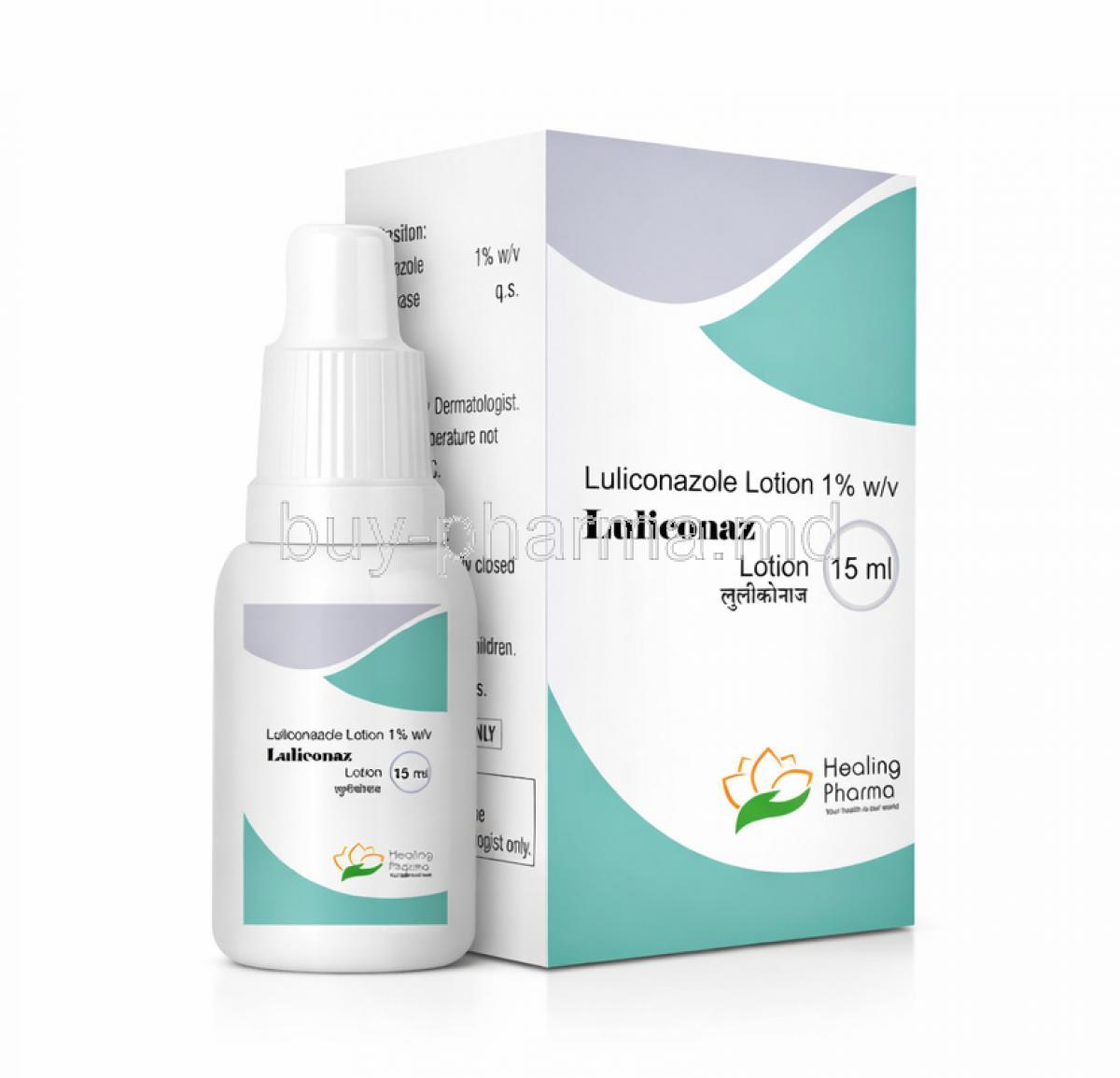
1. Introduction to Luliconaz Lotion (Luliconazole)
1.1 Overview of Luliconazole as a Topical Antifungal Agent
Luliconaz Lotion, containing luliconazole, represents a modern advancement in topical antifungal therapy. It is formulated for cutaneous application and is particularly effective against dermatophyte infections. The agent demonstrates potent antifungal activity with a relatively short treatment duration, which enhances patient adherence. Its lipophilic nature facilitates deeper penetration into the stratum corneum, allowing for sustained therapeutic action.
1.2 Drug Class and Pharmacological Category (Imidazole Antifungal)
Luliconazole belongs to the imidazole class of antifungal agents. These compounds are characterized by their ability to disrupt fungal cell membrane synthesis. Unlike older imidazoles, luliconazole exhibits enhanced binding affinity and a broader spectrum of activity, positioning it as a highly efficacious option in dermatological pharmacotherapy.
1.3 Indications and Clinical Relevance in Dermatology
This medication is widely utilized in the treatment of superficial fungal infections affecting the skin. Its clinical relevance is underscored by:
- Rapid symptom alleviation
- High cure rates in dermatophyte infections
- Convenient once-daily application in many cases
Dermatologists often favor luliconazole due to its predictable pharmacodynamic profile and low recurrence rates.
1.4 Available Formulations and Strengths of Luliconazole Lotion
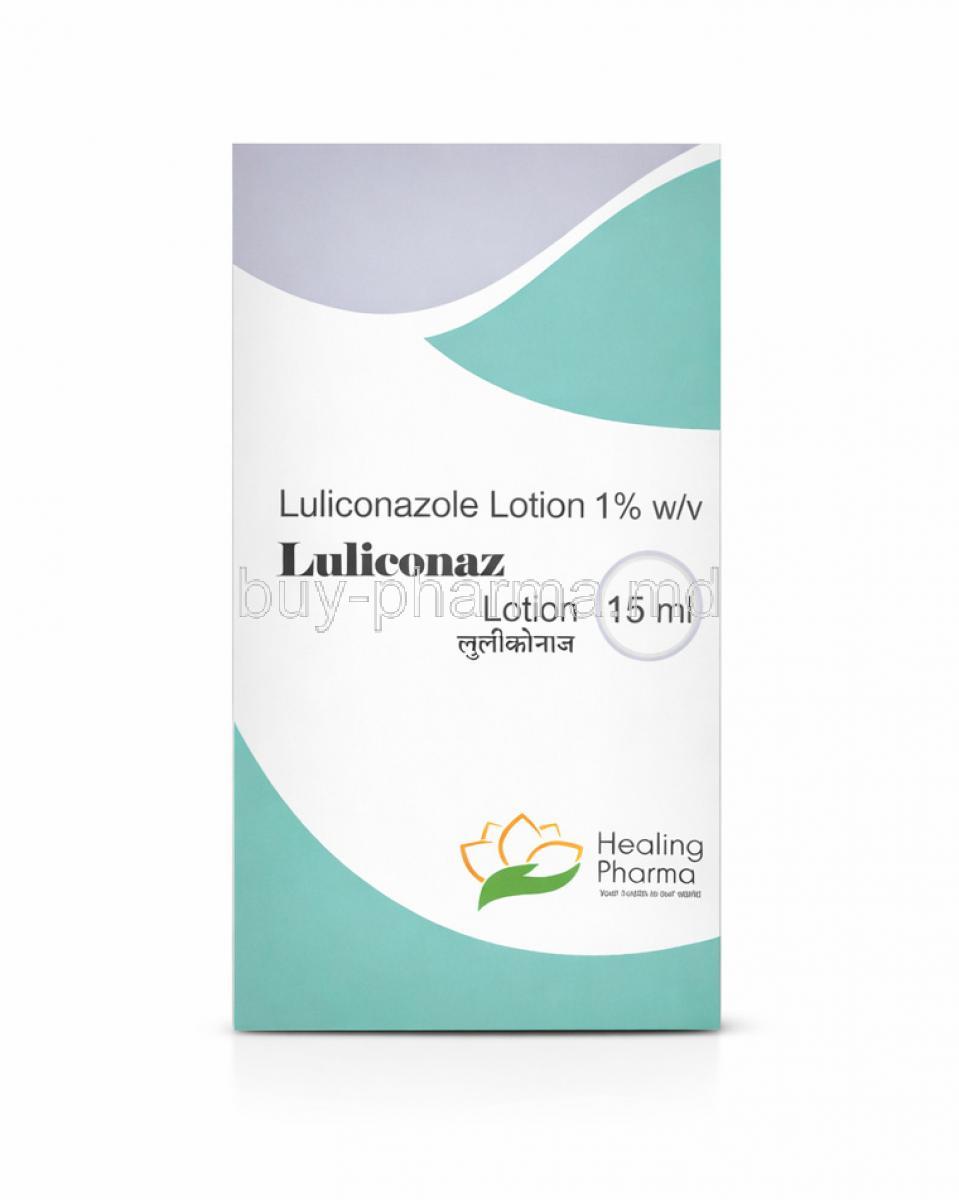
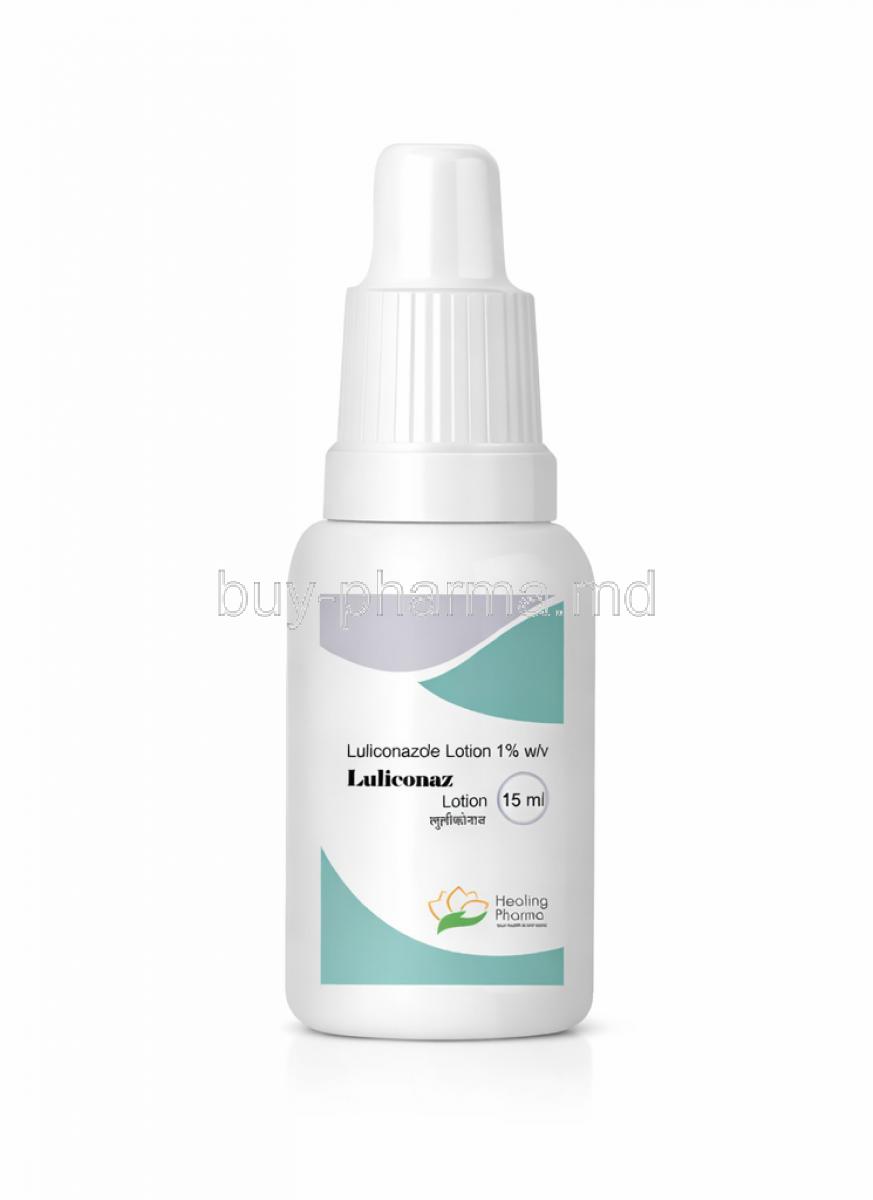
Luliconazole is commonly available in a 1% concentration across various formulations. These include lotions, creams, and topical solutions. The lotion formulation is particularly advantageous for application over larger or hair-bearing areas due to its ease of spread and rapid absorption.
2. Composition and Formulation Details
2.1 Active Ingredient: Luliconazole – Chemical Properties and Structure
Luliconazole is a synthetic imidazole derivative with a unique molecular configuration that enhances its antifungal potency. Its structure enables strong inhibition of ergosterol biosynthesis, a vital component of fungal cell membranes. This biochemical interference results in compromised cellular integrity and eventual fungal cell death.
2.2 Inactive Ingredients and Their Functional Roles
In addition to the active compound, the formulation includes excipients that improve stability, absorption, and usability. These may include:
- Solvents to enhance drug solubility
- Emollients to maintain skin hydration
- Preservatives to ensure product longevity
Each component plays a strategic role in optimizing therapeutic delivery.
2.3 Lotion vs Cream vs Solution: Differences in Delivery Systems
Different formulations cater to varied clinical needs. Lotions are lightweight and ideal for extensive or hairy regions. Creams provide a thicker consistency suitable for localized lesions. Solutions are often used for scalp or difficult-to-reach areas. The selection depends on lesion morphology and anatomical location.
2.4 Stability and pH Considerations of the Formulation
The formulation is designed to maintain chemical stability under standard storage conditions. A balanced pH ensures compatibility with the skin’s natural barrier while preserving the integrity of the active ingredient. This minimizes irritation and maximizes therapeutic efficacy.
3. Mechanism of Action: How Luliconazole Works
3.1 Inhibition of Ergosterol Synthesis in Fungal Cell Membranes
Luliconazole exerts its antifungal effect by inhibiting lanosterol 14α-demethylase, a key enzyme in ergosterol synthesis. Ergosterol is essential for maintaining fungal cell membrane structure and function. Its depletion leads to increased membrane permeability and cellular dysfunction.
3.2 Impact on Fungal Cell Integrity and Growth Suppression
The disruption of membrane integrity results in leakage of intracellular contents. This process ultimately halts fungal proliferation. The drug’s action is both rapid and sustained, making it particularly effective in treating superficial infections.
3.3 Fungistatic vs Fungicidal Activity: Clinical Implications
Depending on concentration and organism susceptibility, luliconazole may exhibit fungistatic or fungicidal effects. Clinically, this dual capability allows flexibility in treating a range of fungal pathogens with varying resistance profiles.
3.4 Spectrum of Antifungal Activity Against Dermatophytes and Yeasts
Luliconazole demonstrates activity against a wide spectrum of fungi, including:
- Trichophyton species
- Epidermophyton floccosum
- Candida species (in certain cases)
This broad-spectrum efficacy enhances its utility in dermatological practice.
4. Uses of Luliconaz Lotion (Approved Indications)
4.1 Treatment of Tinea Pedis (Athlete’s Foot)
Luliconaz Lotion is commonly prescribed for tinea pedis. It alleviates symptoms such as itching, scaling, and fissuring, restoring skin integrity over time.
4.2 Management of Tinea Cruris (Jock Itch)
In cases of tinea cruris, the lotion provides targeted antifungal activity in sensitive groin areas. Its non-greasy texture enhances patient comfort.
4.3 Treatment of Tinea Corporis (Ringworm of the Body)
The medication effectively treats circular, erythematous lesions associated with tinea corporis. Regular application leads to visible improvement within days.
4.4 Role in Cutaneous Fungal Infections Caused by Dermatophytes
Dermatophyte infections remain the primary indication for luliconazole. Its targeted mechanism ensures eradication of fungal colonies residing in keratinized tissues.
4.5 Use in Mild to Moderate Superficial Fungal Infections
For uncomplicated infections, luliconazole serves as a first-line therapy. Its efficacy and safety profile make it suitable for routine dermatological use.
5. Off-Label Uses of Luliconazole Lotion
5.1 Management of Cutaneous Candidiasis
Although not always first-line, luliconazole may be employed in certain Candida infections affecting the skin, particularly when resistance to other agents is suspected.
5.2 Use in Pityriasis (Tinea) Versicolor
Its antifungal properties extend to Malassezia species, making it a potential option for treating discoloration associated with pityriasis versicolor.
5.3 Treatment of Intertrigo with Suspected Fungal Involvement
In intertriginous areas prone to moisture accumulation, luliconazole may reduce fungal colonization and associated inflammation.
5.4 Potential Use in Seborrheic Dermatitis with Fungal Component
Some cases of seborrheic dermatitis involve fungal overgrowth. Luliconazole may contribute to symptom control when used judiciously.
5.5 Emerging Uses in Mixed Bacterial-Fungal Skin Infections
Preliminary clinical observations suggest potential utility in mixed infections, particularly when combined with adjunctive therapies.
6. Dosage and Administration Guidelines
6.1 Recommended Dosage for Different Fungal Infections
The standard application involves once-daily use over the affected area. The dosage may vary slightly depending on infection severity and location.
6.2 Duration of Therapy Based on Infection Type
Treatment duration typically ranges from one to two weeks. However, adherence to prescribed duration is critical to prevent recurrence.
6.3 Step-by-Step Application Instructions for Optimal Results
- Clean and dry the affected area thoroughly
- Apply a thin layer of lotion
- Gently rub until fully absorbed
- Wash hands after application
6.4 Frequency of Application and Missed Dose Management
If a dose is missed, it should be applied as soon as remembered. Doubling doses is not recommended. Consistency is key to therapeutic success.
6.5 Factors Affecting Absorption and Efficacy
Factors such as skin hydration, lesion thickness, and occlusion can influence drug absorption. Optimal conditions enhance clinical outcomes.
7. Side Effects of Luliconaz Lotion
7.1 Overview of Potential Adverse Reactions
Luliconazole is generally well tolerated. Adverse reactions are typically mild and localized, reflecting its topical mode of administration.
7.2 Common Side Effects Associated with Topical Luliconazole
- Application site irritation
- Burning or stinging sensation
- Mild erythema or itching
7.3 Less Common and Rare Side Effects
Rarely, patients may experience more pronounced irritation or dermatitis. These events are uncommon and often reversible upon discontinuation.
7.4 Allergic Reactions and Hypersensitivity Concerns
Hypersensitivity reactions, though infrequent, may manifest as rash, swelling, or severe itching. Immediate medical evaluation is advised in such cases.
8. Common Side Effects: What Patients Should Expect
8.1 Localized Skin Reactions and Their Management
Localized reactions are usually transient. Applying the medication as directed and avoiding overuse minimizes discomfort.
8.2 Temporary vs Persistent Side Effects
Most side effects resolve spontaneously. Persistent symptoms may require reassessment of therapy.
8.3 When to Continue vs Discontinue Treatment
Continuation is appropriate for mild irritation. However, severe reactions necessitate discontinuation and medical consultation.
8.4 Patient Counseling for Managing Mild Adverse Effects
Patients should be advised to:
- Avoid scratching the affected area
- Maintain proper hygiene
- Report unusual symptoms promptly
9. Drug Interactions and Compatibility
9.1 Interaction Potential with Other Topical Medications
Concurrent use with other topical agents should be approached cautiously to avoid compounded irritation.
9.2 Use with Corticosteroids or Combination Therapy
Combination therapy may be considered in inflammatory conditions, but should be guided by clinical judgment.
9.3 Systemic Absorption and Risk of Systemic Drug Interactions
Systemic absorption is minimal, reducing the likelihood of systemic interactions. This contributes to its favorable safety profile.
9.4 Cosmetic Products and Skin Care Interactions
Cosmetics and skincare products may alter absorption. It is advisable to space applications appropriately.
10. Warnings and Safety Considerations
10.1 Risk of Skin Irritation and Sensitization
Prolonged or excessive use may increase the risk of sensitization. Adherence to prescribed guidelines is essential.
10.2 Avoidance of Contact with Eyes, Mucous Membranes, and Open Wounds
The lotion should not be applied to sensitive areas such as eyes or open wounds. Accidental contact should be rinsed immediately.
10.3 Use in Patients with Known Allergies to Azole Antifungals
Patients with a history of azole hypersensitivity should exercise caution or avoid use altogether.
10.4 Risk of Misuse or Overuse Leading to Resistance
Improper use may contribute to antifungal resistance. Completing the full course of therapy is imperative to ensure eradication of the pathogen.
11. Contraindications
11.1 Known Hypersensitivity to Luliconazole or Formulation Components
Luliconaz Lotion is contraindicated in individuals with a documented hypersensitivity to luliconazole or any of its excipients. Even minimal exposure may provoke adverse dermatologic or immunologic responses. Patients with a history of azole intolerance should be evaluated carefully before initiation.
- Manifestations may include rash, urticaria, or localized swelling
- Discontinuation is mandatory if hypersensitivity occurs
11.2 Severe Skin Reactions or Dermatitis at Application Site
Application to severely inflamed or compromised skin can exacerbate irritation. In cases of acute dermatitis, erosions, or ulceration, topical antifungal therapy should be deferred until the underlying condition stabilizes.
Clinical prudence is essential. Misapplication may intensify discomfort rather than alleviate it.
11.3 Use in Conditions Requiring Systemic Antifungal Therapy
Luliconazole lotion is not suitable for deep or systemic fungal infections. Conditions such as invasive mycoses or extensive dermatophytosis may necessitate systemic antifungal agents for adequate resolution.
- Limited penetration beyond superficial layers
- Inadequate for nail or scalp infections requiring systemic reach
12. Careful Administration (Use with Caution)
12.1 Use in Patients with Compromised Skin Barrier
Patients with impaired skin integrity, including those with eczema or chronic dermatitis, may experience enhanced absorption and irritation. The compromised barrier can alter pharmacokinetics, leading to unpredictable outcomes.
12.2 Application on Sensitive Skin Areas (Face, Groin, Axilla)
Delicate anatomical regions require meticulous application. The lotion should be used sparingly to avoid irritation, particularly in intertriginous zones where occlusion and moisture may amplify sensitivity.
- Use a thin layer only
- Avoid excessive rubbing
12.3 Use in Immunocompromised Individuals
Immunocompromised patients may exhibit atypical infection patterns and slower response rates. While luliconazole can be beneficial, close monitoring is warranted to ensure therapeutic effectiveness.
12.4 Long-Term Use Considerations
Prolonged use beyond recommended duration may predispose to resistance or cutaneous irritation. Treatment should be limited to the prescribed course unless otherwise directed by a healthcare professional.
13. Important Precautions for Safe Use
13.1 Hygiene Measures to Prevent Reinfection
Effective management of fungal infections extends beyond pharmacotherapy. Hygiene plays a pivotal role in preventing recurrence.
- Keep affected areas clean and dry
- Change clothing and footwear regularly
- Avoid sharing personal items
13.2 Avoiding Occlusive Dressings Unless Directed
Occlusion may increase drug absorption and exacerbate irritation. Unless specifically advised, the treated area should remain uncovered to allow adequate ventilation.
13.3 Preventing Spread of Fungal Infections to Others
Fungal infections are often transmissible. Patients should adopt precautionary measures to limit contagion, especially in communal environments.
- Use separate towels
- Disinfect commonly touched surfaces
13.4 Monitoring Treatment Response and Follow-Up
Regular assessment of therapeutic response ensures optimal outcomes. Lack of improvement within the expected timeframe may necessitate reevaluation of diagnosis or treatment strategy.
14. Administration in Special Populations
14.1 Administration to Elderly Patients: Safety and Skin Sensitivity
Elderly individuals may exhibit increased skin fragility and sensitivity. While luliconazole is generally well tolerated, cautious application is recommended to minimize irritation.
14.2 Administration to Pregnant Women: Risk-Benefit Assessment
Use during pregnancy should be guided by a thorough risk-benefit evaluation. Although systemic absorption is minimal, caution is advised due to limited clinical data.
14.3 Administration to Nursing Mothers: Topical Safety Considerations
In lactating women, the lotion should not be applied to areas that may come into direct contact with the infant. This precaution reduces the risk of inadvertent ingestion.
14.4 Administration to Pediatric Patients: Age Restrictions and Guidance
Pediatric use should be approached with consideration of age-specific factors. Safety and efficacy data may be limited in very young children, necessitating medical supervision.
15. Overdosage and Misuse
15.1 Risk of Over-Application and Local Toxicity
Excessive application does not enhance efficacy and may increase the likelihood of irritation. Proper dosing remains essential for safe and effective treatment.
15.2 Symptoms of Excessive Use
Overuse may result in localized adverse effects such as:
- Increased redness or inflammation
- Burning sensation
- Dryness or peeling
15.3 Management of Accidental Ingestion or Misuse
Although unlikely, accidental ingestion should be addressed promptly. Supportive care and consultation with a healthcare provider are recommended.
15.4 When to Seek Medical Attention
Medical attention should be sought if severe irritation, allergic reactions, or unusual symptoms occur. Early intervention mitigates complications.
16. Storage and Stability Requirements
16.1 Recommended Storage Conditions (Temperature, Light Protection)
The lotion should be stored at controlled room temperature, away from excessive heat and direct sunlight. Proper storage preserves its pharmacological integrity.
16.2 Shelf Life and Expiry Considerations
Adherence to expiration dates is crucial. Degraded formulations may lose efficacy and pose safety concerns.
16.3 Safe Storage Practices to Prevent Contamination
To maintain product sterility:
- Keep the container tightly closed
- Avoid direct contact between the applicator and contaminated surfaces
16.4 Disposal of Unused or Expired Medication
Unused or expired medication should be disposed of responsibly. Local guidelines for pharmaceutical waste disposal should be followed to minimize environmental impact.
17. Handling Precautions
17.1 Proper Handling and Application Hygiene
Hand hygiene before and after application reduces the risk of contamination. Clean application techniques enhance treatment safety.
17.2 Avoiding Cross-Contamination During Use
Sharing medication is strongly discouraged. Cross-contamination can lead to infection spread or compromised product integrity.
17.3 Safe Disposal of Applicators and Packaging
Used materials should be discarded in accordance with hygiene standards. Proper disposal prevents accidental exposure.
17.4 Patient Education on Responsible Use
Educating patients on correct usage fosters adherence and improves outcomes. Clear instructions should accompany every prescription.
18. Summary of Clinical Benefits and Considerations
18.1 Key Advantages of Luliconazole Lotion in Fungal Treatment
Luliconazole lotion offers several therapeutic advantages:
- Potent antifungal activity
- Short treatment duration
- Convenient application
- Low systemic absorption
18.2 Limitations and When Alternative Therapies Are Needed
Despite its efficacy, limitations exist. Severe infections, resistant strains, or involvement of deeper tissues may require alternative or adjunctive therapies.
18.3 Best Practices for Maximizing Treatment Outcomes
Optimal results are achieved through adherence, proper hygiene, and timely follow-up. Combining pharmacologic treatment with preventive measures ensures sustained resolution and minimizes recurrence.
Luliconaz Lotion, Luliconazole FAQ
- What is Luliconaz Lotion used for?
- Can I use luliconazole Lotion on private parts?
- How effective is luliconazole lotion?
- What is luliconazole used for?
- Is luliconazole available over the counter?
- Is luliconazole stronger than clotrimazole?
- Can I use luliconazole Cream on male private parts?
- How long can I use luliconazole?
- What is luliconazole used to treat?
- What should I avoid while using luliconazole?
- Which is better than luliconazole?
- What are the side effects of luliconazole?
- How long does it take for luliconazole to work?
- Should I wash the area before applying luliconazole?
- How effective is luliconazole?
- How many times a day should I apply luliconazole?
- Which cream is better than luliconazole?
- Is luliconazole poisonous?
- Can I use luliconazole on private parts?
- Is luliconazole approved by the FDA?
- Is luliconazole a steroid?
- What are the warnings for luliconazole?
- Is luliconazole good?
What is Luliconaz Lotion used for?
Luliconaz is used to treat superficial skin infections like athlete’s foot (interdigital tinea pedis), jock itch (tinea cruris), and ringworm (tinea corporis).
Can I use luliconazole Lotion on private parts?
No
How effective is luliconazole lotion?
98%
What is luliconazole used for?
Luliconazole is used to treat skin infections caused by fungus or yeast, such as athlete's foot (tinea pedis), jock itch (tinea cruris), and ringworm (tinea corporis).
Is luliconazole available over the counter?
Yes
Is luliconazole stronger than clotrimazole?
Yes
Can I use luliconazole Cream on male private parts?
No
How long can I use luliconazole?
2 weeks
What is luliconazole used to treat?
Fluconazole is used to treat serious fungal or yeast infections, including vaginal candidiasis, oropharyngeal candidiasis (thrush, oral thrush), esophageal candidiasis (candida esophagitis), other candida infections (including urinary tract infections, peritonitis [inflammation of the lining of the stomach]
What should I avoid while using luliconazole?
- Do not let luliconazole get into your eyes, nose, or mouth.
- Do not swallow it.
- Do not use luliconazole cream in the vaginal area.
Which is better than luliconazole?
Betamethasone /clotrimazole topical
What are the side effects of luliconazole?
- Skin rashes
- Itching
- Swelling
How long does it take for luliconazole to work?
`1-2 weeks
Should I wash the area before applying luliconazole?
Yes
How effective is luliconazole?
98%
How many times a day should I apply luliconazole?
2-3 times a day
Which cream is better than luliconazole?
Is luliconazole poisonous?
No
Can I use luliconazole on private parts?
No
Is luliconazole approved by the FDA?
Yes
Is luliconazole a steroid?
No
What are the warnings for luliconazole?
- Wheezing
- Breathing problems
- Fever
- Swelling
Is luliconazole good?
Luliconazole is beneficial for the treatment of skin infections caused by dermatophytes.
Popular Products
Similar Product