1. Introduction to Met-Innovfol
1.1 Overview of Met-Innovfol Combination Therapy
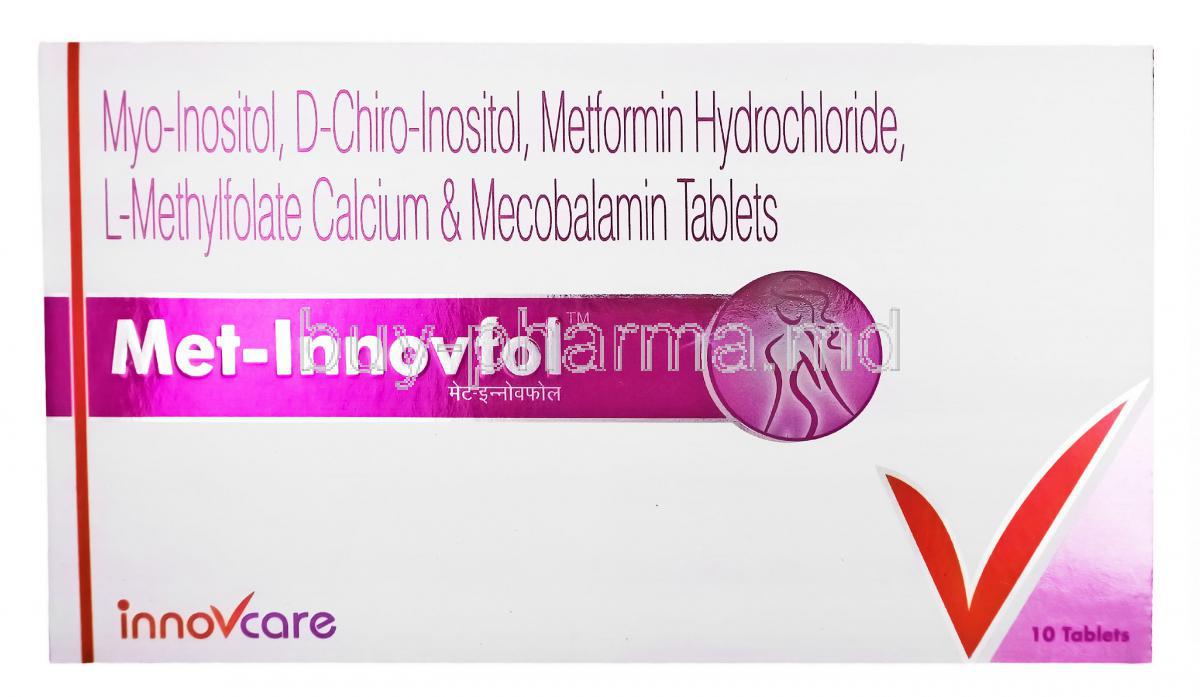
Met-Innovfol is a specialized pharmaceutical formulation that integrates metabolic therapy with targeted nutritional support. The preparation combines Metformin, L-Methyl Folate, Methylcobalamin, and Myo-Inositol, each selected for its complementary biochemical activity. Together, these components address insulin resistance, metabolic imbalance, and neurological health.
This multifaceted formulation is designed to support metabolic pathways that are frequently disrupted in endocrine and metabolic disorders. It not only assists in regulating glucose metabolism but also contributes to neurological protection and improved cellular energy utilization.
- Supports glucose homeostasis
- Improves insulin sensitivity
- Provides active vitamin cofactors
- Enhances metabolic and neurological stability
1.2 Therapeutic Classification and Clinical Role
Met-Innovfol belongs to a therapeutic category that bridges antidiabetic pharmacotherapy and metabolic nutritional supplementation. The formulation is frequently utilized as an adjunctive treatment in metabolic disorders where insulin resistance and micronutrient deficiencies coexist.
Clinically, the medication functions as both a metabolic regulator and a neurotrophic support system. Its integrated approach allows physicians to address multiple pathophysiological mechanisms simultaneously.
1.3 Importance of Multi-Nutrient and Metabolic Support in Modern Medicine
Modern therapeutic strategies increasingly emphasize the importance of addressing metabolic dysfunction from multiple angles. Chronic metabolic diseases rarely arise from a single biochemical disturbance. Instead, they involve complex interactions between insulin signaling, mitochondrial energy production, and micronutrient status.
A formulation such as Met-Innovfol provides:
- Pharmacologic glucose control
- Active vitamin support for nerve health
- Improved methylation and cellular metabolism
- Enhanced hormonal balance in metabolic disorders
1.4 Conditions Commonly Managed with Metformin-Based Combination Formulations
Metformin-based combination therapies are widely used to manage disorders characterized by impaired insulin signaling and metabolic dysregulation. These conditions often present with overlapping clinical features, including elevated blood glucose, hormonal imbalance, and metabolic inflammation.
Commonly addressed conditions include:
- Type 2 diabetes mellitus
- Insulin resistance and prediabetes
- Polycystic ovary syndrome (PCOS)
- Metabolic syndrome
- Neuropathic complications associated with diabetes
1.5 Target Patient Populations for Met-Innovfol Therapy
Met-Innovfol is typically prescribed for individuals who require metabolic control alongside nutritional support for neurological or endocrine health. The therapy is especially beneficial for patients with insulin resistance accompanied by vitamin deficiencies.
Target populations may include:
- Adults with insulin resistance or type 2 diabetes
- Women diagnosed with PCOS
- Individuals with metabolic syndrome
- Patients experiencing diabetic neuropathy
- Patients undergoing long-term metformin therapy who require vitamin support
2. Composition and Active Ingredients
2.1 Metformin: Role as an Insulin Sensitizer
Metformin is a cornerstone medication in the management of type 2 diabetes and insulin resistance. It primarily functions by reducing hepatic glucose production and improving peripheral insulin sensitivity.
Through its actions on cellular energy pathways, metformin decreases hepatic gluconeogenesis while enhancing glucose uptake in muscle tissue. This mechanism leads to improved glycemic control without stimulating excessive insulin secretion.
2.2 L-Methyl Folate: Bioactive Folate for Metabolic and Neurological Health
L-Methyl Folate represents the biologically active form of folate that participates directly in methylation reactions within the body. Unlike conventional folic acid, this form bypasses metabolic conversion steps, making it immediately available for cellular processes.
Key physiological roles include:
- DNA synthesis and repair
- Regulation of homocysteine levels
- Support of neurotransmitter production
- Enhancement of neurological function
2.3 Methylcobalamin (Vitamin B12): Neurological and Hematological Support
Methylcobalamin is a neurologically active form of vitamin B12 essential for nerve regeneration and red blood cell formation. It plays a critical role in maintaining the integrity of myelin sheaths that protect nerve fibers.
This nutrient is particularly important for individuals taking long-term metformin therapy, as metformin may reduce vitamin B12 absorption over time.
2.4 Myo-Inositol: Role in Insulin Signaling and Hormonal Balance
Myo-inositol functions as a secondary messenger molecule within insulin signaling pathways. By improving cellular responsiveness to insulin, it supports more efficient glucose utilization and helps reduce hyperinsulinemia.
In reproductive health, myo-inositol is also recognized for its capacity to regulate ovarian function and hormonal balance.
2.5 Synergistic Effects of the Combined Ingredients
The combination of these ingredients produces a synergistic therapeutic profile. Each component targets a different biochemical pathway, resulting in comprehensive metabolic support.
- Metformin regulates glucose production
- Myo-inositol enhances insulin receptor sensitivity
- L-methyl folate improves methylation pathways
- Methylcobalamin protects nerve cells
Together, they address both metabolic dysfunction and associated neurological complications.
2.6 Advantages of Bioavailable Vitamin Forms in Metabolic Disorders
Using bioavailable vitamin forms provides significant advantages in metabolic therapy. Many individuals possess genetic variations that limit the conversion of inactive vitamin forms into biologically active metabolites.
By providing the active forms directly, Met-Innovfol ensures optimal absorption and utilization within the body.
3. How Met-Innovfol Works (Mechanism of Action)
3.1 Mechanism of Metformin in Glucose Regulation
Metformin activates cellular energy sensors such as AMP-activated protein kinase (AMPK). This action reduces hepatic glucose production and enhances glucose uptake in peripheral tissues.
The result is improved glycemic control without significant risk of hypoglycemia when used appropriately.
3.2 Enhancement of Insulin Sensitivity by Myo-Inositol
Myo-inositol participates in intracellular signaling pathways that regulate insulin activity. By restoring proper signal transduction, it improves cellular responsiveness to insulin and reduces insulin resistance.
3.3 Role of L-Methyl Folate in Cellular Methylation and Homocysteine Regulation
L-methyl folate contributes to essential methylation reactions involved in neurotransmitter synthesis, DNA repair, and cardiovascular health. One of its important roles is the reduction of homocysteine, a compound associated with cardiovascular risk.
3.4 Neuroprotective Functions of Methylcobalamin
Methylcobalamin supports nerve regeneration and enhances the production of myelin, the protective sheath surrounding nerve fibers. This neuroprotective effect is particularly valuable in preventing or treating diabetic neuropathy.
3.5 Combined Mechanisms Supporting Metabolic and Neurological Health
The integrated mechanism of Met-Innovfol targets multiple physiological systems simultaneously. The medication addresses glucose regulation, hormonal balance, nerve health, and cellular metabolism in a coordinated manner.
3.6 Impact on Insulin Resistance, Hormonal Balance, and Energy Metabolism
By improving insulin sensitivity and cellular energy production, the formulation contributes to a more balanced metabolic environment. Patients often experience improved glycemic stability, enhanced neurological function, and better hormonal regulation.
4. Approved Medical Uses of Met-Innovfol
4.1 Management of Type 2 Diabetes Mellitus
Met-Innovfol is commonly prescribed as part of a comprehensive treatment plan for individuals with type 2 diabetes. The formulation assists in controlling elevated blood glucose levels while providing supportive nutrients for nerve health.
4.2 Treatment of Insulin Resistance and Prediabetes
In patients with insulin resistance, early intervention is essential to prevent progression to overt diabetes. Met-Innovfol improves insulin sensitivity and promotes healthier metabolic regulation.
4.3 Supportive Therapy in Polycystic Ovary Syndrome (PCOS)
PCOS frequently involves insulin resistance and hormonal imbalance. Met-Innovfol helps improve insulin responsiveness and may contribute to more regular ovulatory cycles.
4.4 Prevention and Management of Diabetic Neuropathy
The inclusion of methylcobalamin supports nerve regeneration and may help reduce symptoms associated with diabetic neuropathy, including numbness and tingling sensations.
4.5 Correction of Vitamin B12 and Folate Deficiencies in Metformin Users
Long-term use of metformin may impair the absorption of vitamin B12. Met-Innovfol compensates for this effect by providing methylcobalamin and active folate in therapeutic amounts.
4.6 Improvement of Metabolic Syndrome and Associated Risk Factors
Patients with metabolic syndrome often experience a combination of insulin resistance, obesity, dyslipidemia, and hypertension. Met-Innovfol may assist in improving several metabolic parameters simultaneously.
5. Expanded Clinical and Off-Label Uses
5.1 Use in Polycystic Ovary Syndrome-Related Infertility
Improving insulin sensitivity and hormonal balance may enhance ovulatory function in women experiencing infertility related to PCOS.
5.2 Management of Hyperinsulinemia and Hormonal Imbalance
Patients with chronic hyperinsulinemia may benefit from therapies that restore proper insulin signaling and metabolic equilibrium.
5.3 Support in Gestational Insulin Resistance Under Medical Supervision
In select cases, physicians may use metformin-based therapy during pregnancy to manage insulin resistance. Such treatment must always occur under strict medical supervision.
5.4 Adjunct Therapy in Obesity and Weight Management Programs
Improved insulin sensitivity may help regulate appetite and metabolic efficiency, supporting structured weight management strategies.
5.5 Use in Peripheral Neuropathy Associated with Vitamin Deficiency
Methylcobalamin supplementation supports nerve regeneration and may help alleviate neuropathic symptoms caused by vitamin deficiency.
5.6 Homocysteine Reduction and Cardiovascular Risk Management
By reducing homocysteine levels, L-methyl folate may contribute to improved cardiovascular health and reduced vascular risk.
5.7 Potential Role in Mood Disorders Linked to Folate Deficiency
Emerging research suggests that active folate supplementation may support neurotransmitter production involved in mood regulation.
5.8 Use in Metabolic Support for Women with Reproductive Disorders
Met-Innovfol may provide metabolic support in women experiencing endocrine disorders that affect reproductive health.
6. Dosage and Administration
6.1 Standard Adult Dosage Recommendations
The dosage of Met-Innovfol varies depending on the clinical condition being treated. Physicians typically prescribe one or more tablets daily according to individual metabolic requirements.
6.2 Dosage Adjustments Based on Clinical Condition
Patients with renal impairment, metabolic instability, or concurrent medical conditions may require individualized dosage adjustments.
6.3 Timing of Administration with Meals
Metformin-containing medications are often taken with meals to reduce gastrointestinal irritation and enhance tolerability.
6.4 Duration of Therapy for Metabolic Disorders
Metabolic disorders frequently require long-term management. Treatment duration depends on patient response, laboratory monitoring, and physician guidance.
6.5 Physician-Guided Dosage Modifications
Regular medical supervision ensures safe and effective therapy. Dosage modifications may be necessary based on blood glucose levels and metabolic indicators.
6.6 Importance of Adherence to Prescribed Treatment Regimens
Consistent adherence to prescribed treatment is essential for achieving optimal therapeutic outcomes. Irregular medication use may compromise metabolic control.
7. Side Effects of Met-Innovfol
7.1 Overview of Potential Adverse Effects
Most patients tolerate Met-Innovfol well. However, as with any medication, some individuals may experience side effects during treatment.
7.2 Gastrointestinal Reactions Associated with Metformin
Metformin may occasionally cause digestive disturbances such as nausea, abdominal discomfort, or diarrhea.
7.3 Neurological and Sensory Effects Related to Vitamin Components
Vitamin components are generally well tolerated, though rare hypersensitivity reactions may occur.
7.4 Metabolic Changes and Rare Adverse Reactions
In rare situations, metabolic disturbances such as lactic acidosis may occur, particularly in patients with severe kidney dysfunction.
7.5 When to Seek Medical Attention for Side Effects
Immediate medical evaluation is recommended if patients experience symptoms such as severe fatigue, difficulty breathing, persistent vomiting, or unusual weakness.
8. Common Side Effects
8.1 Nausea and Gastrointestinal Discomfort
Mild nausea or stomach discomfort may occur during the early stages of treatment.
8.2 Diarrhea or Mild Abdominal Disturbance
Some individuals experience temporary digestive changes while adjusting to metformin therapy.
8.3 Metallic Taste or Appetite Changes
A metallic taste sensation is occasionally reported but usually resolves over time.
8.4 Mild Headache or Dizziness
Transient neurological symptoms may appear during the initial adjustment period.
8.5 Temporary Fatigue During Initial Treatment
A brief period of fatigue may occur as the body adapts to metabolic changes.
9. Drug Interactions
9.1 Interaction with Antidiabetic Medications
Combining Met-Innovfol with other glucose-lowering agents may enhance glycemic control but requires careful monitoring to avoid hypoglycemia.
9.2 Effects of Alcohol Consumption on Metformin Therapy
Excessive alcohol intake may increase the risk of lactic acidosis and should be avoided during treatment.
9.3 Interaction with Drugs Affecting Vitamin B12 Absorption
Certain medications may interfere with vitamin B12 absorption, potentially increasing the risk of deficiency.
9.4 Interaction with Folate-Antagonist Medications
Drugs that inhibit folate metabolism may reduce the effectiveness of L-methyl folate supplementation.
9.5 Interaction with Certain Antibiotics and Diuretics
Some antibiotics and diuretics may influence kidney function, which can alter metformin metabolism.
9.6 Clinical Considerations When Combining with Hormonal Treatments
Hormonal therapies may interact with metabolic pathways influenced by metformin and myo-inositol. Physicians may adjust treatment strategies accordingly.
10. Warnings and Safety Considerations
10.1 Risk of Lactic Acidosis Associated with Metformin
Although rare, lactic acidosis is a serious medical condition associated with excessive accumulation of lactic acid in the bloodstream. This complication is more likely in individuals with impaired kidney function.
10.2 Monitoring Kidney Function During Treatment
Regular assessment of renal function is essential during therapy with metformin-containing medications.
10.3 Vitamin B12 Deficiency During Long-Term Therapy
Periodic monitoring of vitamin B12 levels is recommended for patients undergoing prolonged treatment.
10.4 Risk in Patients with Severe Metabolic Disorders
Patients with severe metabolic instability should receive treatment only under careful medical supervision.
10.5 Monitoring Blood Glucose and Metabolic Parameters
Routine laboratory monitoring helps ensure safe and effective metabolic control during treatment with Met-Innovfol.
11. Contraindications
11.1 Known Hypersensitivity to Any Component of Met-Innovfol
Met-Innovfol should not be administered to individuals who have demonstrated hypersensitivity to any of its active components, including metformin, L-methyl folate, methylcobalamin, or myo-inositol. Allergic reactions may vary in severity. Some patients experience mild dermatologic manifestations, while others may develop systemic reactions.
Possible hypersensitivity symptoms may include:
- Skin rash or urticaria
- Pruritus or localized swelling
- Respiratory difficulty
- Severe allergic reactions such as angioedema
Immediate discontinuation of therapy and prompt medical evaluation are required if signs of hypersensitivity occur.
11.2 Severe Renal Impairment or Kidney Failure
Severe renal dysfunction represents a major contraindication for metformin-containing therapies. Metformin is primarily excreted unchanged through the kidneys. When renal filtration is significantly compromised, the drug may accumulate in the bloodstream.
Such accumulation increases the probability of metabolic complications, including lactic acidosis. Patients with markedly reduced estimated glomerular filtration rate (eGFR) should therefore avoid the medication unless specifically advised by a physician.
11.3 Acute or Chronic Metabolic Acidosis
Met-Innovfol is contraindicated in patients with metabolic acidosis, including diabetic ketoacidosis and lactic acidosis. These conditions involve severe disturbances in acid–base balance and require immediate medical intervention.
Metformin therapy could exacerbate these metabolic abnormalities. Consequently, treatment must be suspended until metabolic stability has been restored.
11.4 Severe Liver Disease
Advanced hepatic impairment may interfere with lactate metabolism and increase the risk of systemic metabolic complications. Patients suffering from severe liver dysfunction should avoid metformin-containing medications due to the elevated risk of lactic acid accumulation.
Clinical evaluation of hepatic function is recommended before initiating therapy in individuals with suspected liver disease.
11.5 Conditions Predisposing to Hypoxia or Circulatory Failure
Certain medical conditions impair oxygen delivery to tissues, thereby increasing lactate production. These conditions may predispose individuals to metabolic complications when using metformin.
- Severe heart failure
- Respiratory insufficiency
- Sepsis or severe infection
- Shock or circulatory collapse
In such situations, the medication should be avoided or temporarily discontinued until clinical stability is achieved.
12. Careful Administration and Special Clinical Considerations
12.1 Use in Patients with Mild to Moderate Kidney Disease
Patients with mild or moderate renal impairment may still be eligible for therapy under strict clinical supervision. Physicians often evaluate renal function through laboratory testing before initiating treatment and periodically during therapy.
Dose adjustments or careful monitoring may be necessary in order to minimize the risk of drug accumulation.
12.2 Monitoring in Individuals with Cardiovascular Disorders
Individuals with cardiovascular conditions may require closer clinical observation when using Met-Innovfol. Cardiovascular disorders can influence metabolic stability and oxygen delivery to tissues.
Healthcare professionals may monitor:
- Blood pressure and heart function
- Glucose metabolism
- Overall metabolic status
12.3 Use in Patients with Gastrointestinal Disorders
Metformin may occasionally cause gastrointestinal discomfort, particularly during the initial phase of therapy. Patients with pre-existing digestive disorders may experience more pronounced symptoms.
Taking the medication with meals may reduce gastrointestinal irritation and improve treatment tolerability.
12.4 Clinical Monitoring for Long-Term Metabolic Therapy
Long-term metabolic therapy requires continuous clinical monitoring. Physicians frequently evaluate metabolic markers to ensure that treatment remains both safe and effective.
Routine monitoring may include:
- Blood glucose measurements
- Renal function testing
- Vitamin B12 and folate levels
- Assessment of neurological symptoms
12.5 Assessment of Nutritional Status During Treatment
Nutritional deficiencies may influence metabolic health and therapeutic outcomes. Since metformin therapy may affect vitamin B12 absorption over time, clinicians may periodically assess nutritional biomarkers.
Maintaining balanced nutrition supports optimal metabolic regulation and neurological function.
13. Important Precautions Before and During Treatment
13.1 Importance of Regular Blood Glucose Monitoring
Consistent monitoring of blood glucose levels remains an essential component of metabolic disease management. Regular testing allows healthcare providers to evaluate treatment effectiveness and adjust therapy accordingly.
Patients may benefit from:
- Routine fasting glucose tests
- HbA1c monitoring
- Periodic metabolic evaluations
13.2 Monitoring Vitamin B12 and Folate Levels
Metformin therapy may gradually reduce vitamin B12 absorption. Monitoring these nutrient levels helps prevent long-term deficiencies that could affect neurological health.
Supplementation with methylcobalamin and L-methyl folate helps support optimal vitamin balance.
13.3 Dietary and Lifestyle Considerations During Therapy
Medication alone cannot fully address metabolic disorders. Dietary habits and lifestyle modifications play a pivotal role in achieving sustainable metabolic control.
- Balanced nutritional intake
- Regular physical activity
- Weight management strategies
- Reduction of processed sugars
These measures complement pharmacological therapy and improve overall health outcomes.
13.4 Avoiding Excessive Alcohol Intake
Alcohol consumption may interfere with metabolic processes and increase the risk of lactic acidosis in individuals taking metformin. Excessive alcohol intake should therefore be avoided.
Moderation and medical guidance are essential for patients undergoing treatment.
13.5 Importance of Routine Medical Follow-Up
Regular medical consultations ensure appropriate evaluation of treatment progress and early detection of potential complications. Healthcare providers may adjust therapy according to clinical response and laboratory findings.
14. Administration to Elderly Patients
14.1 Age-Related Changes in Kidney Function
Renal function naturally declines with age. Since metformin is eliminated through the kidneys, older adults may require more frequent monitoring of renal parameters during therapy.
Careful dose selection helps maintain therapeutic efficacy while minimizing risks.
14.2 Increased Sensitivity to Metformin in Older Adults
Elderly patients may exhibit increased sensitivity to medications due to physiological changes in metabolism and organ function. Initiating therapy with conservative dosing may improve tolerability.
14.3 Monitoring for Vitamin Deficiencies in the Elderly
Older individuals are more susceptible to vitamin deficiencies, particularly vitamin B12 deficiency. The presence of methylcobalamin in Met-Innovfol may help support neurological health in this population.
14.4 Dose Adjustment and Clinical Monitoring
Dose adjustments may be required depending on kidney function, overall health status, and concurrent medical conditions. Periodic clinical evaluation remains essential for safe therapy.
15. Administration to Pregnant Women and Nursing Mothers
15.1 Safety Considerations During Pregnancy
The use of metformin-containing medications during pregnancy should always be guided by a qualified healthcare professional. Physicians carefully evaluate the potential benefits and risks before prescribing therapy.
15.2 Potential Benefits in Women with Insulin Resistance and PCOS
In certain cases, metformin therapy may be used to manage insulin resistance associated with polycystic ovary syndrome. Improved insulin sensitivity may help regulate hormonal function and ovulatory cycles.
15.3 Medical Supervision for Use During Pregnancy
Strict medical supervision is required throughout pregnancy to ensure both maternal and fetal safety. Healthcare providers monitor metabolic parameters and adjust therapy as needed.
15.4 Considerations for Use During Breastfeeding
Metformin may pass into breast milk in small quantities. Medical consultation is therefore recommended before using the medication during breastfeeding.
16. Administration to Children and Adolescents
16.1 Pediatric Use of Metformin-Containing Therapies
Metformin has been used in pediatric populations under specific medical circumstances, particularly in adolescents with insulin resistance or type 2 diabetes.
16.2 Safety Considerations for Vitamin Supplementation in Children
The vitamin components of Met-Innovfol generally support neurological and metabolic development, but dosage must be tailored carefully for younger patients.
16.3 Clinical Monitoring During Pediatric Treatment
Children receiving metabolic therapy should undergo routine clinical monitoring to ensure safe treatment outcomes.
16.4 Physician Guidance for Pediatric Dosage
Pediatric dosing must always be determined by a healthcare professional based on the child's age, weight, and clinical condition.
17. Overdosage and Management
17.1 Symptoms of Metformin Overdose
Excessive ingestion of metformin may lead to severe metabolic disturbances. Symptoms may appear gradually and require urgent medical attention.
- Severe fatigue
- Nausea and vomiting
- Abdominal pain
- Rapid breathing
- Muscle weakness
17.2 Risk of Severe Lactic Acidosis
The most serious complication of metformin overdose is lactic acidosis. This condition results from the accumulation of lactic acid in the bloodstream and can become life-threatening if untreated.
17.3 Emergency Medical Management of Overdose
Immediate medical intervention is required in cases of suspected overdose. Hospital-based treatment may involve metabolic stabilization and supportive therapy.
17.4 Supportive Treatment and Monitoring
Medical management focuses on correcting metabolic imbalance, stabilizing vital functions, and closely monitoring laboratory parameters until the patient recovers.
18. Storage and Stability
18.1 Recommended Storage Temperature and Conditions
Met-Innovfol should be stored at room temperature under controlled environmental conditions. Extreme temperatures should be avoided to preserve the stability of the active ingredients.
18.2 Protection from Moisture, Heat, and Direct Light
Exposure to moisture or excessive heat may degrade pharmaceutical compounds. Storing the medication in a dry and cool environment helps maintain product quality.
18.3 Safe Storage Away from Children
Medications must be stored securely out of reach of children and pets. Accidental ingestion may lead to serious health risks.
18.4 Shelf Life and Expiry Considerations
Patients should always check the expiration date printed on the packaging. Expired medications may lose effectiveness and should not be used.
19. Handling Precautions
19.1 Safe Handling of Prescription Medications
Proper handling of prescription medications ensures treatment safety and effectiveness. Tablets should be taken exactly as directed by a healthcare professional.
19.2 Avoiding Tablet Damage or Improper Storage
Damaged or broken tablets may alter dosing accuracy. Maintaining the medication in its original packaging helps protect the tablets from environmental exposure.
19.3 Proper Disposal of Unused or Expired Medication
Unused medications should be disposed of responsibly in accordance with local pharmaceutical disposal guidelines.
19.4 Importance of Reading Product Labels and Instructions Carefully
Patients should carefully read product instructions and follow the recommended dosing guidelines to ensure safe and effective use of Met-Innovfol.
Met-Innovfol, Metformin/ L-Methyl Folate/ Methylcobalamin/ Myo Inositol FAQ
Popular Products




Similar Product