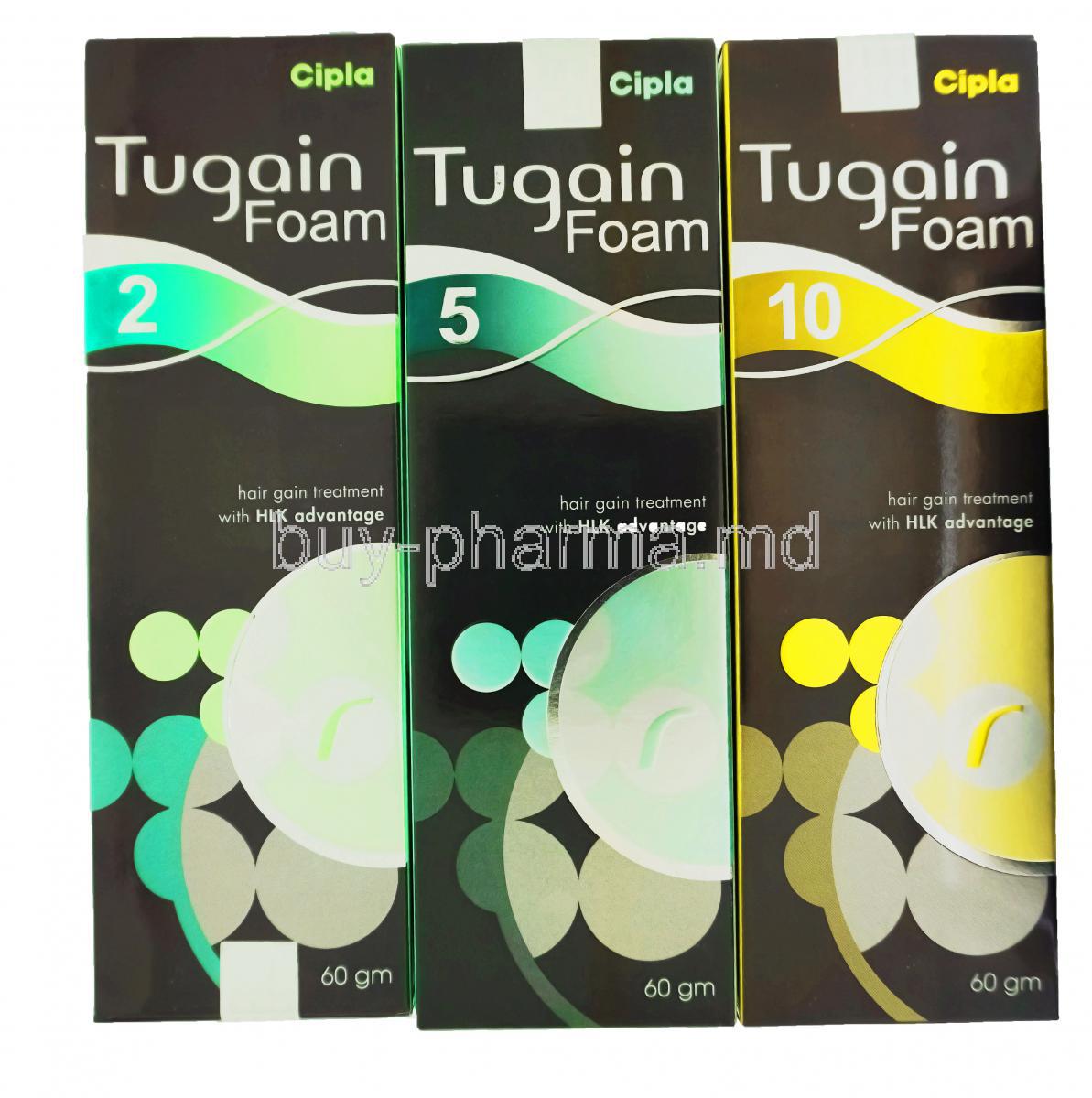
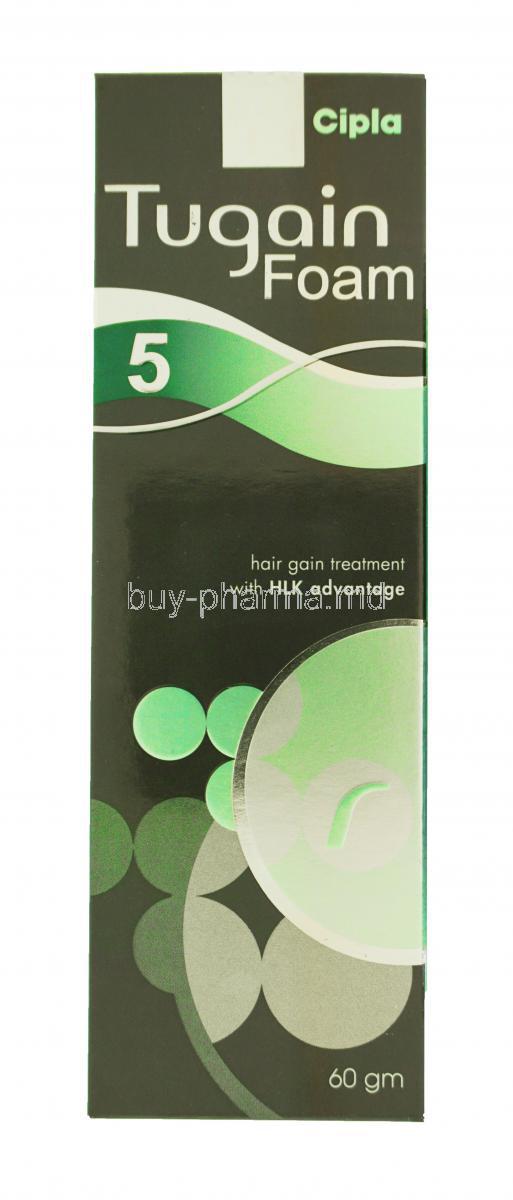
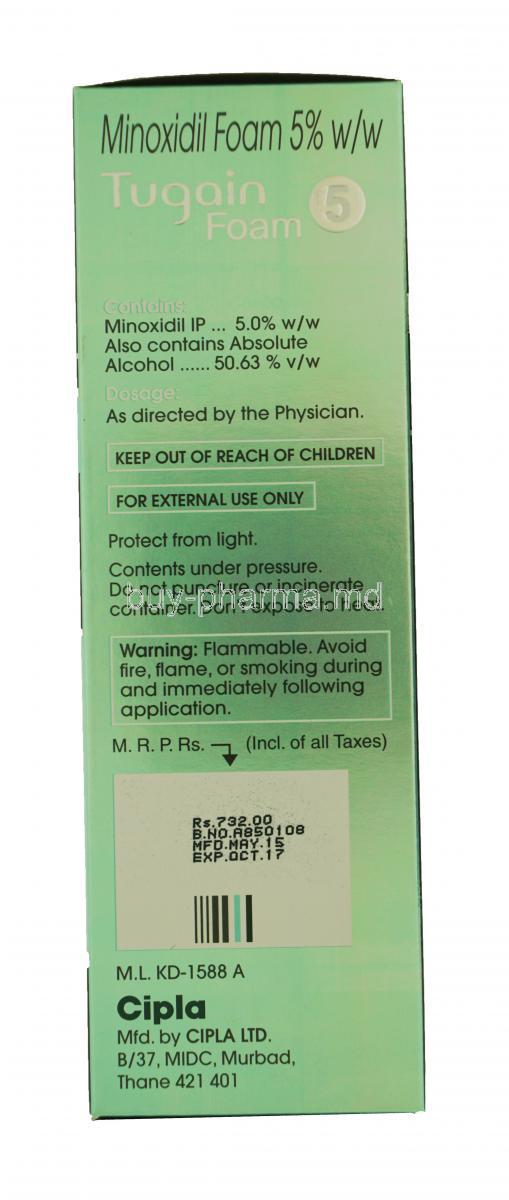
1. Introduction to Minoxidil Foam
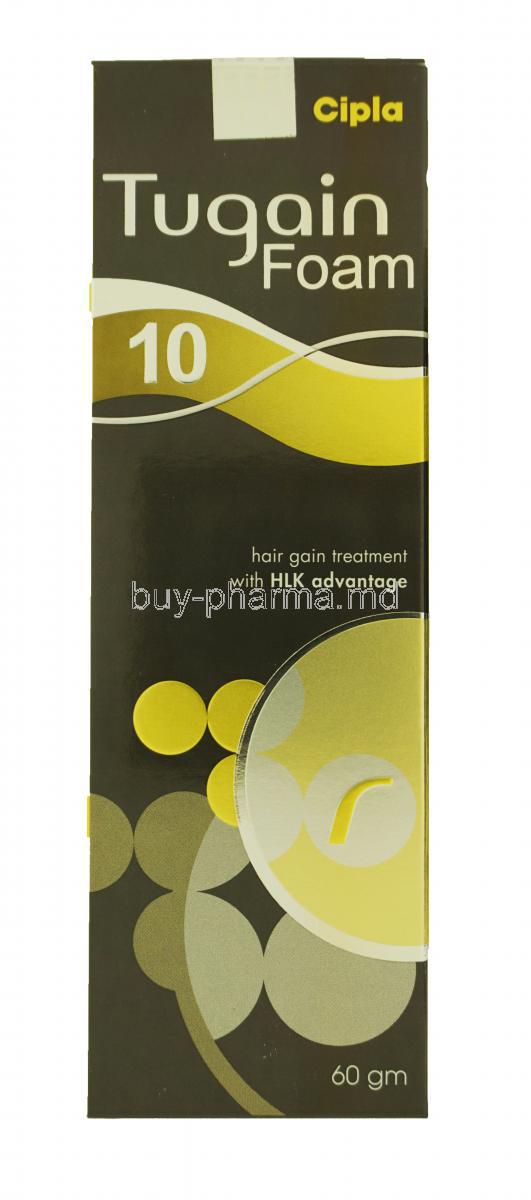
Minoxidil Foam is a topical dermatologic preparation widely utilized in the management of hair loss disorders. Originally introduced as an oral antihypertensive agent, minoxidil later gained prominence for its unexpected trichogenic properties. This discovery reshaped its therapeutic trajectory and led to the development of topical formulations specifically designed for scalp application.
Topical minoxidil is available in multiple dosage forms, including solutions, liquids, and foams. Among these, the foam formulation has emerged as a preferred option due to its cosmetic elegance, ease of use, and reduced potential for scalp irritation. Its rapid absorption and residue-free finish enhance adherence, particularly among long-term users.
2. Composition and Pharmaceutical Characteristics
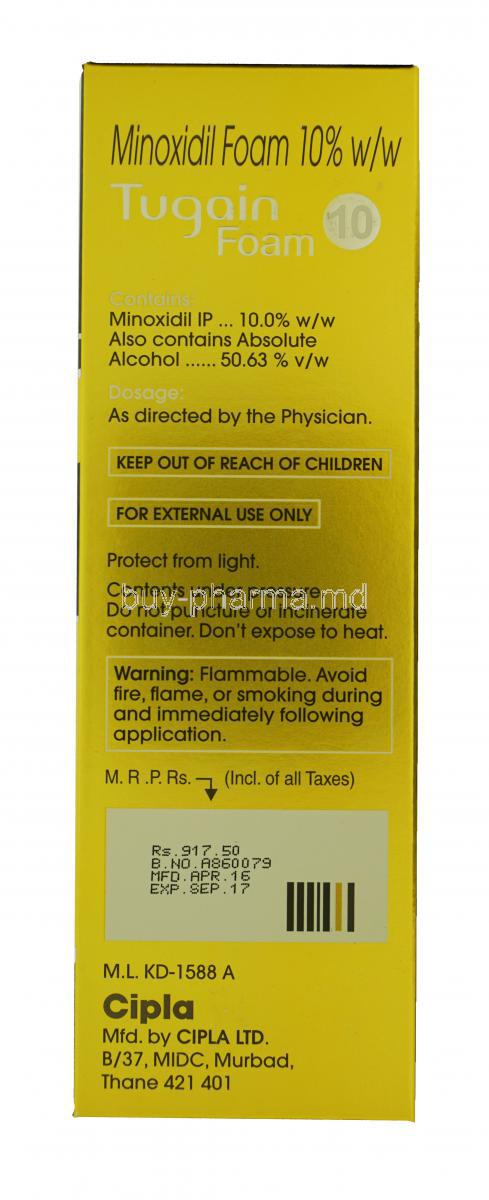
Minoxidil Foam contains the active pharmaceutical ingredient minoxidil, most commonly formulated in concentrations of 5% or 2%. These strengths are selected based on clinical indication, patient tolerance, and treatment objectives.
- Active ingredient: Minoxidil 5% or 2%
- Inactive components: Stabilizers, emulsifiers, and propellants
Unlike traditional liquid solutions, the foam base is alcohol-free. This characteristic significantly reduces the incidence of scalp dryness, burning sensations, and contact dermatitis. The propellant-driven delivery system produces a lightweight foam that disperses evenly across the scalp, optimizing follicular exposure while minimizing runoff.
3. How Minoxidil Foam Works (Mechanism of Action)
The precise mechanism of action of minoxidil remains multifactorial and incompletely elucidated. Nevertheless, its primary pharmacologic effect is vasodilation, which enhances microcirculatory blood flow to the scalp.
This improved perfusion facilitates oxygen and nutrient delivery to hair follicles, promoting the transition from the telogen (resting) phase to the anagen (active growth) phase. Over time, follicles may increase in size, producing thicker, more pigmented hair shafts.
- Prolongation of the anagen growth phase
- Reversal of follicular miniaturization
- Enhanced activity in androgen-sensitive follicles
4. Approved Medical Uses of Minoxidil Foam
Minoxidil Foam is approved for the treatment of androgenetic alopecia, a genetically mediated condition characterized by progressive hair thinning.
In men, it is primarily indicated for hair loss affecting the vertex and crown regions. In women, it is used for diffuse thinning across the scalp, particularly along the central part line. Early intervention yields the most favorable outcomes, as follicles in advanced stages of miniaturization may be less responsive.
- Male pattern hair loss
- Female pattern hair loss
- Early to moderate scalp thinning
5. Expanded and Off-Label Uses of Minoxidil Foam
Beyond its approved indications, Minoxidil Foam is frequently employed in off-label contexts. These applications are based on clinical observation, emerging evidence, and practitioner experience rather than formal regulatory approval.
It may be used as supportive therapy in nonscarring alopecia conditions, including telogen effluvium and alopecia areata. Cosmetic applications, such as beard or eyebrow enhancement, have also gained popularity, although these uses require caution due to the risk of unintended hair growth.
- Diffuse and nonscarring alopecia
- Stress- or illness-related hair shedding
- Medication-induced hair loss
- Beard and facial hair stimulation (off-label)
6. Dosage and Administration Guidelines
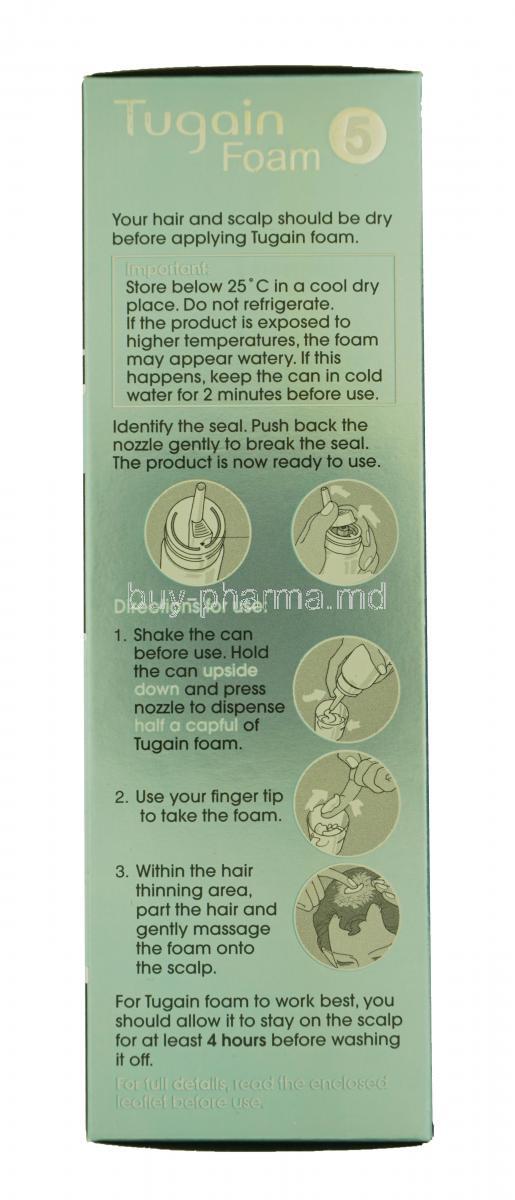
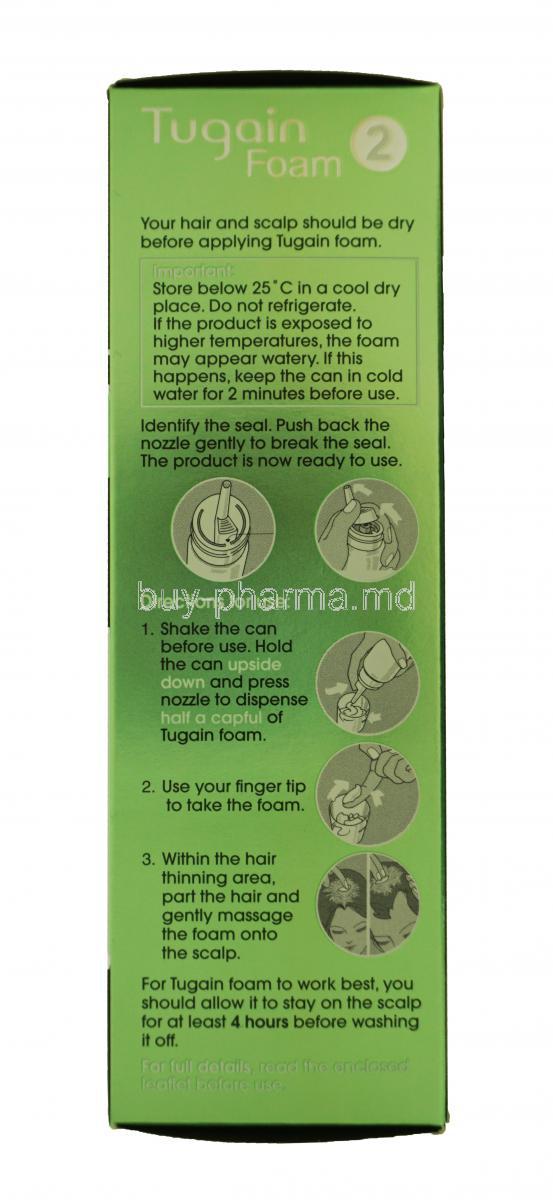
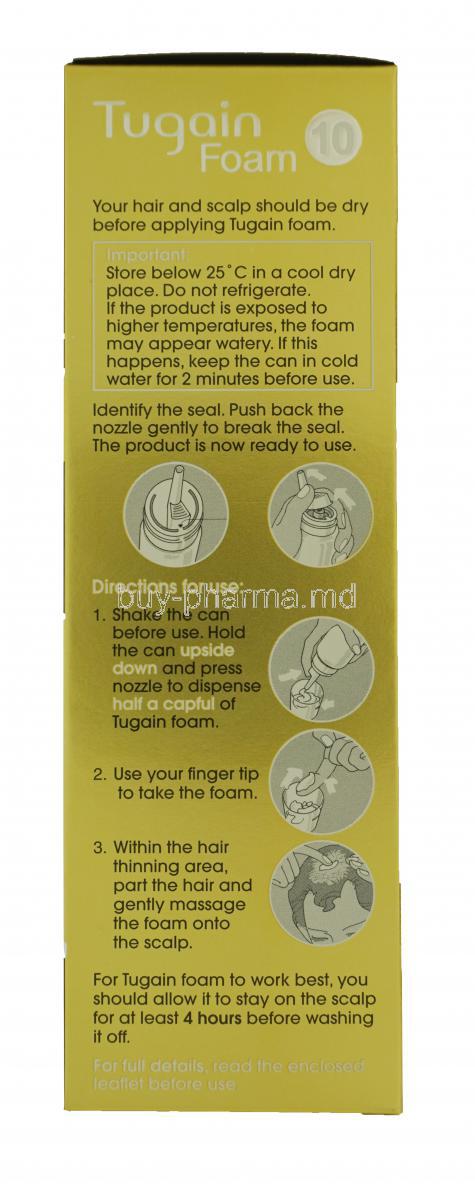
Standard dosing regimens typically involve once-daily or twice-daily application, depending on the concentration and clinical context. The foam should be applied directly to a dry scalp and gently massaged into affected areas.
Visible improvement often requires sustained use for several months. Consistency is paramount, as discontinuation commonly results in the gradual loss of newly regrown hair.
- Apply to clean, dry scalp
- Allow foam to fully absorb before styling
- Do not exceed recommended frequency
7. Careful Administration and Monitoring
During the initial treatment phase, some individuals experience increased hair shedding. This phenomenon is transient and reflects the synchronization of follicular cycling rather than treatment failure.
Ongoing monitoring of scalp condition is advised, particularly during the first few months. Long-term therapy may be continued indefinitely if benefits are sustained and adverse effects remain minimal.
8. Side Effects and Adverse Reactions
8.1 Common Side Effects
The majority of users tolerate Minoxidil Foam well. When side effects occur, they are typically localized and mild in nature.
- Scalp dryness or itching
- Mild erythema or flaking
- Temporary increase in hair shedding
8.2 Less Common and Systemic Side Effects
Systemic effects are uncommon due to limited percutaneous absorption. However, improper or excessive use may increase risk.
- Unwanted facial or body hair growth
- Headache or lightheadedness
- Rare blood pressure fluctuations
8.3 Serious or Rare Adverse Effects
Serious reactions are rare but warrant immediate medical evaluation if they occur.
- Chest pain or palpitations
- Peripheral edema
- Allergic contact dermatitis
9. Drug and Product Interactions
Concurrent use with other topical scalp treatments may alter absorption dynamics. Agents such as corticosteroids or retinoids can increase permeability, potentially enhancing systemic exposure.
Although interactions with systemic antihypertensive medications are largely theoretical, caution is advised in individuals with underlying cardiovascular conditions.
10. Warnings and Safety Information
Minoxidil Foam should be used with particular care in individuals with cardiovascular disease. Excessive application or use on compromised skin may increase systemic absorption.
Application should be avoided on inflamed, infected, or broken skin. Strict adherence to recommended dosing guidelines is essential to maintain a favorable safety profile and optimize therapeutic outcomes.
11. Contraindications
Minoxidil Foam is contraindicated in individuals with known hypersensitivity to minoxidil or any excipients contained within the formulation. Allergic responses may manifest as localized dermatitis or, in rare instances, more pronounced inflammatory reactions.
Use is not advised in the presence of active scalp infections, inflammatory dermatoses, or compromised skin integrity. Such conditions may enhance percutaneous absorption and exacerbate local irritation.
- Sudden or patchy hair loss of unknown etiology should be medically evaluated prior to initiation
- Underlying systemic illness may require alternative management strategies
- Patients with cardiovascular instability should avoid use due to potential systemic effects
12. Important Precautions Before and During Use
A thorough baseline scalp assessment is recommended before commencing therapy. Identifying pre-existing conditions such as psoriasis, severe seborrheic dermatitis, or folliculitis helps mitigate avoidable adverse outcomes.
Following application, occlusive head coverings should be avoided. Trapping the foam against the scalp can increase absorption and provoke irritation. Sun exposure considerations are equally important, as recently treated skin may be more susceptible to ultraviolet sensitivity.
- Educate users regarding realistic regrowth expectations
- Emphasize the gradual nature of visible improvement
- Reinforce adherence to recommended dosing
13. Administration to Special Populations
13.1 Administration to Elderly Patients
Age-related changes in scalp physiology, including reduced barrier function and altered vascular responsiveness, may influence absorption dynamics in elderly patients. While Minoxidil Foam is generally well tolerated, heightened vigilance is warranted.
Monitoring for systemic effects, such as dizziness or peripheral edema, is prudent in older adults, particularly those with comorbid cardiovascular conditions.
13.2 Administration to Pregnant Women and Nursing Mothers
There is a lack of well-controlled studies evaluating the safety of topical minoxidil during pregnancy. Consequently, use during gestation should be approached with caution and reserved for situations where potential benefits outweigh theoretical risks.
During breastfeeding, the possibility of minimal systemic absorption and subsequent infant exposure cannot be excluded. Medical consultation is strongly recommended prior to initiation in nursing mothers.
- Avoid unsupervised use during pregnancy
- Consider alternative, non-pharmacologic options when appropriate
13.3 Administration to Children and Adolescents
Pediatric safety data for Minoxidil Foam remain limited. Its use in children and adolescents is generally considered off-label and should only occur following careful clinical evaluation.
A comprehensive risk-benefit assessment is essential, particularly in adolescents experiencing hormonally mediated hair changes that may resolve spontaneously.
14. Overdosage and Misuse
Overdosage may result from excessive application frequency or application to large body surface areas. Symptoms of systemic exposure can include hypotension, tachycardia, dizziness, and fluid retention.
- Localized irritation from topical overuse
- Systemic effects with inappropriate application
In cases of suspected overdose, discontinuation of use and prompt medical evaluation are advised. Supportive management is typically sufficient, as no specific antidote exists.
15. Storage and Stability
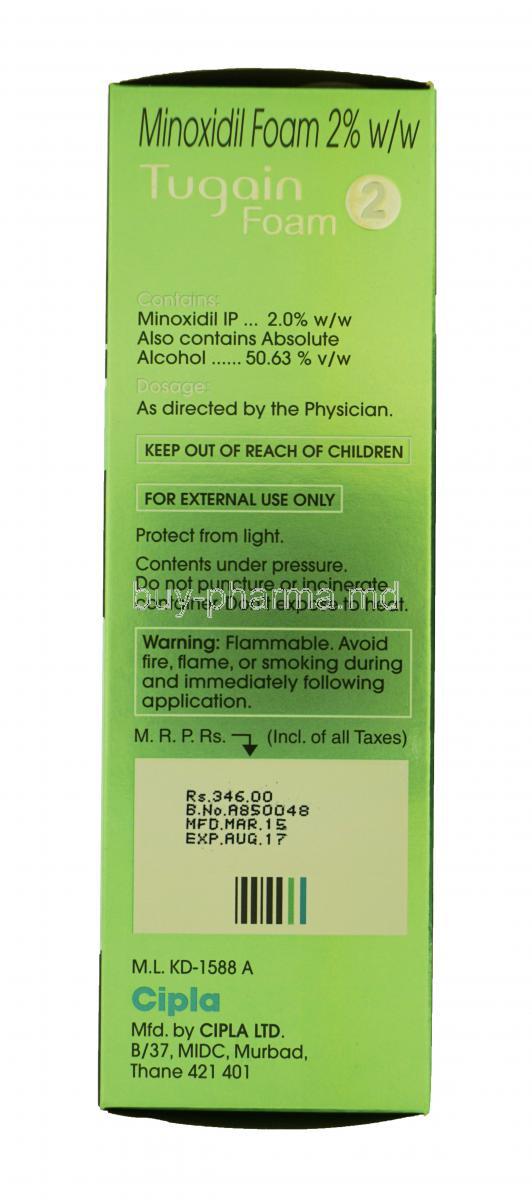
Minoxidil Foam should be stored at controlled room temperature, away from excessive heat sources. The pressurized container requires protection from direct sunlight and open flames.
Adherence to expiration dates is essential, as degradation of active components may compromise efficacy. Containers should not be punctured or incinerated, even when empty.
16. Handling and Application Precautions
Due to the flammable nature of the propellant, Minoxidil Foam must be handled with care. Application should occur in well-ventilated environments, away from ignition sources.
- Wash hands thoroughly after application
- Avoid contact with eyes and mucous membranes
- Dispose of empty containers in accordance with local regulations
17. Patient Counseling and Practical Guidance
Effective counseling enhances adherence and long-term satisfaction. Users should be informed that visible regrowth typically emerges after several months and requires continued application to sustain results.
Medical consultation is warranted if unexpected adverse reactions occur or if no improvement is observed after an adequate trial period. Integrating Minoxidil Foam into a comprehensive hair loss management plan can optimize outcomes and support sustained therapeutic benefit.
Customers also bought
Popular Products
Similar Product