1. Introduction to Nodard (Nimesulide)
1.1 What is Nodard?
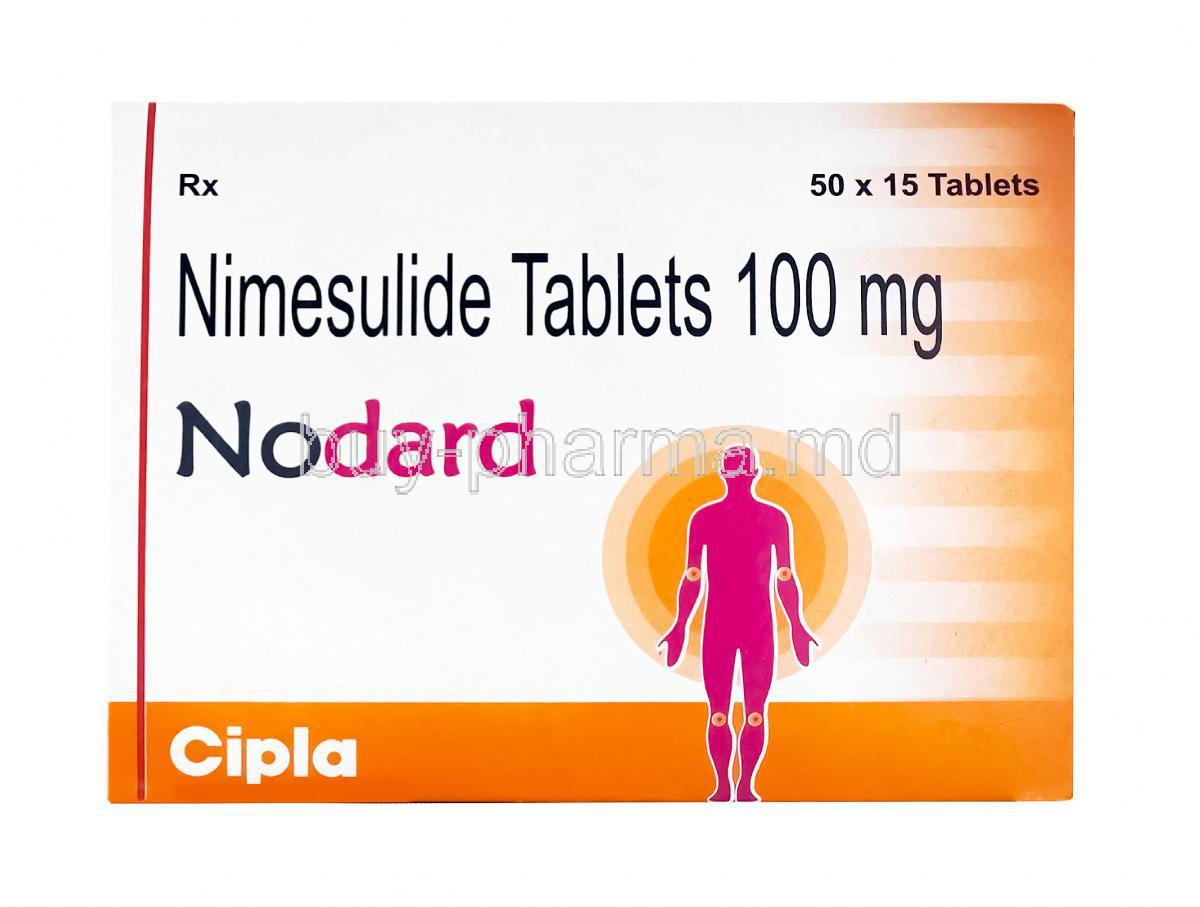
Nodard is a pharmaceutical preparation containing nimesulide, a nonsteroidal anti-inflammatory drug (NSAID) primarily utilized for its analgesic, antipyretic, and anti-inflammatory properties. It is commonly prescribed for the short-term management of pain and inflammatory conditions.
1.2 Overview of Nimesulide as an NSAID
Nimesulide belongs to a subclass of NSAIDs known for preferential cyclooxygenase-2 (COX-2) inhibition. This confers:
- Reduced inflammation
- Effective pain mitigation
- Lower gastric irritation compared to non-selective NSAIDs (in some cases)
Its pharmacological profile makes it suitable for acute conditions rather than prolonged use.
1.3 Therapeutic Classification and Drug Category
Nodard is classified under:
- Drug Class: Nonsteroidal Anti-inflammatory Drugs (NSAIDs)
- Therapeutic Category: Analgesic, Antipyretic, Anti-inflammatory agent
1.4 History and Global Regulatory Status
Nimesulide has been widely used in several countries for decades. However, its regulatory status varies due to concerns regarding hepatotoxicity. Some regions permit controlled use, while others restrict or prohibit it.
2. Composition and Formulation Details
2.1 Active Ingredient: Nimesulide
Each formulation of Nodard contains nimesulide as the principal active compound responsible for its pharmacological effects.
2.2 Available Strengths and Dosage Forms (Tablets, Suspension, Gel)
Nodard is available in multiple formulations, including:
- Oral tablets (commonly 100 mg)
- Oral suspension for pediatric or swallowing-impaired patients
- Topical gel for localized pain relief
2.3 Excipients and Inactive Ingredients
Inactive components may include binders, stabilizers, and preservatives that enhance drug stability, absorption, and palatability.
2.4 Packaging and Presentation Variants
Nodard is typically packaged in blister strips or bottles, with labeling that includes dosage instructions, manufacturing details, and expiry information.
3. Mechanism of Action: How Nimesulide Works
3.1 Selective COX-2 Inhibition Explained
Nimesulide selectively inhibits the COX-2 enzyme, reducing the synthesis of inflammatory mediators without extensively affecting COX-1, which protects gastric mucosa.
3.2 Anti-inflammatory and Analgesic Pathways
Its action attenuates inflammatory cascades and nociceptive signaling, thereby diminishing pain perception and tissue swelling.
3.3 Effects on Prostaglandin Synthesis
By suppressing prostaglandin production, nimesulide reduces:
- Fever
- Inflammation
- Pain sensitivity
3.4 Pharmacodynamic Properties and Onset of Action
Nimesulide demonstrates a relatively rapid onset, often providing symptomatic relief within a short timeframe following administration.
4. Approved Medical Uses of Nodard (Nimesulide)
4.1 Acute Pain Management (Musculoskeletal Pain, Injury)
Nodard is frequently prescribed for acute musculoskeletal pain, including sprains, strains, and trauma-related discomfort.
4.2 Treatment of Fever (Antipyretic Use)
Its antipyretic effect aids in reducing elevated body temperature associated with infections.
4.3 Osteoarthritis and Rheumatoid Arthritis Symptom Relief
It alleviates joint pain and stiffness in degenerative and inflammatory joint disorders.
4.4 Dysmenorrhea (Menstrual Pain Management)
Nodard is effective in mitigating uterine cramping and associated discomfort during menstruation.
4.5 Post-operative Pain Control
Short-term use after surgical procedures helps control inflammation and pain.
5. Off-Label Uses of Nimesulide
5.1 Dental Pain and Post-dental Procedure Inflammation
It is often used to manage pain following dental extractions or procedures.
5.2 ENT-related Inflammatory Conditions (Sinusitis, Pharyngitis)
Nimesulide may be used adjunctively to relieve inflammation in upper respiratory tract conditions.
5.3 Soft Tissue Injuries and Sports-related Pain
Athletes may benefit from its anti-inflammatory properties for injury recovery.
5.4 Migraine and Tension-type Headaches
Its analgesic action can provide relief in certain headache disorders.
5.5 Adjunct Use in Chronic Pain Syndromes
In select cases, it may be used alongside other therapies for chronic pain management.
6. Dosage and Administration Guidelines
6.1 Standard Adult Dosage Recommendations
The typical adult dosage is 100 mg taken twice daily, depending on clinical indication and physician guidance.
6.2 Maximum Daily Dose and Duration Limits
Use should be limited to the shortest duration possible, often not exceeding 15 days, to minimize adverse effects.
6.3 Administration with Food and Timing Considerations
Taking the medication after meals may reduce gastrointestinal discomfort.
6.4 Dosage Adjustments in Special Populations
Dose modifications may be required for elderly patients or those with organ impairment.
6.5 Instructions for Oral Suspension and Topical Use
Suspensions should be shaken well before use, while topical formulations should be applied to intact skin only.
7. Side Effects of Nodard (Nimesulide)
7.1 Overview of Potential Adverse Reactions
Like all NSAIDs, Nodard may produce adverse effects ranging from mild to severe.
7.2 Common Side Effects (Gastrointestinal and Mild Reactions)
- Nausea
- Indigestion
- Abdominal discomfort
7.3 Less Common but Serious Side Effects
Serious reactions may include gastrointestinal bleeding or renal impairment.
7.4 Hepatotoxicity Risks and Liver-related Adverse Events
Nimesulide has been associated with liver toxicity, necessitating cautious use and monitoring.
7.5 Allergic Reactions and Hypersensitivity
Hypersensitivity reactions may manifest as rash, swelling, or respiratory difficulty.
8. Common Side Effects (Detailed Breakdown)
8.1 Nausea, Vomiting, and Indigestion
Gastrointestinal discomfort is among the most frequently reported effects.
8.2 Diarrhea or Constipation
Altered bowel habits may occur during treatment.
8.3 Dizziness and Headache
Central nervous system effects may include mild dizziness or headache.
8.4 Skin Rash and Itching
Cutaneous reactions may develop in sensitive individuals.
8.5 Fatigue and General Malaise
Some patients report transient fatigue or weakness.
9. Drug Interactions and Compatibility
9.1 Interaction with Other NSAIDs and Analgesics
Concurrent use with other NSAIDs may amplify adverse effects.
9.2 Anticoagulants and Increased Bleeding Risk
Co-administration with anticoagulants may increase bleeding tendencies.
9.3 Interaction with Corticosteroids
The risk of gastrointestinal complications may be elevated when combined.
9.4 Effects with Antihypertensive Drugs
Nimesulide may reduce the efficacy of certain blood pressure medications.
9.5 Alcohol Interaction and Liver Toxicity Risk
Alcohol consumption may potentiate liver toxicity and should be avoided during therapy.
10. Warnings and Safety Considerations
10.1 Risk of Liver Damage with Nimesulide
Nimesulide has been associated with hepatotoxicity, a potentially serious adverse effect that necessitates vigilant monitoring. Hepatic injury may manifest insidiously, often without overt early symptoms.
- Elevated liver enzymes (ALT, AST)
- Jaundice and dark urine
- Fatigue and anorexia
Immediate discontinuation is imperative upon suspicion of liver dysfunction.
10.2 Gastrointestinal Bleeding and Ulcer Risk
As with other NSAIDs, Nodard may compromise gastric mucosal integrity. This can lead to ulcer formation or gastrointestinal hemorrhage.
- Higher risk in elderly patients
- Increased incidence with concomitant corticosteroids or anticoagulants
- Potential for life-threatening bleeding
10.3 Cardiovascular Risk Factors
Nimesulide may influence cardiovascular homeostasis. Though less prominent than some NSAIDs, caution is advised in predisposed individuals.
- Hypertension exacerbation
- Fluid retention and edema
- Potential thrombotic events in high-risk patients
10.4 Renal Impairment Concerns
Renal perfusion may be adversely affected due to prostaglandin inhibition. This can result in:
- Reduced glomerular filtration rate
- Electrolyte imbalances
- Acute kidney injury in vulnerable populations
10.5 Duration of Therapy Restrictions
Short-term use is strongly recommended. Prolonged administration increases the likelihood of cumulative toxicity.
- Typically limited to 15 days or less
- Avoid chronic, unsupervised use
11. Contraindications of Nodard
11.1 Hypersensitivity to Nimesulide or NSAIDs
Patients with known hypersensitivity reactions to nimesulide or other NSAIDs should not use Nodard due to the risk of severe allergic responses.
11.2 Active Liver Disease or Hepatic Impairment
Use is contraindicated in individuals with active hepatic pathology, given the drug’s hepatotoxic potential.
11.3 History of NSAID-induced Ulcers or Bleeding
Patients with a prior history of gastrointestinal ulceration or bleeding linked to NSAIDs are at elevated risk of recurrence.
11.4 Severe Renal Dysfunction
Advanced renal impairment precludes safe use due to reduced drug clearance and heightened toxicity.
11.5 Use in Children Below Recommended Age
Nimesulide is generally contraindicated in pediatric populations below the approved age threshold due to safety concerns.
12. Careful Administration (Use with Caution)
12.1 Patients with Mild to Moderate Liver Dysfunction
In cases of mild hepatic compromise, cautious use with regular monitoring may be considered.
12.2 Individuals with Gastrointestinal Disorders
Patients with gastritis, peptic ulcer disease, or inflammatory bowel conditions require careful assessment before initiation.
12.3 Patients with Cardiovascular Conditions
Those with hypertension, heart failure, or ischemic heart disease should be monitored closely for exacerbation of symptoms.
12.4 Elderly Patients with Multiple Comorbidities
Polypharmacy and age-related physiological decline increase susceptibility to adverse events.
12.5 Long-term Use Considerations
Extended use should be avoided. If unavoidable, periodic reassessment is essential.
13. Important Precautions for Safe Use
13.1 Monitoring Liver Function Tests
Regular liver function testing is recommended, especially during extended therapy.
13.2 Avoiding Prolonged or High-dose Use
Excessive dosing or prolonged administration significantly increases toxicity risk.
13.3 Recognizing Early Signs of Adverse Effects
Patients should be educated to identify early warning signs such as:
- Persistent nausea
- Unusual fatigue
- Abdominal pain
13.4 Avoiding Self-medication and Overuse
Unsupervised consumption may lead to misuse and complications.
13.5 Hydration and Gastrointestinal Protection
Adequate hydration and, when appropriate, co-administration with gastroprotective agents may mitigate adverse effects.
14. Administration to Special Populations
14.1 Use in Elderly Patients (Dose Adjustment and Monitoring)
Dose reduction and enhanced monitoring are advisable in elderly individuals due to altered pharmacokinetics.
14.2 Administration to Pregnant Women (Risk Assessment)
Use during pregnancy is generally discouraged unless clearly necessary, particularly in the third trimester.
14.3 Use During Breastfeeding (Safety Considerations)
Caution is advised, as the excretion of nimesulide into breast milk has not been fully elucidated.
14.4 Pediatric Use and Restrictions
Restricted use in children reflects safety concerns, especially regarding hepatic effects.
14.5 Patients with Chronic Illnesses
Individuals with chronic diseases require individualized assessment and close supervision.
15. Overdosage and Emergency Management
15.1 Symptoms of Nimesulide Overdose
Overdose may present with:
- Nausea and vomiting
- Drowsiness or lethargy
- Gastrointestinal bleeding
- Hepatic dysfunction
15.2 Immediate First Aid Measures
Prompt medical attention is critical. Early intervention can mitigate severe outcomes.
15.3 Medical Treatment and Supportive Care
Management is primarily supportive, focusing on stabilization of vital functions and symptomatic relief.
15.4 Role of Activated Charcoal and Monitoring
Activated charcoal may be administered if ingestion is recent. Continuous monitoring of liver and renal parameters is essential.
16. Storage and Handling Instructions
16.1 Recommended Storage Conditions (Temperature, Humidity)
Store Nodard in a cool, dry place, away from excessive heat and humidity.
16.2 Shelf Life and Expiry Considerations
Always adhere to the expiration date indicated on the packaging. Expired medications should not be used.
16.3 Safe Handling and Disposal
Unused or expired medication should be disposed of in accordance with local pharmaceutical waste guidelines.
16.4 Keeping Medication Away from Children
Ensure storage in secure locations to prevent accidental ingestion by children.
17. Handling Precautions and Patient Guidance
17.1 Proper Use Instructions
Follow prescribed dosing instructions meticulously. Do not exceed recommended doses.
17.2 Avoiding Drug Misuse
Misuse or recreational use of NSAIDs can lead to severe complications.
17.3 When to Consult a Healthcare Professional
Seek medical advice if symptoms persist, worsen, or if adverse reactions occur.
17.4 Patient Education for Safe NSAID Use
Patients should be informed about:
- Appropriate duration of use
- Potential side effects
- Importance of adherence to medical advice
Comprehensive education enhances safety and therapeutic efficacy.
Nodard, Nimesulide FAQ
Customers also bought
Popular Products

Similar Product