1. Introduction to Okamet (Metformin)
1.1 Overview of Okamet as an Oral Antidiabetic Medication
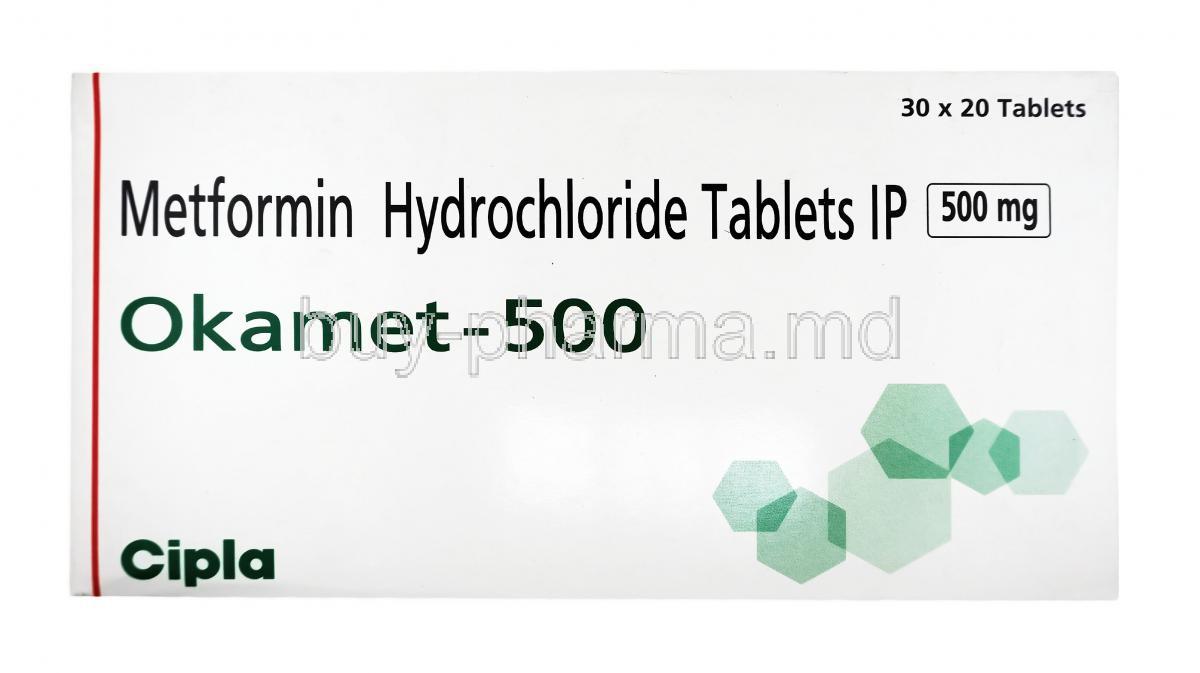
Okamet, containing metformin hydrochloride, is a cornerstone oral antihyperglycemic agent widely utilized in the management of type 2 diabetes mellitus. It does not stimulate insulin secretion. Instead, it orchestrates a multifaceted modulation of glucose metabolism.
Its clinical utility is notable for:
- Reducing fasting and postprandial blood glucose levels
- Improving insulin responsiveness without causing significant hypoglycemia
- Supporting long-term metabolic equilibrium
1.2 Therapeutic Classification and Drug Class (Biguanides)
Okamet belongs to the biguanide class of medications. Unlike sulfonylureas, it exerts euglycemic control without pancreatic overstimulation. This pharmacological distinction renders it particularly advantageous in patients prone to hypoglycemic episodes.
1.3 Historical Development and Clinical Relevance of Metformin
Derived from the plant Galega officinalis, metformin has evolved from traditional herbal medicine into a globally endorsed therapeutic agent. Its enduring relevance stems from a robust safety profile and extensive evidence supporting cardiovascular and metabolic benefits.
1.4 Role of Okamet in Modern Diabetes Management Guidelines
Contemporary clinical guidelines consistently position metformin as first-line therapy. It is often the initial pharmacologic intervention following lifestyle modification, forming the foundation upon which combination therapies are built.
2. Composition and Formulation of Okamet
2.1 Active Ingredient: Metformin Hydrochloride
The primary active component, metformin hydrochloride, is responsible for the drug’s glucose-lowering effects. It exhibits high bioavailability and predictable pharmacokinetics.
2.2 Available Strengths and Dosage Forms (Immediate vs Extended Release)
Okamet is available in multiple strengths and formulations, including:
- Immediate-release tablets for rapid onset
- Extended-release tablets for sustained glycemic control
The extended-release formulation enhances tolerability and minimizes gastrointestinal disturbances.
2.3 Excipients and Inactive Components
Inactive ingredients, such as binders and stabilizers, ensure tablet integrity and optimal dissolution. These components are pharmacologically inert yet essential for formulation stability.
2.4 Packaging Variants and Product Stability
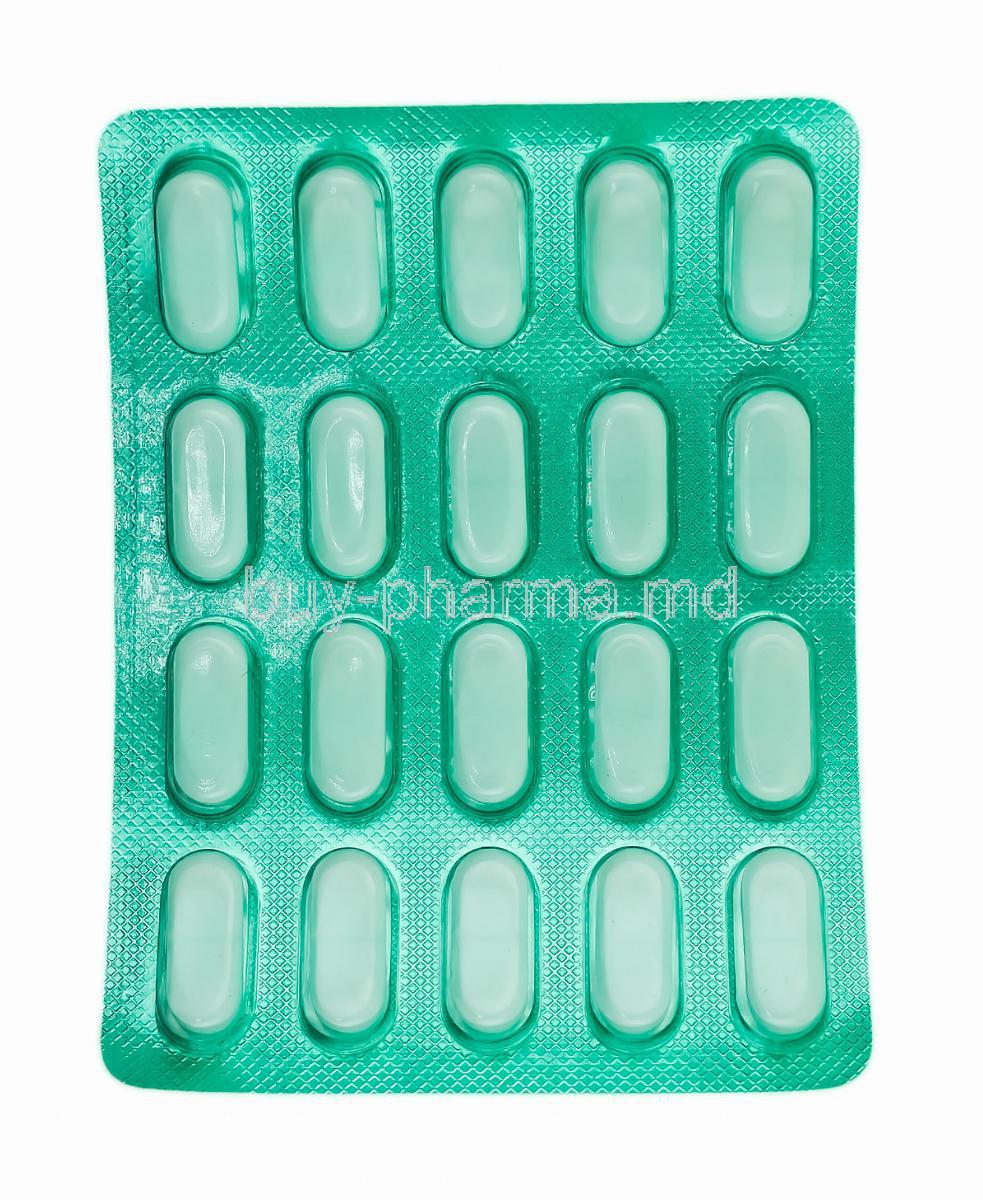
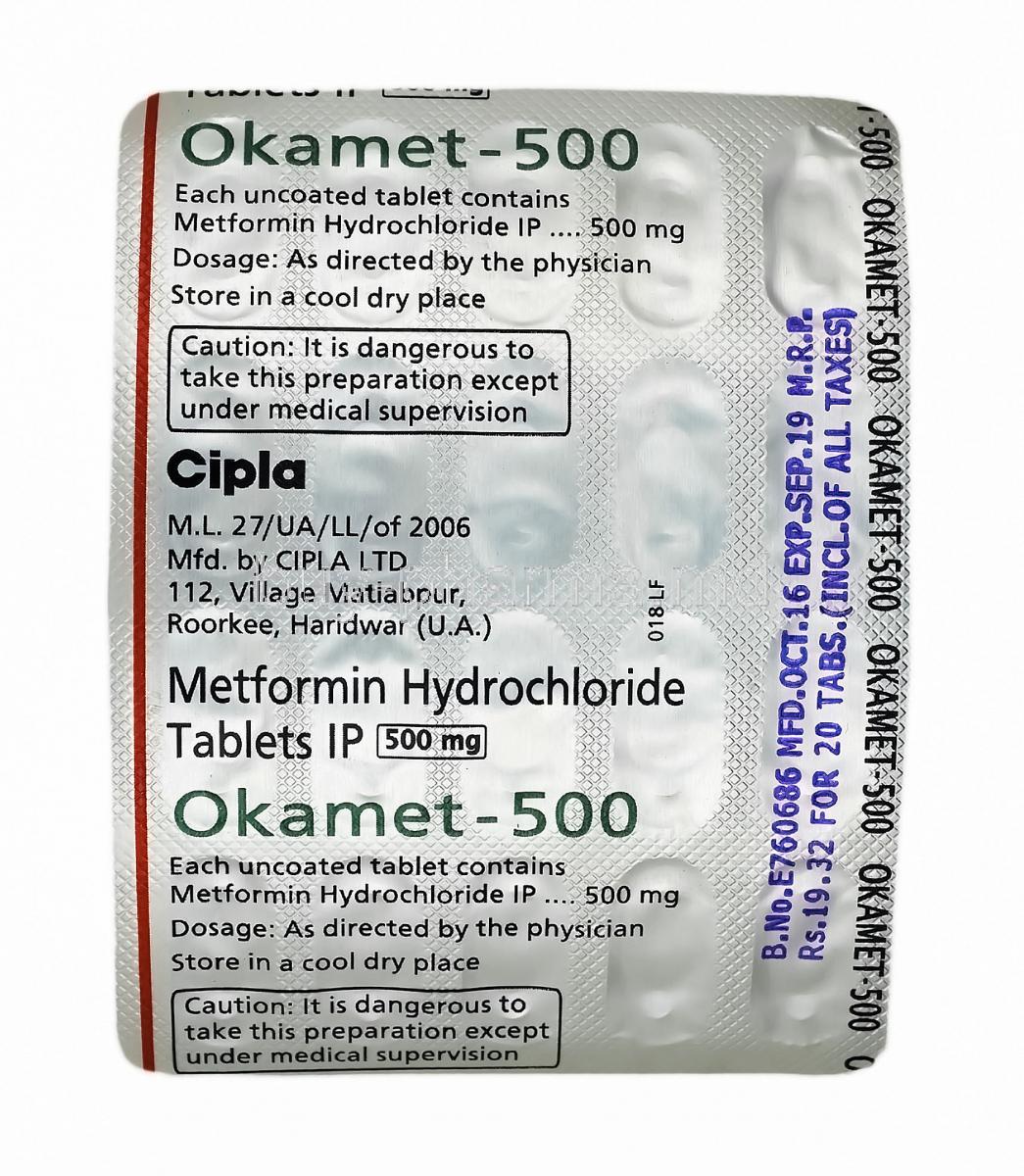
Okamet is typically packaged in blister packs or bottles designed to protect against moisture and environmental degradation. Stability is maintained when stored under recommended conditions.
3. Mechanism of Action: How Okamet (Metformin) Works
3.1 Reduction of Hepatic Glucose Production (Gluconeogenesis Inhibition)
Metformin suppresses hepatic gluconeogenesis, thereby reducing endogenous glucose output. This mechanism significantly lowers fasting blood glucose levels.
3.2 Enhancement of Peripheral Insulin Sensitivity
Peripheral tissues, particularly skeletal muscle, exhibit improved insulin sensitivity. Glucose uptake is augmented, facilitating efficient utilization.
3.3 Decreased Intestinal Glucose Absorption
A modest reduction in intestinal glucose absorption contributes to postprandial glycemic control. This effect complements hepatic and peripheral actions.
3.4 Effects on AMP-Activated Protein Kinase (AMPK Pathway)
Activation of the AMPK pathway plays a pivotal role. It regulates cellular energy homeostasis, promoting catabolic processes while inhibiting anabolic pathways.
3.5 Impact on Lipid Metabolism and Weight Regulation
Metformin favorably influences lipid profiles and may contribute to modest weight reduction. This dual metabolic benefit enhances its therapeutic appeal.
4. Approved Uses of Okamet (Metformin)
4.1 Management of Type 2 Diabetes Mellitus
Okamet is primarily indicated for type 2 diabetes. It improves glycemic control and reduces the risk of diabetes-related complications.
4.2 Monotherapy vs Combination Therapy with Other Antidiabetic Agents
It can be used as monotherapy or combined with:
- Insulin
- Sulfonylureas
- DPP-4 inhibitors
4.3 Use in Overweight and Obese Diabetic Patients
Particularly beneficial in overweight individuals, Okamet does not promote weight gain. It may even facilitate weight stabilization.
4.4 Prevention of Diabetes Progression in Prediabetes (Clinical Context)
In high-risk individuals, metformin may delay or prevent the progression from prediabetes to overt diabetes, especially when combined with lifestyle interventions.
5. Expanded and Off-Label Uses of Metformin
5.1 Polycystic Ovary Syndrome (PCOS) and Insulin Resistance
Metformin is frequently employed to address insulin resistance in PCOS. It can improve ovulatory function and metabolic parameters.
5.2 Gestational Diabetes Management (Selected Clinical Cases)
In certain clinical scenarios, metformin is used during pregnancy under medical supervision, offering an alternative to insulin therapy.
5.3 Weight Management and Metabolic Syndrome
Its role in weight modulation and metabolic syndrome management is increasingly recognized, particularly in insulin-resistant individuals.
5.4 Non-Alcoholic Fatty Liver Disease (NAFLD)
Metformin may improve hepatic steatosis and insulin sensitivity, although its use in NAFLD remains adjunctive.
5.5 Prevention of Cardiovascular Complications in High-Risk Patients
Cardioprotective effects have been observed, including reduced incidence of myocardial infarction in diabetic populations.
5.6 Anti-Aging and Longevity Research (Emerging Evidence)
Emerging studies suggest potential longevity benefits mediated through metabolic and cellular pathways. This remains investigational.
5.7 Oncology Research: Potential Role in Cancer Risk Reduction
Metformin has been explored for its antiproliferative properties, with observational data indicating possible reductions in certain cancer risks.
6. Dosage and Administration Guidelines
6.1 Standard Starting Dose and Titration Strategy
Treatment typically begins with a low dose, gradually increased to minimize gastrointestinal intolerance.
6.2 Maximum Recommended Daily Dose
The maximum dose varies by formulation but should not exceed established clinical thresholds to avoid adverse effects.
6.3 Differences Between Immediate-Release and Extended-Release Dosing
Immediate-release forms require multiple daily doses, whereas extended-release formulations allow once-daily administration.
6.4 Administration with Meals to Reduce Gastrointestinal Effects
Taking Okamet with meals significantly reduces gastrointestinal discomfort. This simple adjustment enhances adherence.
6.5 Missed Dose Instructions and Adherence Strategies
If a dose is missed, it should be taken as soon as remembered unless it is close to the next scheduled dose. Doubling doses is contraindicated.
7. Special Population Dosage Considerations
7.1 Dose Adjustments in Renal Impairment (eGFR-Based Recommendations)
Renal function dictates dosing. Reduced eGFR necessitates dose modification or discontinuation to prevent accumulation.
7.2 Hepatic Impairment Considerations
Caution is advised in hepatic dysfunction due to increased risk of lactic acidosis.
7.3 Use in Elderly Patients with Reduced Renal Function
Elderly patients require individualized dosing and vigilant monitoring, given age-related renal decline.
7.4 Pediatric Dosing and Age-Specific Guidelines
Metformin is approved for pediatric use in specific age groups, with dosing tailored to body weight and clinical response.
8. Side Effects of Okamet (Metformin)
8.1 Overview of Adverse Effect Profile
Okamet is generally well tolerated. Most adverse effects are mild and transient.
8.2 Gastrointestinal Disturbances and Their Mechanisms
Gastrointestinal symptoms are the most prevalent, often related to local intestinal effects and microbiota alterations.
8.3 Vitamin B12 Deficiency with Long-Term Use
Chronic use may impair vitamin B12 absorption, necessitating periodic monitoring.
8.4 Rare but Serious Risk of Lactic Acidosis
Lactic acidosis, though rare, is a serious complication requiring immediate medical attention.
9. Common Side Effects of Metformin
9.1 Nausea, Vomiting, and Abdominal Discomfort
These symptoms typically occur during initiation and diminish over time.
9.2 Diarrhea and Altered Bowel Habits
Alterations in bowel habits are common but manageable with dose adjustment.
9.3 Metallic Taste in the Mouth
A transient metallic taste may occur, often resolving spontaneously.
9.4 Appetite Changes and Mild Weight Loss
Reduced appetite and modest weight loss are frequently observed, contributing to metabolic benefits.
10. Drug Interactions with Okamet
10.1 Interactions with Other Antidiabetic Medications (Insulin, Sulfonylureas)
Combination therapy may increase the risk of hypoglycemia, necessitating dose adjustments.
10.2 Impact of Alcohol on Lactic Acidosis Risk
Excessive alcohol intake potentiates lactic acidosis risk and should be avoided.
10.3 Interaction with Contrast Media (Iodinated Contrast Agents)
Temporary discontinuation is recommended prior to contrast procedures to mitigate renal risk.
10.4 Drugs Affecting Renal Function (NSAIDs, ACE Inhibitors, Diuretics)
Medications that impair renal function can elevate metformin levels, increasing adverse effect risk.
10.5 Cimetidine and Other Drugs Affecting Metformin Clearance
Certain drugs reduce renal clearance of metformin, necessitating careful monitoring and possible dose adjustment.
11. Warnings and Safety Considerations
11.1 Risk Factors and Early Signs of Lactic Acidosis
Lactic acidosis is an infrequent yet life-threatening complication associated with metformin therapy. It arises from lactate accumulation due to impaired clearance or excessive production. Early identification is critical. Delay can be fatal.
Predisposing factors include:
- Renal insufficiency leading to drug accumulation
- Hepatic dysfunction impairing lactate metabolism
- Chronic alcohol consumption
- Severe infection or hypoxic states
Early symptoms are often nonspecific:
- Profound fatigue and malaise
- Myalgia and respiratory distress
- Abdominal discomfort
- Altered mental status in advanced cases
11.2 Use in Patients with Renal Dysfunction
Renal function is the principal determinant of metformin clearance. Impairment increases systemic exposure and risk of toxicity. Careful assessment using eGFR is mandatory before initiation and throughout therapy.
Dose adjustments—or discontinuation—may be required in declining renal function. Vigilance is non-negotiable.
11.3 Temporary Discontinuation Before Surgical Procedures
Metformin should be withheld prior to major surgical interventions. This precaution mitigates the risk of perioperative renal compromise and subsequent lactic acidosis.
Reinitiation is typically considered once:
- Renal function is stable
- Normal oral intake has resumed
11.4 Use During Acute Illness (Dehydration, Infection)
Acute conditions such as dehydration, sepsis, or severe infection may precipitate renal dysfunction. Under such circumstances, temporary cessation is advisable.
Short-term interruption can avert serious metabolic derangements. Clinical judgment is paramount.
11.5 Monitoring Parameters (Renal Function, Blood Glucose, HbA1c)
Ongoing monitoring ensures therapeutic efficacy and safety. Essential parameters include:
- Renal function (eGFR)
- Fasting and postprandial blood glucose
- HbA1c levels for long-term glycemic control
Periodic evaluation allows timely intervention and dose optimization.
12. Contraindications of Okamet (Metformin)
12.1 Severe Renal Impairment (eGFR Thresholds)
Metformin is contraindicated in patients with severe renal impairment. Reduced clearance leads to drug accumulation and heightened risk of lactic acidosis.
12.2 Acute or Chronic Metabolic Acidosis
Patients with metabolic acidosis, including diabetic ketoacidosis, should not receive metformin. The drug may exacerbate acid-base imbalance.
12.3 Hypersensitivity to Metformin or Formulation Components
Hypersensitivity reactions, although rare, necessitate immediate discontinuation. Re-exposure is contraindicated.
12.4 Severe Hepatic Disease and Alcohol Abuse
Hepatic insufficiency compromises lactate clearance. Concurrent alcohol abuse further amplifies risk, making use inadvisable.
12.5 Conditions Associated with Hypoxia (Cardiac or Respiratory Failure)
Conditions such as heart failure or respiratory compromise predispose to hypoxia. These states increase lactate production and contraindicate metformin therapy.
13. Careful Administration (Use with Caution)
13.1 Patients with Borderline Renal Function
Patients with mildly reduced renal function require cautious dosing. Frequent monitoring is essential to prevent accumulation.
13.2 Individuals with Gastrointestinal Disorders
Pre-existing gastrointestinal conditions may be exacerbated. Dose titration should be gradual to enhance tolerability.
13.3 Patients with Cardiovascular Disease
Cardiovascular comorbidities necessitate individualized therapy. Hemodynamic instability may influence drug safety.
13.4 Use in Patients with Nutritional Deficiencies
Long-term therapy may impair vitamin B12 absorption. Patients with nutritional deficiencies require surveillance and supplementation if necessary.
13.5 Long-Term Therapy Monitoring Requirements
Chronic use mandates structured monitoring protocols:
- Periodic renal function assessment
- Vitamin B12 level evaluation
- Metabolic parameter tracking
14. Important Precautions for Safe Use
14.1 Importance of Gradual Dose Escalation
Initiating therapy at low doses minimizes gastrointestinal intolerance. Incremental titration enhances adherence and patient comfort.
14.2 Dietary and Lifestyle Modifications for Optimal Outcomes
Pharmacotherapy is most effective when combined with lifestyle interventions:
- Balanced diet with controlled carbohydrate intake
- Regular physical activity
- Weight management strategies
14.3 Avoidance of Excess Alcohol Consumption
Alcohol potentiates lactate accumulation and should be limited. Excessive intake significantly increases metabolic risk.
14.4 Regular Monitoring of Vitamin B12 Levels
Long-term users may develop subclinical deficiency. Routine screening allows early correction and prevents neurological sequelae.
14.5 Patient Education on Recognizing Adverse Effects
Educating patients enhances safety. Awareness of early warning signs enables prompt medical consultation.
15. Administration in Elderly Patients
15.1 Increased Sensitivity Due to Declining Renal Function
Age-related decline in renal function necessitates cautious dosing. Even subtle impairment can alter drug pharmacokinetics.
15.2 Dose Individualization and Monitoring
Therapy should be tailored. Regular monitoring ensures efficacy without compromising safety.
15.3 Risk-Benefit Assessment in Frail Patients
In frail individuals, the balance between therapeutic benefit and potential risk must be carefully evaluated.
16. Administration in Pregnant and Nursing Women
16.1 Safety Profile During Pregnancy
Metformin has been used during pregnancy under clinical supervision. Evidence suggests relative safety, though individualized assessment is essential.
16.2 Use in Gestational Diabetes vs Insulin Therapy
While insulin remains the gold standard, metformin may be considered in select cases where insulin is unsuitable or declined.
16.3 Transfer into Breast Milk and Lactation Considerations
Metformin is excreted into breast milk in small quantities. Clinical impact on infants appears minimal, yet caution is advised.
16.4 Clinical Recommendations and Risk Evaluation
Decisions should be guided by a comprehensive risk-benefit analysis, considering maternal and fetal health.
17. Administration in Pediatric Patients
17.1 Approved Age Groups and Indications
Metformin is approved for use in pediatric patients with type 2 diabetes. Indications are specific and age-dependent.
17.2 Pediatric Safety and Efficacy Data
Clinical studies demonstrate favorable safety and efficacy profiles. Monitoring remains essential.
17.3 Growth and Development Considerations
Therapy should not adversely affect growth. Regular assessment ensures appropriate development.
18. Overdosage and Toxicity Management
18.1 Symptoms of Metformin Overdose
Overdose may present with:
- Severe gastrointestinal distress
- Hypothermia and hypotension
- Respiratory abnormalities
18.2 Lactic Acidosis as a Medical Emergency
Severe overdose can precipitate lactic acidosis. This constitutes a medical emergency requiring immediate intervention.
18.3 Immediate Management and Supportive Care
Management includes supportive measures, correction of acid-base imbalance, and close monitoring in a clinical setting.
18.4 Role of Hemodialysis in Severe Cases
Hemodialysis effectively removes metformin and lactate, making it a critical intervention in severe toxicity.
19. Storage and Stability of Okamet
19.1 Recommended Storage Conditions (Temperature, Humidity)
Store at controlled room temperature. Protect from excessive moisture and heat to preserve stability.
19.2 Shelf Life and Expiry Considerations
Adherence to expiry dates ensures drug potency. Expired medication should not be used.
19.3 Safe Storage Away from Children
Medication should be kept out of reach of children to prevent accidental ingestion.
20. Handling Precautions
20.1 Proper Handling of Tablets and Packaging
Tablets should remain in original packaging until use. This prevents degradation and contamination.
20.2 Disposal of Unused or Expired Medication
Unused medication should be disposed of responsibly, following local pharmaceutical disposal guidelines.
20.3 Avoiding Contamination and Moisture Exposure
Exposure to moisture can compromise tablet integrity. Proper storage conditions must be maintained.
21. Summary of Key Clinical Considerations
21.1 Benefits vs Risks of Long-Term Metformin Therapy
Metformin offers substantial benefits in glycemic control and metabolic health. However, long-term use requires vigilance to mitigate risks.
21.2 Role in Comprehensive Diabetes Management Plans
It serves as a foundational therapy. Integration with lifestyle modification and adjunct medications enhances outcomes.
21.3 Patient-Centered Approach to Therapy Optimization
Individualized care remains paramount. Tailoring therapy to patient-specific factors ensures optimal efficacy and safety.
Customers also bought


Popular Products
Similar Product