1. Introduction to Relestat Eye Drop (Epinastine Ophthalmic Solution)
1.1 What is Relestat Eye Drop?
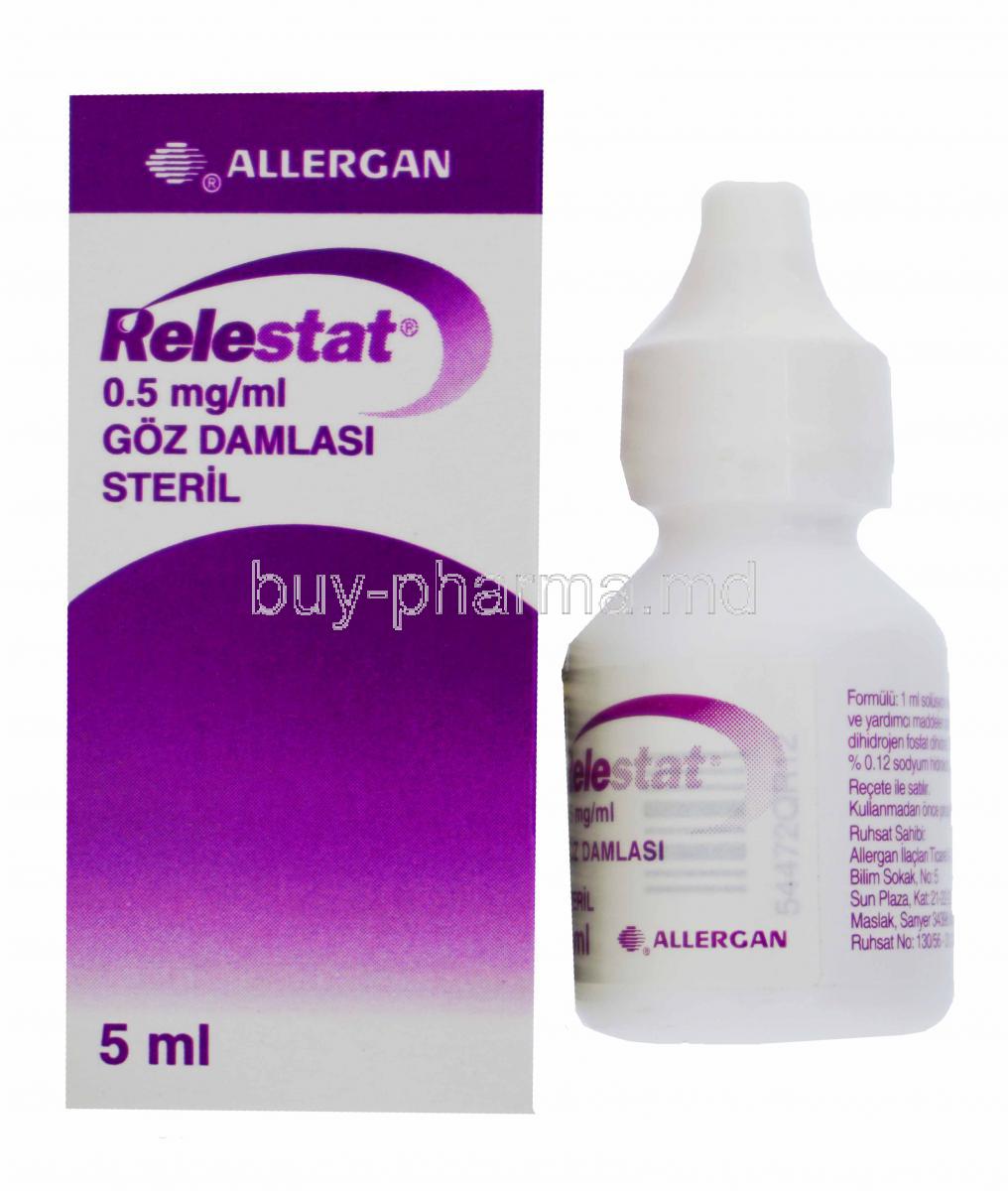
Relestat Eye Drop is a sterile ophthalmic formulation designed to alleviate allergic manifestations affecting the ocular surface. It is commonly prescribed for individuals experiencing pruritus, conjunctival hyperemia, and lacrimation triggered by allergens. The preparation delivers targeted relief directly to the eye, minimizing systemic exposure.
1.2 Therapeutic Classification and Drug Class (Antihistamine/Mast Cell Stabilizer)
Relestat belongs to the class of dual-action ophthalmic agents:
- Selective histamine H1 receptor antagonists
- Mast cell stabilizers
This bifunctional mechanism allows both rapid symptom relief and prevention of further allergic mediator release, offering a comprehensive approach to ocular allergy management.
1.3 Indications for Ophthalmic Use
The formulation is indicated for allergic conditions affecting the conjunctiva, including:
- Seasonal allergic conjunctivitis
- Perennial allergic conjunctivitis
- Environmental allergen exposure-related irritation
It is particularly beneficial in patients experiencing recurrent symptoms during pollen seasons or chronic allergen exposure.
1.4 Overview of Active Ingredient: Epinastine Hydrochloride
Epinastine hydrochloride is a potent, selective antihistamine characterized by minimal penetration across the blood-brain barrier. This property reduces the likelihood of central nervous system side effects such as sedation. It exerts localized anti-inflammatory and anti-allergic effects when administered topically to the eye.
2. Composition and Formulation Details
2.1 Active Ingredient and Strength (Epinastine Hydrochloride Concentration)
Relestat Eye Drop typically contains epinastine hydrochloride at a concentration of 0.05%. This dosage is optimized to provide therapeutic efficacy while maintaining ocular tolerability.
2.2 Inactive Ingredients and Preservatives (e.g., Benzalkonium Chloride)
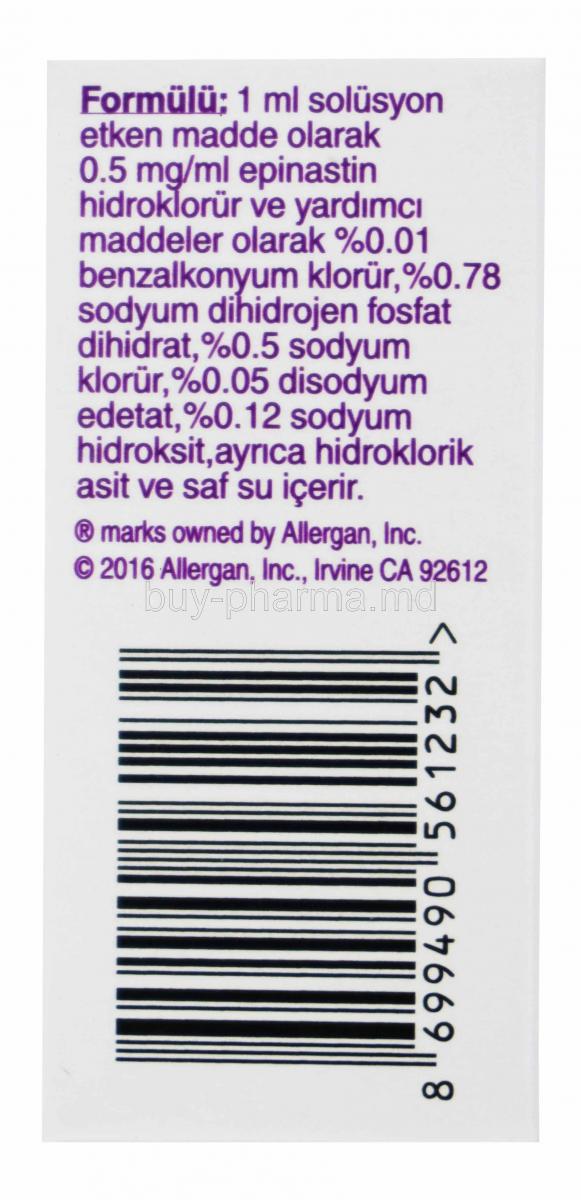
In addition to the active compound, the formulation includes excipients such as:
- Benzalkonium chloride (preservative)
- Sodium chloride (tonicity agent)
- Purified water
- Buffering agents
These components ensure product stability, sterility, and compatibility with ocular tissues.
2.3 pH, Osmolarity, and Sterility Considerations
The solution is carefully buffered to approximate physiological pH, reducing irritation upon instillation. Osmolarity is adjusted to match tear fluid, promoting comfort. Sterility is maintained through aseptic manufacturing and protective packaging.
2.4 Packaging and Available Bottle Sizes
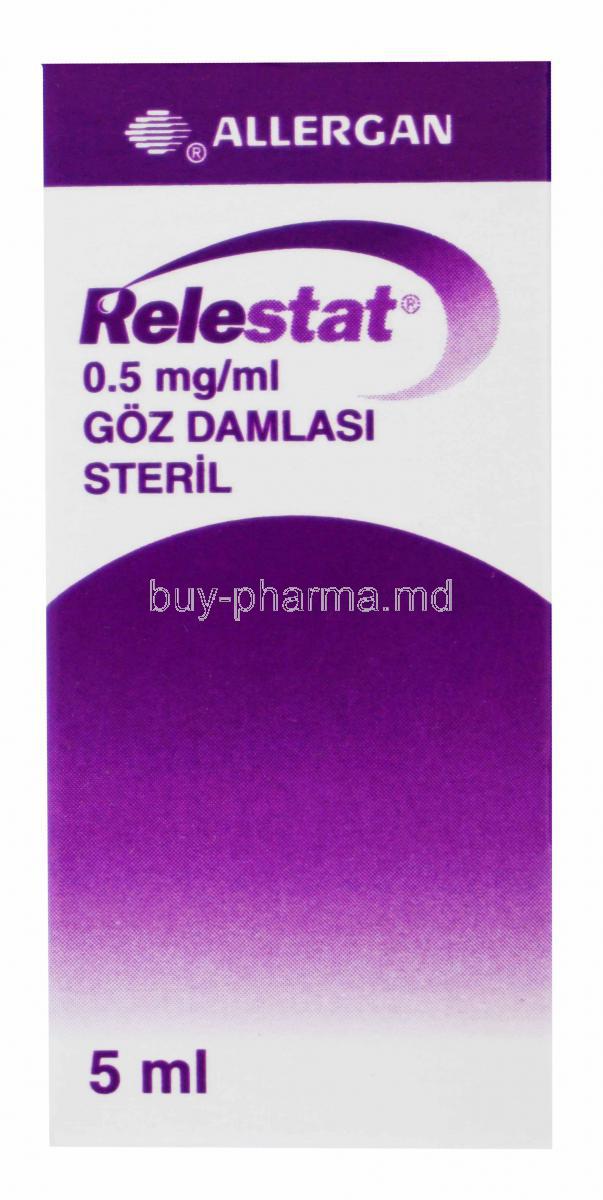
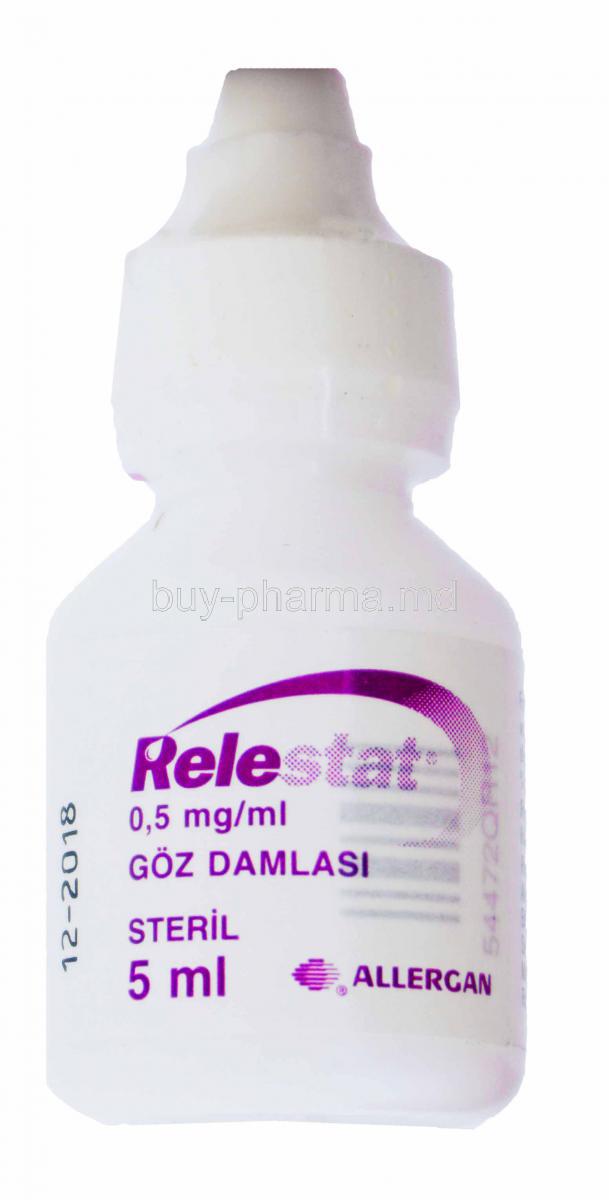
Relestat is typically supplied in multidose dropper bottles, often ranging from 5 mL to 10 mL. The container is designed to:
- Prevent microbial contamination
- Allow precise drop delivery
- Maintain solution integrity throughout use
3. Mechanism of Action: How Relestat Eye Drop Works
3.1 Histamine H1 Receptor Antagonism in Ocular Tissues
Epinastine selectively blocks histamine H1 receptors located on conjunctival cells. By inhibiting histamine binding, it effectively reduces itching, redness, and vascular permeability associated with allergic responses.
3.2 Inhibition of Mast Cell Degranulation
The drug stabilizes mast cells, preventing their degranulation and subsequent release of inflammatory mediators such as histamine, leukotrienes, and cytokines. This action curtails the amplification of allergic reactions.
3.3 Reduction of Ocular Inflammation and Allergic Response
Through combined antihistaminic and anti-inflammatory effects, Relestat attenuates conjunctival inflammation. Symptoms subside, and ocular comfort is restored.
3.4 Onset of Action and Duration of Effect
Relestat demonstrates a relatively rapid onset of action. Relief may begin within minutes, while its duration of effect supports twice-daily administration, ensuring sustained symptom control.
4. Uses of Relestat Eye Drop (Approved Indications)
4.1 Treatment of Allergic Conjunctivitis
Relestat is primarily indicated for the management of allergic conjunctivitis, a condition characterized by ocular itching, redness, and swelling due to allergen exposure.
4.2 Relief of Itching, Redness, and Tearing of the Eyes
It effectively alleviates hallmark symptoms, including:
- Persistent itching (ocular pruritus)
- Hyperemia (redness)
- Excessive tearing
4.3 Seasonal and Perennial Allergy Management
The medication is suitable for both seasonal allergies (e.g., pollen-induced) and perennial allergies caused by dust mites, pet dander, or mold.
4.4 Prevention of Ocular Allergy Symptoms
When used prophylactically, Relestat can reduce the likelihood of symptom onset in individuals with predictable allergen exposure.
5. Off-Label Uses of Relestat Eye Drop
5.1 Management of Mild Ocular Irritation from Environmental Allergens
Relestat may be utilized in cases of mild irritation caused by smoke, pollution, or airborne particulates.
5.2 Adjunctive Therapy in Contact Lens-Induced Discomfort
It may provide symptomatic relief for contact lens wearers experiencing allergic irritation, although lenses should be removed prior to application.
5.3 Supportive Treatment in Dry Eye Associated with Allergic Component
In patients with mixed pathology, combining dry eye and allergic inflammation, Relestat may complement lubricating therapies.
5.4 Post-operative Ocular Allergy Control (Under Medical Supervision)
Under professional guidance, it may be used to control allergic inflammation following ocular procedures.
5.5 Use in Chronic Ocular Surface Inflammation (Selected Cases)
Selected patients with chronic inflammatory conditions may benefit from its mast cell stabilizing properties.
6. Dosage and Administration Guidelines
6.1 Standard Adult Dosage Recommendations
The usual dosage is one drop instilled into each affected eye twice daily.
6.2 Pediatric Dosage Considerations
Use in pediatric populations should follow medical advice, typically for children above a certain age threshold depending on regulatory approval.
6.3 Frequency of Administration (Typically Twice Daily Use)
A twice-daily regimen ensures consistent therapeutic levels while minimizing dosing burden.
6.4 Proper Eye Drop Instillation Technique
Correct administration is critical:
- Wash hands thoroughly
- Avoid touching the dropper tip
- Instill into the lower conjunctival sac
- Close eyes gently after application
6.5 Duration of Treatment and Compliance Importance
Treatment duration varies based on symptom severity. Adherence to prescribed schedules enhances efficacy and prevents recurrence.
6.6 Missed Dose Instructions
If a dose is missed, it should be administered as soon as remembered unless it is near the time of the next scheduled dose.
6.7 Use with Contact Lenses
Contact lenses should be removed prior to instillation and reinserted after at least 10–15 minutes to avoid preservative absorption.
7. Common Side Effects of Relestat Eye Drop
7.1 Mild Ocular Burning or Stinging Sensation
A transient burning sensation may occur immediately after instillation. This is generally mild and self-limiting.
7.2 Eye Irritation and Redness
Some patients may experience temporary irritation or conjunctival redness.
7.3 Temporary Blurred Vision
Vision may become momentarily blurred following administration. Activities requiring visual clarity should be postponed briefly.
7.4 Headache and Mild Systemic Symptoms
Rare systemic effects such as headache may occur, though systemic absorption is minimal.
8. Serious and Less Common Side Effects
8.1 Hypersensitivity Reactions (Swelling, Rash, Itching)
Allergic reactions, though uncommon, may manifest as swelling, rash, or severe itching and require discontinuation.
8.2 Severe Eye Pain or Vision Changes
Persistent pain or sudden visual disturbances necessitate immediate medical evaluation.
8.3 Persistent Ocular Discomfort or Infection Signs
Signs such as discharge, prolonged redness, or swelling may indicate infection or intolerance.
8.4 When to Seek Immediate Medical Attention
Urgent care is warranted if symptoms escalate or systemic allergic reactions occur.
9. Drug Interactions and Compatibility
9.1 Interaction with Other Ophthalmic Medications
Concurrent use with other eye drops is permissible but requires appropriate spacing.
9.2 Timing Gap Between Multiple Eye Drops
A minimum interval of 5–10 minutes between different ophthalmic products is recommended.
9.3 Systemic Drug Interaction Potential (Low but Notable)
Systemic interactions are rare due to limited absorption; however, caution is advised in polypharmacy scenarios.
9.4 Interaction with Contact Lens Solutions and Eye Care Products
Compatibility with lens care solutions should be considered, particularly due to preservative content.
10. Warnings and Safety Information
10.1 Risk of Contamination from Improper Use
Improper handling may introduce contaminants, potentially leading to ocular infections.
10.2 Avoiding Tip Contact with Eye or Surfaces
Direct contact between the dropper tip and surfaces should be strictly avoided.
10.3 Not for Injection or Oral Use
Relestat is intended exclusively for topical ophthalmic use and must not be ingested or injected.
10.4 Monitoring for Worsening Symptoms
Patients should monitor symptom progression and seek medical advice if no improvement is observed.
11. Contraindications
11.1 Known Hypersensitivity to Epinastine or Formulation Components
Relestat Eye Drop is contraindicated in individuals with a documented hypersensitivity to epinastine hydrochloride or any excipient within the formulation. Even minimal exposure may provoke exaggerated immune responses.
- Symptoms may include redness, swelling, or severe itching
- Systemic manifestations, though rare, can occur
Immediate discontinuation is imperative if hypersensitivity is suspected.
11.2 Severe Ocular Infection Without Proper Diagnosis
The use of Relestat in the presence of undiagnosed or untreated ocular infections is discouraged. Masking inflammatory signs may delay appropriate antimicrobial intervention, potentially exacerbating the condition.
Careful clinical evaluation is essential prior to initiation in symptomatic patients presenting with purulent discharge or severe pain.
11.3 Use in Patients with History of Allergic Reaction to Similar Drugs
Patients with prior adverse reactions to antihistamines or mast cell stabilizers should exercise caution. Cross-reactivity, though uncommon, remains a clinical consideration.
- Detailed medication history is recommended
- Alternative therapies may be warranted
12. Careful Administration (Use with Caution)
12.1 Patients with Pre-existing Eye Conditions
Individuals with pre-existing ophthalmic disorders—such as glaucoma, keratitis, or corneal epithelial defects—require judicious use. Altered ocular physiology may influence drug tolerability and response.
12.2 Individuals with Chronic Dry Eye Syndrome
Patients suffering from chronic dry eye may experience heightened sensitivity to preservatives within the formulation. The presence of benzalkonium chloride may exacerbate ocular surface dryness in susceptible individuals.
12.3 Patients Using Multiple Ocular Therapies
Polypharmacy in ophthalmology necessitates strategic scheduling. Simultaneous administration of multiple eye drops without proper intervals may:
- Reduce therapeutic efficacy
- Increase the risk of local irritation
A structured dosing regimen is strongly advised.
12.4 Contact Lens Wearers
Contact lens users should remove lenses prior to instillation. The preservative component may adhere to lens material, leading to discomfort or toxicity.
Reinsertion should only occur after an adequate waiting period, typically 10–15 minutes.
13. Important Precautions for Safe Use
13.1 Maintaining Hygiene During Application
Strict hygienic practices are essential to prevent contamination. The dropper tip must remain sterile throughout use.
- Avoid touching the tip with fingers
- Do not allow contact with ocular surfaces
13.2 Avoiding Overuse or Prolonged Use Without Medical Advice
Excessive or unsupervised use may lead to diminished therapeutic benefit or unforeseen adverse reactions. Treatment should adhere strictly to prescribed guidelines.
13.3 Regular Eye Examination for Long-term Users
Patients requiring extended therapy should undergo periodic ophthalmic evaluation. Subtle changes in ocular health may otherwise go unnoticed.
13.4 Storage and Handling Awareness
Proper storage conditions are indispensable for maintaining drug integrity. Mishandling can compromise sterility and efficacy.
14. Administration in Special Populations
14.1 Use in Elderly Patients
14.1.1 Safety Profile and Tolerability
Elderly patients generally tolerate Relestat well. Nonetheless, age-related physiological changes may influence ocular sensitivity and healing capacity.
14.1.2 Monitoring Requirements
Regular monitoring is advisable, particularly in those with concurrent ocular or systemic conditions. Vigilance ensures early detection of adverse effects.
14.2 Use in Pregnant Women
14.2.1 Risk-Benefit Assessment
Use during pregnancy should be predicated on a careful evaluation of potential benefits versus theoretical risks. Topical administration limits systemic exposure, yet prudence remains essential.
14.2.2 Available Clinical Data and Recommendations
Clinical data in pregnant populations remain limited. Healthcare providers should individualize treatment decisions based on symptom severity and necessity.
14.3 Use in Nursing Mothers
14.3.1 Excretion in Breast Milk
While systemic absorption is minimal, trace excretion into breast milk cannot be entirely excluded.
14.3.2 Safety Considerations for Infants
Potential exposure to nursing infants is considered low. Nonetheless, cautious use and medical consultation are recommended.
14.4 Use in Pediatric Patients
14.4.1 Approved Age Range
Relestat is typically approved for use in children above a specified age, depending on regulatory guidelines. Younger patients require careful supervision.
14.4.2 Pediatric Safety and Efficacy
Clinical studies indicate favorable tolerability in pediatric populations. However, adherence to dosing recommendations is critical to ensure safety.
15. Overdosage and Emergency Management
15.1 Symptoms of Ocular Overdose
Excessive instillation may result in localized discomfort, including:
- Increased irritation
- Transient burning sensation
- Watery eyes
15.2 Accidental Oral Ingestion Risks
Accidental ingestion is unlikely to result in severe toxicity due to low systemic bioavailability. However, mild systemic effects cannot be entirely excluded.
15.3 Immediate Steps and Medical Intervention
In cases of suspected overdose:
- Rinse the eye with sterile saline if irritation persists
- Seek medical advice for persistent symptoms
15.4 Poison Control and Supportive Care
Supportive care remains the cornerstone of management. Consultation with poison control centers may be warranted in cases of significant exposure.
16. Storage and Stability Information
16.1 Recommended Storage Temperature
Relestat should be stored at controlled room temperature, typically between 15°C and 25°C. Exposure to extreme temperatures should be avoided.
16.2 Protection from Light and Contamination
The bottle should remain tightly closed when not in use. Protection from direct light and environmental contaminants preserves formulation stability.
16.3 Shelf Life and Expiry Considerations
Use within the designated shelf life indicated on the packaging. Expired products may lose efficacy and pose contamination risks.
16.4 Handling After Opening the Bottle
Once opened, the product should be used within a specified timeframe, often 4 weeks. This minimizes the risk of microbial proliferation.
17. Handling and Usage Precautions
17.1 Proper Disposal of Unused Medication
Unused or expired eye drops should be disposed of responsibly. Avoid pouring into drains or discarding inappropriately.
17.2 Avoid Sharing Eye Drops
Sharing ophthalmic medications can facilitate transmission of infections. Each bottle should be reserved for individual use only.
17.3 Travel and Portability Considerations
During travel, the bottle should be securely sealed and stored in a protective case. Temperature fluctuations should be minimized.
17.4 Safe Storage Away from Children
Keep out of reach of children at all times. Accidental exposure may lead to unintended misuse or ingestion.
Relestat Eye Drop FAQ
- What is Relestat Eye Drop and what is it used for?
- What is the active ingredient in Relestat Eye Drop?
- How does Relestat Eye Drop work?
- What is the recommended dosage of Relestat Eye Drop?
- How quickly does Relestat Eye Drop take effect?
- How long does the effect of Relestat Eye Drop last?
- How should Relestat Eye Drop be properly applied?
- Can I wear contact lenses while using Relestat Eye Drop?
- What should I do if I miss a dose of Relestat Eye Drop?
- What happens if I use too many drops of Relestat?
- What are the common side effects of Relestat Eye Drop?
- Can Relestat Eye Drop cause blurred vision?
- Does Relestat Eye Drop penetrate the blood-brain barrier?
- Is Relestat Eye Drop safe to use during pregnancy?
- Is Relestat Eye Drop safe for children?
- Is Relestat Eye Drop safe for elderly patients?
- Who should NOT use Relestat Eye Drop?
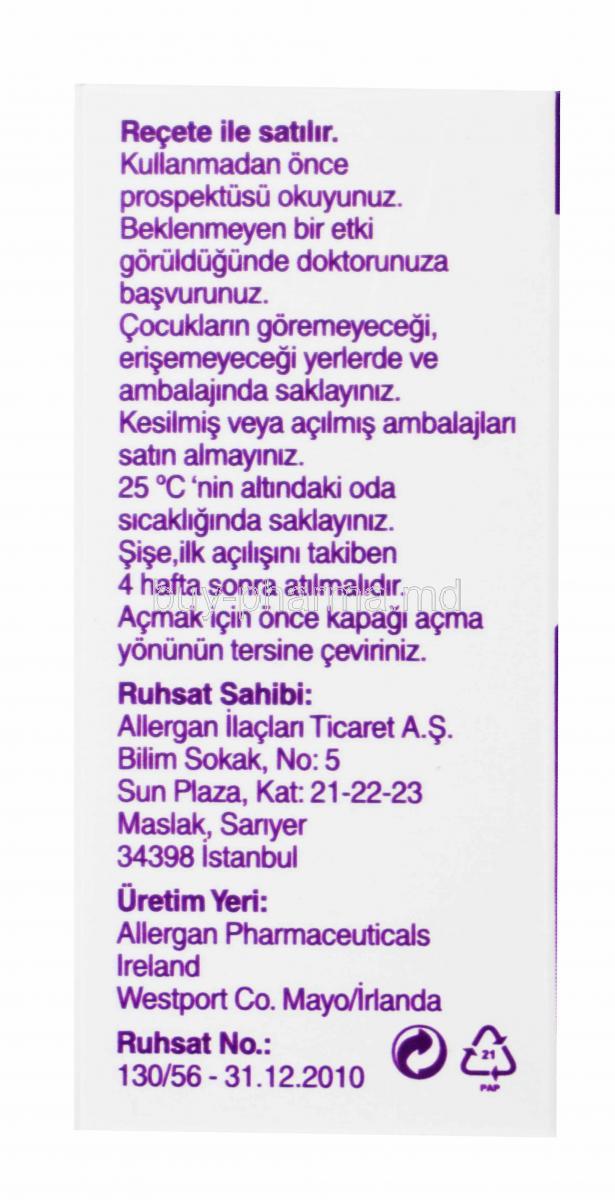
- How should Relestat Eye Drop be stored, and how long can it be used after opening?
What is Relestat Eye Drop and what is it used for?
Relestat is a type of medicine that helps with allergies. It comes in the form of eye drops and is used to treat the symptoms of seasonal allergic conjunctivitis, an allergic condition that affects the eyes. The symptoms that Relestat helps with include watery eyes, itchy eyes or eyelids, and red or swollen eyes or eyelids.
What is the active ingredient in Relestat Eye Drop?
The main ingredient in these eye drops is epinastine hydrochloride - there's 0.5 mg of it in every 1 ml of the solution.
How does Relestat Eye Drop work?
Relestat works in three ways to stop allergic reactions. First, it helps keep mast cells stable, which means they don't release chemicals that make you feel itchy or uncomfortable. Second, it blocks histamine from binding to receptors in your body, reducing itching and providing long-lasting protection. Third, it prevents the release of chemicals that cause inflammation in your blood vessels, which helps stop the allergic reaction from getting worse.
What is the recommended dosage of Relestat Eye Drop?
To get the best results, use one drop in each eye, two times a day. Keep using the treatment for as long as you're around the thing that's causing the allergy - like during pollen season or until you're no longer around the allergen.
How quickly does Relestat Eye Drop take effect?
3-5 minutes
How long does the effect of Relestat Eye Drop last?
8 hours
How should Relestat Eye Drop be properly applied?
When using this medicine, make sure to follow the instructions on the label carefully. To apply the medicine, hold the dropper close to your eye, being careful not to touch it. Then gently squeeze the dropper to dispense the medicine and place it into your lower eyelid. The dose is 1mg.
Can I wear contact lenses while using Relestat Eye Drop?
If you use soft contact lenses, make sure to take them out before putting in Relestat eye drops. After using the drops, wait at least 15 minutes before putting your lenses back in. It's also important to remember that if your eye is red, you should not wear contact lenses.
What should I do if I miss a dose of Relestat Eye Drop?
If you miss a dose, just apply it as soon as you can remember. But if it's almost time for your next dose, skip the one you forgot. Then, go back to your regular schedule.
What happens if I use too many drops of Relestat?
If you use too many drops of Relestat, it's unlikely to cause any problems.
What are the common side effects of Relestat Eye Drop?
The most frequently reported side effects are mild burning sensations, folliculosis, hyperemia, pruritus, cold symptoms, and upper respiratory infections.
Can Relestat Eye Drop cause blurred vision?
Using this medicine can cause blurry vision in some people. If this happens to you, don't do things that need clear vision, like driving or using machines, until you can see clearly again.
Does Relestat Eye Drop penetrate the blood-brain barrier?
Epinastine does not penetrate the blood/brain barrier and, therefore, does not induce side effects of the central nervous system — meaning it is non-sedative.
Is Relestat Eye Drop safe to use during pregnancy?
It should only be used when the benefits outweigh the risks to the baby.
Is Relestat Eye Drop safe for children?
For people aged 2 and up, including adults and teens, you can use one drop in the affected eye twice a day.
Is Relestat Eye Drop safe for elderly patients?
When it comes to using this medication, people of all ages seem to have similar experiences in terms of safety and how well it works. But if you're older and have age-related kidney problems, it's a good idea to talk to your doctor before taking it.
Who should NOT use Relestat Eye Drop?
If you're allergic to epinastine hydrochloride or any other ingredient in Relestat, you shouldn't use it. Also, be sure to check with your doctor before giving it to kids under 12 years old, as some versions of the medicine aren't suitable for them.
How should Relestat Eye Drop be stored, and how long can it be used after opening?
To keep this product safe and effective, store it at 25°C or below. It's also important to keep the bottle in its box to protect it from light.
Popular Products
Similar Product