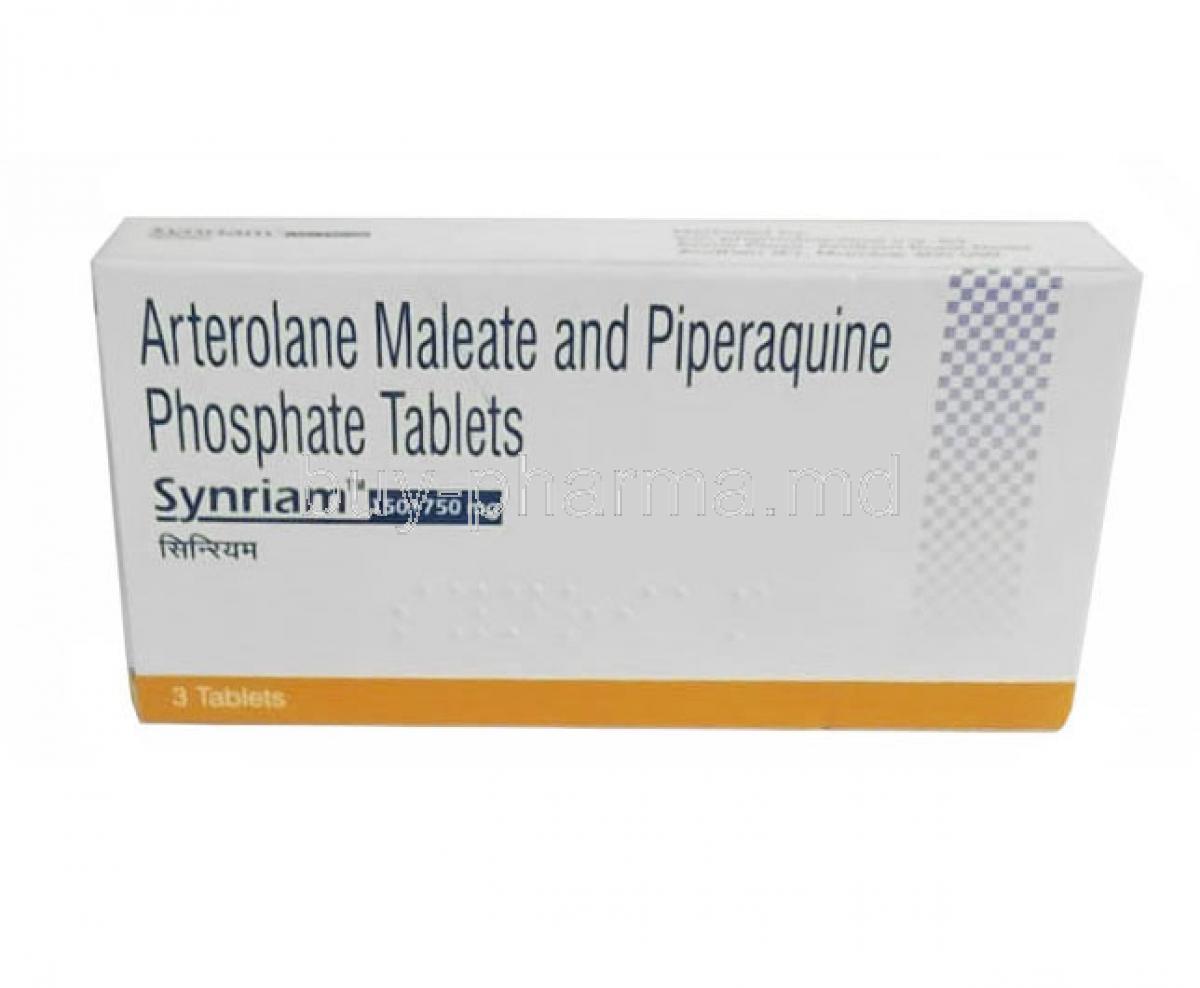
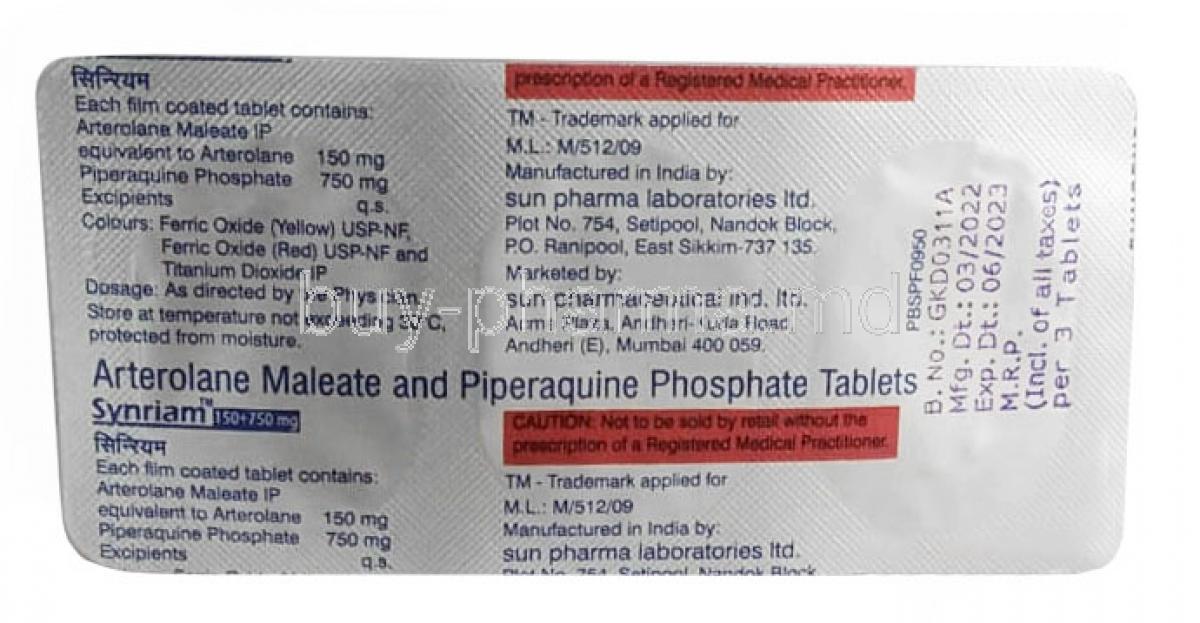
1. Introduction to Synriam (Arterolane/Piperaquine)
Synriam is a fixed-dose antimalarial combination formulated to address uncomplicated malaria with precision and speed. By uniting a rapidly acting endoperoxide with a long-acting partner drug, this therapy delivers prompt parasite clearance while sustaining antimalarial pressure to reduce recrudescence.
Therapeutically, Synriam is classified within modern artemisinin-based combination therapies (ACTs), a cornerstone of global malaria management. Its relevance is pronounced in endemic regions where resistance to older agents has eroded treatment efficacy.
- Fixed-dose, oral antimalarial therapy
- Designed for rapid symptom resolution
- Aligned with contemporary ACT principles
2. Composition and Pharmaceutical Profile
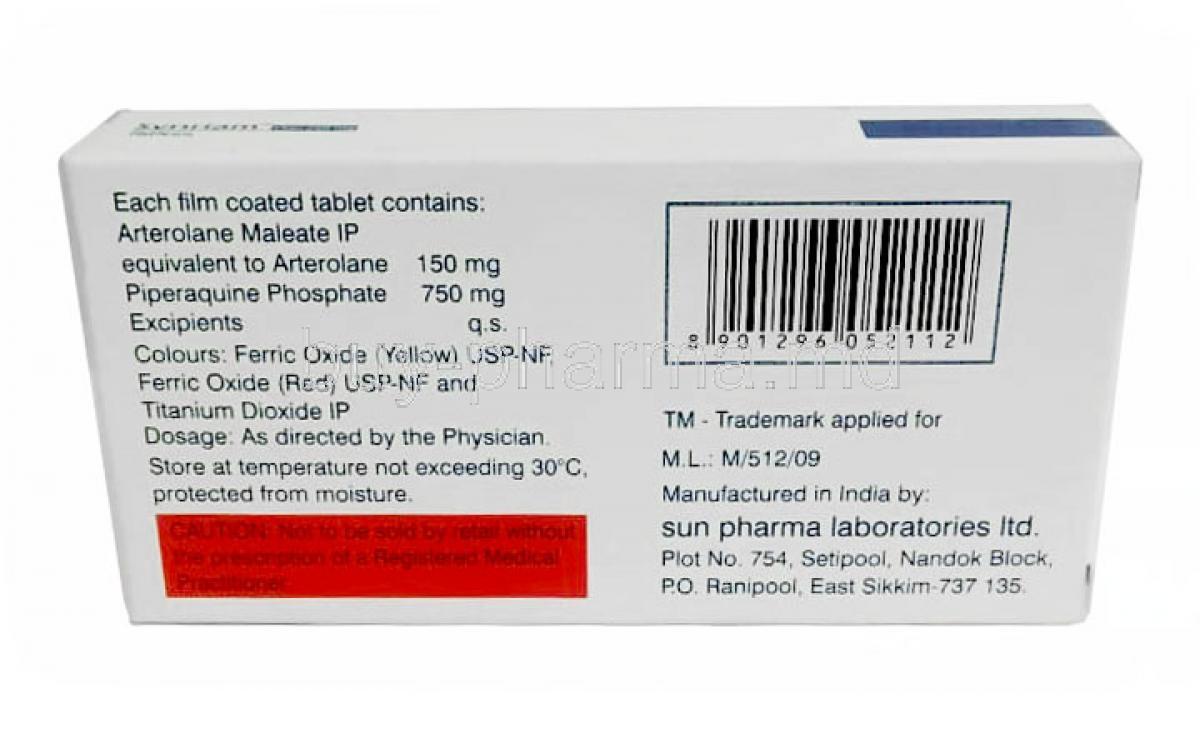
Synriam comprises two pharmacologically complementary agents: arterolane maleate and piperaquine phosphate. Together, they form a balanced formulation engineered for efficacy, durability, and patient adherence.
Arterolane belongs to the synthetic ozonide class, while piperaquine is a bisquinoline compound with prolonged antimalarial activity. The formulation is optimized for oral administration, ensuring predictable absorption and systemic exposure.
- Active ingredients: Arterolane maleate, Piperaquine phosphate
- Dosage forms: Oral tablets in fixed strengths
- Excipients: Selected to enhance stability, bioavailability, and shelf life
3. Uses and Approved Indications
Synriam is approved for the treatment of uncomplicated malaria caused by Plasmodium falciparum. Its utility extends to mixed infections involving multiple Plasmodium species, provided the disease remains uncomplicated.
The combination is particularly valuable in areas where chloroquine resistance is prevalent. Epidemiologically, its use is aligned with regions experiencing sustained malaria transmission and documented resistance patterns.
- Uncomplicated P. falciparum malaria
- Uncomplicated mixed Plasmodium infections
- Chloroquine-resistant malaria strains
4. Off-Label and Investigational Uses
In certain endemic settings, Synriam has been utilized contextually in regions facing emerging antimalarial resistance. Such use is typically guided by local protocols and surveillance data rather than formal regulatory endorsement.
Ongoing clinical evaluations continue to explore its role within alternative combination regimens. However, regulatory frameworks impose clear limitations, and off-label use requires careful clinical judgment.
Synriam is not indicated for malaria prophylaxis. Its pharmacologic design targets active blood-stage infection rather than preventive suppression.
5. Mechanism of Action: How Synriam Works
The therapeutic efficacy of Synriam arises from mechanistic synergy. Arterolane exerts rapid schizonticidal activity through free-radical generation, leading to swift parasite destruction during the erythrocytic stage.
Piperaquine complements this action by inhibiting heme detoxification within the parasite’s food vacuole. Its prolonged half-life sustains antimalarial activity, reducing the likelihood of parasite resurgence.
- Fast parasite clearance via arterolane
- Extended suppression through piperaquine
- Reduced resistance development through combination therapy
6. Dosage and Administration Guidelines
Standard dosing regimens are established for adults and are typically administered over a short, defined treatment course. Weight-based considerations may apply, particularly at the margins of adult dosing thresholds.
Synriam may be taken with or without food, although consistent administration conditions are advisable. Completing the full prescribed course is essential, even if symptoms abate early.
- Oral administration over a fixed duration
- Weight-adjusted dosing where applicable
- Strict adherence to prevent recrudescence
7. Administration in Special Populations
7.1 Administration to Elderly Patients
In older adults, age-related pharmacokinetic changes may influence drug exposure. While routine dose adjustment is not universally required, closer clinical monitoring is prudent, particularly in the presence of comorbidities.
7.2 Administration to Pregnant Women
Use during pregnancy necessitates a trimester-specific risk–benefit assessment. In malaria-endemic regions, the dangers of untreated malaria may outweigh potential pharmacologic risks, especially beyond the first trimester.
7.3 Administration to Nursing Mothers
Excretion into breast milk is theoretically possible. Clinical guidance during lactation emphasizes individualized assessment, balancing maternal benefit against potential infant exposure.
7.4 Administration to Children
Pediatric use is approved within defined age and weight parameters. Accurate weight-based dosing is critical to ensure efficacy while minimizing adverse effects.
8. Side Effects and Safety Profile
Synriam is generally well tolerated. Most adverse events are mild to moderate and transient, reflecting either dose-related pharmacologic effects or individual susceptibility.
Distinguishing predictable reactions from idiosyncratic responses is essential for appropriate clinical management.
8.1 Common Side Effects
- Headache
- Nausea and vomiting
- Abdominal discomfort and gastrointestinal upset
- Dizziness and fatigue
8.2 Less Common and Serious Adverse Effects
- QT interval prolongation
- Cardiac rhythm disturbances
- Hypersensitivity reactions
- Elevations in hepatic enzymes
9. Drug Interactions
Synriam may interact with other agents known to prolong the QT interval, necessitating caution and clinical oversight. Modulators of CYP450 enzymes can also alter systemic exposure to piperaquine.
Concomitant use with other antimalarial agents should follow established guidelines to avoid overlapping toxicity. Certain foods and herbal supplements may influence absorption or cardiac risk and should be considered during therapy.
- QT-prolonging medications
- CYP450 enzyme inducers or inhibitors
- Herbal products with cardiotropic effects
10. Warnings and Safety Information
Synriam requires judicious use under appropriate clinical supervision. While effective, its pharmacologic profile necessitates heightened awareness of specific safety considerations, particularly those related to cardiac function and regional treatment dynamics.
Risk of Cardiotoxicity and QT Prolongation
Piperaquine is associated with dose-dependent prolongation of the QT interval. This electrophysiological effect may predispose susceptible individuals to ventricular arrhythmias, including potentially life-threatening torsades de pointes.
- Risk increases with high plasma concentrations
- Electrolyte abnormalities may exacerbate QT prolongation
- Concurrent QT-prolonging agents amplify cardiac risk
Use in Patients with Underlying Cardiac Disorders
Patients with a history of structural heart disease, arrhythmias, or conduction defects require careful evaluation prior to therapy. Even subclinical cardiac conditions may become clinically significant under antimalarial stress.
Importance of Baseline and Follow-Up Monitoring
Baseline electrocardiographic assessment is advisable in patients with known risk factors. Follow-up monitoring supports early detection of adverse cardiac changes and informs ongoing treatment decisions.
Regional Resistance Considerations
Local antimalarial resistance patterns influence therapeutic outcomes. Adherence to regional treatment guidelines and surveillance data is essential to maintain clinical efficacy and limit resistance propagation.
11. Contraindications
Synriam is contraindicated in specific clinical scenarios where the risk of adverse outcomes outweighs therapeutic benefit.
- Known hypersensitivity to arterolane, piperaquine, or any formulation component
- Pre-existing cardiac conduction abnormalities, including congenital long QT syndrome
- Severe hepatic impairment affecting drug metabolism and clearance
- Concomitant use of contraindicated QT-prolonging medications
12. Careful Administration and Important Precautions
Optimal outcomes with Synriam depend on meticulous pre-treatment assessment and proactive risk mitigation throughout therapy.
Pre-Treatment Clinical Assessment
Comprehensive evaluation should include medical history, current medication review, and assessment of cardiac and hepatic function. This foundation supports individualized therapeutic planning.
Electrolyte Imbalance Correction Prior to Initiation
Hypokalemia and hypomagnesemia heighten arrhythmic risk. Correction of electrolyte disturbances before starting therapy is strongly advised.
Avoidance of Unnecessary Polypharmacy
Concurrent medications should be reviewed critically. Minimizing nonessential drugs reduces interaction potential and cumulative toxicity.
Patient Counseling and Adherence Guidance
Clear communication enhances adherence and safety. Patients should be advised to complete the full treatment course and report symptoms such as palpitations, dizziness, or syncope without delay.
13. Overdosage
Overdose of Synriam represents a medical emergency requiring immediate clinical attention.
Expected Symptoms of Synriam Overdose
Excessive exposure may manifest rapidly, reflecting both central nervous system and cardiovascular involvement.
- Nausea, vomiting, and severe dizziness
- Altered mental status
- Cardiac conduction disturbances
Cardiac and Neurological Manifestations
QT prolongation, ventricular arrhythmias, seizures, and syncope may occur in severe cases, necessitating intensive monitoring.
Recommended Clinical Management and Supportive Care
Management is primarily supportive and symptom-directed. Continuous cardiac monitoring, electrolyte correction, and stabilization of vital functions are central to care.
Absence of a Specific Antidote
No specific antidote exists for Synriam overdose. Prompt recognition and supportive intervention remain the mainstay of treatment.
14. Storage and Stability
Proper storage preserves the pharmacologic integrity and therapeutic reliability of Synriam.
- Store at controlled room temperature
- Protect from excessive heat, moisture, and direct light
- Maintain original packaging until use
Adherence to recommended storage conditions supports optimal shelf life and drug stability.
15. Handling Precautions
Appropriate handling minimizes risk to both healthcare providers and patients.
Safe Handling by Healthcare Professionals
Standard pharmaceutical handling practices should be observed. Direct contact with damaged tablets should be avoided.
Patient Instructions for Proper Use
Patients should be instructed to swallow tablets whole, adhere strictly to prescribed dosing schedules, and avoid sharing medication.
Disposal Considerations for Unused or Expired Medication
Unused or expired Synriam should be disposed of in accordance with local pharmaceutical waste regulations. Improper disposal may contribute to environmental contamination or unintended exposure.
Customers also bought
Popular Products
Similar Product