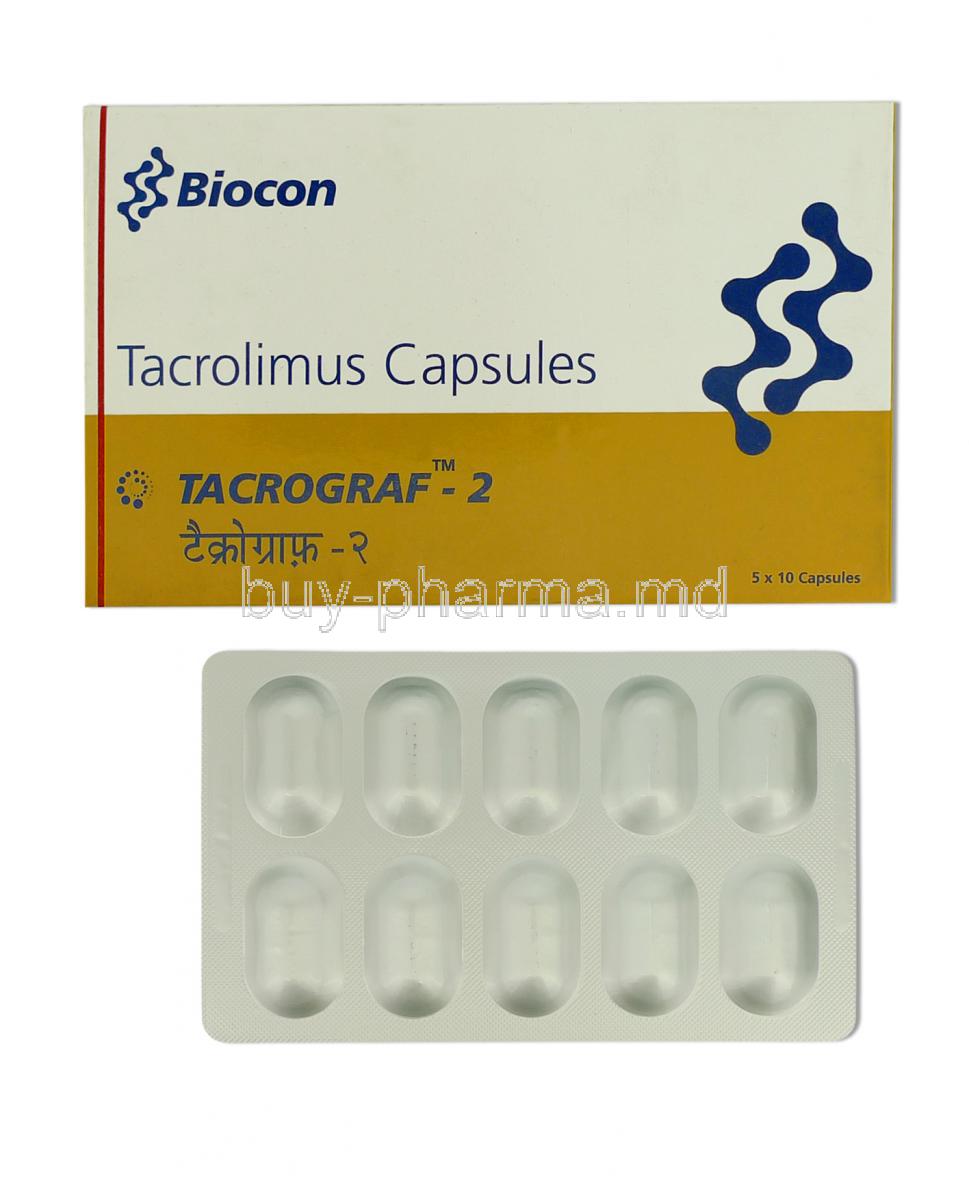
Introduction to Tacrograf (Tacrolimus)
Overview of Tacrograf as an Immunosuppressant Medication
Tacrograf, containing tacrolimus as its principal active agent, is a potent immunosuppressive drug. It belongs to the class of calcineurin inhibitors, renowned for their ability to dampen immune hyperactivity. By suppressing specific immune responses, Tacrograf helps safeguard transplanted organs against rejection while minimizing systemic toxicity.
History and Development of Tacrolimus in Transplant Medicine
Tacrolimus was first isolated in the late 20th century from the soil bacterium Streptomyces tsukubaensis. Since its introduction, it has transformed transplant protocols by reducing rejection rates compared to older agents. The development of tacrolimus marked a turning point in organ transplantation, providing enhanced survival outcomes and improved long-term graft function.
Brand Names, Generic Availability, and Global Usage
Tacrograf is one of several brands of tacrolimus marketed worldwide. Other known labels include Prograf, Advagraf, and various generics. With global distribution, the medication has become indispensable in both developed and emerging healthcare systems, ensuring accessibility for patients undergoing transplantation or requiring advanced immunomodulatory therapy.
Composition and Formulations of Tacrograf
Active Ingredient: Tacrolimus
The therapeutic foundation of Tacrograf lies in tacrolimus, a macrolide lactone with selective immunosuppressive properties. Its molecular architecture enables it to bind intracellular proteins, influencing key signaling pathways of immune cells.
Available Strengths (Capsules, Injections, Ointments)
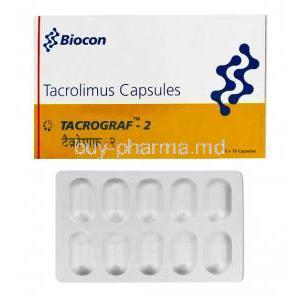
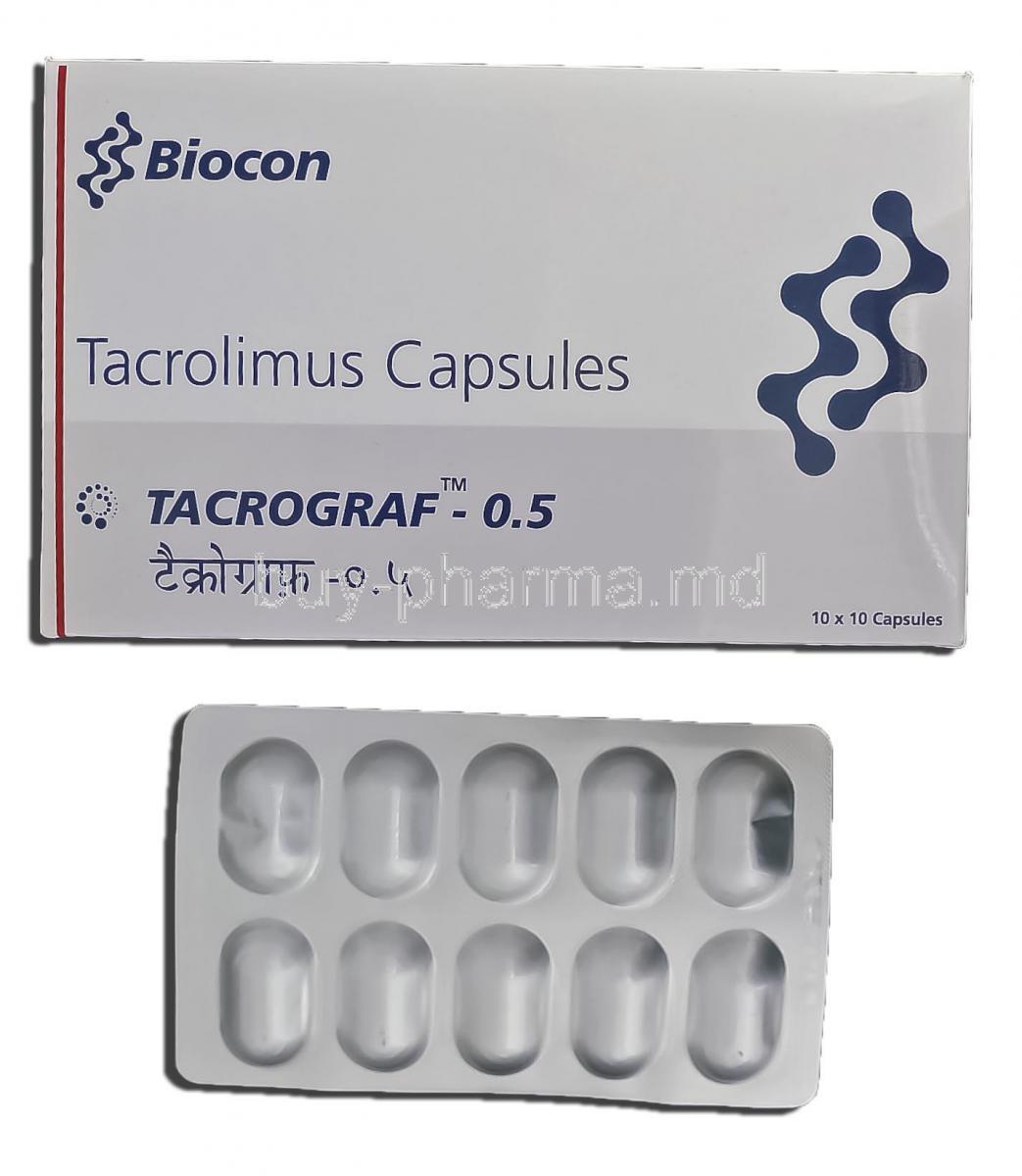
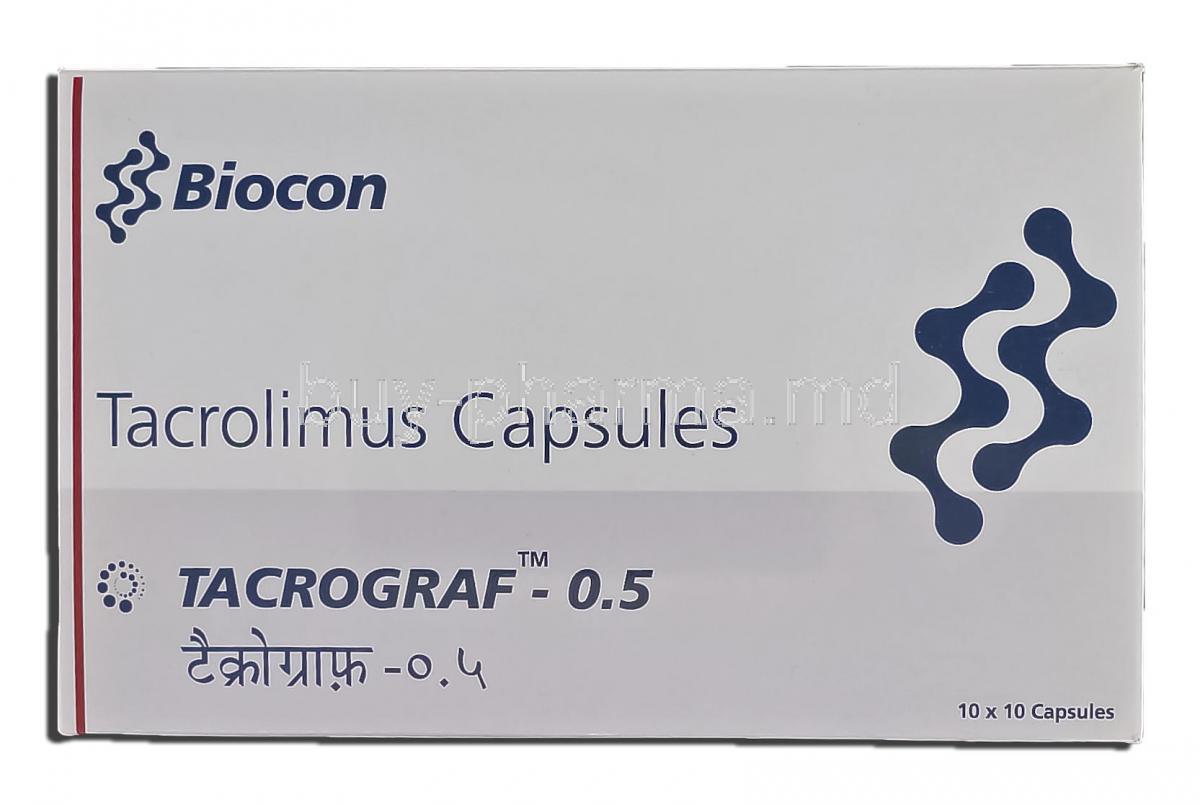
- Capsules: Available in multiple strengths tailored for dose precision.
- Injections: Utilized in acute care and early post-transplant settings.
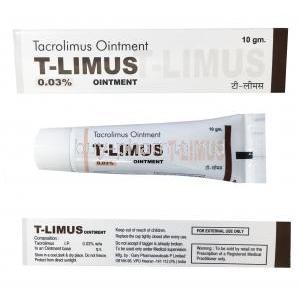
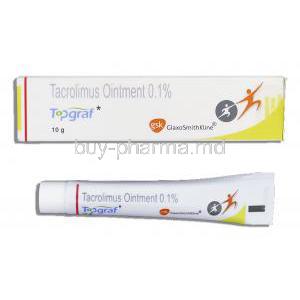
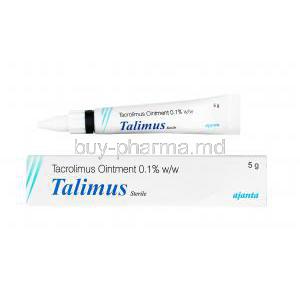
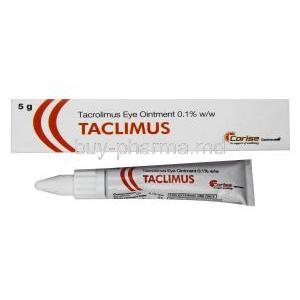
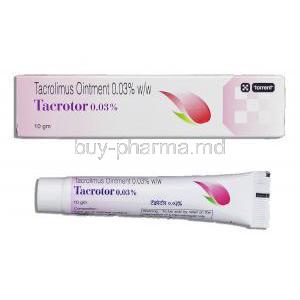
- Ointments: Topical formulations employed for dermatological conditions.
Excipients and Inactive Ingredients
In addition to tacrolimus, Tacrograf includes inert components such as lactose monohydrate, hydroxypropyl cellulose, and magnesium stearate. These ensure stability, bioavailability, and consistent pharmacokinetics.
Differences Between Tacrograf and Other Tacrolimus Brands
While all tacrolimus brands share the same active component, Tacrograf distinguishes itself through its formulation technology, excipient profile, and manufacturing standards. Subtle differences may impact absorption and tolerance, necessitating cautious brand substitution under medical supervision.
Mechanism of Action: How Tacrograf Works
Calcineurin Inhibition and T-Cell Suppression
Tacrograf binds to FK-binding proteins within immune cells. This complex inhibits the activity of calcineurin, an enzyme essential for T-lymphocyte activation. The blockade prevents transcription of interleukin-2 and other cytokines, thereby dampening the cascade of immune signaling.
Reduction of Immune Response in Organ Transplantation
By halting T-cell proliferation, Tacrograf significantly lowers the risk of organ rejection. Its precise immunomodulation spares patients from the overwhelming immunosuppression associated with older therapies.
Comparison with Cyclosporine and Other Immunosuppressants
Unlike cyclosporine, tacrolimus demonstrates a higher potency and a superior side effect profile, particularly concerning nephrotoxicity and cosmetic adverse effects. This has positioned Tacrograf as a first-line choice in many transplant protocols.
Approved Medical Uses of Tacrograf
Tacrograf in Organ Transplantation
- Kidney Transplant Rejection Prevention: Ensures graft longevity and reduces acute rejection episodes.
- Liver Transplant Patients: Standard of care due to its predictable pharmacokinetics.
- Heart Transplant Immunosuppression: Maintains cardiac graft survival and decreases chronic rejection rates.
- Lung, Pancreas, and Small Bowel Transplantation: Expanding use in multi-organ and complex transplant scenarios.
Dermatological Applications
- Atopic Dermatitis: Topical tacrolimus ointment reduces inflammation and itching in moderate to severe cases.
- Psoriasis: Offsetting immune-mediated epidermal proliferation in resistant or localized manifestations.
Off-Label Uses of Tacrograf
Beyond its licensed indications, Tacrograf has been harnessed in a variety of autoimmune and inflammatory diseases where conventional therapy fails.
- Autoimmune Disorders: Rheumatoid arthritis and lupus nephritis management.
- Inflammatory Bowel Disease: Ulcerative colitis and Crohn’s disease in refractory cases.
- Neurological Conditions: Myasthenia gravis stabilization through immune regulation.
- Ophthalmic Disorders: Uveitis and ocular inflammation unresponsive to steroids.
- Rare Conditions: Investigational use in dermatomyositis and systemic sclerosis.
Dosage and Administration Guidelines
General Dosage Recommendations
The dosing regimen is individualized, typically guided by blood concentration monitoring:
- Oral Capsules: Initiated post-transplant at doses adjusted by body weight and clinical response.
- Intravenous Formulation: Reserved for patients unable to take oral therapy, usually transitioned to oral as soon as possible.
- Topical Ointment: Applied in thin layers to affected skin regions, avoiding excessive or occlusive use.
Adjustments Based on Clinical Factors
Clinical variables necessitate careful dose tailoring:
- Patients with hepatic impairment often require dose reduction to avoid accumulation.
- Renal impairment mandates vigilant monitoring due to nephrotoxic potential.
- Drug levels are fine-tuned using trough concentrations, ensuring therapeutic efficacy without undue toxicity.
Role of Therapeutic Drug Monitoring
Because of narrow therapeutic margins, regular monitoring of tacrolimus blood levels is indispensable. This practice reduces the risk of graft rejection while minimizing toxicity, creating a delicate but vital balance for long-term treatment success.
Side Effects of Tacrograf
Common Side Effects
Tacrograf may cause a range of common but usually manageable adverse reactions. These often emerge in the early stages of therapy and can vary in intensity:
- Headache, tremors, insomnia: Neurological disturbances are frequently observed, reflecting the drug’s effect on nerve conduction.
- Hypertension and increased blood sugar: Cardiometabolic changes may occur, necessitating close monitoring of blood pressure and glucose levels.
- Gastrointestinal disturbances: Nausea, abdominal cramping, and diarrhea are relatively prevalent but often improve with time.
- Hair loss or abnormal hair growth: Alterations in hair cycle dynamics can result in alopecia or, paradoxically, hypertrichosis.
Serious Adverse Reactions
More severe complications, while less frequent, require immediate medical attention and ongoing vigilance:
- Nephrotoxicity and kidney failure: A hallmark risk of tacrolimus, leading to progressive renal impairment if not detected early.
- Neurotoxicity and seizures: High plasma concentrations may trigger convulsions, confusion, or encephalopathy.
- Increased risk of infections: Immunosuppression predisposes patients to opportunistic pathogens and reactivation of latent viruses.
- Malignancy risk: Prolonged therapy can heighten susceptibility to lymphoproliferative disorders and cutaneous malignancies.
Warnings and Important Precautions
Before initiating therapy, patients must be aware of key safety considerations that extend throughout the treatment course:
- Increased susceptibility to infections and malignancies: Rigorous surveillance for fever, lymphadenopathy, or skin changes is essential.
- UV protection: Sunlight exposure elevates the risk of skin cancer, warranting protective clothing and broad-spectrum sunscreen use.
- Avoidance of live vaccines: Due to impaired immune responses, live-attenuated vaccines may provoke uncontrolled infection.
- Risk of new-onset diabetes mellitus: Tacrograf can impair pancreatic beta-cell function, leading to hyperglycemia.
Contraindications of Tacrograf
Certain clinical scenarios prohibit the use of Tacrograf due to potential harm:
- Known hypersensitivity to tacrolimus or formulation excipients.
- Concurrent systemic use with cyclosporine, which amplifies nephrotoxicity.
- Presence of severe uncontrolled infections where immunosuppression would worsen outcomes.
- Patients with existing malignancies, where immune suppression may accelerate progression.
Careful Administration and Monitoring
Long-term therapy requires stringent medical oversight to maintain therapeutic efficacy while avoiding harm:
- Blood levels: Tacrolimus concentrations should be monitored regularly to ensure stability within the therapeutic window.
- Kidney and liver function: Routine laboratory testing helps detect early signs of organ toxicity.
- Blood pressure and glucose monitoring: Essential for identifying metabolic complications promptly.
- Brand substitution: Caution is advised when switching between brands, as bioavailability may differ significantly.
Drug Interactions with Tacrograf
The pharmacokinetics of tacrolimus are influenced by numerous drug and dietary interactions:
- CYP3A4 inhibitors: Agents like ketoconazole and erythromycin elevate tacrolimus plasma levels, raising toxicity risk.
- CYP3A4 inducers: Drugs such as rifampin and phenytoin accelerate metabolism, reducing efficacy.
- Nephrotoxic agents: Co-administration with aminoglycosides or NSAIDs heightens the risk of renal injury.
- Dietary interactions: Grapefruit juice and high-fat meals can alter absorption and drug exposure.
Administration in Special Populations
Administration in Elderly Patients
Elderly individuals often exhibit heightened drug sensitivity. Age-related renal decline mandates dose adjustments, frequent blood testing, and careful assessment of comorbidities.
Administration in Pregnant Women and Nursing Mothers
Data on tacrolimus use in pregnancy suggest potential risks of fetal growth restriction and teratogenicity. Neonates may also face complications related to immunosuppression. As tacrolimus is excreted into breast milk, breastfeeding is generally discouraged.
Administration in Children
Pediatric patients require individualized dosing based on body weight and therapeutic drug monitoring. Long-term safety and efficacy have been demonstrated, yet children may necessitate closer observation due to developmental considerations and variable drug metabolism.
Overdose and Emergency Management
Excessive intake of tacrolimus poses life-threatening hazards. Signs of overdose may include profound tremors, seizures, or acute renal failure. Immediate interventions consist of:
- Supportive care in a controlled hospital environment.
- Correction of electrolyte disturbances and blood pressure stabilization.
- Hemodialysis, though not fully effective, may provide partial removal of toxic metabolites.
Handling and Storage of Tacrograf
Handling Precautions
Healthcare professionals should handle Tacrograf with care. Protective gloves are recommended to prevent direct contact, and surfaces must be kept free of contamination. Spillage or accidental exposure should be addressed immediately using standard medical safety protocols.
Storage Guidelines
- Temperature: Store in a cool, dry environment, ideally between 15–30°C.
- Shelf life: Observe expiration dates closely to ensure therapeutic integrity.
- Disposal: Unused or expired medicine should be discarded according to pharmaceutical waste regulations, avoiding environmental contamination.
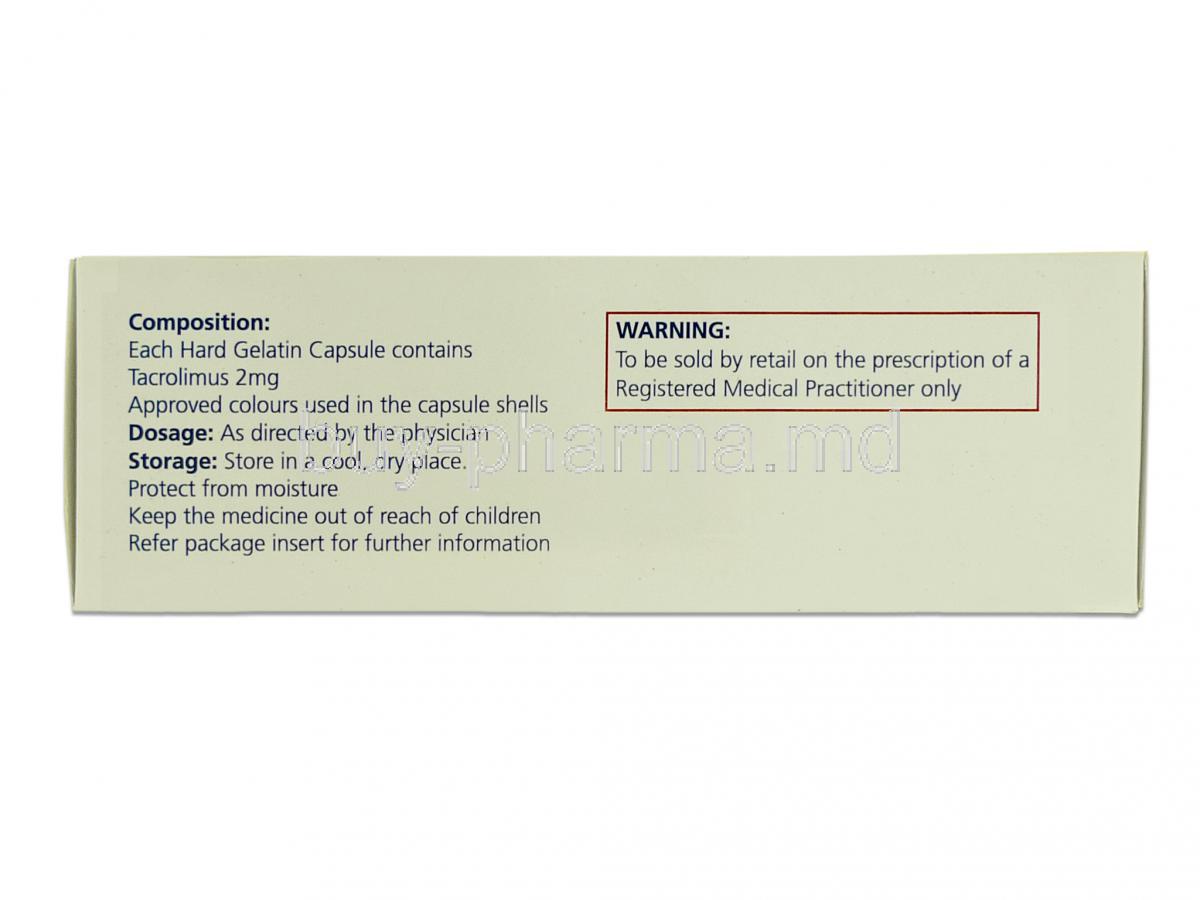
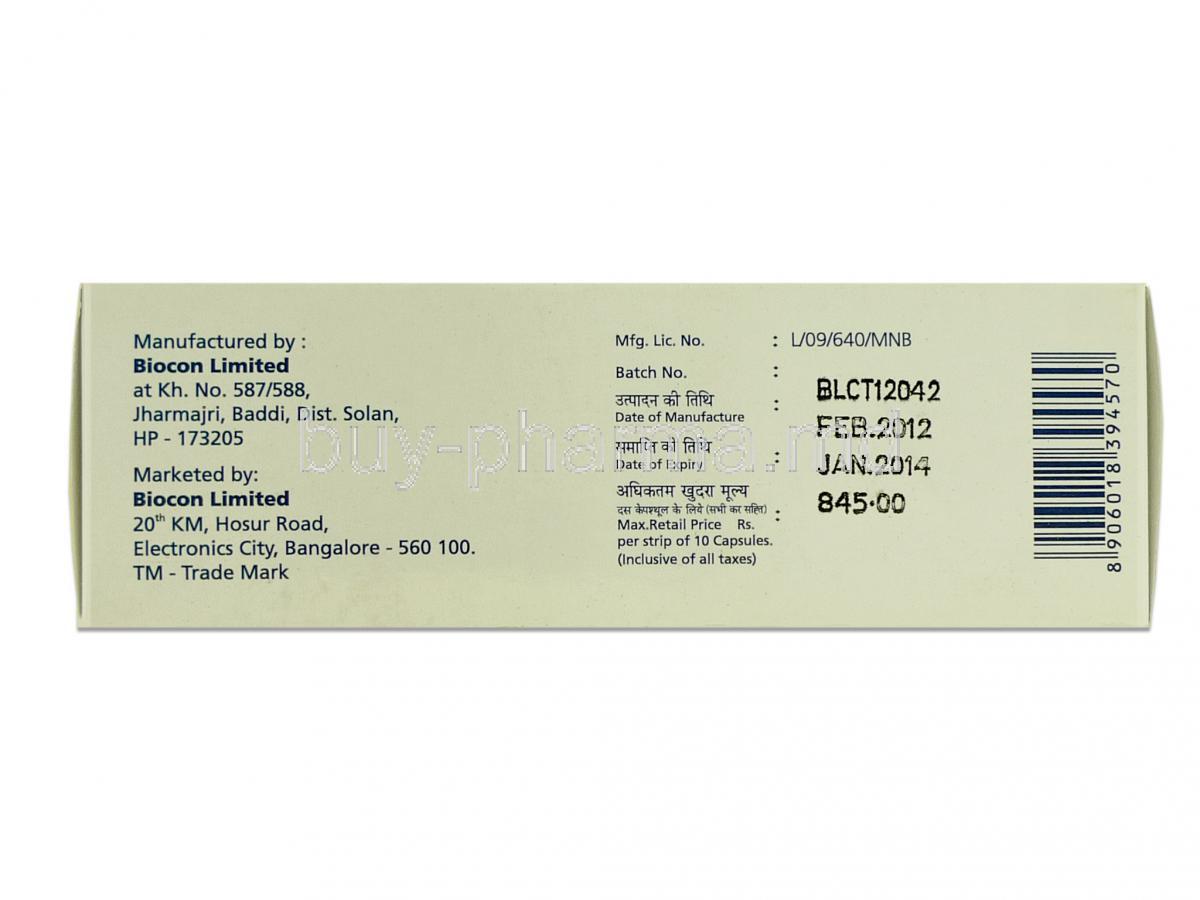
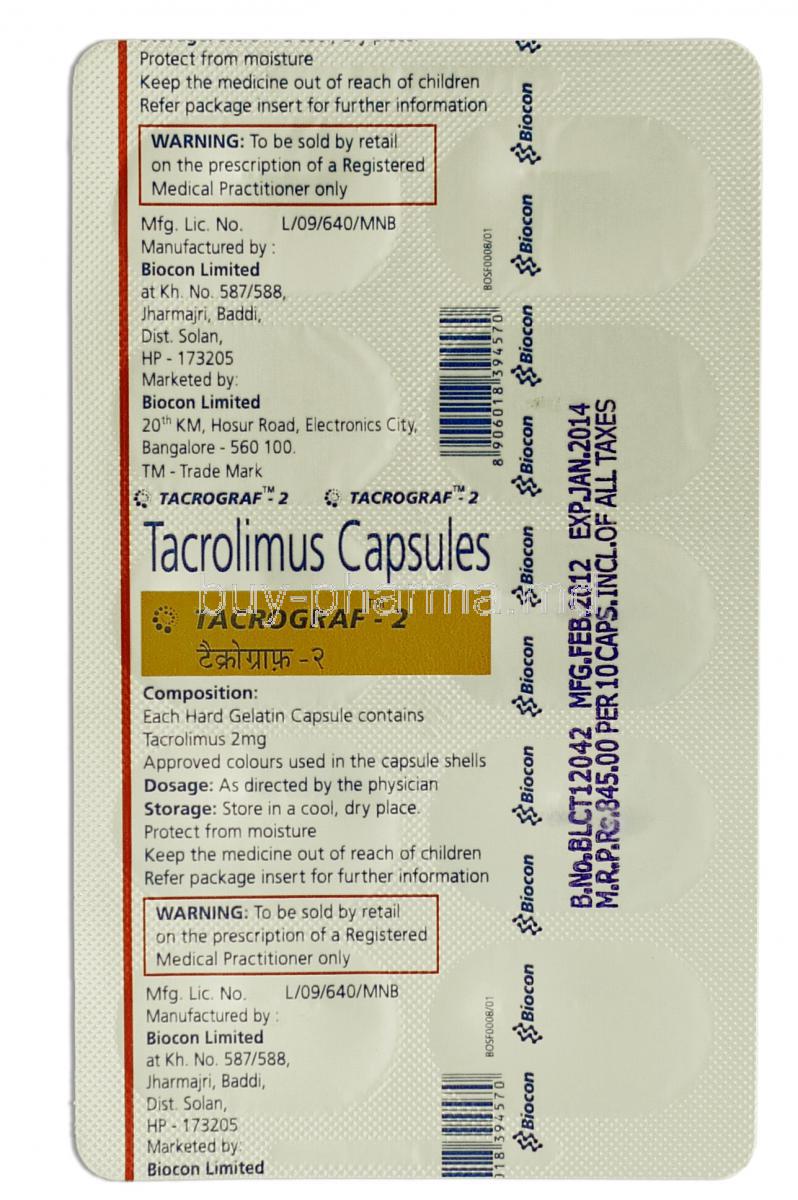
Tacrograf, Tacrolimus FAQ
- What is tacrograf used for?
- What is the use of Tacrograf 0.5 mg?
- What are the side effects of Tacrograf 1mg?
- What is the most common side effect of tacrolimus?
- What is tacrolimus used for in dogs?
- What is tacrolimus for kidney patients?
- What are the benefits of taking tacrolimus?
- How long is it safe to use tacrolimus?
- What to avoid while taking tacrolimus?
- What cancers does tacrolimus cause?
- How quickly does tacrolimus work?
- Is tacrolimus bad for the liver?
- Does tacrolimus a steroid?
- Can tacrolimus raise creatinine?
- Is kidney damage from tacrolimus reversible?
- What are the withdrawal symptoms of tacrolimus?
- What does tacrolimus do to your brain?
- Is tacrolimus good for kidneys?
- What happens if you use too much tacrolimus?
- Can I drink coffee with tacrolimus?
- Why can't you touch tacrolimus?
- Can you take vitamin D with tacrolimus?
- Can tacrolimus affect your heart?
- Does tacrolimus cause hair loss?
- What is tacrolimus in oncology?
- What are the alternatives to tacrolimus?
- What is tacrograf used for?
- What are the benefits of taking tacrolimus?
- How long is it safe to use tacrolimus?
What is tacrograf used for?
To avoid rejection (when the immune system of a recipient attacks an organ), for those who have undergone a kidney transplant.
What is the use of Tacrograf 0.5 mg?
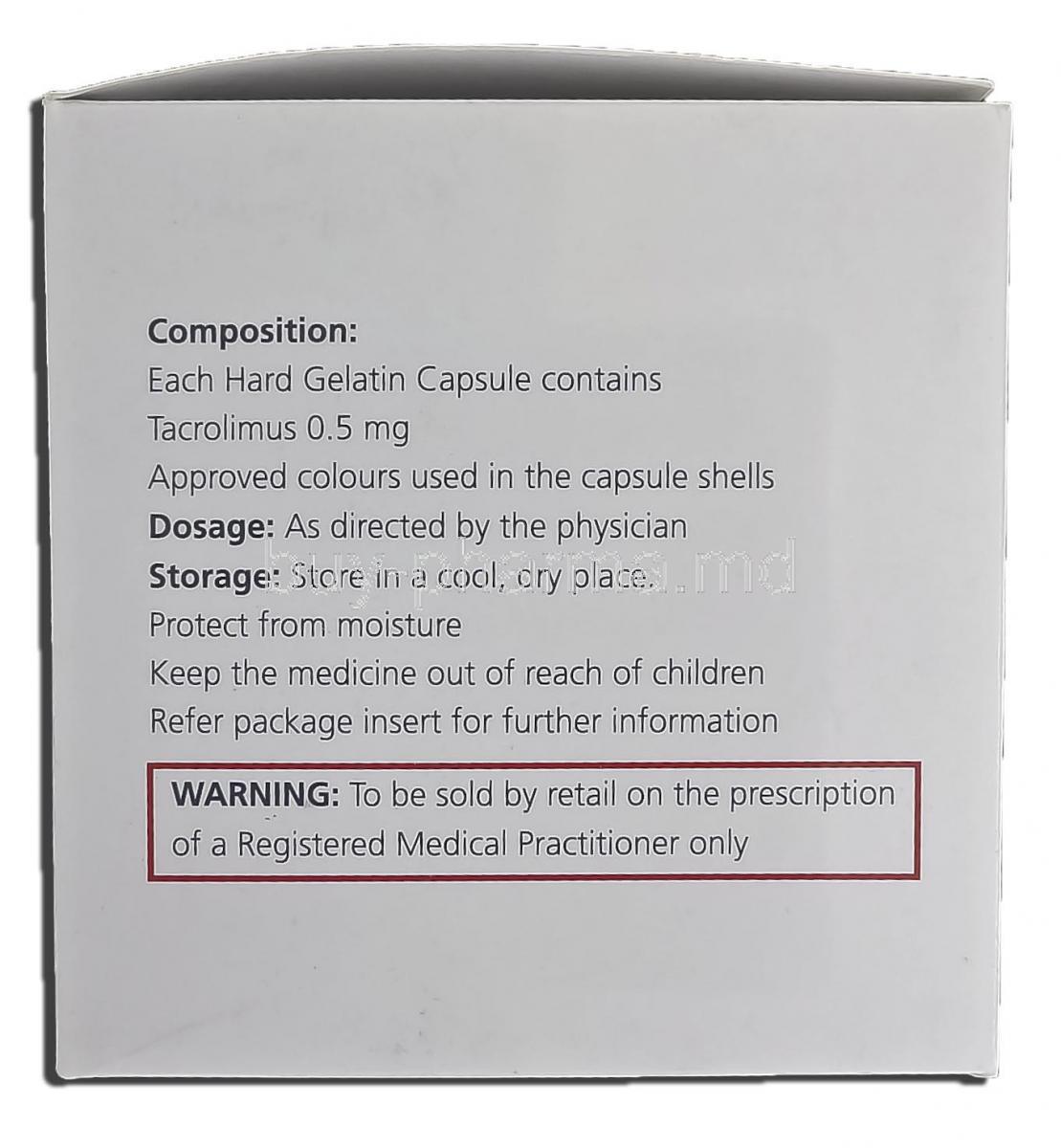
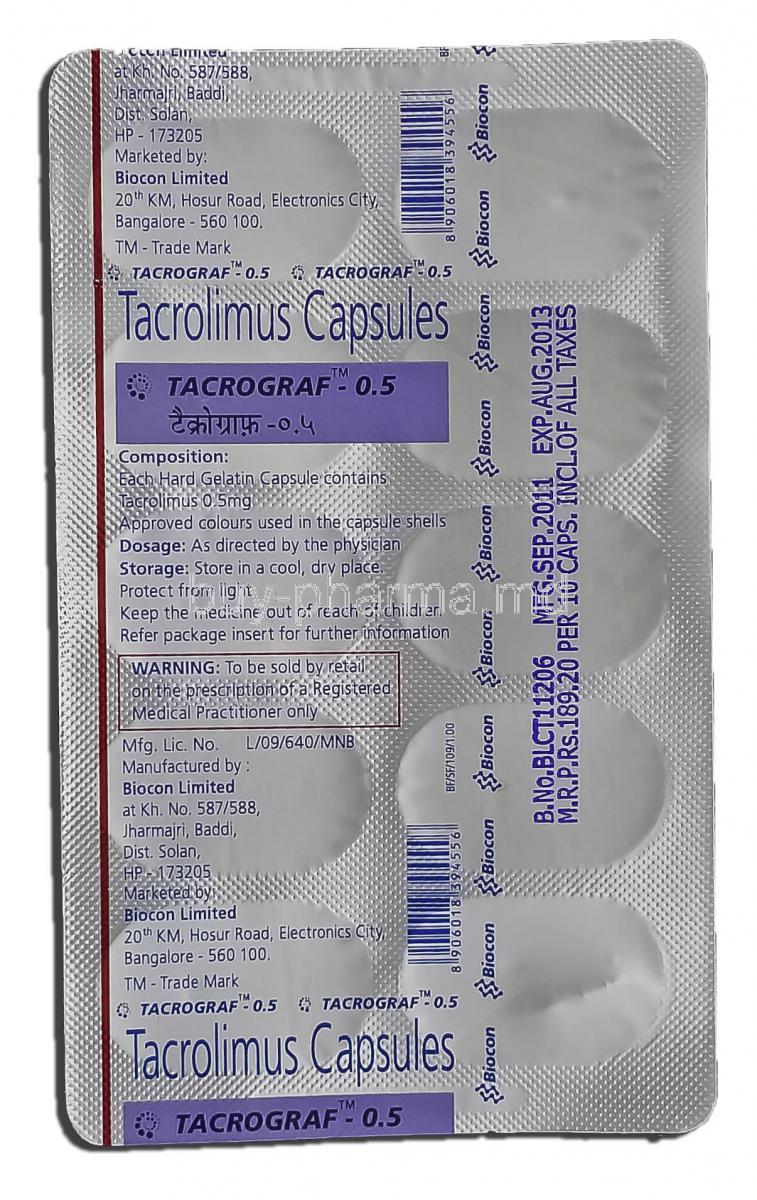
Tacrograf 0. 50 Capsules are taken with medications, which help prevent your body from rejecting a transplanted organ (like the liver, kidney, or heart ). The purpose is to weaken the system in order to protect the organ from attack.
What are the side effects of Tacrograf 1mg?
- Kidney Damage
- High Blood pressure
- Increased glucose level
- Insomnia
What is the most common side effect of tacrolimus?
- Nausea
- Vomiting
- Diarrhea
- Uncontrollable shaking
- Edema
- Fatigue
What is tacrolimus used for in dogs?
A medication that helps manage skin inflammation and itching in cats and dogs due to allergies or an overactive immune system is an agent used for treatment.
What is tacrolimus for kidney patients?
Tacrolimus operates by suppressing your immune system and lessening the harm inflicted on your kidneys.
What are the benefits of taking tacrolimus?
Tacrolimus functions by inhibiting the immune system to stop blood cells from attacking the transplanted organ.
How long is it safe to use tacrolimus?
1 year
What to avoid while taking tacrolimus?
Limit your consumption of foods high in potassium, such as bananas and oranges, to maintain a diet and refrain from consuming grapefruits or any beverages containing grapefruit juice, like Fresca or fruit juice blends with grapefruit juice in them.
What cancers does tacrolimus cause?
Lymphoma, skin cancer
How quickly does tacrolimus work?
12 weeks
Is tacrolimus bad for the liver?
Liver damage caused by tacrolimus is typically mild and resolves quickly, on its own, with dosage changes or stopping the medication.
Does tacrolimus a steroid?
No
Can tacrolimus raise creatinine?
Yes
Is kidney damage from tacrolimus reversible?
Yes
What are the withdrawal symptoms of tacrolimus?
- Skin flushing
- Rashes
- Edema
What does tacrolimus do to your brain?
Impaired cognitive function
Is tacrolimus good for kidneys?
Tacrolimus could potentially lead to a decline in kidney function when the levels of tacrolimus in the blood are excessively elevated.
What happens if you use too much tacrolimus?
The individual exhibits levels of specific kidney function indicators (blood urea nitrogen and creatinine), feelings of nausea, and light hand tremors, alongside increased levels of liver enzymes.
Can I drink coffee with tacrolimus?
Yes
Why can't you touch tacrolimus?
Tacrolimus can enter the body through the skin.
Can you take vitamin D with tacrolimus?
Yes
Can tacrolimus affect your heart?
Tacrolimus may cause cardiac failure.
Does tacrolimus cause hair loss?
Yes
What is tacrolimus in oncology?
Tacrolimus impacted cells and mechanisms that play a role in controlling the immune systems regulation of tumor growth.
What are the alternatives to tacrolimus?
- Humira (adalimumab)
- Stelara (ustekinumab)
What is tacrograf used for?
To avoid rejection (when the immune system of a transplant recipient attacks the organ) in individuals who have undergone a kidney transplant.J
What are the benefits of taking tacrolimus?
Tacrolimus functions by inhibiting the system to stop blood cells from attacking the transplanted organ.
How long is it safe to use tacrolimus?
1 year
Similar Product